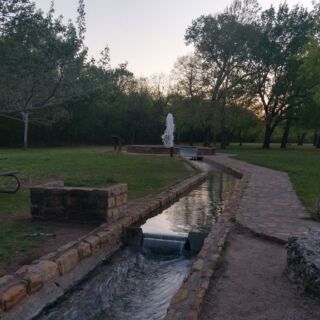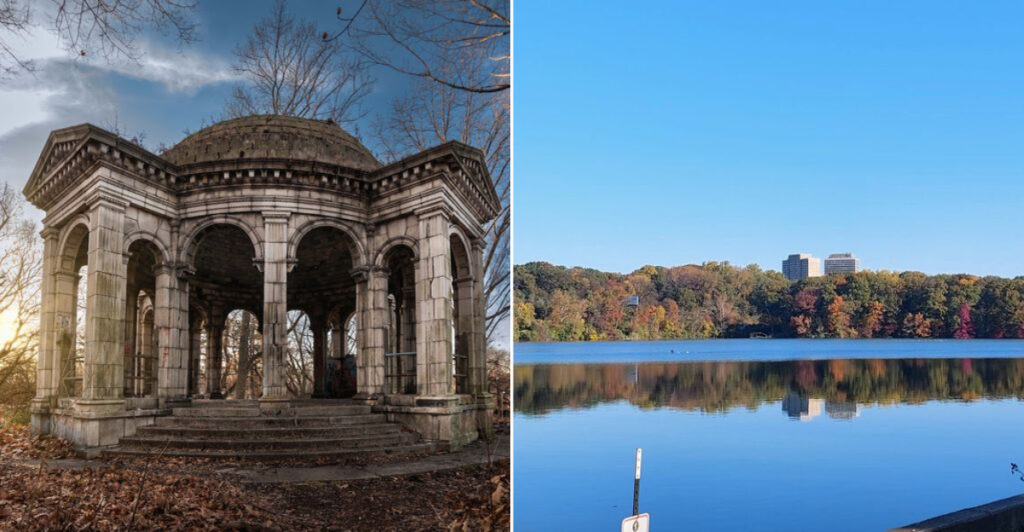
Newark, New Jersey is not a city most people associate with quiet lakeside trails, deep Indigenous history, or presidential connections. Yet tucked into the city’s South Ward is a sprawling green space that carries all of those stories and more.
At over 300 acres, this park has been shaping the community around it for well over a century, drawing walkers, athletes, birdwatchers, and history enthusiasts alike. The stories woven into this land go back far longer than the park’s official founding, and once you start uncovering them, it becomes clear that this is one of the most layered and underappreciated public spaces in the entire state of New Jersey.
Where Exactly This Green Space Sits in Newark
Weequahic Park sits at the corner of Elizabeth Ave and Meeker Ave, Newark, NJ 07112, in the city’s South Ward, managed by Essex County Parks. The park is open every day of the week from 6:30 AM to 9 PM, giving early risers and evening walkers plenty of time to enjoy the grounds.
At roughly 311 acres, this is not a small neighborhood patch of grass. The park spans a significant portion of the South Ward and borders several residential neighborhoods that have grown alongside it for generations.
Free parking is available throughout the park, which makes it an accessible option for anyone driving in from surrounding areas. Public transit routes also connect nearby streets, so a car is not strictly necessary to get here.
The park’s official website through Essex County Parks provides updated information on events, closures, and programs, making it easy to plan a visit without any surprises waiting at the gate.
The Indigenous Name That Started It All
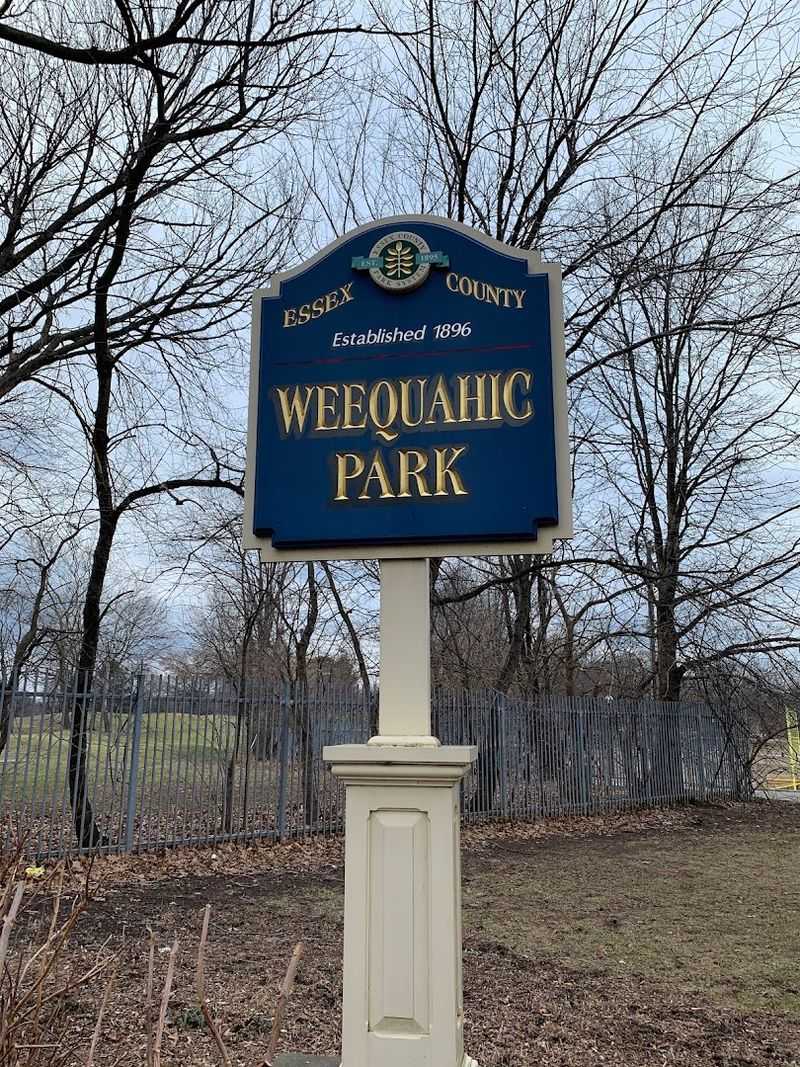
The name Weequahic comes directly from the Lenape people, the Indigenous group who inhabited this region long before European settlers arrived. In the Lenape language, the word is generally understood to refer to the head of a cove or inlet, which makes geographic sense given the large lake at the park’s center.
The Lenape traveled and settled throughout what is now New Jersey, New York, and Pennsylvania, and the land that became this park was part of their territory for centuries. Their connection to this landscape was practical, cultural, and deeply rooted in the land itself.
Keeping the Lenape name attached to this park is more than a historical footnote. It serves as a daily reminder that the land has a story stretching back thousands of years, one that predates the city, the county, and the state entirely.
That kind of continuity is rare, and worth pausing to appreciate every time someone says the park’s name out loud.
A Lake That Holds Records and Reflections
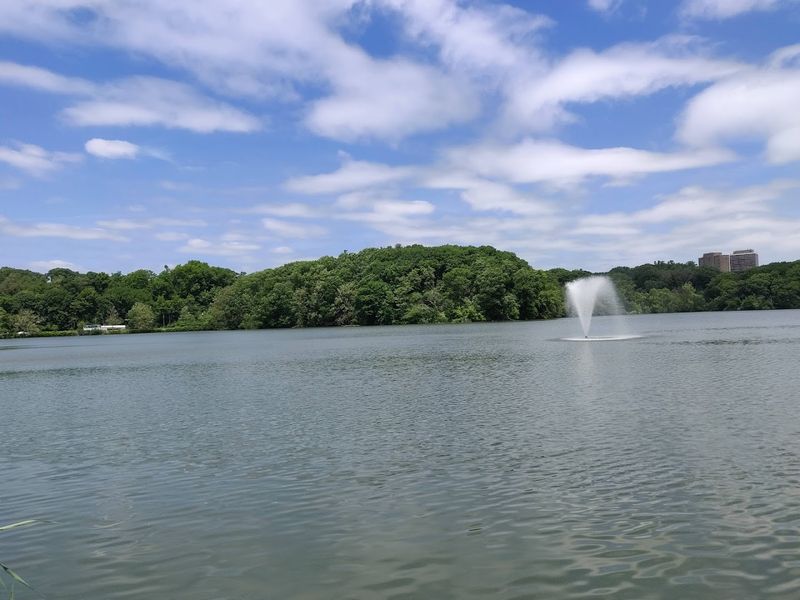
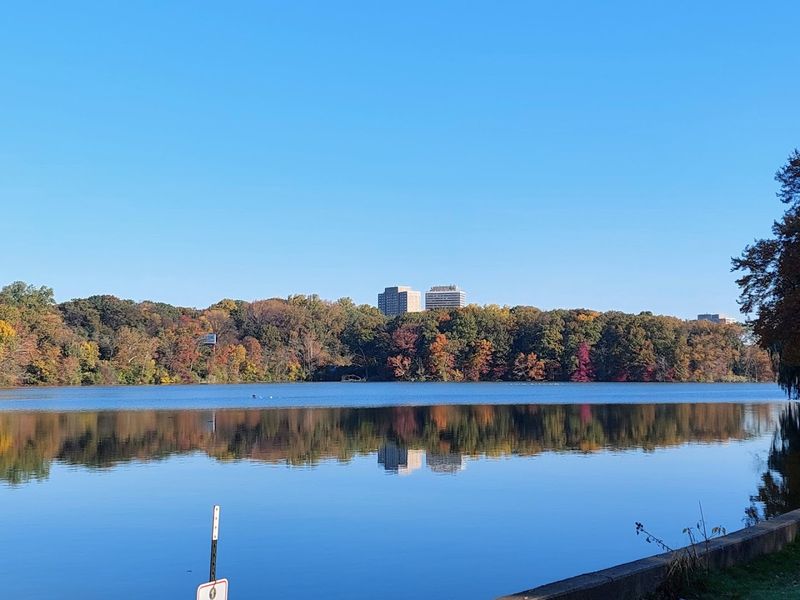
Weequahic Lake sits at the heart of the park and is frequently cited as the largest lake entirely within Essex County. The lake has a fountain feature that adds a visual focal point, and the water draws a surprising variety of wildlife throughout the year.
Birdwatchers have documented ring-necked ducks, hooded mergansers, mallards, great blue herons, and of course the ever-present Canada geese that patrol the shoreline with unmistakable confidence. The lake is also a known fishing spot, though anglers should check current Essex County regulations before casting a line.
The trail that wraps around the lake runs approximately two miles, making it a practical and popular route for joggers, walkers, and anyone looking to get some movement into their day without heading to a gym.
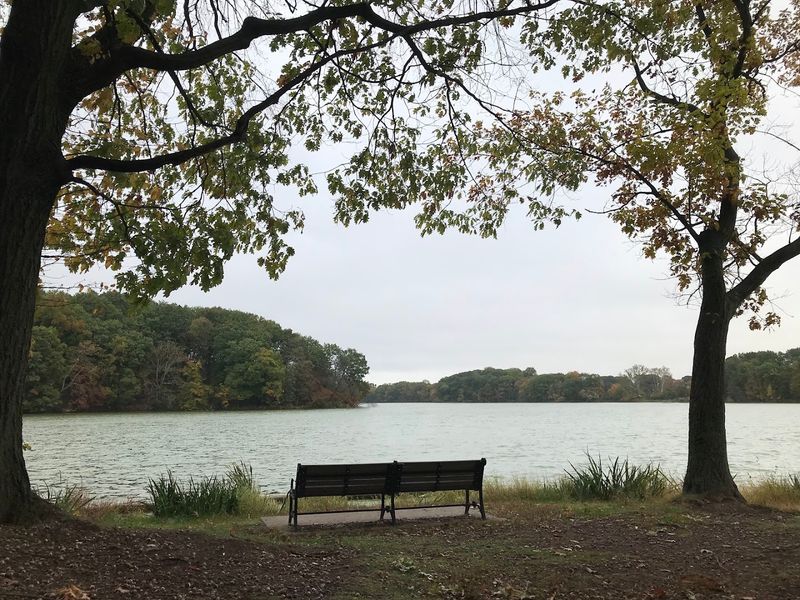
In autumn, the tree line surrounding the water shifts into warm colors, and the overall setting becomes one of the more striking natural scenes available anywhere in the greater Newark area.
Philip Roth Grew Up in the Shadow of This Park
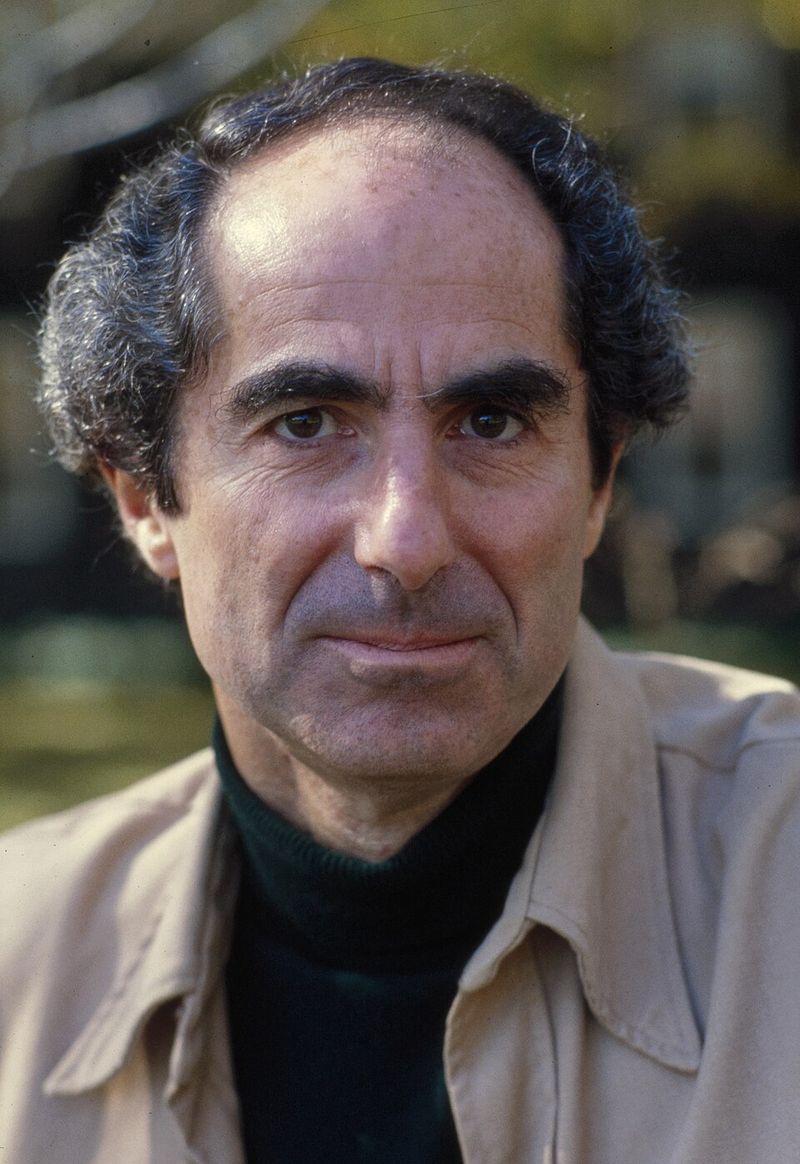
Philip Roth, one of America’s most celebrated novelists and a winner of the Pulitzer Prize, grew up in the Weequahic neighborhood directly adjacent to this park. His childhood in Newark’s South Ward shaped nearly everything about his writing, and the park itself appears in various forms across his body of work.
Roth’s novels, including the acclaimed American Pastoral and his Zuckerman series, are deeply rooted in the working-class Jewish community that defined Weequahic in the mid-20th century. The neighborhood and its park served as the backdrop for a literary career that spanned decades and earned international recognition.
For readers of Roth, walking through the park carries a different kind of weight. The streets, the school nearby, and the park grounds are all part of the geography that produced one of New Jersey’s most important cultural voices.
A literary connection this significant makes Weequahic Park not just a green space, but a kind of living archive of American storytelling.
The Presidential Thread Woven Into the Park’s Past
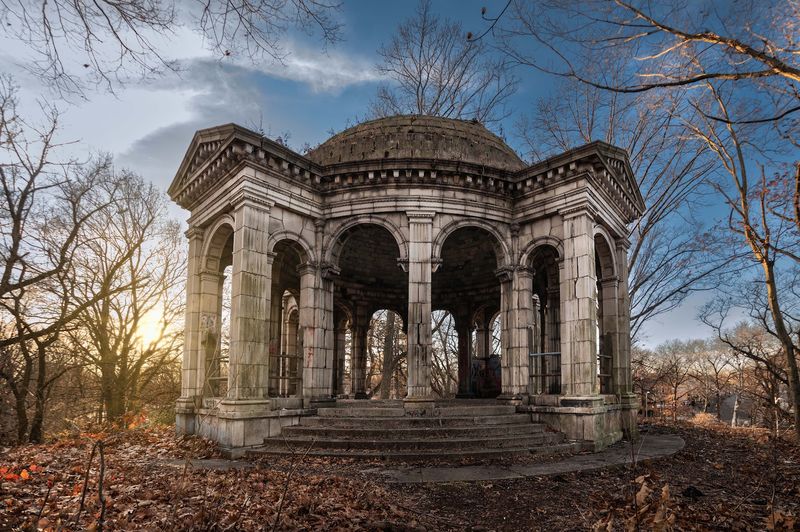
Weequahic Park was designed by the Olmsted Brothers firm, the same landscape architecture practice founded by the sons of Frederick Law Olmsted, the man behind New York’s Central Park. The Olmsted name carries significant weight in American park design history, and Weequahic is one of their notable New Jersey projects.
The park’s early development in the late 19th and early 20th centuries coincided with a period when public green spaces were considered essential to civic health and urban planning. Political leaders at the local, state, and national level were paying close attention to how cities built and maintained parks.
Presidential connections to the broader Olmsted legacy and the era of progressive park development give Weequahic a thread that ties it to national history, not just local pride. The park was part of a nationwide movement to bring structured natural spaces into growing American cities.
That context turns a simple walk around the lake into something that connects directly to a larger chapter in the story of American public life.
The Running Track That Keeps the Community Moving
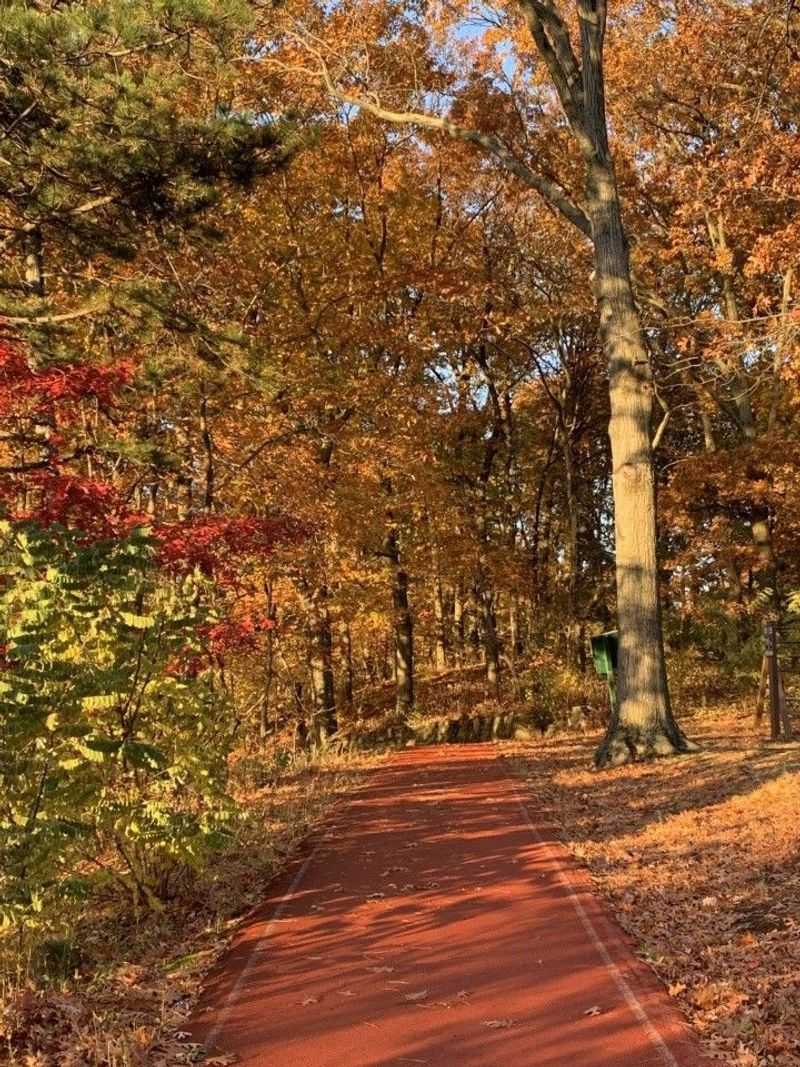
The rubberized running track that loops around the lake is one of the park’s most used features. Recently updated, the track provides a consistent and reliable surface for joggers, walkers, and anyone working through a training routine.
The full loop around the lake covers roughly two miles, which works out conveniently for people tracking distance. Those looking for a longer session can add additional laps without any repetition feeling too monotonous, since the lake view and surrounding trees keep the scenery varied enough to hold attention.
Fitness stations are positioned at various points along the trail, offering basic calisthenics equipment for those who want to add strength work to their cardio. The setup makes it possible to build a full workout without needing any additional equipment or a gym membership.
On weekends especially, the track sees a steady mix of serious runners, casual walkers, and families moving at their own pace, creating a communal energy that reflects the park’s broad appeal across the neighborhood.
Athletic Fields That Host Real Competition
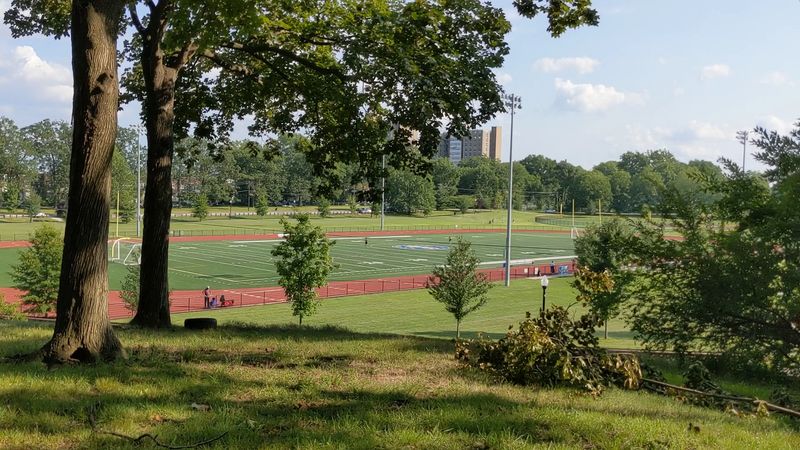
Beyond the lake trail, Weequahic Park contains a substantial sports complex with multiple fields dedicated to soccer, football, and baseball. The fields attract organized leagues, pickup games, and school programs from across Newark and the surrounding Essex County communities.
Having this level of athletic infrastructure inside a city park is a genuine asset for a dense urban area where open space is limited. The fields give young athletes a place to train and compete without traveling far from their neighborhoods.
The layout of the sports complex is designed to handle multiple games simultaneously, so on busy weekends, different corners of the park can be running entirely separate events at the same time. That kind of capacity is uncommon in city parks of any size.
For those not actively playing, the sidelines offer a good spot to watch local competition at a relaxed pace, with the park’s wider green space providing plenty of room to spread out and enjoy the afternoon.
Birdwatching That Surprises Even Experienced Birders
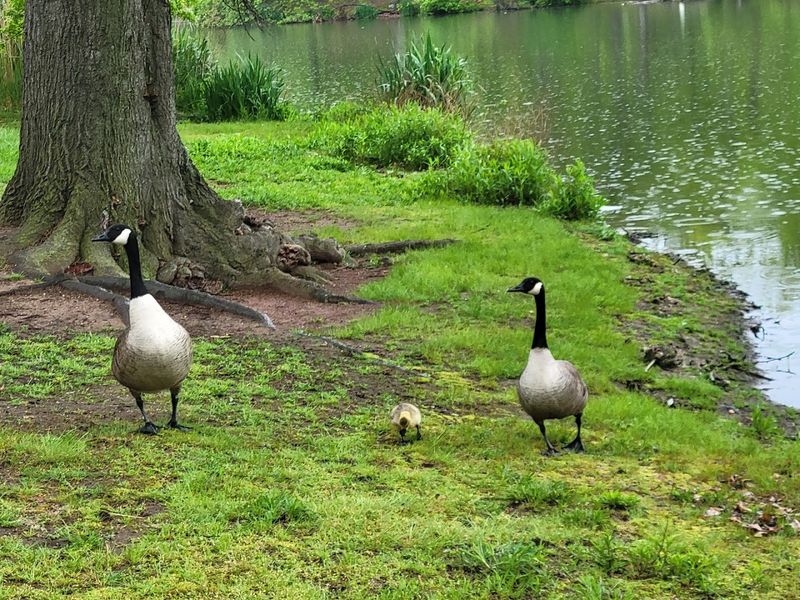
The birdlife at Weequahic Park is more diverse than most people expect from an urban park in a major New Jersey city. The lake functions as a natural stopover point for migratory birds, which means the species list shifts depending on the time of year.
Documented sightings at the lake have included ring-necked ducks, hooded mergansers, spoonbills, mallards, and resident great blue herons that patrol the wooded edges of the water. Canada geese are a year-round fixture, often moving across the trail in groups that require a little patience from passing walkers.
The wooded sections of the trail near the lake provide cover for smaller songbirds as well, making a slow walk through those areas worthwhile for anyone carrying binoculars. Early morning visits tend to produce the most activity before the park fills with foot traffic.
Weequahic is not a dedicated nature reserve, but its birding potential is real enough that it draws people who take their wildlife observation seriously alongside casual walkers just noticing something interesting near the water.
The Golf Course That Adds Another Layer
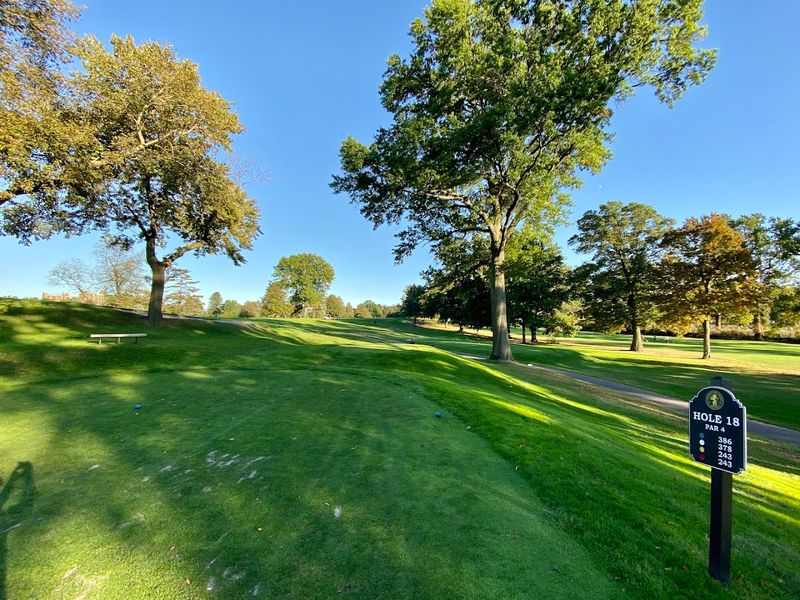
Weequahic Park includes a public golf course that has been part of the park’s offerings for decades. The Weequahic Golf Course gives residents of Newark and surrounding communities access to the sport without the barrier of private club membership fees.
Public golf courses inside urban parks are increasingly rare, which makes this one a notable asset for the Essex County park system. The course is managed as part of the broader Essex County Parks network, and information on tee times and fees is available through the county’s parks department.
The course layout works with the natural topography of the park, incorporating the existing trees and terrain rather than flattening everything into a generic design. That relationship with the landscape gives it a character that distinguishes it from more manufactured suburban courses.
For Newark residents who want to take up the sport or maintain their game close to home, having a functional public course within city limits is a practical benefit that does not get enough attention in conversations about what this park actually offers.
Fall at the Park Is Its Own Kind of Event
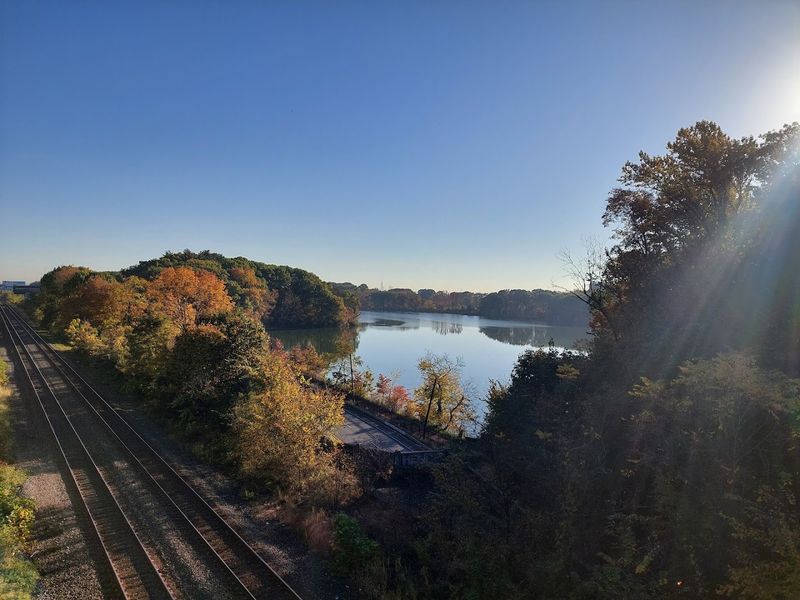
Autumn transforms Weequahic Park in a way that catches people off guard if they have only visited during warmer months. The tree canopy surrounding the lake shifts through a full range of warm colors, and the reflection on the water adds to the overall effect.
Squirrels become especially active during fall, foraging along the trail with the kind of focused determination that makes them oddly entertaining to watch. They tend to move around people without much concern, which gives the trail a relaxed wildlife quality that feels out of place in a city of Newark’s size.
The cooler temperatures also make the two-mile loop more comfortable for sustained walking or jogging, and the reduced crowds compared to summer give the trail a quieter character. Many regular visitors consider the fall season the best time to experience the park at its most natural.
Planning a visit between late September and early November gives the best chance of catching the color change at its peak before the leaves drop and the lake view opens up entirely.
Community Events That Bring the Park to Life

Weequahic Park has hosted large-scale community events that draw crowds well beyond the park’s regular daily visitors. The Universal Soul Circus, a nationally touring circus production, has set up at the park and brought significant foot traffic to the grounds, turning the open space into a temporary entertainment venue.
Essex County Parks uses the park’s open areas for seasonal programming, and the size of the grounds makes it practical for events that need room to spread out. The combination of open fields, parking availability, and central location within Newark makes Weequahic a logical choice for large gatherings.
Community events at the park serve a social function beyond entertainment. They bring together residents from across Newark’s South Ward and neighboring areas, reinforcing the park’s role as a shared civic space rather than just a recreational facility.
Checking the Essex County Parks website before visiting is a good habit, since scheduled events can affect parking availability and access to certain sections of the park on specific dates.
Playground and Family Spaces Worth Knowing About
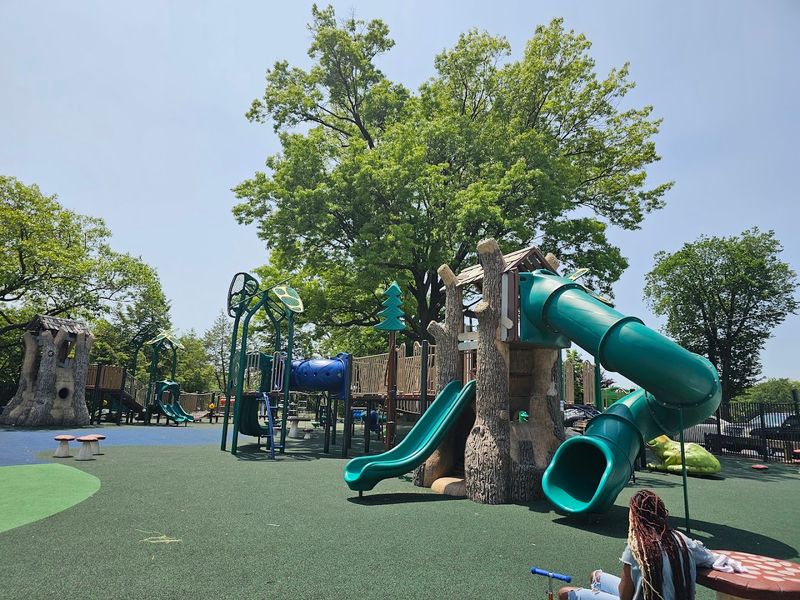
Weequahic Park includes a playground area that gives families with younger children a dedicated space within the larger park. The equipment has been noted as being in reasonably good condition, and the surrounding grass provides additional room for kids to run around beyond the structured play structures.
Benches are positioned throughout the park, including near the playground and along the lake trail, giving adults a place to rest while children or other family members use the space. The free parking situation makes loading up the car with kids, gear, and everything else a manageable process.
No pets are permitted in the park, which is worth knowing before arriving with a dog. The no-pet policy is consistently enforced and is noted on the Essex County Parks guidelines for the property.
Portable restroom facilities are available within the park, which, while not ideal, at least means the basic need is covered during longer visits. Families planning a full afternoon should factor that in when preparing for a trip to the park.
The Weequahic Neighborhood That Surrounds It All
The Weequahic neighborhood that surrounds the park carries its own distinct identity within Newark. Historically, it was one of the city’s most densely populated and culturally rich areas, home to a large Jewish community in the mid-20th century and later to other immigrant and working-class communities.
Philip Roth’s novels document the neighborhood in detail, capturing its streets, schools, and social dynamics across several decades. That literary record gives Weequahic a cultural depth that most urban neighborhoods never develop, turning local history into something with national literary significance.
Today the neighborhood continues to evolve, with the park serving as a constant anchor point for community life. The relationship between the park and the surrounding streets is mutual, each one defining the character of the other in ways that are difficult to separate.
Walking the perimeter of the park and then stepping into the surrounding blocks gives a fuller picture of what Weequahic actually is, not just a park, but the center of a neighborhood with a long and layered story.
Practical Tips for Getting the Most Out of a Visit
Weequahic Park is open daily from 6:30 AM to 9 PM, which gives visitors a solid window for both early morning and evening use. Arriving closer to opening time on weekdays tends to mean fewer people on the trail and a more relaxed pace around the lake.
Free parking is available throughout the park, which is a genuine convenience in an area where paid parking is common. Multiple entry points exist along Elizabeth Avenue and surrounding streets, so finding a spot close to the intended activity is usually straightforward.
No pets are allowed, so leave the dog at home. The trail surface is rubberized and well-maintained following recent updates, but some edge sections have shown wear, so staying toward the center of the track is a reasonable precaution.
Bringing water is advisable since restroom facilities are limited to portable units. The Essex County Parks website at essexcountyparks.org carries current information on events, trail conditions, and any temporary closures that might affect a planned visit.
Why This Park Deserves More Recognition Than It Gets
Weequahic Park checks an unusual number of boxes for a single public space. It holds Indigenous history in its name, literary history in its neighborhood, landscape architecture history in its Olmsted-era design, and natural history in the wildlife that uses the lake year-round.
Most parks of this quality and complexity sit in cities that actively market them to tourists and local residents alike. Weequahic, by contrast, operates largely under the radar, known well by the communities that use it regularly but rarely mentioned in broader conversations about what makes New Jersey worth exploring.
The park’s combination of a two-mile lake trail, public golf course, athletic fields, birdwatching opportunities, and community event space makes it one of the more complete urban parks in the entire state. That range of offerings in one location is not common, and it makes the case for Weequahic being treated as a destination rather than just a local amenity.
Newark has more to offer than most people realize, and this park is one of the clearest examples of exactly that.
Share this story