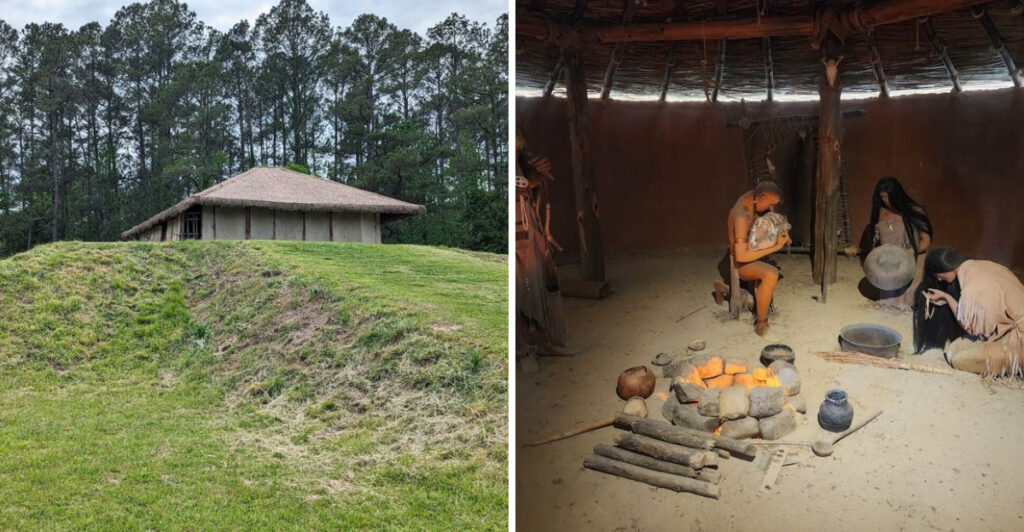
Deep in the heart of Montgomery County, North Carolina, there is a place that most people drive right past without ever knowing it exists. A ceremonial mound built by Native Americans nearly 500 years ago sits quietly along the Little River, holding stories that stretch back centuries.
The site has a 4.6-star rating from hundreds of visitors, and nearly everyone who finds it says the same thing: they had no idea this was here. I stumbled across it myself while passing through the area, and I can honestly say it stopped me in my tracks.
This is the kind of place that makes you feel small in the best possible way, and once you visit, you will absolutely want to tell everyone you know about it.
Where Exactly You Will Find This Ancient Place
The full address is 509 Town Creek Mound Rd, Mt Gilead, NC 27306, tucked away in Montgomery County, a part of North Carolina that most travelers overlook completely. The site sits near the Little River, and the surrounding landscape is lush, quiet, and surprisingly remote for a state historic site.
Getting there requires a bit of a drive down a two-lane road that winds through farmland and forest. I remember thinking I had taken a wrong turn at least twice before the parking lot finally appeared.
The lot is generously sized, clean, and well-maintained, which was a pleasant surprise given how off the beaten path the location feels.
The site is open Tuesday through Friday from 9 AM to 5 PM, and also on Saturdays from 9 AM to 5 PM. It is closed on Sundays and Mondays.
Admission is completely free, though donations are warmly welcomed.
You can also call ahead at +1 910-439-6802 or check out the official website at http://www.towncreekindianmound.com/ before making the trip.
The Deep History Behind the Mound
Long before European settlers arrived in the Carolinas, a group of Native Americans known as the Pee Dee culture built a ceremonial center along the Little River that would stand as one of the most significant archaeological sites in the entire southeastern United States. The mound itself dates back to roughly 1000 CE, and its purpose was deeply spiritual and communal.
Archaeologists spent decades carefully excavating the site, uncovering artifacts, burial grounds, and structural remains that helped paint a vivid picture of how these people lived and worshipped. The findings here have been compared in cultural importance to mound sites found as far away as Oklahoma, where similar Native American ceremonial traditions were practiced across the broader Mississippian culture.
What makes this place so captivating is the sheer weight of time you feel while standing on the grounds. The mound was not just a pile of earth; it was the spiritual center of an entire community.
Researchers believe the site was actively used for several centuries before it was eventually abandoned, leaving behind a landscape that still carries a palpable sense of the lives once lived here.
The Visitor Center and Its Introductory Video

The first thing you do when you arrive is head into the visitor center, a modest but well-organized building that sets the tone for everything you are about to experience outside. The staff greeted me warmly the moment I walked through the door, and I immediately felt like I was in good hands.
An 18-minute introductory video plays whenever you arrive, and the staff will start it at any time to accommodate your schedule. The video is genuinely well-produced and gives a solid foundation for understanding what the Pee Dee people built here and why it mattered.
It covers how archaeologists pieced together the story of the site using fragments, bones, and soil samples rather than written records.
The museum section of the visitor center holds a collection of artifacts found directly on the property, including pottery shards, tools, and ceremonial objects. Each display is clearly labeled and easy to understand, even for younger visitors.
There is also a small gift shop where you can pick up souvenirs and native-inspired products.
The restrooms are clean and well-kept, which is always a welcome detail when you are spending a few hours at an outdoor site.
Standing on the Ceremonial Mound Itself
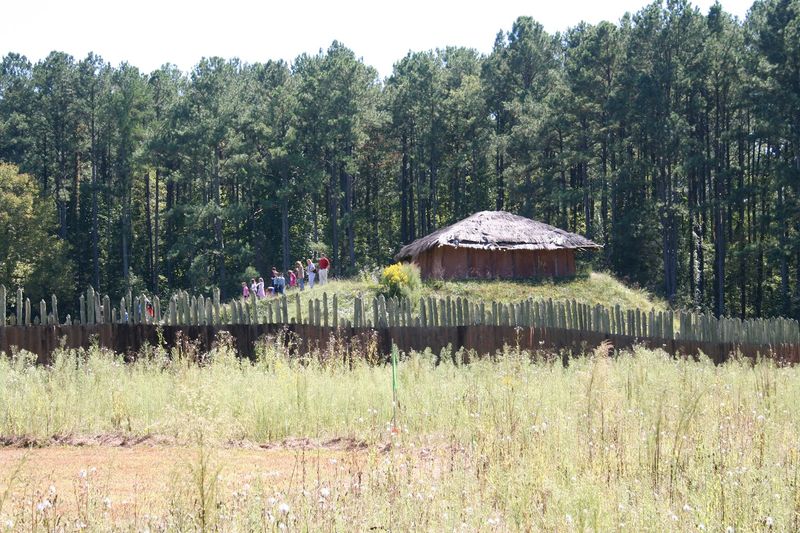
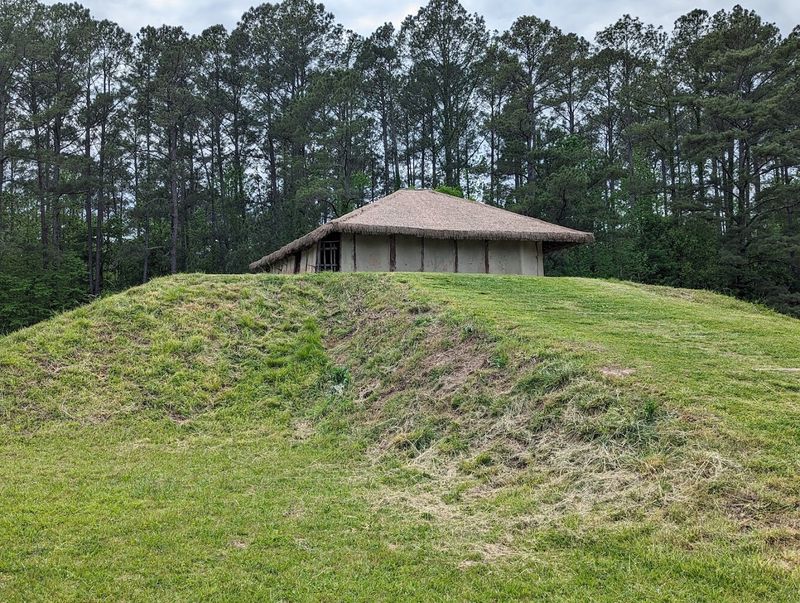
Nothing quite prepares you for the moment you walk out of the visitor center and see the mound for the first time. It rises from the flat ground with a quiet authority that feels both ancient and alive, and the reconstructed temple sitting on top of it makes the whole scene look like something out of a history textbook brought to life.
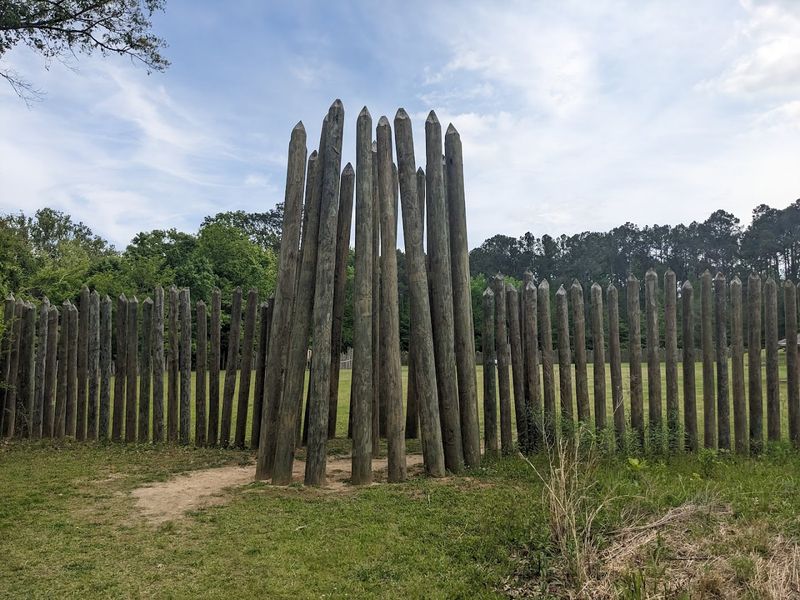
The mound is not enormous by modern standards, but its presence is commanding. A wooden palisade wall surrounds the ceremonial area, and the sharpened posts give the enclosure a distinctly fortress-like feel that hints at both protection and ritual.
You can climb up to the temple and step inside, which is one of the most genuinely cool experiences the site offers.
Standing at the top and looking out over the Little River floodplain, it is easy to understand why this spot was chosen. The view is strategic, peaceful, and slightly elevated above the surrounding land.
Similar mound-building traditions were practiced by Native communities across the South and into present-day Oklahoma, but there is something uniquely intimate about this particular site that larger, more commercial destinations simply cannot replicate.
The Replica Structures You Can Explore Up Close
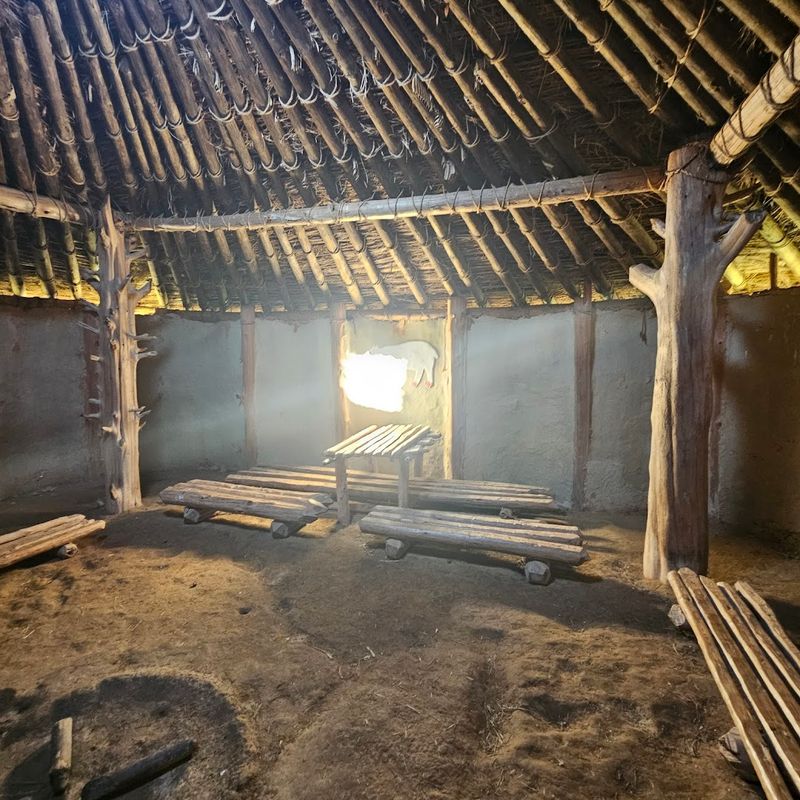
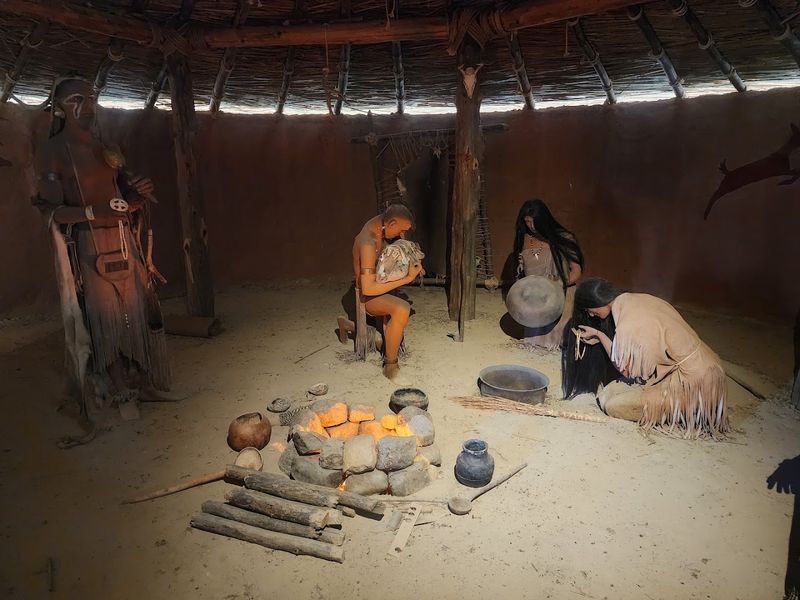
Beyond the main mound, the site features three small replica structures that represent different aspects of Pee Dee daily and ceremonial life. Two of them are typically open for visitors to enter, and stepping inside each one gives you a tangible sense of scale and craftsmanship that no photograph can fully capture.
The structures are built using traditional materials and construction methods, which means they are not polished or pristine. They feel genuinely old-fashioned in the best way, and the interiors are dim and earthy in a way that makes the history feel real rather than staged.
One of the buildings was closed for renovation during my visit, but the staff mentioned that repairs were underway and the full site would soon be accessible again.
One small practical note: the area around the huts tends to attract insects, particularly gnats, flies, and bumblebees during warmer months. Bringing insect repellent is a smart move if you plan to linger.
Despite the buzzing company, spending time inside those structures felt meaningful in a way I did not expect.
The craftsmanship and the context together create something that sticks with you long after you leave.
The Burial Area and What It Reveals
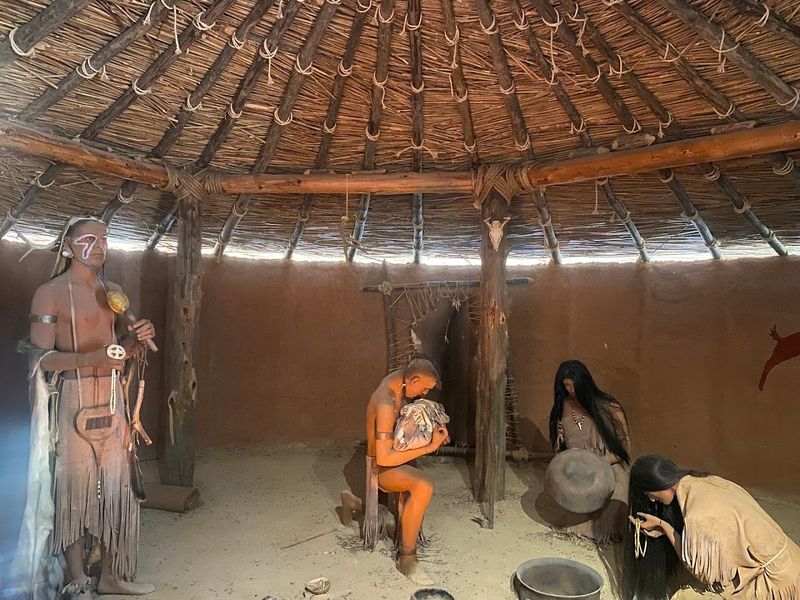
One of the most thought-provoking parts of the site is the burial area, which gives visitors a respectful and educational look at how the Pee Dee people honored those who passed. The replica burial chamber on the grounds is sobering in the best possible sense, not morbid, but deeply humanizing.
Archaeologists found numerous burials during excavations here, and the careful study of those remains helped researchers understand everything from diet and health to social structure and spiritual beliefs. The site handles this sensitive topic with real care, presenting the information in a way that feels respectful to the culture and educational for the visitor.
Burial mound traditions were widespread across Indigenous cultures in the southeastern United States, and connections have been drawn to similar practices documented in Oklahoma and other parts of the South. What stands out at Town Creek is how the burial area is integrated into the larger ceremonial landscape rather than treated as a separate exhibit.
The whole site tells one connected story, and the burial area is a crucial chapter in that story.
Visiting it with that context in mind makes the experience feel much more meaningful than a typical museum stop.
The Nature Trail Along the Little River
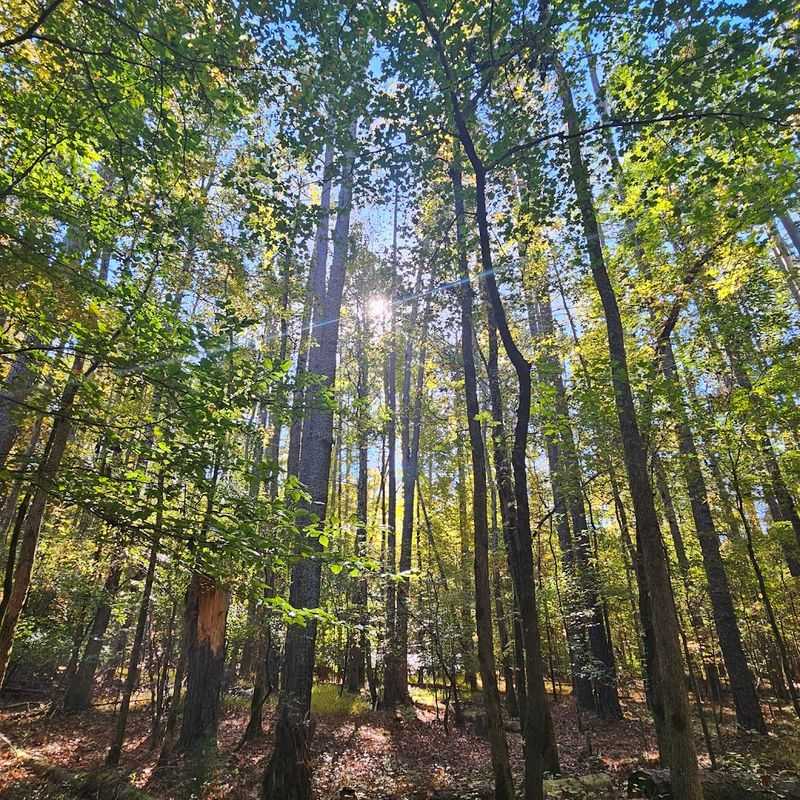
After you finish exploring the ceremonial grounds, a short nature trail leads you through the surrounding woodland and back around to the visitor center. The trail runs along the Little River corridor, and the combination of mature trees, birdsong, and gentle river sounds makes it one of the more relaxing walks I have taken at any historic site.
The trail is not long or strenuous, which makes it genuinely family-friendly. Kids with shorter legs can handle it without complaint, and the easy terrain means you can focus on the scenery rather than watching your footing.
That said, after rain the ground can get muddy and slippery, so wearing sturdy shoes is a smart call no matter the season.
During my visit, part of the trail had been closed due to storm damage from Hurricane Helene, and some downed trees were still being cleared. The staff were upfront about which sections were accessible, which I appreciated.
Even with the partial closure, the walkable portion of the trail was worth every step.
The way the forest closes in around you and the sound of the river drifts through the trees creates an atmosphere that feels genuinely removed from the modern world.
What the Staff Brings to the Experience
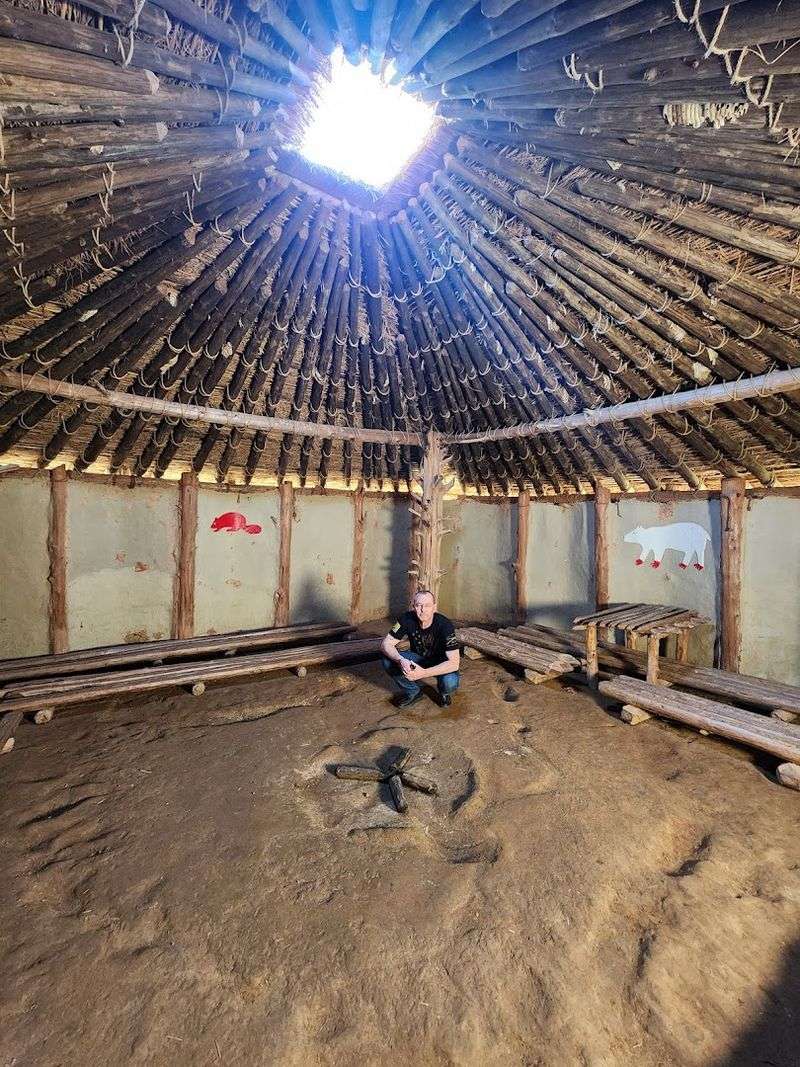
A site like this could easily feel lifeless without the right people running it, but the staff at Town Creek Indian Mound are genuinely exceptional. Every person I encountered was knowledgeable, approachable, and clearly passionate about the history they were sharing.
One staff member spent nearly twenty minutes with me after the introductory video, answering questions about the archaeological methods used at the site and explaining how researchers determined the mound’s original height and purpose. That kind of personal engagement is rare at free public sites, and it elevated the whole visit considerably.
Another visitor nearby was with a young child who had endless questions, and the staff member answered every single one with patience and enthusiasm.
The team is small but mighty, and they clearly take pride in what they do. Visitors with a Tuscarora or other Native American background have noted that the site carries personal significance, and the staff handle those conversations with genuine sensitivity and warmth.
Similar Indigenous heritage sites in Oklahoma and across the South often struggle to maintain this level of personal connection, which makes the human element here feel especially valuable.
A knowledgeable guide can turn a pleasant outing into something you talk about for years.
The Atmosphere That Makes This Place Feel Otherworldly
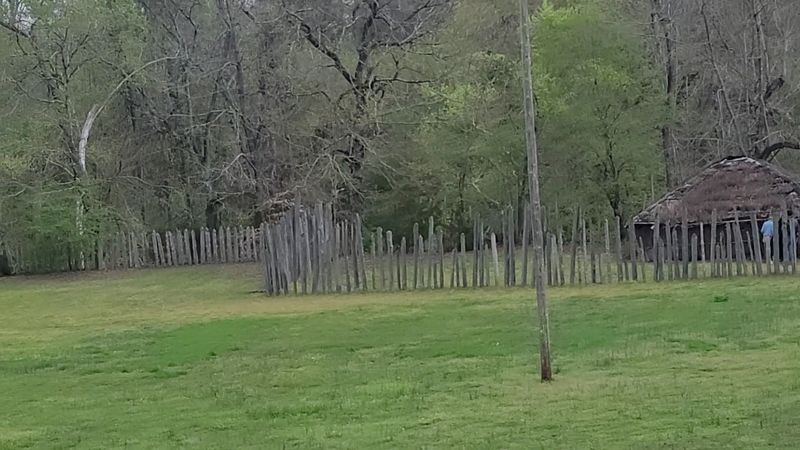
There is a quality to the air at Town Creek that is genuinely hard to describe without sounding dramatic. The site sits in a natural floodplain with the river nearby, and on the right day, particularly at dusk or after a light rain, a thin mist settles over the grounds that makes the whole place feel suspended in time.
One visitor described it perfectly without even trying: the combination of the natural setting, the ancient mound, and the cooling air gave the area an ethereal quality that lingered long after leaving. That word, ethereal, kept coming back to me as I walked the grounds on my own visit.
The silence is not empty; it feels full of something older than memory.
This atmosphere is not manufactured or staged. There are no floodlights, no dramatic soundscapes, and no theatrical presentations.
The site simply exists as it has for centuries, and the land itself does all the atmospheric heavy lifting. Comparable feelings have been reported at sacred mound sites in Oklahoma and other parts of the Deep South, but the intimate scale of Town Creek makes the experience feel personal rather than monumental.
You are not a tourist here; you feel like a quiet guest.
Tips for Planning Your Visit
A few practical details can make a real difference in how much you enjoy your time here. The site is open Tuesday through Saturday from 9 AM to 5 PM, so plan accordingly and avoid showing up on a Sunday or Monday when the gates will be locked.
Arriving by 3 PM gives you enough time to watch the video, explore the grounds, and walk the trail without feeling rushed.
Entry is free, which makes this one of the most accessible historic sites in the entire state. Donations are accepted and genuinely help maintain the property, so tossing a few dollars in the box is a kind gesture.
The gift shop carries native-inspired products and small souvenirs, and the prices are reasonable for a site of this kind.
Bring insect repellent during spring and summer, wear shoes with good grip, and carry water if you plan to spend more than an hour outside. The site has picnic tables if you want to bring lunch, and a nearby spot in Mt Gilead is a convenient option for a quick meal afterward.
Anyone traveling through central North Carolina, or making a dedicated trip the way some visitors do from Oklahoma and beyond, will find the detour more than worth the effort.
Share this story