Somewhere in the flat farmland of western Ohio, between rows of corn and the occasional grain silo, sits a place that holds one of the largest collections of Catholic holy relics in the entire United States. Most people driving through Mercer County would never guess it was there.
But those who find it often describe the experience as one of the most spiritually moving things they have ever encountered. With more than 1,200 relics representing hundreds of saints across centuries of Christian history, this small-town shrine carries a weight that is hard to put into words.
What Is the Maria Stein Shrine of the Holy Relics
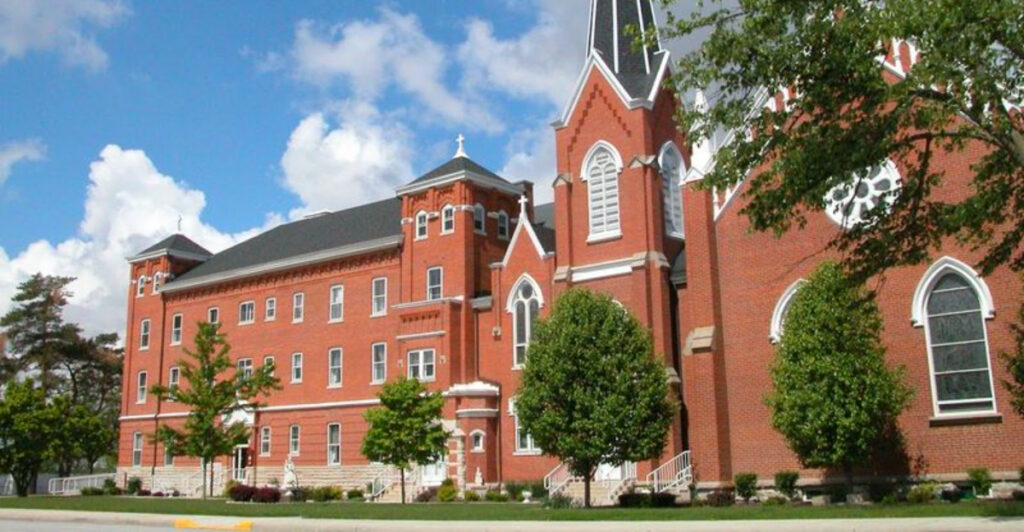
Not every remarkable place announces itself with a grand entrance. The Maria Stein Shrine of the Holy Relics sits quietly at 2291 St. Johns Road, Maria Stein, Ohio 45860, tucked into the rural heart of Mercer County in the western part of the state.
The building itself is a converted structure with deep roots in Catholic history, once serving as a school and later a convent before becoming the shrine visitors experience today. Its brick exterior and well-kept grounds give it the look of a place that has been carefully loved for a very long time.
What makes it extraordinary is what waits inside. The shrine houses one of the largest collections of Catholic holy relics in the United States, drawing pilgrims, history enthusiasts, and curious travelers from across the country year after year.
A Collection That Defies Expectations
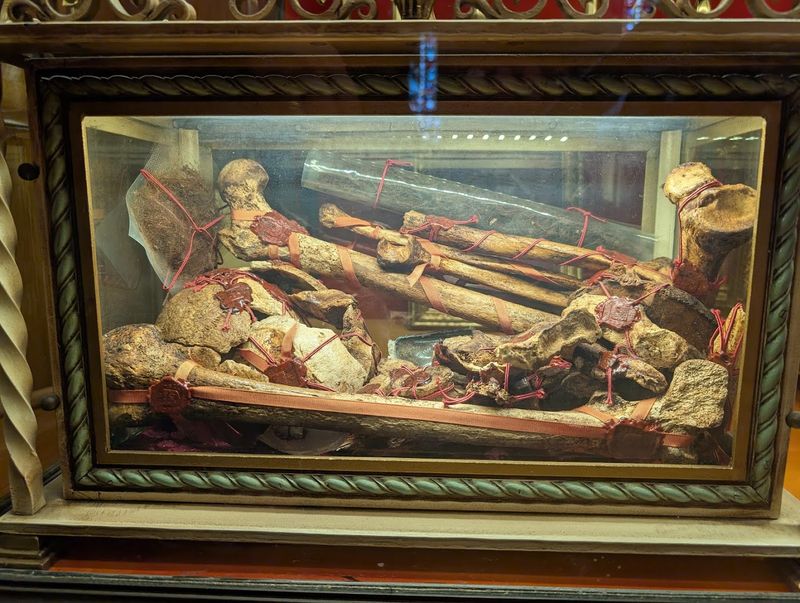
More than 1,200 sacred relics. Let that number settle for a moment.
Each one represents a physical connection to a saint or a holy figure from Christian history, and the shrine holds them all in one extraordinary space.
The collection includes first-class relics, which are actual physical remains of saints, as well as second-class relics, which are objects that belonged to or were touched by saints. The range spans from early Christian martyrs to modern figures recognized by the Catholic Church in recent centuries.
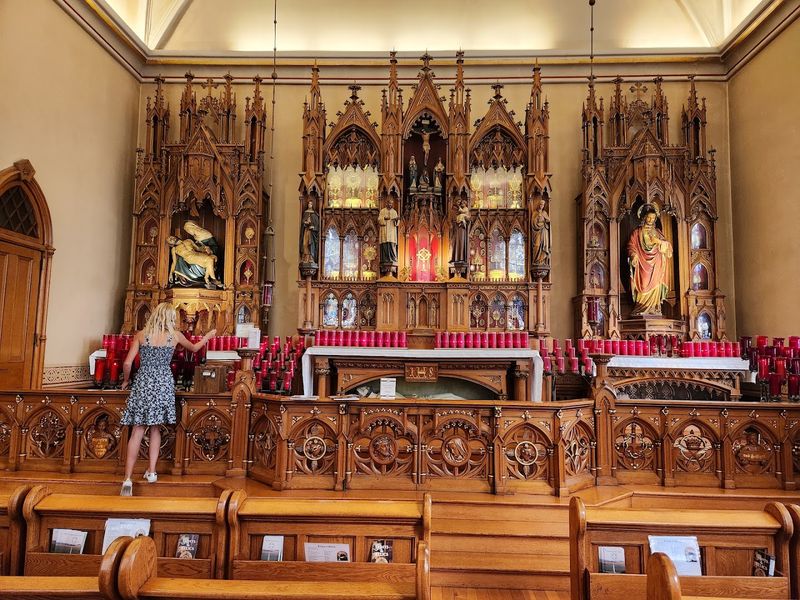
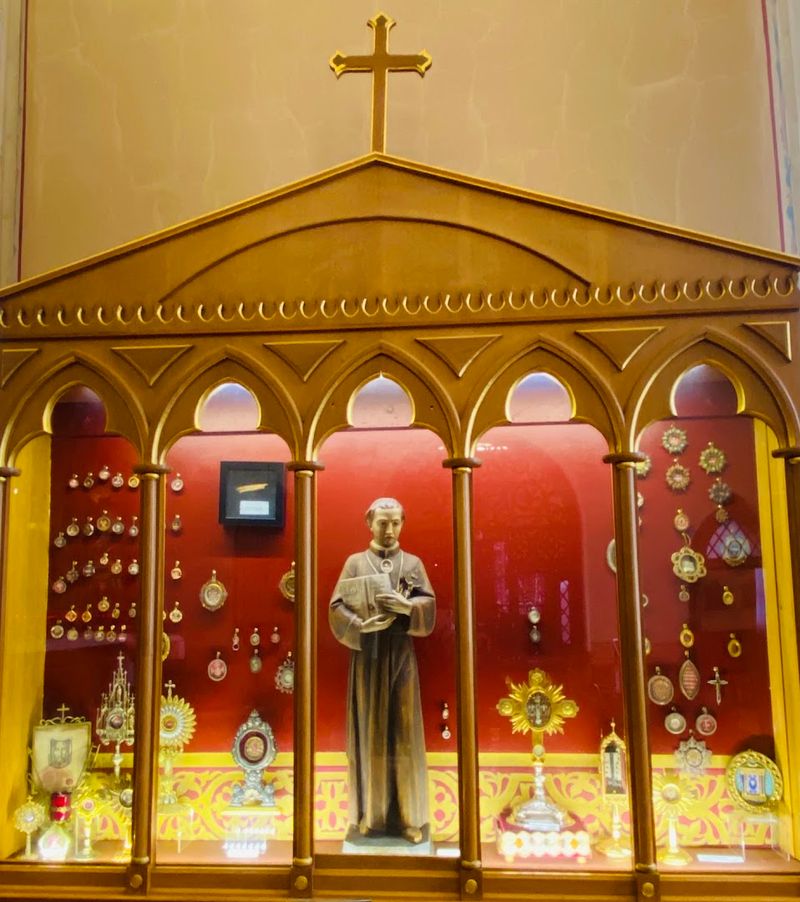
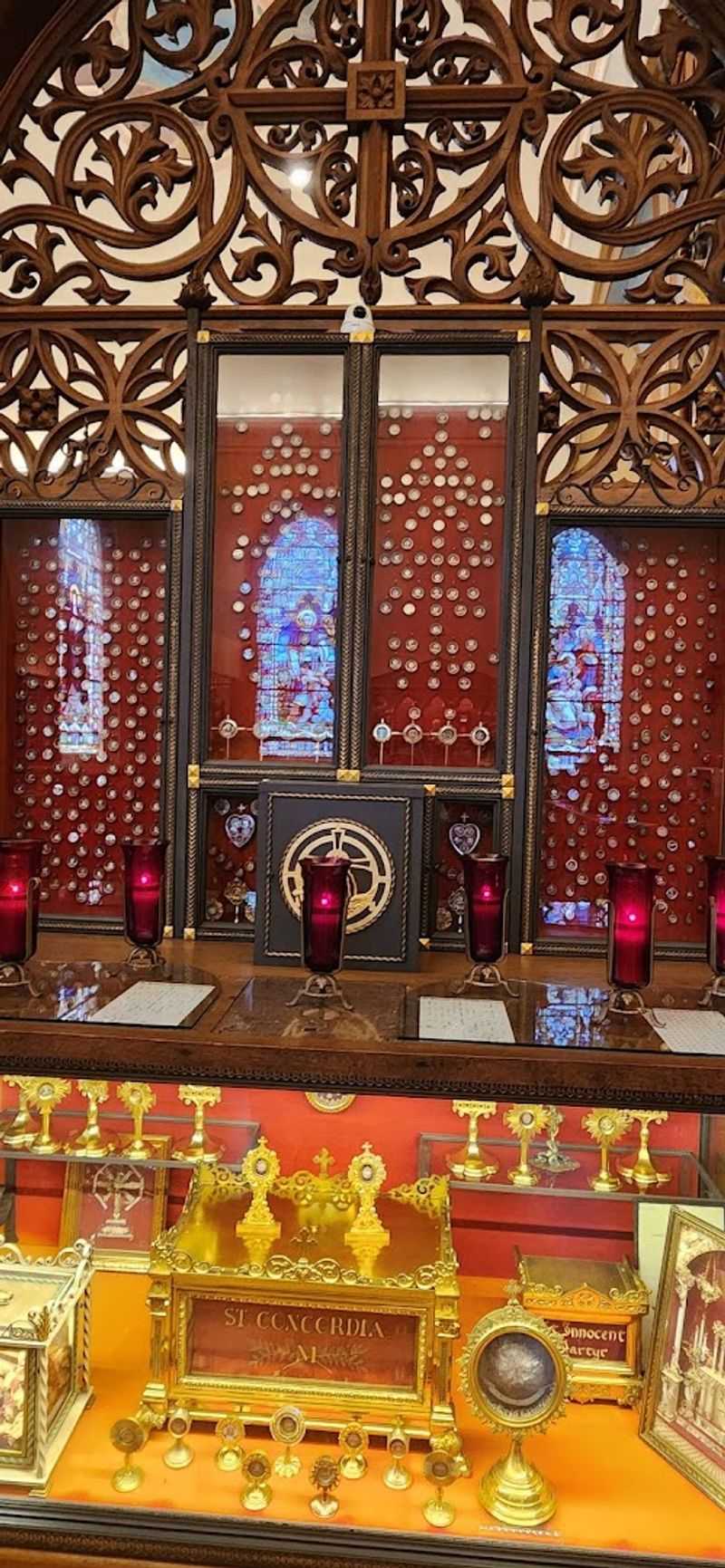
Standing in the reliquary chapel, surrounded by ornate reliquaries lining the walls and cases, the sheer scale of what has been preserved here is genuinely hard to process. It feels less like a museum and more like standing inside a living piece of church history that stretches back nearly two thousand years.
How This Collection Came to Rural Ohio
The story of how more than a thousand sacred relics ended up in a small Ohio village is genuinely fascinating. The collection was brought to the area by the Sisters of the Precious Blood, a religious community that established a presence in Mercer County during the nineteenth century.
Many of the relics were acquired from European sources during a period when Catholic communities in the United States were actively building their spiritual foundations. Bringing relics from established European churches and monasteries to new American communities was a meaningful way of connecting the growing Church in America to its ancient roots.
Over generations, the collection grew and was carefully maintained. What began as a devotional resource for a religious community eventually became one of the most significant relic collections open to the public anywhere in the country, right here in rural Ohio.
The Reliquary Chapel Itself
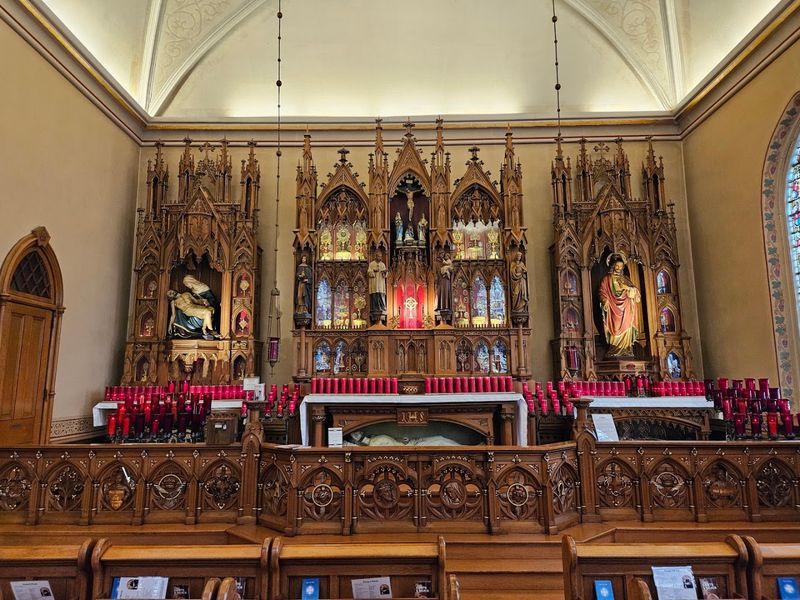
Walking into the reliquary chapel is one of those experiences that stops you mid-step. The woodwork is rich and dark, the kind of craftsmanship that takes generations to appreciate fully.
Carved details run along the walls and ceiling, giving the space a weight and seriousness that feels entirely appropriate for what it holds.
The reliquaries themselves are displayed in cases and mounted along the walls, each one a small work of art in its own right. Some are gold and silver, others are simpler, but every single one contains something considered sacred by millions of people around the world.
The chapel is not large by any conventional measure, but the density of what it contains makes it feel enormous. Visitors often move slowly through the space, pausing at individual reliquaries, reading the names of saints they recognize and discovering ones they have never encountered before.
Saints Spanning Centuries of History
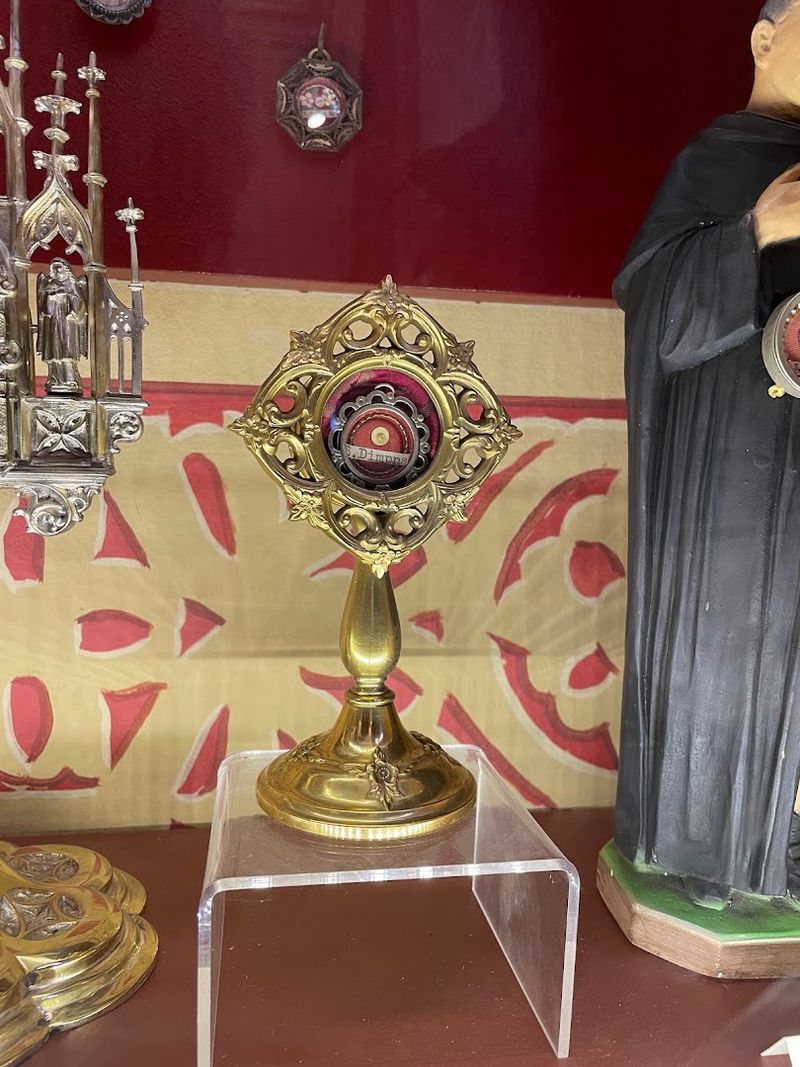
One of the things that genuinely surprised me about the collection was the breadth of saints represented. The shrine holds relics of saints from across nearly two millennia of Christian history, from early martyrs of the Roman era to figures who were canonized in the twentieth century.
Among the collection are relics associated with saints whose names most Catholics would recognize immediately, alongside others who are less widely known outside of specific devotional traditions. There are also relics connected to events and objects from the life of Christ, which carry a particular significance for visitors of faith.
Having a reference book or guide available while visiting makes a real difference. The shrine provides resources to help visitors locate specific saints within the collection, which is genuinely helpful given the scale of what is on display.
Every visit tends to surface something new.
The Architecture and Woodwork
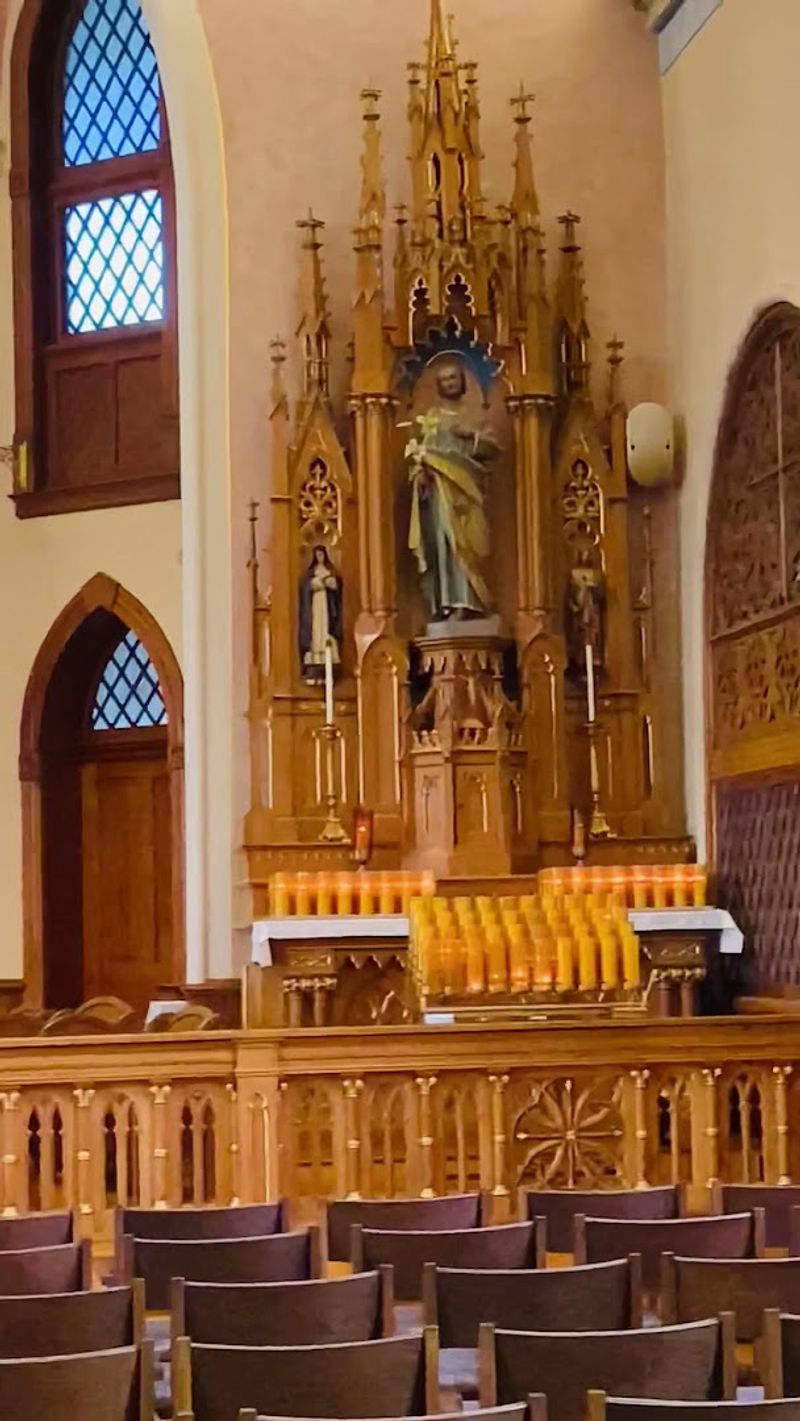
There is a moment in the chapel when you stop looking at the relics and start looking at the building itself, and that moment is worth waiting for. The woodwork throughout the shrine is extraordinary, the kind that speaks to a level of craftsmanship that is rarely seen in new construction today.
Dark carved wood lines the walls, the ceiling details carry real artistry, and the overall atmosphere of the space feels like it was designed to slow people down and turn their attention inward. Whether or not you share the faith tradition represented here, the architecture alone earns a long look.
Several visitors I spoke with mentioned the woodwork as one of the things they remembered most vividly after leaving. It is one of those details that photographs struggle to capture fully.
The scale and texture of it only really lands when you are standing in the room.
The Grounds and Gardens
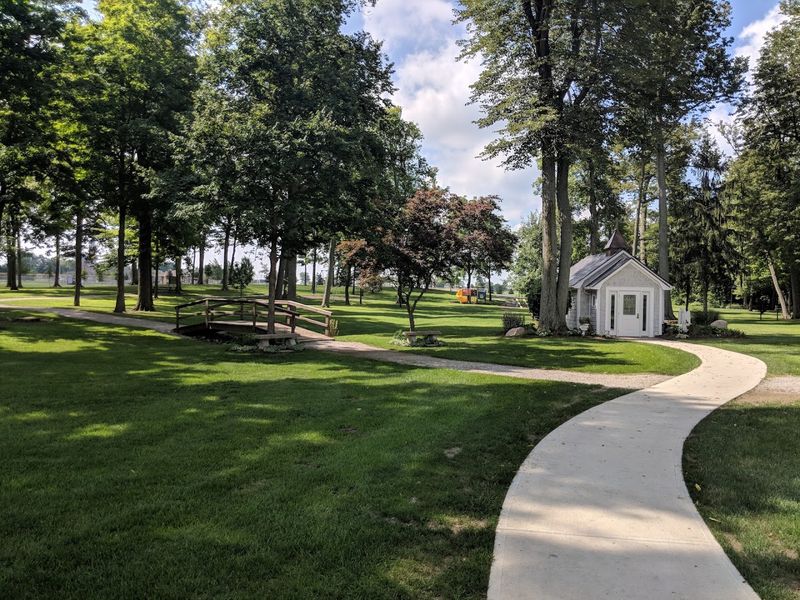
The experience at the shrine does not stay contained within the building. The grounds surrounding the property are carefully maintained and genuinely pleasant to walk through, offering a natural extension of the reflective atmosphere that begins inside.
Garden paths wind through the property, passing religious statues and plantings that give the outdoor space a meditative quality. On a clear day, the contrast between the flat Ohio farmland stretching in every direction and the carefully tended grounds of the shrine creates a surprisingly striking visual.
Many visitors take time to walk the grounds before or after visiting the chapel and museum. It functions as a natural transition, a way to decompress after the intensity of the relic collection or simply to enjoy a quiet outdoor space that feels set apart from the ordinary pace of daily life.
The gardens are a genuine part of what makes the full visit memorable.
The Gift Shop
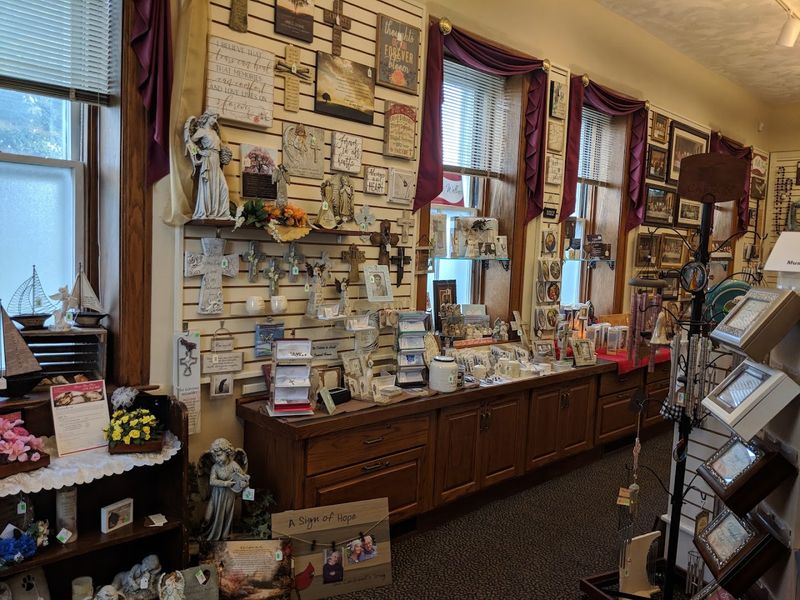
The gift shop at the shrine has developed a reputation that extends well beyond the local area. Several visitors have described it as among the best Catholic gift shops in Ohio, and after spending time there myself, I can see why that reputation has stuck.
The selection covers a wide range of devotional items, from rosaries and medals to books, statues, and religious art. The inventory reflects genuine depth of knowledge about Catholic devotional life rather than a generic selection of generic souvenirs.
You get the sense that the items were chosen with care and with a specific visitor in mind.
Even visitors who are not practicing Catholics often find things worth taking home, whether a piece of religious art, a locally made item, or a book that caught their eye. The shop functions as a meaningful final stop before heading back out into the farmland.
Planning Your Visit and What to Expect
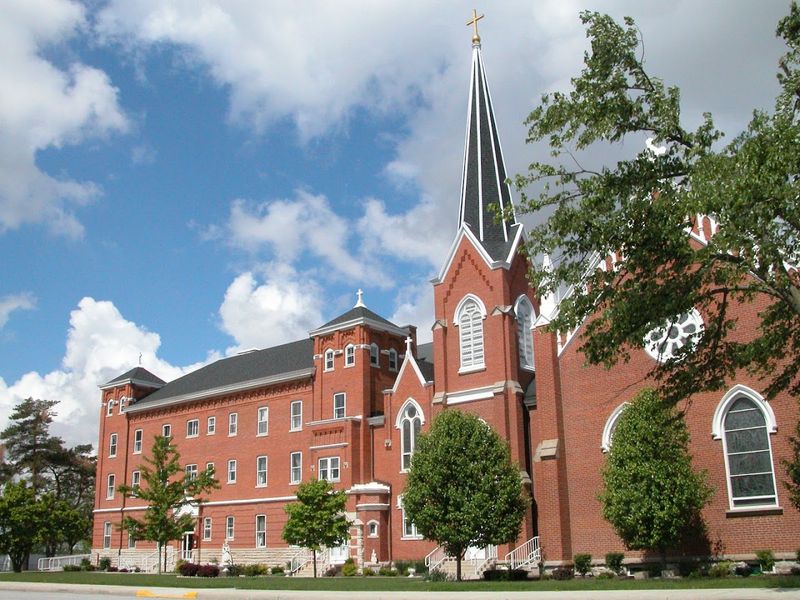
A visit to the shrine works well as a day trip from a wide range of locations across Ohio and neighboring states. The surrounding area is rural and quiet, which is actually part of what makes the experience feel distinct from visiting a city attraction.
The shrine is open most days of the week, with hours that vary depending on the day. Monday through Thursday tend to offer the longest visiting windows, while Sunday hours are shorter.
Checking the current schedule at mariasteinshrine.org before making the drive is a sensible step.
Tours are available and are worth requesting, particularly for visitors who want deeper context about the collection and the history of the building. The audio guide option also helps visitors navigate the reliquary chapel more meaningfully.
Plan for at least two hours if you want to take in the chapel, museum, grounds, and gift shop without feeling rushed.
Why People Keep Coming Back
There is something about this place that pulls people back. Repeat visitors are not unusual at the shrine, and the reasons people give for returning tend to be consistent: the peace of the chapel, the weight of the collection, and the sense that the experience is different every time depending on what you bring to it.
For those who come on pilgrimage, the shrine offers a rare opportunity to venerate relics that would otherwise require international travel to encounter. For visitors who arrive simply curious, many leave with something harder to define but equally real, a sense of having been in the presence of something genuinely old and genuinely meaningful.
The Maria Stein Shrine of the Holy Relics is not a place that tries to impress with size or spectacle. It impresses with depth, and that is a quality that tends to stay with people long after they have driven back through the cornfields and returned to ordinary life.
Share this story