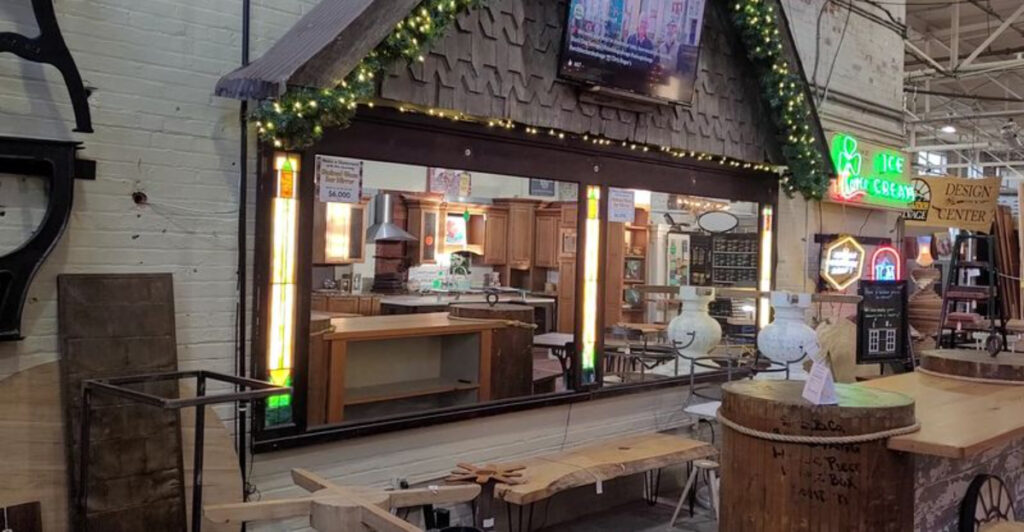
There is a warehouse in Roanoke, Virginia, that looks ordinary from the outside but holds something truly extraordinary inside. Old doors, vintage light fixtures, hand-hewn wood slabs, stained glass windows, and folk art sculptures fill every corner of this sprawling space.
The place has even earned enough fame to land its own TV show, drawing road-trippers from Minnesota, Massachusetts, and beyond just to walk through its doors. I made the trip myself, and I can honestly say it rewired the way I think about old buildings, forgotten materials, and the stories that objects carry with them.
Finding the Place: Address and Location
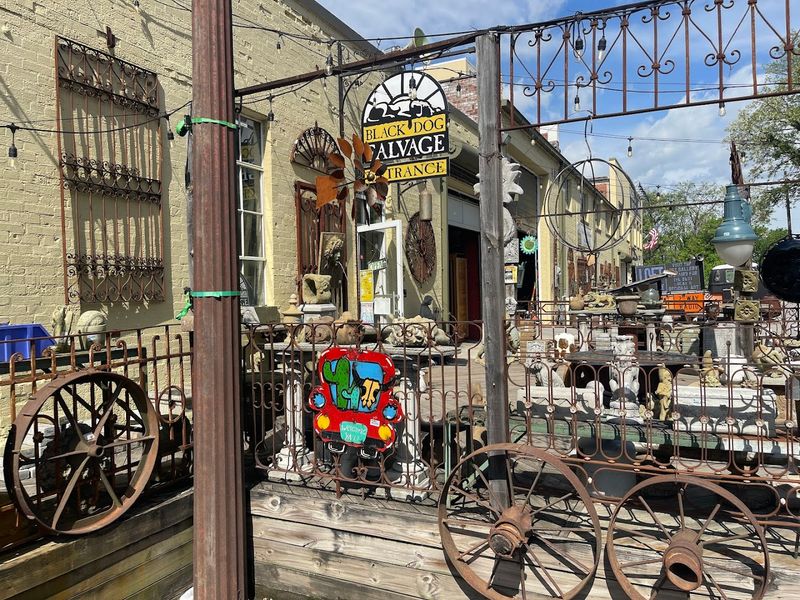
Tucked into a corner of southwest Roanoke, the main showroom sits at 902 13th St SW, Roanoke, in a neighborhood that mixes industrial character with creative energy. The building does not announce itself with flashy signage or a manicured parking lot, but that understated exterior is part of the charm.
Getting there is straightforward from most directions, and parking is available on-site. The surrounding area has its own personality, with a few cool spots nearby worth exploring before or after your visit.
The showroom is open Tuesday through Saturday from 9 AM to 5 PM, Monday from 9 AM to 5 PM, and Sunday from 11 AM to 4 PM. Plan your trip around those hours, because once you walk through that entrance, you will want every minute you can get.
The TV Show That Put It on the Map
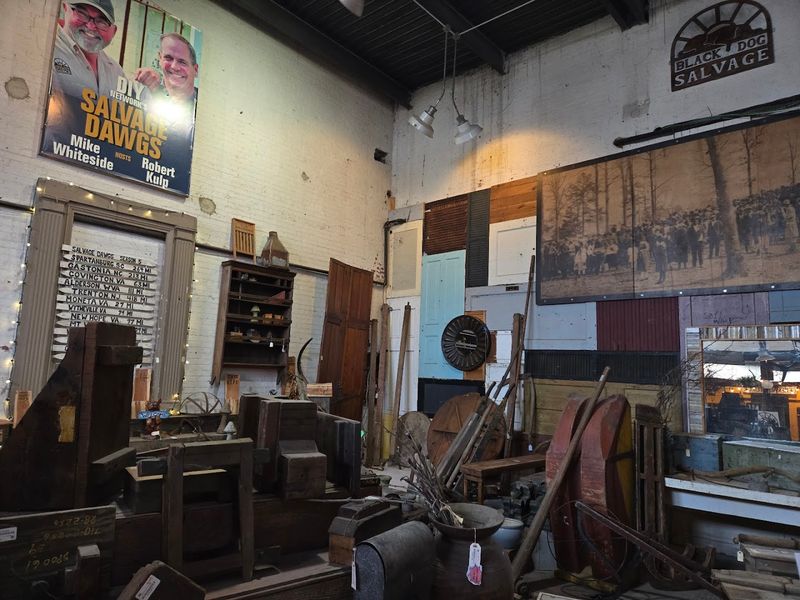
Before I visited, I did what many curious travelers do the night before a big stop: I watched a few episodes of the TV show that made this place nationally famous. The show followed the Black Dog Salvage crew as they hunted down architectural pieces, repurposed materials, and transformed salvaged goods into something new.
Seeing those episodes actually made the in-person visit richer. Recognizing specific items or design styles from the screen gave the whole experience an extra layer of connection that most shopping trips simply do not offer.
The show attracted fans from across the country, and many of them have made the pilgrimage to Roanoke specifically because of it. That kind of loyal following says a lot about how genuine the operation feels, both on camera and off.
The TV fame never made the place feel like a tourist trap.
The Sheer Scale of the Interior
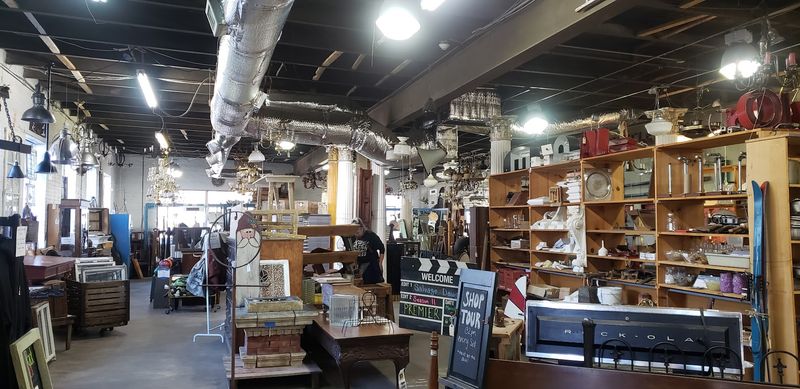
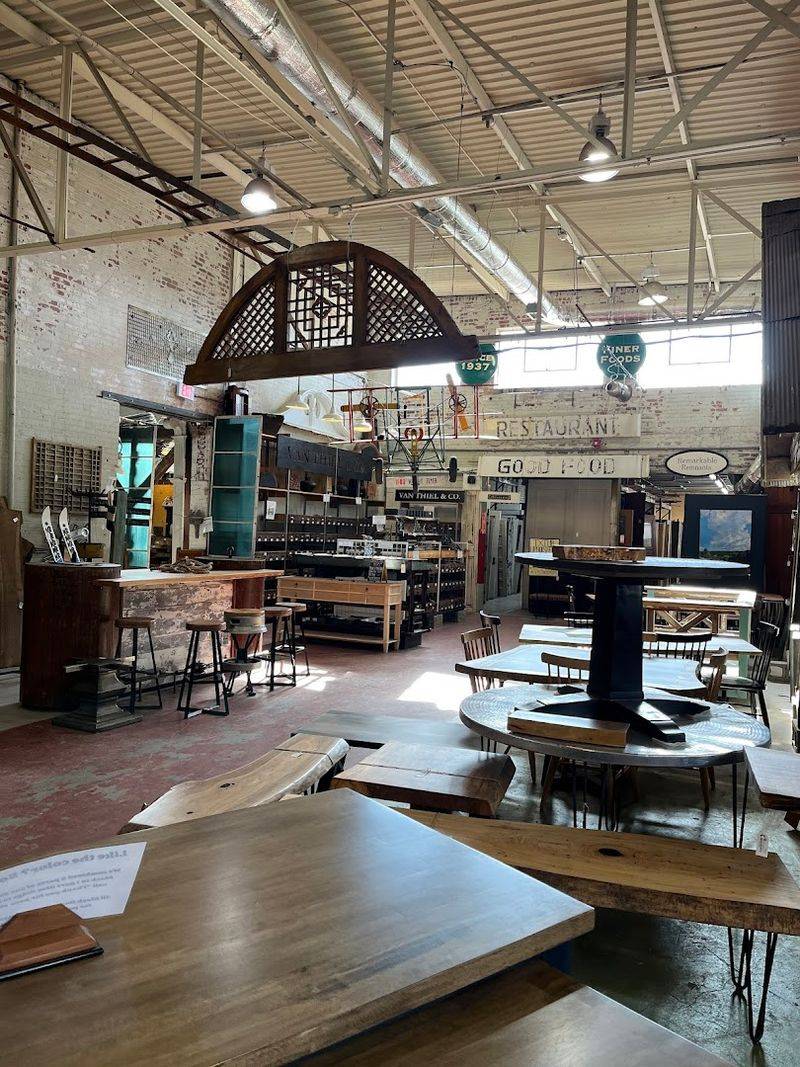
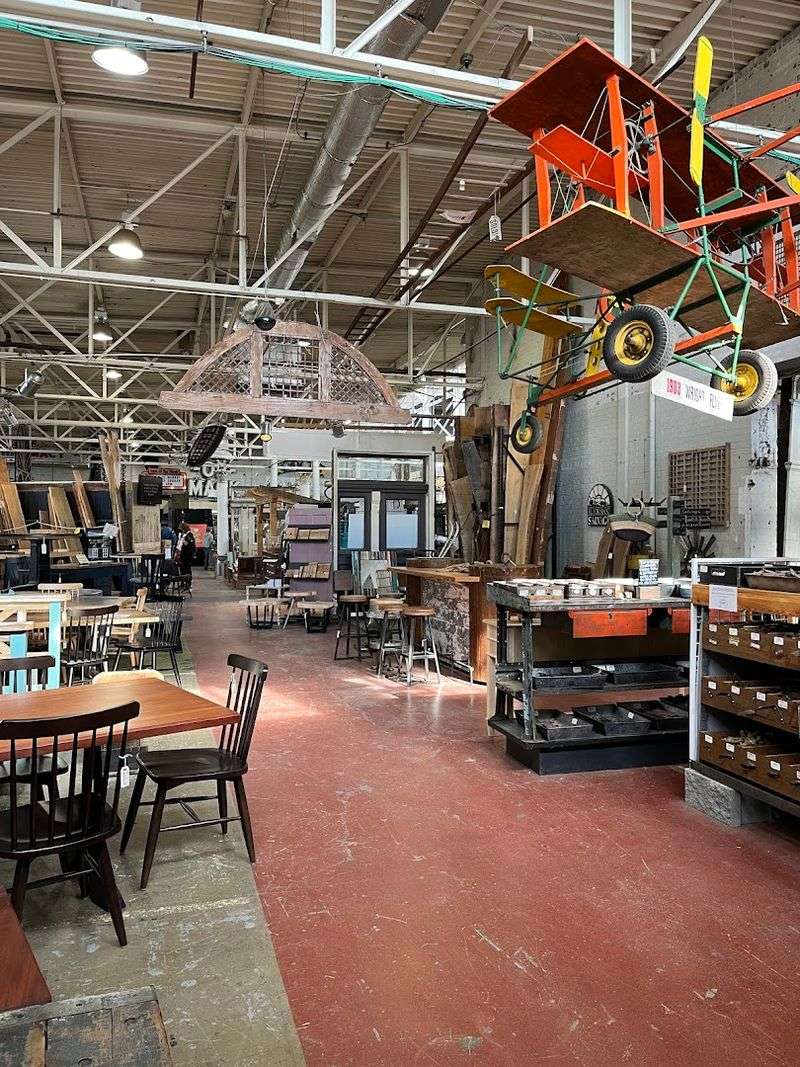
Nothing quite prepares you for the size of this place. The moment you step past the entrance, the warehouse opens up into a vast, airy space packed floor to ceiling with salvaged materials, furniture, folk art, and architectural fragments from buildings that no longer exist.
I had blocked off two hours for my visit and used every single minute, moving through section after section without feeling like I had seen it all. Visitors who are slow browsers should budget three to four hours, and even then, there will be corners you missed.
The space is organized into distinct zones, so the browsing feels purposeful rather than chaotic. Salvaged architectural pieces occupy one area, vendor booths with smaller decorative items fill another, and the upstairs loft holds a gallery that feels like a completely different world.
The scale alone makes this place worth the drive.
Architectural Salvage: The Heart of the Collection
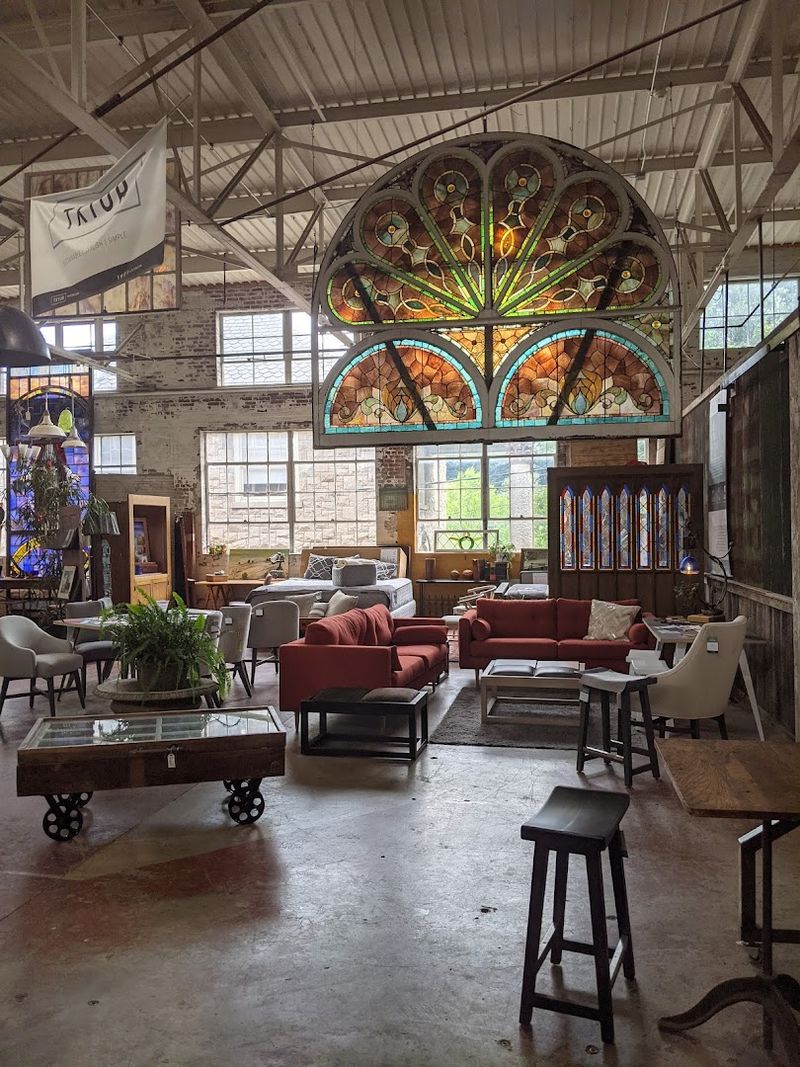
The core inventory here is architectural salvage, and the selection is genuinely hard to find anywhere else. Hundreds of doors in every style, shape, and era line the walls.
Mantels carved from old-growth wood stand beside cast iron radiators, vintage drawer pulls, and ornate door knobs that belonged to buildings demolished decades ago.
Light fixtures from early 20th-century homes hang overhead, their original patina intact. Stained glass panels lean against shelves in colors that catch whatever light filters through the warehouse windows.
These are not reproductions or imports. They are the real thing, pulled from actual structures before the wrecking ball arrived.
For anyone renovating a historic home or looking for one truly irreplaceable piece, this collection is worth serious attention. The variety is deep enough that contractors and designers return regularly, knowing the inventory rotates and something new is always waiting.
Hand-Hewn Wood Slabs and Custom Orders
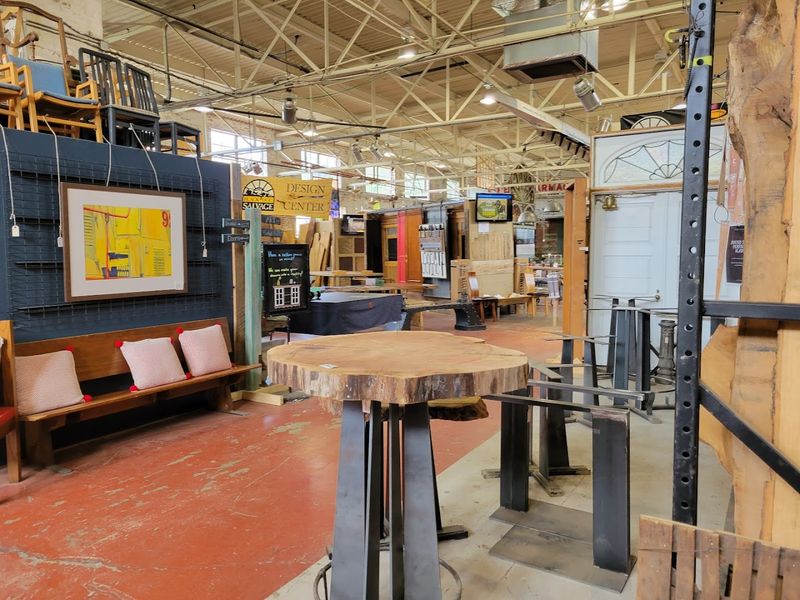
One of the most striking sections in the showroom holds thick, hand-hewn wood slabs with irregular edges and deep natural grain patterns. These are the kind of pieces that become the centerpiece of a dining room, the sort of table that guests ask about every single time they visit your home.
What makes this section especially practical is that Black Dog Salvage takes custom orders. Bring your measurements and your vision, and the team can work with specific slabs to create a finished piece tailored to your space.
That combination of raw material and craftsmanship is rare in a retail setting.
The wood comes from a variety of species, including hickory, oak, and others with rich character. Seeing a rough slab and envisioning what it could become is one of the most satisfying parts of browsing here, even if you leave without buying a single thing.
The Vendor Booths and Smaller Finds
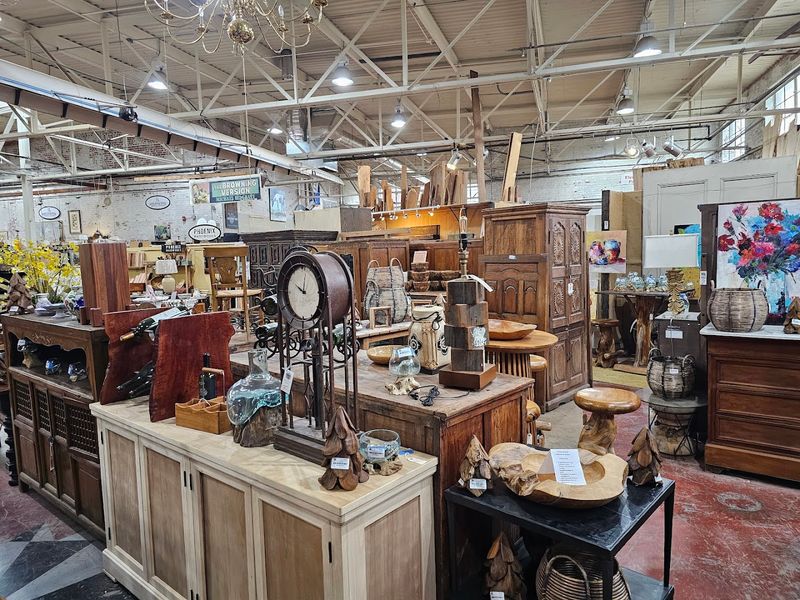
Not everything in the showroom is a massive architectural relic. A section of vendor booths brings a more curated, boutique feel to the space, with individual sellers offering smaller items like vintage serving ware, decorative objects, collectibles, and handmade goods.
Each booth has its own personality, reflecting the taste and specialty of the vendor behind it. Some lean heavily vintage, with mid-century pieces and retro kitchenware.
Others feel more artisan, with handcrafted items that fit right alongside the salvaged materials in the main space.
The booths are clean and well-organized, which matters more than you might expect in a warehouse environment. Browsing them feels relaxed rather than overwhelming, and the variety keeps things interesting even after you have walked through the larger salvage sections.
I picked up a small antique item from one of the booths that I still have on my desk today.
The Upstairs Loft and Fine Art Gallery
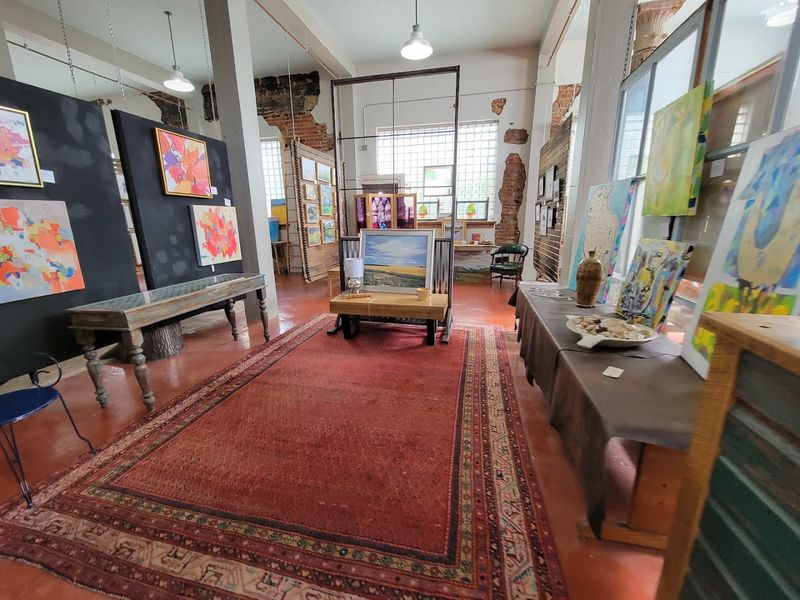
Head upstairs and the atmosphere shifts completely. The loft level functions as a proper fine art gallery, with paintings in bold colors covering the walls and a quiet, contemplative energy that contrasts sharply with the busy warehouse floor below.
The art on display comes from local and regional artists, and the quality is genuinely impressive. These are not decorative prints or mass-produced wall hangings.
They are original works, many of them large-scale pieces that command the kind of attention you would give art in a dedicated gallery setting.
Prices in the loft reflect the quality, so this section rewards visitors who appreciate fine art and are willing to invest in something meaningful. Even if purchasing is not on your agenda, the loft is worth the climb just for the visual experience.
The contrast between the raw salvage below and the polished art above is one of the most interesting design choices in the building.
Folk Art, Garden Sculptures, and Outdoor Finds
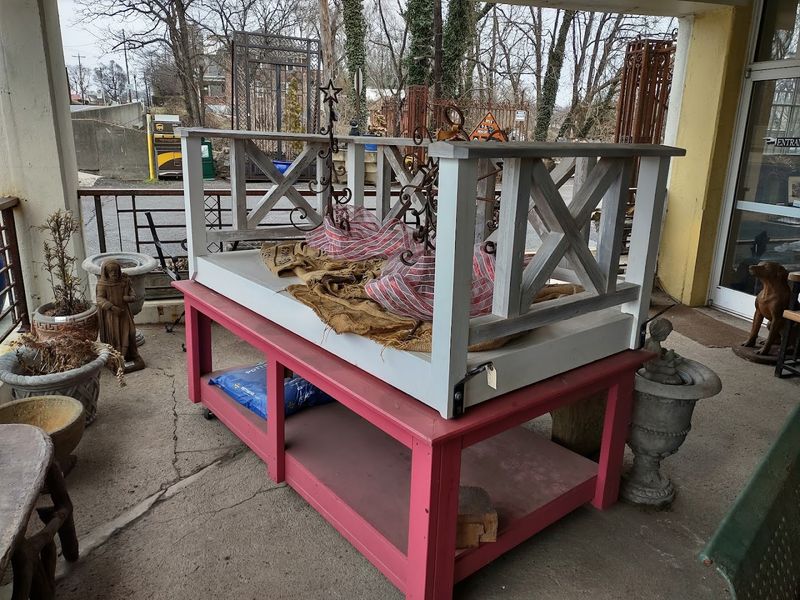
Beyond the main building, the outdoor section holds a different kind of treasure. Cement garden benches, large yard art sculptures, and folk art pieces made from reclaimed metal and wood fill the exterior space with a creative, slightly whimsical energy.
These pieces range from quietly decorative to genuinely striking. A hand-welded metal sculpture can anchor a garden in a way that a store-bought ornament simply cannot.
The outdoor inventory tends to attract a different kind of shopper, someone with outdoor space to fill and the patience to find something truly one-of-a-kind.
The area around the building itself has its own character, with a few interesting spots nearby that make the surrounding neighborhood worth a short walk. Coming here on a mild day turns the outdoor browsing into a genuinely pleasant experience rather than just a quick scan before heading back inside.
The yard art alone is worth a few extra minutes.
Sustainability and the Philosophy of Reuse
There is a clear philosophy running through everything at this showroom, and it goes deeper than just selling old stuff. Every item here represents a material that did not end up in a landfill.
Old doors, wood beams, fixtures, and hardware all get a second life instead of being crushed and buried.
For people who care about sustainable living and conscious consumption, this place operates on a level that most retail environments cannot match. Buying a reclaimed mantel or a set of vintage hardware means choosing a material with real history over something manufactured cheaply and designed to be replaced.
The connection between craft, history, and environmental responsibility feels genuine here rather than performative. The inventory proves it.
Nothing about this collection looks like it was assembled for show. These are real materials from real buildings, saved by people who understood their value before anyone else thought to look twice.
Local Artist Support and Community Roots
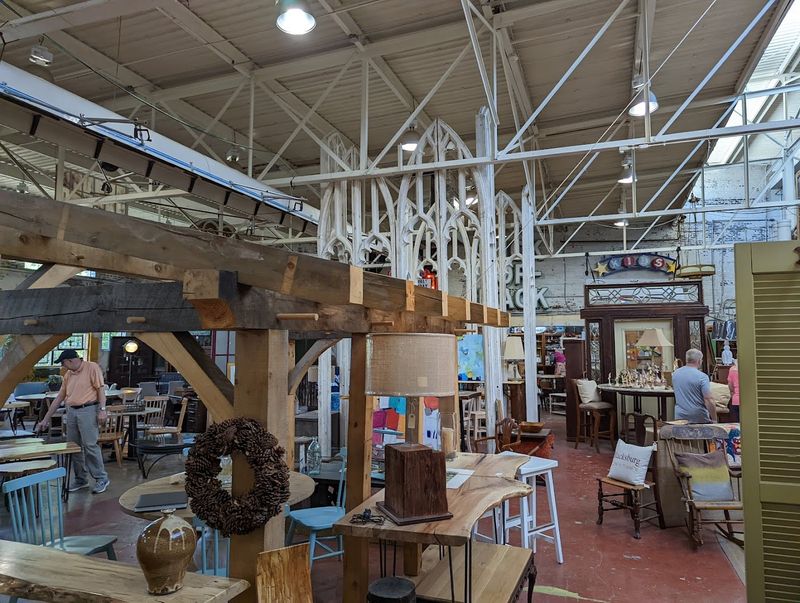
One of the things that surprised me most during my visit was how deliberately this place supports local creative talent. Artist stalls are woven throughout the showroom, displaying handmade work alongside the salvaged architectural pieces in a way that feels natural rather than forced.
The mix of fine art, craft work, and salvage materials creates a space that functions as both a shop and a community hub. Local artists get real exposure here, their work reaching visitors from across the country who might never have found it otherwise.
That community focus adds warmth to what could otherwise feel like a purely commercial environment. Browsing the artist stalls gives you a sense of the creative culture in Roanoke itself, a city with more artistic energy than most outsiders expect.
Taking home a piece by a local artist alongside a salvaged architectural element makes for a combination that tells a genuinely interesting story.
Pricing: What to Expect Before You Shop
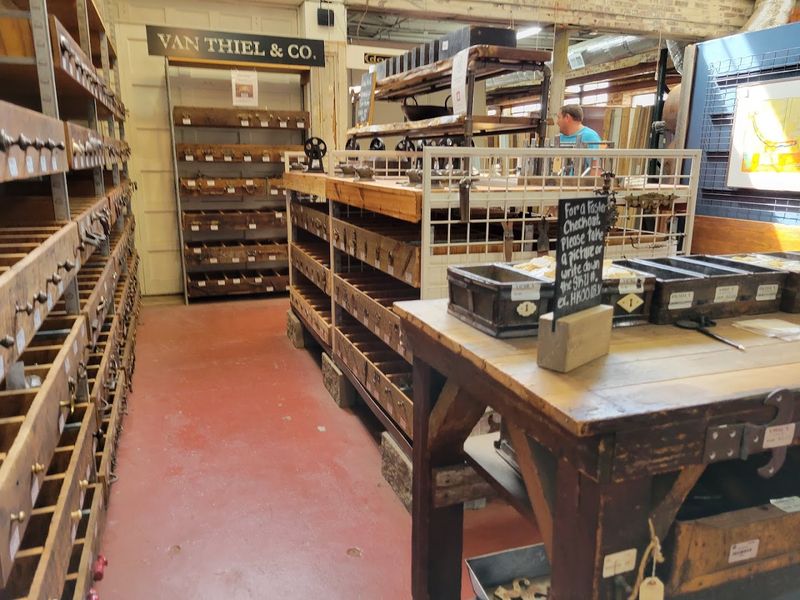
Honesty about pricing saves everyone time, so here it is: this is not a flea market, and the prices reflect that reality. Salvaging architectural materials requires significant labor, transportation, and storage costs, and the inventory here represents the genuine market value of rare and hard-to-find pieces.
Some visitors arrive expecting bargain-bin prices and leave disappointed. That reaction misses the point.
A set of original Victorian door hardware or a hand-hewn wood slab is not the same product as its modern reproduction, and the price difference reflects authenticity, age, and scarcity.
That said, the vendor booths and smaller item sections offer more accessible price points for shoppers on a tighter budget. The gift shop area also carries items at lower price points.
Even if your wallet stays closed the entire visit, the browsing experience alone delivers enough visual interest and inspiration to make the trip worthwhile on its own terms.
Organization and Cleanliness Inside the Warehouse
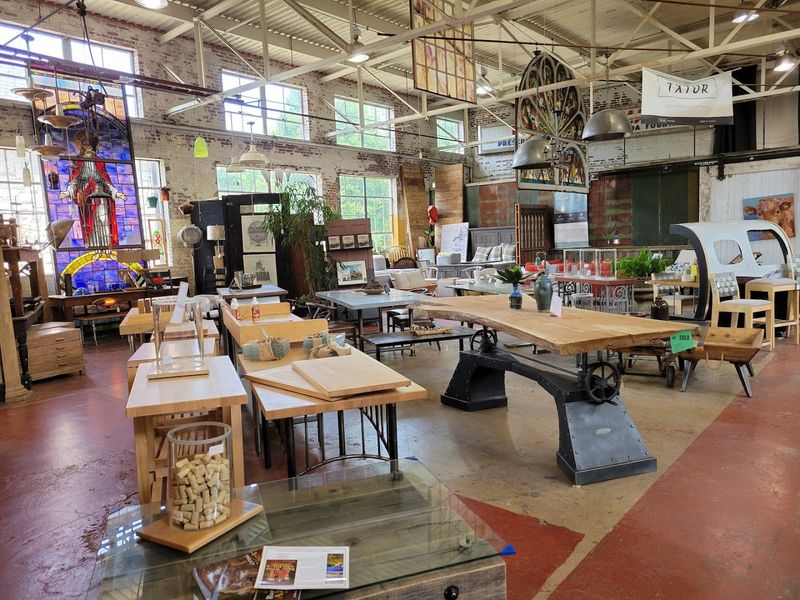
A salvage warehouse could easily become a chaotic, dusty maze, but this one defies that expectation completely. The showroom is remarkably clean and organized for a space dealing in reclaimed and salvaged materials, with items arranged in a way that makes browsing feel manageable rather than overwhelming.
Doors are grouped by style and size. Mantels stand in rows.
Smaller hardware pieces are sorted and labeled. The vendor booths maintain their own orderly presentation, and even the bathroom is clean, a detail that sounds minor but matters during a multi-hour visit.
That level of care signals something important about how the operation is run. The inventory is treated with respect, which makes sense given that many of these pieces are genuinely irreplaceable.
A clean, well-organized showroom also makes it easier to spot exactly what you came looking for, even if you did not know you were looking for it yet.
Road Trip Worthy: Visitors from Across the Country
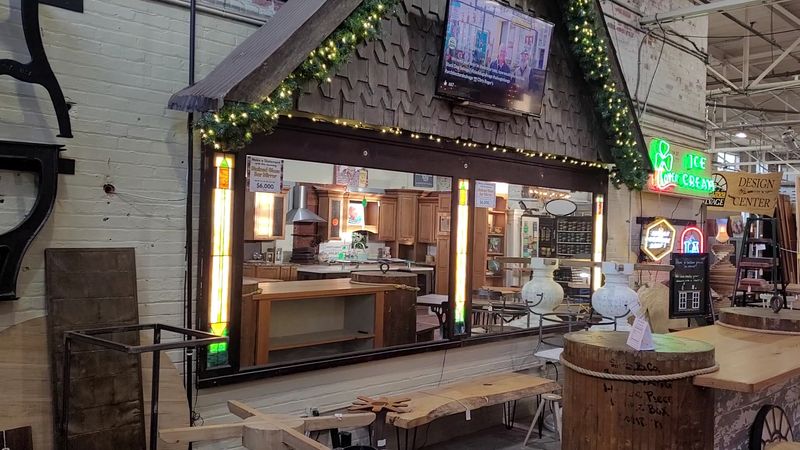
The guest book at this place could double as a geography lesson. Visitors come from Minnesota, Massachusetts, Boston, Florida, South Carolina, and points even further out, many of them specifically routing their road trips through Roanoke to make this stop happen.
That kind of dedicated travel speaks volumes. People do not reroute cross-country drives for mediocre experiences.
They do it for places that deliver something they cannot find closer to home, something specific, surprising, and genuinely worth the extra miles on the odometer.
If you are already traveling through Virginia on Interstate 81 or any nearby corridor, Roanoke is a natural stopping point, and this showroom makes the stop feel like a destination rather than a detour. First-time visitors consistently say the place exceeded their expectations, which is exactly what you want to hear before committing to a long drive.
The Gift Shop and Smaller Souvenirs
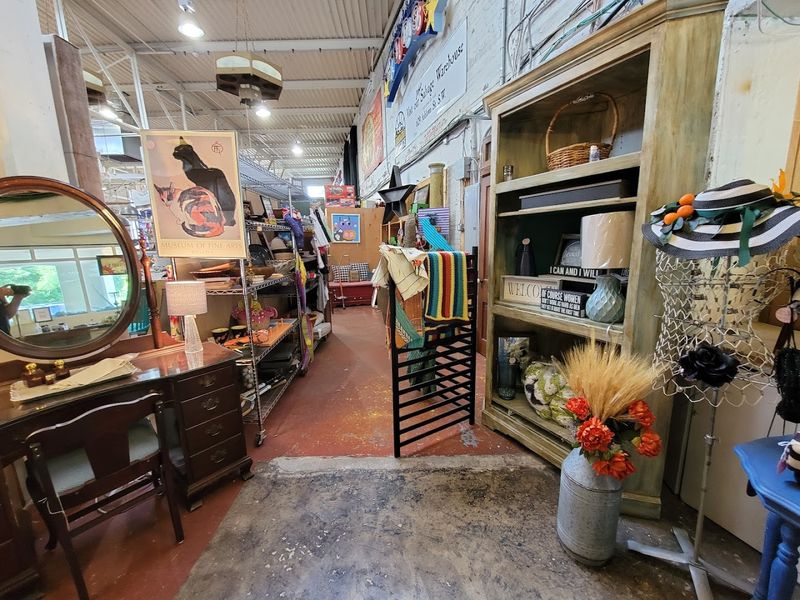
Not every great find here requires a pickup truck or a furniture budget. The gift shop section carries smaller, more portable items that make excellent souvenirs without requiring a second vehicle to transport them home.
Quirky decorative objects, handmade pieces, and vintage collectibles fill the shelves at more accessible prices.
I left with a small antique item that fit easily in my bag and still makes me smile every time I notice it. That kind of find, something genuinely old and interesting at a reasonable price point, is what the gift shop section does best.
The selection changes as inventory rotates, so repeat visitors often find something new on each trip. That unpredictability is part of the appeal.
You cannot browse this place online and expect the same experience in person, because the inventory is always shifting, always surprising, and always worth one more look around the shelves.
Planning Your Visit: Tips for Getting the Most Out of It
A few practical notes will make your visit significantly better. First, wear comfortable shoes.
The warehouse floor is large and uneven in places, and you will cover a lot of ground. Second, bring measurements if you have a specific project in mind, whether that is a doorway, a fireplace opening, or a dining room space that needs a custom table.
Third, budget your time generously. Casual browsers should plan for at least two to three hours.
If you tend to linger over details and read every label, four hours is not unreasonable. The place rewards patience.
Sunday hours are shorter, running from 11 AM to 4 PM, so a weekday visit gives you more flexibility. The showroom is open every day of the week, which makes scheduling easy for travelers passing through on any day.
Arriving early on a weekday morning means a quieter experience with more room to browse at your own pace.
Share this story