Deep in the Chihuahuan Desert, perched on a mountaintop in the Davis Mountains, there is a place where the night sky looks nothing like what most people have ever seen before. The air is crisp, the landscape stretches endlessly in every direction, and after dark, the stars appear so thick and bright that the whole universe feels closer than ever.
I drove out to the University of Texas McDonald Observatory expecting a cool science stop, and what I got was one of the most genuinely awe-inspiring experiences of my life. This place earns every bit of its reputation, and by the time you finish reading, you will understand exactly why people drive hours just to stand under its skies.
Where the Observatory Actually Lives
The address reads 3640 Dark Sky Dr, Fort Davis, and that street name alone tells you everything you need to know about this place. Perched at over 6,800 feet in the Davis Mountains of West Texas, the University of Texas McDonald Observatory sits far from any major city, far from light pollution, and far from the ordinary.
Getting there is part of the experience. The drive winds through rugged desert terrain, past dramatic rock formations, and through the small, charming town of Fort Davis.
Whether you come from Alpine, Big Bend, or El Paso, the scenic mountain road leading up to the observatory feels like a slow, deliberate transition from the everyday world into something much bigger.
The facility is operated by the University of Texas at Austin and has been a working research observatory since the 1930s, making it one of the most historically significant astronomy sites in the country.
A Story Written in the Stars and the Desert
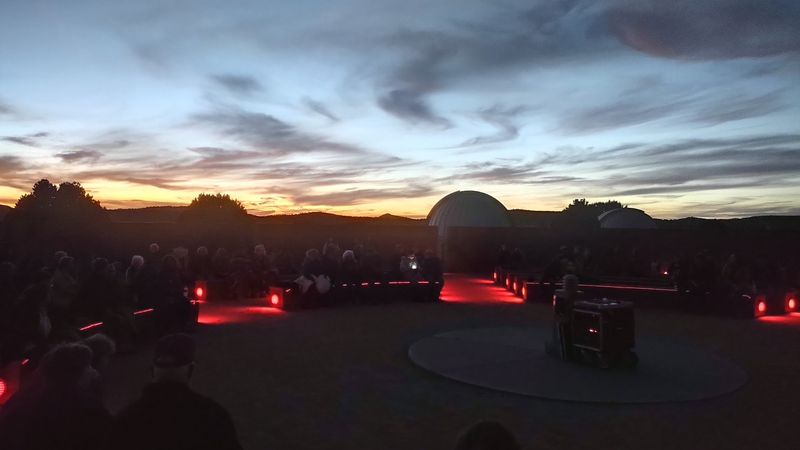
The observatory’s origin story is surprisingly dramatic. William Johnson McDonald, a Texas banker with no formal background in astronomy, left the bulk of his estate to the University of Texas to build an astronomical observatory when he passed away in 1926.
His relatives challenged the will in court, but UT prevailed, and construction began on Mount Locke in 1932.
The first major telescope, the Otto Struve Telescope, opened in 1939 and was the second-largest telescope in the world at the time. That kind of ambition set the tone for everything that followed.
Over the decades, the observatory grew into a world-class research facility, attracting scientists from across the globe.
Today it houses several major telescopes, including the Hobby-Eberly Telescope, which is one of the largest optical telescopes on Earth. The history behind this place adds a layer of wonder to every single visit, knowing that real discoveries have been made right here.
The Visitor Center That Pulls You Right In
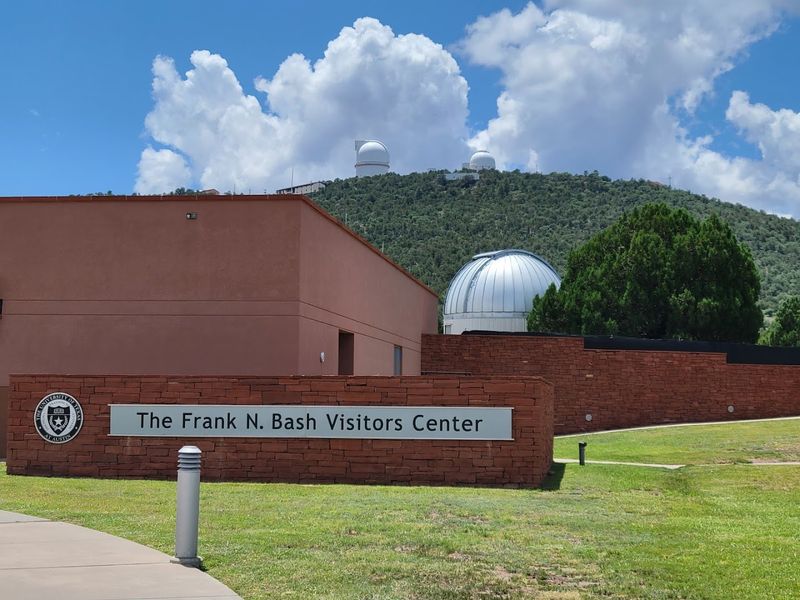
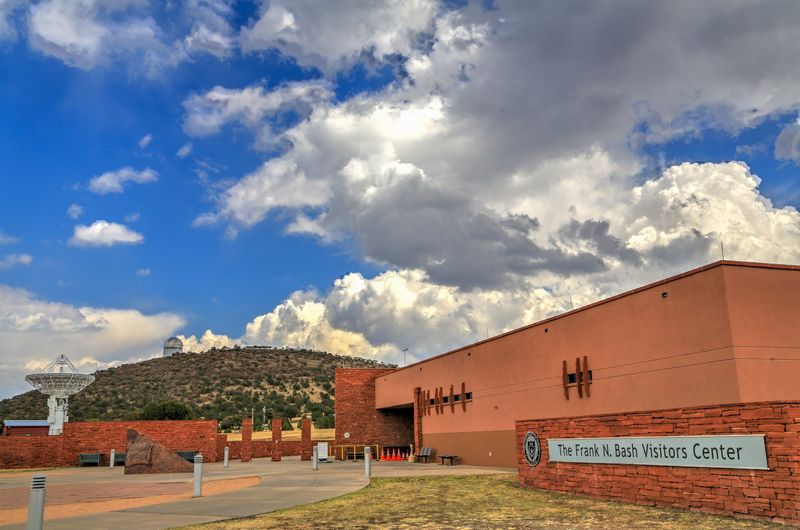
Before any tour or program begins, the visitor center is the first stop, and it is genuinely worth spending a solid hour there. The space is packed with well-designed exhibits covering telescope technology, the science of light, solar activity, and the broader story of how the observatory has contributed to our understanding of the universe.
There are interactive displays, informational videos, and scale models that make complex ideas feel approachable without being dumbed down. Kids and adults both find plenty to engage with, and the layout makes it easy to move at your own pace.
A well-stocked gift shop sits nearby, and unlike so many tourist attractions, the prices here are refreshingly reasonable. I picked up a quality T-shirt for under twenty dollars, which felt like a small miracle compared to what most places charge.
The visitor center sets a tone of genuine education and enthusiasm that carries through every part of the experience.
Solar Viewing That Makes the Sun Feel Brand New
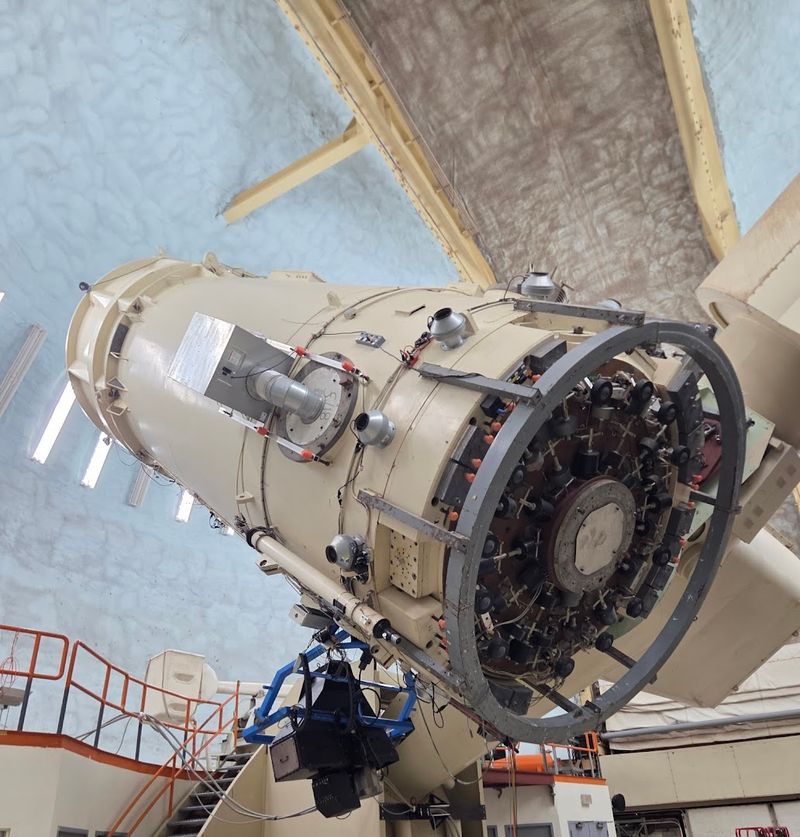
Most people think of observatories as nighttime destinations, but the solar viewing program at McDonald Observatory is a daytime highlight that deserves its own spotlight. The program runs at 1 PM on most days the facility is open, and it lasts about 45 minutes.
During the session, a knowledgeable presenter walks visitors through the science of the sun, covering solar flares, sunspot cycles, and how the sun’s activity affects life on Earth. The real treat is the live feed from the observatory’s solar telescope, which shows real-time footage of the sun’s surface in stunning detail.
Seeing sunspots and solar prominences on a live screen, knowing you are looking at actual footage captured right there on the mountain, is a surprisingly emotional experience. The program works beautifully for all ages, and it is especially captivating for anyone who has never thought much about what our own star is actually doing from one day to the next.
The Guided Telescope Tour Worth Every Minute
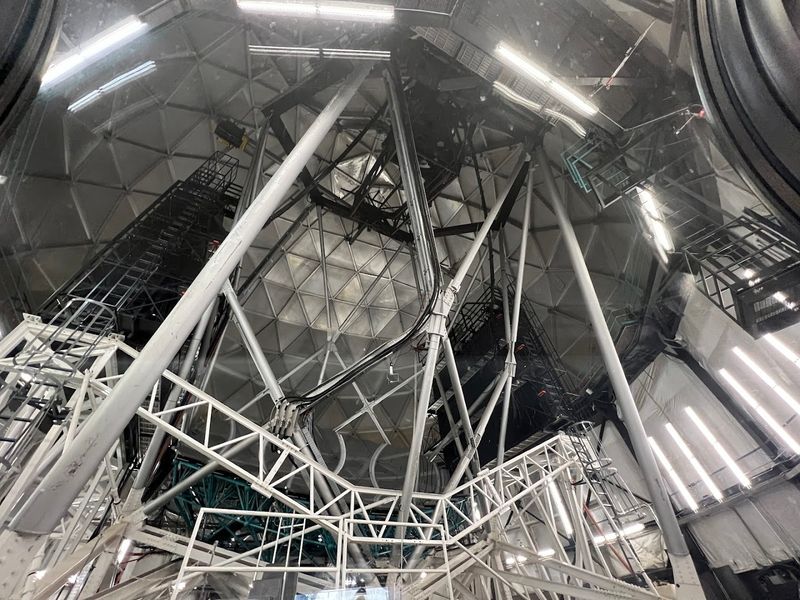
The guided telescope tour starts at 2 PM and runs for roughly two hours, and I will say upfront that booking a reservation in advance is strongly recommended since spots fill up fast. The tour takes visitors inside two of the observatory’s largest telescope domes, and the scale of what you see up close is genuinely jaw-dropping.
Guides explain how the telescopes work, how the domed structures rotate, and how researchers use these instruments to study everything from distant galaxies to nearby planets. There is no daytime viewing through the telescopes during the tour, but seeing the machines themselves at close range is impressive enough on its own.
The engineering involved in keeping these massive instruments precisely calibrated is fascinating, and the guides communicate it all in a way that feels exciting rather than technical. By the end of the two hours, you walk away with a much deeper appreciation for what it actually takes to study the cosmos professionally.
Darkness So Deep It Changes Your Perspective
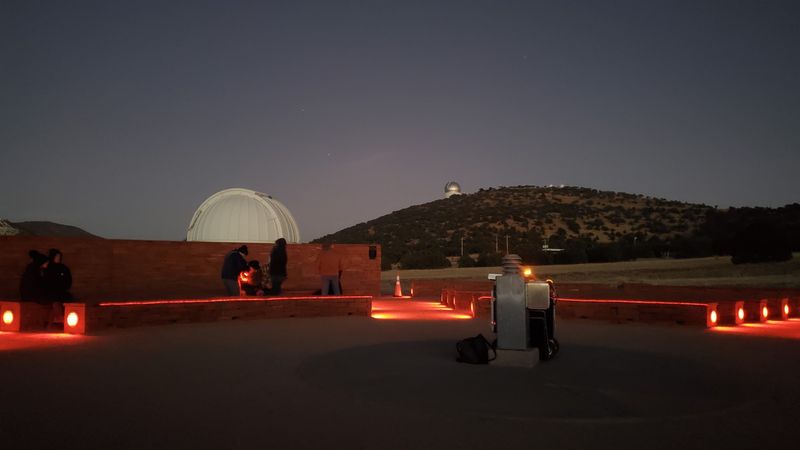
One of the most powerful things about the McDonald Observatory experience has nothing to do with the programs or the telescopes. It is simply the darkness of the sky itself.
The area around Fort Davis is recognized as one of the darkest locations in the continental United States, with almost no light pollution for dozens of miles in every direction.
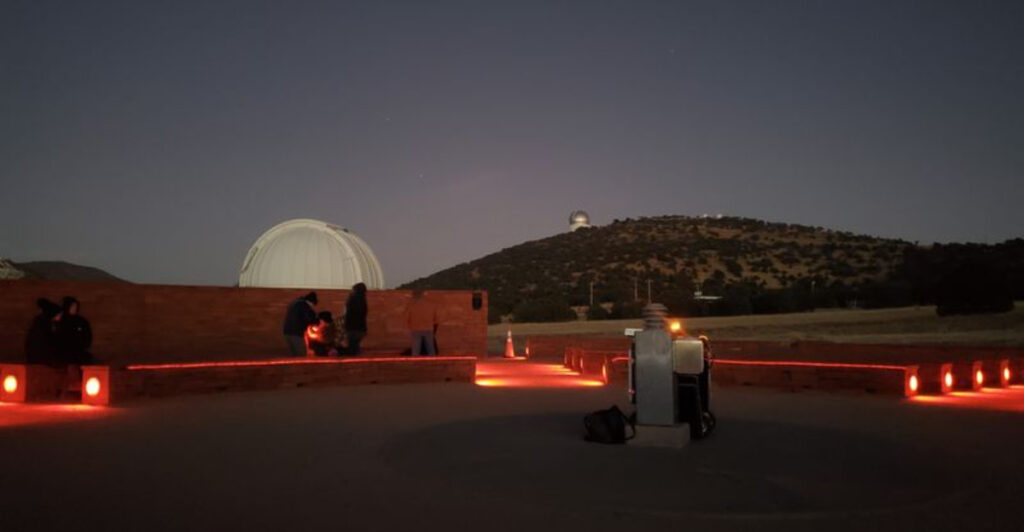
On a moonless night, the Milky Way stretches across the sky in a thick, glowing band that looks almost unreal to anyone accustomed to city or suburban skies. The sheer number of visible stars is staggering, and many visitors spend long stretches of time just standing still and looking up in silence.
The observatory has worked with the surrounding region to preserve this darkness through dark sky lighting ordinances, which means the sky here has been intentionally protected for both science and public enjoyment. That kind of thoughtful stewardship makes the whole experience feel even more meaningful.
The Hobby-Eberly Telescope and Its Record-Breaking Scale
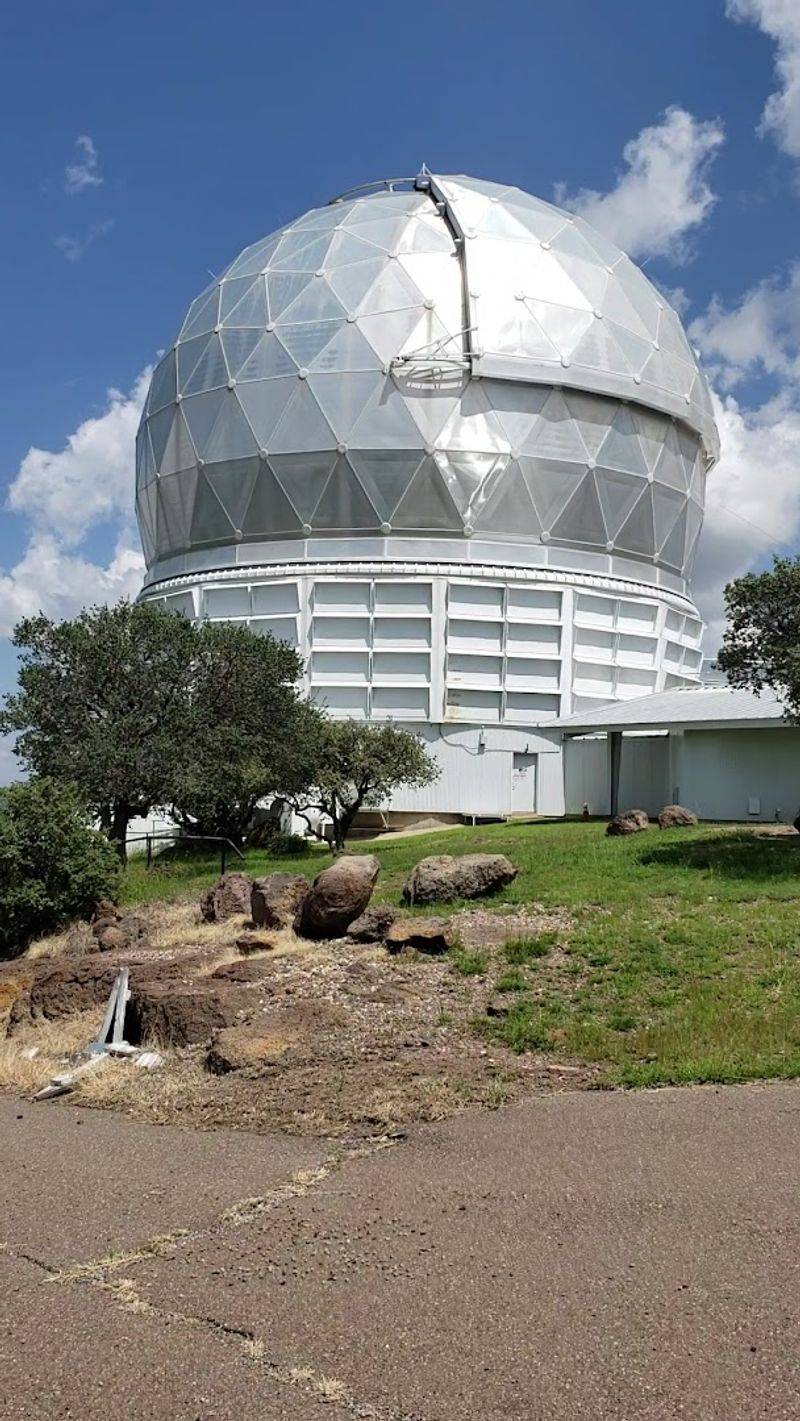
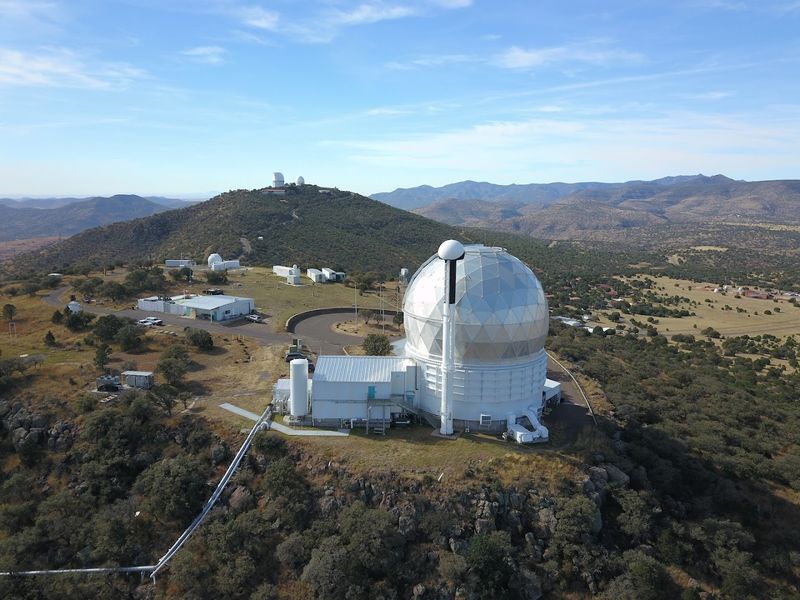
Among all the impressive instruments on the mountain, the Hobby-Eberly Telescope stands in a category of its own. With a primary mirror measuring 9.2 meters across and made up of 91 individual hexagonal mirror segments, it ranks among the largest optical telescopes in the world and is one of the most powerful tools available for studying the spectra of distant stars and galaxies.
The telescope is not used for traditional imaging but for spectroscopy, which means it breaks down the light from distant objects to reveal their chemical composition, temperature, and motion. It has contributed to major research projects, including the Hobby-Eberly Telescope Dark Energy Experiment, which is studying the expansion of the universe.
Visitors on the guided tour get to see the exterior of this remarkable structure, and just standing near something that size and understanding what it is designed to do is enough to make the universe feel both enormous and somehow more knowable at the same time.
The Drive Up the Mountain Is Part of the Magic
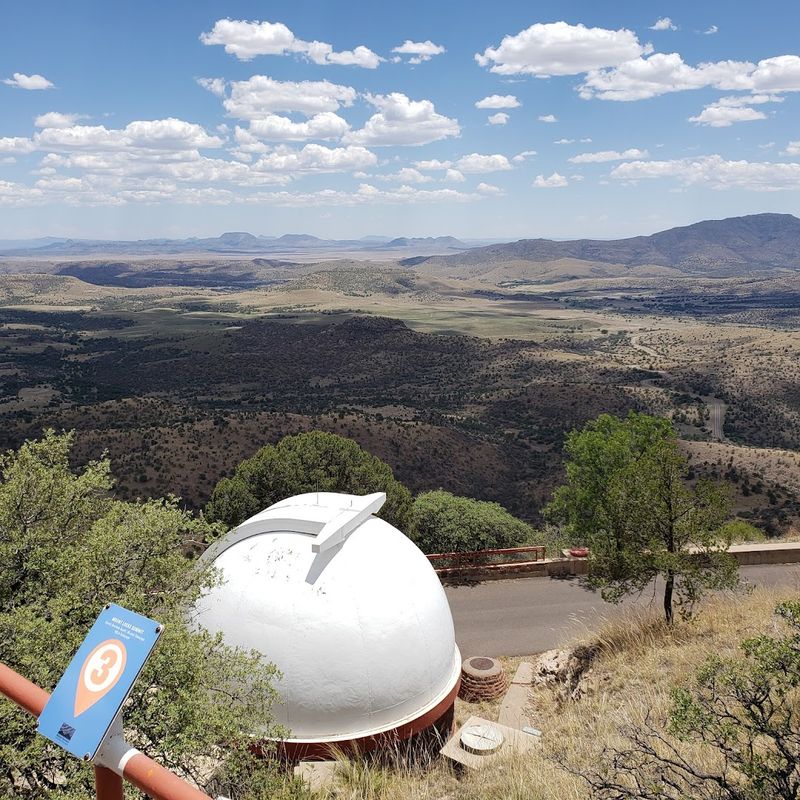
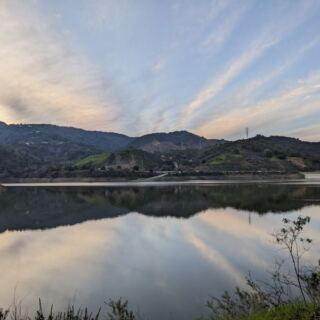
The journey to McDonald Observatory is not just a means to an end. The drive itself through the Davis Mountains is one of the most scenic routes in all of Texas, and that is saying something.
The road climbs steadily through rocky terrain, offering sweeping views of the surrounding desert valleys and layered mountain ridges that seem to change color as the light shifts throughout the day.
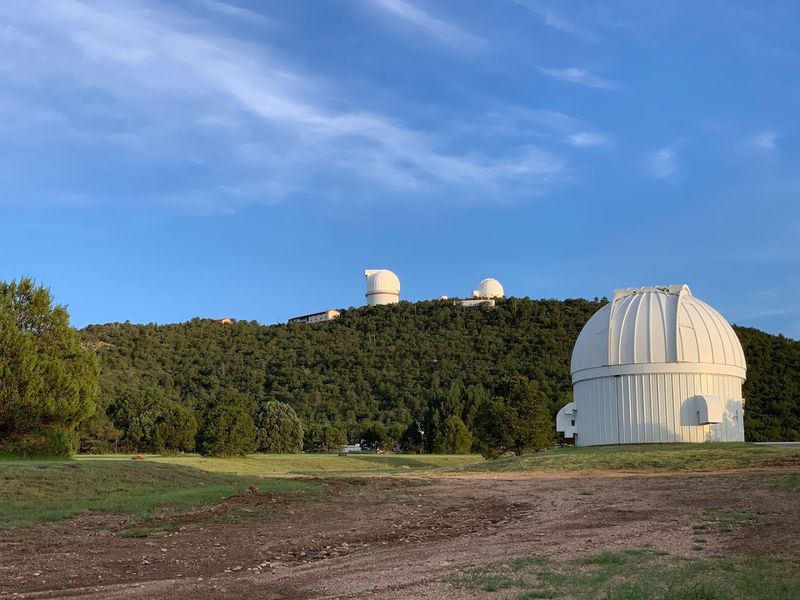
Coming from the town of Fort Davis, the route winds upward through classic West Texas high-desert scenery, with dramatic rock formations and native vegetation lining both sides of the road. The elevation gain is noticeable, and by the time the telescope domes come into view, the air feels noticeably cooler and the landscape more rugged.
That gradual approach, climbing higher and higher into the mountains while leaving the flat desert behind, builds anticipation in a way that a simple parking lot arrival never could. The mountain earns its place in the experience.
Fort Davis: The Small Town Worth a Detour
A visit to McDonald Observatory pairs naturally with a stop in the nearby town of Fort Davis, which sits just a few miles down the mountain and carries its own quiet charm. The town is small but full of personality, with historic adobe buildings, local eateries, and a pace of life that feels refreshingly unhurried.
Fort Davis National Historic Site is located right in town and preserves one of the best-remaining examples of a frontier military post from the post-Civil War era. The site offers walking tours, museum exhibits, and a genuine connection to the history of the American West that is well worth an hour or two of your time.
The town also has a handful of lodging options, from bed-and-breakfasts to modest motels, making it a practical base for visitors who want to attend both an afternoon program and an evening Star Party without rushing back down the mountain in the dark.
Practical Tips to Make the Most of Your Visit
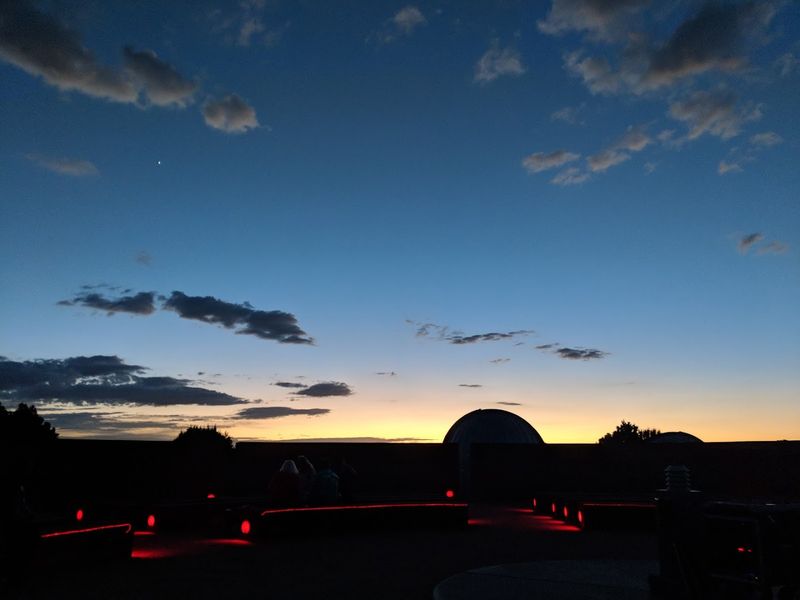
A little planning goes a long way at McDonald Observatory. The facility is open Wednesday through Saturday from noon to 5 PM, and it is closed Sunday through Tuesday, so scheduling around those hours is essential.
The Star Parties typically happen on Friday and Saturday evenings after sunset, and tickets for these events sell out regularly, sometimes weeks in advance.
Booking reservations online ahead of time is strongly recommended for any ticketed program, including the guided tour, solar viewing, and Star Parties. General admission at three dollars per person gets you access to the visitor center and the telescope lobbies, but the ticketed programs are where the real experience lives.
Bring layers regardless of the season, because the mountain elevation means temperatures drop significantly after dark, even in summer. Also, on moonless nights the sky shows far more detail through the telescopes, so checking the lunar calendar before you book can make a noticeable difference in what you see.
Why This Place Stays With You Long After You Leave
There are places you visit and quickly forget, and then there are places that quietly rearrange something inside you. McDonald Observatory falls firmly in the second category.
The combination of the remote mountain setting, the staggering darkness of the sky, and the quality of the programs creates an experience that feels both educational and deeply personal.
Looking through a telescope at Saturn’s rings or the Orion Nebula for the first time is the kind of moment that tends to stick. The universe suddenly stops being an abstract concept and becomes something you have actually seen with your own eyes, which changes how you think about your place in it.
The observatory charges modest prices for what it delivers, and the care that goes into every program is evident from start to finish. Whether you are eight years old or eighty, this mountain in West Texas has a way of making the cosmos feel like something worth paying attention to for the rest of your life.
Share this story