You know that feeling when you walk through a gate and suddenly everything around you changes? That is exactly what happens at a sprawling African savanna experience tucked inside one of Ohio’s most beloved zoos.
Giraffes tower above you, cheetahs pace nearby, and the open landscape stretches out in a way that makes central Ohio feel very far away. This is not a quick walk-through exhibit with a few signs and a glass window between you and the animals.
The space is massive, immersive, and genuinely surprising, especially for first-time visitors who did not expect to feel like they had traveled to another continent without leaving the Midwest. Whether you are bringing kids, grandparents, or just looking for a genuinely memorable afternoon, this African-themed experience inside the Columbus Zoo and Aquarium deserves a spot at the top of your Ohio bucket list.
What Heart of Africa Actually Is
Most people think of the Columbus Zoo and Aquarium as one big place, but it is actually divided into distinct regions, each with its own theme and animals.
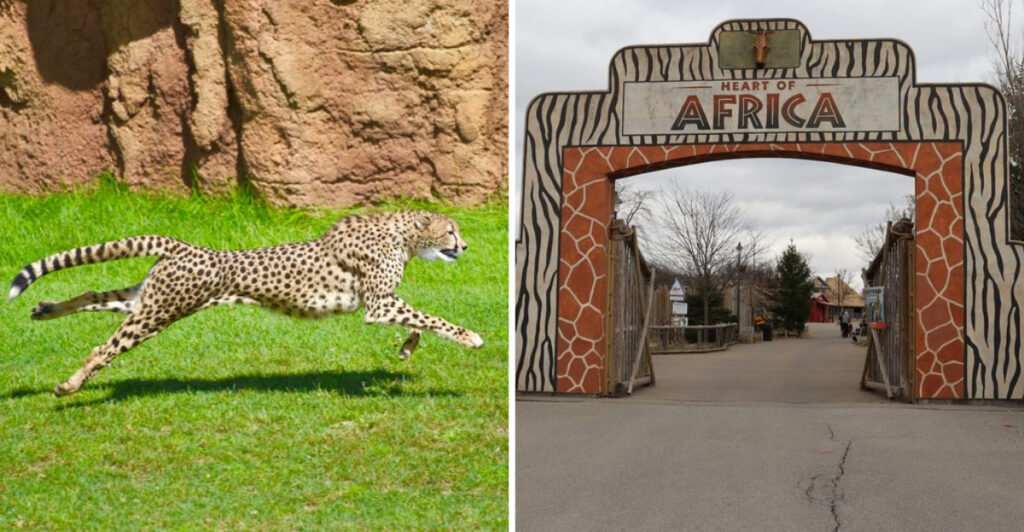
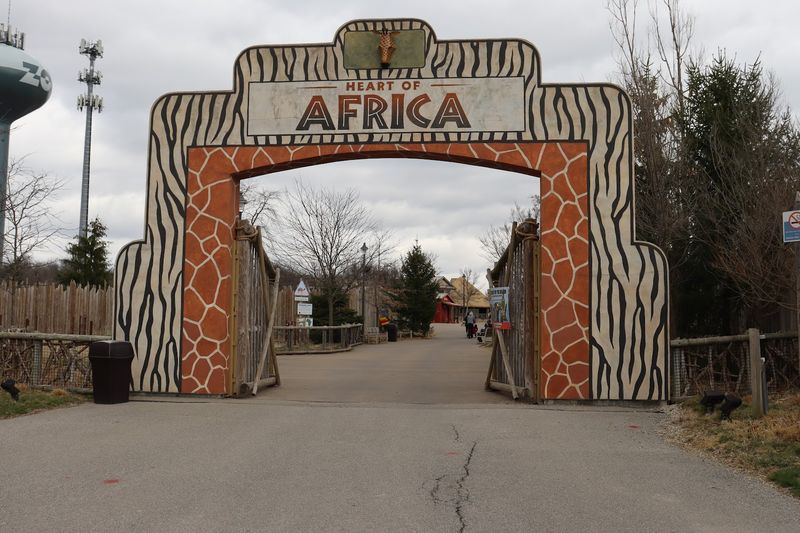
Heart of Africa, located at 4850 W Powell Rd, Powell, OH 43065, is one of those regions, and it stands out as one of the most ambitious wildlife exhibits in the entire zoo system.
The exhibit was designed to replicate the look and feel of the African savanna, complete with open spaces, authentic landscaping, and animals that roam in large, naturalistic habitats rather than small cages.
Your general admission ticket to the Columbus Zoo covers access to Heart of Africa, so there is no separate entry fee to worry about. The exhibit is open daily from 9 AM to 7 PM, giving you plenty of time to explore every corner of this incredible space.
The Scale of the Savanna Will Surprise You
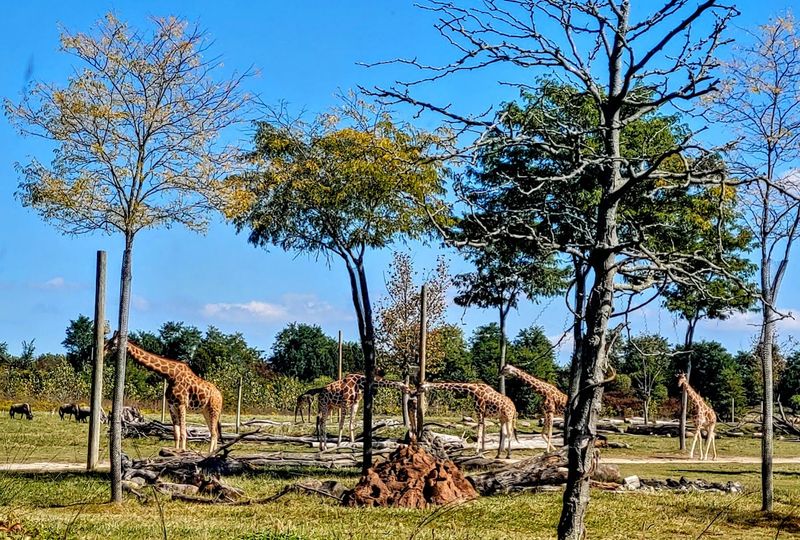
The first thing that genuinely caught me off guard was just how large this place is. This is not a compact exhibit you can breeze through in fifteen minutes.
Heart of Africa covers a significant portion of the zoo’s grounds, and the open savanna design means you can see for a long distance in every direction. That sense of openness is rare in a zoo setting, and it makes the whole experience feel much more like a real safari than a traditional zoo visit.
The pathways wind through different habitat zones, so each turn brings something new into view. One moment you are watching ostriches strut across a dusty plain, and the next you are standing at the edge of a watering hole area watching hoofstock graze peacefully.
Wear comfortable shoes, because the walking distance here adds up quickly and your feet will know it by the end of the day.
Giraffes Up Close and Very Personal
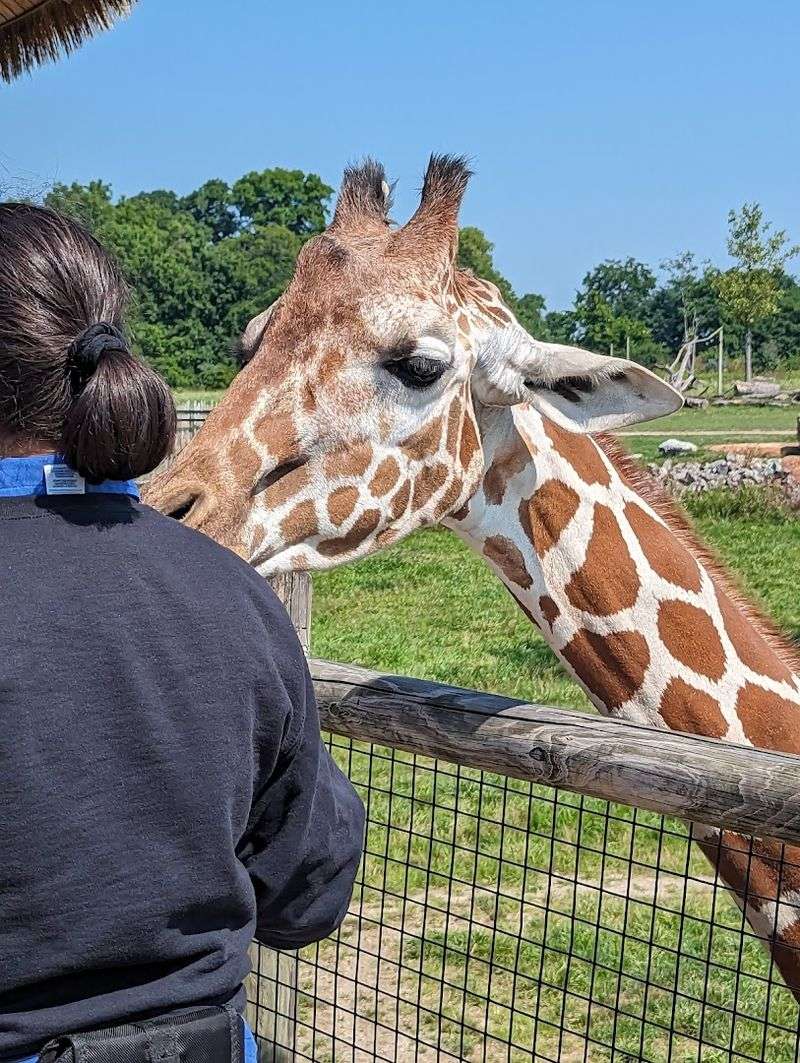
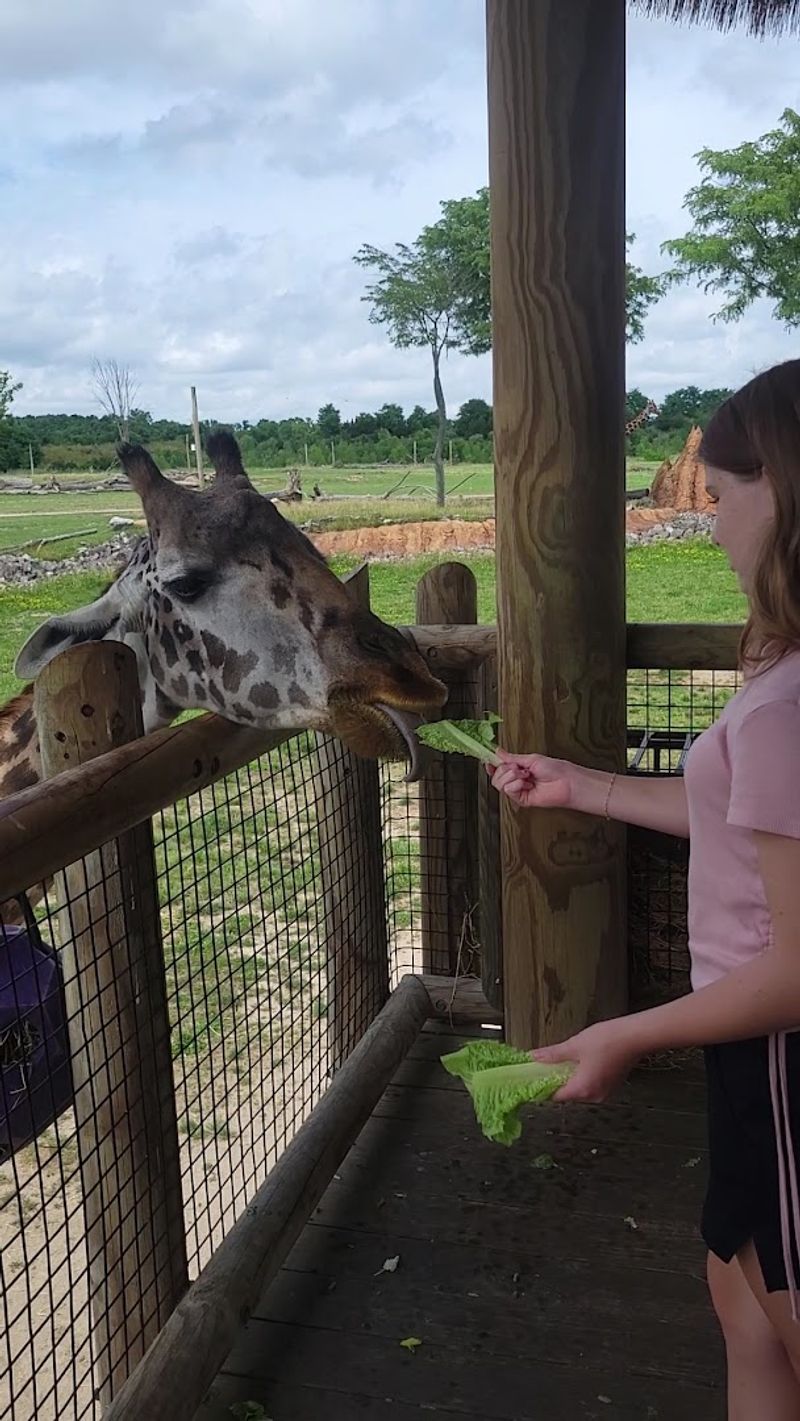
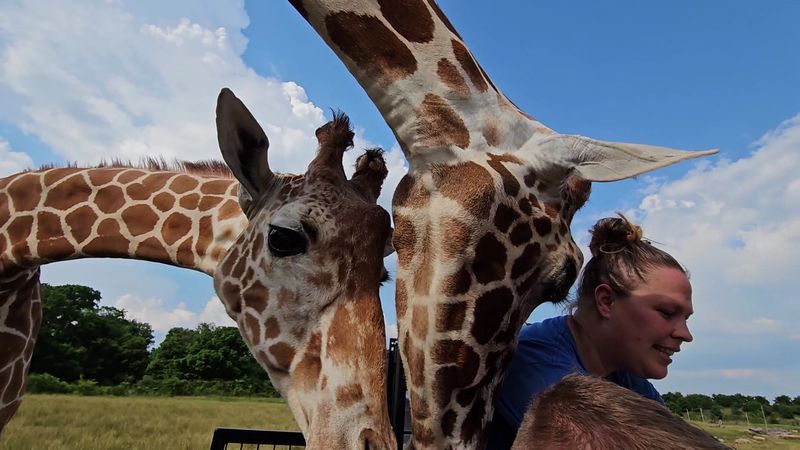
Feeding a giraffe is one of those experiences that sounds cool in theory but absolutely floors you in person. These animals are enormous, and when one lowers its neck toward your hand, the scale of it hits you in a way that no photo can prepare you for.
Heart of Africa offers giraffe feeding for a small additional fee on top of your zoo admission. The feeding station gets busy, especially on weekends and during peak summer hours, so arriving early in the day gives you a much better shot at a shorter wait.
Giraffes use their long, dark tongues to grab the food right from your palm, and the sensation is something kids and adults alike talk about long after the visit ends.
If the line looks long when you first arrive, check back later in the day when crowds tend to thin out a bit near closing time.
Lions and the Iconic Plane Crash Exhibit
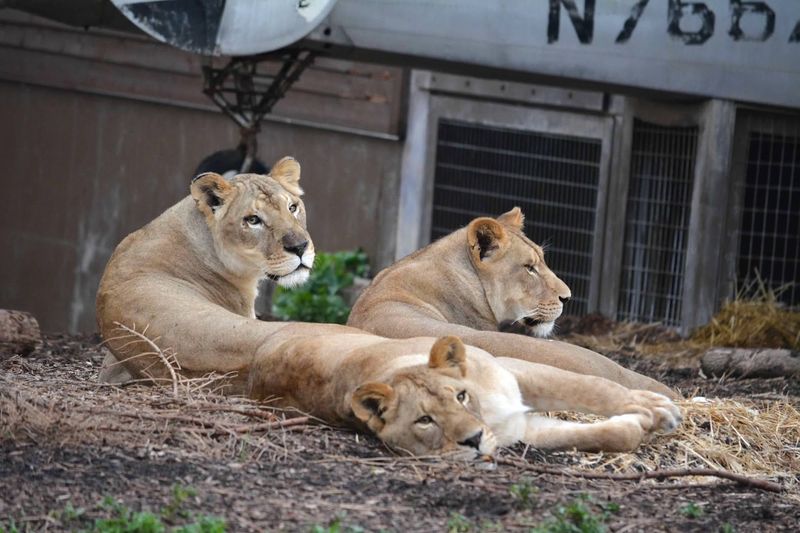
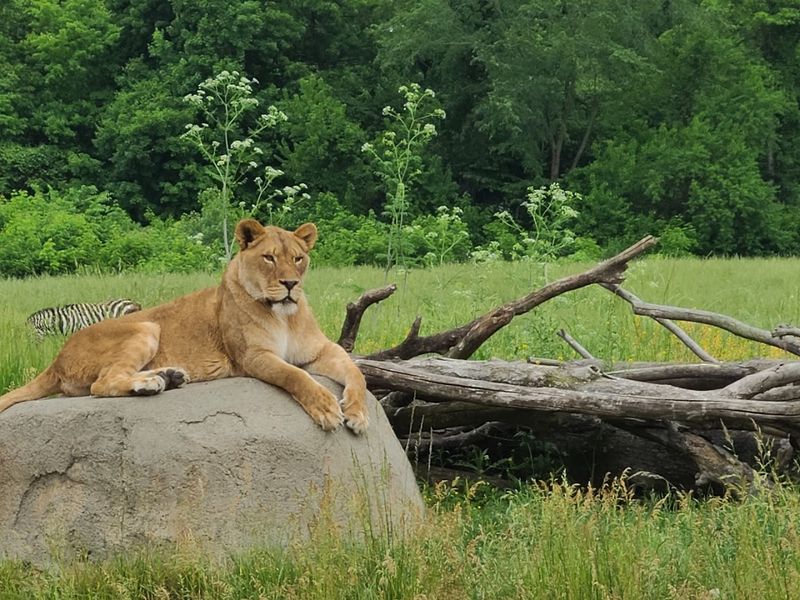
One of the most talked-about features at Heart of Africa is the replica crashed plane exhibit, and it earns every bit of that attention. A weathered fuselage sits in the landscape as if it went down years ago, and the lions are positioned right nearby, which creates a dramatic visual that stops nearly every visitor in their tracks.
The setup is theatrical in the best way possible, turning a standard lion viewing area into something that feels like a scene from a nature documentary. Kids are especially captivated by it, and it tends to spark a lot of questions and conversations.
The lions themselves are active and visible throughout the day, which is not always guaranteed at every zoo. The habitat design encourages natural movement, so you are likely to catch them pacing, resting in the sun, or surveying their territory from an elevated perch.
Cheetahs, Ostriches, and the Animals You Did Not Expect
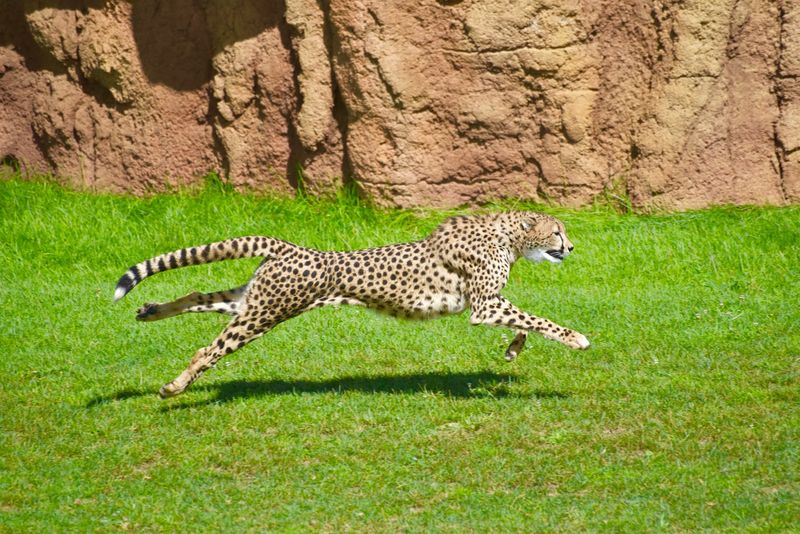
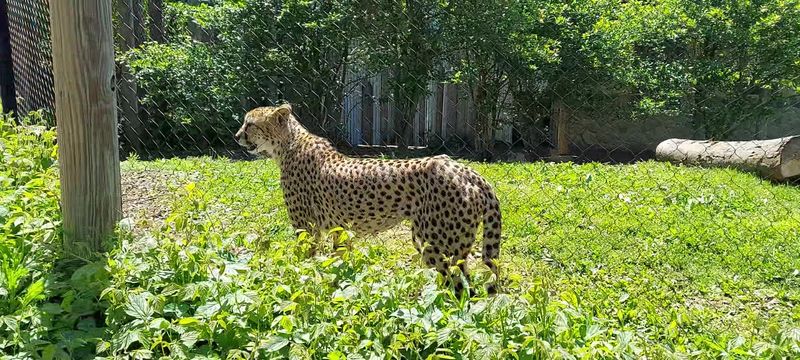
Beyond the giraffes and lions, Heart of Africa is home to a surprisingly diverse roster of animals that many visitors do not anticipate finding. Cheetahs are among the highlights, and their sleek, athletic build is genuinely impressive to see at close range.
Ostriches roam in open areas that give them room to move freely, and watching them interact with their environment is more entertaining than you might expect. These birds have a personality that is hard to ignore.
The exhibit also includes a variety of hoofstock species and African birds that fill out the savanna experience beautifully. Each species has been placed thoughtfully within the landscape to reflect how these animals might coexist in the wild.
The variety here means that even seasoned zoo visitors tend to find something they have not seen up close before, making repeat visits feel fresh and worth the trip back.
How the Habitat Design Sets This Place Apart
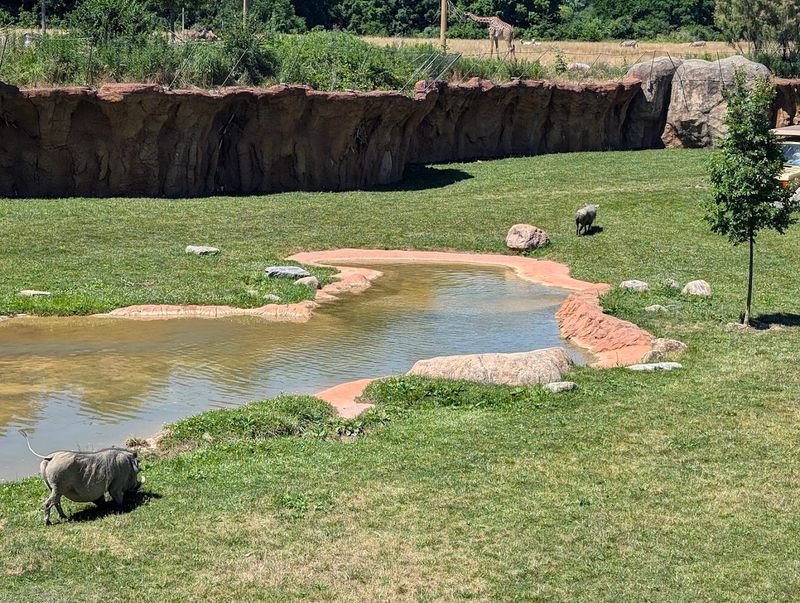
A lot of modern zoos talk about naturalistic habitats, but Heart of Africa actually delivers on that promise in a way that feels thoughtful and well-executed. The animals here are not separated from you by thick glass or cramped enclosures.
Open fencing, wide viewing areas, and carefully designed sightlines put you close to the animals without making the space feel artificial. The landscaping uses terrain, vegetation, and elevation changes to mimic the varied geography of the African continent.
What really stands out is how the design seems to benefit the animals as much as the visitors. The animals appear engaged with their surroundings, and that energy is contagious when you are walking through.
That sense of authenticity is what makes Heart of Africa feel like more than just a zoo exhibit. It feels like a place that genuinely respects the animals it houses and the experience it creates for the people who come to see them.
Best Times to Visit for the Ideal Experience
Timing your visit to Heart of Africa makes a noticeable difference in how much you enjoy the experience. Weekday mornings are consistently the least crowded, and the animals tend to be more active in the cooler morning hours before the midday heat sets in.
Summer weekends draw the largest crowds, which means longer waits at popular spots like the giraffe feeding station. If a weekend is your only option, arriving right at the 9 AM opening gives you a head start before the bulk of visitors arrive.
Spring and early fall offer some of the most comfortable weather for walking the exhibit, and the natural light during those seasons makes for excellent photos. The exhibit is open every day of the week from 9 AM to 7 PM, so flexibility in your schedule goes a long way.
Planning around school holidays and local events will also help you avoid peak crowd days throughout the year.
Bringing Kids to Heart of Africa
Few places in Ohio deliver the kind of pure, wide-eyed wonder that Heart of Africa produces in young kids. The combination of large animals, open spaces, and interactive experiences like giraffe feeding creates a day that children remember for a long time.
The exhibit is stroller-friendly with paved pathways throughout, which makes navigating with little ones manageable. Younger kids tend to gravitate toward the giraffe area and the lion viewing spot, while older children often get absorbed by the cheetah habitat and the plane crash exhibit.
There is enough variety here to hold a child’s attention for a full afternoon without the need for screens or distractions. The animals are close enough to feel real and exciting, not distant specks behind distant barriers.
Bringing snacks and a water bottle is a smart move, especially in summer, since the walking distance across the full exhibit can be more than most kids anticipate.
Heart of Africa as an Event Venue
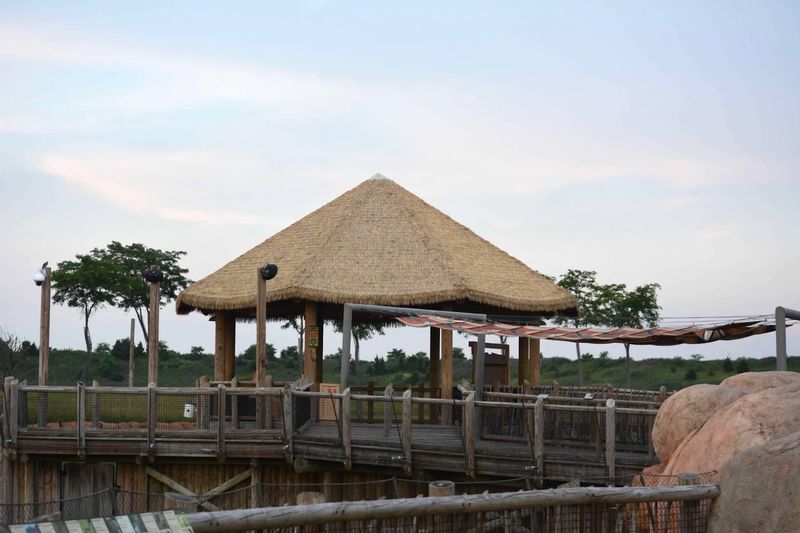
Most people know Heart of Africa as a daytime zoo experience, but the space doubles as one of the more distinctive event venues in central Ohio. The hybrid indoor and outdoor layout makes it adaptable for a wide range of gatherings, from corporate events to private celebrations.
The African savanna backdrop provides a visual setting that no hotel ballroom can replicate. Guests get the atmosphere of the exhibit along with the amenities of a well-organized event space, including food service and thoughtful setup options.
The food at these events consistently earns strong praise, which is not always the case at venue-style locations. The combination of high-quality catering and a one-of-a-kind setting makes Heart of Africa a surprisingly compelling choice for anyone planning a memorable event in Ohio.
Booking well in advance is recommended since the venue’s uniqueness means available dates fill up faster than you might expect throughout the year.
WildLights and Seasonal Events at the Exhibit

Heart of Africa takes on a completely different character during the Columbus Zoo’s WildLights event, which runs during the holiday season each year. The exhibit gets transformed with light displays that highlight the African theme in a way that feels genuinely magical after dark.
Visitors who have experienced the daytime version of the exhibit are often surprised by how different and equally impressive the nighttime WildLights version feels. The lighting design plays off the natural landscape and animal habitats to create an atmosphere that is both festive and exotic.
WildLights is one of the most popular events at the Columbus Zoo, drawing large crowds throughout its run, so purchasing tickets in advance is strongly recommended. Arriving early in the evening helps you enjoy the exhibit before peak crowds build up around the main light displays.
Beyond WildLights, the zoo runs other seasonal programming that often incorporates the Heart of Africa space in creative and engaging ways.
Practical Tips for Getting the Most Out of Your Visit
A few practical details can make the difference between a good visit and a great one at Heart of Africa. The exhibit is part of the Columbus Zoo and Aquarium, so your general admission ticket covers entry to this region along with the rest of the zoo.
Parking is available on-site at the zoo, and the lot is large enough to handle high-traffic days without too much difficulty. From the main entrance, Heart of Africa requires a solid walk to reach, so factor that into your energy and timing plan for the day.
Wearing layers is useful since the open savanna layout means you are exposed to sun and wind more than in enclosed exhibit buildings. Sunscreen and a hat are genuinely helpful during summer months when the midday sun is intense.
The zoo’s website at columbuszoo.org has up-to-date information on giraffe feeding schedules and any temporary closures that might affect your visit.
Why Heart of Africa Stays With You Long After You Leave
There is something about Heart of Africa that lingers in your memory in a way that a standard zoo visit does not. The scale, the openness, and the quality of the animal experiences combine to create something that feels genuinely rare for a landlocked midwestern state.
Standing at the giraffe feeding area with one of these towering animals just a few feet away, or watching a cheetah move with effortless grace across its habitat, produces moments that feel bigger than the setting around them.
The Columbus Zoo as a whole is a world-class institution, and Heart of Africa represents some of its best work in terms of design and animal care. The exhibit rewards curiosity and rewards taking your time rather than rushing through to check a box.
If Ohio has a travel experience that genuinely transports you somewhere else without a passport, Heart of Africa at the Columbus Zoo is a strong contender for the top of that list.
Share this story