Most travelers heading through the Pocono Mountains are focused on hiking trails, ski resorts, or lake towns. Few realize that along Milford Road sits a small museum dedicated to more than 12,000 years of Lenape history and culture inside a building that has stood since 1840.
The Delaware Indians, also known as the Lenape, lived across this region long before Pennsylvania existed. This museum brings their story into focus through artifacts, historical replicas, tools, and exhibits that explain how deeply connected the Lenape were to the land that surrounds the Poconos today.
The building itself is modest, and most visits take less than 30 minutes, but the experience stays with people long after they leave. It offers a perspective on Pennsylvania history that many visitors never encounter, even after years of traveling through the region.
Where the Museum Sits and What to Expect When You Arrive
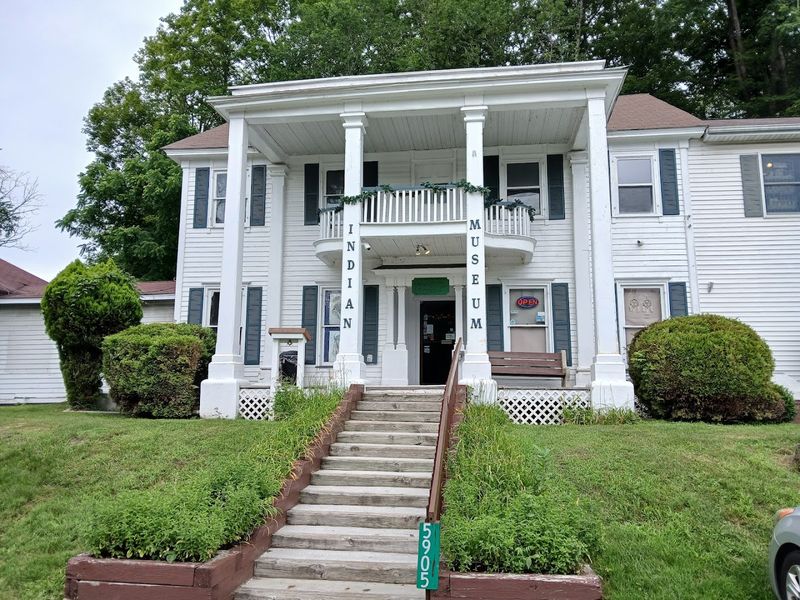
The Pocono Indian Museum is found at 5905 Milford Rd, East Stroudsburg, PA 18302, right along a forested stretch of road that already feels like a step back in time before you even open the door.
The building itself is one of the oldest frame structures in the Pocono Mountains, a farmhouse built in 1840 by John Van Campen Coolbaugh. That alone would make it worth a look, but what is inside takes the experience to a completely different level.
Free parking is available on site, and the museum is open seven days a week from 10 AM, which makes planning a visit pretty straightforward. The admission fee is just seven dollars for adults and three dollars and fifty cents for children under sixteen, making it one of the most affordable cultural stops you will find in the entire region.
The friendly staff at the front desk greet you warmly, and from that first moment, the tone is relaxed and welcoming.
The 12,000-Year Story That Starts the Moment You Walk In
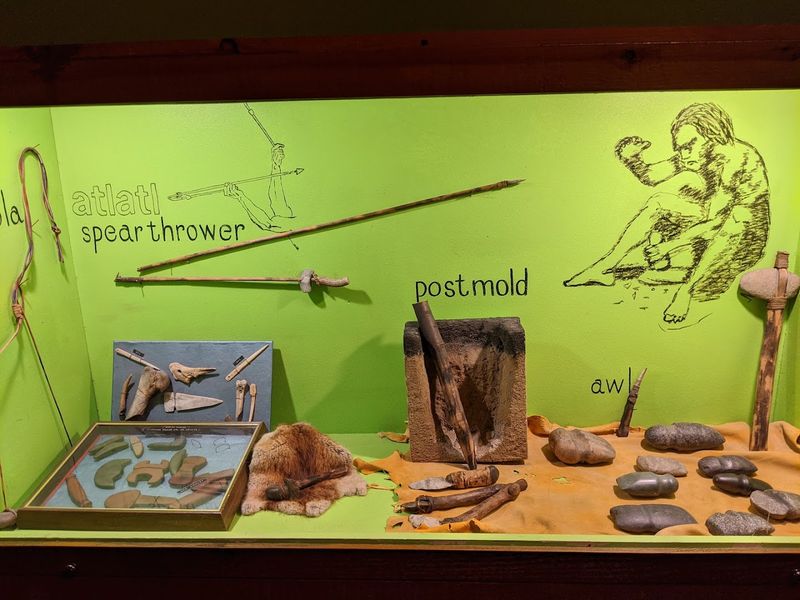
Most museums start their timelines with a few hundred years of recorded history, but this one begins at 10,500 B.C., and that number hits you differently when you are standing in a room surrounded by actual artifacts pulled from the Pocono Mountains.
The exhibits trace the full arc of Delaware Indian life from their earliest presence in Northeastern Pennsylvania all the way through to the period of European contact before the American Revolution. That is a span of over twelve thousand years, and the museum walks you through it in a way that feels personal rather than textbook-dry.
Every display connects the objects you are looking at to real moments in Lenape daily life, from how they prepared food to how they built shelters and maintained peaceful relationships with neighboring tribes. The audio tour ties it all together with narration that adds context without overwhelming you, and by the time you reach the final room, the timeline feels remarkably vivid and real.
The Self-Guided Audio Tour That Makes Everything Click
There is something genuinely clever about how this museum handles its tours. Instead of a live guide or a printed pamphlet, each visitor receives a small portable speaker that narrates each exhibit as you move from room to room.
The audio tour runs about thirty minutes, and it tells you exactly where to look, what you are seeing, and why it matters. For a seven-dollar admission, that level of detail is hard to beat.
Children absorb the information surprisingly well through this format, and more than one young visitor has reportedly gone home and retold the whole story to their teacher the very next day.
The six rooms flow in a logical sequence, so the history builds naturally as you walk. If you prefer to move at your own pace without the narration, that option exists too, though the audio adds layers of meaning that the labels alone cannot fully capture.
The tour rewards curiosity, and the more attention you pay, the more you take home with you.
Artifacts That Were Pulled Straight From the Pocono Mountains
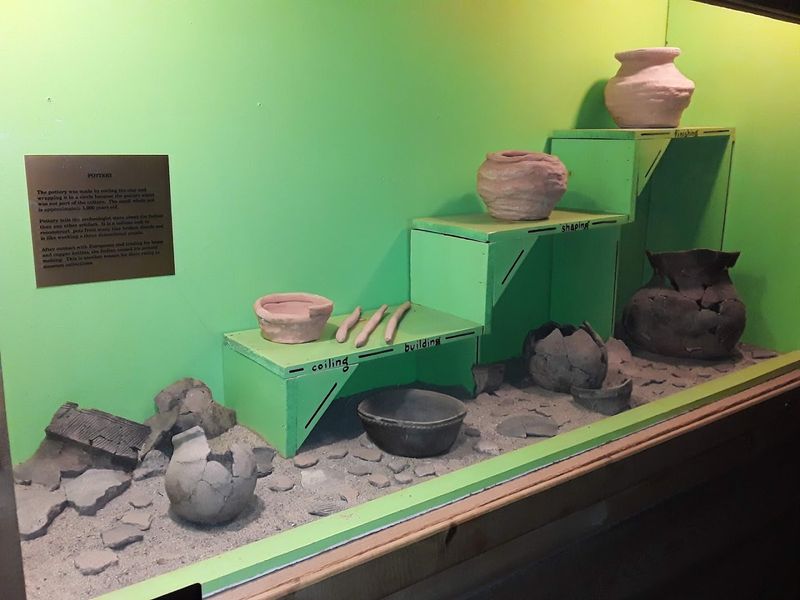
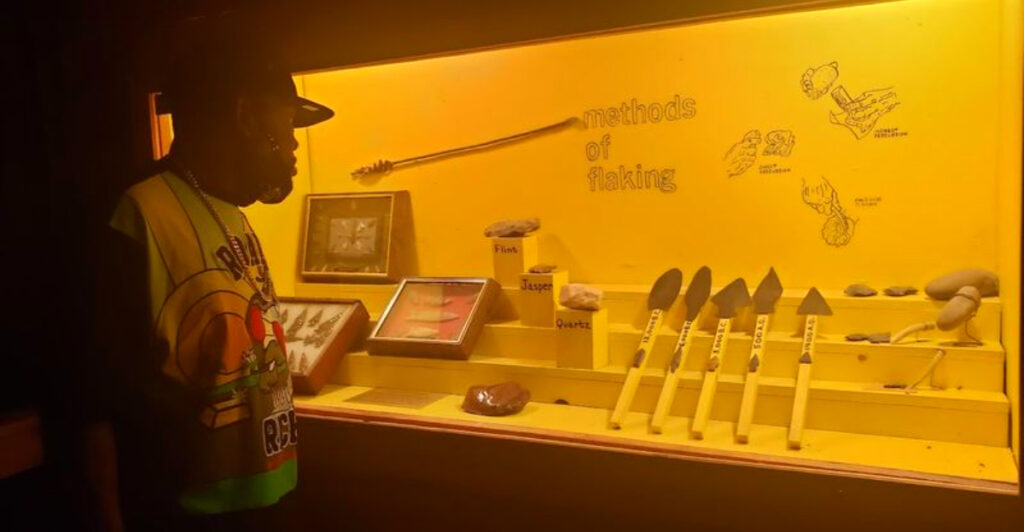
One of the most striking things about this collection is how local it is. Many of the weapons, tools, and pottery pieces on display were actually discovered in the Pocono Mountains, which means you are looking at objects that sat in this same soil for thousands of years before anyone dug them up.
The pottery is especially fascinating. The Lenape crafted their vessels without a potter’s wheel, shaping each piece entirely by hand, and the results are both functional and beautiful in a way that feels completely intentional.
Seeing those pieces up close, knowing they were made right here in this region, gives them a weight that reproductions simply cannot match.
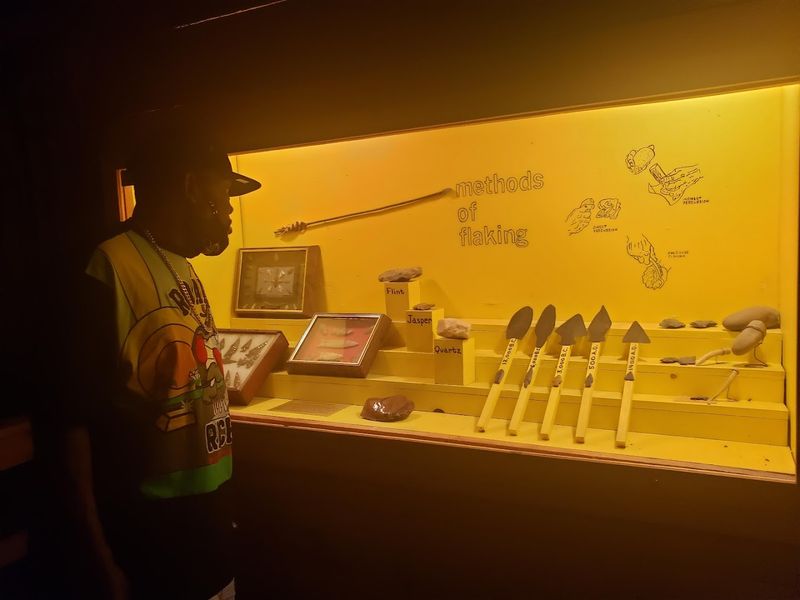
Weapons and tools from different periods of Lenape history sit alongside explanations of how each item was used, which helps you understand not just what the object is but what daily survival actually looked like. These are not generic Native American artifacts sourced from somewhere else; they are specifically tied to this land, and that connection makes them far more compelling to stand in front of.
The Replica Longhouse and What It Reveals About Lenape Life
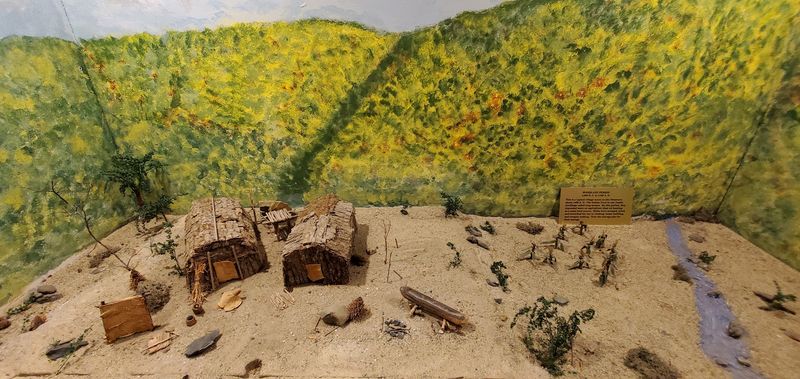
Not everything in this museum sits behind glass. One of the standout features is a replica of a longhouse, the kind of structure the Delaware Indians used during the Woodland Period, and it gives you a genuinely spatial sense of how people lived in this region centuries ago.
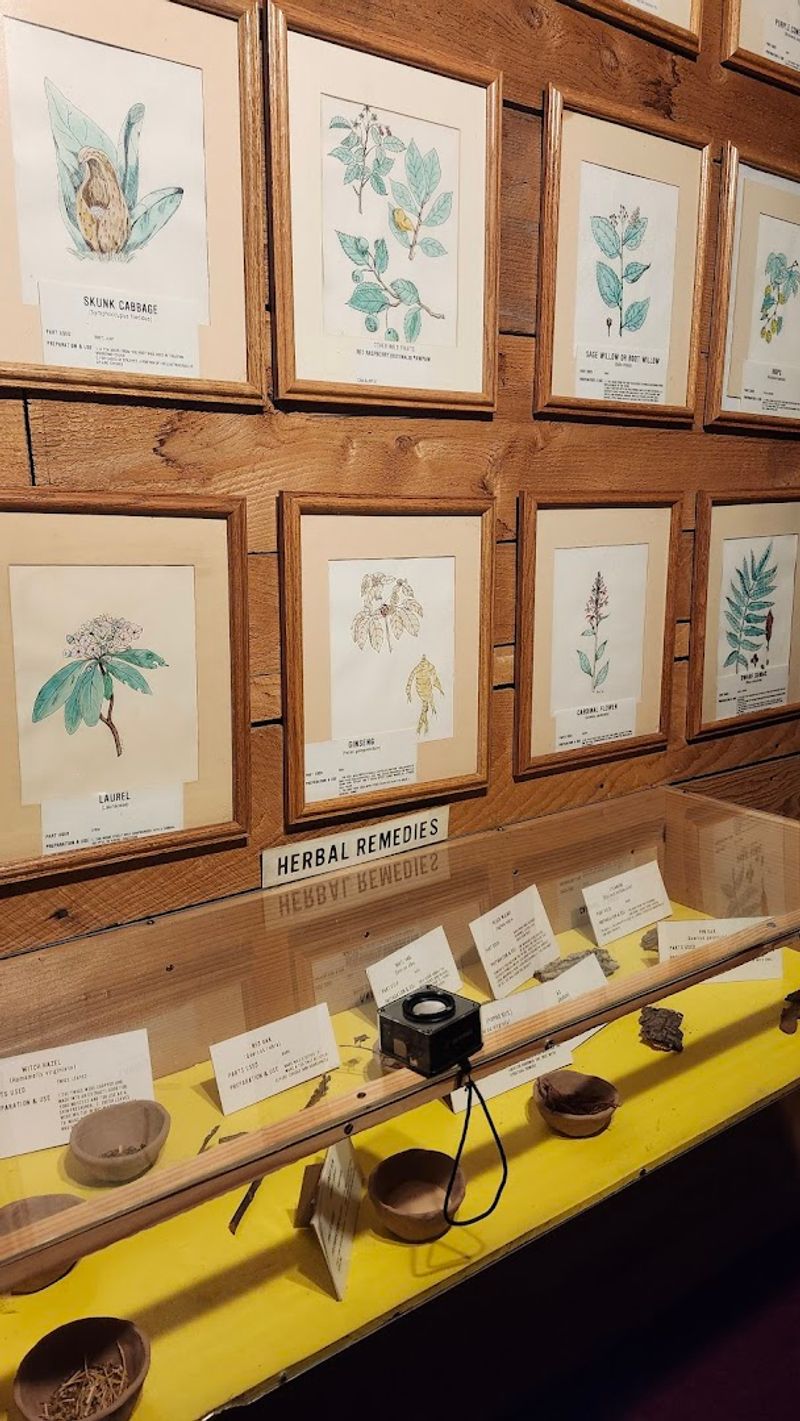
The display around it recreates a typical Delaware village scene, complete with details about food preparation, clothing, and the herbal remedies the Lenape relied on for medicine. Those three categories alone open up a whole conversation about how sophisticated and self-sufficient this culture was long before any European arrived to tell them otherwise.
Herbal medicine in particular gets thoughtful attention in the exhibits, since the Lenape had an extensive knowledge of local plants and their healing properties. That knowledge did not develop overnight; it was accumulated and passed down across generations, and seeing it laid out in this context makes it feel both impressive and humbling.
The longhouse section is one of those spots where visitors tend to slow down and linger a little longer than expected.
The 1840 Farmhouse and Its Remarkable Second Life
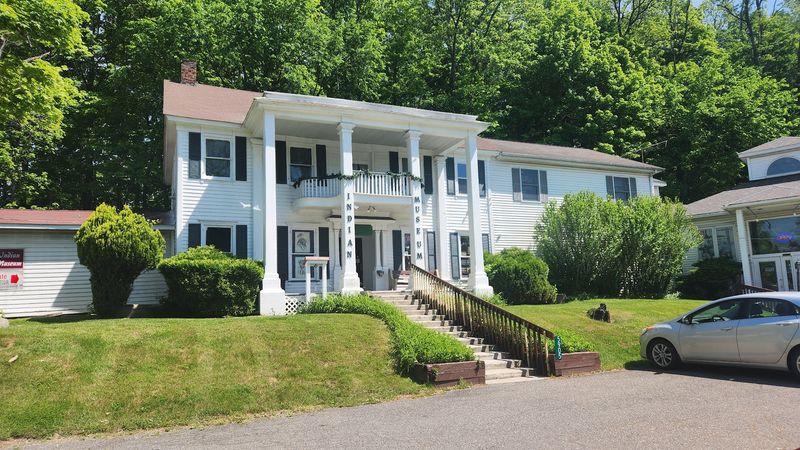
Before this building became a museum, it lived several other lives, and each one added a layer to its already rich character. Built in 1840 by John Van Campen Coolbaugh, the farmhouse served as a boarding house, a stagecoach stop, and reportedly a safe house along the Underground Railroad.
That last detail is worth pausing on. The same walls that now hold Lenape artifacts once sheltered people seeking freedom during one of the most difficult chapters in American history.
The building carries that weight quietly, without making a spectacle of it, but the staff are happy to share that history with visitors who ask.
During Prohibition, the building reportedly functioned as a speakeasy, which means it has housed travelers, freedom seekers, and rule-benders all under the same roof across different eras. The structure itself feels lived-in in the best possible way, with the comfortable, slightly worn quality of a place that has genuinely been used and loved over nearly two centuries.
The history of the building and the history inside it layer together in a way that is hard to find anywhere else.
How the Museum Came to Be and Who Keeps It Running
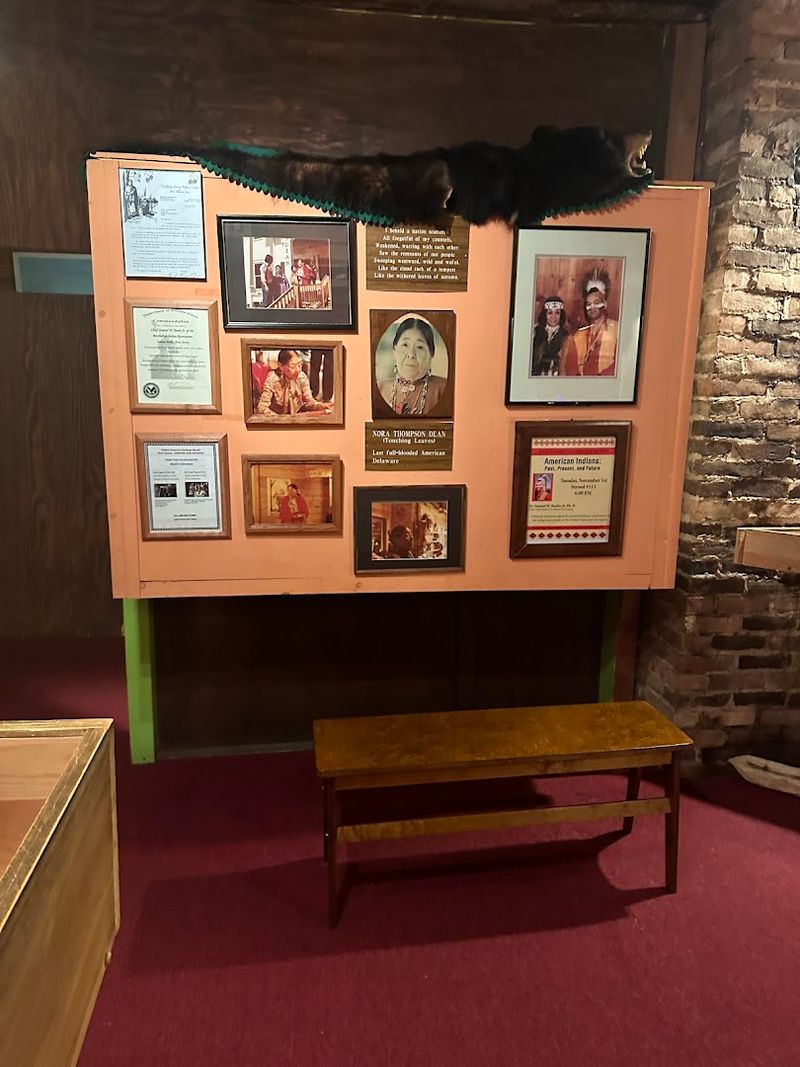
Every great small museum has an origin story, and this one starts with two people named Mal and Marge Law, who opened the Pocono Indian Museum in 1976 after assembling a significant collection of Delaware Indian artifacts. Their passion for preserving Lenape history gave this corner of East Stroudsburg something that the entire region lacked at the time.
The museum holds the distinction of being the only institution in Northeastern Pennsylvania dedicated entirely to tracing the history and culture of the Lenape people. That is not a small thing, especially in a region where the Lenape lived and thrived for thousands of years before being largely displaced.
Today, the Law family continues to operate the museum, with their son Shane taking over the day-to-day responsibilities. The family-owned nature of the place comes through in every interaction, from the warm greeting at the front desk to the genuine enthusiasm the staff bring when talking about the collection.
It feels personal in a way that larger institutions rarely manage to replicate, and that warmth is a big part of what keeps visitors coming back.
The Gift Shop That Somehow Outgrows the Museum Itself
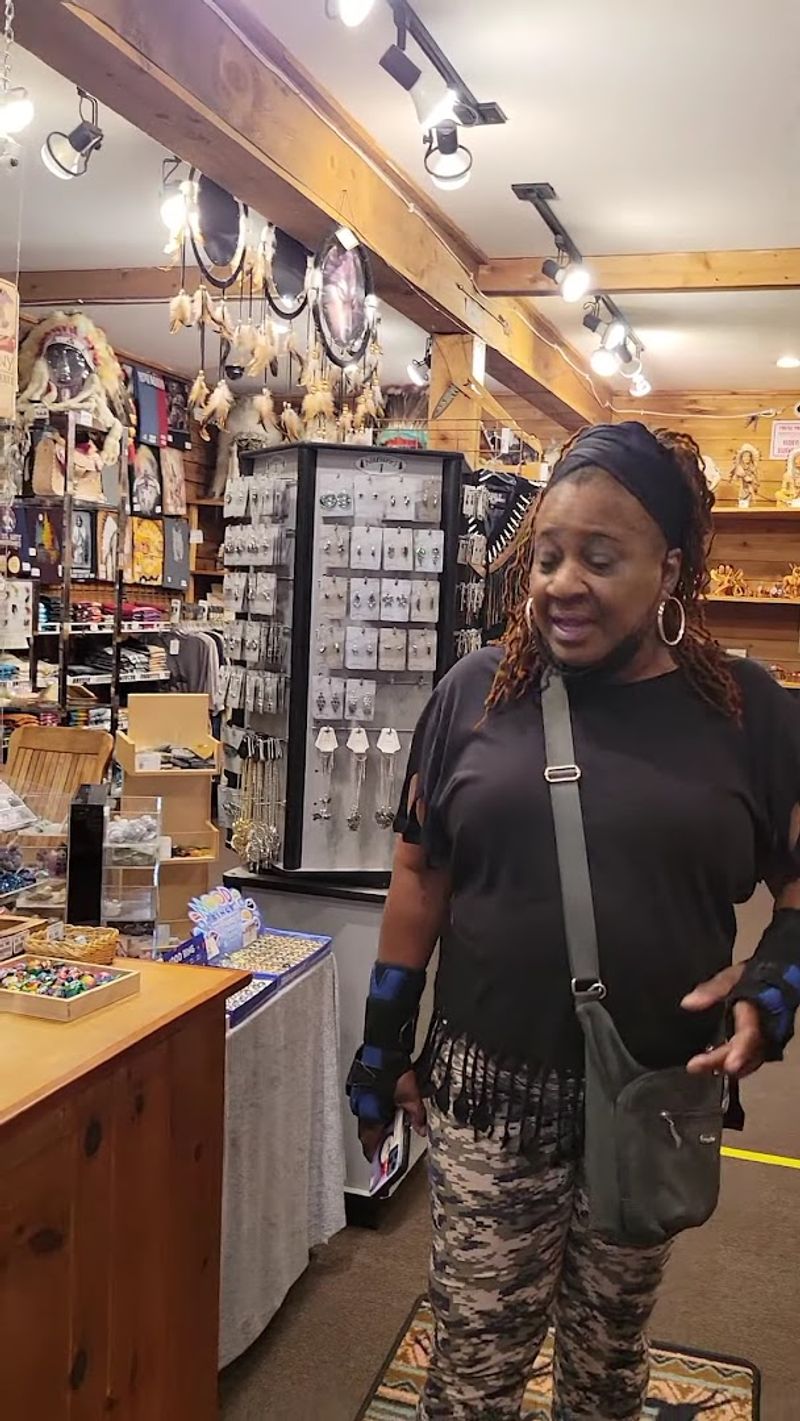
Here is a detail that surprises almost every first-time visitor: the gift shop is actually larger than the museum itself, and it spans multiple levels. That sounds like it could feel gimmicky, but the quality and variety of what is inside makes it genuinely worth the time to explore.
The ground floor carries Native American-made jewelry, pottery, dolls, dreamcatchers, clothing accessories, and novelty items, most of which you simply will not find in a standard souvenir shop. The craftsmanship is real, and the prices are fair, which makes it easy to find something meaningful to bring home.
Head upstairs and you reach the bookstore, which holds over 600 to 800 titles covering Native American tribes, history, customs, herbal medicine, cooking, and more. For anyone who leaves the museum wanting to know more, that second floor is a natural next stop.
More than one visitor has admitted they had to physically walk away from the shelves before the book budget got entirely out of hand, and that is a genuinely good problem to have.
The Prayer Pipe, the Chief Headdress, and the Pieces That Stop You Cold
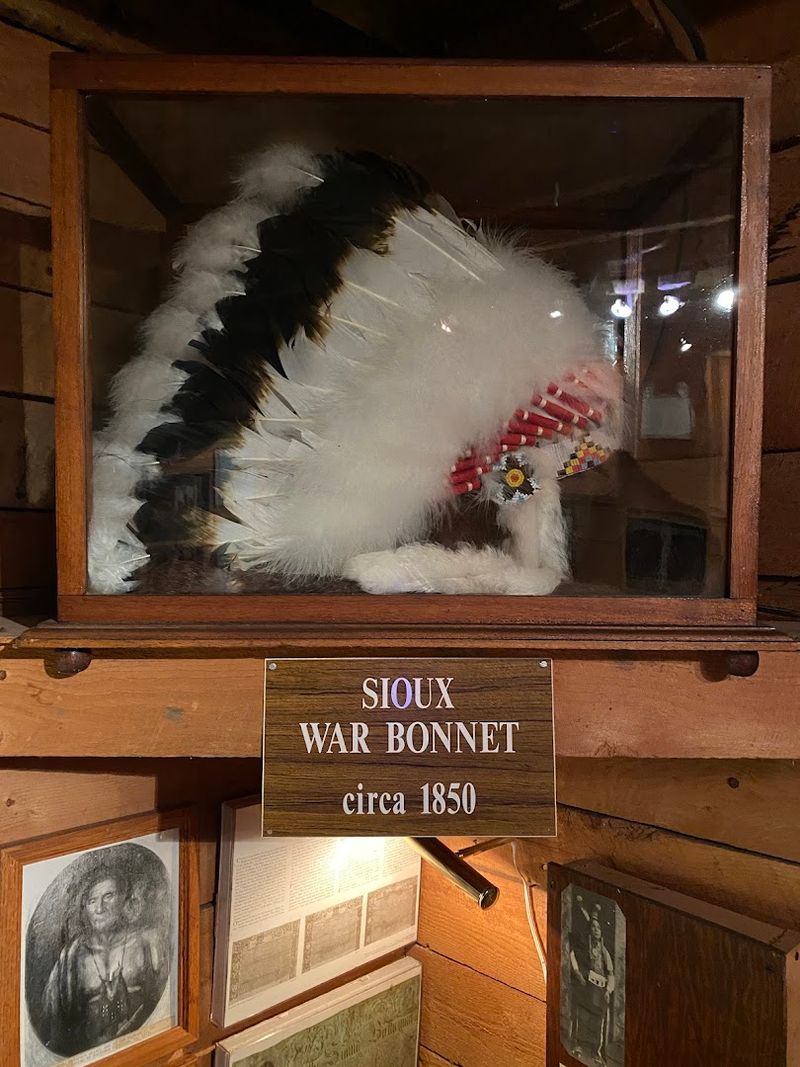
Among the many artifacts in the collection, two pieces tend to draw the most attention and quiet a room: a traditional Chief headdress and a Prayer Pipe, both displayed with care and context that help you understand their significance rather than just their appearance.
The headdress is visually striking, with the kind of craftsmanship and detail that makes you want to stand in front of it for a long time. The Prayer Pipe carries a different kind of presence, one that feels more spiritual and deliberate, and visitors who have any connection to indigenous culture or spirituality often describe it as the most moving object in the entire collection.
These are not decorative pieces placed here for visual effect. Each item comes with information about its ceremonial role in Lenape life, which transforms the experience from passive viewing into something closer to genuine understanding.
The museum handles these objects with respect, and that care is visible in the way the displays are arranged and described throughout the tour.
What the Museum Teaches About European Contact and Its Consequences
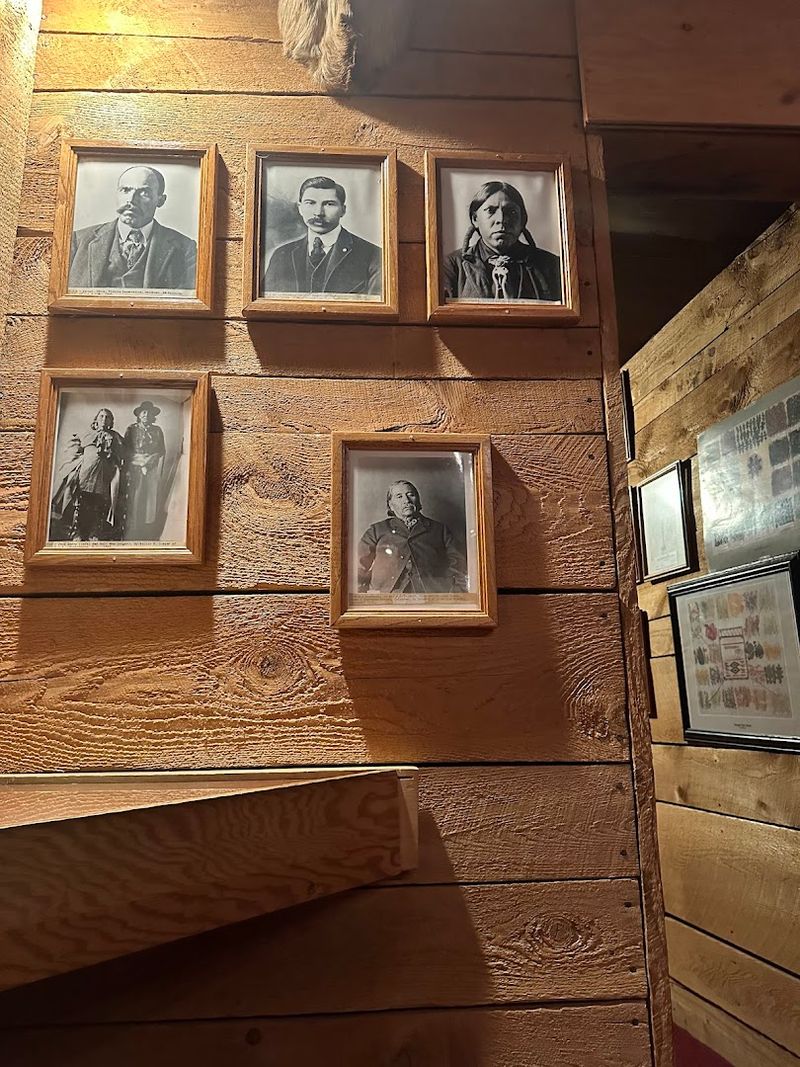
One section of the audio tour addresses something that the museum does not shy away from: the speed and scale with which European arrival changed everything for the Lenape people. The narration describes how it took roughly one hundred years for European settlers to nearly erase thousands of years of indigenous presence from this region.
That framing is direct and honest, and it lands differently when you are standing surrounded by the actual artifacts those people left behind. The museum does not dramatize this part of the story, but it does not soften it either, and that balance is one of the things that makes the experience feel trustworthy.
The exhibits covering this period show how trade relationships, land agreements, and gradual displacement unfolded across generations. Understanding that sequence helps visitors connect the ancient artifacts in the earlier rooms to the more recent historical context in the later rooms, and the full picture that emerges is both fascinating and sobering.
This section of the tour is where many visitors say the history truly hits home.
Tips for Making the Most of Your Visit
A few practical notes can make your visit noticeably smoother. The museum opens at 10 AM every day of the week, with Saturday hours extending to 5:30 PM and all other days closing at 5 PM.
Arriving earlier in the day tends to mean fewer crowds, and visiting during the off-season can mean you have the whole place nearly to yourself.
Both cash and credit cards are accepted, so there is no need to hunt for an ATM before you go. The tour itself involves no stairs once you are inside the exhibit rooms, and the ramps within the space have a low incline, which makes the experience accessible for most visitors.
Budget around 30 minutes for the audio tour and a bit more time for the gift shop, especially if the bookstore upstairs catches your interest. Children tend to engage well with the audio format, so this works as a family outing without requiring any special preparation.
The phone number for the museum is 570-588-9338 if you want to call ahead, and more information is available at poconoindianmuseum.com.
Share this story