Tucked away in the Chestnut Hill neighborhood of Massachusetts, there is a building that most people drive past without a second glance. That is a serious mistake.
Behind its grand Victorian walls sit three-story steam engines so massive, so ornate, and so historically important that they once kept an entire city running. These machines did not just move water.
They helped transform Boston from a crowded, disease-prone city into a modern metropolis with clean water for every household. The engineering behind this system was so groundbreaking that it became a model for cities across the country.
Best of all, this museum is free to enter, runs guided tours throughout the day, and welcomes families, solo explorers, history buffs, and curious kids alike. If you have ever wanted to stand next to a machine three stories tall and understand exactly how it changed history, this is the place.
The Story Behind Boston’s First Clean Water System
Before clean water arrived in Boston in 1848, the city had a serious public health problem. Contaminated water sources contributed to widespread illness, and the growing urban population made the situation increasingly urgent.
Engineers and city leaders knew something had to change.
The solution was an ambitious aqueduct system that carried fresh water from distant reservoirs into the heart of the city. When the system was finally switched on, Boston celebrated with a five-mile municipal parade and two full days of festivities at Boston Common.
It was not just a utility upgrade. It was a turning point in the city’s history.
The Metropolitan Waterworks Museum tells this entire story with clarity and depth, using exhibits, informational plaques, and video displays that break down complex engineering in ways that are easy to follow. The museum makes a strong case that understanding where your water comes from is something everyone should care about.
Three-Story Steam Engines That Defy Belief
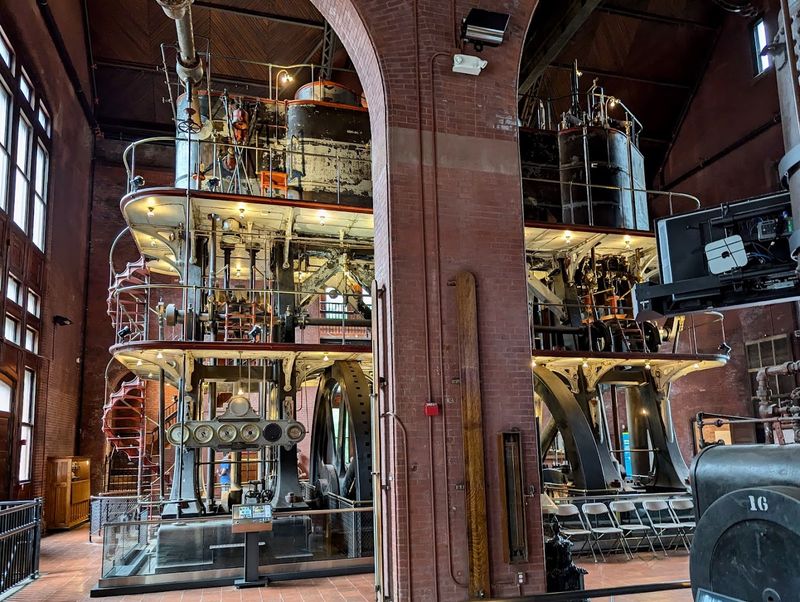
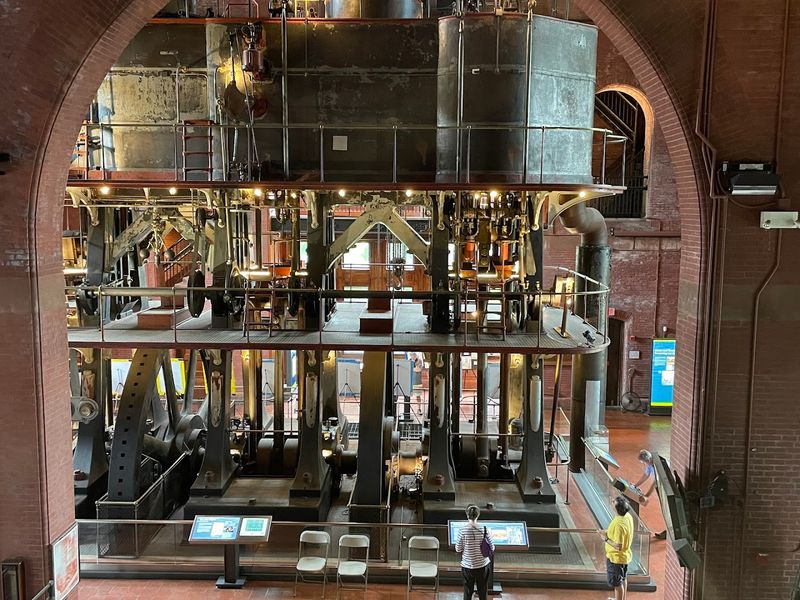
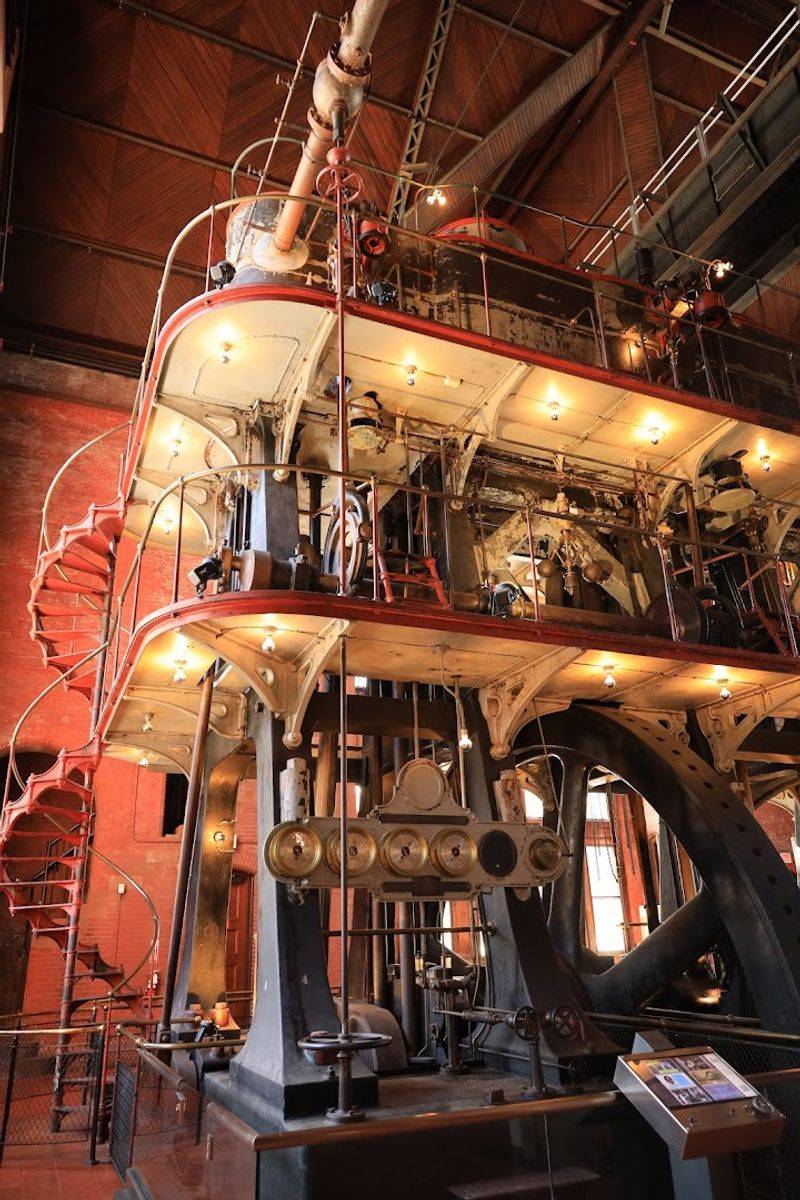
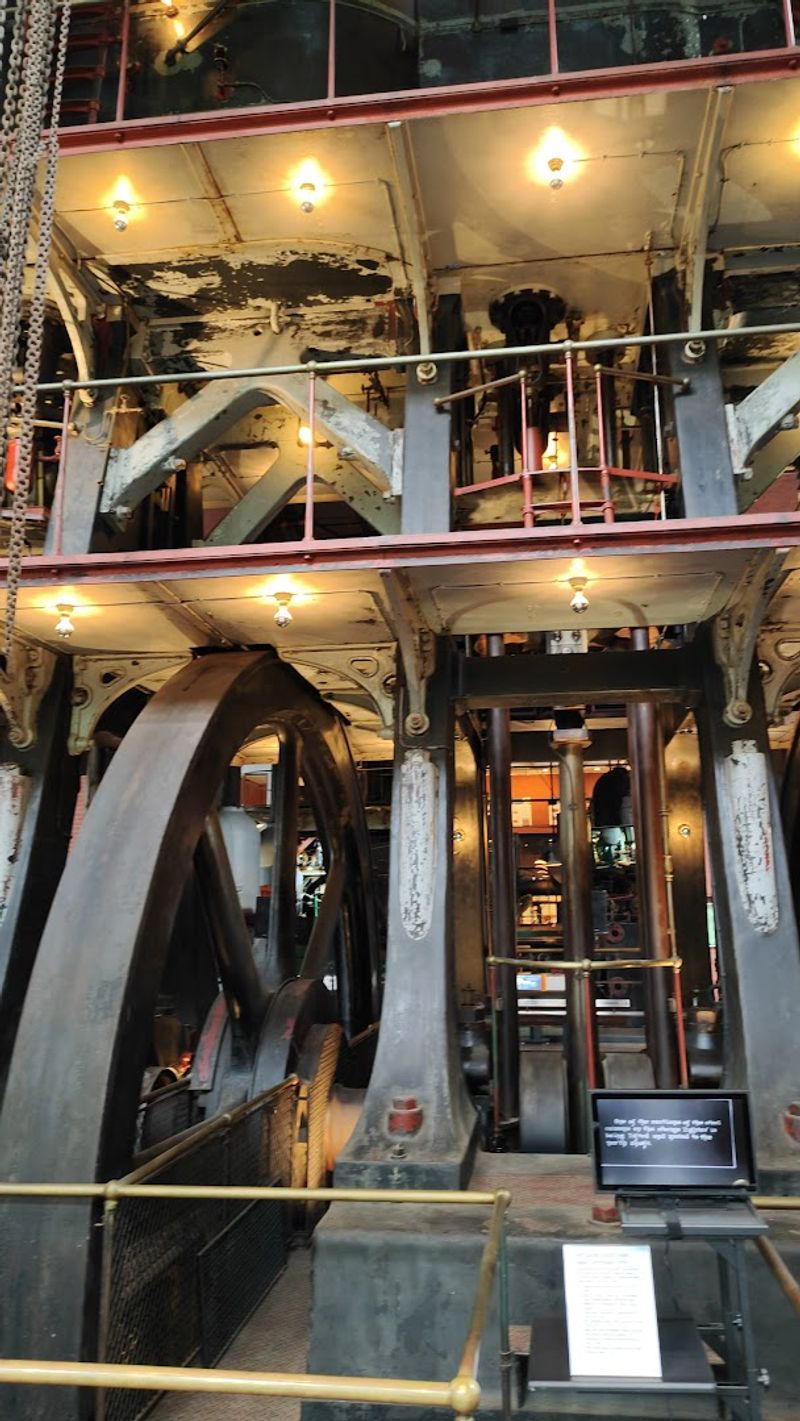
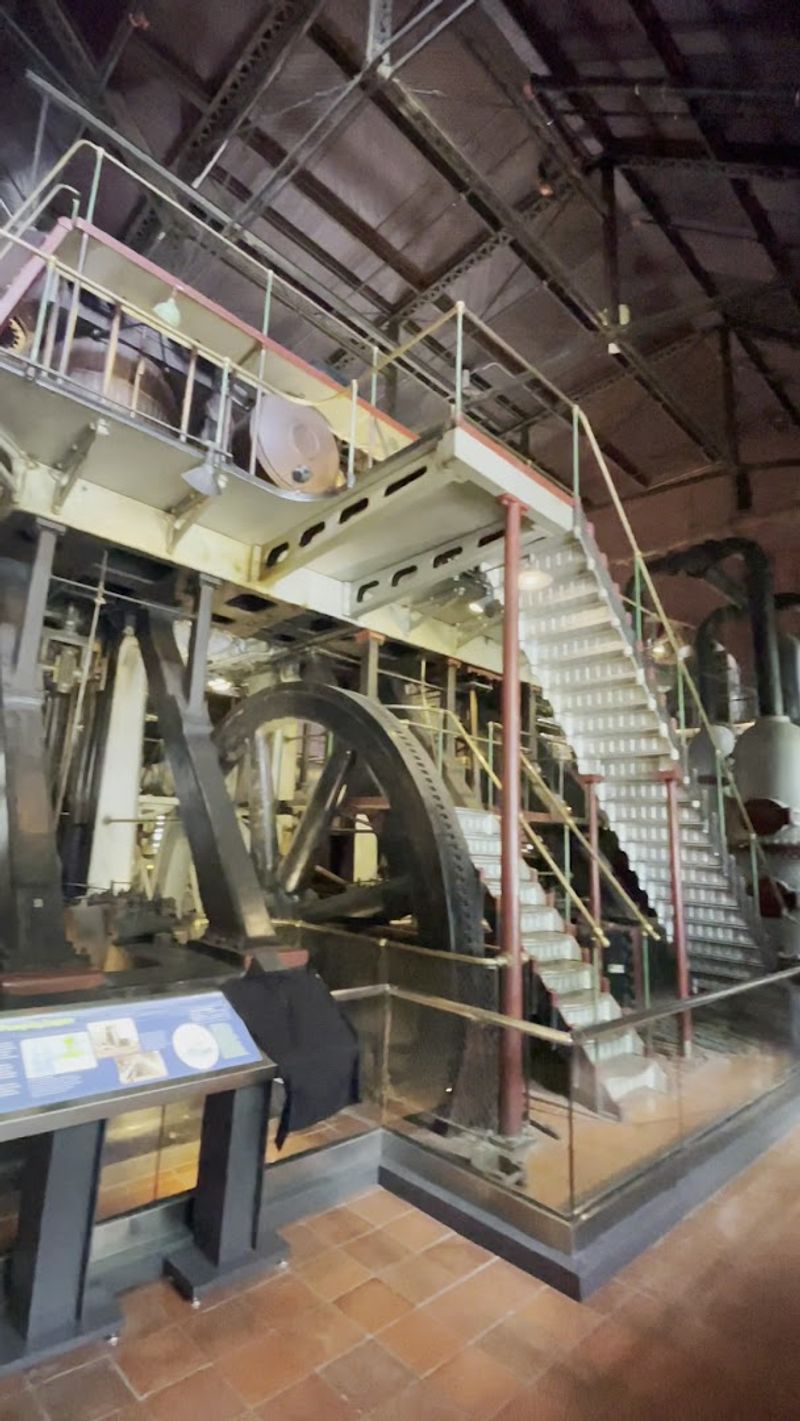
The centerpiece of the museum is the pump room, and nothing quite prepares you for the scale of what is inside. Three enormous steam-powered pumping engines dominate the space, with one of them reaching five stories in height.
Built from brass and iron with extraordinary precision, these machines were engineered to run quietly and reliably, moving millions of gallons of water every single day.
What makes them even more remarkable is the level of craftsmanship involved. The ironwork, the foundry details, and the mechanical components are so well constructed that they function as both industrial tools and works of art.
They were built to last, and they did exactly that.
Dating to the 1880s and powered by coal-fired steam, these engines represent the peak of Victorian engineering. Standing beside them gives a real sense of just how much human ingenuity went into building the infrastructure that modern cities now take completely for granted.
Architecture That Outshines Most Museums
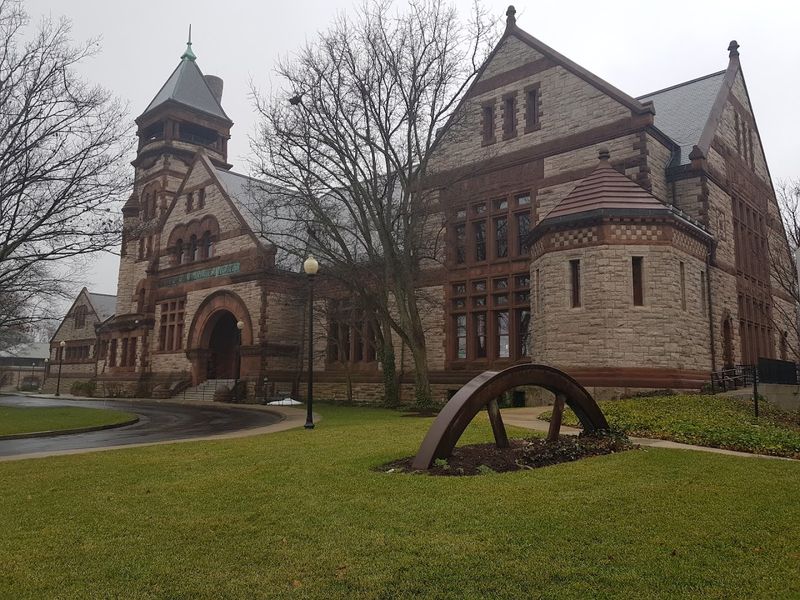
Many museums are housed in ordinary buildings where the exhibits do all the work. Here, the building itself is part of the exhibit.
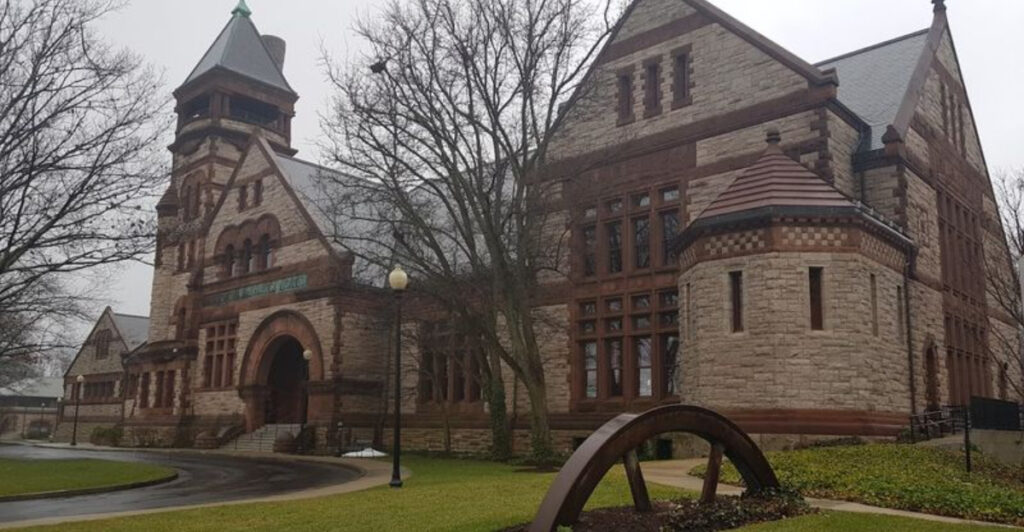
The Richardsonian Romanesque architecture features exquisite brickwork, detailed carpentry, and structural ironwork that together create an atmosphere unlike anything in a typical museum setting.
The craftsmanship throughout the building is a subject of genuine admiration among architecture enthusiasts. Every surface, from the carved stonework around the windows to the vaulted interiors, reflects the ambition of the era in which it was built.
It was designed to impress, and it still does.
Photographers and history lovers consistently find the space compelling for the same reason. The combination of industrial machinery and refined Victorian architecture creates a visual contrast that is genuinely hard to replicate anywhere else in New England.
Whether or not engineering history is your primary interest, the building alone is worth the trip to Chestnut Hill.
Free Admission With a Lot to Offer
General admission to the Metropolitan Waterworks Museum is free, which immediately makes it one of the most accessible history museums in Massachusetts. There is no ticket to buy, no reservation to make, and no pressure to rush through.
A donation of around five dollars is appreciated but entirely optional.
For a free experience, the depth of the exhibits is genuinely surprising. Informational plaques throughout the building are paired with video displays that explain the engineering and history in plain language.
The second floor includes a viewing room that offers a different perspective on the machinery below, which adds a new layer of understanding to the whole experience.
The museum also has exhibits near the restroom area that cover topics like early water quality testing, which turns out to be more fascinating than it sounds. The methods used to detect germs in water during the 1800s were innovative for their time and are explained clearly throughout the space.
Guided Tours That Bring the Engines to Life
Walking through the museum on your own is worthwhile, but joining one of the free guided tours takes the experience to a completely different level. Tours run multiple times throughout the day on a walk-in basis, roughly every half hour, so there is rarely a long wait to join one.
The guides are knowledgeable and clearly passionate about the history they share. They explain how the engines worked, why the water system was such a major achievement, and what the expansion and eventual closure of the facility meant for the region.
Their enthusiasm makes the technical details engaging rather than dry.
For those who want to go even further, the museum offers a behind-the-scenes special access tour for a fee of around eighteen dollars. This tour grants entry to areas not open to the general public, including views of the engines from both above and below, which gives a completely different understanding of their true scale and complexity.
A Family-Friendly Stop That Actually Works for Kids
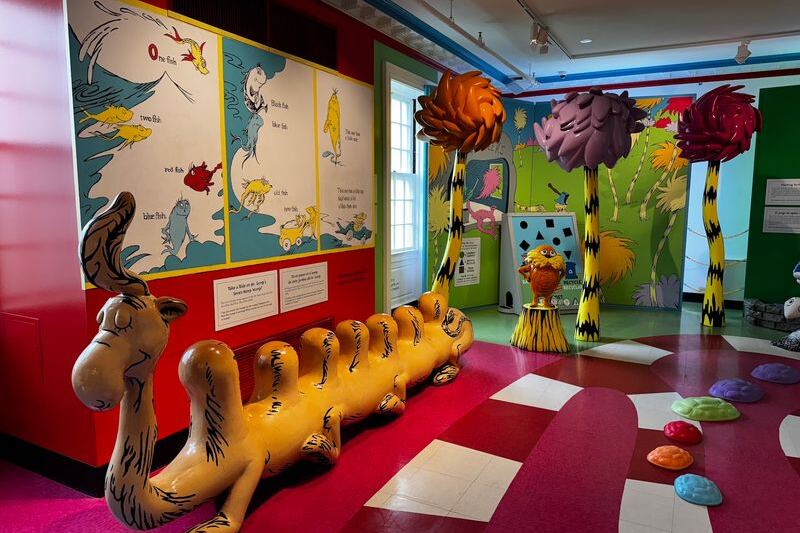
The museum has put real effort into making the experience work for younger visitors. Hands-on activities throughout the space include Lego building challenges, arch construction exercises, and bingo-style games that tie into the engineering themes of the exhibits.
These are not just filler activities. They connect directly to the concepts on display.
Kids who enjoy marble runs, magnet tiles, and building challenges tend to find the interactive sections genuinely engaging. The staff is welcoming and patient with families, which makes a noticeable difference when younger children need a bit more time or guidance to work through an activity.
The guided tours are structured in a way that keeps children interested even if their attention drifts occasionally. Families with kids aged five and up typically find that ninety minutes is a comfortable amount of time to explore everything without rushing.
The museum strikes a balance between being educational and being fun, which is harder to achieve than it looks.
Early Water Testing and Public Health History
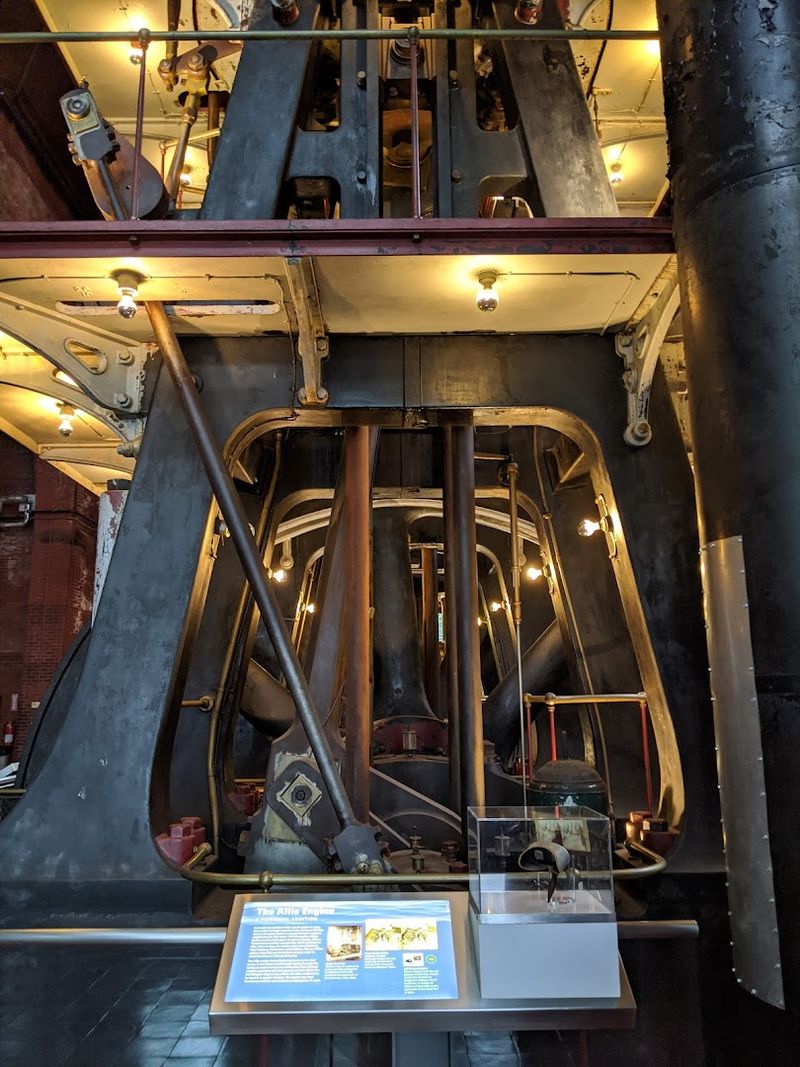
One of the more unexpected highlights of the museum is its coverage of early water quality testing. Boston was actually at the forefront of developing new methods to detect germs and contaminants in water during the 1800s, and the museum documents this history with clarity and detail.
Before modern testing existed, waterborne illness was a constant threat in growing cities. The scientists and engineers who worked on Boston’s water system understood this and developed instrumentation that was genuinely innovative for the time.
The exhibits walk through how these methods evolved and why they mattered so much for public health.
This section of the museum tends to catch people off guard in the best possible way. Visitors who arrive primarily to see the big machines often find themselves spending extra time reading about the water quality history because the story is so compelling.
It connects the engineering achievements on display to real human consequences in a way that feels immediate and relevant.
The Victorian Era Carriageway and Civic Pride
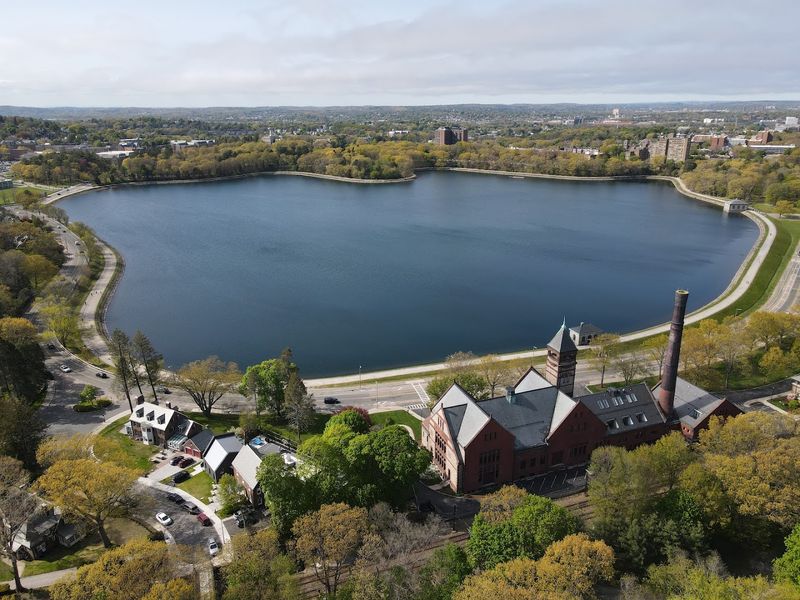
The Metropolitan Waterworks complex was not just a functional facility. In the late 1800s, the surrounding area included a beautiful carriageway that Boston residents used for weekend recreation.
Civic leaders saw the waterworks as a source of civic pride and actively encouraged the public to visit and appreciate what had been built.
Photos from the era show how the space was used as a destination in its own right, offering an escape from the crowded city streets. The reservoir and its surrounding landscape were considered one of the more pleasant spots in the greater Boston area during that period.
This social history is woven into the museum’s exhibits alongside the technical engineering story. Understanding that the waterworks was once a place of community celebration and leisure adds a dimension to the visit that goes beyond machinery and pipes.
It turns the museum into a window into how Bostonians lived, relaxed, and took pride in their growing city during a transformative era.
What Makes the Special Access Tour Worth It
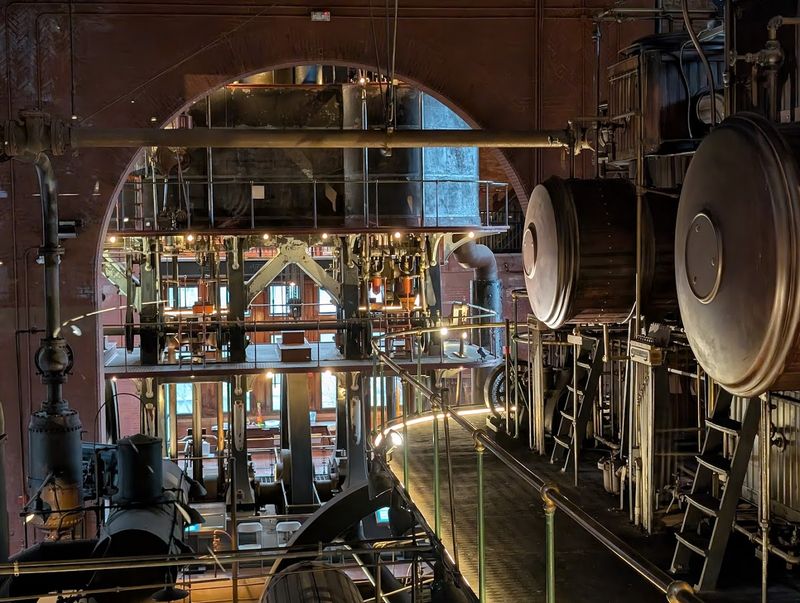
The standard museum experience is already impressive, but the special access tour at around eighteen dollars unlocks parts of the building that most visitors never get to see. The tour takes small groups into restricted areas, including elevated viewing positions above the engines and lower access points beneath the main pump floor.
Seeing the engines from directly above reveals the full mechanical complexity of their design in a way that floor-level viewing simply cannot match. Looking up from below the machinery gives an equally striking perspective on the sheer scale of these structures and the engineering decisions that went into their construction.
The guides who lead the special access tour tend to be especially well-versed in the technical history of the facility. They answer detailed questions and share context that goes well beyond what the standard exhibit plaques cover.
For anyone with a serious interest in engineering history, Victorian architecture, or industrial heritage, this tour is the clear highlight of a visit to the museum.
Practical Tips for Planning Your Visit
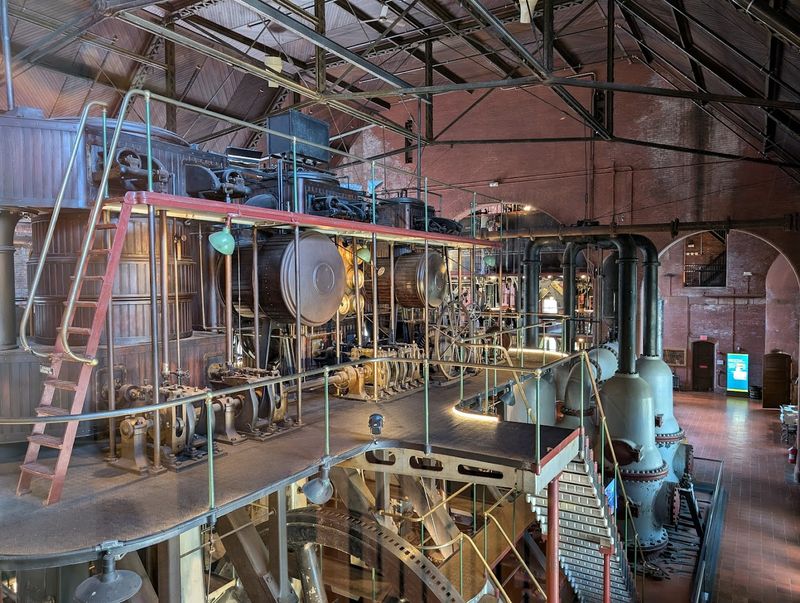
The museum is open Wednesday through Sunday from 11 AM to 4 PM and is closed on Mondays and Tuesdays. No advance reservation is required for general admission or the free guided tours, which makes it easy to work into a day trip without a lot of advance planning.
Parking is available behind the building and is free, though the lot is described as limited in size. Arriving a bit before 11 AM on busy weekend days is a reasonable approach to securing a spot without stress.
Public transit is also an option given the museum’s location on Beacon Street in Chestnut Hill.
The museum website at waterworksmuseum.org has current information on tour schedules and any special programming. The building is accessible, and the staff is consistently described as welcoming and ready to help orient new visitors.
A visit of ninety minutes to two hours covers the exhibits, a free tour, and time to browse the small gift area near the exit.
Why This Museum Deserves More Attention
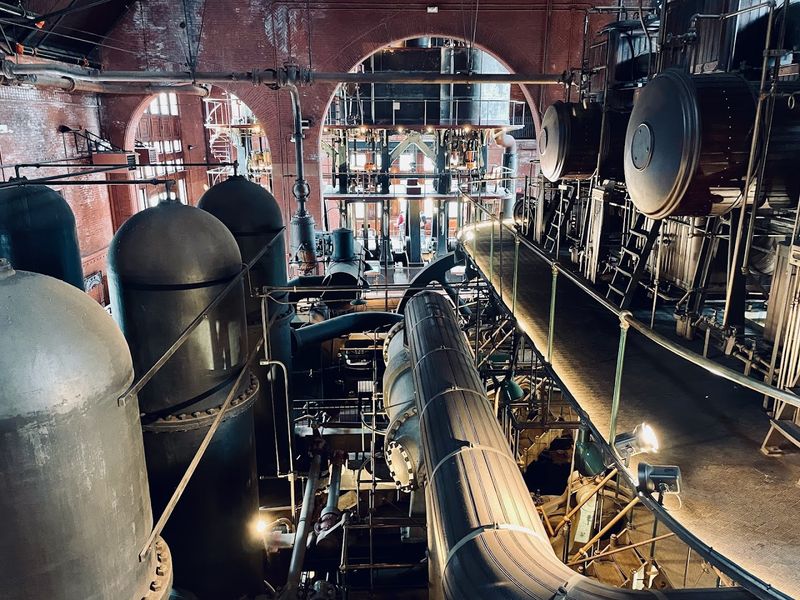
The Metropolitan Waterworks Museum is the kind of place that surprises almost everyone who walks through its doors. People arrive expecting a modest local history exhibit and leave having stood beside five-story machines, learned about groundbreaking public health science, and explored one of the finest examples of Victorian industrial architecture in New England.
The fact that general admission is free makes it easy to recommend without reservation. The combination of massive historical machinery, beautifully preserved architecture, engaging guided tours, and family-friendly activities creates a visit that works for a wide range of people, from engineering enthusiasts to curious eight-year-olds.
Boston has no shortage of famous historical sites, but this one tends to fly under the radar in a way that seems genuinely undeserved. The story of how clean water transformed a city is one of the most important stories in American urban history, and this museum tells it better than anywhere else in Massachusetts.
Where History Lives on Beacon Street
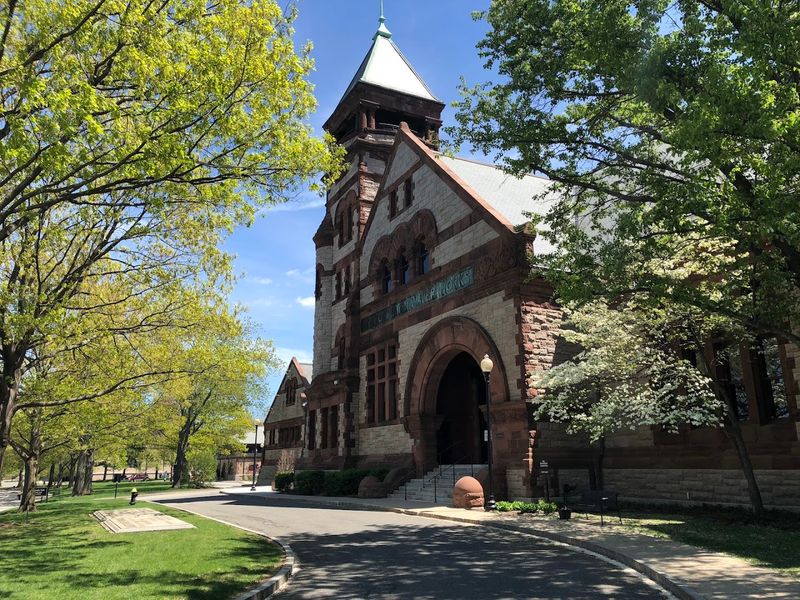
The Metropolitan Waterworks Museum sits at 2450 Beacon St, Chestnut Hill, MA 02467, and the building itself makes a statement before you even walk through the door. Constructed in the Richardsonian Romanesque style, it features thick brick walls, rounded arches, and stonework so detailed it rivals the craftsmanship found in historic churches.
The structure was built in the late 1800s and was originally designed to house the powerful steam-driven pumping engines that supplied fresh water to Boston. It was considered a showpiece of the city during its operating years, and civic leaders took genuine pride in its appearance.
Parking is available behind the building and is free, which makes planning a visit straightforward. The museum is open Wednesday through Sunday from 11 AM to 4 PM and is closed on Mondays and Tuesdays.
No advance reservation is needed for general admission, making it easy to drop in on a whim.
Share this story