 Unearth The Voyage
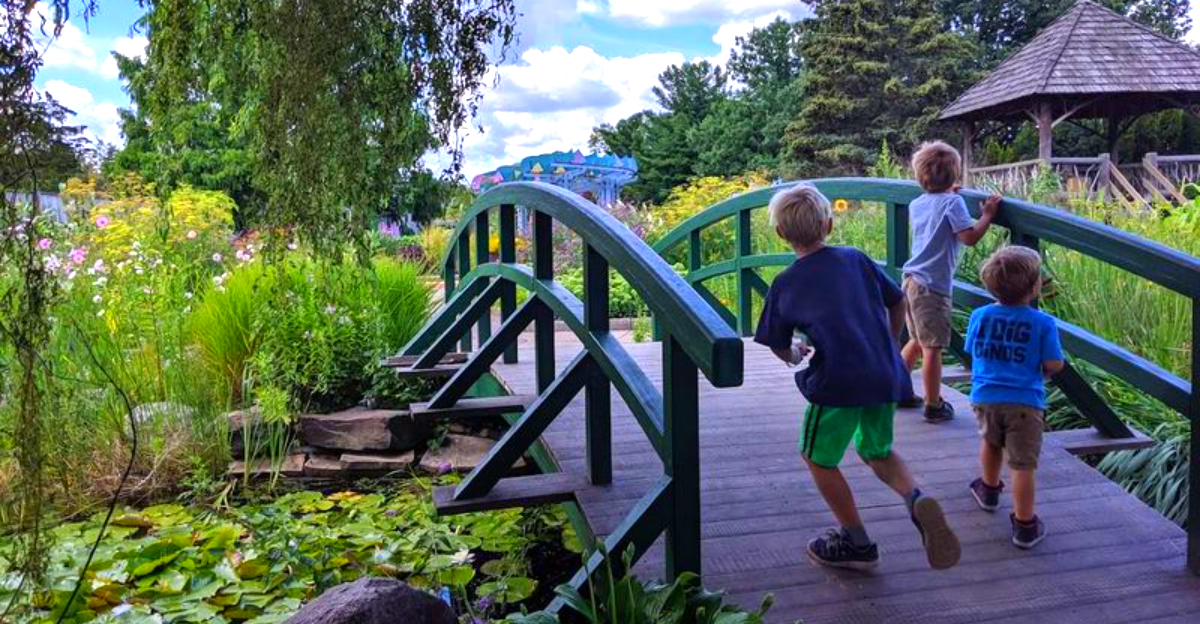
The Michigan 4-H Children’s Garden at Michigan State University in East Lansing stands out as one of the most interactive outdoor spaces in the state. Designed for all ages, it combines hands-on features with garden design in a way that keeps both kids and adults engaged.
Visitors can explore a hedge maze, koi ponds, themed garden sections, and interactive elements like musical chimes and a human sundial. Each area offers something different, encouraging movement and discovery rather than a passive walk-through.
What makes it worth the visit is how much it fits into one space. It works as both a play area and an educational stop, making it easy to spend an hour or an entire afternoon without losing interest.
Where the Garden Actually Lives
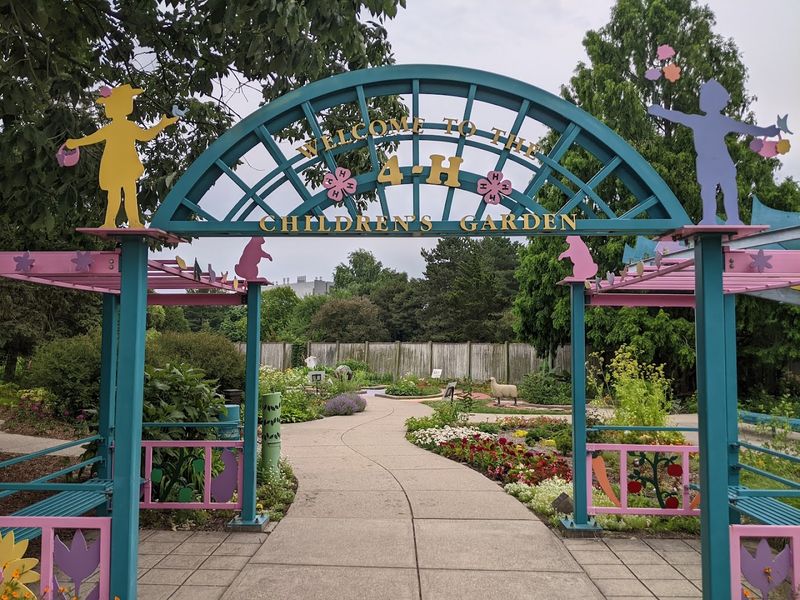
The Michigan 4-H Children’s Garden sits at 1066 Bogue St, East Lansing, MI 48823, right on the campus of Michigan State University. That address alone tells you something interesting: this is not a standalone city park but a living, breathing part of one of the country’s great land-grant universities.
The garden is open every day of the week from 6 AM to 10 PM, which means early risers and evening strollers are equally welcome. That kind of generous schedule makes spontaneous visits easy, and plenty of people treat it as a regular stop on their campus walks.
The phone number on record is +1 517-353-0452, and the official website at 4hgarden.msu.edu has maps and seasonal updates. Parking is available nearby, and the garden connects naturally to the broader MSU Horticulture Gardens, making it easy to turn a single visit into a longer outdoor adventure.
The Story Behind the Rows and Pathways
The 4-H program has roots going back over a century in American agricultural education, and the Children’s Garden at MSU is one of its most visible and beloved expressions. The garden was designed with a clear educational mission: to connect young people with plants, nature, and the science of growing things in a hands-on, joyful way.
Michigan State University’s Department of Horticulture played a central role in developing the space, and that academic backbone shows in every carefully chosen plant and thoughtfully designed feature. This is not a garden that happened by chance.
It was built with intention, drawing on research about how children learn best when they can touch, smell, taste, and explore.
Families who have been visiting for twenty years or more say the garden keeps evolving, with new blooms and subtle changes appearing regularly. That sense of living growth, rather than a static display, is exactly what makes return visits feel fresh every single time.
A First Glance That Stops You in Your Tracks
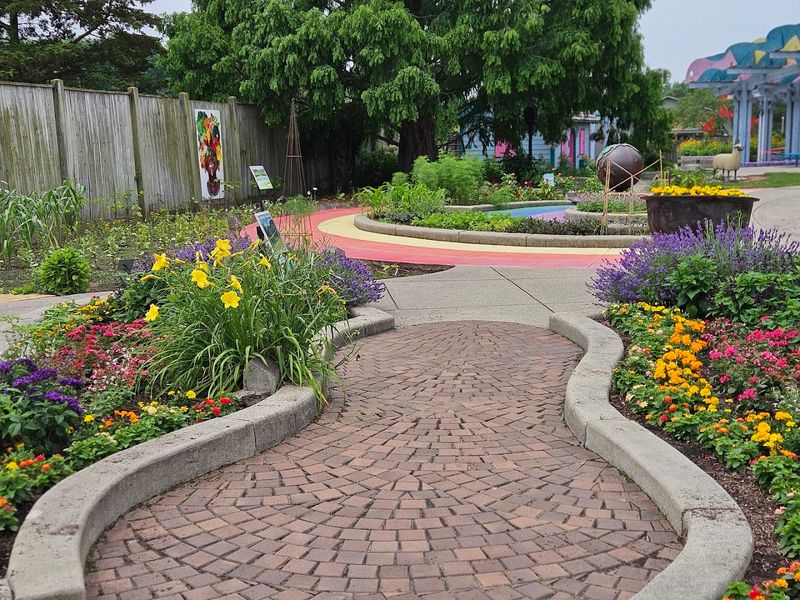
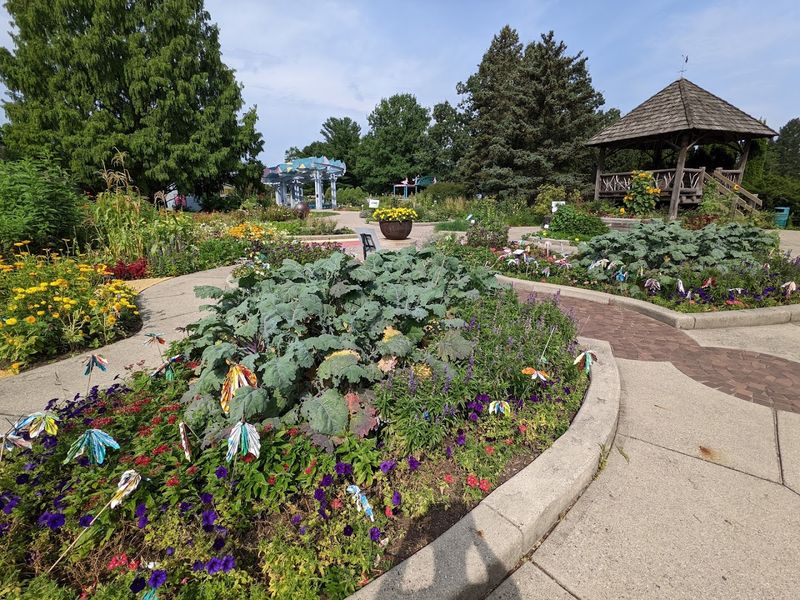
The first thing that hits you when you walk in is color. Saturated, unapologetic, almost theatrical color coming from flower beds that seem to compete with each other for your attention.
The garden is compact enough to feel intimate but packed densely enough that every step reveals something new.
Winding pathways connect different themed zones, and the overall layout has a gentle logic to it, almost like a storybook that you move through rather than read. There are shaded spots, open sunny patches, small bridges, and little nooks that invite you to pause rather than rush.
Even on a busy weekend morning, the space manages to feel personal. Groups spread out naturally across the different areas, and the variety of features means that no single spot gets overwhelmed with visitors.
It is the kind of first impression that makes you slow down and actually pay attention, which is exactly what a great garden should do.
The Alphabet Garden: Plants from A to Z
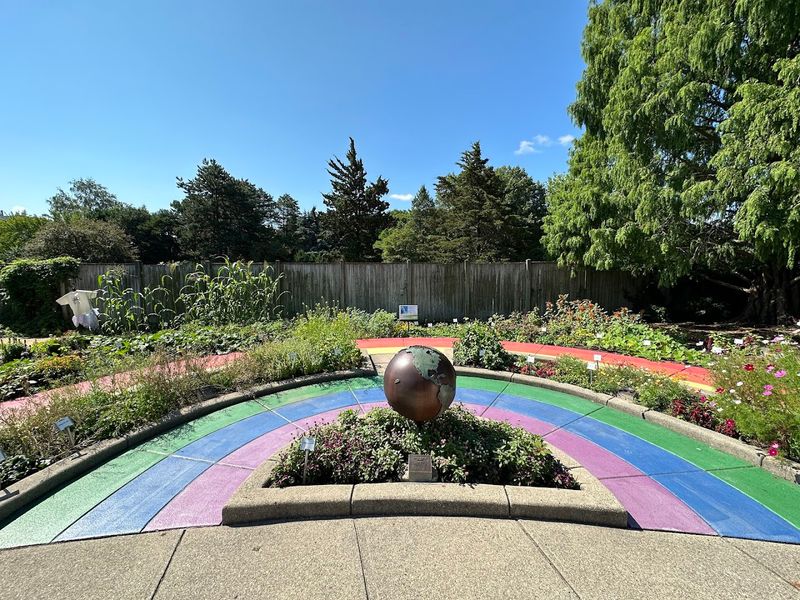
One of the most talked-about features of the garden is the Alphabet Garden, where every letter of the alphabet is represented by a specific plant. It sounds simple, but the execution is genuinely clever and surprisingly absorbing for visitors of all ages.
Kids can walk the path and match each letter to its plant, turning a stroll into a quiet game. Adults find themselves pausing longer than expected, trying to guess what plant the curators chose for tricky letters like X or Q.
The signage is clear and written at a level that children can read independently, which adds a layer of quiet pride when a young visitor figures something out on their own.
The Alphabet Garden also doubles as a practical reference for anyone curious about what grows well in Michigan. Many of the plants are common enough to grow at home, and more than a few visitors have left with a mental list of things to try in their own backyard.
The curiosity it sparks does not stop at the garden gate.
Music Underfoot: The Chimes You Walk On

Not many gardens have a feature that rewards you for just walking through them, but the foot chimes at the Michigan 4-H Children’s Garden do exactly that. Embedded in the pathway, these chimes produce musical tones when you step on them, turning an ordinary walk into an impromptu performance.
The first time you hit a note by accident, you stop and look down with genuine surprise. Then you start stepping deliberately, trying to find a rhythm or a melody.
Kids sprint back and forth across the chimes until they have memorized which spots make which sounds, and adults do pretty much the same thing, just with slightly more pretense of dignity.
It is one of those features that sounds gimmicky in description but lands beautifully in person. The chimes are durable, responsive, and positioned at a spot in the garden where the sound carries nicely without feeling intrusive.
And yes, there is also a dance chime variation nearby that adds even more musical mischief to the mix.
Koi Ponds, Frogs, and the Magic of Slow Looking
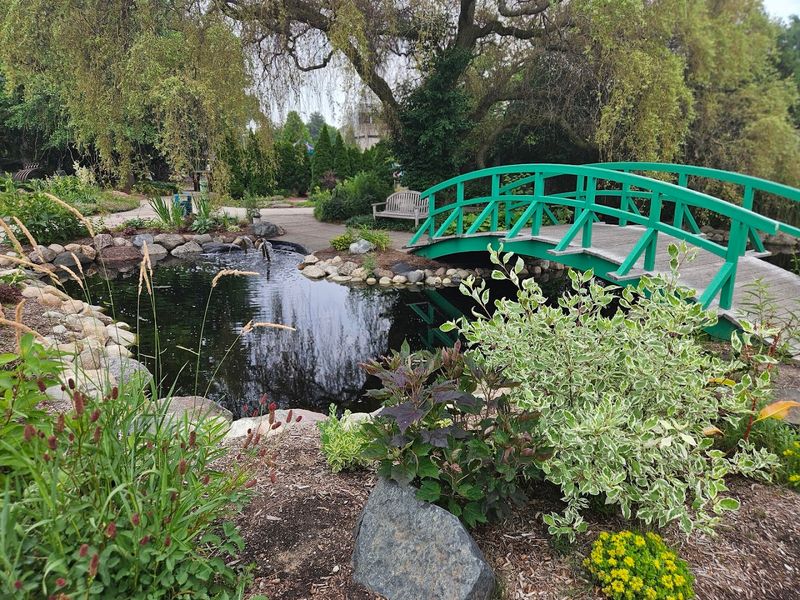
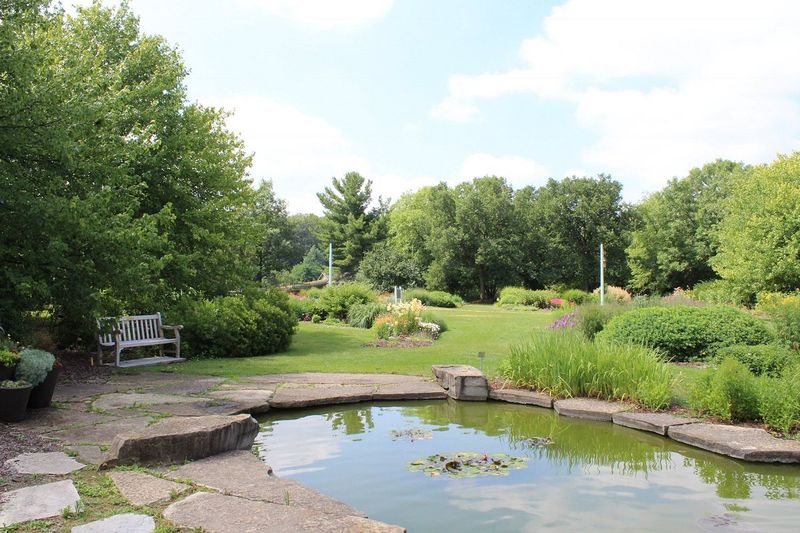
There is a particular kind of quiet that settles over a child who spots a frog for the first time up close, and the koi ponds at this garden produce that moment regularly. The ponds are home to koi fish as well as frogs and tadpoles, and they have a magnetic pull on visitors of all ages.
The water is clear enough to see the fish moving in lazy, unhurried loops, and the surrounding plantings reflect beautifully on the surface. Benches nearby make it easy to sit and watch without feeling like you need to keep moving, which is a genuinely rare and welcome thing in a busy public space.
Beyond the visual appeal, the ponds serve an educational purpose. They show young visitors how aquatic ecosystems work, what lives beneath the surface, and how plants and water interact.
The spitting frog fountain spinner nearby adds a playful, slightly silly touch that keeps the energy light. And if you think the ponds are impressive, wait until you see what is hiding inside the hedge maze.
Getting Lost in the Hedge Maze
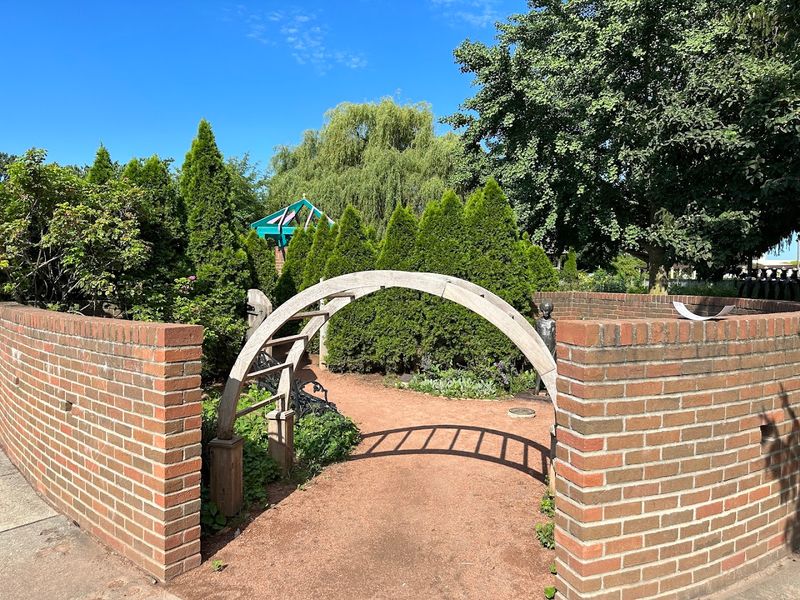
A hedge maze in a children’s garden sounds like a recipe for mild parental panic, but the maze here is sized and designed in a way that keeps things fun rather than stressful. The hedges are tall enough to feel genuinely immersive but the paths are short enough that no one stays lost for long.
The maze has become a favorite feature for families who visit repeatedly, partly because the challenge feels different depending on the age of the child navigating it. A four-year-old finds it thrilling and slightly mysterious, while a ten-year-old approaches it more strategically, trying to memorize the turns.
Adults are not immune to the appeal either. There is something deeply satisfying about the physical sensation of turning a corner and not knowing what comes next, even in a space this approachable.
The maze is well-maintained and the hedges are kept neatly trimmed, so the walls feel solid and the whole experience holds together. It is small, clever, and worth every second.
Climbing, Exploring, and the Treehouse Factor
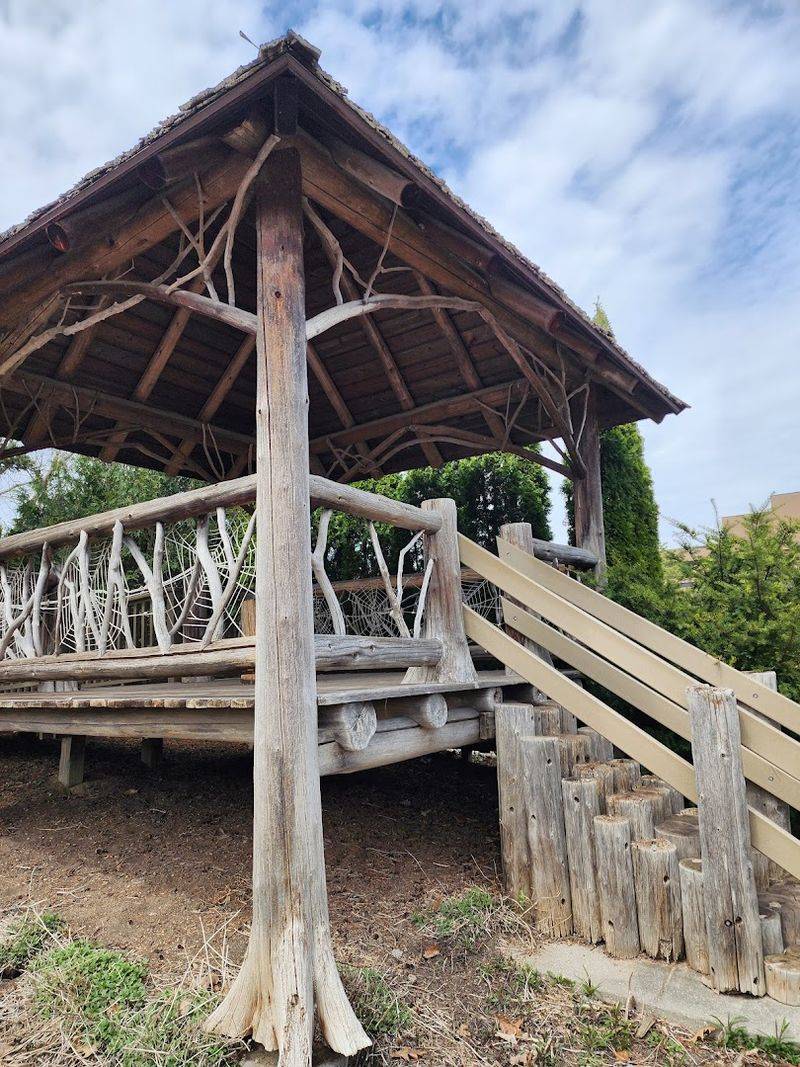
The garden includes a treehouse and a train that children can climb on and explore, and these features add a physical dimension that keeps energy levels up between quieter, more contemplative moments. The treehouse in particular has a cozy, storybook quality that fits the overall tone of the garden perfectly.
There are also curved bridges that arc over different parts of the garden, giving visitors a slightly elevated view of the plantings below. These bridges are popular with kids who love the sensation of being above the garden floor, looking down at the textures and colors from a new angle.
The climbing and exploration elements are thoughtfully placed so they do not dominate the space or turn it into a conventional playground. They feel like natural extensions of the garden itself, inviting physical engagement without pulling attention away from the plants and living things all around.
The combination of sensory richness and physical activity is one of the reasons families report spending two hours here without noticing the time pass.
Herbs to Smell, Vegetables to Taste
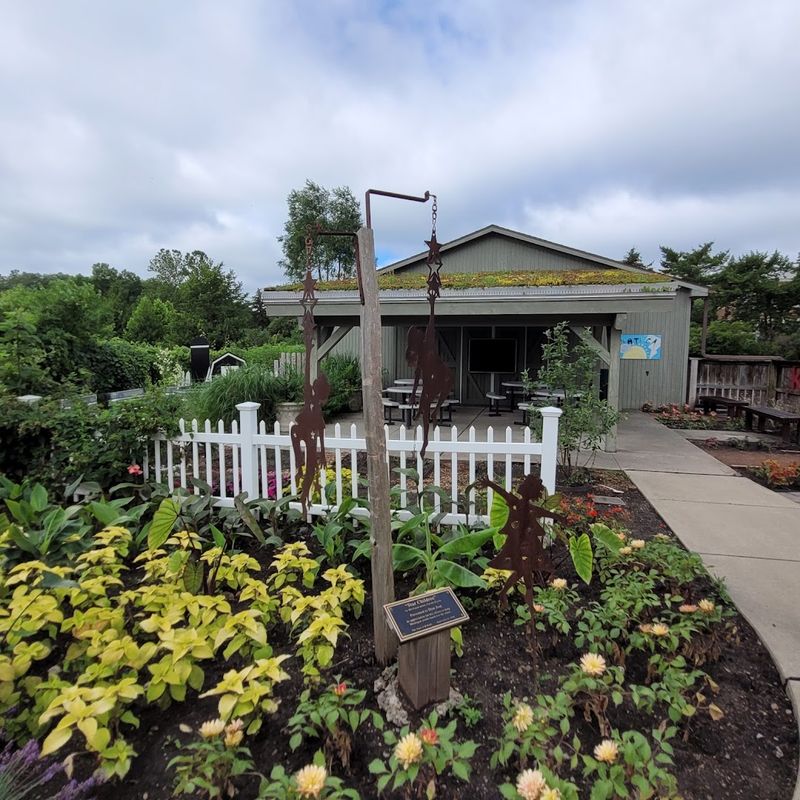
One of the quieter but most memorable parts of the garden is the section dedicated to herbs and edible plants. Visitors are encouraged to use their senses here in a way that most public gardens do not allow, and that permission to actually touch and smell the plants changes the experience completely.
Running a finger along a rosemary stem and bringing it to your nose, or tasting a tiny piece of a garden vegetable with the full awareness that you grew nothing and earned nothing but are somehow still welcome to experience it, is a small but genuine pleasure. It connects people to food in a way that a grocery store never can.
For children especially, the realization that familiar flavors come from actual plants growing in actual dirt is often a genuine revelation. The herb section pairs naturally with conversations about where food comes from, how plants are cultivated, and why caring for the environment matters.
It is low-key and sensory and surprisingly powerful in the impressions it leaves behind.
The Human Sundial: Science You Can Stand In
A human sundial is exactly what it sounds like: you stand on a specific spot, hold your arms out, and your shadow tells the time. The one at the Michigan 4-H Children’s Garden is one of those features that seems almost too clever to work, and then works perfectly.
Children who try it often experience a genuine moment of wonder when they look down at their shadow and realize it actually lines up with a time marker. It is a hands-on astronomy and geometry lesson that requires no explanation, no worksheet, and no screen.
The garden just sets it up and lets curiosity do the teaching.
Adults tend to linger at the sundial longer than they expect, partly because the novelty is real and partly because it sparks conversations about how people tracked time before clocks existed. It is a small feature in terms of physical space, but it punches well above its weight in terms of the conversations and curiosity it generates.
The garden is full of moments like this.
Fairy Homes, Statues, and Whimsy Around Every Corner
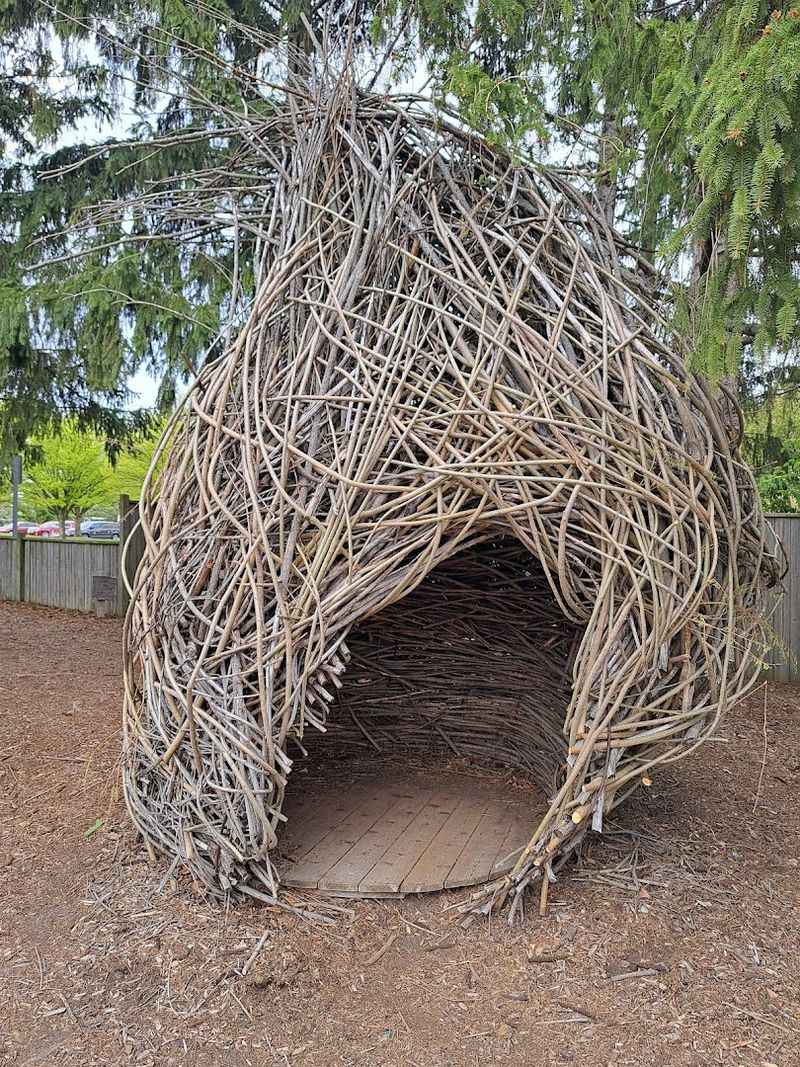
Tucked throughout the garden are small fairy homes nestled among the plantings, along with lifelike statues that seem to appear out of nowhere as you round a corner. These details give the space a storybook quality that is hard to describe without sounding slightly over-the-top, but in person it feels entirely natural.
The statues are realistic enough that young children sometimes approach them cautiously, not entirely sure what they are looking at. That moment of uncertainty, followed by recognition and delight, is exactly the kind of small magic that makes this garden different from a standard botanical display.
The fairy homes invite imaginative play in a way that structured activities cannot. Children crouch down to peer inside them, invent stories about who lives there, and sometimes bring small objects to leave as offerings.
The garden does not over-explain these features or load them with didactic signage. It simply places them and trusts that imagination will do the rest, which is honestly the right call every time.
A Garden That Grows on You, Visit After Visit
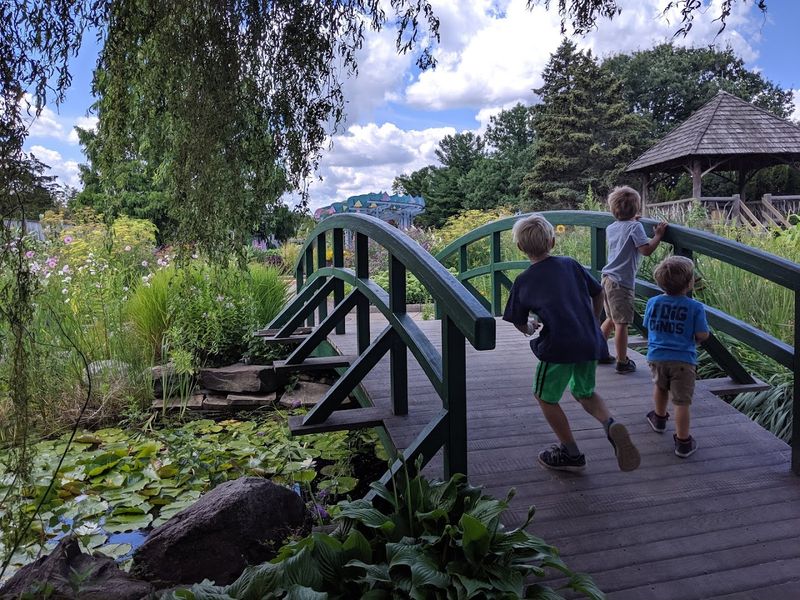
The most telling thing about the Michigan 4-H Children’s Garden is not any single feature but the fact that people keep coming back. Families who started visiting when their children were toddlers return years later with those same kids as teenagers, now taking senior photos among the flowers and bridges.
Adults without children visit too, drawn by the beauty of the plantings, the peacefulness of the grounds, and the simple pleasure of a well-designed outdoor space that asks nothing more of you than your attention. The garden earns its 4.8-star rating not through spectacle but through consistency, care, and the kind of thoughtful design that holds up across seasons and decades.
Every week brings something new in bloom, a different insect hovering over a different flower, a frog in a different corner of the pond. The garden is alive in the most literal sense, and that aliveness is what keeps pulling people back through the gate at 1066 Bogue St, year after year, with no signs of stopping.



