A bright yellow caboose sitting by the roadside is usually enough to make you slow down. But what most people don’t expect is what’s waiting just beyond it – a collection of preserved buildings, hands-on history, and pieces of everyday life that feel almost untouched by time.
This isn’t a polished museum experience. It’s something quieter and far more immersive, where you can step inside the spaces people actually lived and worked.
From old train cars to a one-room schoolhouse, everything here tells a story without needing much explanation.
It’s the kind of place you might drive past without a second thought – unless you know what’s hidden there. Here’s what makes it worth pulling over.
A Village That Refused to Let Its Story Disappear
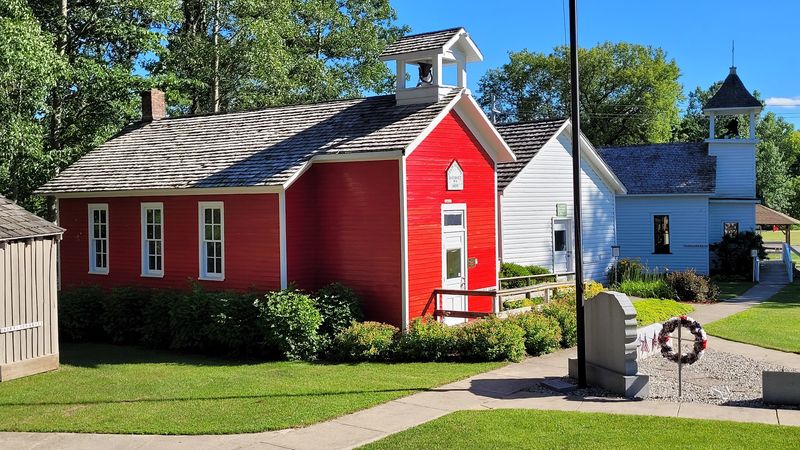
Most small towns in Michigan quietly fade into the background of history, but Sanford made a different choice. The Sanford Historical Museum exists because a community decided that the stories of its loggers, farmers, teachers, and pioneers were worth saving, displaying, and sharing with anyone curious enough to stop by.
The museum sits at 2222 Smith St, Sanford, MI 48657, in the heart of mid-Michigan’s Midland County. It is not a sterile gallery with velvet ropes and hushed voices.
Instead, it is an open-air campus of authentic historic structures, each one telling a chapter of local life that stretches back well over a century.
Admission is completely free, which makes it accessible to families, road-trippers, and history enthusiasts alike. A donation box inside the main building gives visitors a simple way to support the volunteers who keep everything running.
The museum’s phone number is +1 989-687-9048 if you want to confirm hours before making the drive.
The Yellow Caboose That Started It All for Many Visitors
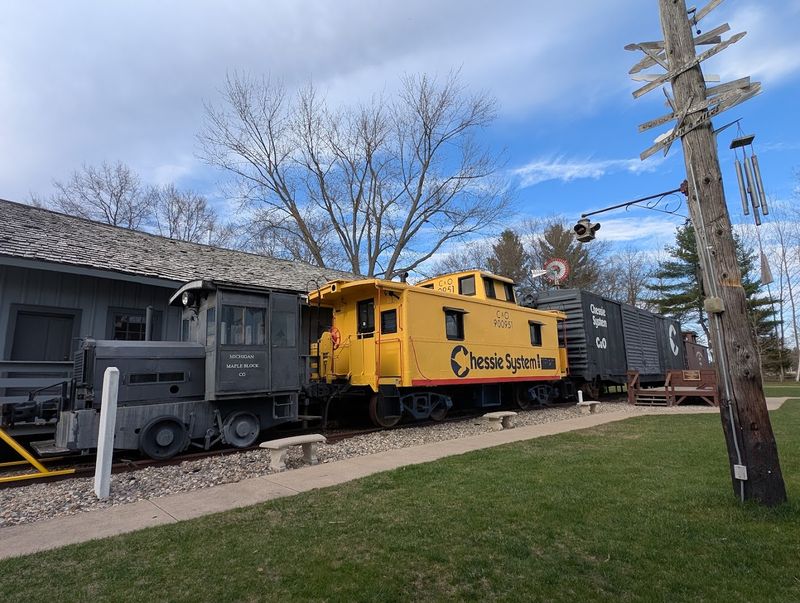
That bold yellow caboose is often the first thing people notice, and it earns every bit of the attention it gets. Standing tall along the museum grounds, it is the kind of sight that makes you reflexively slow your car down and pull off the road to investigate.
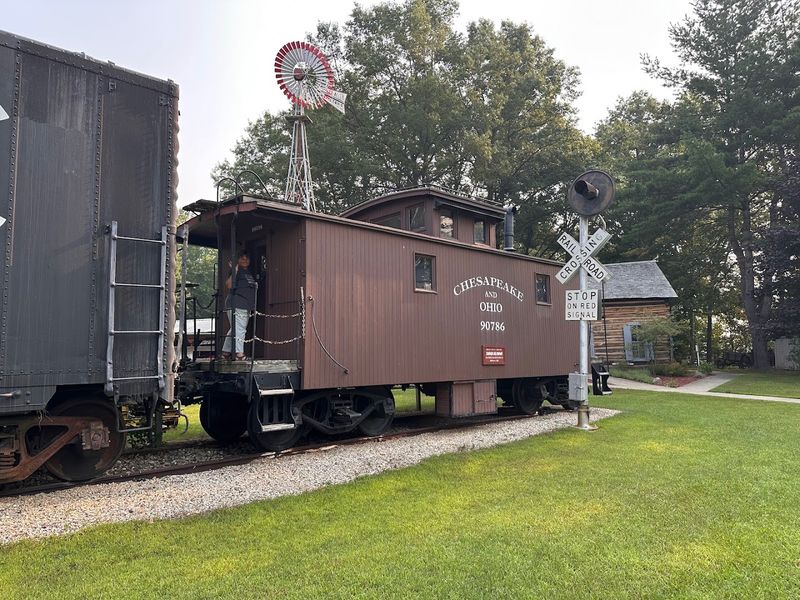
The train display at the museum goes well beyond just the caboose. Visitors can also explore a small locomotive, two additional cabooses, and a train car, all preserved and presented as part of the region’s transportation and logging heritage.
On certain visits, model trains run inside, adding an extra layer of charm that younger visitors absolutely love.
Railroads were essential to communities like Sanford during the timber boom era, moving logs, goods, and people across Michigan’s vast interior. Seeing these cars up close makes that history feel real in a way that a photograph simply cannot match.
The train depot nearby adds even more context to this well-preserved slice of Michigan’s industrial past.
Inside the One-Room Schoolhouse Frozen in Time
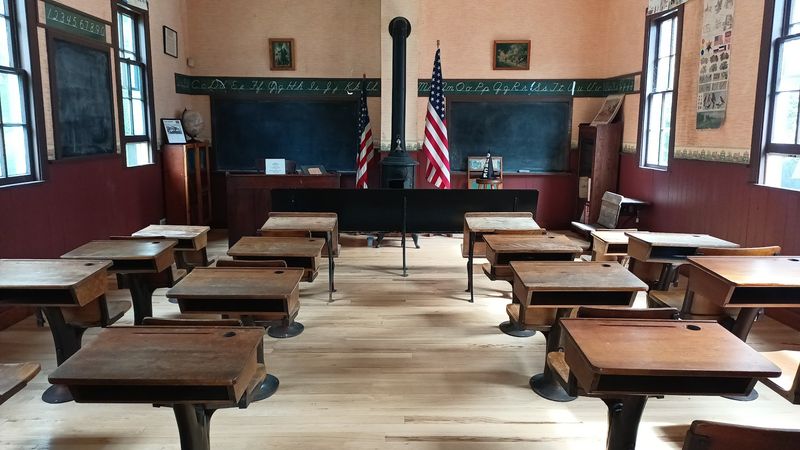
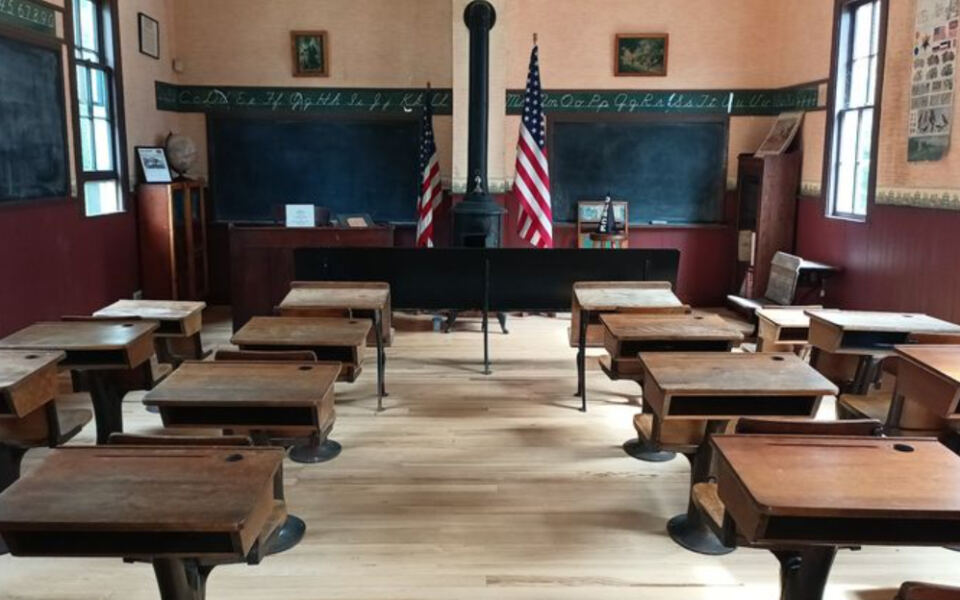
There is something quietly moving about standing inside a one-room schoolhouse that looks as though the teacher just stepped out for a moment. The desks are still arranged, the chalkboard is still at the front, and the whole room carries the weight of generations of children who sat in those very seats learning to read and write.
The schoolhouse at the Sanford Historical Museum is set up exactly as it would have appeared during its working years, giving visitors a vivid sense of what rural Michigan education looked like in the late 1800s and early 1900s. Children who visit today often get wide-eyed comparing their school experience to what they see here.
Details like the small desks, the simple teaching tools, and the worn floorboards do more storytelling than any exhibit label could. This building alone makes the museum worth visiting for families with kids, and it sparks conversations about history that tend to last long after the drive home.
The Old Church Where History and Celebration Still Meet
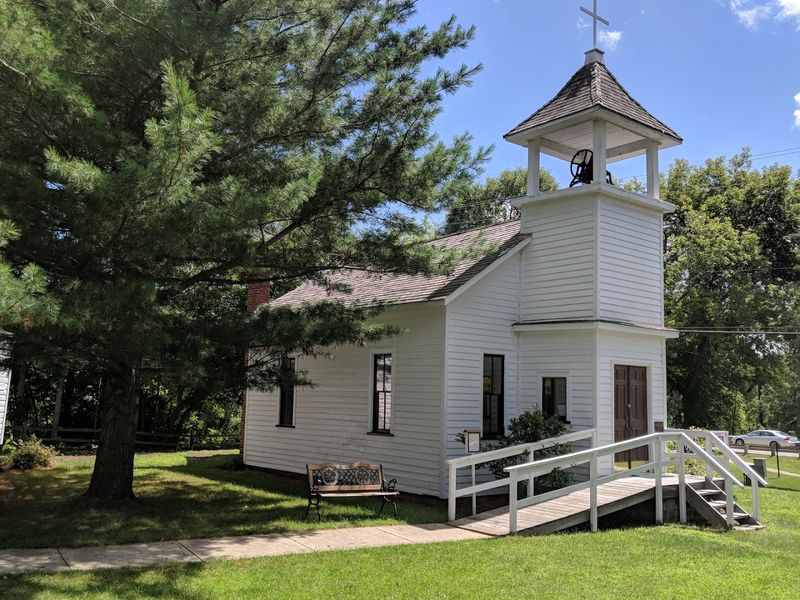
Not every piece of history sits behind glass. The historic church on the museum grounds is still very much alive, regularly used for weddings and special events that bring the community together in a space that has witnessed generations of milestones.
From the outside, the church has the kind of classic small-town Michigan charm that photographers and architecture lovers tend to appreciate immediately. White wooden siding, a modest steeple, and a setting surrounded by mature trees make it genuinely photogenic in every season.
Couples who have held their ceremonies here often describe the experience as deeply meaningful precisely because of the history embedded in every corner.
The building is a reminder that preservation is not just about keeping old things intact. It is about keeping old things useful and connected to the living community around them.
A church that still hosts weddings after more than a century of standing is not a relic. It is a continuing story, and the Sanford museum seems to understand that distinction better than most.
What the Blacksmith Shack Tells You About Pioneer Grit
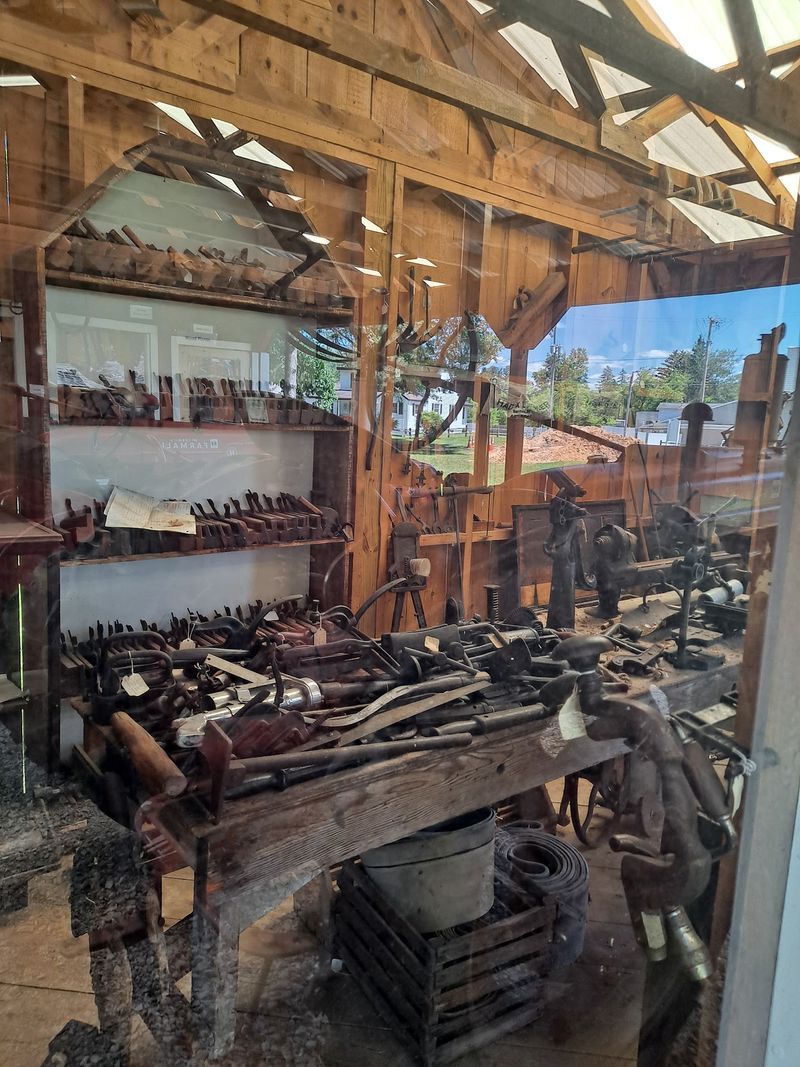
Before hardware stores and online shopping, there was the blacksmith, and the blacksmith shack at the Sanford Historical Museum gives you a direct look at how essential that trade was to everyday survival in a frontier community. The tools, the forge, and the overall setup communicate a kind of no-nonsense practicality that defined pioneer life in mid-Michigan.
Metalworking was not just a trade in communities like Sanford. It was the backbone of farming, transportation, and construction.
Every horseshoe, every hinge, every plow blade had to be made by hand by someone who knew exactly what they were doing with fire and iron.
Standing inside the shack, you can almost feel the heat and hear the rhythm of hammer on metal. It is one of those spaces where the physical environment does all the explaining, and no lengthy exhibit text is needed.
The shack is a compact but powerful reminder of the skills and labor that built this part of Michigan from the ground up.
Logging History and the River That Moved a Forest
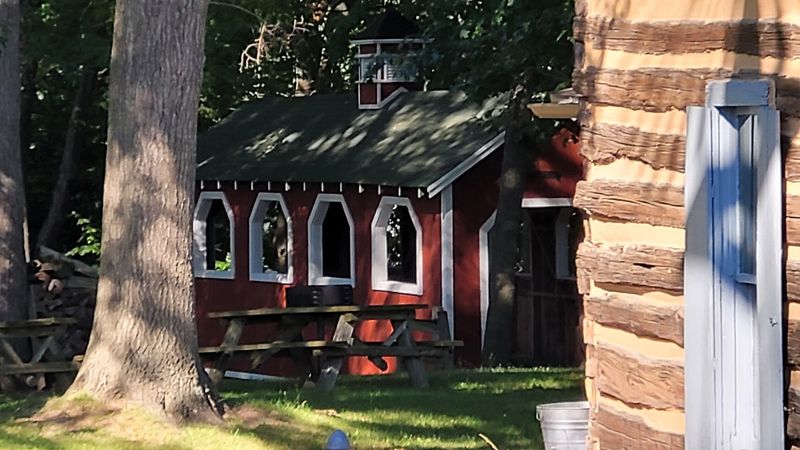
Mid-Michigan’s landscape was once blanketed in dense forest, and the logging industry that stripped and shaped it left behind a complicated legacy that the Sanford Historical Museum takes seriously. Exhibits here explore how logs were moved using the river as a highway, how stumps were pulled from the earth, and how an entire regional economy was built on timber.
Old farm equipment and stump-removal machinery are displayed across the museum grounds, giving a tactile sense of the sheer physical effort involved in clearing land and preparing it for agriculture after the timber era wound down. These machines are enormous up close, and seeing them in person reframes your understanding of what early settlers actually accomplished.
Photographs of the town’s people from across several decades are also available throughout the museum, adding a human face to what might otherwise feel like purely industrial history. When you see the faces of the people who did this work, the story shifts from abstract to personal in a way that genuinely stays with you.
The Log Home With a Hand Pump That Actually Works
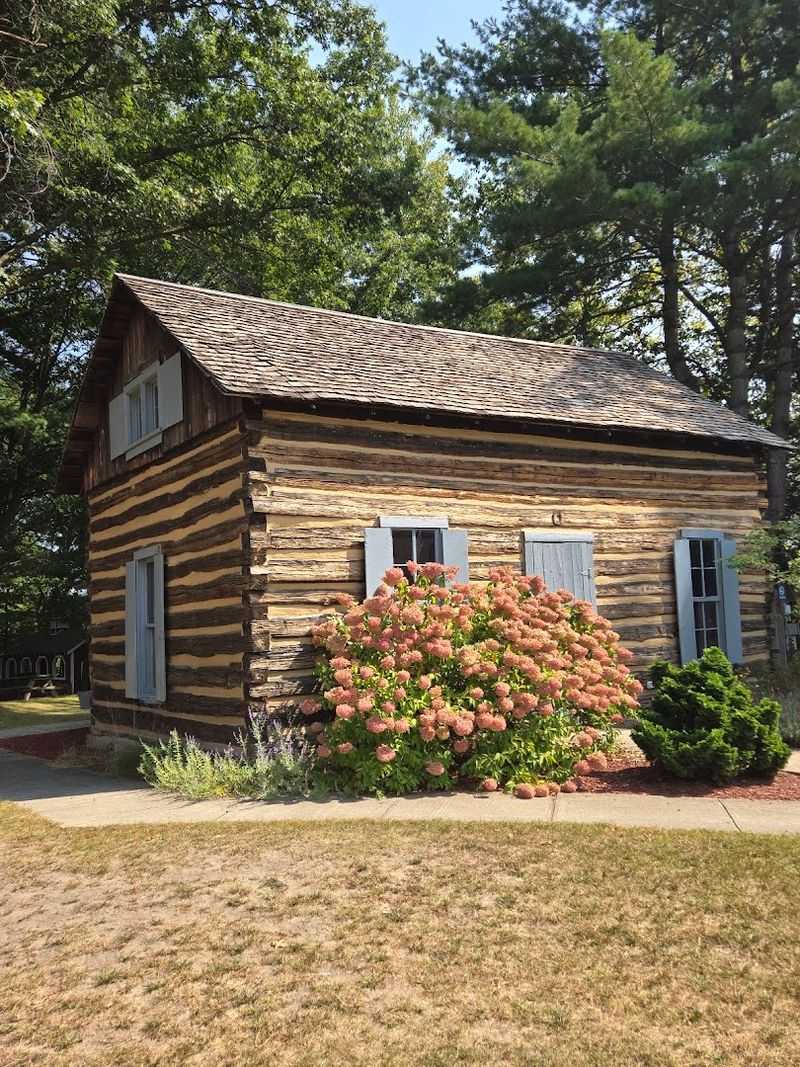
A working hand pump inside an old log home might sound like a small detail, but it is the kind of thing that makes history suddenly feel tangible rather than textbook. The log home on the museum grounds is set up as it would have appeared during the pioneer era, and visitors are welcome to walk through and take their time exploring every corner.
The hand pump still works, which delights visitors of all ages and gives kids especially a hands-on connection to daily life in a time before running water. Simple details like this are what separate a thoughtfully preserved museum from a purely visual one.
You are not just looking at history here. You are touching it.
The craftsmanship of the log construction itself is worth pausing over. These walls were built to last, and they have.
The home communicates the self-reliance and resourcefulness that defined early Michigan settlement in a way that feels honest and unembellished, which makes it all the more compelling.
The 2020 Flood Lines That Turned Recent Trauma Into History
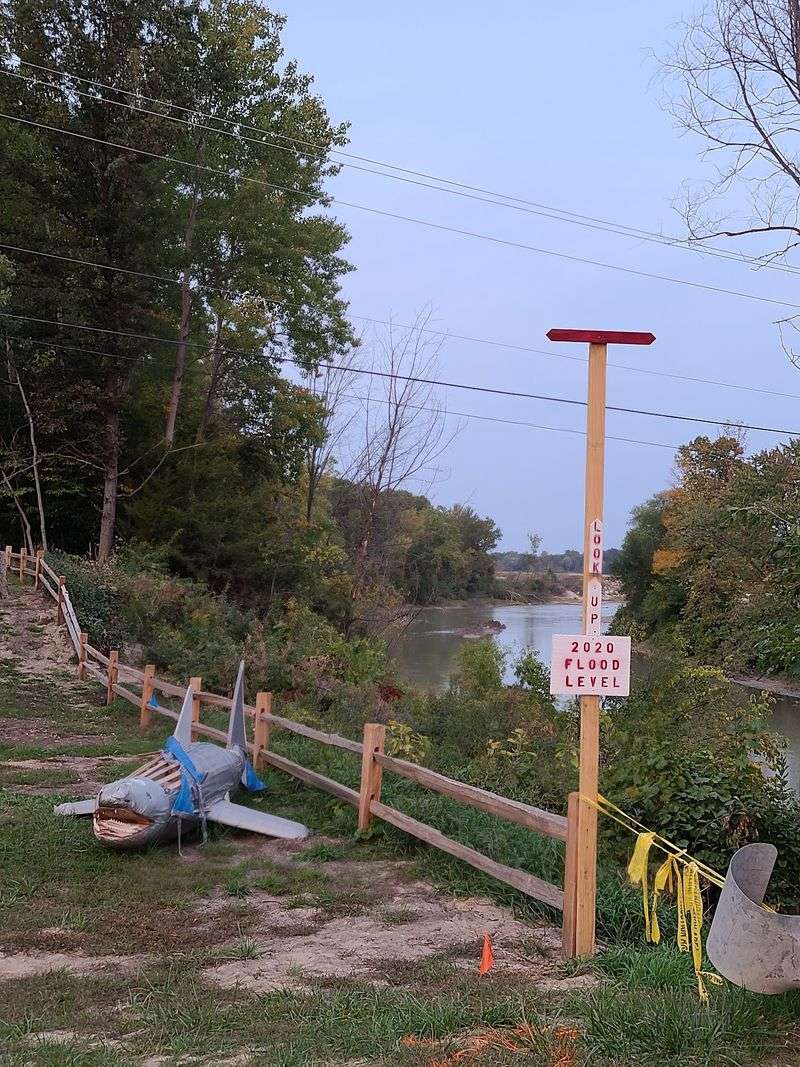
History does not only happen in the distant past, and the Sanford Historical Museum understands that better than almost any other small museum in Michigan. Visible on several of the museum’s buildings are flood lines marking how high the water rose during the devastating 2020 Sanford Dam failure, when the Tittabawassee River overflowed and caused widespread damage across the region.
Seeing those marks in person is a sobering experience. The water reached levels that seem almost impossible to believe when you are standing there on dry ground looking up at where the surface once was.
The museum chose not to erase these marks, and that decision transforms a painful chapter into a teachable, visible part of the community’s ongoing story.
The General Store That Anchored a Community
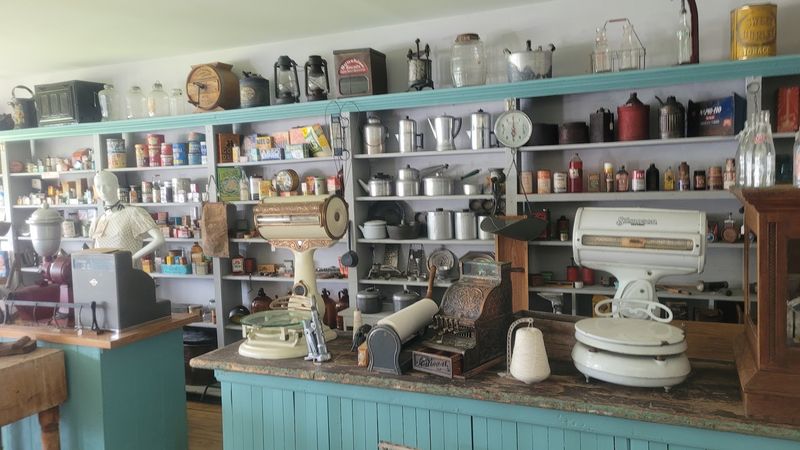
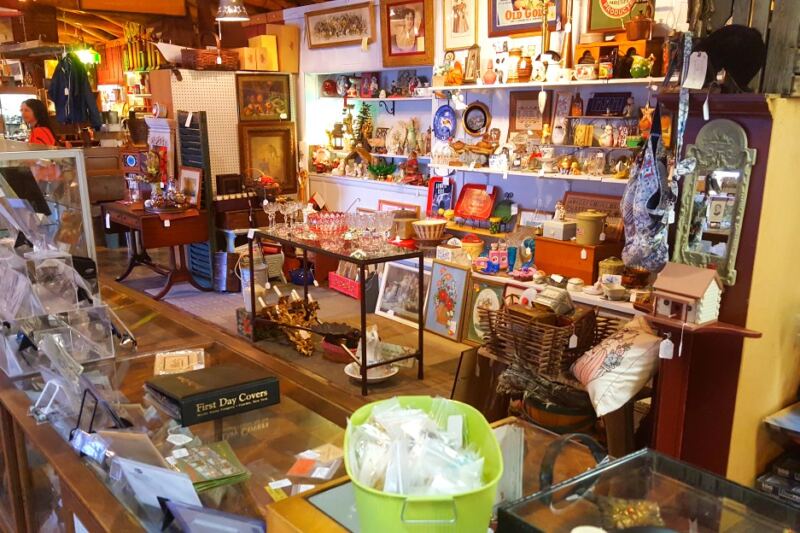
Before the era of big-box stores and online delivery, the general store was where a community came together to trade, gossip, and stock up on everything from flour to farming tools. The old general store preserved at the Sanford Historical Museum captures that world with a level of detail that makes it easy to picture the daily rhythms of life in a small Michigan village.
Wooden shelves, period packaging, and carefully arranged merchandise recreate the atmosphere of a working store from a bygone era. Every item on display was once part of someone’s ordinary day, which gives the whole space a quiet kind of intimacy that more polished exhibits sometimes lack.
General stores were the social hubs of their communities, and this one carries that spirit even in its preserved form. Spending time inside, you get a clear sense of how much a single building could mean to the people who depended on it.
It is a straightforward exhibit, but it lands with real emotional weight if you let it.
Founders Day and the Events That Keep the Community Alive

A museum that only exists as a static display is missing something essential, and the Sanford Historical Museum clearly knows this. Founders Day is the museum’s signature annual event, drawing visitors from across the region for live demonstrations, craft shows, and activities that bring the grounds to life in a way that a regular visit simply cannot replicate.
Demonstrations during Founders Day often include traditional crafts and skills tied to the community’s pioneer and logging heritage, giving attendees a chance to see history performed rather than just displayed. Whether you are watching a blacksmithing demonstration or exploring a craft exhibit, the event has something engaging for every age group.
The museum also hosts a Santa House experience during the holiday season, which has clearly become a beloved local tradition based on the enthusiasm it generates. Events like these are how a small community museum stays relevant and financially supported year after year.
The calendar of activities here turns a one-time visit into a reason to come back again and again.
A Small Covered Bridge With a Lot of Quiet Charm
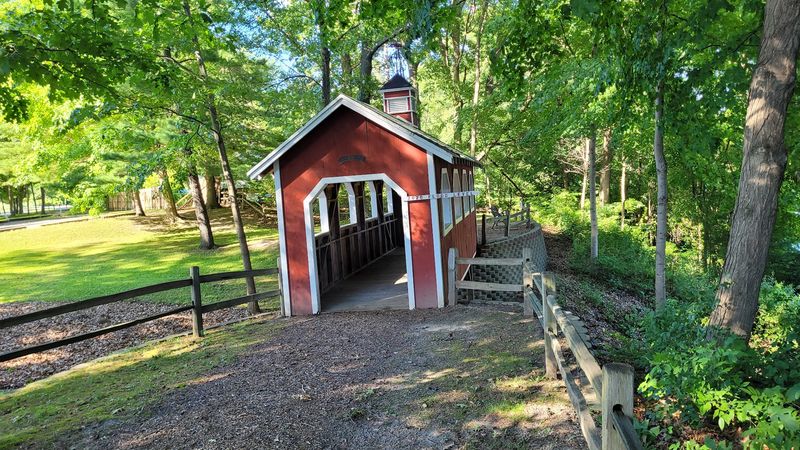
Covered bridges have a way of stopping people in their tracks, and the one on the Sanford Historical Museum grounds is no exception. It is modest in scale, but it carries the kind of old-world character that photographers and casual visitors alike tend to gravitate toward almost instinctively.
Michigan once had dozens of covered wooden bridges, and most of them are long gone. Having one preserved as part of a museum complex gives visitors a rare chance to experience a structure that was once completely ordinary but has since become genuinely uncommon.
Walking across it, even briefly, connects you to a time when this style of bridge was simply how you crossed a stream.
The bridge sits naturally within the museum’s broader landscape, contributing to the feeling that you are not just looking at individual artifacts but moving through an entire preserved world. That sense of spatial immersion is one of the things that makes the Sanford museum feel different from a conventional indoor exhibit, and the covered bridge is a big part of why.
Why Free Entry and Volunteer Spirit Make This Place Extraordinary
Everything at the Sanford Historical Museum is free. No admission fee, no timed entry, no gift shop pressure.
Just a donation box in the main building and a genuine invitation to spend as much time as you want exploring the grounds at your own pace. That kind of open-handed generosity is increasingly rare in the world of cultural institutions.
The museum runs almost entirely on volunteer effort, and that spirit shows in the warmth of the people you encounter there. Caretakers and guides who show up simply because they care about preserving this community’s story have a way of making visitors feel genuinely welcome rather than just processed through a ticketing system.
One visitor who arrived on a day the museum was technically closed still received a full tour from a caretaker who happened to be on the grounds. That kind of human connection is not something you can manufacture or advertise.
It grows naturally in places where people are doing something because it matters to them, and the Sanford Historical Museum is very much that kind of place.
Share this story