 Unearth The Voyage
This reservation-only restaurant in Okemos focuses on four-course dinners built entirely from locally sourced Michigan ingredients. The menu changes often, shaped by what is in season and available nearby.
What sets it apart is the rotating themes and consistent execution. Each visit offers something different, making it a go-to for diners looking for a more thoughtful, farm-driven experience.
Where You Will Find Red Haven and Why the Address Tells a Story
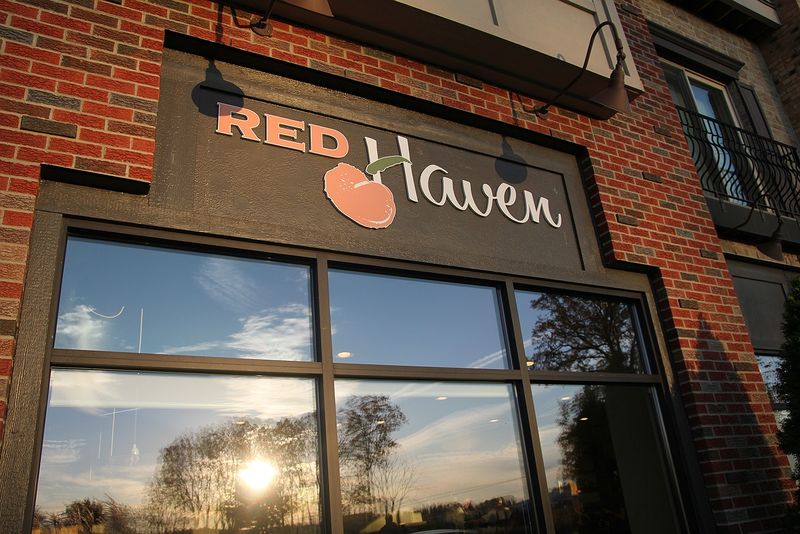
Not every great restaurant announces itself with a grand entrance, and Red Haven Farm to Table is proof of that. Tucked inside a modest plaza at 4480 Hagadorn Rd, Suite 103, Okemos, Michigan 48864, the exterior gives almost nothing away about what is happening inside.
Okemos sits just east of Lansing, embedded in the kind of mid-Michigan landscape where farmland and suburban neighborhoods meet. That geography is not accidental.
Being close to active Michigan farms means the kitchen can respond to what is actually ready to harvest, not what a national distributor decided to ship that week.
The phone number is listed as +1 517-679-6309, and the website at eatredhaven.com is where reservations are made. Seating is limited and advance booking is required, which means this is not a walk-in-and-wing-it kind of spot.
Planning ahead is part of the ritual, and honestly, the anticipation makes the first bite taste even better.
The Farm-to-Table Philosophy That Drives Every Decision in the Kitchen
Farm-to-table is a phrase that gets thrown around so casually these days that it has almost lost its meaning. At Red Haven, it is not a marketing angle.
It is the operating system the entire restaurant runs on.
The menu is built around what Michigan farms are producing at any given moment, which means the kitchen is always working with ingredients at their peak flavor. A tomato picked yesterday simply tastes different from one that traveled across three state lines in a refrigerated truck.
This commitment shows up in small but meaningful ways. Flavor combinations appear on the menu that you would not find at a standard American restaurant, because the chef is responding to what is available rather than following a fixed script.
Diners who visit multiple times notice that the food always feels current, alive, and specific to the season rather than generic or predictable. That freshness is the whole point, and it comes through in every course.
The Reservation-Only Format That Makes Every Dinner Feel Like an Event
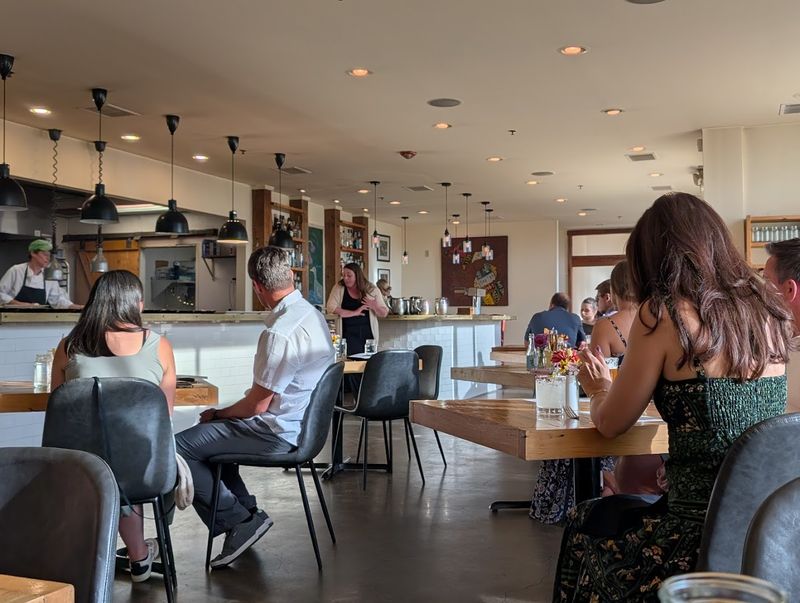
There is something about knowing your seat is reserved and your evening is planned that shifts the entire dining experience. Red Haven operates on a reservation-required model with one seating per night, which means the kitchen is cooking for a specific group of people rather than an unpredictable rush of walk-ins.
Everyone at the table receives the same courses at the same time, creating a shared rhythm to the meal that feels more like a dinner party than a typical restaurant visit. The pacing is deliberate, giving diners time to actually taste what is in front of them and have a real conversation between courses.
The format does mean you need to plan ahead, and some themed dinners sell out quickly. Checking the website regularly and booking early is genuinely good advice here, not just a polite suggestion.
Once you are seated and the first course arrives, the structured format stops feeling like a constraint and starts feeling like the whole reason the food lands so well.
Themed Dinners That Turn an Ordinary Tuesday Into Something Memorable
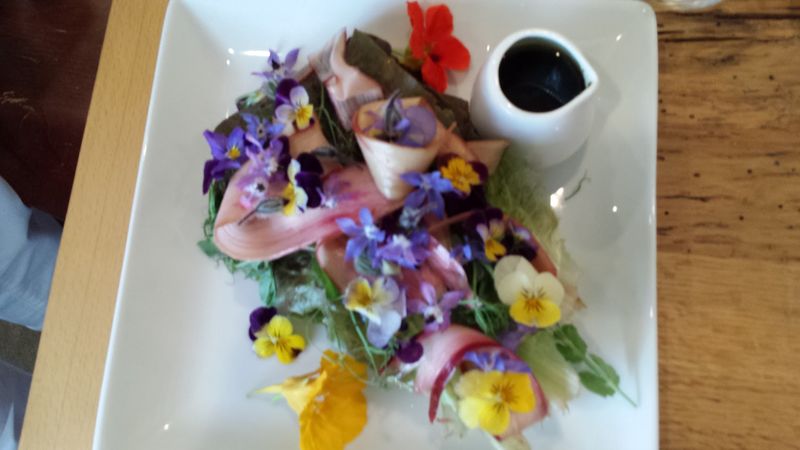
One of the most genuinely fun things about Red Haven is that the themed dinners are not gimmicky. A Pixar Night, a Cocoa and Candlelight dinner featuring chocolate in every course, an Up North Night celebrating Northern Michigan flavors, and a Feast of the Seven Fishes all sound like novelty concepts until the food arrives and you realize the kitchen is using the theme as a creative framework rather than a costume.
Pie Night, for example, was a four-course meal built entirely around the concept of pie. That sounds like it could go sideways fast, but the results were described by diners as phenomenal and surprisingly elegant.
The theme gives the chef a constraint to work within, and creative cooking often thrives under constraints.
These pop-up style themed events are announced on the website and require advance reservations. They also tend to fill up, especially for seasonal occasions like Valentine’s Day or New Year’s Eve.
Checking the calendar often is genuinely worth the two minutes it takes.
The Sleek Interior Built From Reclaimed Wood and Honest Design
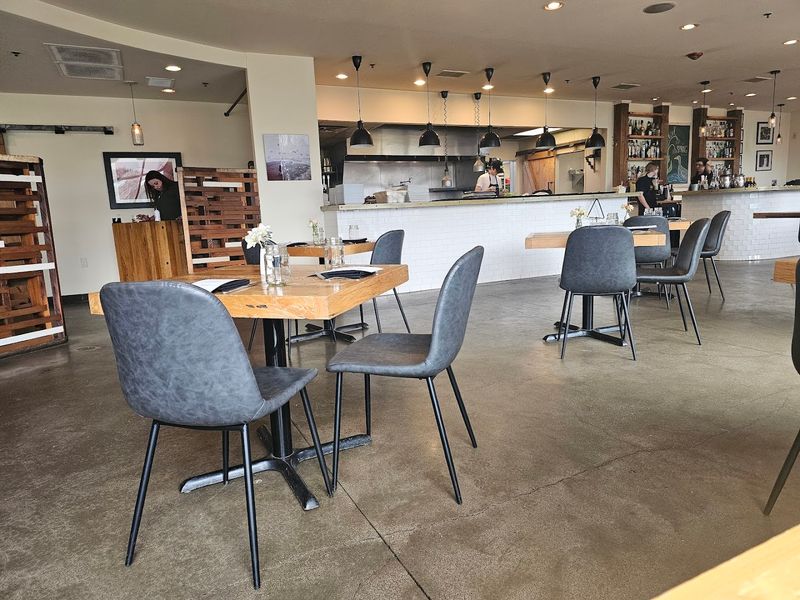
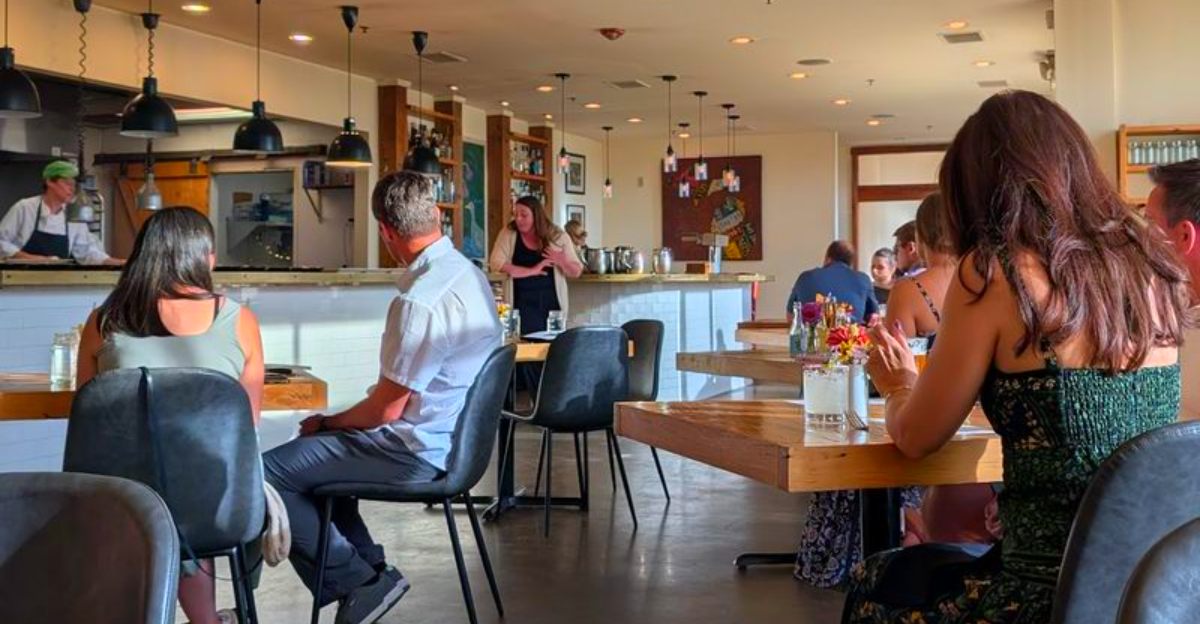
The inside of Red Haven has a personality that matches its cooking. Reclaimed wood fixtures give the space a warm, textured look without feeling like a rustic cliche.
The overall atmosphere is sleek but approachable, the kind of room where you feel comfortable having a real conversation without shouting over the noise.
The room is deliberately small, which is part of the design. Limited seating means the kitchen can focus on quality rather than volume, and the dining room never feels chaotic or rushed.
Every table gets real attention from the staff, which makes the service feel personal rather than transactional.
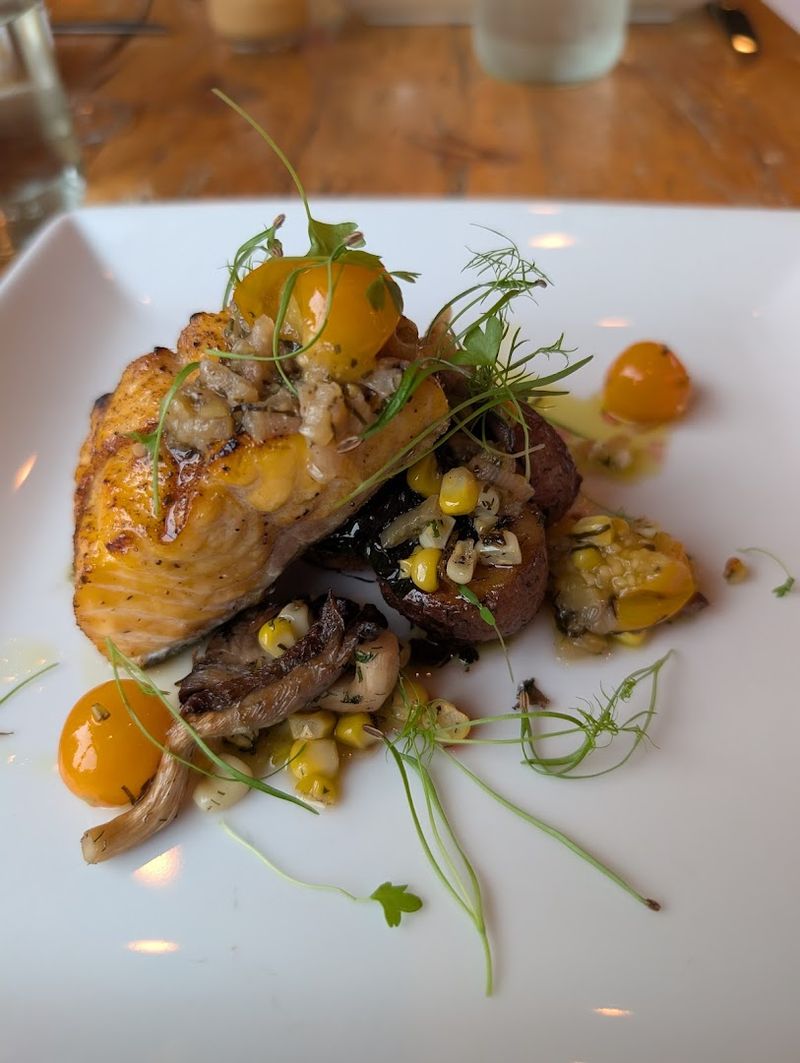
Lighting plays a big role in setting the mood. The warm tones make the food look beautiful on the plate, which is not an accident when the kitchen is putting serious effort into presentation.
Guests frequently comment on how gorgeous each course looks before they even taste it, and that visual care is part of what makes the full experience feel elevated without being stiff or intimidating.
Standout Dishes That Prove Local Ingredients Deserve the Spotlight
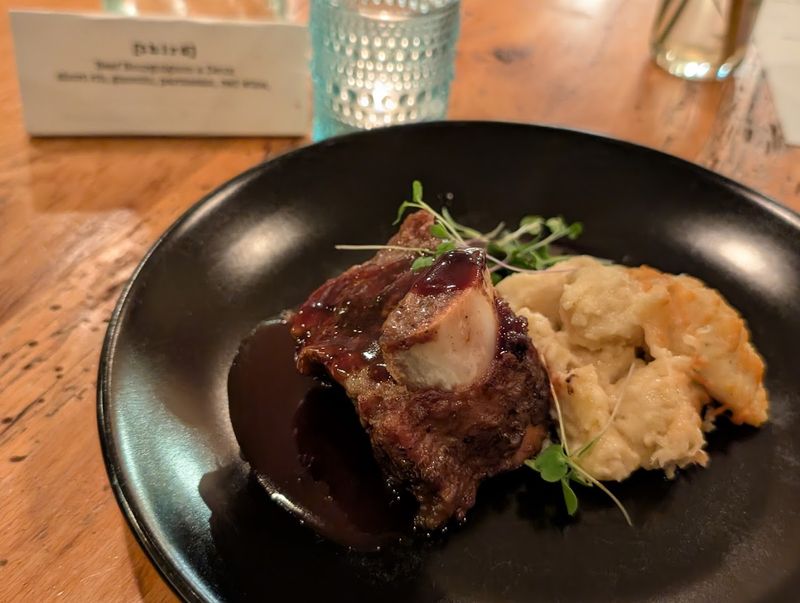
Certain dishes at Red Haven have a way of lodging themselves in your memory long after the meal is over. The seared scallop with caviar, cream, pasta, and fennel is one that has been described in terms usually reserved for restaurants with serious culinary accolades.
The combination of briny caviar and sweet, perfectly seared scallop is the kind of plate that makes you set your fork down just to think about what just happened.
The Beet-Citrus Salad with blood orange, walnut, feta, and microgreens is another course that surprises people who thought they had made up their minds about beets. The balance between earthy, tangy, and bright flavors makes it a dish that converts skeptics.
Braised short rib with truffle and brussels, baked camembert en croute with raspberry and pistachio, and a mushroom risotto that diners still talk about years later all reflect a kitchen that respects its ingredients enough to let them actually speak. And they do, loudly.
How the Multi-Course Format Changes the Way You Experience Food

Eating four or more courses in a single sitting sounds indulgent, but the way Red Haven structures its meals is more about balance than excess. Each course is sized thoughtfully, so the progression from first to last feels satisfying rather than overwhelming.
Diners consistently report leaving the table full but not uncomfortably so, which is a harder balance to achieve than it sounds.
The shared-course format also encourages a different kind of attention to food. When everyone at the table receives the same dish at the same moment, conversation naturally turns to the flavors, the ingredients, and the craft behind each plate.
It turns a meal into a shared sensory experience rather than a series of individual transactions.
For first-time visitors, the format can feel slightly unfamiliar, especially if you are used to ordering individually from a standard menu. Give it one course to settle in, and by the second plate, the rhythm starts to feel completely natural.
The kitchen earns your trust quickly.
The Price Point and What You Are Actually Paying For

Red Haven is listed as a higher-price restaurant, and the per-person cost for a multi-course themed dinner can exceed one hundred dollars depending on the event. That number can give people pause, and it is worth thinking honestly about what that price includes.
You are paying for locally sourced ingredients purchased at fair prices from regional farms, a kitchen that treats every plate as a serious creative effort, attentive service in an intimate setting, and an experience that is genuinely difficult to replicate at home. The value calculation is different from a standard restaurant meal because the product being sold is the entire evening, not just the food on the plate.
That said, the price is real and not everyone will feel it is justified every time. A small number of visitors have found certain menus or specific courses less impressive than the overall cost suggested.
Going in with a clear understanding of the format and the concept helps set expectations in the right place before the first course arrives.
What the Staff Brings to the Table Beyond Just Carrying Plates
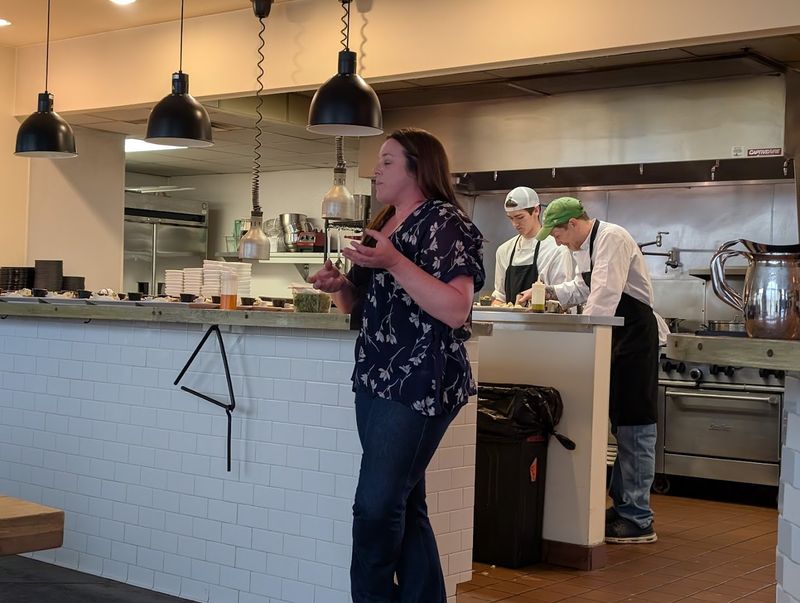
Service at Red Haven gets consistent praise, and it is the kind of service that enhances the food rather than competing with it for attention. The staff clearly knows the menu in detail, which matters when every course has a story about where its ingredients came from and why the chef made specific flavor choices.
For a themed dinner, the staff often leans into the concept. The New Year’s Eve celebration where servers dressed in 1920s costumes is a good example of how the team treats the dining experience as a full production rather than just a transaction.
That commitment to the bit, done well, adds a layer of fun without undermining the seriousness of the food.
The intimate room size also means the staff-to-guest ratio stays manageable, and tables rarely feel ignored or rushed. Small details like that make a measurable difference over the course of a long, multi-course dinner.
Good service is invisible when it works, and here it tends to work quite well.
Seasonal Menus and Why the Rotating Format Keeps Regulars Coming Back
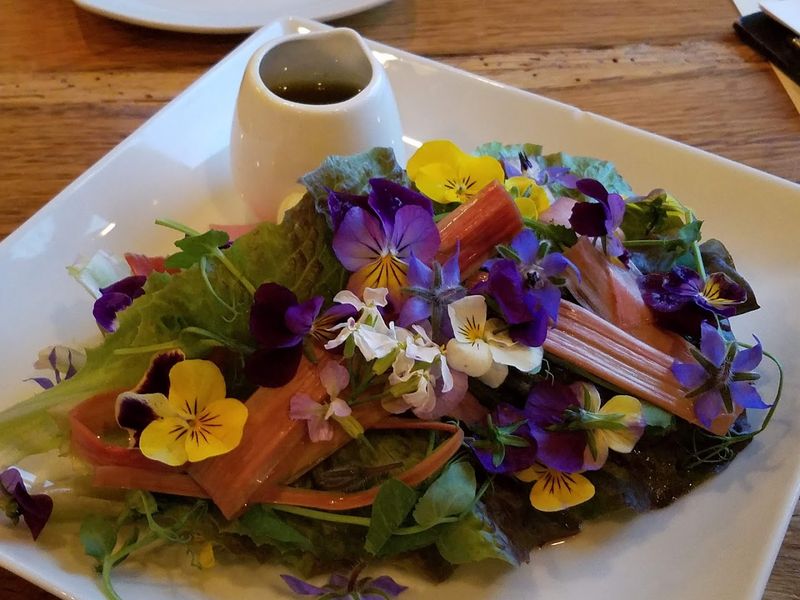
One of the most interesting challenges of loving Red Haven is that a dish you fall for on one visit may never appear again. The menu rotates constantly to reflect what is in season, which means the restaurant never really stands still.
For some diners, that is mildly frustrating. For regulars, it is the main reason to keep returning.
The rotating format forces the kitchen to stay creative and prevents the menu from becoming stale or predictable. A chef who has to reinvent the menu around whatever Michigan farms are currently producing develops a kind of culinary flexibility that shows in the quality of the food.
Seasonal cooking also means the restaurant is at its most interesting during transition periods between seasons, when the kitchen is working with the last of one harvest and the first of another. Early autumn, for example, tends to bring combinations of late summer produce and early fall ingredients that create genuinely surprising flavor pairings.
That unpredictability is a feature, not a flaw.
Red Haven in the Context of Greater Lansing Dining
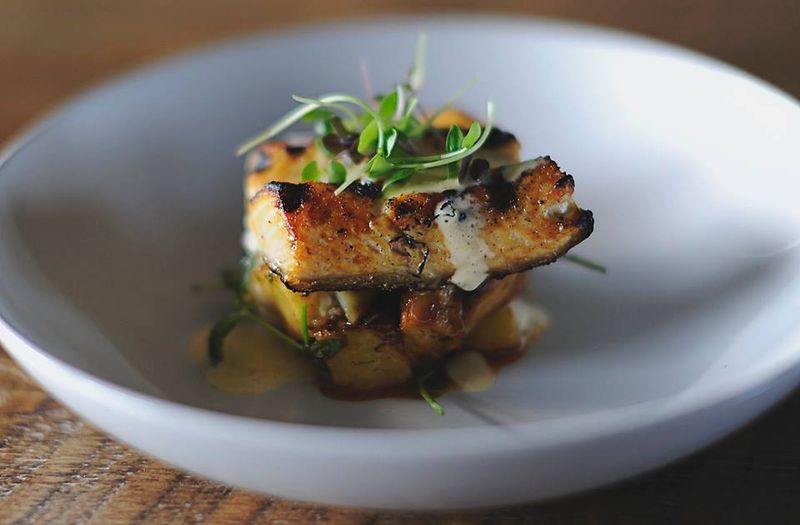
The Greater Lansing area is not typically the first place that comes to mind when people think about destination dining in Michigan. Detroit gets most of that attention, and with good reason.
But Red Haven has quietly positioned itself as a serious contender in the region, earning a 4.6-star rating across more than 500 reviews and a loyal base of repeat visitors who make the drive specifically for the experience.
Its location near Michigan State University in Okemos gives it access to a community that includes food-curious academics, university families, and local professionals who want more than a standard chain restaurant experience on a special occasion. That audience has helped sustain a concept that requires more commitment from diners than the average dinner out.
For visitors coming from outside the area, Red Haven is worth building an itinerary around rather than treating as an afterthought. Combining a reservation here with a visit to the Michigan State campus or the Lansing area makes for a full and satisfying day that ends with one of the better meals the state has to offer.
Practical Tips for Making the Most of Your Red Haven Visit
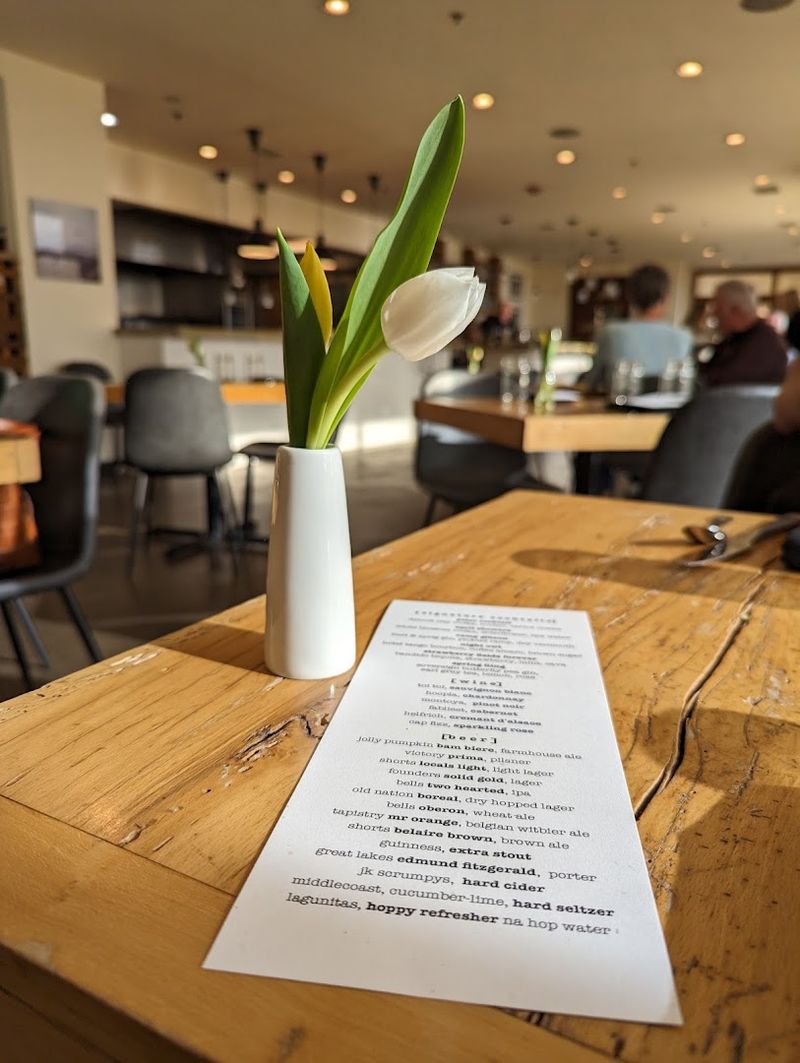
A few practical notes can make the difference between a smooth Red Haven experience and a frustrating one. Reservations are required and the website at eatredhaven.com is the right place to book.
Themed dinners fill up faster than standard evenings, so checking the calendar well in advance for any occasion you care about is genuinely important.
The single-seating format means arriving on time matters more here than at a standard restaurant. Showing up late does not just affect your table.
It can affect the pacing for the whole room, and the kitchen times courses for everyone simultaneously.
Dietary restrictions are worth communicating at the time of booking rather than at the table. Because the menu is fixed and built around specific ingredients, the kitchen appreciates advance notice to make accommodations where possible.
Going in with an open mind about the theme and the courses also helps, because the best experiences here tend to happen when diners trust the kitchen and let the evening unfold at its own pace.



