The John C. Blanchard House in Ionia offers a detailed look at 19th-century life through preserved interiors and a museum filled with local artifacts.
Built in the 1800s, it stands as one of the area’s more overlooked historic sites.
Visitors can explore original woodwork, period rooms, and exhibits that focus on Ionia’s history. The on-site museum adds depth, giving context beyond the house itself.
What makes it worth visiting is the combination of structure and story. It delivers a closer, more personal look at the past than most larger historic attractions.
A Victorian Treasure Right in the Heart of Ionia
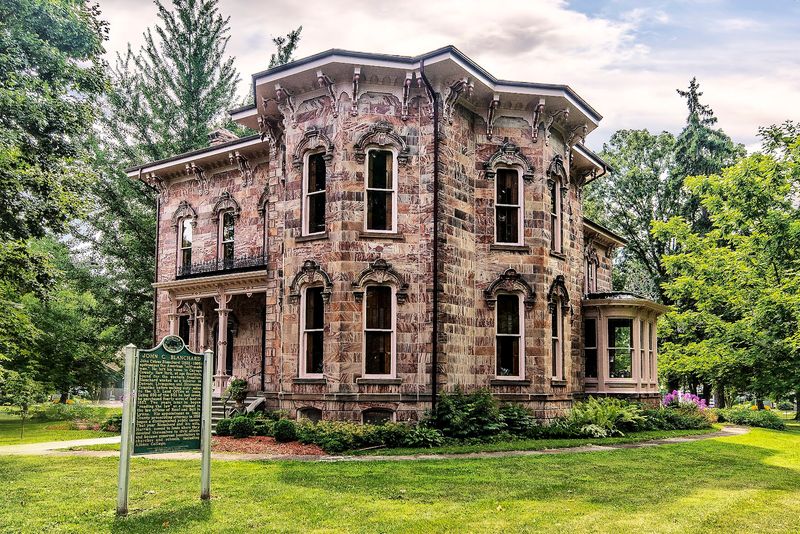
Not every small Michigan town can claim a Victorian landmark this well-preserved, but Ionia pulls it off with quiet confidence. The John C.
Blanchard House sits at 253 E Main St, Ionia, MI 48846, right in the heart of this small mid-Michigan city, close enough to downtown that you can walk to it without much effort.
The house was built in the 19th century and served as the home of John C. Blanchard, one of Ionia’s prominent early businessmen.
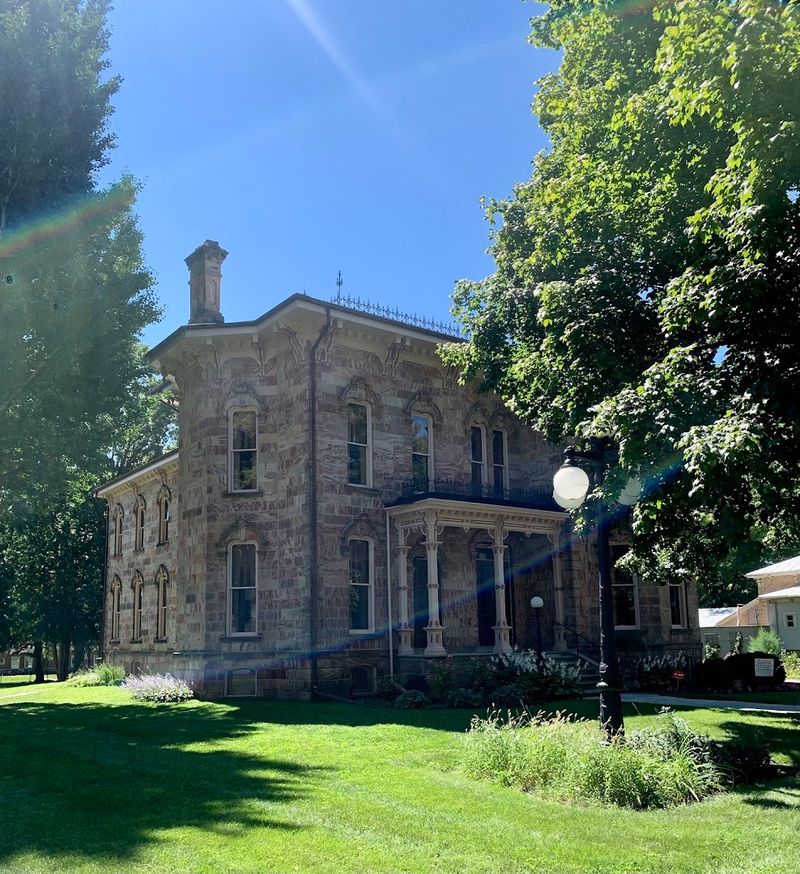
From the street, the structure commands attention with its impressive stonework and classic Victorian proportions.
The building is now managed by the Historical Society of Ionia County, which has worked hard to keep it nearly all original. That commitment to authenticity is exactly what makes a visit feel so rewarding.
And trust me, the exterior is just the beginning of what this place has to offer.
The Stonework That Stops You in Your Tracks
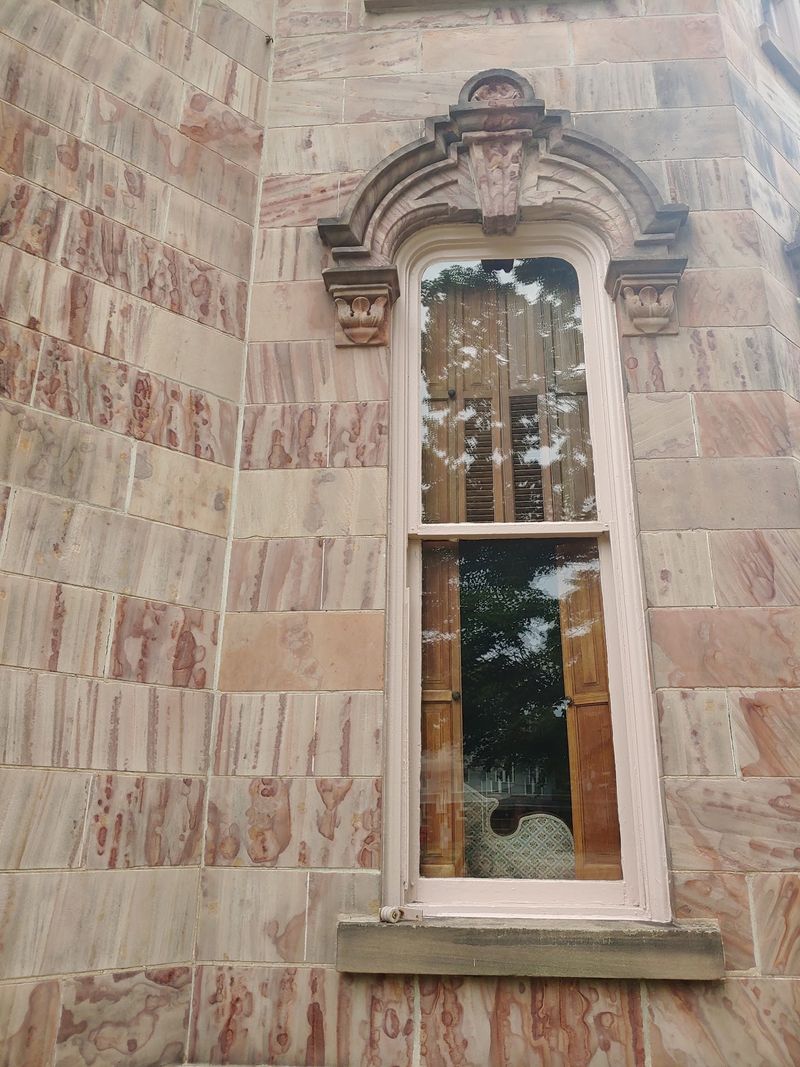
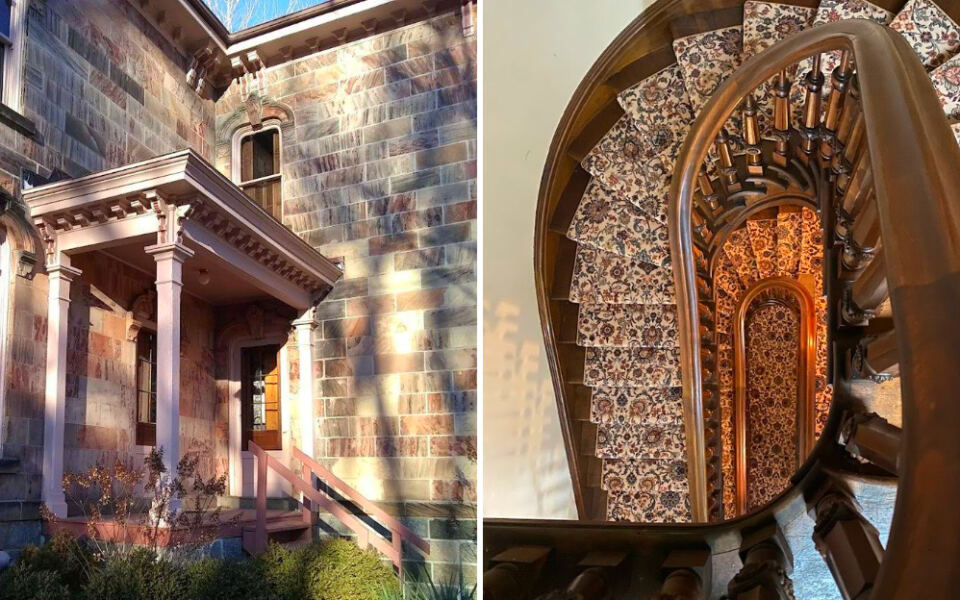
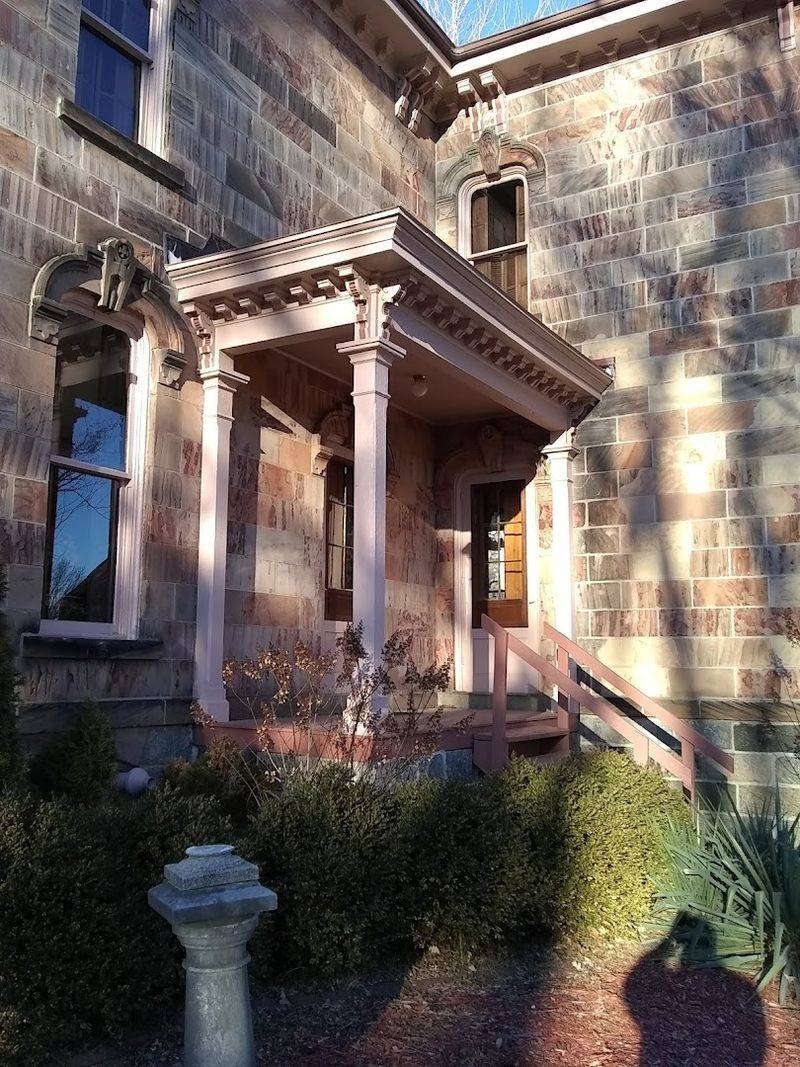
Before you even reach the front door, the exterior stonework of this house earns its own round of applause. The craftsmanship on display is the kind that modern construction simply does not replicate, with each stone fitted and finished by hand in a way that feels almost artistic rather than structural.
The masonry has held up remarkably well over more than a century, which says a lot about the skill of the builders who put it together. Up close, you can see the texture and variation in the stones, giving the facade a richness that photographs honestly cannot do justice.
Visitors who have toured the grounds even when the house was closed have noted that the architecture alone makes the trip worthwhile. The stonework is the first hint that everything inside this building was built with intention and care.
Once you see the interior woodwork, you will understand why people keep coming back.
Ornate Woodwork That Tells Its Own Story
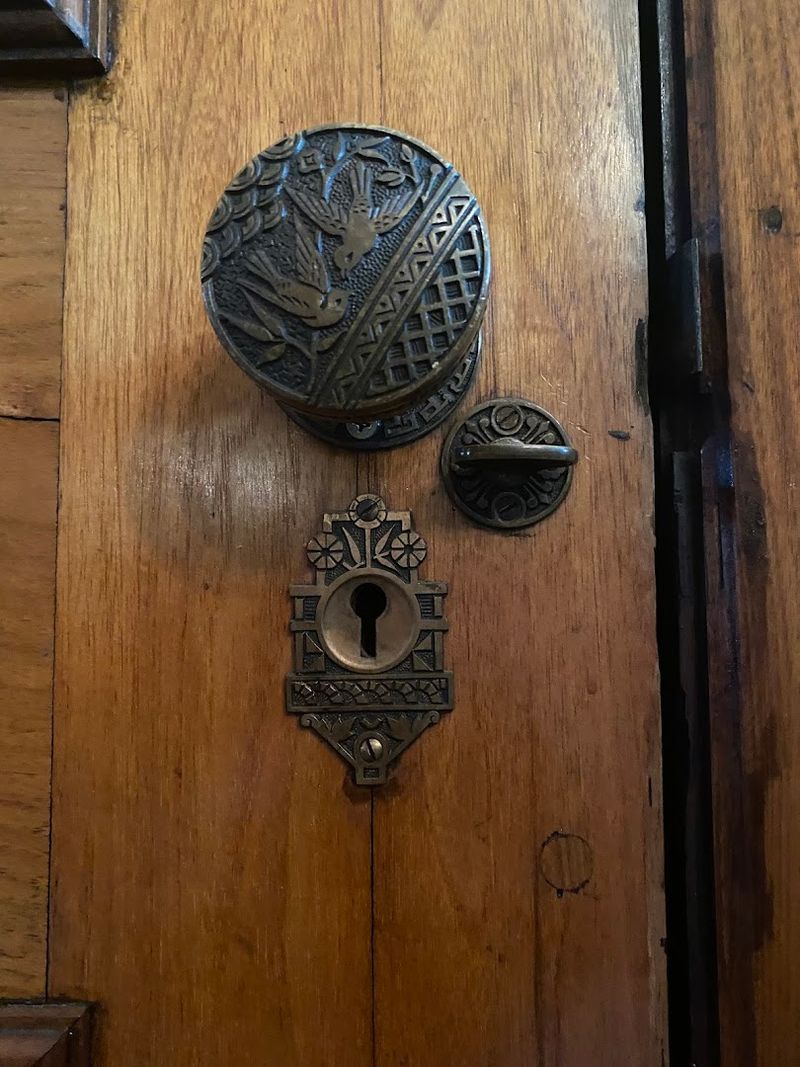
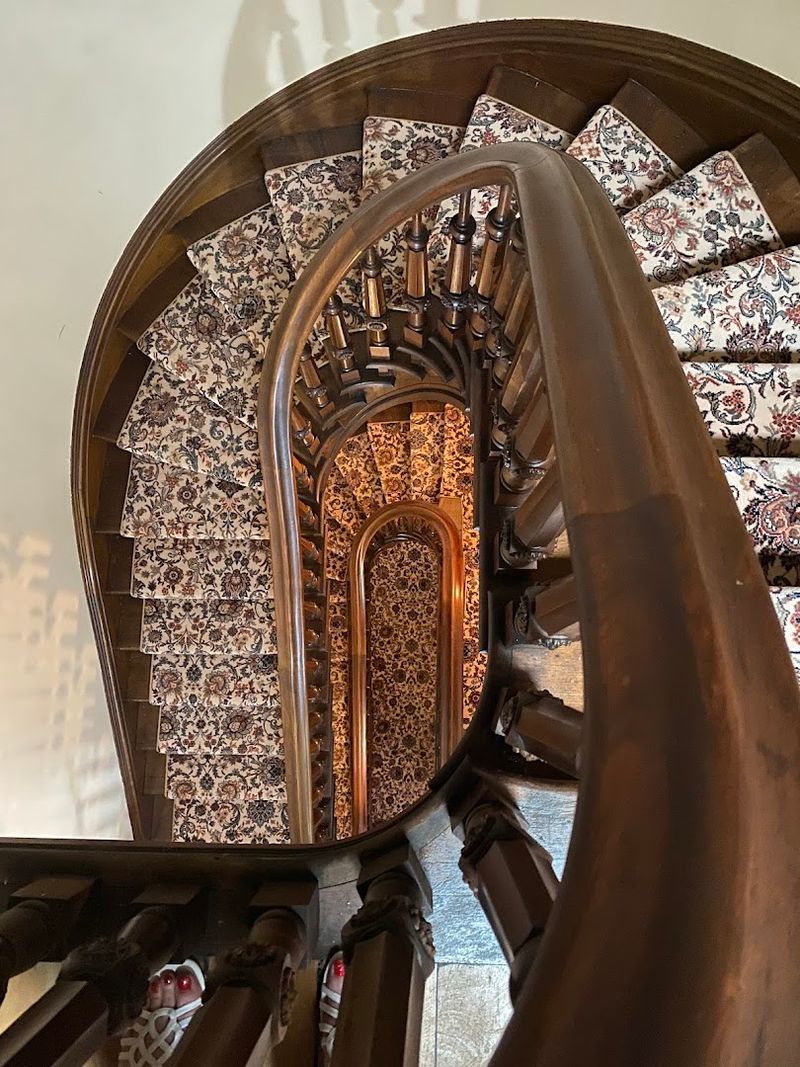
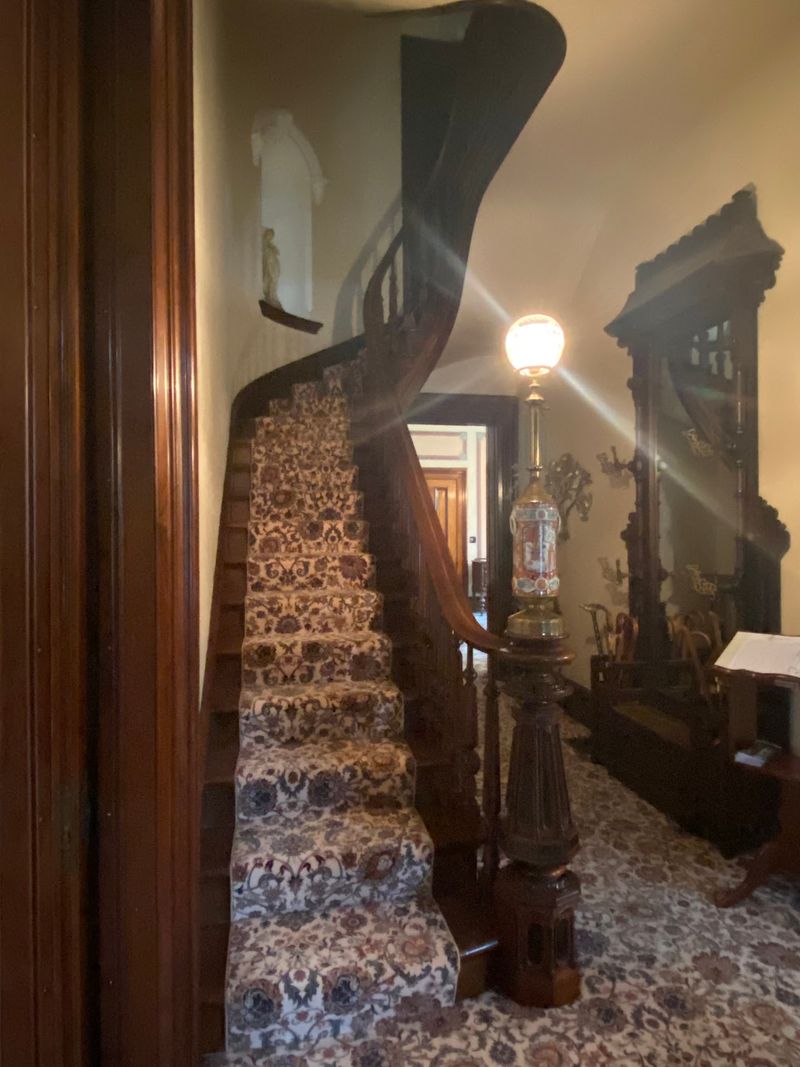
The moment you cross the threshold, the interior woodwork takes center stage in the most understated way. Carved trim runs along doorways and ceilings, and the detail work is the kind that takes real time to appreciate fully.
You find yourself stopping mid-sentence to look at a particular corner or frame that someone spent days getting just right.
Victorian-era homes were built with the belief that beauty had a place in everyday life, and the Blanchard House reflects that philosophy in every room. The woodwork is nearly all original, which means what you are looking at is the same craftsmanship that John C.
Blanchard himself would have admired from his own parlor chair.
Tour guides who know the house well can point out specific features and explain what each design choice meant in the context of the era. The woodwork is not just decoration; it is a document written in oak and walnut.
The basement museum, though, holds an entirely different kind of history.
The Basement Museum Hidden Beneath the Grandeur
Most visitors come expecting a pretty house, but the basement museum catches nearly everyone off guard in the best possible way. Tucked beneath the main floors, the museum space is packed with artifacts, old photographs, news clippings, and local history that spans the full arc of Ionia County’s development.
The collection includes items donated by local families over many years, and the range of objects on display tells a surprisingly layered story about what life in 19th and early 20th century Ionia actually looked like. You get a sense of the town’s economic life, its social structures, and the everyday routines of people who lived here long before paved roads and electric lights.
Spending a couple of hours in the basement museum genuinely feels like flipping through a very well-organized family album, except the family is an entire community. The volunteers who maintain the space are knowledgeable and happy to answer questions, which makes the experience feel personal rather than clinical.
Preserving Ionia’s History One Story at a Time
One of the most refreshing things about the John C. Blanchard House is that it runs entirely on volunteer energy, and you can feel that genuine enthusiasm the moment someone greets you at the door.
These are not bored staff members going through a script; these are people who genuinely care about Ionia’s history and want to share it.
The tour guides are known for their deep knowledge of both the house itself and the broader local history surrounding it. They can tell you about the Blanchard family, explain the significance of specific architectural details, and point out artifacts in the museum that you might otherwise walk right past.
That human element transforms what could be a simple self-guided walkthrough into something much more engaging. The volunteers also accept donations of family heirlooms, old photographs, and historical documents from Ionia families, which means the collection keeps growing with every passing year.
It is a living archive, not a frozen one.
What the Grounds Reveal Before You Even Go Inside
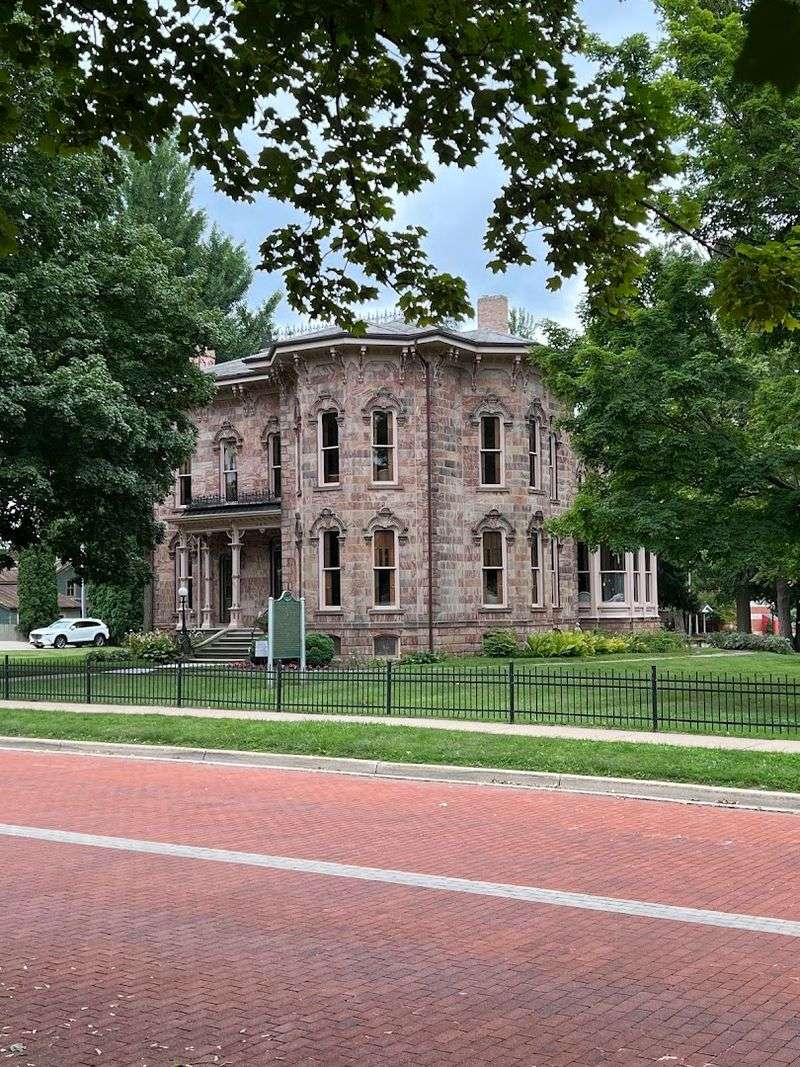
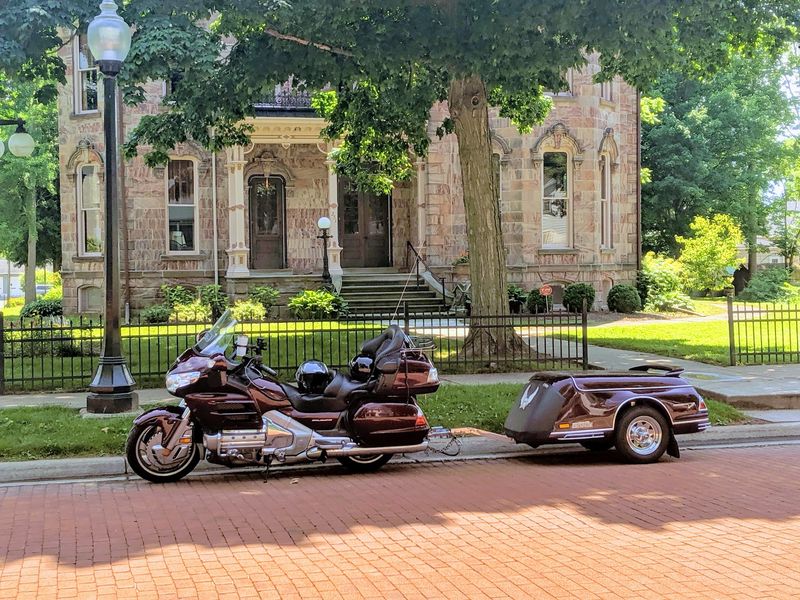
Even if the house is closed when you arrive, the exterior grounds are free to explore and genuinely worth your time. The lawn is well-kept, the landscaping is tidy, and the overall presentation of the property reflects the care that the Historical Society puts into maintaining it.
The building looks like it belongs on a postcard from another era.
Peering through the windows from the outside gives you just enough of a glimpse to make you want to come back when the doors are open. The rooms visible from the exterior show antique furnishings and period-appropriate decor that hint at the full experience waiting inside.
The property sits close to Ionia’s downtown area, which means a visit can easily be combined with a walk through the surrounding neighborhood or a stop at other local spots. The grounds themselves have a calm, unhurried quality that feels like a genuine contrast to the noise of modern life.
Plan ahead and call first to make sure you catch it open.
The Story of John C. Blanchard and His Place in Ionia’s History
John C. Blanchard was not a household name beyond Ionia, but within the community, he represented the kind of ambitious, civic-minded businessman who helped shape small Midwestern cities during the latter half of the 1800s.
His home was a physical statement of success and stability, built at a time when Ionia was growing and establishing its identity as a regional center.
The house reflects the tastes and priorities of a man who took pride in his surroundings and his community. Victorian homes of this caliber were not built casually; they required substantial investment and a long-term vision for how a family and a town would grow together.
Learning about Blanchard through the lens of his home is actually one of the more effective ways the house communicates history. Rather than relying on abstract dates and facts, the building itself becomes the biography.
Every room, every decorative choice, and every original fixture adds another sentence to a story that is still very much worth reading.
When and How to Plan Your Visit
The John C. Blanchard House keeps limited hours, so a little planning goes a long way before you make the trip.
The museum is open on Sundays from 1 to 4 PM, and it is closed the rest of the week, which means your window is narrow but absolutely worth targeting. The phone number on file is 616-527-6281, and calling ahead is strongly recommended if you want to arrange a proper tour.
The website at ioniahistory.org has additional information about the Historical Society’s activities and any special events that might be scheduled throughout the year. Admission details can vary, so checking in advance saves any surprises at the door.
The limited hours are actually part of what makes this place feel special rather than commercial. You are not walking into a polished tourist operation; you are visiting a community-run treasure that opens its doors because the people behind it genuinely believe the history matters.
That sincerity is rare, and it makes the Sunday afternoon trip feel like a privilege.
A Living Archive for Ionia Families and Their Heirlooms
One of the quieter but more meaningful functions of the John C. Blanchard House is its role as a repository for local family history.
The Historical Society of Ionia actively welcomes donations of old photographs, newspaper clippings, furniture, and personal items from families with roots in the area.
That practice has turned the museum into something genuinely layered and personal. Rather than displaying generic period pieces purchased from antique dealers, the collection is made up of real objects that belonged to real Ionia families, which gives every display case a kind of emotional weight that you do not always find in larger, more institutional museums.
If you have items from an Ionia family sitting in a box somewhere, the Historical Society encourages you to reach out before assuming they would not be interested. They do ask that you call ahead to discuss potential donations, which keeps the process thoughtful and organized.
The collection grows richer with every family that chooses to contribute a piece of their past.
Why This Quiet Corner of Michigan Deserves More Attention
Ionia does not always make the top of Michigan travel lists, and that is honestly a little baffling once you spend a few hours there. The town has a genuine character that comes from its age and its history, and the Blanchard House is one of the clearest expressions of that character available to visitors.
The surrounding downtown area has its own charm, with historic commercial buildings and a small-town rhythm that feels increasingly rare in a world of chain stores and identical strip malls. A Sunday afternoon that starts with a tour of the Blanchard House can easily expand into a broader exploration of what Ionia has to offer.
The house has earned a 4.7-star rating from visitors who have taken the time to stop and look, which is a strong signal that the experience consistently delivers. For anyone who appreciates architecture, local history, or simply the satisfaction of discovering something genuinely worthwhile in an unexpected place, the John C.
Blanchard House is the kind of find that stays with you long after you have driven home.
Share this story