In the heart of Forest Park, a magnificent Beaux-Arts museum invites visitors to explore thousands of years of artistic achievement without paying an admission fee. Guests come to admire masterpieces by Van Gogh, Monet, Picasso, and Matisse, stand face-to-face with an ancient Egyptian mummy, and wander through galleries filled with more than 34,000 works of art, but many leave just as impressed by the museum’s grand architecture and welcoming atmosphere. It’s the kind of place that proves world-class cultural experiences don’t have to come with a hefty price tag.
The experience extends far beyond the permanent collection. A striking modern expansion, peaceful sculpture gardens, rotating exhibitions, free Friday programs, and one of America’s greatest urban parks just outside the doors make it easy to spend an entire day exploring. Whether you’re an avid art lover or simply looking for one of Missouri’s best free attractions, this museum is a destination that’s impossible to overlook.
Here’s why the Saint Louis Art Museum has become one of America’s finest free museums and one of the must-visit attractions in St. Louis.
A Historic Building With a World’s Fair Past
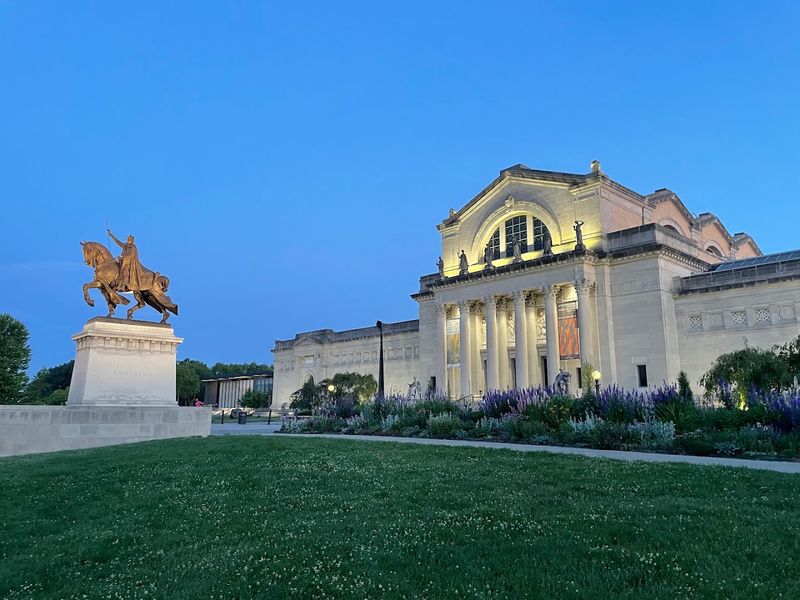
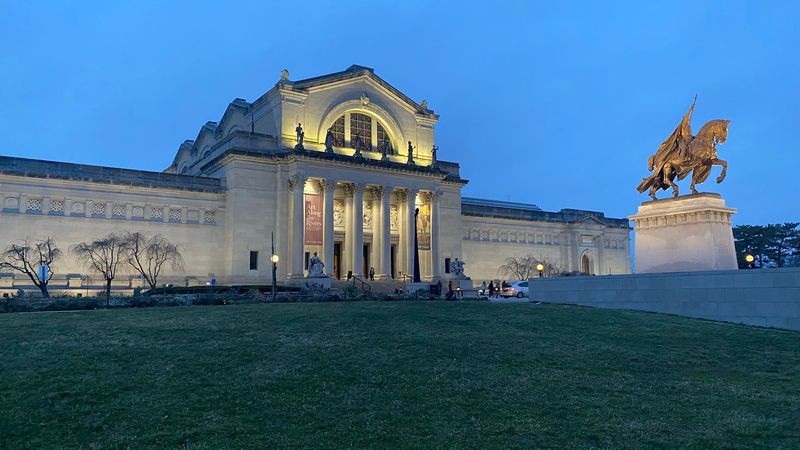
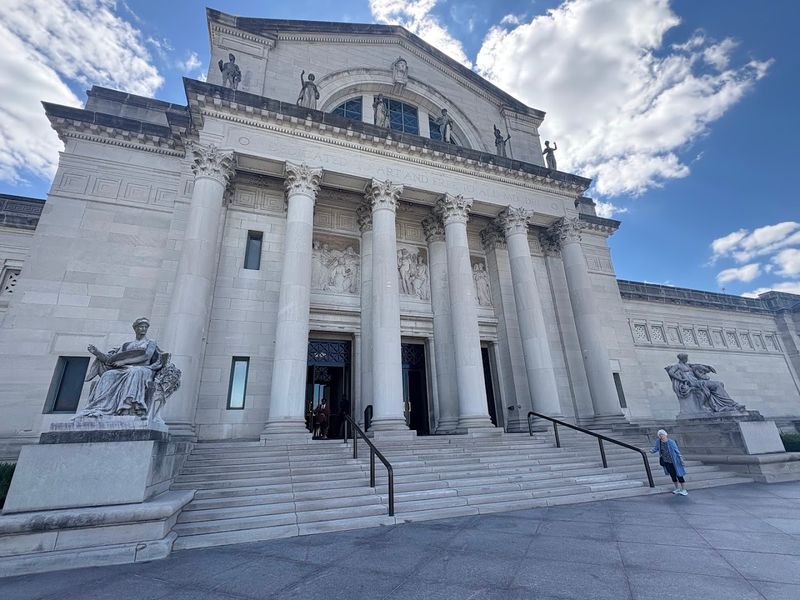
Long before it became one of America’s finest art museums, this magnificent building had a starring role at one of history’s grandest events. The Saint Louis Art Museum, located at 1 Fine Arts Drive, Forest Park, St. Louis, Missouri 63110, was originally built as the Palace of Fine Arts for the 1904 Louisiana Purchase Exposition, better known as the St. Louis World’s Fair.
Designed by architect Cass Gilbert in the Beaux-Arts style, it was the only fireproof structure among all the fair’s grand exhibition halls. When the fair ended and every other palace was demolished, this building stood alone as the sole surviving structure from that legendary event.
Six sculptural figures line the top of the north entrance, each one representing a great era in art history. The high arched ceilings and sweeping interior stairways still carry that sense of occasion today, making every visit feel a little like stepping into something historic.
The East Building Brings Bold Modern Design to the Mix
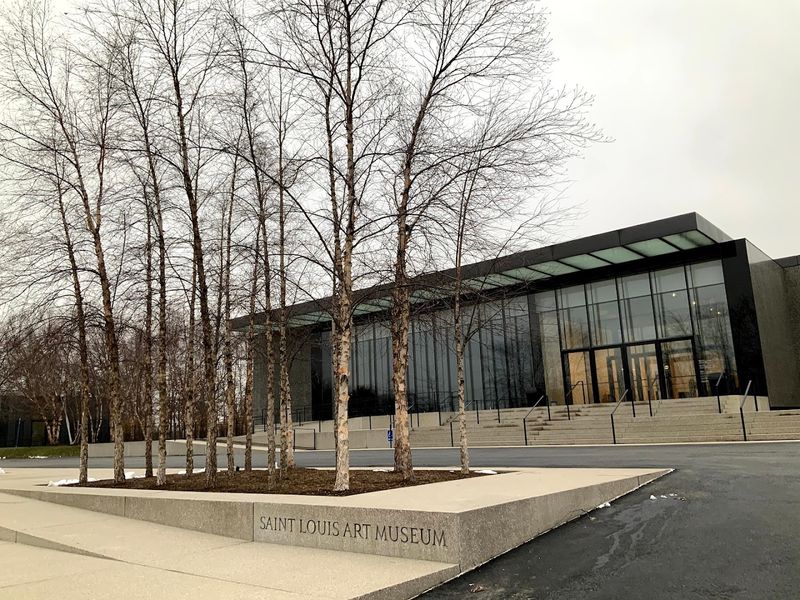
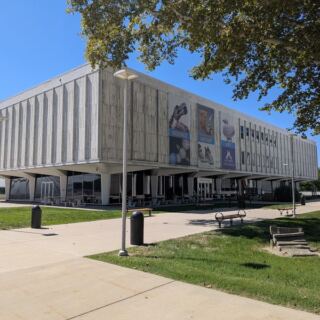
Not every great museum addition gets it right, but the East Building at the Saint Louis Art Museum is a genuine architectural achievement. Opened in June 2013 and designed by British architect Sir David Chipperfield, it presents itself as a low-profile pavilion that steps outward in four directions to reduce its visual impact on the surrounding landscape.
The facades are paneled with dark concrete made from local aggregates, cast and polished directly on-site, creating a striking contrast with the pale stone of the original Gilbert building. Inside, a concrete coffered ceiling filters and modulates natural daylight, significantly reducing the need for artificial lighting throughout the day.
The East Building houses the museum’s modern and contemporary art collections, along with rotating temporary exhibition spaces. Its floor level aligns precisely with the main floor of the original building, connecting the two structures through existing doorways in a way that feels seamless rather than forced. The sustainability-focused design earned serious recognition from the architectural community.
Free Admission Every Day, No Strings Attached
There are not many places in the world where you can stand in front of a Picasso, a Van Gogh, and an ancient Egyptian mummy all in the same afternoon without paying a cent. At the Saint Louis Art Museum, free general admission is not a weekend promotion or a seasonal deal. It is the permanent policy, every single day the museum is open.
This generosity is made possible through a subsidy from the Metropolitan Zoological Park and Museum District, a cultural tax district serving both St. Louis City and County. Even most ticketed special exhibitions become free to everyone on Fridays, through the Access for All Free Fridays program.
Free public parking is available in two lots on the north side of Fine Arts Drive, directly across from the museum. The underground parking garage charges a modest daily fee for those who prefer it. Two MetroLink stations are also within a fifteen-minute walk, making the museum genuinely easy to reach for just about anyone.
34,000 Art Objects and 5,000 Years of Human Creativity
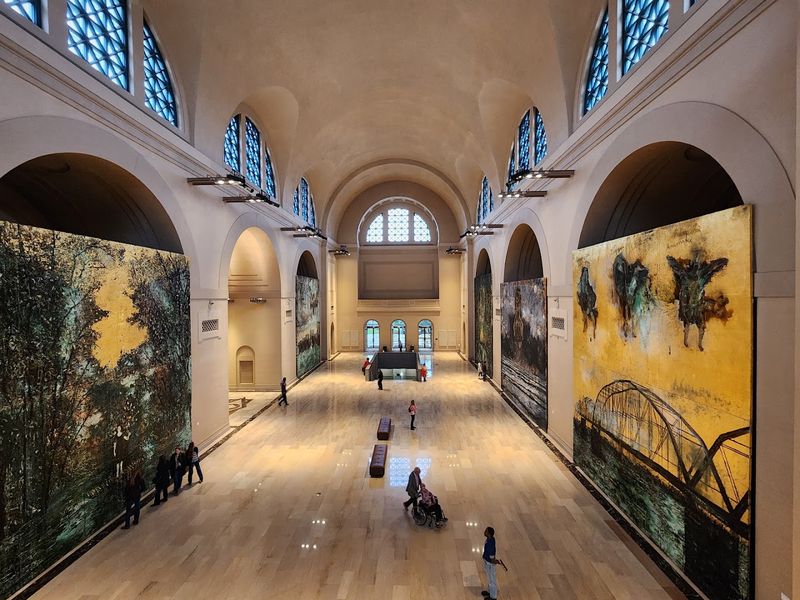
Few regional art museums can claim a collection this deep or this wide. The Saint Louis Art Museum holds more than 34,000 art objects spanning roughly 5,000 years of history across nine distinct collection areas, including American, Ancient and Egyptian, African, Oceanic, Asian, Decorative Arts, European to 1800, Islamic, and Modern and Contemporary works.
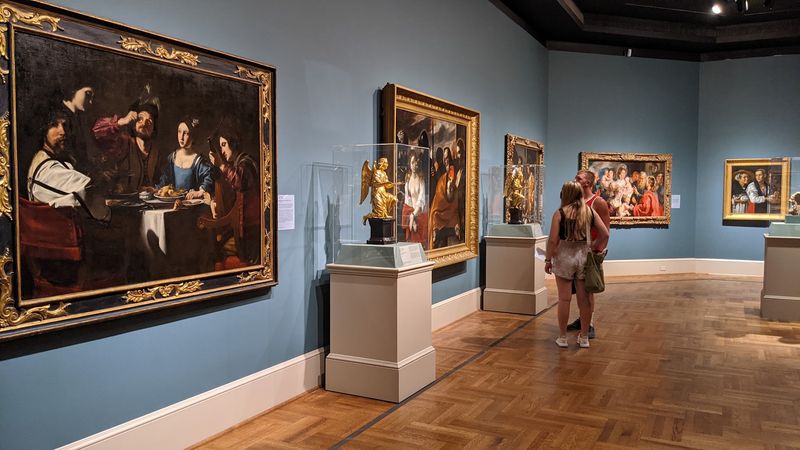
The highlights alone could fill a day of exploration. The museum holds the largest collection of paintings by American artist George Caleb Bingham found in any U.S. museum. It also houses the world’s largest collection of works by German painter Max Beckmann, alongside pieces by Matisse, Gauguin, Monet, Picasso, Van Gogh, and Fragonard.
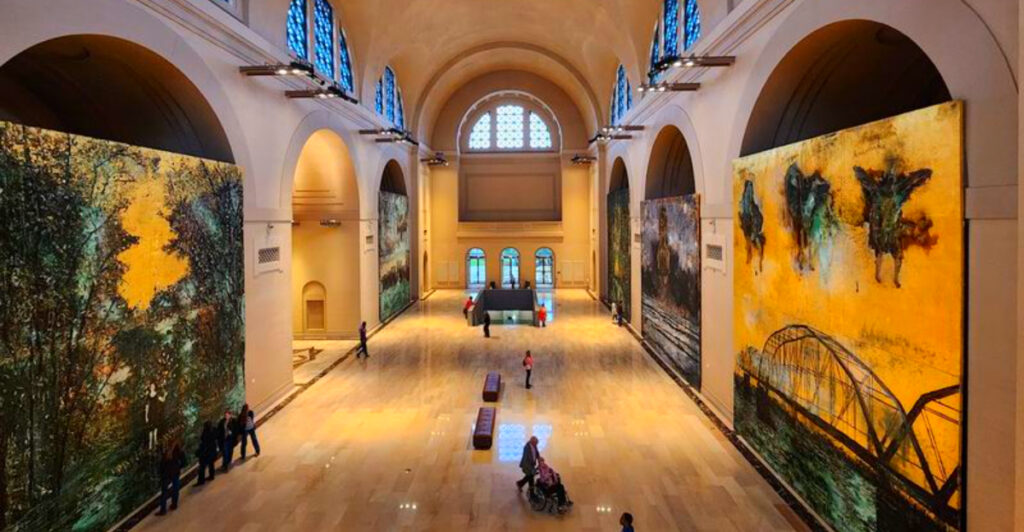
Anselm Kiefer’s monumental installation Breaking of the Vessels commands attention in the main hall, and Chuck Close’s photorealistic portrait Keith from 1970 stops visitors in their tracks. The sheer variety means that no two visits ever feel the same, and most people leave with a mental list of galleries they want to revisit next time.
The Egyptian Mummy That Has Been Around for Millennia
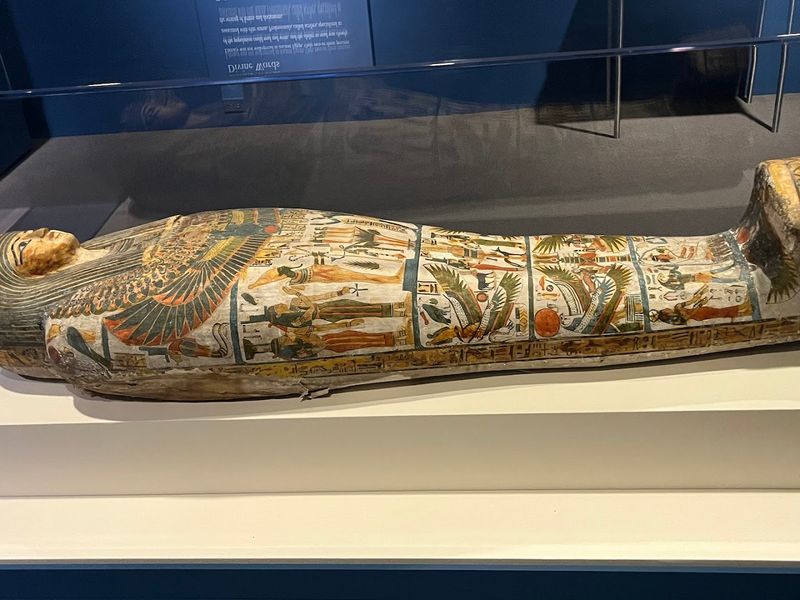
Most people expect paintings and sculptures when they visit an art museum, so the ancient Egyptian section tends to catch first-time visitors completely off guard. The museum’s Ancient and Egyptian collection is genuinely impressive, and its centerpiece is the mummy of Amen-Nestawy-Nakht, a real Egyptian mummy that has survived for thousands of years and now rests in St. Louis, Missouri.
Seeing an actual ancient mummy in person is a different experience from reading about one in a textbook. The surrounding artifacts, case details, and historical context provided by the museum help visitors understand what life and belief looked like in ancient Egypt, rather than just presenting the object without meaning.
The broader Ancient collection spans cultures and centuries, and it sits comfortably alongside the museum’s holdings in African, Oceanic, and Mesoamerican art. Visitors who assumed they were coming for European paintings often end up spending the most time in this part of the building, surprised by how much there is to discover beyond the expected.
The Sculpture Garden That Connects Art With the Outdoors
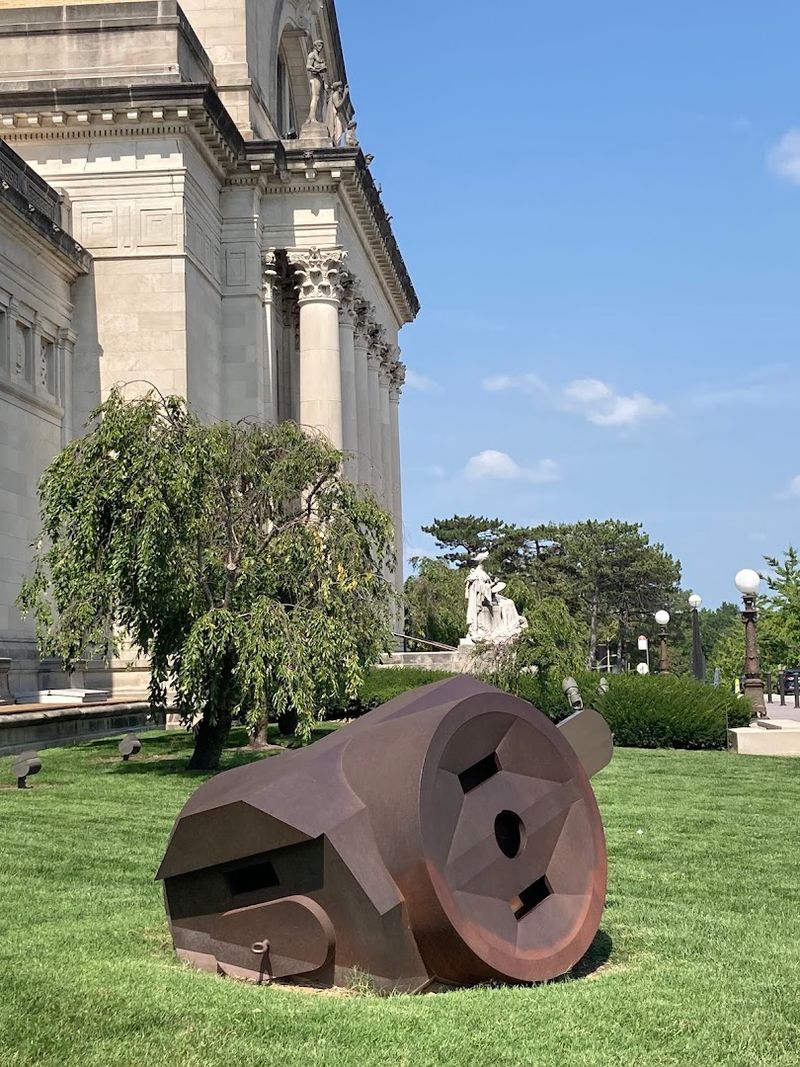
Art does not have to stay indoors, and the Grace Taylor Broughton Sculpture Garden makes that point beautifully. Added in 2015, the garden connects the East and Gilbert Buildings through a series of walking paths designed to blend landscape architecture with a strong international collection of 20th-century and contemporary sculptures.
The centerpiece of the sunken courtyard between the two buildings is Andy Goldsworthy’s Stone Sea, a specially commissioned work that uses natural stone in a way that feels both ancient and completely modern at the same time. The garden is open every day from 6 am to 10 pm, meaning it is accessible even when the museum itself is closed.
On a mild St. Louis morning, the sculpture garden is one of the most peaceful spots in the entire Forest Park area. The combination of curated outdoor art, open sky, and the architectural contrast between the two museum buildings creates an atmosphere that rewards slow, unhurried exploration rather than a quick walk-through.
Temporary Exhibitions That Keep Things Fresh and Surprising
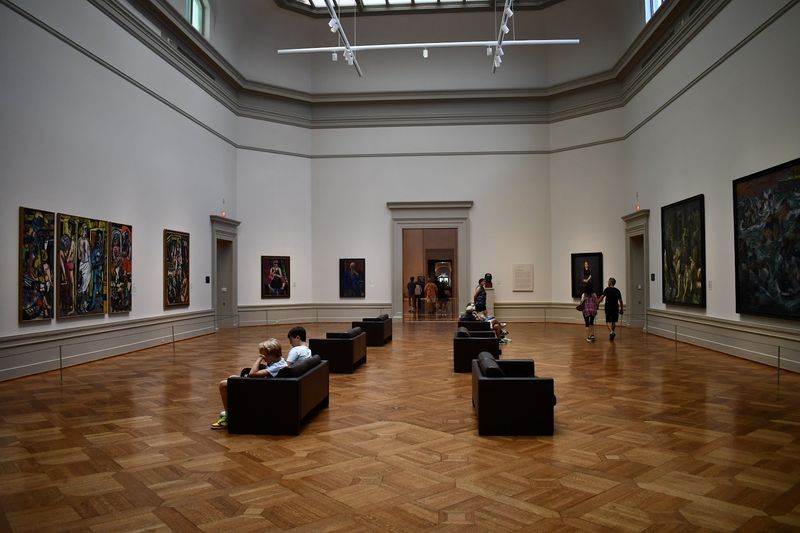
One of the smartest things about the Saint Louis Art Museum is that it never stands still. The rotating temporary exhibition program cycles through contemporary, historical, and multicultural shows throughout the year, giving regular visitors a reason to come back again and again. Past exhibitions have covered subjects as varied as French landscape painting, Native American art, and hip-hop culture’s influence on contemporary art.
Current and upcoming exhibitions include Ancient Splendor: Roman Art in the Time of Trajan, which runs through August 2026, and Women Impressionists and the Land, scheduled for October 2026 through January 2027. The Currents series specifically highlights contemporary artists working in new media and works on paper, offering a platform for emerging voices alongside established names.
Access for All Free Fridays transforms the museum on Friday evenings with live music, gallery activations, open studios, films, and performances, all free to the public. Docent-led drop-in tours of the permanent collection run every Friday and Saturday at 1 pm, starting at the Welcome Desk in Sculpture Hall.
Forest Park Makes the Whole Visit Feel Like an Adventure
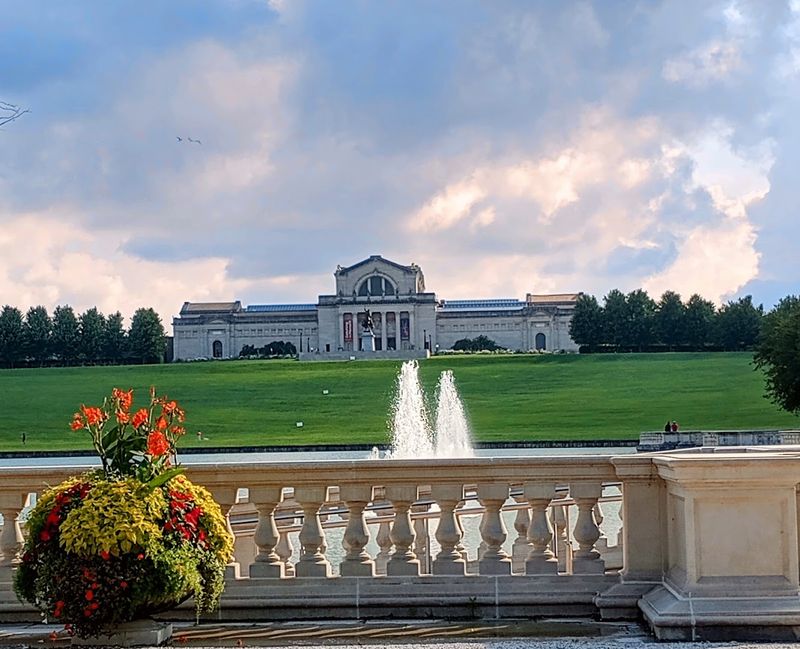
The museum’s setting in Forest Park is not just a backdrop. It is a genuine part of the experience. Art Hill, where the museum sits, offers sweeping views down to the Grand Basin, a large reflecting pool that looks especially striking in the early morning light or at golden hour in the evening.
Forest Park is one of the largest urban parks in the United States, and it is home to an extraordinary cluster of free attractions. The Saint Louis Zoo, the Missouri History Museum, the Saint Louis Science Center, and The Muny outdoor theatre are all within easy walking or cycling distance, making it possible to fill an entire day without leaving the park.
The park also features natural walking paths, open green spaces, and a Nature Playscape that younger visitors tend to love. Families often pair a museum visit with a picnic on the lawn or a stroll around the basin. The combination of world-class art and a genuinely beautiful outdoor environment is something very few cities can offer so effortlessly.
Dining and Shopping Worth Sticking Around For
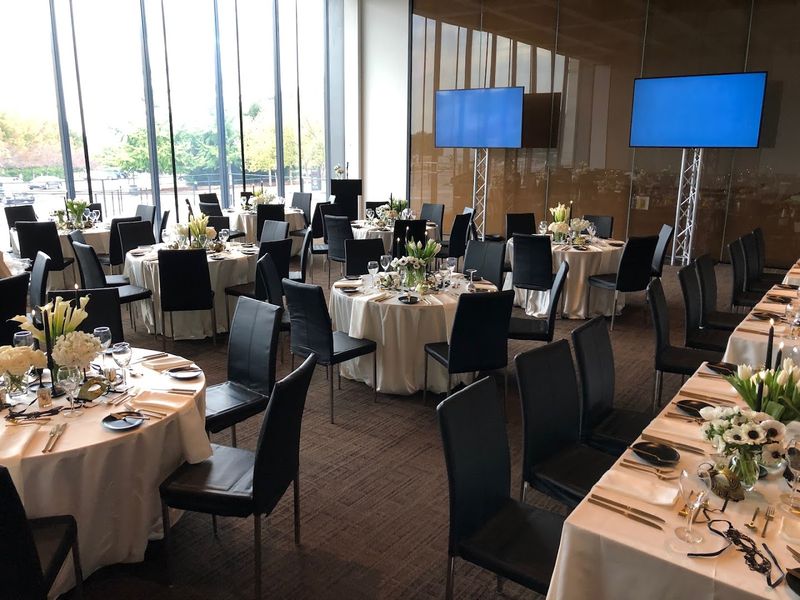
After a few hours of gallery exploring, hunger tends to arrive without warning. The museum’s full-service restaurant, Panorama, handles that problem with a menu that takes the dining experience seriously. The cafe on the lower level is a more casual option, and the coffee there has earned genuine appreciation from regular visitors who make it a dedicated stop on every trip.
The museum also operates two gift shops stocked with an eclectic mix of art-inspired items, including art glass, jewelry, books, fashion pieces, and toys. The selection leans toward thoughtful and distinctive rather than generic souvenir fare, making it a good place to find something you will actually want to keep or give as a gift.
Free coat and bag check service is available for visitors who want to move through the galleries without carrying everything. The museum also loans out strollers at no charge from the Welcome Desks, and chairs are available for those who need a rest between galleries. These small touches add up to a noticeably comfortable visit.
Community Roots and Educational Programs That Go Deep
The Saint Louis Art Museum takes its role as a community institution seriously, and the programming reflects that commitment in concrete ways. Corporate sponsorships fund learning opportunities for students, teachers, and families from local schools and community organizations across the St. Louis region, ensuring the museum’s resources reach beyond its front doors.
One standout initiative is The Release: Hip-Hop, Art and Mental Health, a partnership with Harris-Stowe State University that uses creative expression to open conversations about mental well-being. It is the kind of program that shows a museum thinking beyond gallery walls and connecting art to real-world experiences that matter to people’s lives.
The museum is a member of the Metropolitan Zoological Park and Museum District, one of the largest tax-supported cultural districts in the entire country. That membership is part of what keeps admission free and programming accessible. The institution actively works to reflect the full diversity of the St. Louis community through its collections, exhibitions, and events, and that intentionality is visible throughout the building.
Practical Tips to Make Your Visit Go Smoothly
A little planning goes a long way at a museum this size. The Saint Louis Art Museum is open Tuesday through Sunday from 10 am to 5 pm, with extended Friday hours until 9 pm. The museum is closed on Mondays, Thanksgiving, and Christmas Day, and closes early at 3 pm on Christmas Eve and New Year’s Eve.
Arriving around opening time on a weekday morning tends to offer the most relaxed experience. The museum rarely feels crowded, but popular temporary exhibitions can draw larger groups later in the day. The last entry into ticketed exhibitions is one hour before closing, so timing matters if that is your main destination.
Food and drinks are not permitted inside the galleries, so plan your cafe visit for before or after your exploration rather than during. The collection is genuinely too large to absorb in a single trip, and that is not a flaw but an invitation. Most people who visit once find themselves planning a return before they have even reached the parking lot.
Share this story