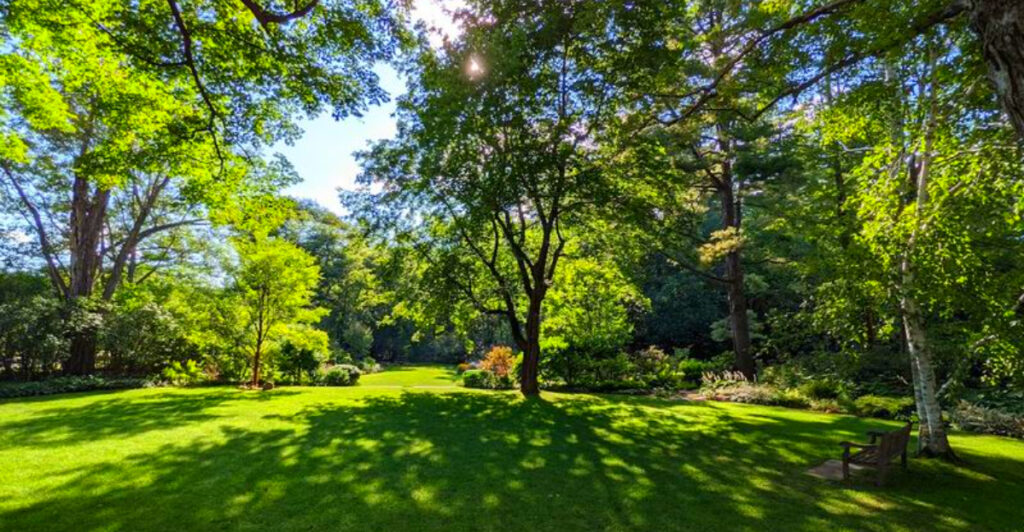
Just off Route 3 in Holderness, New Hampshire, a one-acre public garden offers a quiet escape that many travelers never realize is there. Connected to a respected local science center and free to visit year-round, it combines carefully maintained plant collections, educational displays, and peaceful walking paths in a setting that feels both welcoming and personal.
What makes the garden stand out is the attention to detail. Plants are clearly labeled, the grounds are maintained by dedicated volunteers, and each section is designed to help visitors better understand the region’s native and cultivated species.
It is the kind of place that rewards a slow walk and a curious eye.
Many people pass by without realizing what lies beyond the entrance, but those who stop often leave impressed by how much has been packed into such a modest space. Here’s why this understated Holderness garden has become a favorite discovery for nature lovers, gardeners, and anyone looking for a quieter side of New Hampshire.
Where Exactly This Garden Hides and Why You Almost Miss It
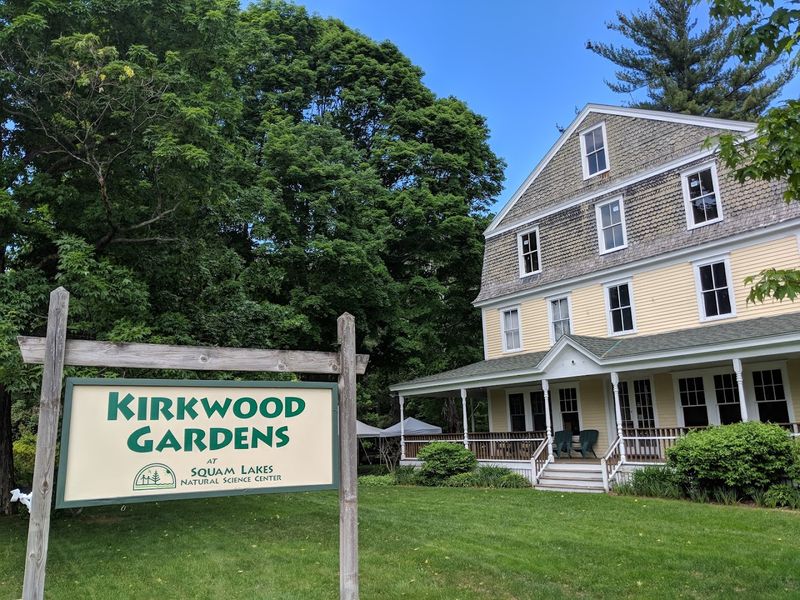
The address is 900 US-3 in Holderness, New Hampshire 03245, right along the main highway that cuts through the Lakes Region. From the road, the garden reads almost like a residential yard, bordered by mature trees and low plantings that do not announce themselves loudly.
Parking is available behind the gardens on Central House Road, which is easy to miss if you are not looking for it. The approach from the back gives you a completely different first impression than the streetside view, and that shift alone sets a curious tone for the visit.
The garden sits on the grounds of the historic Holderness Inn and is part of the Squam Lakes Natural Science Center’s property. You do not need to pay any admission to enter, and no reservation is required.
It is open 24 hours a day, every day of the week, which makes spontaneous visits entirely possible and genuinely rewarding.
The Woman Behind the Garden and the Story That Makes It Personal
Grace Kirkwood, known to nearly everyone as Sunny, was a landscape designer with a deep connection to the Squam Lakes Natural Science Center. She served on the center’s Board of Trustees from 1985 to 1991, and during that time she developed a vision for a public garden that would educate and inspire visitors.
The garden was dedicated on August 31, 1996, and Sunny considered it one of her proudest accomplishments. Sadly, she passed away shortly after the dedication, which gives the space a quiet, meaningful weight that you feel once you know the story behind it.
After her passing, the Squam Lakes Natural Science Center took over maintenance of the garden, relying heavily on the work of dedicated volunteers who have kept her vision alive for nearly three decades. The garden carries her name as both a tribute and a promise that the work she started will continue to grow and evolve with each new season.
One Acre That Manages to Feel Much Larger Than It Is
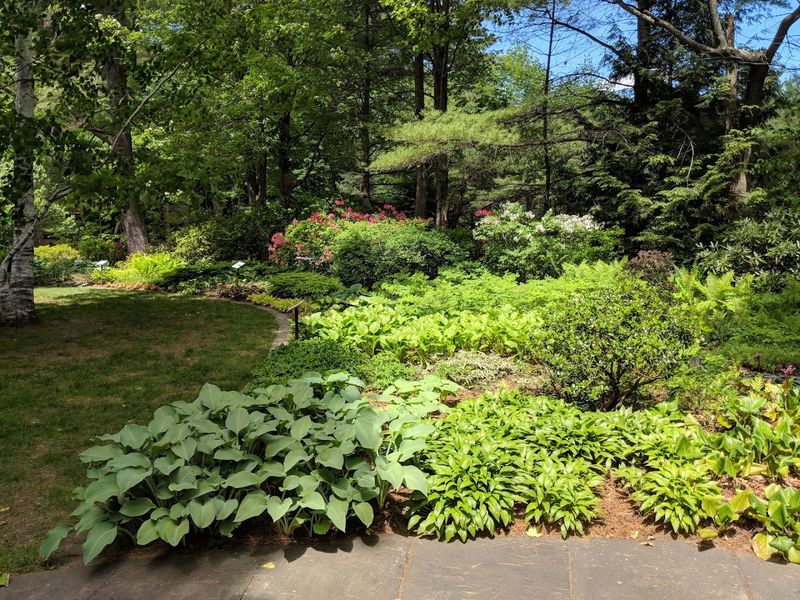
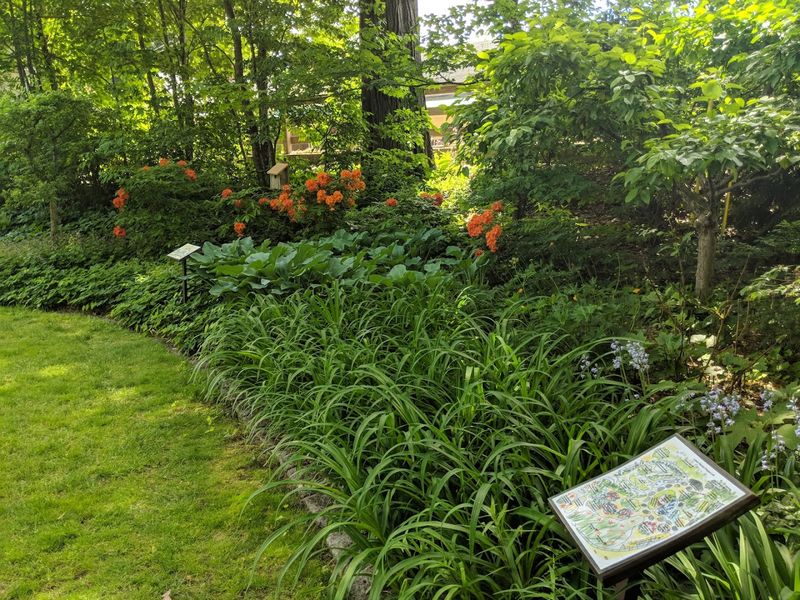
One acre does not sound like much until you are actually walking through Kirkwood Gardens and realize how much variety has been packed into that space. The design separates the garden into distinct zones, with shade beds and sun beds each hosting their own cast of plants suited to northern New England’s demanding climate.
Granite steps connect the upper and lower sections of the garden, giving the layout a natural sense of elevation and flow. The transition between levels feels intentional rather than abrupt, and it encourages you to slow down and look around at each new vantage point.
A bluestone patio offers a scenic resting spot with views across the garden, and a pergola draped in climbing vines creates a shaded corridor that feels completely different from the open sun beds nearby. The variety of textures, heights, and light conditions within such a compact space is genuinely impressive, and it rewards a slow, unhurried pace far more than a quick walk-through ever would.
The Plants Are Labeled, and That Changes Everything
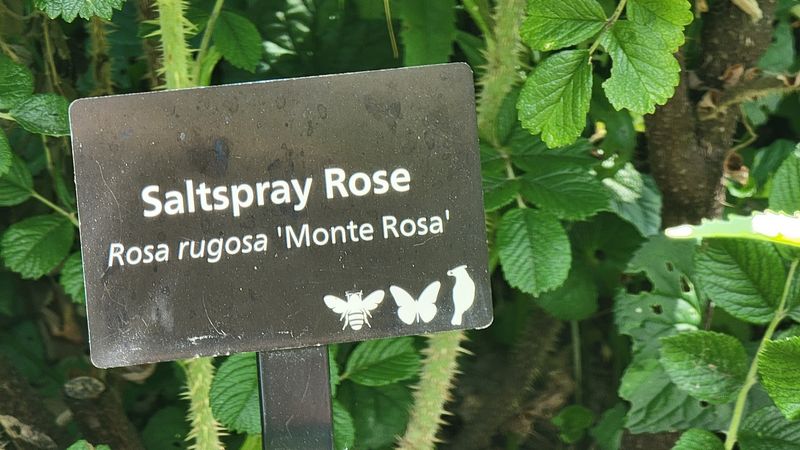
One of the details that separates Kirkwood Gardens from a simple decorative space is the fact that nearly every plant is labeled with a small informative sign. For anyone who gardens at home or has ever wondered what a particular flower or shrub is called, this feature alone makes the visit genuinely useful.
The labels do not just give names. They provide enough context to help you understand why a plant was chosen, how it behaves in the garden, and whether it might work in your own yard.
It is the kind of quiet, educational touch that you do not expect from a free public garden.
Garden clubs and casual visitors alike have noted how much they appreciate the labeling system, and it is easy to see why. You leave with a mental list of plants you want to try at home, which is a rare and practical souvenir.
The educational layer makes the garden just as interesting on a repeat visit as it was the first time around.
Bees, Butterflies, and Birds Are Part of the Design Plan
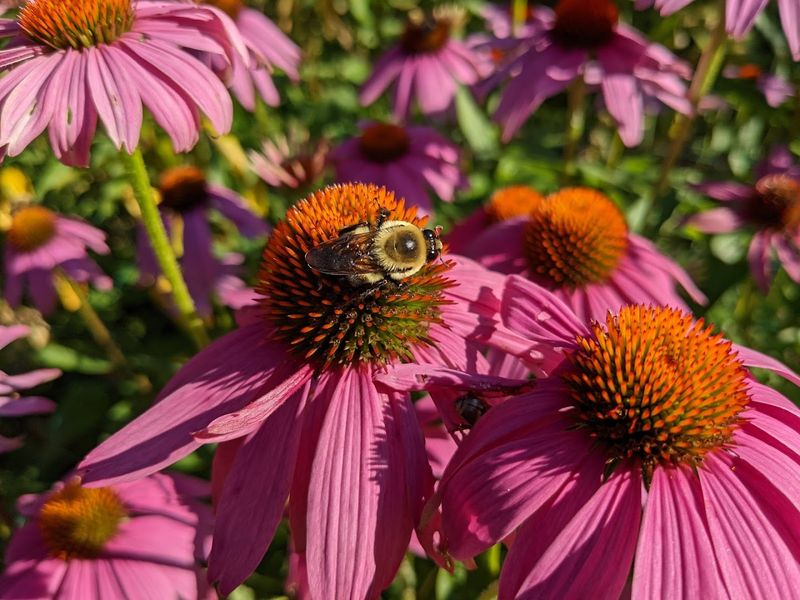
Kirkwood Gardens was not designed just to look beautiful from a distance. The plant selection was made with pollinators specifically in mind, which means the garden actively hums and flutters with life during the warmer months.
Bees move steadily through the flowering beds, butterflies drift between blooms, and birds visit regularly thanks to the mix of shrubs, trees, and open areas that provide food and shelter. Watching all of that activity while standing on the bluestone patio is one of those quiet pleasures that sneaks up on you.
The emphasis on attracting wildlife also means the garden changes noticeably throughout the season as different plants peak and different visitors arrive. A visit in early summer looks and sounds different from one in late August, and that shifting cast of pollinators keeps the garden feeling alive rather than static.
It is a place that rewards patience, and the wildlife element gives even non-gardeners something genuinely fascinating to watch.
The Sculpture, the Sundial, and the Millstone Fountain Worth Finding
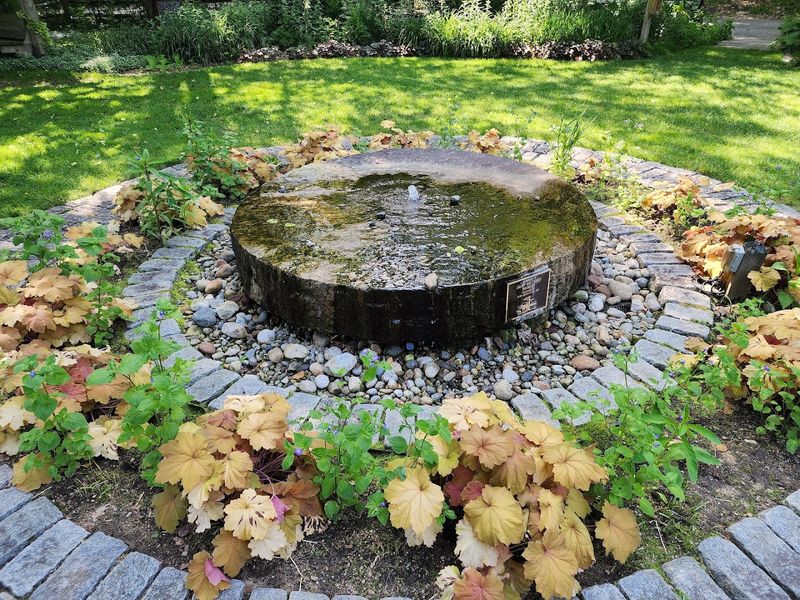
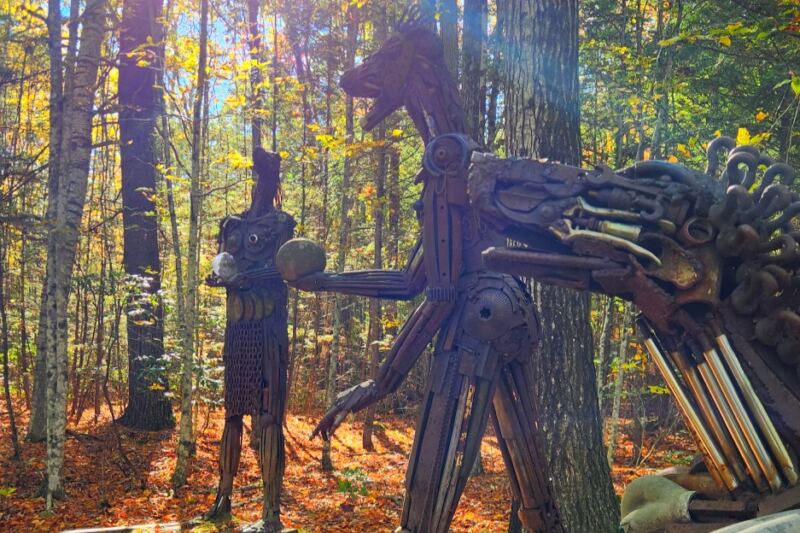
Beyond the plants themselves, Kirkwood Gardens contains a handful of carefully placed features that give the space personality and focal points to anchor your walk. A sculpture, a sundial, and a central millstone fountain are scattered through the garden in a way that feels purposeful rather than cluttered.
The millstone fountain is the kind of detail that stops you mid-stride. It sits at a natural gathering point in the garden and adds the gentle sound of moving water to the overall sensory experience.
Running water in a garden has a way of making everything feel calmer, and this feature earns its place completely.
The sundial and sculpture add a sense of history and craftsmanship to the space, reminding you that this garden was designed with care and intention rather than assembled randomly over time. Each decorative element feels like it belongs exactly where it is, which speaks to the thoughtfulness of Sunny Kirkwood’s original vision.
These details are easy to overlook on a quick pass, so take your time.
Free to Enter, Open Every Day, and Genuinely Well Kept
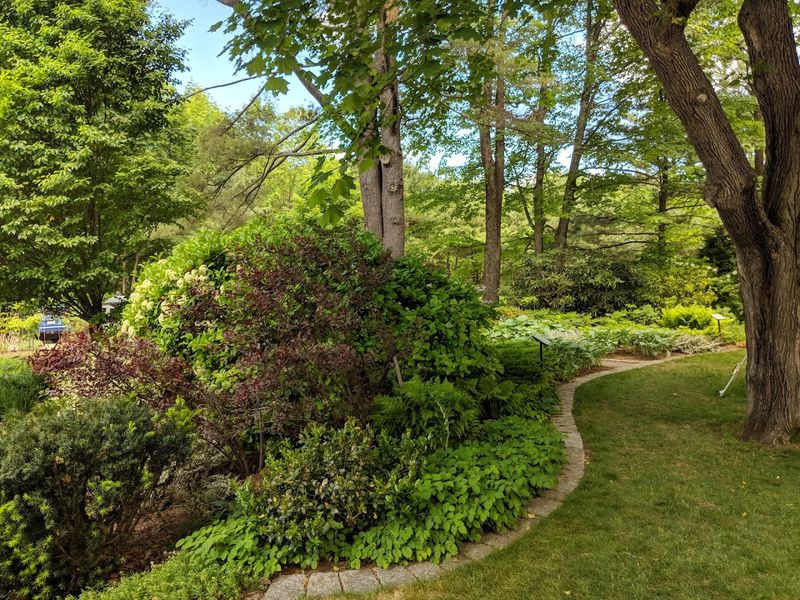
The fact that Kirkwood Gardens is free to enter every single day of the year, around the clock, is not something you expect from a garden this well maintained. A donation is appreciated but never required, and there is no gate, no ticket booth, and no schedule to work around.
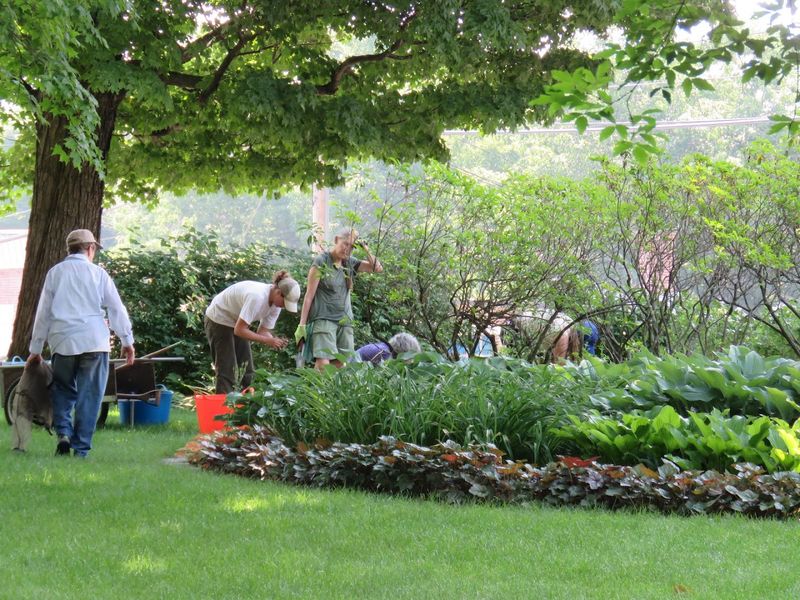
The garden is maintained largely by volunteers connected to the Squam Lakes Natural Science Center, which makes the quality of the upkeep even more remarkable. The beds are weeded, the paths are clear, and the plants are healthy, all without a paid grounds crew managing the space full time.
That volunteer-driven care gives the garden a community feel that you can actually sense while you are there. Nothing looks neglected, nothing feels rushed, and the overall impression is of a space that people genuinely love tending.
The phone number on file is 603-968-7194 if you want to call ahead with any questions, though the garden itself is always open and ready for visitors without any advance notice needed.
How the Squam Lakes Natural Science Center Fits Into the Picture
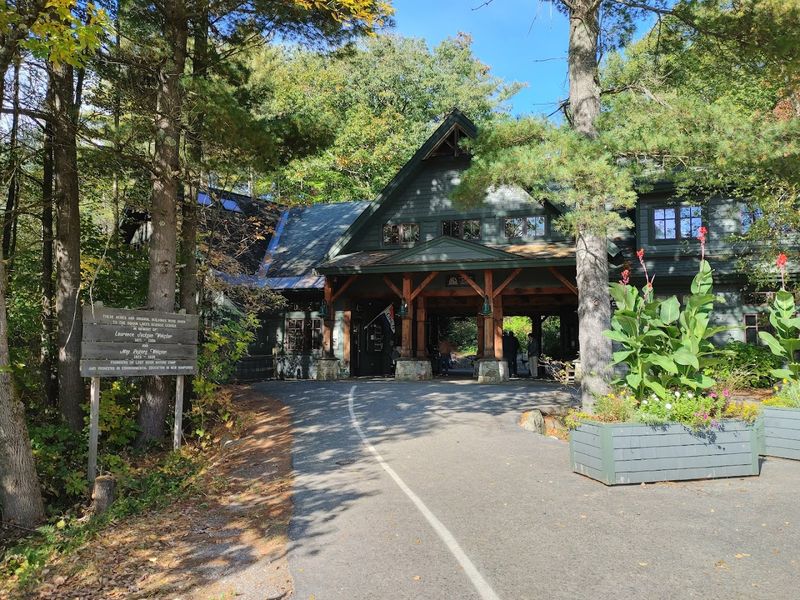
Kirkwood Gardens is part of the Squam Lakes Natural Science Center’s property, which is one of New Hampshire’s most respected nature education organizations. The science center focuses on native wildlife, natural habitats, and environmental learning, and the garden fits naturally into that educational mission.
What makes the garden especially accessible is that you do not need to pay the science center’s admission fee to visit. The garden operates as a separate, open-access space, which means you can enjoy it independently of whatever else is happening at the center on any given day.
The connection to the science center also explains why the garden is maintained with such care and why the plant labeling is so thorough. The whole space reflects the center’s commitment to helping people understand the natural world around them.
For visitors who want to extend their trip, the science center itself is nearby and offers a completely different but equally worthwhile experience, making Holderness a surprisingly full destination for a single afternoon outing.
What the Garden Looks Like Across Different Seasons
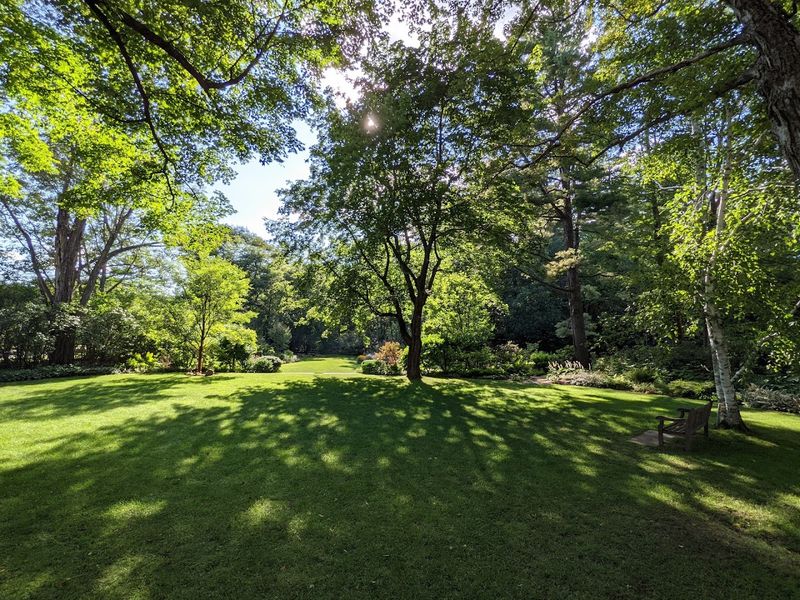
One reviewer made a point that stuck with me: the garden is worth visiting at almost any time of year to see what is in bloom or simply looking impressive. That kind of year-round appeal is not easy to achieve in northern New England, where winters are long and the growing season is compressed.
Spring brings early bulbs and the first flush of fresh foliage, while summer fills the sun beds with color and the shade beds with texture. By late summer, the pollinator plants are at their peak, and the whole garden has a full, layered look that photographs beautifully.
Even in the quieter months, the structure of the garden remains interesting. The granite steps, the pergola framework, the evergreen plantings, and the decorative features like the sundial and millstone fountain give the space visual interest even when the flowering plants have gone quiet.
The garden was clearly designed with all four seasons in mind, and that foresight shows in how well it holds up across the entire year.
Why Families Keep Coming Back Year After Year
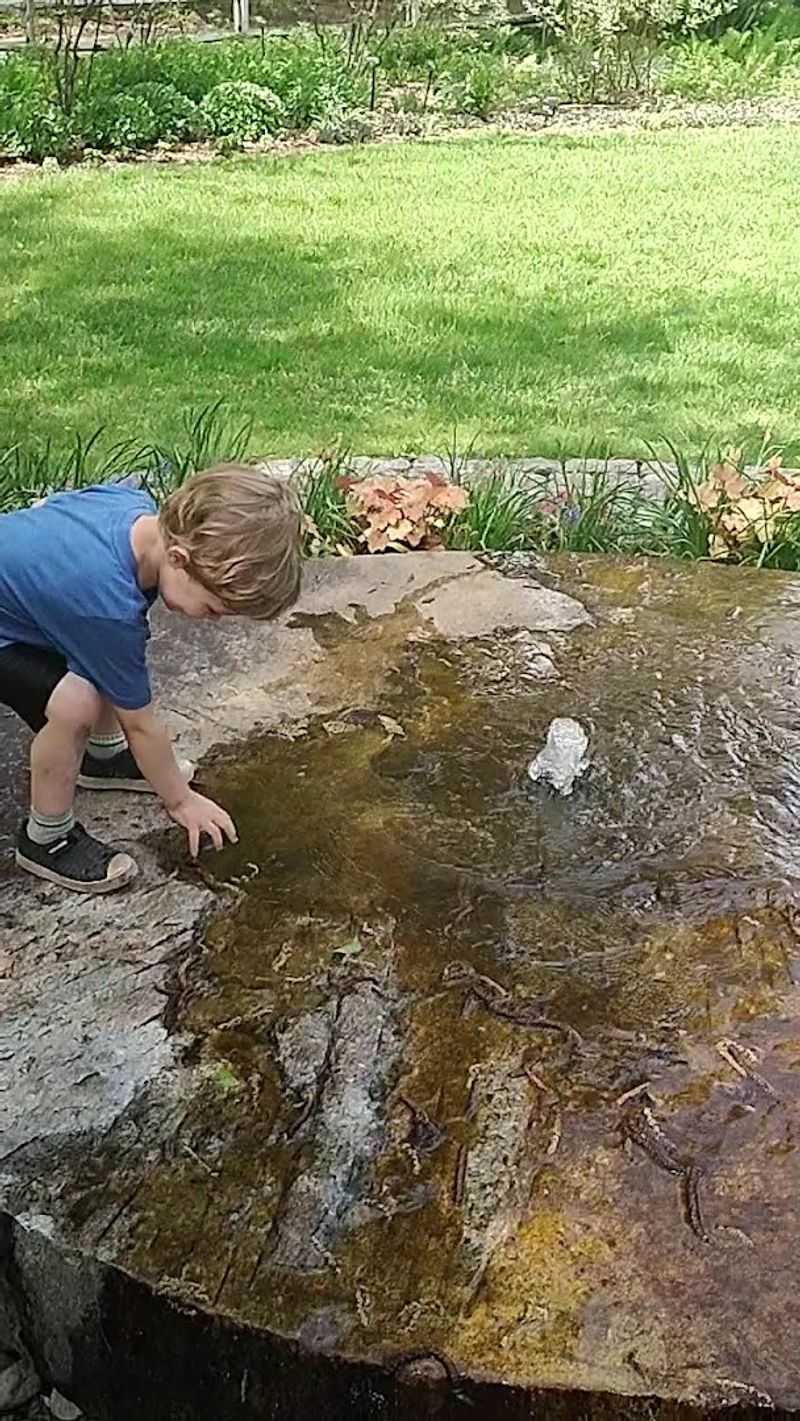
Some places earn their repeat visitors through novelty, but Kirkwood Gardens earns them through something more durable: a sense of calm that families genuinely want to return to. One family shared that they first brought their son when he was just six months old and have been returning ever since as he grows old enough to notice more with each visit.
The garden is stroller-friendly enough for young children and interesting enough for older kids who want to identify plants using the labeled signs. There is no admission pressure, no time limit, and no structured itinerary required, which makes the visit feel relaxed rather than obligatory.
Adults tend to drift at their own pace while children explore the paths and investigate the fountain. The garden is compact enough that no one gets too far from anyone else, which makes it genuinely comfortable for mixed-age groups.
That combination of accessibility, calm, and built-in learning opportunities explains why so many families treat it as a regular stop rather than a one-time curiosity.
Practical Tips for Getting the Most Out of Your Visit
A few small preparations can make your visit to Kirkwood Gardens noticeably better. Wear comfortable shoes with some grip, since the granite steps between the upper and lower garden areas can be slick after rain.
A light jacket is also worth bringing, since the shade beds stay cool even on warm days.
Bring a camera or make sure your phone is charged, because the garden offers a surprising number of strong photo opportunities. The pergola, the millstone fountain, and the flowering sun beds each provide a different kind of shot, and the light in the late afternoon is especially flattering.
If you want to take notes on plants for your own garden, a small notebook is genuinely useful given how thorough the labeling system is. The garden’s website at nhnature.org has additional information about current plantings and seasonal highlights if you want to time your visit for a particular bloom.
Most importantly, allow more time than you think you need, because the garden consistently surprises visitors who rush through it on their first pass.
Share this story