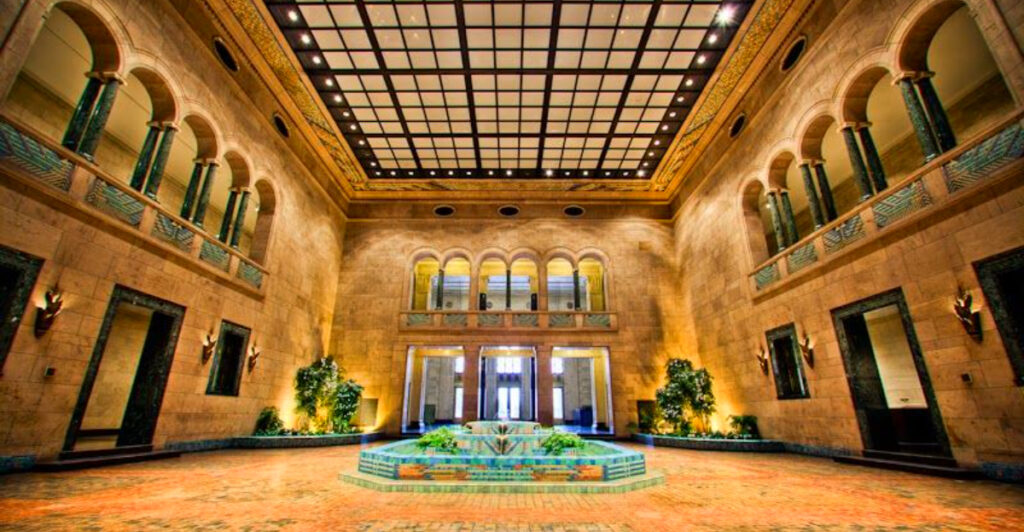
In the heart of Omaha, a remarkable museum invites visitors to explore more than 12,000 works of art spanning over 5,000 years, all without paying an admission fee. Guests come to admire masterpieces by Rembrandt, Monet, Degas, and other celebrated artists, stroll through peaceful sculpture gardens, and experience one of the Midwest’s finest art collections, but many leave just as impressed by the stunning architecture that blends a 1931 pink marble landmark with a striking contemporary expansion. It’s the kind of place where every gallery reveals another surprise.
The experience extends far beyond the artwork on the walls. Three acres of sculpture gardens, interactive creative spaces, rotating exhibitions, docent-led tours, a welcoming café, and beautifully designed galleries make it easy to spend an entire day exploring. Whether you’re an avid art enthusiast or simply searching for one of Nebraska’s best free attractions, it’s easy to understand why this museum has become one of the region’s true cultural treasures.
Here’s why Joslyn Art Museum has become one of the Midwest’s premier art museums and one of Omaha’s must-visit destinations.
A Grand Vision Born from Generosity
Some of the most enduring institutions in American history were built not by governments but by individuals who believed deeply in the power of community. The Joslyn Art Museum is one of those places, and its origin story is genuinely moving.
Sarah H. Joslyn donated more than three million dollars in 1928 to create an arts center in memory of her husband, businessman George A. Joslyn. She wanted the space to benefit the greatest number of Omaha residents possible, and that philosophy of open access has never wavered.
The museum, originally called the Joslyn Memorial, opened on November 29, 1931, operating under the nonprofit Society of Liberal Arts. It officially became the Joslyn Art Museum in 1987. What started as one woman’s tribute to her late husband has grown into one of the most respected cultural institutions in the entire Midwest, and Sarah’s founding wish, that any good it creates should go on and on, feels very much alive today.
The Address That Anchors a Cultural Neighborhood
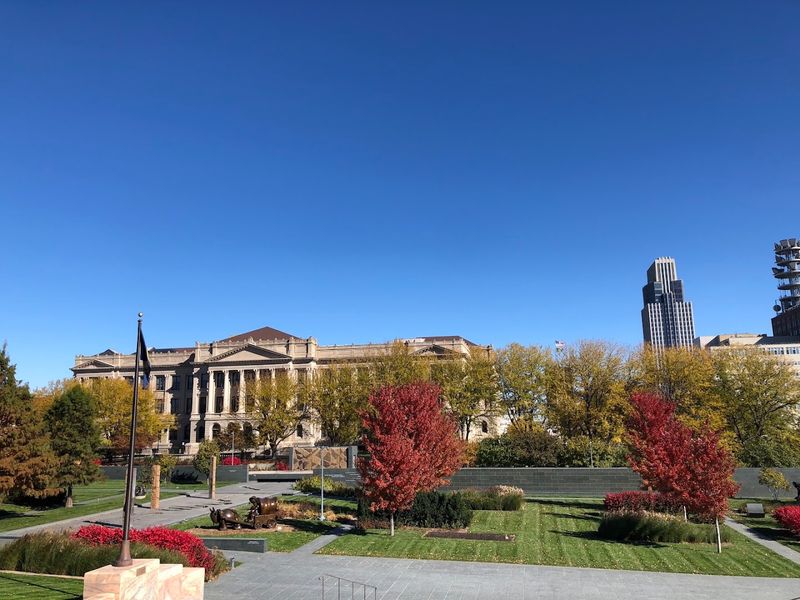
The museum sits at 2200 Dodge Street, Omaha, Nebraska 68102, right in the heart of the city’s vibrant Midtown neighborhood. The surrounding area is exactly the kind of place where you want to spend an afternoon, with tree-lined streets, classic architecture, and a relaxed energy that feels both residential and culturally alive.
Free on-site parking is available on a first-come, first-served basis, which is a welcome relief in any urban setting. Metro Transit’s 24th and Dodge ORBT Station is also a short walk away for those who prefer public transportation, and bicycle racks are available for cyclists who want to lock up and explore.
A covered drop-off area sits directly in front of the main entrance, and wheelchair-accessible entrances connect to all interior spaces via elevators. The museum’s phone number is plus one 402-342-3300, and its website at joslyn.org is packed with practical planning information. The location alone, close to the Omaha Community Playhouse and Midtown Crossing, makes this a natural anchor for a full cultural day out.
Pink Marble, Art Deco, and a Building That Made History
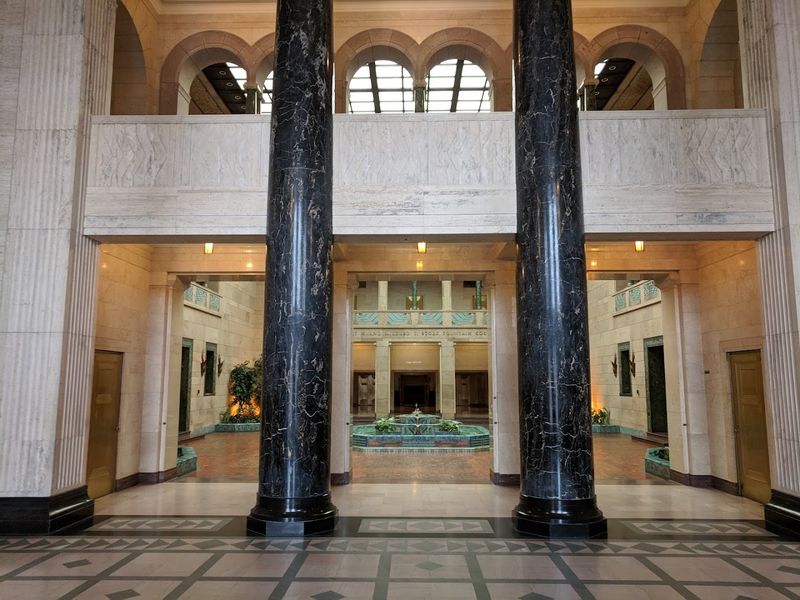
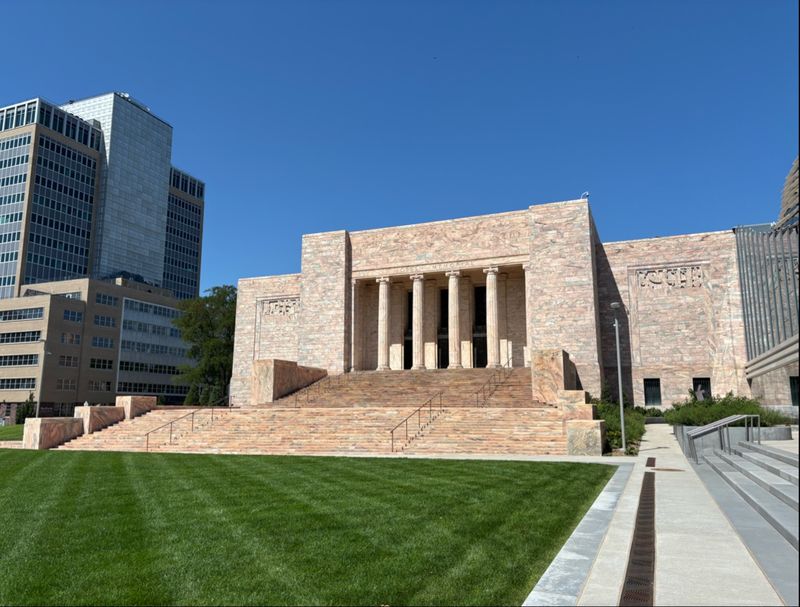
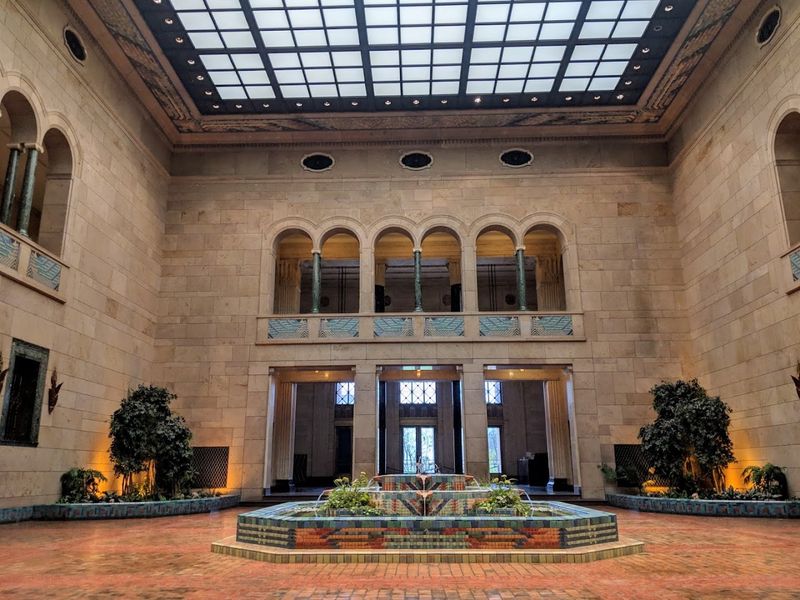
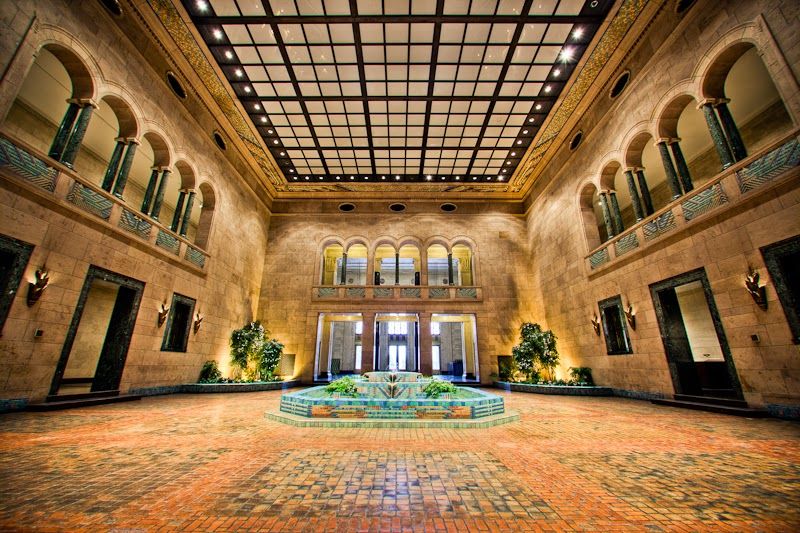
Before you even set foot inside, the original 1931 building stops you in your tracks. Designed by the father-and-son team John and Alan McDonald, the structure is clad in rare, soft pink Georgia marble that catches the light in a way that feels almost theatrical depending on the time of day.
The design draws from Egyptian temple architecture, Art Moderne motifs, and even elements of the Nebraska State Capitol building. It is a bold visual statement, and the architectural world noticed early. By 1938, the building had been recognized as one of the one hundred finest buildings in the United States.
The friezes carved into the exterior depict scenes of the Great Western Migration, giving the building a narrative quality that goes far beyond decoration. Every carved panel tells part of a story, and standing on the sidewalk reading those stone images before walking inside felt like a proper introduction to everything the museum stands for. The building itself is a collection piece.
Norman Foster, Snohetta, and the Architecture of Three Eras
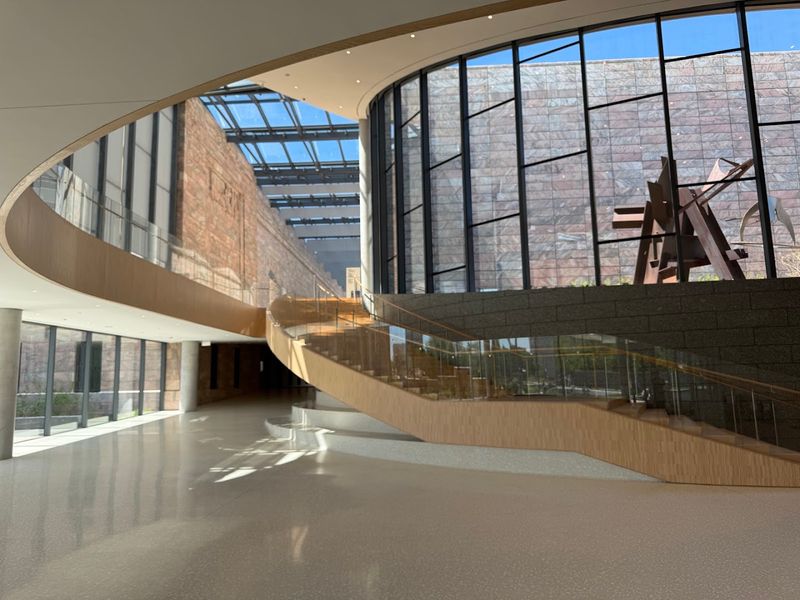
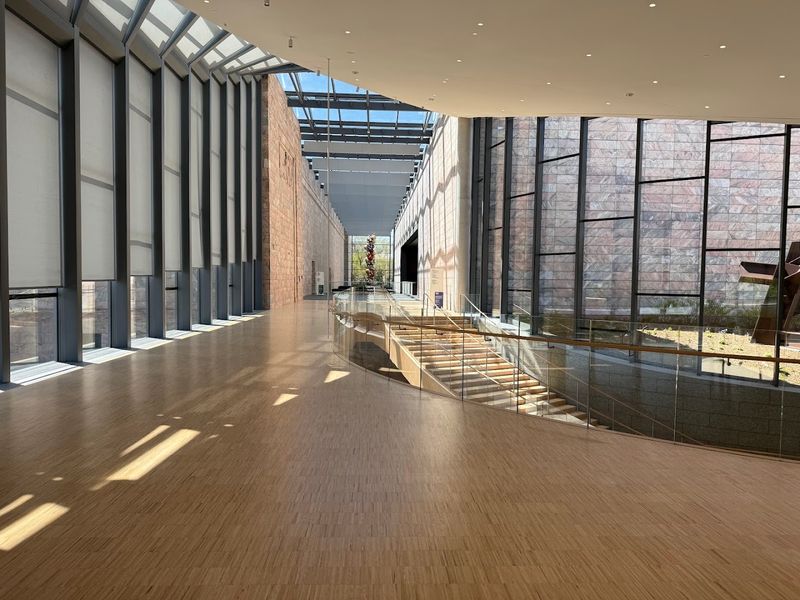
Not many museums can claim architecture from three distinct eras, each designed by world-renowned talents, but the Joslyn pulls it off with remarkable cohesion. The 1994 Walter and Suzanne Scott Pavilion was designed by celebrated British architect Norman Foster, whose rectilinear forms and soaring interior spaces connect seamlessly to the original 1931 structure.
Then came the Rhonda and Howard Hawks Pavilion, completed in September 2024 and designed by the international firm Snohetta in partnership with local firm Alley Poyner Macchietto Architecture. This 42,000-square-foot addition features a curvilinear facade of interlocking panels and a light-filled atrium that evokes the cloud formations rolling across the Great Plains.
The Hawks Pavilion is also LEED Gold certified, reflecting a genuine commitment to sustainable design. Internationally, the expansion earned recognition as one of the world’s seven most beautiful museum openings, as named by Prix Versailles. Three buildings, three eras, one unified campus, and somehow it all feels like it belongs together.
More Than 12,000 Works and 5,000 Years of Human Creativity
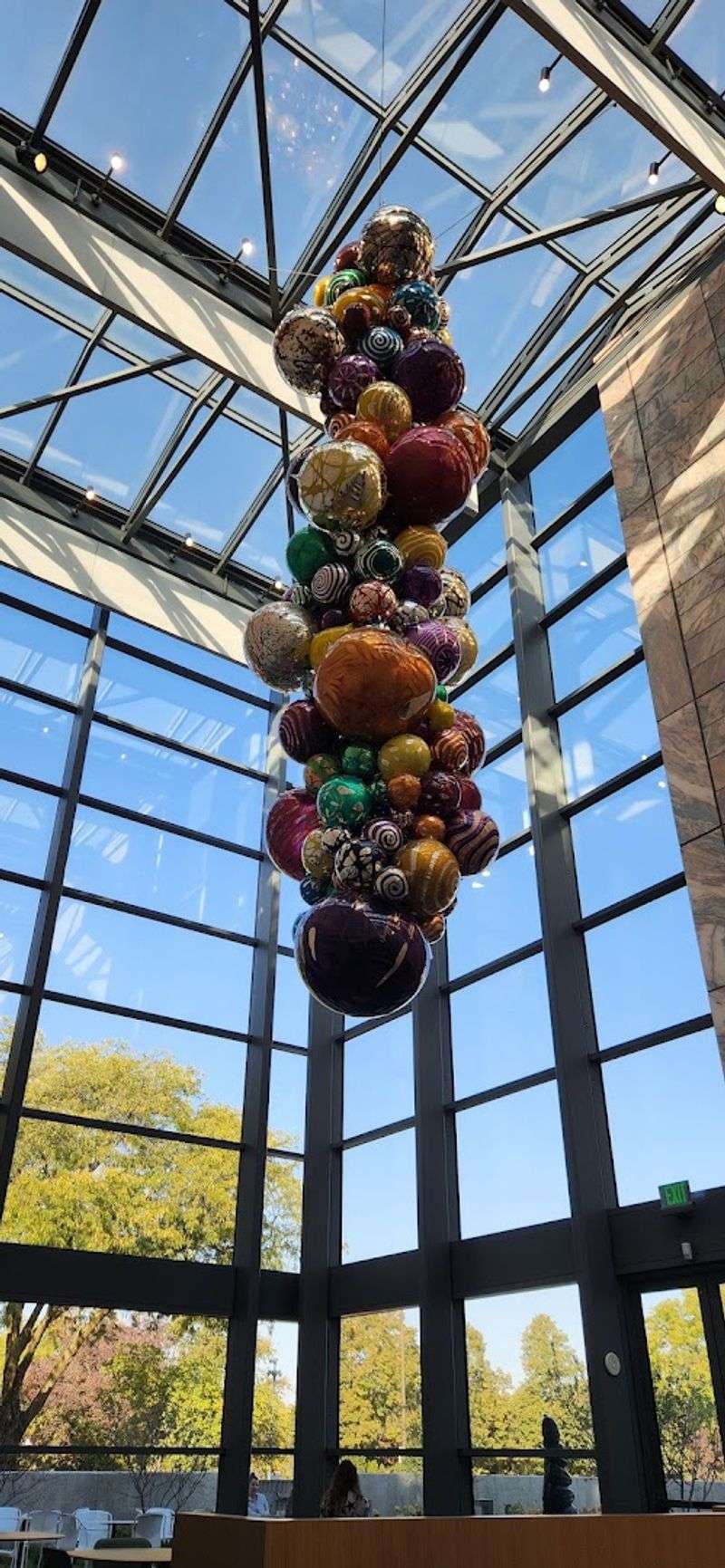
The permanent collection at this museum is the kind that takes multiple visits to fully absorb. With over 12,000 objects representing more than 5,000 years of human creativity, the range is genuinely staggering for a museum outside one of the country’s major coastal cities.
European art galleries feature works by Titian, El Greco, Rembrandt, Monet, Degas, Renoir, and Turner, among others. Ancient Mediterranean holdings include Greek pottery and Egyptian artifacts, while dedicated Chinese and Japanese art sections add further global depth to the collection.
The contemporary wing, greatly expanded by the new Hawks Pavilion, showcases dynamic installations and sculptures from both emerging and established artists, including significant works from the Phillip G. Schrager Collection of Contemporary Art. Over 30 galleries connect ancient to modern without ever feeling rushed or cluttered. Picking up a map at the Welcome Desk is genuinely useful here, because the layout is extensive enough that wandering without one means you will almost certainly miss something worth seeing.
The American West Collection: A Frontier Told Through Art

Few collections in the country tell the story of the American West with as much depth and visual power as the one housed here. The American West Collection offers a compelling narrative of westward expansion and indigenous cultures through paintings, sculptures, and historical artifacts that feel both educational and emotionally resonant.
George Catlin’s extensive Indian Gallery is a particular highlight, documenting Native American life and culture with a level of detail that historians and art lovers alike find invaluable. Works by Frederic Remington and Karl Bodmer, whose paintings documented the 1830s Missouri River frontier, round out a collection that functions almost as a visual archive of a defining chapter in American history.
The original 1931 building also incorporates architectural details that honor Plains Indian culture, including abstracted thunderbird motifs and a majestic Sioux warrior sculpture near the entrance. This layering of tribute, from the stonework outside to the canvases inside, gives the American West Collection a sense of place that no other museum in the region quite replicates.
Sculpture Gardens That Belong on Any Outdoor Art Lover’s List
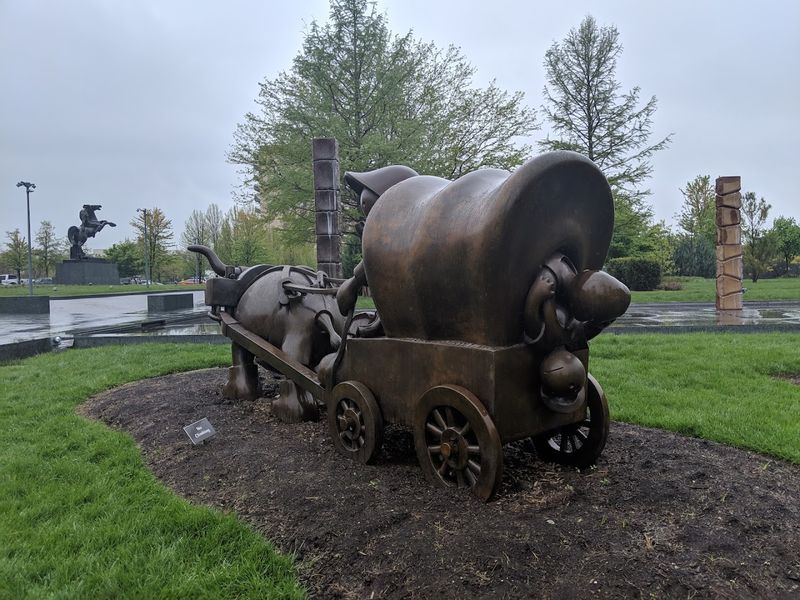
There is something quietly wonderful about discovering that a world-class museum also has three acres of outdoor sculpture gardens that are completely free and open to the public, even when the museum itself is closed. The Peter Kiewit Foundation Sculpture Garden and the Dorothy and Stanley Truhlsen Discovery Garden are thoughtfully designed as a series of open-air rooms with winding pathways and native Nebraska plantings.
Large-scale works by Auguste Rodin, Jun Kaneko, and Tom Otterness are placed throughout, each positioned to interact with the surrounding landscape and the museum’s buildings in ways that feel intentional rather than incidental. The use of indigenous grasses and meadow plantings adds a distinctly regional character that connects the gardens to the broader Great Plains environment.
The 2024 expansion revitalized all three acres, bringing fresh energy to spaces that were already beloved by locals. Spending time outside before heading into the galleries is a genuinely good strategy, and more than a few visitors end their tours back outside, reluctant to leave the calm that those garden paths provide.
Free Admission and What That Actually Means for Visitors
General admission to the Joslyn Art Museum is always free, made possible through the generous support of the Holland Foundation. That single fact changes the entire character of a visit, because you can come for an hour without feeling like you need to justify the trip, or you can spend a full day without any pressure to rush through the galleries.
Some special exhibitions do require a paid ticket for visitors aged 13 and older, though children 12 and younger are always admitted free to those as well. The museum is open Tuesday through Sunday from 10:00 AM to 4:00 PM, with extended evening hours until 8:00 PM on Thursdays. It is closed on Mondays, so that detail is worth building your plans around.
Water bottles are welcome, and outside food and snacks can be enjoyed in the sculpture gardens, though food and beverages stay out of the galleries. Free lockers near the Welcome Desk handle larger bags, umbrellas, and anything else you would rather not carry through 30 galleries of art.
Hands-On Creativity for Every Age Group
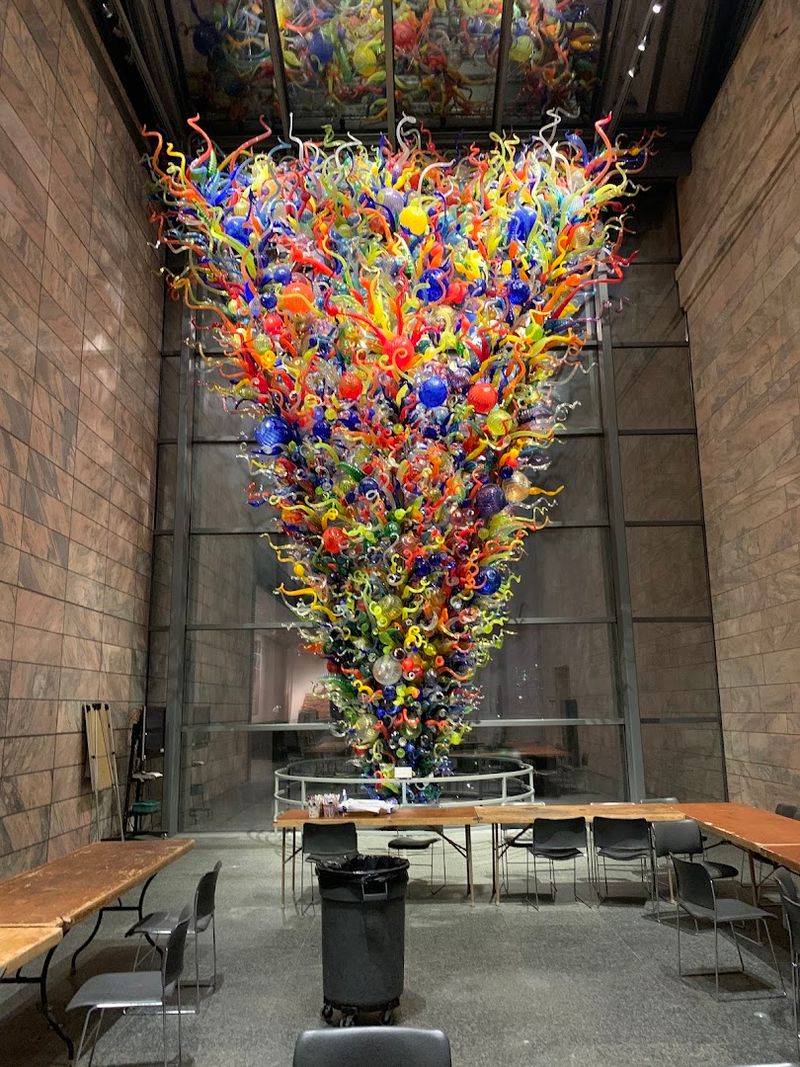
Not every museum makes a serious effort to engage visitors beyond passive observation, but the Joslyn takes an impressively active approach to creative participation. The ART WORKS: A Place for Curiosity space is a dedicated hands-on area featuring nine creative stations and rotating art-making options that change regularly to keep the experience fresh.
Younger visitors tend to gravitate here immediately, and it is easy to understand why. The space is designed to encourage experimentation and play in a way that feels genuinely open-ended rather than prescriptive. Adults get just as absorbed as children once they sit down at a station, which says a lot about how well the space is conceived.
Beyond the interactive zone, the museum offers art classes in painting, drawing, and sculpture for individuals looking to develop their own skills. School group programs, artist talks, and workshops round out an educational calendar that keeps the museum feeling like a living, breathing community resource rather than a static repository of objects. The next section might just change how you think about museum dining.
Docent Tours, the Museum App, and Finding Your Own Path
Whether you prefer a structured narrative or the freedom to wander wherever curiosity takes you, the Joslyn accommodates both approaches without making either feel like the lesser option. Public docent-led tours run on Fridays and Saturdays at 1:00 PM and on Sundays at 2:00 PM, with no prior registration required.
These drop-in tours are a genuinely useful way to build visual literacy and learn the stories behind works that might otherwise be easy to walk past. Docents here have a knack for making art history feel relevant rather than academic, which is a skill that not every institution manages to cultivate.
For self-guided visitors, the museum’s app provides detailed information about each exhibit along with interactive features that enrich the experience at your own pace. With over 30 galleries spanning ancient to contemporary art, a single visit rarely feels complete, and that sense of there always being more to discover is one of the Joslyn’s most appealing qualities. The cafe waiting at the end of your tour is a very welcome reward.
A Community Cornerstone With a Legacy That Keeps Growing
What strikes you most after a full visit to the Joslyn is not any single painting or sculpture but the cumulative sense that this institution genuinely belongs to the people of Omaha. Sarah Joslyn’s original wish, that whatever good the museum creates should go on and on, reads less like a historical footnote and more like an active operating principle.
The 2024 Hawks Pavilion expansion added 42,000 square feet of galleries, studio classrooms, and multi-purpose community rooms, significantly increasing the museum’s capacity for exhibitions and programming. The revitalized gardens, new educational spaces, and expanded contemporary art holdings all point to an institution that is not resting on a distinguished history but actively building on it.
The Joslyn holds a 4.7-star rating across nearly 3,000 reviews, and the consistency of that praise across first-time visitors and longtime Omaha residents alike tells its own story. Few cultural institutions in the Midwest have managed to be simultaneously world-class and deeply local, and the Joslyn makes that balance look almost effortless.
Share this story