In Doylestown, one of Pennsylvania’s most celebrated art museums occupies a place few visitors would expect: the grounds of a former 19th-century prison. Today, those historic stone walls surround the world’s largest public collection of Pennsylvania Impressionist paintings, an award-winning glass pavilion, a sculpture garden, and galleries that showcase both regional treasures and nationally recognized artists. It’s a transformation that makes the museum as memorable for its setting as it is for the art inside.
The experience goes well beyond paintings. Visitors can explore a peaceful sculpture garden built inside the former prison yard, step into a serene reading room filled with handcrafted furniture by George Nakashima, and discover changing exhibitions that keep every visit different. Whether you’re an art enthusiast or simply looking for one of Pennsylvania’s most distinctive cultural attractions, this museum offers a story unlike any other in the state.
Here’s why the James A. Michener Art Museum has become one of Pennsylvania’s premier art destinations and a must-visit stop in Bucks County.
A Grand Unveiling: The Museum’s Origins and Address
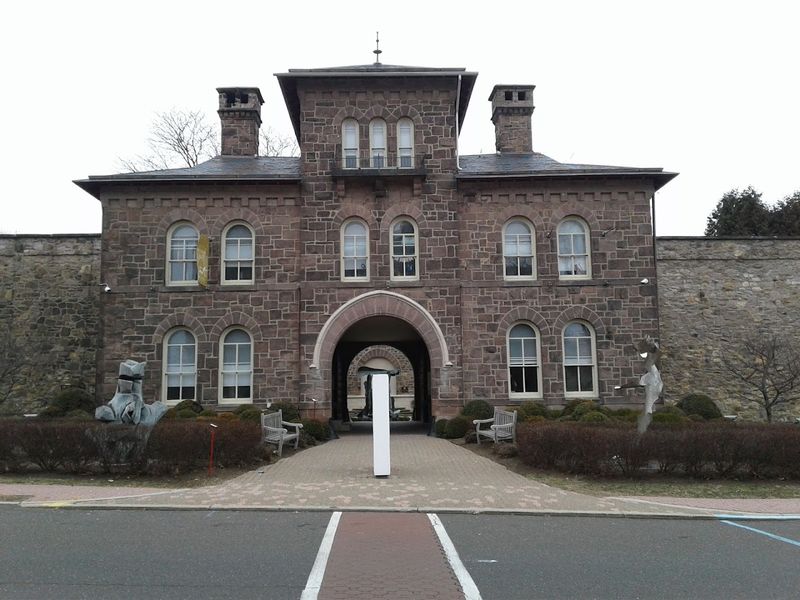
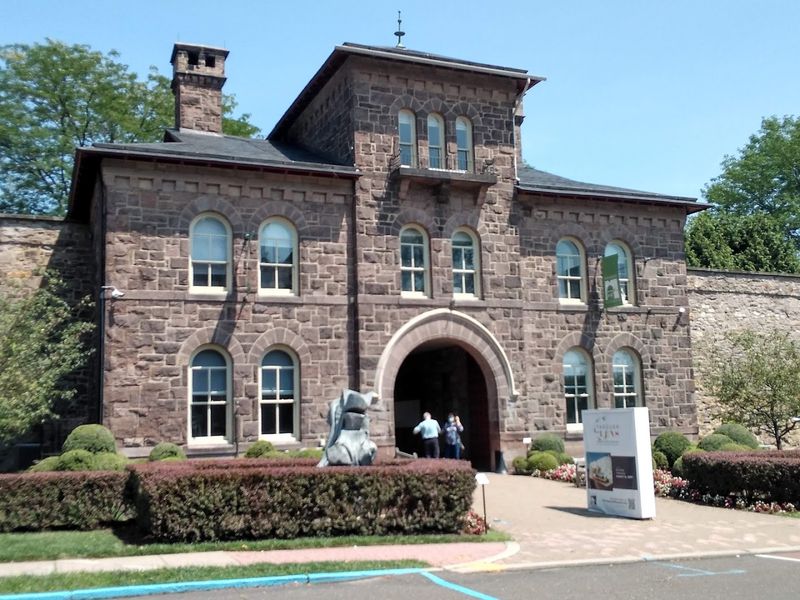
Few museums carry their address with as much gravitas as this one. The James A. Michener Art Museum stands at 138 South Pine Street, Doylestown, Pennsylvania 18901, occupying the grounds of the former Bucks County Prison, a structure that first opened in 1884 and closed exactly a century later in 1985.
Founded in 1988, the museum was named after Doylestown’s own Pulitzer Prize-winning author, James A. Michener, whose personal endowment of $8.5 million and donated artworks made the entire vision possible. Architects O’Donnell and Naccarato, Inc. led the thoughtful renovation, converting the warden’s house and prison control buildings into office and gallery spaces while preserving the original stone walls.
The result is a destination that announces its complexity before you even walk through the door. History and creativity share every square foot here, and that layered quality is exactly what makes the first impression so memorable. You can reach them at 215-340-9800 or visit michenerartmuseum.org for current details.
From Prison Yard to Sculpture Garden: The Outdoor Experience
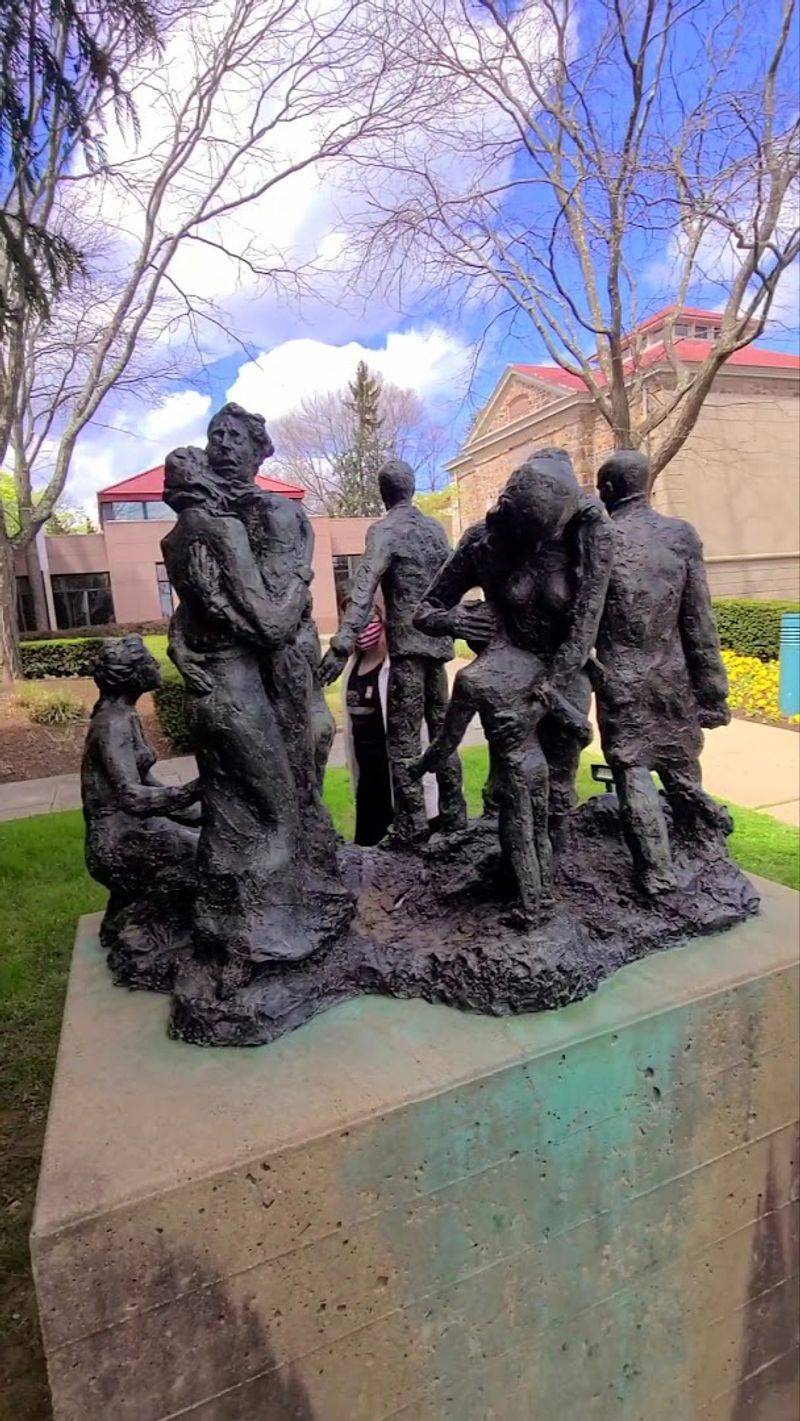
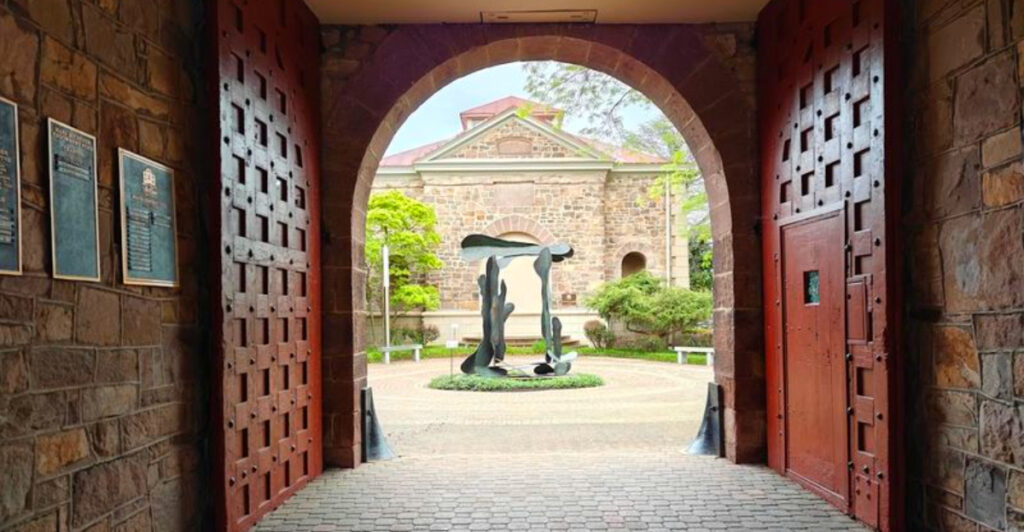
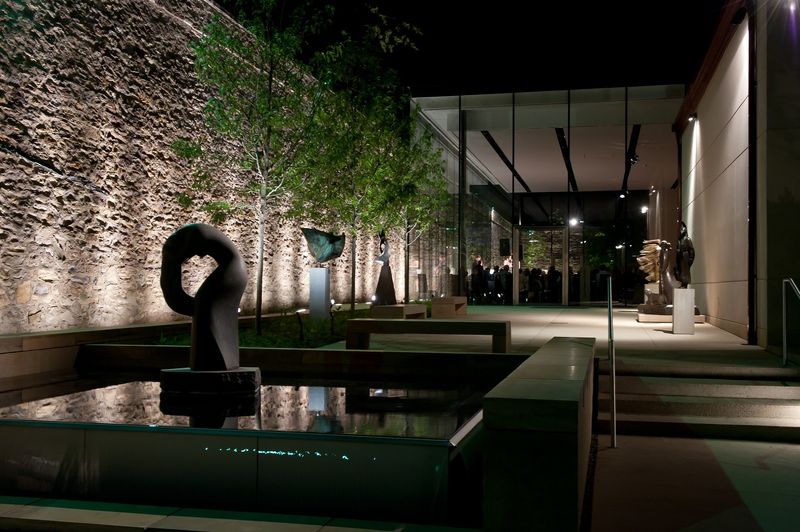
The prison yard, once a place of strict routine and limited movement, has become one of the most peaceful outdoor art spaces in Bucks County. The Patricia D. Pfundt Sculpture Garden fills this enclosed courtyard with contemporary sculptures that interact beautifully with the ancient stone walls surrounding them.
Natural light plays across the works differently depending on the season, and the changing conditions make repeat visits genuinely rewarding. Strolling through, you encounter pieces in bronze, steel, and stone, each positioned to invite quiet reflection rather than hurried observation.
The museum’s outdoor realm also includes a labyrinth at the corner of Pine Street and Ashland, a single winding path designed not to confuse but to center. Unlike a maze, a labyrinth leads you inward and back out again, functioning almost as a meditative pause before or after your gallery time. The outdoor experience here rivals the interior galleries in its ability to slow you down and make you look more carefully at the world around you.
The Glass Pavilion That Stops You in Your Tracks
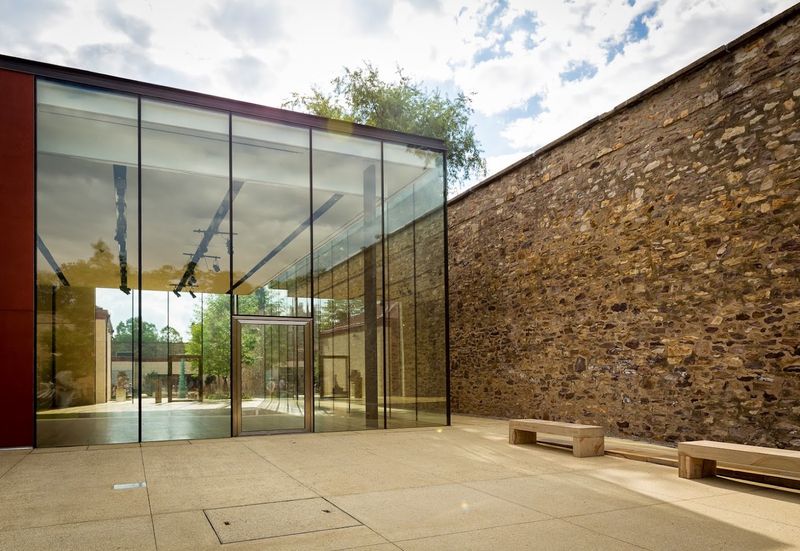
Emerging from the stone courtyard, a structure appears that feels almost impossible in context: the Edgar N. Putman Event Pavilion, completed in 2012 and designed by the acclaimed firm KieranTimberlake. This 2,500-square-foot glass building earned the American Institute of Architects Philadelphia Gold Merit Award the same year it opened, and it earns every bit of that recognition.
Enormous self-supporting insulated glass panels create a nearly transparent enclosure that reflects the sky above and the stone walls around it. The effect is striking, a contemporary statement that does not compete with its historic surroundings but instead amplifies them.
The pavilion divides the sculpture garden into two distinct zones: one with an urban hardscape and cafe seating, the other a more pastoral green lawn with a water feature. Events held here, from weddings to educational programs to evening performances, benefit from both the visual drama and the technical sophistication built into the space. It is a room that genuinely changes how you see everything standing outside it.
Pennsylvania Impressionism: The Collection That Defines the Museum
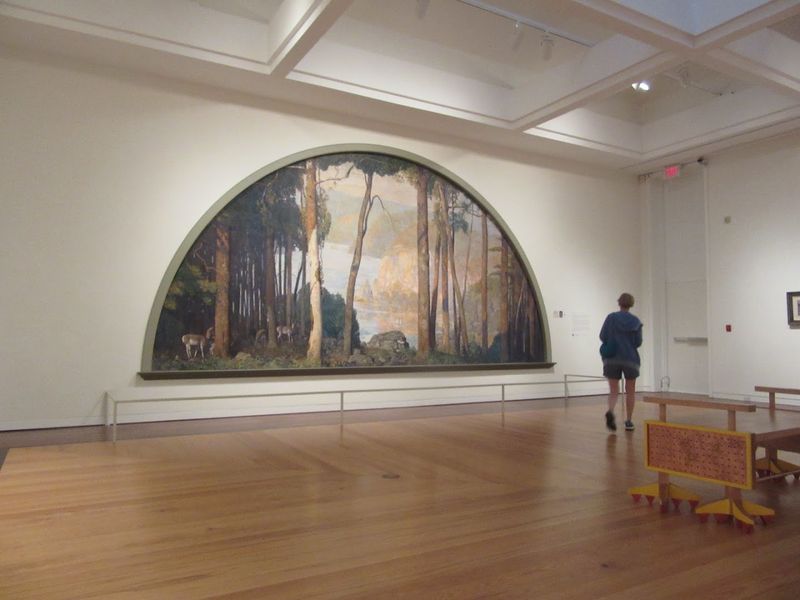
The Michener Art Museum holds the largest public collection of Pennsylvania Impressionist paintings in the world, and that fact alone is worth the trip. Artists like Edward W. Redfield, William L. Lathrop, Fern Coppedge, George Sotter, and Daniel Garber arrived in Bucks County around the turn of the 20th century, drawn by the picturesque Delaware Valley landscape.
Their plein air approach produced canvases that capture the nuanced light of winter mornings, autumn riverbanks, and sun-drenched summer pastures with a warmth that photographs simply cannot replicate. Garber’s monumental 22-foot mural, “A Wooded Watershed,” originally commissioned for the 1926 World’s Fair in Philadelphia, anchors the collection as a centerpiece that commands the room.
These paintings are not just beautiful objects; they are historical records of a landscape that has changed significantly since the artists captured it. Spending time with this collection connects you to a specific place and a specific moment in American art history that is rarely documented with such depth and affection anywhere else.
The Prison Walls Still Speak: History Embedded in the Architecture
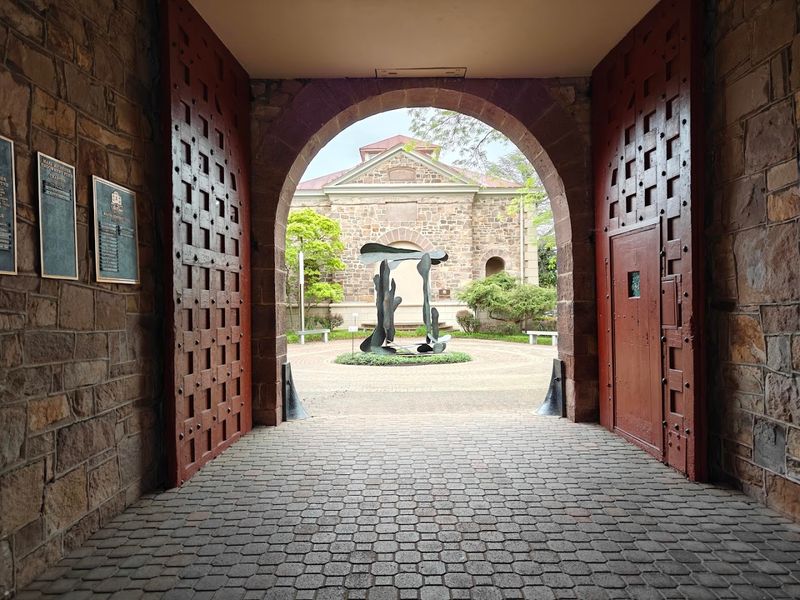
Architect Addison Hutton designed the original Bucks County Prison in 1884 using a blend of Italianate and Romanesque Revival styles, drawing inspiration from Philadelphia’s Eastern State Penitentiary. The Quaker philosophies of penitence and quiet reflection shaped the design from the ground up, and those intentions are still readable in the stonework today.
One of the more sobering architectural details involves the cell doorways, which were deliberately built low to compel inmates to bow their heads upon entering, a physical reinforcement of humility. The museum does not hide this history; it honors it. An outdoor exhibit on the grounds lets visitors experience the dimensions of a single prison cell firsthand, making the past tangible in a way that no wall text can fully achieve.
Wandering through the museum with this knowledge changes how you see the space. The galleries feel more meaningful when you understand what stood here before, and the art on the walls carries an extra layer of resonance when framed by walls that once defined the limits of human freedom. History here is not a backdrop; it is a conversation partner.
George Nakashima’s Reading Room: Where Wood Becomes Art
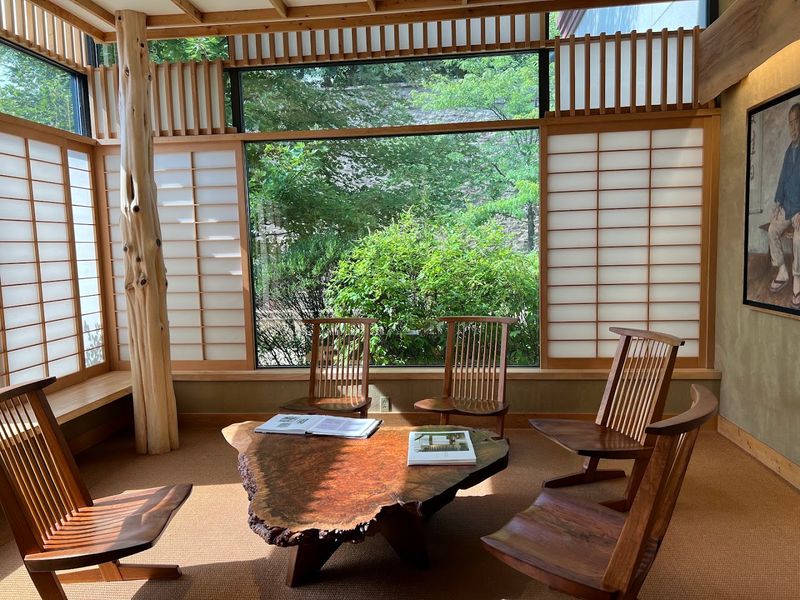
Tucked within the museum’s galleries is a space that operates on an entirely different frequency from everything around it. The George Nakashima Reading Room, commissioned in 1992 and designed by Nakashima’s daughter Mira, is a serene Japanese-influenced interior filled with the master woodworker’s distinctive handcrafted furniture.
George Nakashima was a Bucks County resident who became one of the most celebrated figures in American studio furniture, renowned for his organic forms and his deep reverence for the natural character of wood. Each piece in the reading room invites you to slow down and notice the grain, the texture, and the deliberate choices that transform raw material into something quietly extraordinary.
The room functions as both gallery and sanctuary, a place where visitors can sit, breathe, and reconnect with the tactile pleasures of beautifully made objects. The broader studio craft collection also features works by Wharton Esherick and Phillip Powell, expanding the conversation about what art can be and who gets to make it. After the sensory richness of the painting galleries, this room feels like a long exhale.
Special Exhibitions That Keep the Experience Fresh
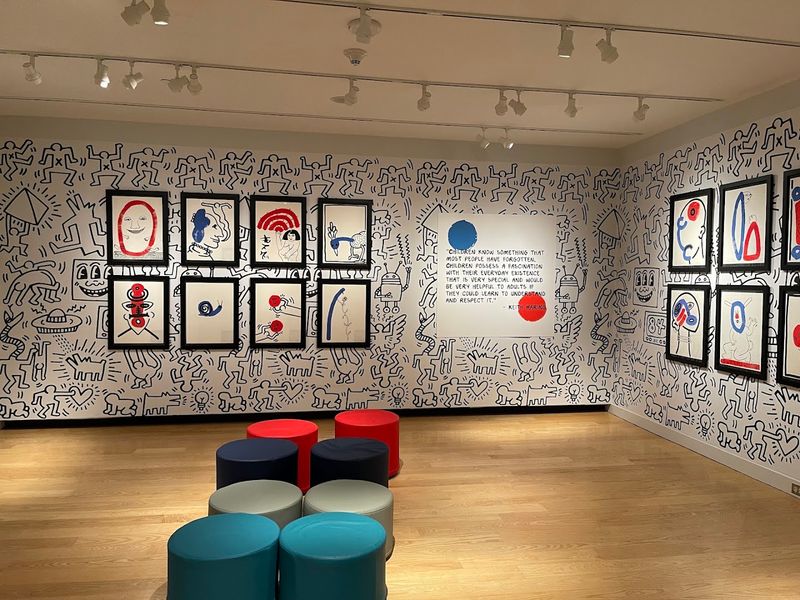
The permanent collection is reason enough to visit, but the Michener Art Museum’s rotating special exhibitions ensure that regular visitors always have something new to discover. Past shows have featured nationally recognized figures including Pop Art icon Keith Haring and National Geographic photographer Steve McCurry, each exhibition thoughtfully connected to broader themes of creativity and cultural identity.
More recent programming has expanded the museum’s scope considerably. The 2023 acquisition of Holly Wilson’s monumental sculpture “Bloodline” reflects a commitment to Indigenous voices and perspectives, specifically honoring the Lenape people, the original inhabitants of this land. Upcoming exhibitions like “Charlotte Schatz: Industrial Strength” and “Yesterday’s Dreams Are Real,” celebrating Black art, demonstrate that the museum’s curatorial vision continues to evolve.
The Eric Carle exhibit, which drew families with young children, showed that the museum can shift its tone without losing its quality. A total of 62 new artworks entered the collection in 2023 alone, keeping the dialogue between past and present genuinely alive. There is always a reason to come back, and the museum seems to count on that.
The Judith Schaechter Stained Glass Installation: A Cathedral for One
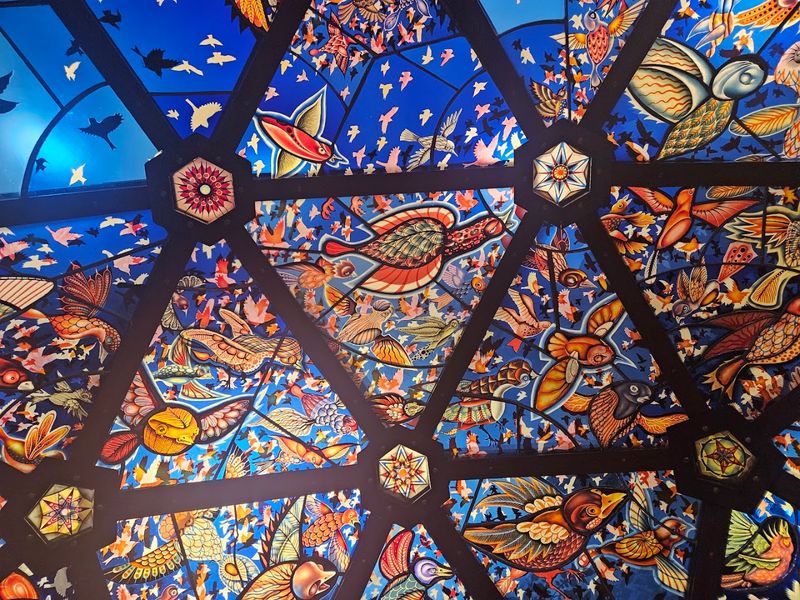
Debuted in April 2025, Philadelphia artist Judith Schaechter’s “Super/Natural” installation is one of the most unexpected things you will find in any museum, let alone one housed in a former prison. The piece has been described as a tiny cathedral, a built structure just large enough for a single person, roughly the dimensions of a large phone booth.
Inside, a domed ceiling and surrounding walls of stained glass depict blooming flowers, decaying organic matter, and the rich soil beneath, creating a meditative space that sits at the intersection of art and spirituality. The experience is designed to be intimate and personal, a deliberate contrast to the communal nature of the larger galleries.
Entering the structure alone, surrounded by light filtered through colored glass, produces a genuinely surprising emotional response. It is the kind of work that is difficult to describe accurately because the physical experience of being inside it carries most of the meaning. This installation is a strong example of how the Michener continues to take creative risks that reward curious visitors willing to engage on the work’s own terms.
Practical Tips for Planning Your Visit
The museum keeps clear and consistent hours: Wednesday through Saturday from 10 a.m. to 5 p.m., and Sunday from noon to 5 p.m. It remains closed on Mondays and Tuesdays. Admission is $15 for adults, $13 for seniors, $8 for college students, $5 for youth ages 6 to 18, and free for children 5 and under.
One of the best-kept open secrets is that admission is completely free on the second Sunday of every month, making the museum accessible to a much wider audience. Free parking is available in the adjacent public library lot, and SEPTA Regional Rail connects Doylestown Station to the museum with a short walk along West Ashland Street to Pine Street.
The museum’s cafe, Mama Hawk’s, serves coffee, tea, and light snacks, with indoor and outdoor seating options in the courtyard. Saturday morning Spotlight Tours offer focused looks at specific parts of the collection, while afternoon Highlights Tours provide a broader overview. Calling ahead at 215-340-9800 or checking michenerartmuseum.org before your visit ensures you catch any special programming worth planning around.
Doylestown as a Cultural Destination Beyond the Museum
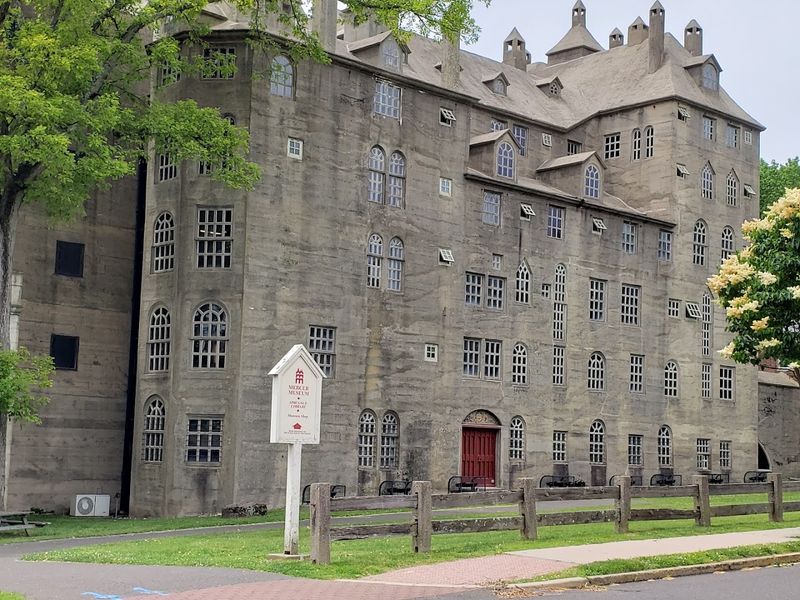
A visit to the Michener fits naturally into a broader exploration of Doylestown, a borough that punches well above its weight in cultural offerings. The Mercer Museum, just a short walk away, houses Henry Chapman Mercer’s vast collection of pre-industrial American artifacts, while Fonthill Castle and The Tileworks round out a trio of Mercer-related landmarks that give the town a genuinely distinctive identity.
The historic County Theater screens curated independent films, and the downtown corridor offers locally owned shops and restaurants that reward slow, unhurried exploration. Doylestown is also conveniently close to New Hope, Pennsylvania, and Lambertville, New Jersey, both of which have their own thriving arts communities along the Delaware River.
The entire region has been drawing creative people for well over a century, and that accumulated cultural energy is palpable throughout the borough. A morning at the Michener followed by lunch downtown and an afternoon at the Mercer Museum makes for a day that feels genuinely full without ever feeling rushed. Doylestown rewards the kind of visitor who prefers depth over distance.
Why This Museum Stays With You Long After You Leave
Most museums ask you to look. This one asks you to think. The combination of a charged historical site, a world-class regional art collection, innovative contemporary installations, and thoughtfully designed architecture creates an experience that is harder to shake than a typical afternoon at a gallery.
The stone walls hold memory. The glass pavilion reflects possibility. The Nakashima Reading Room asks for stillness. The Impressionist canvases offer a window into a landscape that existed before most of us were born.
Each element of the Michener Art Museum pulls in a slightly different direction, and the tension between them is what makes the place so quietly compelling.
Visitors consistently note that the museum feels both intimate and substantial, small enough to navigate comfortably in two hours but rich enough to reward much longer. The staff is attentive without being intrusive, the layout flows logically, and the overall experience feels curated with genuine care. A 4.8-star rating across hundreds of reviews reflects not just satisfaction but something closer to affection, which is perhaps the highest praise any cultural institution can earn.
Share this story