Hidden within the University of Pennsylvania campus is a botanical garden that many visitors never realize exists. Established in 1897, this quiet green space offers a surprising escape from the busy streets of West Philadelphia.
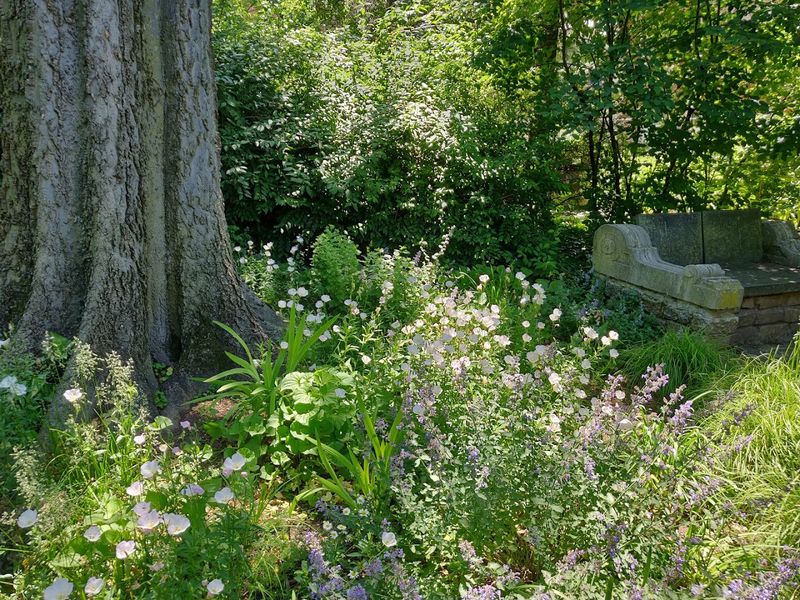
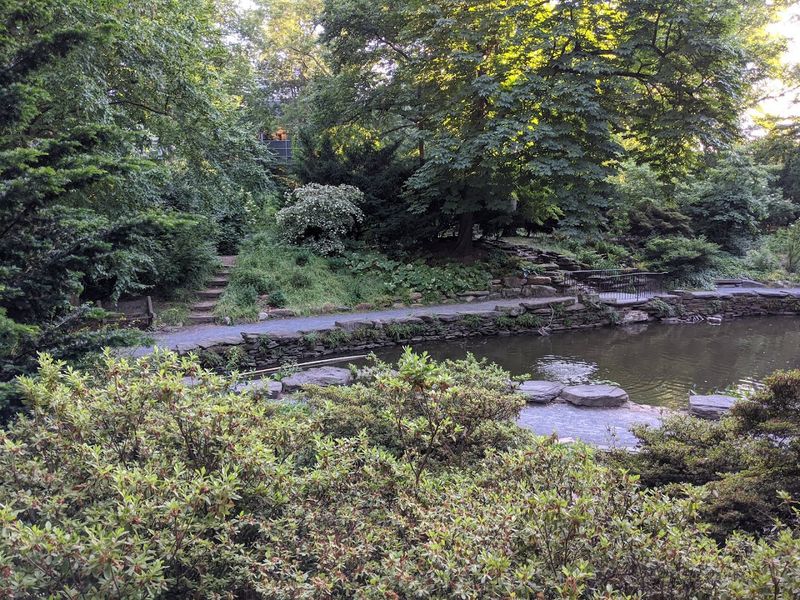
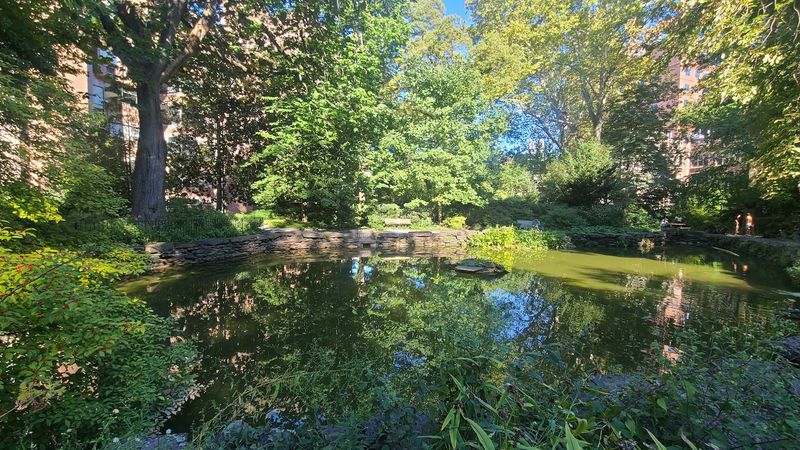
What makes the garden stand out is how much it packs into a relatively small area. Visitors will find a pond filled with turtles, a waterfall, mature shade trees, and winding paths that create a sense of seclusion rarely found in the middle of a major city.
Part campus landmark and part urban retreat, the garden attracts students, locals, and visitors looking for a peaceful place to relax or explore. Its tucked-away location only adds to the appeal, making it one of Philadelphia’s most overlooked hidden gems.
Where Exactly This Secret Garden Hides
Most people walk right past it without realizing what they are missing. The James G.
Kaskey Memorial Park, also known as the BioPond Garden, sits on the southwest end of the University of Pennsylvania campus in Philadelphia, Pennsylvania, near 433 S University Ave, Philadelphia, PA 19104.
The park is tucked behind the Carolyn Lynch Laboratory building, just off Hamilton Walk near 38th Street, and that location is exactly why so many people miss it. There are no grand gates or obvious markers pulling foot traffic inside.
First-time visitors often report overshooting the entrance at least once, even with a navigation app running. The easiest strategy is to look for the Lynch Lab building and follow the path around to the back.
If you plan to drive, know that street parking is limited, but nearby Woodlands Cemetery allows visitors to park along the interior loop and walk over.
A Garden Born From Waste Ground in 1897
Back in the 1890s, this corner of the Penn campus was not much more than neglected, marshy waste ground. The BioPond itself was dug in 1894, and by 1897 the surrounding garden had been formally established as a research space for the university’s Department of Biology.
The transformation was driven by Dr. J.T. Rothrock and Professor of Botany Dr. John M.
MacFarlane, who saw potential in the soggy, overlooked plot and turned it into a functioning botanical garden. At its peak, the park stretched across roughly five acres.
Campus development gradually shrank that footprint to approximately three to three and a half acres, but the core character of the garden survived. Over a century later, the original vision of a naturalistic, living research space still shapes how the park feels and functions.
That kind of institutional commitment to green space, sustained through decades of urban growth, is genuinely rare.
The Pond That Got a Waterfall Upgrade
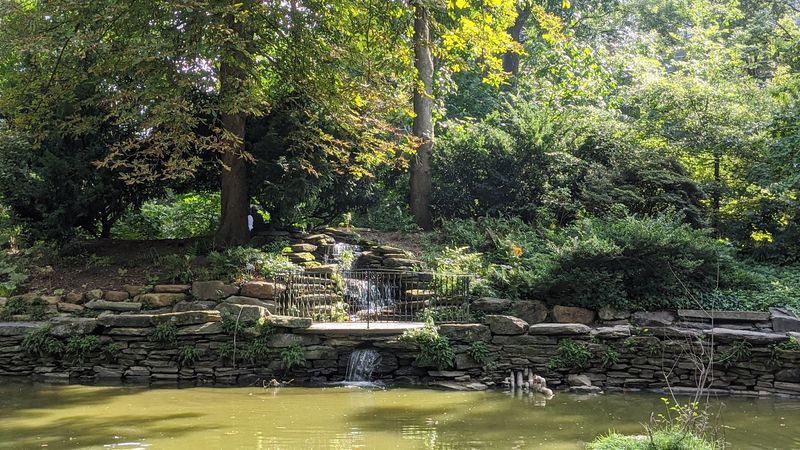
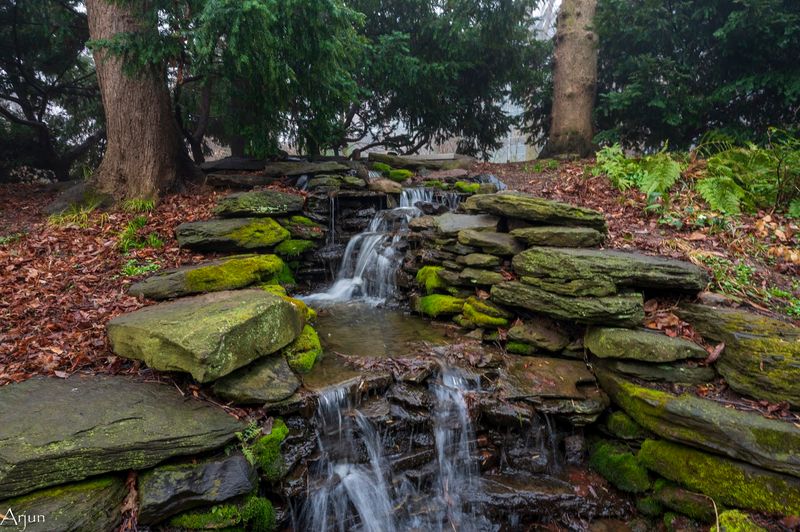
The BioPond is the beating heart of the whole park, and it looks nothing like a standard campus water feature. In 2000, a generous donation from Richard and Jeanne Kaskey funded a renovation that added a waterfall and a weeping wall, giving the pond a layered, almost theatrical quality that makes it feel far more designed than it first appears.
Water trickles steadily over the stone surface, creating a soft, consistent background sound that does something remarkable: it muffles the city. Sitting near the waterfall, you genuinely stop hearing traffic.
The acoustic effect is not accidental; it is one of the reasons visitors describe the pond as deeply calming rather than simply pretty.
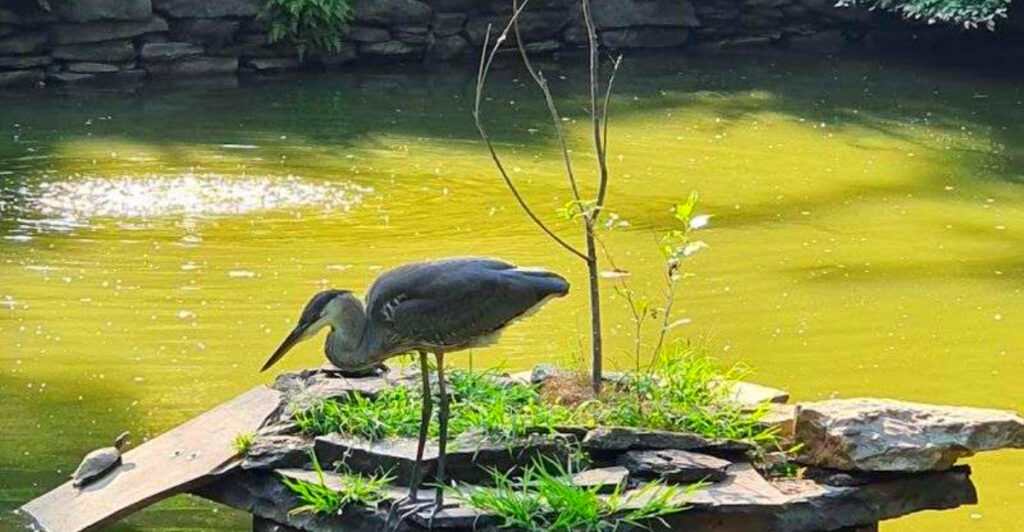
The water itself is clear enough to spot the residents below the surface, including koi, goldfish, and the always-entertaining turtles that seem completely unbothered by human attention. That waterfall renovation turned a functional research pond into something much closer to a destination.
The Turtle Population That Steals Every Visit
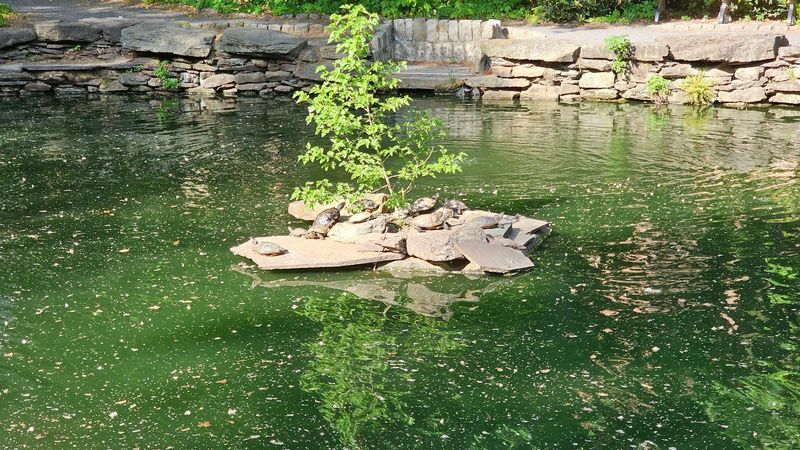
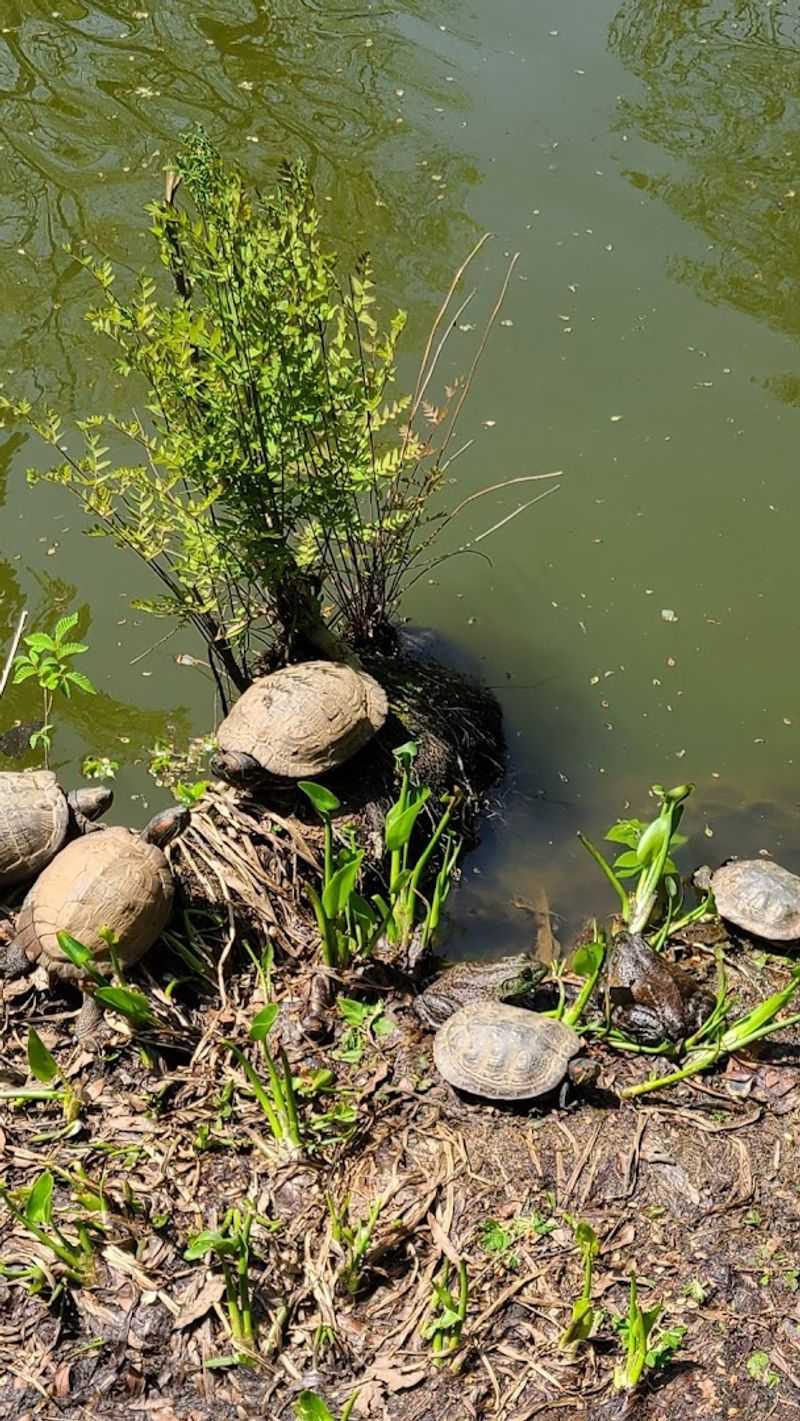
Ask anyone who has visited the BioPond what they remember most, and the answer is almost always the turtles. Red-eared sliders have claimed the pond as their own, and on a warm afternoon they stack themselves on every available rock, log, and ledge with the kind of unapologetic confidence usually reserved for people who have nowhere to be.
Watching them is oddly entertaining. They pile on top of each other, slide back into the water, and then immediately climb back up to repeat the whole process.
Kids find them completely riveting, and honestly, adults do too.
Beyond the sliders, the pond also hosts crayfish, frogs, and the resident mallard ducks that patrol the water’s edge like they own the place. Spring and summer bring the biggest turtle crowds, so those seasons offer the best viewing.
The combination of turtles, ducks, and fish in one small urban pond gives the BioPond an energy that no manicured city park fountain can replicate.
Over 123 Bird Species Recorded Here
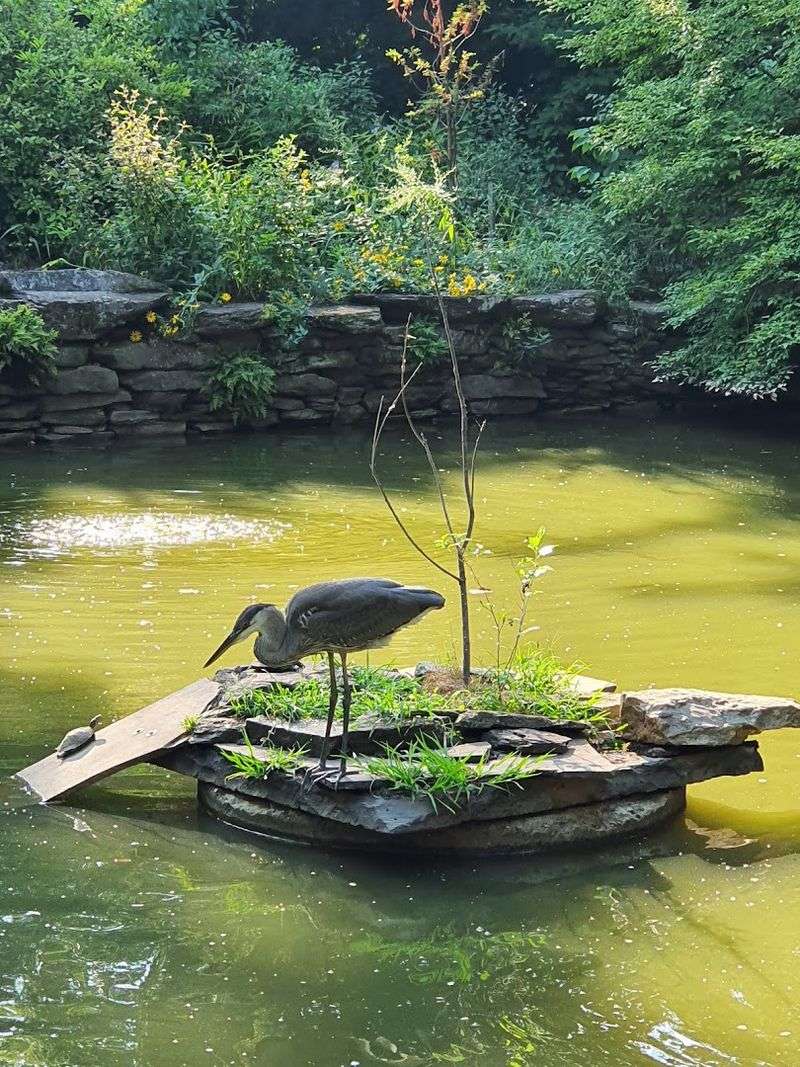
The turtle count gets most of the attention, but serious nature watchers know the BioPond garden’s real bragging right is its bird list. More than 123 species have been recorded within this small, tree-dense park, which is a remarkable number for a three-and-a-half-acre urban plot sandwiched between research buildings.
The mature canopy creates layered habitat that attracts both resident species and migratory visitors passing through Philadelphia. Mallards are the most visible regulars, but patient observers have spotted woodpeckers, warblers, and a rotating cast of migratory species depending on the season.
Early morning visits, before campus foot traffic builds, tend to produce the most sightings.
Bringing a pair of binoculars is worth the effort, especially during spring and fall migration windows when the tree cover fills with movement. The park’s dense planting and reliable water source make it a natural stopover point for birds navigating the urban landscape.
That bird list keeps growing every year, which says everything about the quality of the habitat here.
Rare Trees You Would Not Expect to Find in Philadelphia
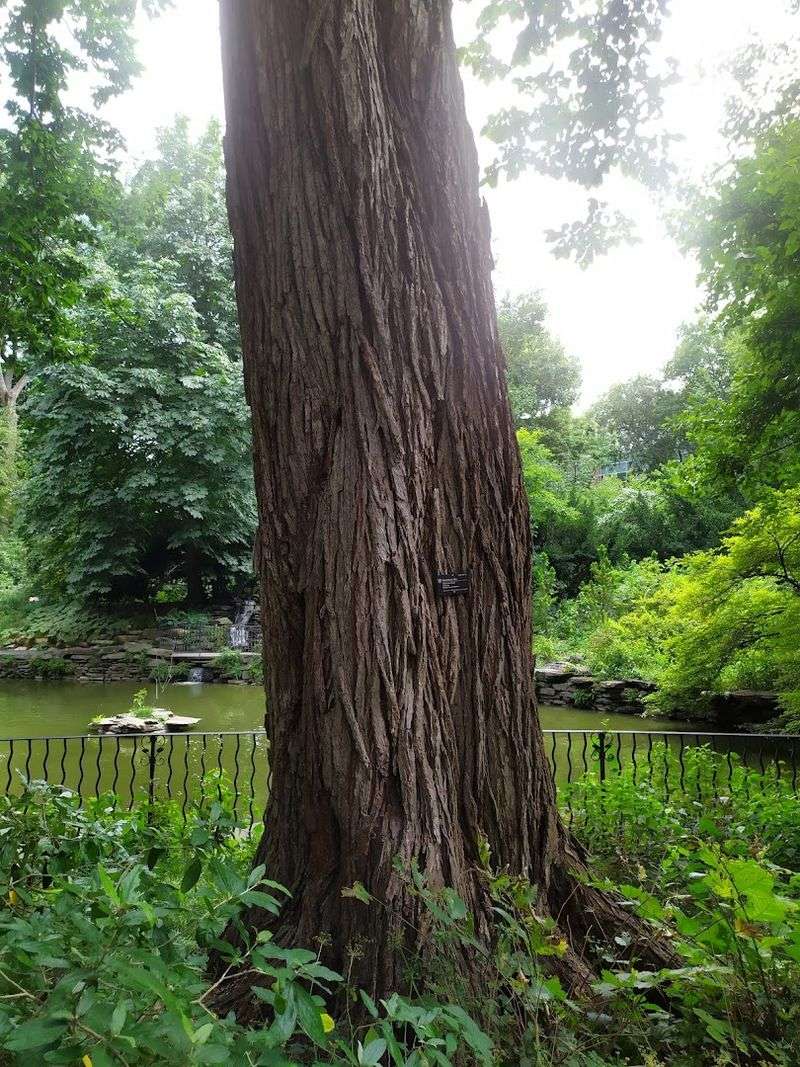
The plant collection at the BioPond garden is not just decorative filler. Hundreds of species grow across the park, including some genuinely unusual specimens that plant enthusiasts will recognize immediately.
Southern Magnolia, Live Oak, and Vietnamese Golden Cypress are among the standouts, each labeled with signage that turns a casual stroll into an informal botany lesson.
The Vietnamese Golden Cypress is particularly noteworthy. Xanthocyparis vietnamensis is a rare conifer discovered only in the late 1990s, and the fact that a specimen grows here in West Philadelphia is the kind of detail that rewards curious visitors who actually read the plant labels.
The mature shade trees are also doing practical work beyond looking impressive. Their canopy is dense enough to block views of the surrounding university buildings entirely from certain vantage points, which is a large part of why the park feels so removed from its urban context.
Those trees are not just scenic; they are the architectural walls of the whole experience.
The Paths, Benches, and Quiet Corners Worth Finding
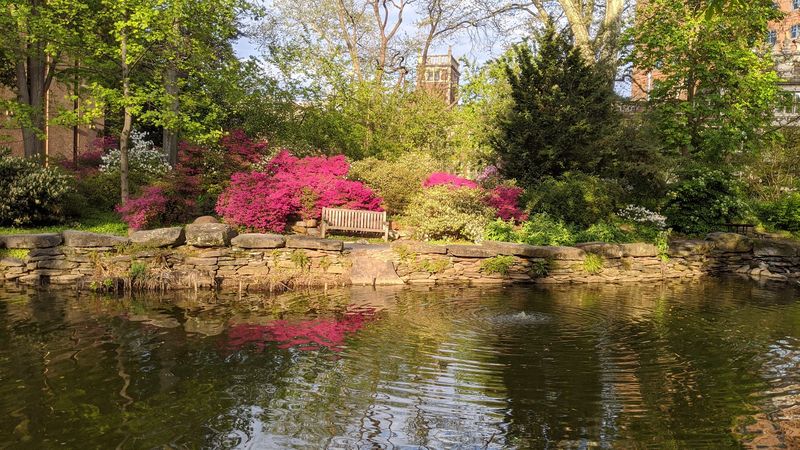
The layout of the park rewards slow exploration rather than a single loop. Winding paths branch off in multiple directions, leading to secluded benches and small clearings that feel genuinely private despite being steps away from one of the country’s largest research universities.
Wooden picnic tables are scattered throughout, and the bench placement near the pond’s edge gives visitors a clear sightline to the waterfall and the turtle activity below. The canopy overhead keeps most seating areas shaded even on bright days, which makes afternoon visits comfortable well into summer.
Students use the space for studying, reading, and eating lunch between classes. Community members from the surrounding University City neighborhood treat it as a regular retreat for quiet reflection.
The paths are short enough that the whole garden can be explored in twenty minutes, but the bench situation invites far longer stays. Finding the most tucked-away corner of the garden, the one where you can hear only the waterfall, is its own small reward.
What the Greenhouses at the Back Are All About
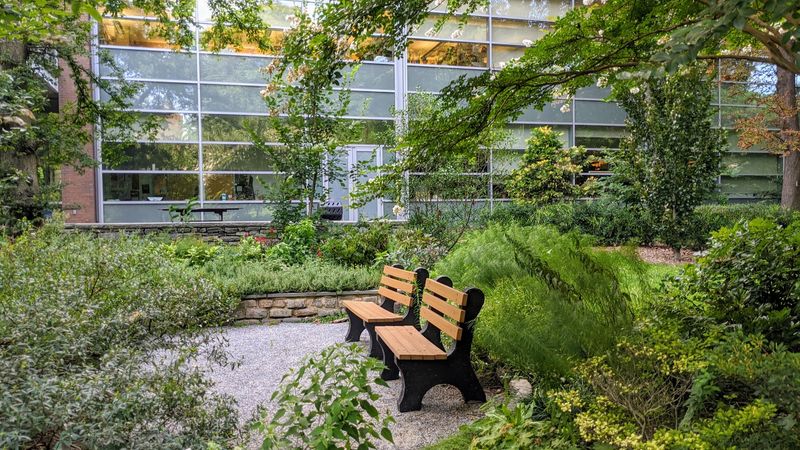
Most visitors spend their time around the central pond and the main paths, which means the greenhouses at the rear of the park often go unnoticed. They are worth seeking out, not just for what they contain but for what they represent about the park’s ongoing scientific purpose.
The BioPond garden still supports research and educational work for Penn’s Biology Department, and the greenhouses are a visible sign of that active academic function. They house plant specimens used in university coursework and ongoing botanical study, connecting the park’s present to its original 1897 mission as a research garden.
For casual visitors, the greenhouses add an interesting visual layer to the back section of the park, where the atmosphere shifts slightly from ornamental garden to working botanical facility. The contrast between the wild, naturalistic feel of the main garden and the structured glass structures behind it is a small but interesting detail.
The whole rear section of the park feels like a behind-the-scenes look at how the garden keeps itself running.
How the Park Got Its Official Name
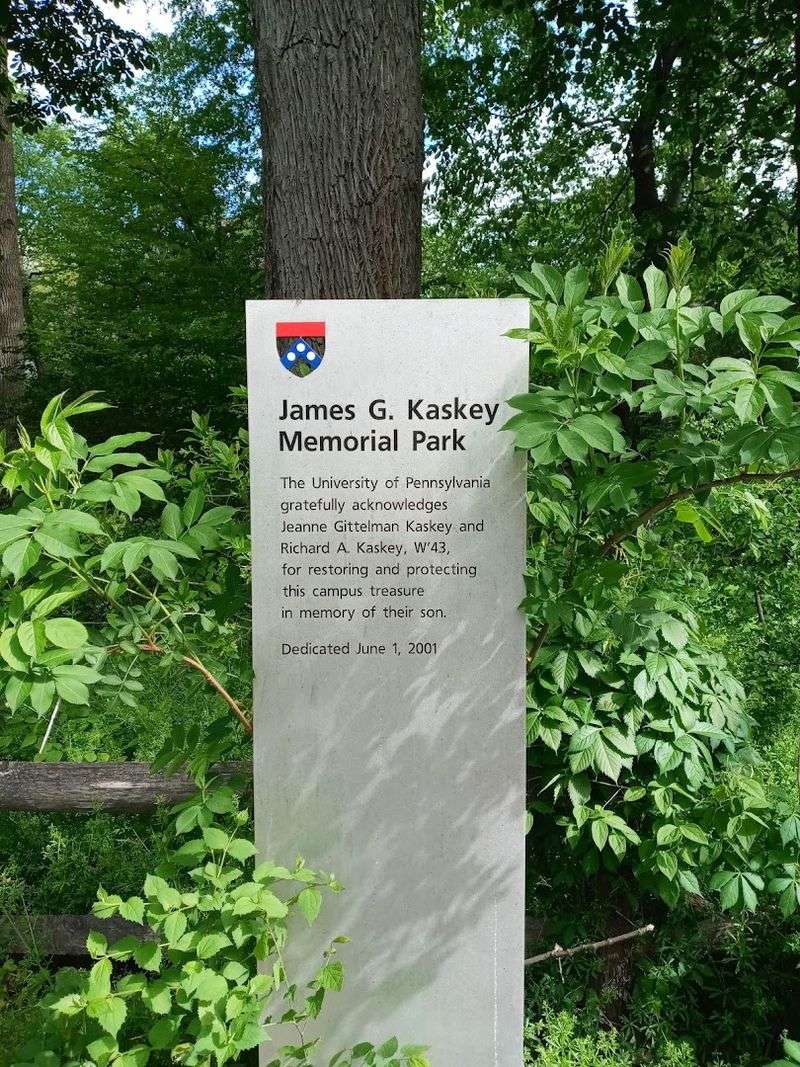
The park carries two names that reflect two different chapters of its history. Most people know it simply as the BioPond, a name tied to its origins as a biology research site.
The official designation, James G. Kaskey Memorial Park, came later and honors a specific act of generosity that reshaped the space.
The 2000 renovation that added the waterfall and weeping wall was funded by a donation from Richard and Jeanne Kaskey, and the park was subsequently named in memory of James G. Kaskey.
That gift did not just improve the aesthetics; it gave the pond a focal point that fundamentally changed how visitors experience the space.
The dual naming is actually fitting. The BioPond name preserves the scientific identity that has defined the space since the 1890s, while the memorial name acknowledges the private philanthropy that helped it thrive into the twenty-first century.
Both names tell you something true about what this place is and how it has survived this long.
Free, Open to the Public, and Easy to Overlook
There is no ticket booth, no membership requirement, and no fee of any kind to visit the BioPond garden. The park is open to the public seven days a week from 7 AM to 5 PM, which makes it accessible to a wide range of visitors, from early morning walkers to afternoon study-break seekers.
The free access policy matters because it means the park genuinely serves the surrounding community, not just the university population. Families from the West Philadelphia neighborhood, hospital visitors from nearby Penn Medicine, and tourists exploring University City all use the space regularly.
The phone number on record is 215-898-7175 if you want to confirm seasonal hours or ask about any special events. The park’s website at bio.upenn.edu/biopond carries additional information about the plant collection and garden history.
Given how much the space offers, the fact that it costs nothing to visit makes it one of the better-kept value secrets in all of Philadelphia.
The Best Seasons and Times to Plan Your Visit
Every season brings something different to the BioPond garden, but spring and summer are the undisputed peak seasons for wildlife activity. Turtles are most visible from late spring through early summer, the mallard ducks are actively nesting, and the flower beds are at their most colorful.
Arriving on a weekday morning in May gives you the best combination of full bloom and minimal crowds.
Fall shifts the mood toward something quieter and more atmospheric, with the tree canopy turning golden and the foot traffic dropping as the semester settles into routine. Winter visits are possible and genuinely peaceful, though the turtle population retreats and the flower beds go dormant.
The park’s hours run from 7 AM to 5 PM daily, and early morning visits consistently deliver the best bird activity before campus noise picks up. Avoiding peak lunch hour on weekdays keeps the benches more accessible.
Visiting during a weekday in late spring, around 8 or 9 AM, is about as close to a perfect BioPond experience as you can plan.
Why This Small Garden Leaves Such a Lasting Impression
A park this small should not be this memorable, and yet the BioPond garden consistently earns a 4.8-star rating from visitors who return to it again and again. The combination of factors at work here is harder to replicate than it looks: genuine biodiversity, a working water feature, rare plants, labeled trees, and a physical design that blocks out the city visually and acoustically.
Hospital visitors from Penn Medicine use it to decompress between appointments. Students use it to reset during exam season.
Families bring kids to watch the turtles on weekend afternoons. The same small patch of green serves all of those needs without feeling crowded or overused.
What the BioPond ultimately offers is not just a break from the city but a reminder that carefully tended natural spaces can punch well above their weight. Three and a half acres, a historic pond, and over a century of quiet persistence have created something that Philadelphia is genuinely lucky to have sitting right in the middle of its campus.
Share this story