Europe has no shortage of famous cities, but some of its most magical places are the ones that don’t make the top-ten lists. Tucked along riverbanks, climbing cliffsides, or balanced on ancient bridges, these small towns look like they were sketched by someone who had never heard the word “ordinary.” Castles loom above cobbled lanes, colorful houses lean over clear water, and history seems to be built right into the stone. What makes these places truly special is that many of them are still quiet enough to actually enjoy. You can walk their streets without fighting a crowd, stop on a bridge without being bumped by a tour group, and actually feel like you discovered something.
This list covers 15 river towns across Europe that deliver exactly that kind of experience, from the Czech Republic to Albania, Portugal to Slovenia. Each one has its own story, its own layout, and its own very good reason to visit.
1. Český Krumlov, Český Krumlov, Czech Republic
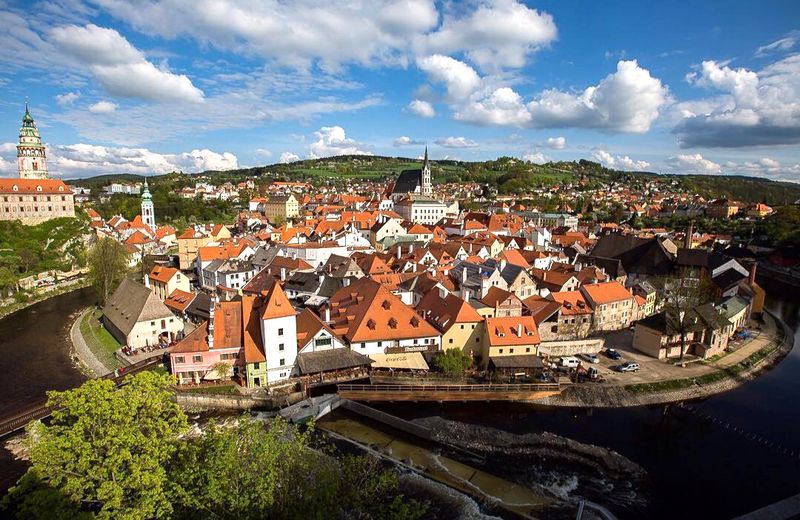
Few towns in Europe pull off the fairytale look quite as effortlessly as this UNESCO World Heritage Site in the Czech Republic. The Vltava River wraps almost completely around the old town, creating a natural moat that has kept the medieval layout remarkably intact over centuries.
The castle complex here is one of the largest in Central Europe, with 40 buildings spread across five courtyards. Below it, the old town fills the peninsula with Baroque facades, narrow lanes, and small squares that haven’t changed much since the 1600s.
Český Krumlov is often called a quieter cousin of Prague, and that comparison is fair. It draws visitors who want the history and the architecture without the sheer volume of a capital city. A few hours here turn into a full day without anyone noticing.
2. Cochem, Cochem, Germany
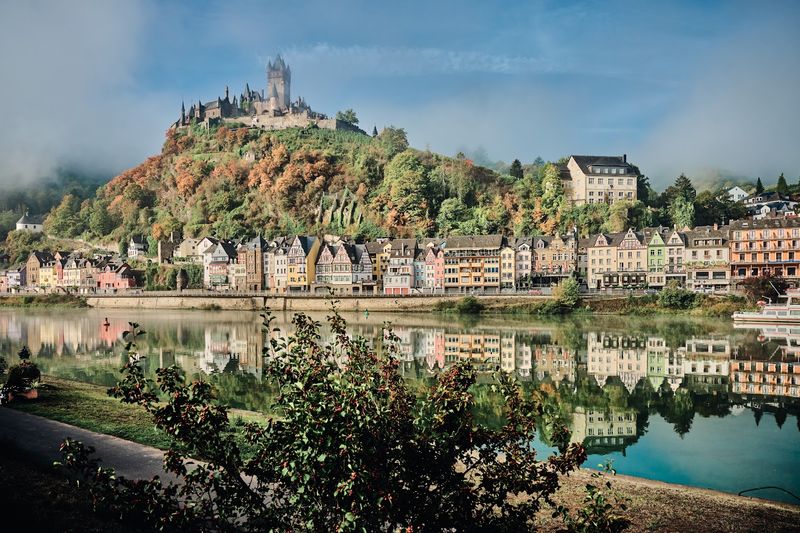
Reichsburg Castle has been watching over Cochem from its hilltop perch for nearly a thousand years, and the town below it has gotten very comfortable with the arrangement. The Moselle River curves around the base of the hill, framing the whole scene in a way that makes it look almost staged.
Cochem is sometimes called the Sleeping Beauty of the Moselle, a nickname it has earned through sheer visual charm rather than any lack of activity. The cobblestone streets, half-timbered houses, and sloping vineyards make it one of the most photographed towns in the Rhineland.
The castle itself is open for tours, which include a walk through restored medieval interiors. The hilltop view of the river valley from the ramparts is one of those payoffs that makes the uphill walk feel completely worth it.
3. Dinant, Dinant, Belgium
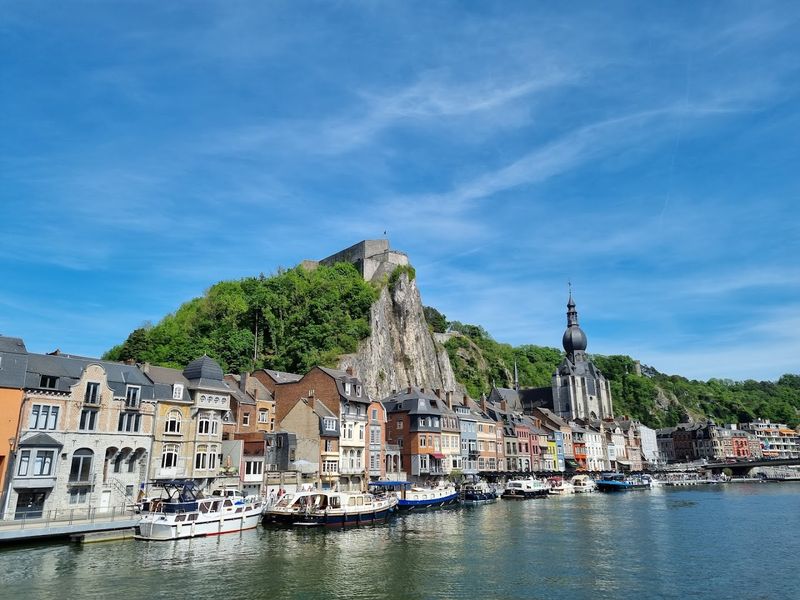
Geology did something remarkable in Dinant. A sheer limestone cliff rises directly behind the town, forcing every building to line up neatly along the Meuse River with nowhere else to go. The result is one of the most dramatic riverfront silhouettes in all of Belgium.
The Citadel of Dinant sits at the top of that cliff, reachable by cable car or by a staircase with 408 steps for those who prefer a workout with their sightseeing. Down below, the onion-domed Collegiate Church of Notre-Dame anchors the riverside row of brightly colored buildings.
Dinant is also the birthplace of Adolphe Sax, the inventor of the saxophone. The town celebrates this fact with oversized saxophone sculptures painted in bold colors, scattered throughout the streets. It is the kind of detail that makes a small town feel genuinely interesting rather than just pretty.
4. Annecy, Annecy, France
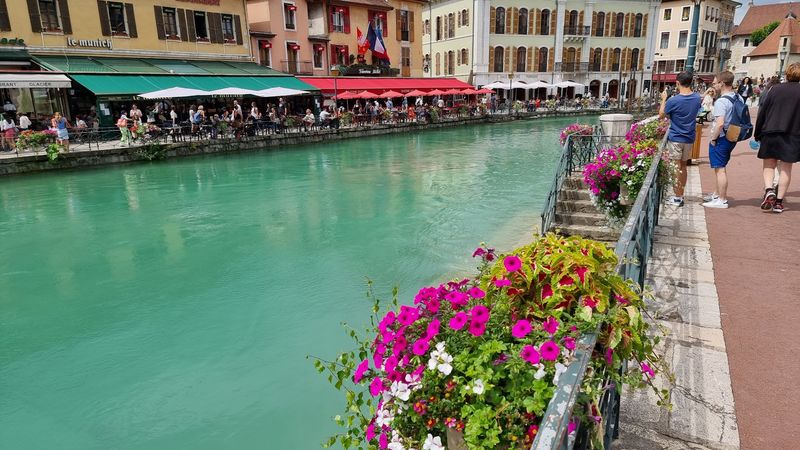
Annecy has a medieval old town threaded by the Thiou River and a network of canals that give its narrow streets a distinctly waterside character. The Palais de l’Isle, a 12th-century building that sits directly in the middle of the river channel like a stone ship, is the town’s most recognized landmark.
The buildings along the canals are painted in warm terracotta, orange, and yellow tones, and many of the bridges are lined with flower boxes. It earns the nickname “Venice of the Alps” not through exaggeration but through the simple fact that water genuinely runs through the center of town.
Annecy’s old town is compact and easy to explore on foot in a morning. The nearby lake adds a second reason to linger, with clear mountain water and a backdrop of Alpine peaks that makes the whole place feel slightly unreal.
5. Mostar, Mostar, Bosnia and Herzegovina
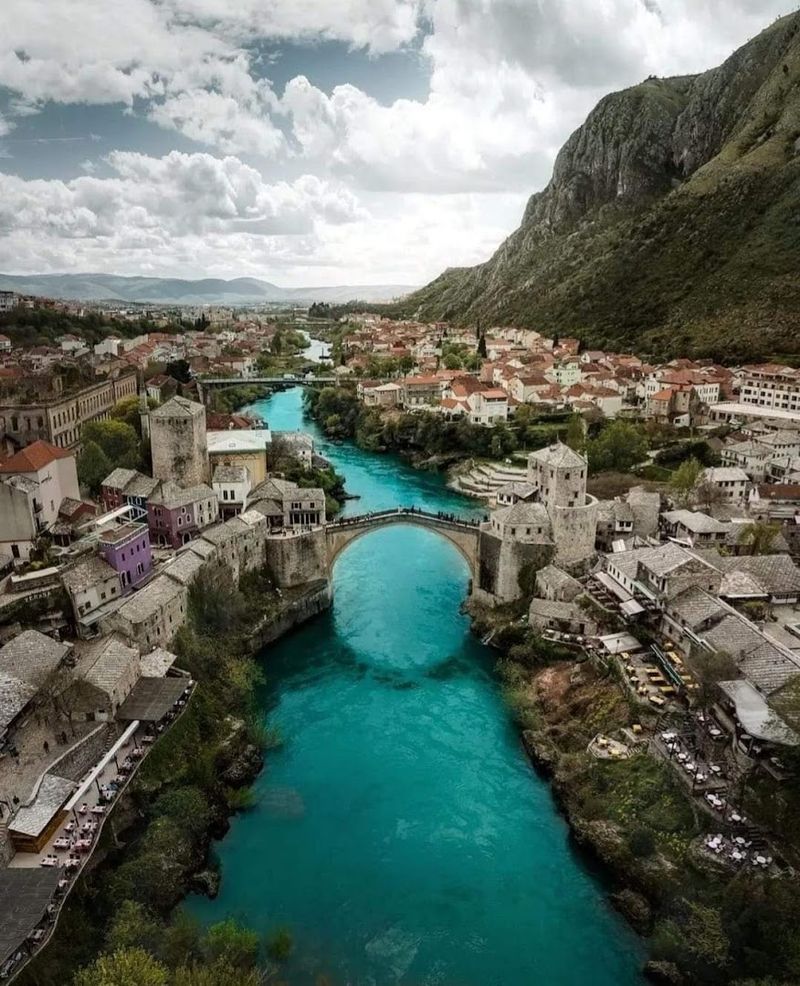
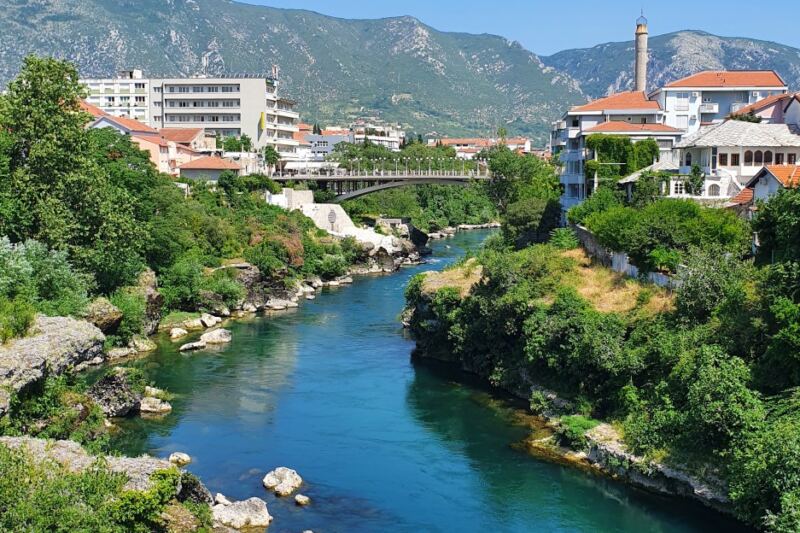
The Stari Most bridge in Mostar is one of those structures that stops people mid-step. Built in the 16th century by Ottoman architects, the single white arch spans the Neretva River at a height that has made it the setting for a local tradition of trained divers jumping from its peak into the water below.
The old town on both sides of the bridge is built from the same pale stone, with narrow market lanes, copper workshops, and small cafes tucked into former caravanserais. The emerald color of the Neretva River below contrasts with the stone in a way that makes every photograph from this bridge look almost too vivid.
Mostar was heavily damaged in the 1990s conflict and rebuilt with significant international effort. The restored bridge reopened in 2004 and is now a UNESCO World Heritage Site, carrying both foot traffic and a great deal of historical meaning.
6. Bamberg, Bamberg, Germany
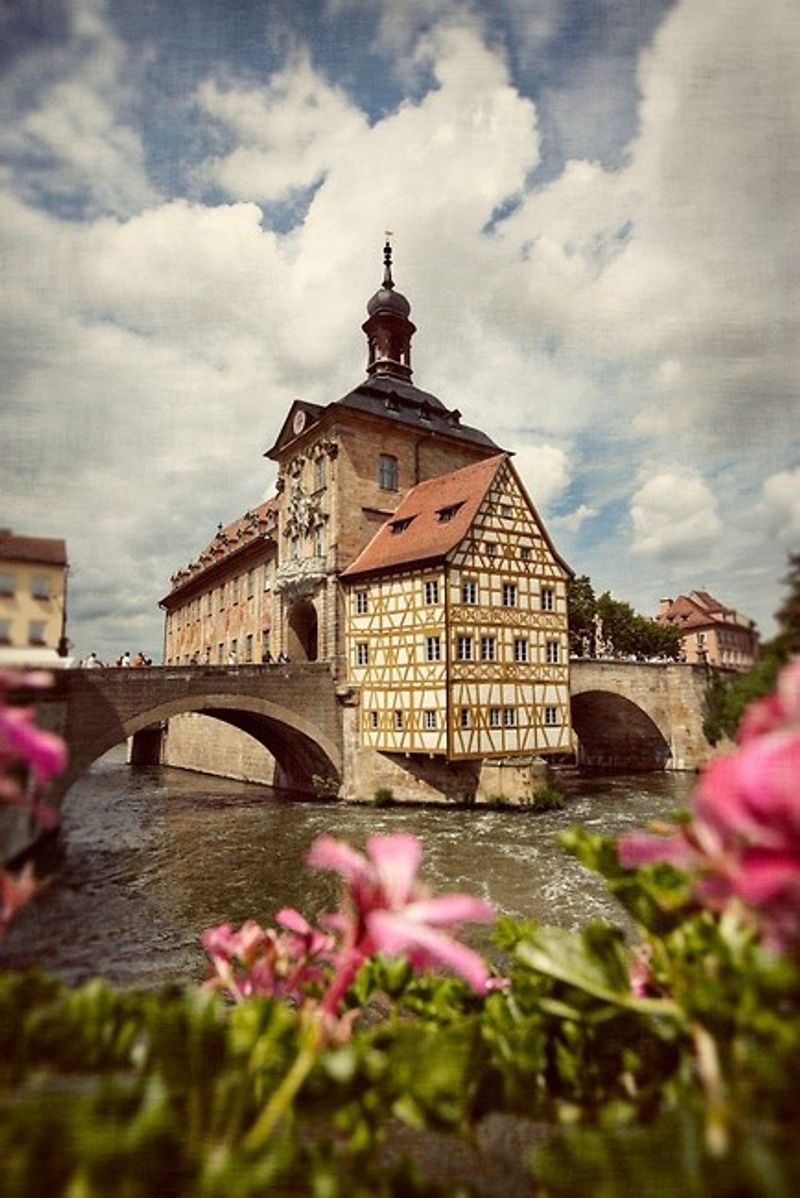
Bamberg’s old town hall has one of the most unusual addresses in Germany: it sits on a small artificial island in the middle of the Regnitz River, connected to both banks by arched bridges. The building itself is covered in painted murals, making it one of the most photographed structures in Bavaria.
The Little Venice district, located along the Regnitz’s western bank, features a row of former fishermen’s houses whose gardens back right up to the water. The reflections in the river on a calm day are the kind of thing that makes people stop and reconsider their travel plans.
Bamberg is a UNESCO World Heritage Site and home to one of the most intact medieval urban landscapes in Germany. The old town covers seven hills, each topped with a church or monastery, giving the city a layered skyline that rewards anyone who takes time to explore beyond the riverbanks.
7. L’Isle-sur-la-Sorgue, L’Isle-sur-la-Sorgue, France
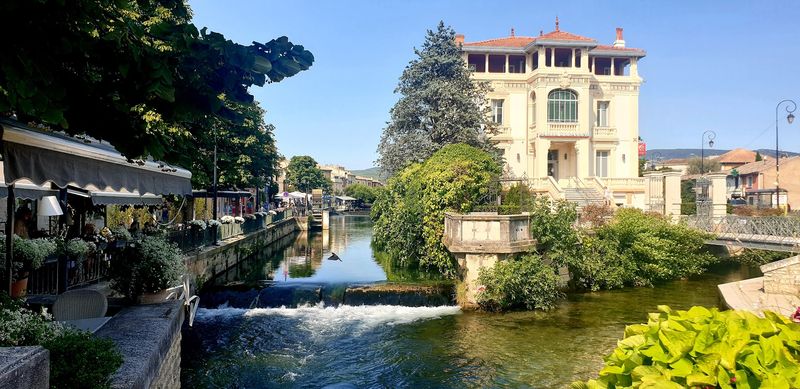
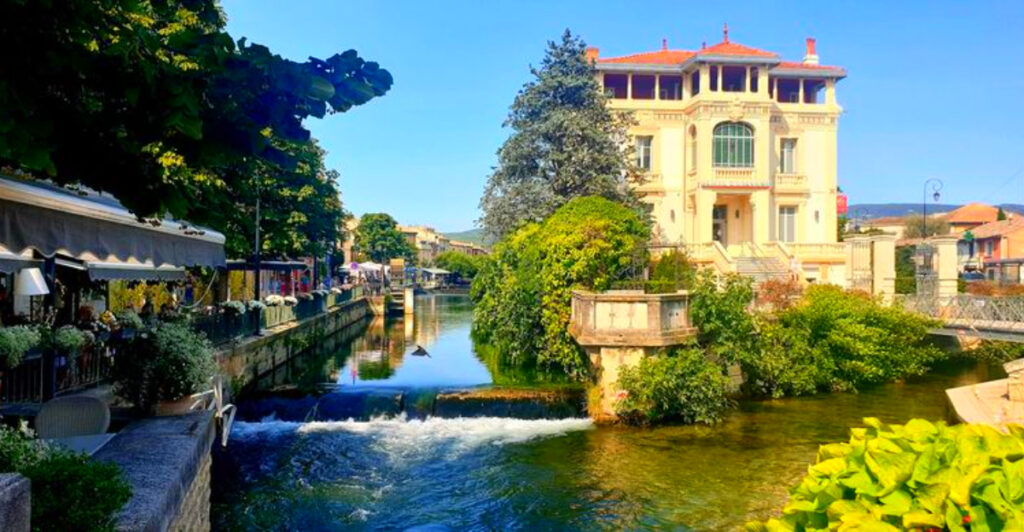
L’Isle-sur-la-Sorgue is built on a cluster of islands formed by branches of the Sorgue River, and the water is clear enough to see straight to the bottom. The town has been using that water for centuries, and several large wooden waterwheels still stand along the channels as reminders of its milling history.
On most weekends, the town transforms into one of the largest antique markets in France. Hundreds of dealers set up along the riverbanks and in warehouse spaces throughout the old town, drawing collectors from across Europe and beyond.
Outside market days, L’Isle-sur-la-Sorgue is quiet in the best possible way. The shaded quays are good for slow walks, the river channels are narrow enough to feel intimate, and the Provençal architecture gives the whole town a warm, unhurried character that is genuinely hard to find in a place this close to Avignon.
8. Kaysersberg, Kaysersberg-Vignoble, France
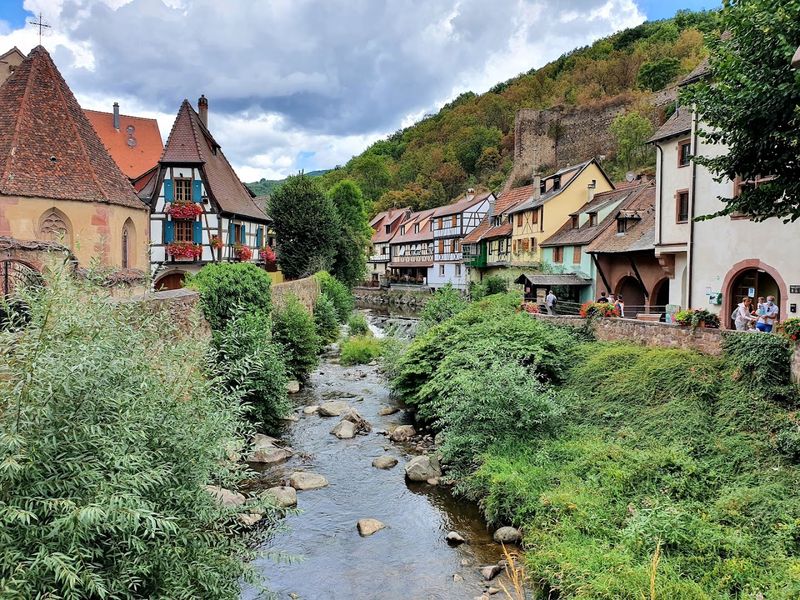
Kaysersberg sits in the Alsatian wine route with a ruined medieval castle rising above its rooftops and the Weiss River cutting through the center of town. The fortified bridge that crosses the river is one of the best-preserved examples of its kind in the entire Alsace region.
The village is compact, with half-timbered houses in shades of yellow, green, and pink lining the main street. Albert Schweitzer, the Nobel Peace Prize-winning physician and humanitarian, was born here in 1875, and his birth house is now a museum open to visitors.
Kaysersberg regularly appears on lists of France’s most beautiful villages, and it earns that status through specifics rather than general prettiness. The combination of a working river, a medieval fortification, a clear historical identity, and streets that have stayed largely intact since the 15th century makes it one of Alsace’s most rewarding stops.
9. Pont-en-Royans, Pont-en-Royans, France
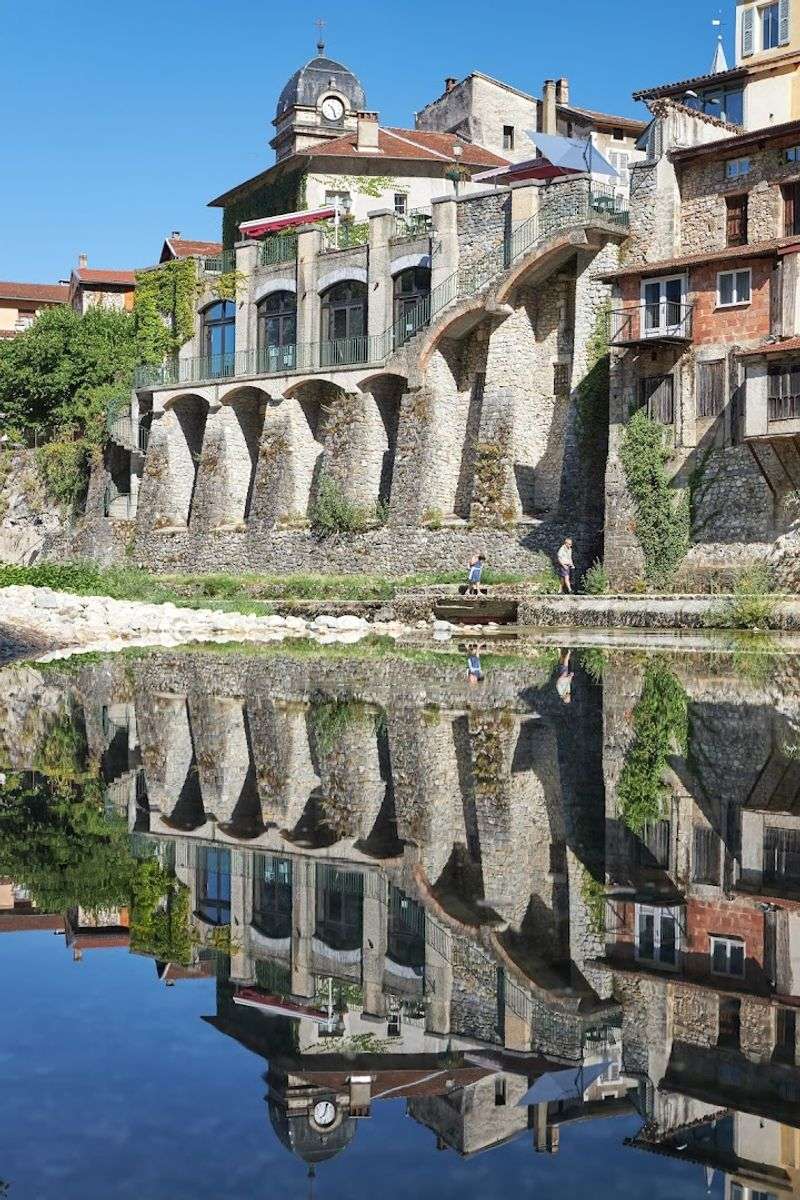
The houses in Pont-en-Royans don’t sit beside the river. They hang over it. Built directly into the cliff face above the Bourne River gorge, these multi-story structures are stacked on top of each other with their upper floors projecting out over the water in a way that looks structurally improbable but has held together for centuries.
The village is small, with a population of only a few hundred residents, and the main street runs along the top of the gorge. From certain angles, the painted facades of the hanging houses are reflected in the river far below, creating a view that has no real equivalent anywhere else in France.
Pont-en-Royans also serves as a gateway to the Vercors Regional Natural Park, making it a practical base for hikers and cyclists. The combination of unusual architecture and access to serious mountain terrain gives it an identity that goes well beyond just being picturesque.
10. Tavira, Tavira, Portugal
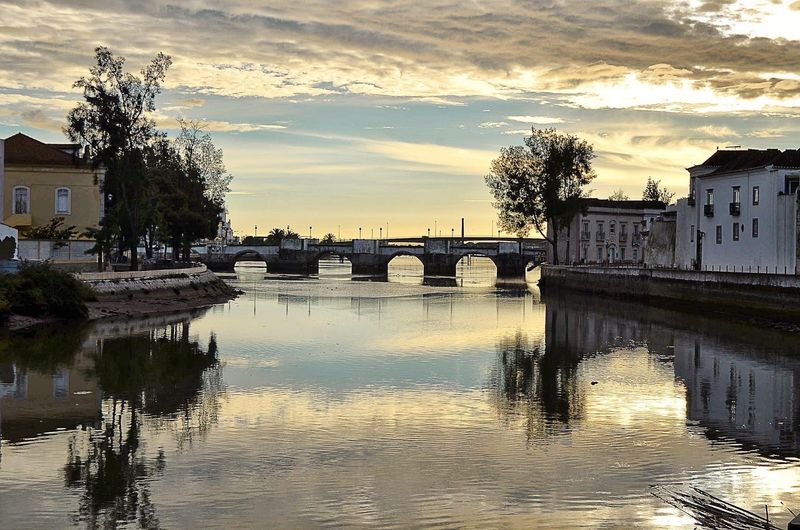
Tavira is one of those Portuguese towns that manages to feel both polished and genuinely lived-in at the same time. The Gilão River runs through the center of town, crossed by a multi-arched bridge that dates back to Roman times, though it has been rebuilt and modified in the centuries since.
The historic center has more than 30 churches for a town of its size, a fact that gives its skyline an unusually varied roofline of towers, domes, and bell towers. The whitewashed buildings with terracotta roofs follow a classic Algarve pattern, but Tavira’s riverside setting gives the whole place a more graceful quality than many of its coastal neighbors.
Most visitors to the Algarve head straight for the beach resorts further west. Tavira sits quietly to the east, attracting travelers who want the history and the architecture alongside the sunshine, without the noise that comes with being on everyone’s shortlist.
11. Ptuj, Ptuj, Slovenia
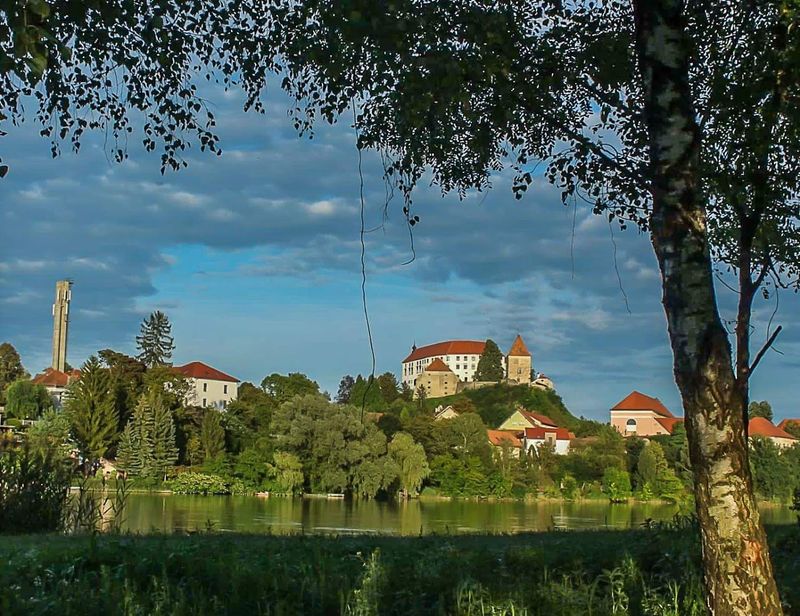
Ptuj is Slovenia’s oldest recorded town, with a history stretching back to Roman times when it served as an important settlement on the Drava River. The castle on the hill above the old town has been continuously inhabited for over a thousand years, which puts it in fairly rare company even by European standards.
The old town below the castle is compact and walkable, with a Roman tower, a Dominican monastery, and several well-preserved medieval streets all within easy reach of each other. The Drava River runs along the edge of the old town, and the riverside promenade offers a calm, unhurried alternative to the historic center.
Ptuj doesn’t appear on many international travel lists, which is precisely what makes it worth visiting. The town has the historical depth of somewhere much more famous, without the infrastructure that tends to follow fame. Locals still use it as a functioning town rather than a stage set.
12. Dinan, Dinan, France
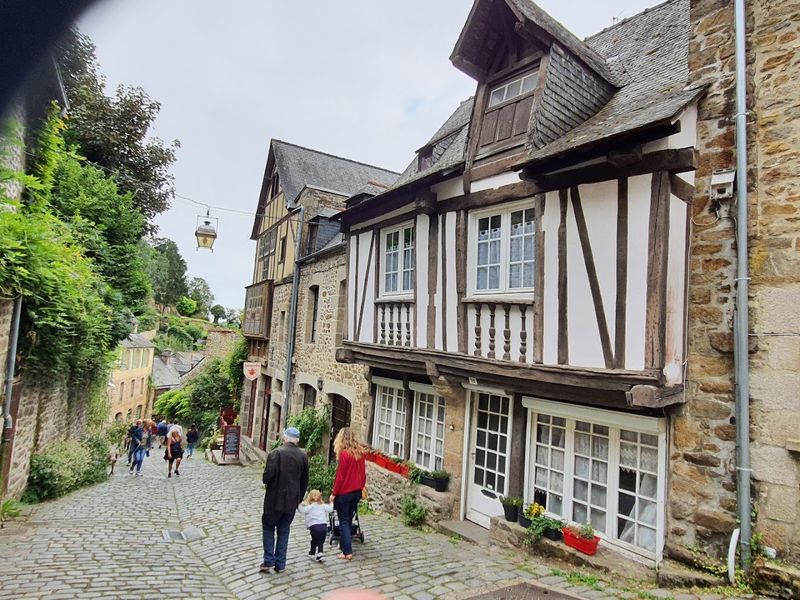
Dinan is a Breton town built on a plateau above the Rance River, and it takes the concept of ramparts seriously. The medieval walls that encircle the old town are among the best-preserved in all of Brittany, running for nearly three kilometers and punctuated by towers that visitors can walk through.
The old town inside those walls is a dense collection of half-timbered houses, some of which date back to the 14th and 15th centuries. The main street descends steeply toward the old port, where the Rance River meets a cluster of stone buildings at the bottom of the hill.
The port district is quieter than the hilltop town and has its own character, with boat moorings and old warehouses converted into cafes and small shops. The walk down from the ramparts to the river and back up again gives a clear picture of how deliberately this town was built around its geography.
13. Berat, Berat, Albania
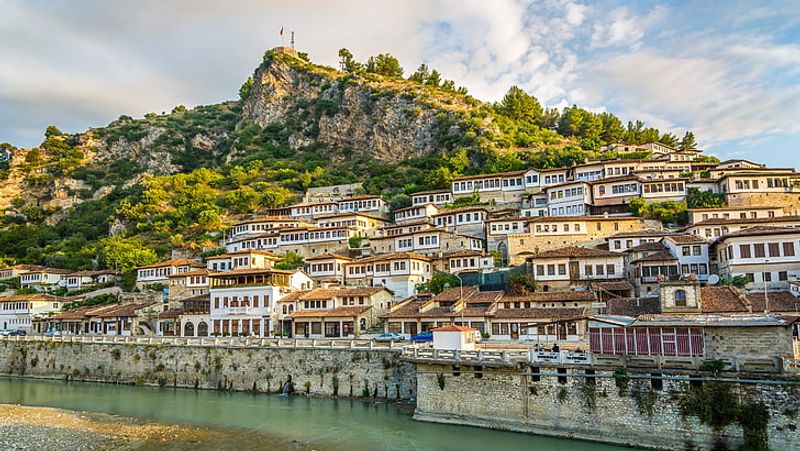
Berat earned its nickname, the City of a Thousand Windows, from the rows of large white Ottoman-era houses that climb the hillsides above the Osum River, their windows stacked in near-perfect symmetry up the slope. The visual effect is striking enough that UNESCO added the city to its World Heritage list in 2008.
The castle district at the top of the hill is still a functioning neighborhood, with families living inside the ancient walls among Byzantine churches and Ottoman mosques. This combination of active residential life inside a medieval fortress is unusual and gives Berat a texture that purely tourist-oriented historic sites tend to lack.
The riverside neighborhoods of Mangalem and Gorica are connected by an old stone bridge across the Osum. Albania’s relative obscurity on the European travel circuit means Berat still receives a fraction of the visitors that comparable towns in Italy or France would attract, which works very much in the visitor’s favor.
14. Trebinje, Trebinje, Bosnia and Herzegovina
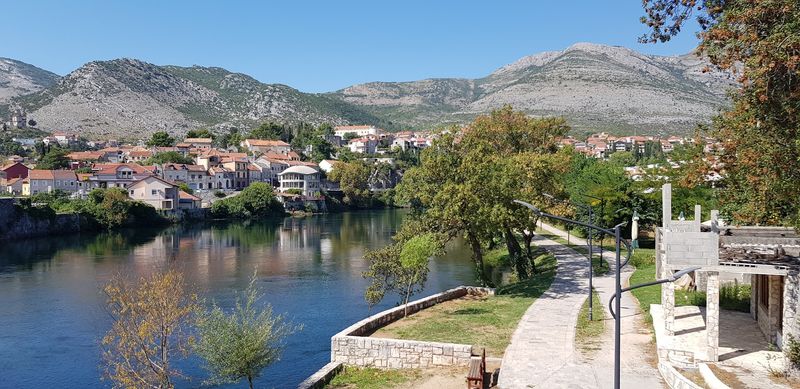
Trebinje sits in the southernmost corner of Bosnia and Herzegovina, close enough to the Adriatic coast to carry a distinctly Mediterranean character that surprises most first-time visitors. The old town is enclosed by 18th-century Ottoman stone walls, and the central square is shaded by large plane trees planted centuries ago.
The Trebišnjica River runs alongside the old town, and the Arslanagic Bridge, a 17th-century Ottoman structure, crosses it just outside the city walls. The bridge was actually relocated stone by stone in the 1970s when a nearby dam raised the water level, making it a monument that has quite literally moved with the times.
Trebinje is far less visited than Mostar, despite being only about 30 kilometers away. The town has a calm, local rhythm, a small market, and a handful of good restaurants that cater to residents as much as to tourists. That balance is increasingly hard to find in the Balkans.
15. Ronda, Ronda, Spain
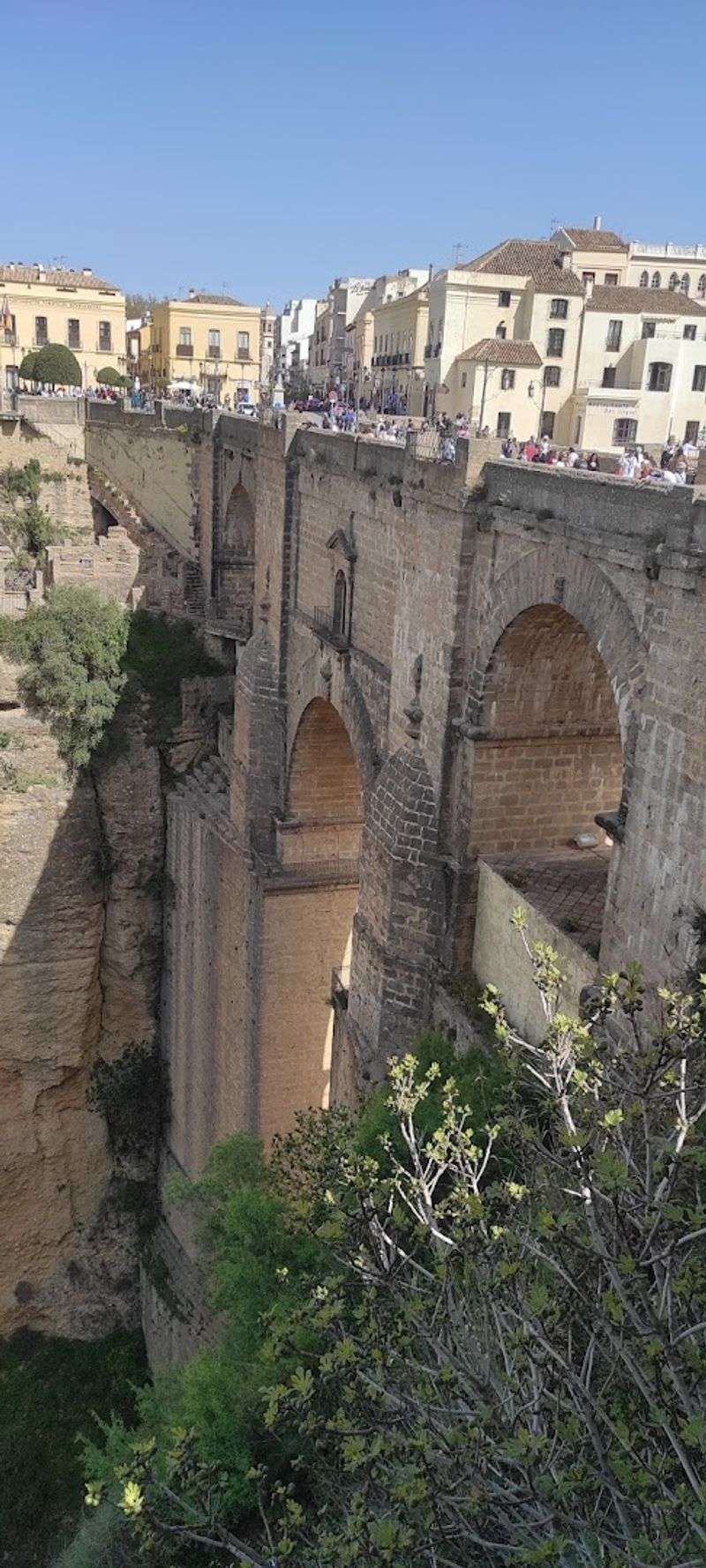
Ronda is a town that was built on the edge of a cliff and made it work. The Guadalevín River carved the El Tajo gorge over millions of years, creating a natural divide that split the settlement into two distinct neighborhoods connected by the Puente Nuevo, a stone bridge completed in 1793 after 42 years of construction.
The bridge stands 120 meters above the river below, and the view from its central arch down into the gorge is one of the most vertigo-inducing in Spain. The old town on the mesa above contains a bullring that dates to 1785, one of the oldest in the country, along with Arab baths, a palace, and a compact historic center.
Ronda’s clifftop position makes it visible from a great distance across the surrounding Andalusian countryside, which has made it a subject for painters and writers for centuries. Ernest Hemingway and Orson Welles both spent time here, and Welles specifically requested that his ashes be buried in the area.
Share this story