 Unearth The Voyage
Spain is famous for Barcelona’s beaches and Madrid’s museums, but the country’s true magic hides in its lesser-known villages. These charming towns offer medieval castles, dramatic cliffs, colorful houses, and peaceful streets where you can experience authentic Spanish culture without fighting through tourist crowds.
Whether you’re seeking mountain adventures, coastal calm, or a journey back in time, these 15 incredible villages will show you a side of Spain most travelers never discover.
Albarracín — Medieval Fairytale in Aragon
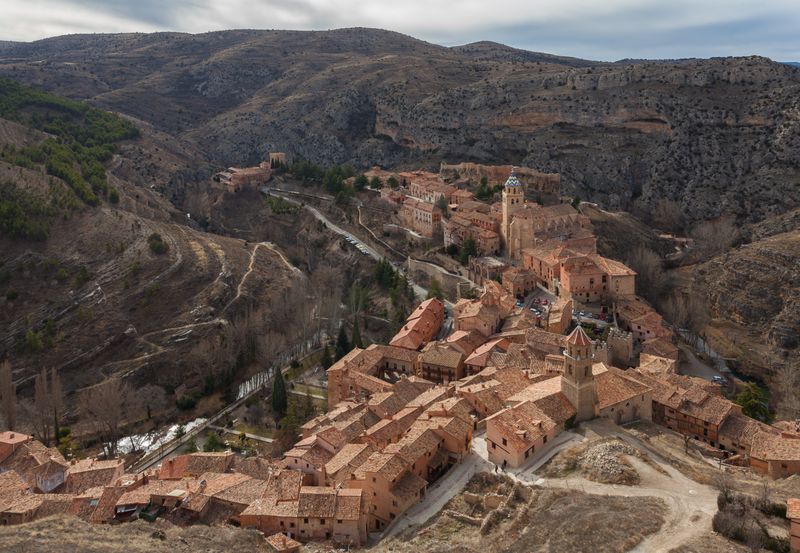
Perched on a rocky bend of the Guadalaviar River, Albarracín looks like it jumped straight out of a storybook. Its terracotta-colored walls glow warmly against the rugged landscape, and every twist in its cobblestone lanes reveals another postcard-perfect view.
This medieval gem in eastern Spain has been called one of the country’s most beautiful towns, and once you see it, you’ll understand why.
Castle remnants crown the hilltop, while defensive walls snake along the ridges, offering panoramic views that stretch across valleys and forests. Walking through the village feels like time travel — narrow streets open onto hidden squares where local artisans craft leather goods and ceramics.
The buildings lean slightly, their wooden balconies almost touching overhead, creating shaded passages that stay cool even in summer.
Unlike Spain’s packed coastal resorts, Albarracín remains blissfully quiet. You can wander at your own pace, stop for lunch at a family-run restaurant, and actually hear church bells echo through the valley.
Photographers love the golden-hour light that bathes the pink-hued walls. Hikers appreciate the surrounding nature trails that wind through pine forests and rocky outcrops.
Albarracín rewards slow exploration and genuine curiosity, making it perfect for travelers who want authentic Spanish charm without the selfie sticks and tour buses.
Ronda — Dramatic Cliffside Gem of Andalusia
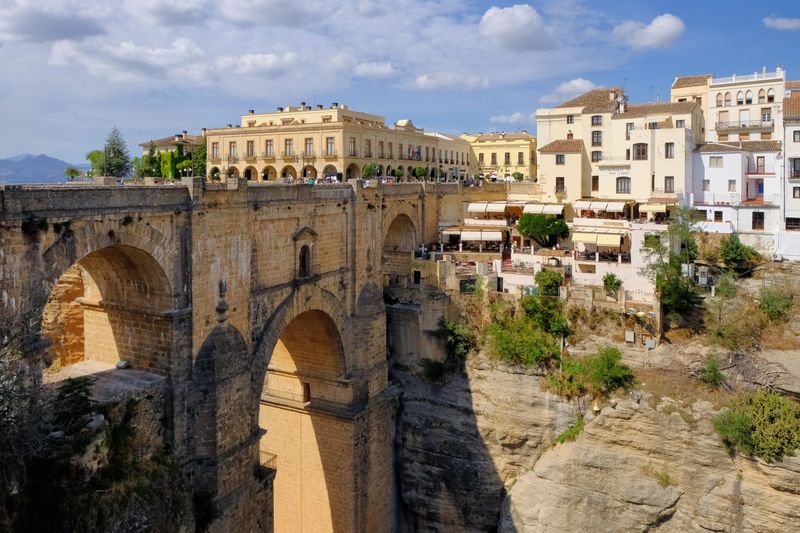
Imagine a town split in two by a 400-foot gorge, connected by a stone bridge that seems to defy gravity. That’s Ronda, and the view from the Puente Nuevo will make your stomach drop and your camera work overtime.
Built over three decades in the 18th century, this iconic bridge frames one of Spain’s most jaw-dropping landscapes — sheer cliffs plunging into the El Tajo canyon below.
Ronda’s historic old town sprawls across the clifftop, its ancient walls and winding streets filled with Andalusian character. The town boasts Spain’s oldest bullring, which still hosts traditional fights during festivals.
Plaza de Toros isn’t just for bullfighting fans — its museum tells fascinating stories about this controversial tradition’s role in Spanish culture.
Wander beyond the bridge and you’ll discover hidden gardens, Moorish baths, and café terraces where locals sip wine while overlooking valleys dotted with olive groves. The surrounding countryside offers hiking trails that showcase the dramatic landscape from different angles.
Early morning visits provide the best light and fewer crowds.
While Ronda has gained popularity in recent years, it still feels worlds away from the beach resort chaos of Costa del Sol, just an hour’s drive south. The combination of natural drama and historical depth makes this village unforgettable.
Cudillero — Colorful Seaside Haven in Asturias
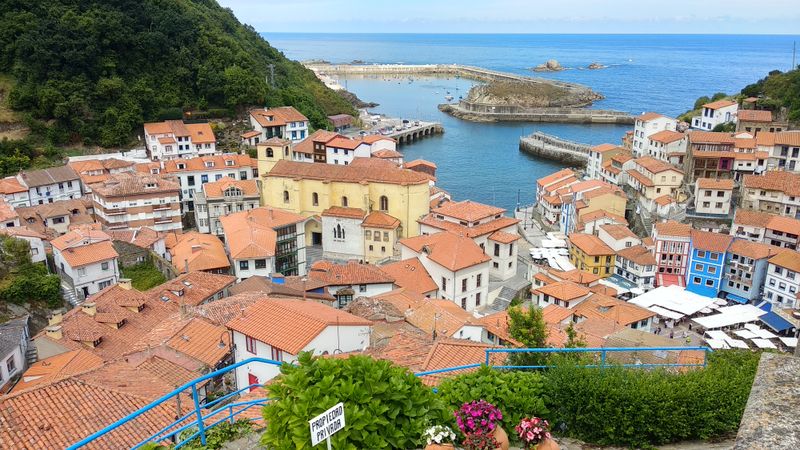
Bright houses in every color imaginable tumble down steep hillsides toward a tiny harbor where fishing boats bob gently in the waves. Cudillero looks like someone knocked over a paint box on the northern Spanish coast, and the result is absolutely delightful.
This Asturian fishing village delivers authentic coastal life without the crowds that swarm Mediterranean beaches.
The village layout follows the natural amphitheater shape of the hillside, with narrow alleys and staircases connecting different levels. Walking from the harbor up to the hilltop church gives you a workout and rewards you with stunning views over the Bay of Biscay.
The climb passes through residential neighborhoods where laundry flutters on balconies and cats nap in sunny doorways.
Cudillero’s restaurants specialize in incredibly fresh seafood — think grilled sardines, octopus, and the local cider that Asturias is famous for. The harbor area comes alive in the evening when fishing boats return and locals gather at waterfront bars.
Unlike southern Spain’s party beaches, this village maintains a peaceful, unhurried atmosphere.
The surrounding coastline features dramatic cliffs, hidden coves, and coastal paths perfect for scenic walks. Boat trips from the harbor let you appreciate Cudillero’s colorful cascade from the water, offering a perspective that’s just as photogenic as the land-based views.
Besalú — A Walk Through Medieval Spain
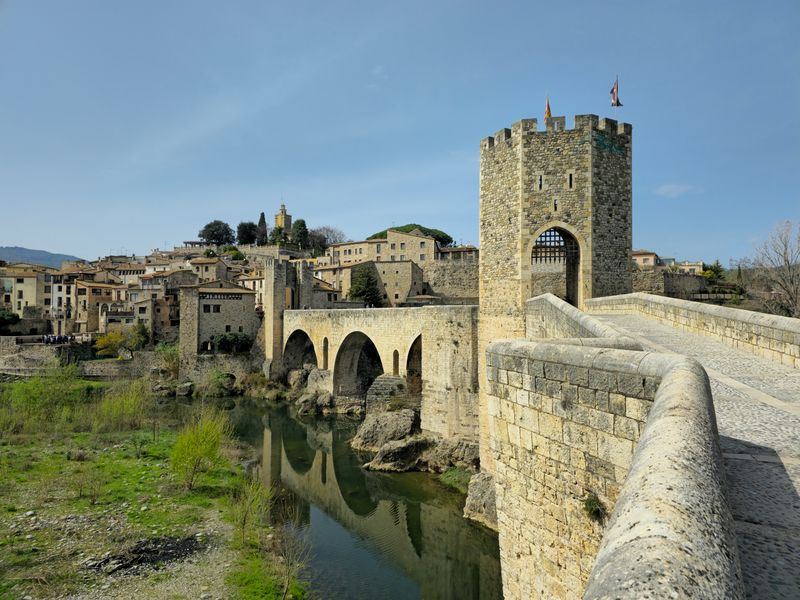
Cross the fortified stone bridge into Besalú and you’ll swear you’ve traveled back 800 years. This perfectly preserved medieval village in Catalonia feels like a movie set, except everything is genuinely ancient.
The dramatic bridge over the Fluvià River, with its defensive towers and angular design, serves as the village’s grand entrance and most photographed landmark.
Once inside the old town, narrow lanes wind between Romanesque buildings constructed from honey-colored stone. The village’s compact size makes exploring easy — you can see everything in a few hours of leisurely wandering.
Tiny plazas appear unexpectedly, each with its own character and history.
Besalú’s Jewish quarter includes remarkably preserved medieval baths (mikvehs), rare survivors from when a thriving Jewish community lived here centuries ago. The Church of Sant Pere, with its distinctive circular window and carved portal, showcases the Romanesque architecture that defines the region.
Small museums and artisan workshops occupy historic buildings, offering glimpses into traditional crafts.
The village hosts medieval festivals where residents dress in period costume and the streets fill with market stalls, musicians, and historical reenactments. Even on regular days, Besalú maintains an authentic atmosphere — this isn’t a theme park but a living community that happens to occupy extraordinary historical architecture.
Cafés serve local Catalan specialties while you soak in centuries of visible history.
Frigiliana — Whitewashed Charm Above the Costa del Sol
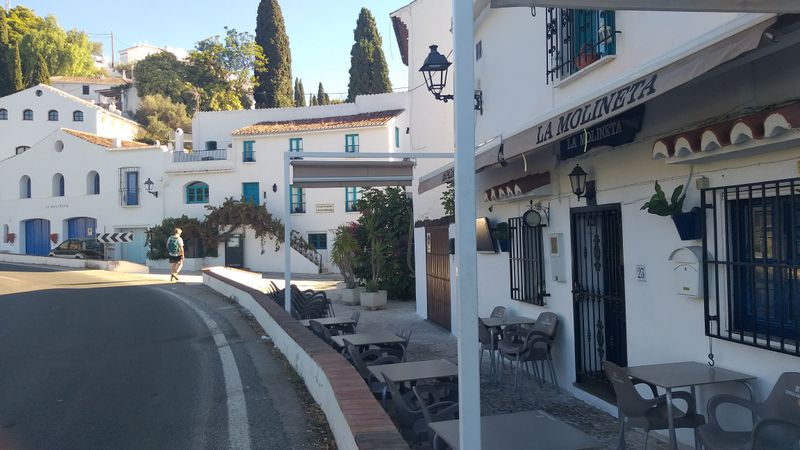
Zigzagging streets so narrow you can touch both walls simultaneously wind through this dazzling white village perched in the hills above Spain’s busy coast. Frigiliana embodies everything magical about Andalusia’s pueblos blancos — brilliant white walls, explosive flower displays, and views that stretch from mountains to Mediterranean Sea.
Yet somehow it remains peaceful despite being just minutes from tourist-packed beach towns.
The Moorish quarter, with its maze-like layout, was designed centuries ago to confuse invaders. Today it delights visitors who happily get lost among the spotless white houses decorated with bright blue trim and cascading geraniums.
Every corner reveals another photo opportunity, and the village takes obvious pride in its appearance.
Ceramic plaques mounted on walls throughout the old quarter tell the story of the Moors’ last stand in Spain through colorful illustrations. These tiles turn a simple walk into a history lesson about the Christian conquest that forever changed Spanish culture.
Small galleries and craft shops occupy ground floors, selling local artwork and handmade goods.
Café terraces offer front-row seats to village life and spectacular sunset views over the coast below. The surrounding countryside produces sweet wine that Frigiliana is famous for — you can visit small bodegas for tastings.
This elevated location keeps temperatures slightly cooler than the coast, making it a refreshing escape from summer beach heat.
Valderrobres — Spanish Tuscany in Aragón
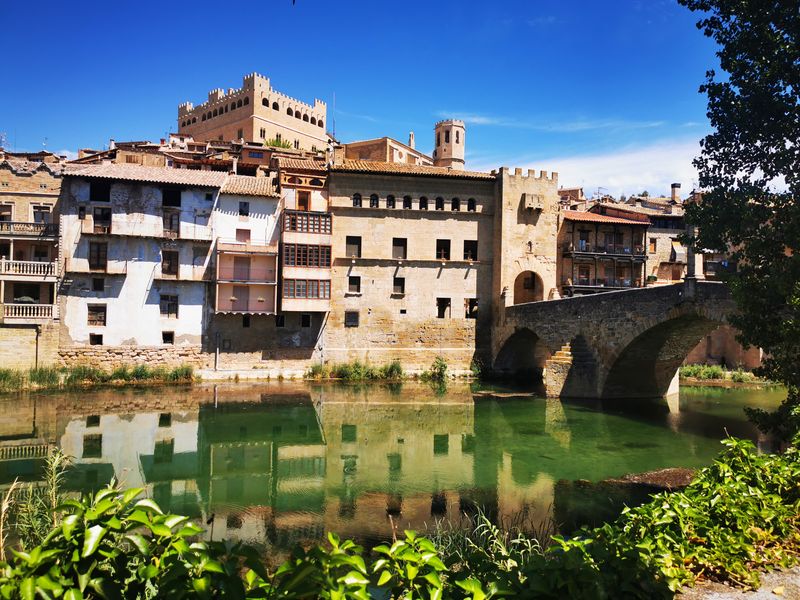
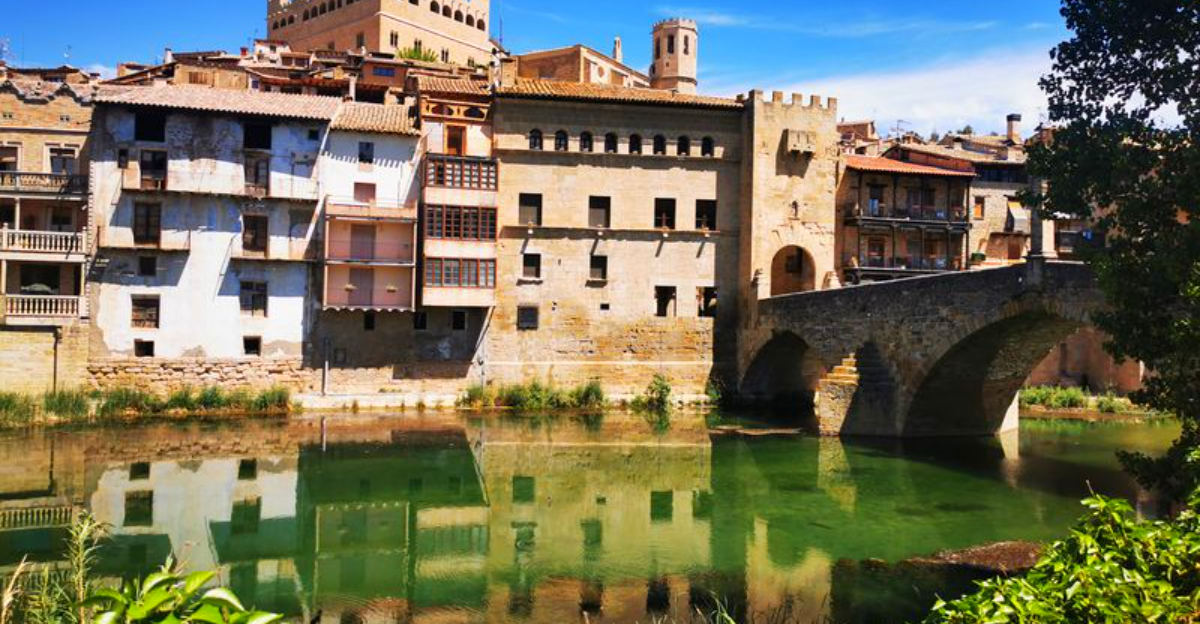
Rolling hills covered in vineyards and olive groves surround this chocolate-box village that locals call the Spanish Tuscany. Valderrobres sits in northeastern Aragón, where the Matarranya River winds through landscapes that look remarkably Italian.
A fortress-like castle and Gothic church dominate the skyline, their stone towers watching over terracotta roofs and cobbled streets below.
The medieval center feels frozen in time, with perfectly preserved Renaissance architecture lining narrow lanes. A beautiful stone bridge arches over the river, connecting the newer town with the historic quarter.
Walking across it provides classic views of the village reflected in the water, with the castle rising dramatically behind.
Valderrobres takes its wine seriously — this region produces excellent reds that pair perfectly with local cuisine. Small bodegas welcome visitors for tastings, and restaurants serve traditional dishes featuring olive oil, almonds, and fresh vegetables from nearby farms.
The pace here is decidedly slow, encouraging long lunches and afternoon strolls.
The surrounding Matarranya region offers some of Spain’s most underrated landscapes. Hiking trails wind through the Puertos de Beceite mountains, passing through forests and rock formations.
Medieval villages dot the countryside, each with its own castle ruins or ancient church. Despite its beauty, this area sees far fewer tourists than Spain’s famous regions, making it feel like a genuine discovery.
Tazones — Asturias’ Coastal Hidden Gem
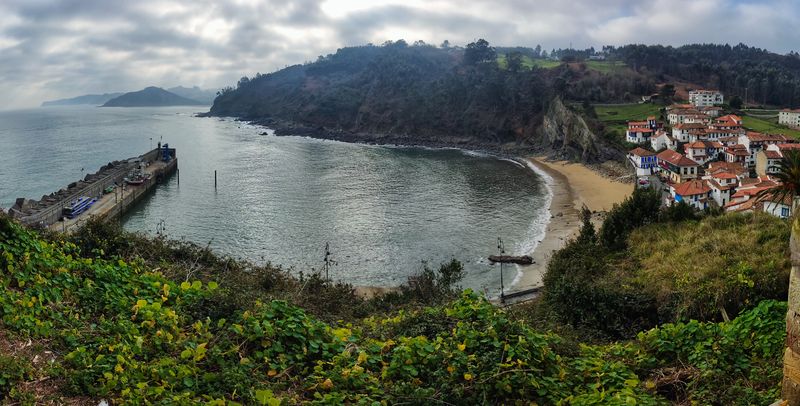
History buffs know Tazones as the spot where Emperor Charles V first set foot in Spain in 1517, but most travelers have never heard of this petite coastal gem. The village clings to the Asturian shoreline with traditional stone houses, a working harbor, and enough local character to fill a much larger town.
Its old-world architecture and peaceful seafront make it perfect for slow travel.
The historic ensemble of neighborhoods preserves traditional Asturian coastal architecture — sturdy stone buildings designed to withstand Atlantic storms. A scenic lighthouse marks the headland, and coastal paths offer walks with dramatic sea views.
Surprisingly, dinosaur footprints fossilized in nearby rocks add a prehistoric dimension to your visit.
Tazones’s restaurants serve some of Asturias’s best seafood, caught by the same fishing boats you’ll see tied up in the harbor. Fresh grilled fish, barnacles, and seafood stews showcase the region’s culinary traditions.
Pair your meal with local cider poured in the traditional Asturian style — from height to aerate it properly.
The village maintains an authentic working-harbor atmosphere rather than catering primarily to tourists. You’ll see fishermen mending nets, locals shopping at small stores, and cats lounging on sun-warmed walls.
This genuine character, combined with beautiful coastal scenery and excellent food, makes Tazones an underrated stop along Spain’s northern coast that rewards visitors who venture off the beaten path.
Aínsa — Fortress Town at the Pyrenees’ Edge
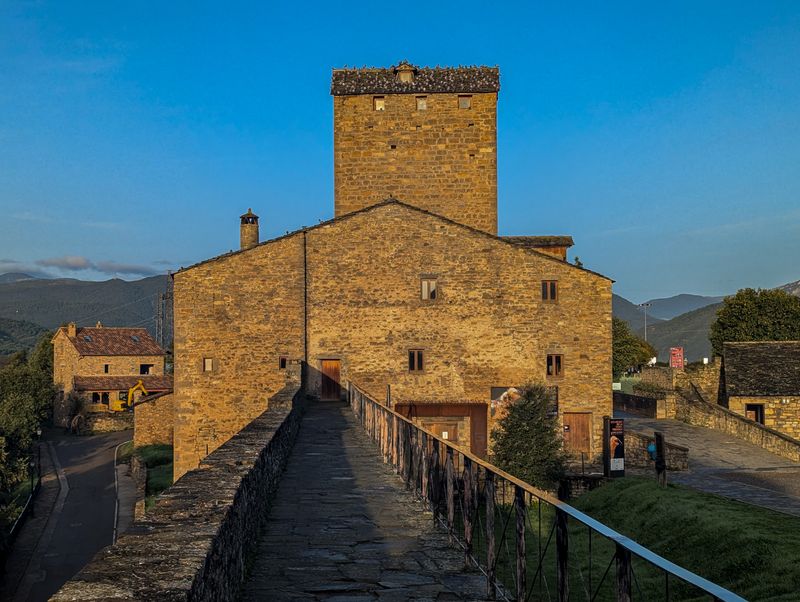
Stone walls encircle this elegant medieval village that guards the gateway to the Pyrenees Mountains. Aínsa rises from the confluence of two rivers, its fortress and castle-topped plaza commanding views over valleys that lead into some of Spain’s most spectacular mountain landscapes.
The village perfectly balances preserved heritage with access to outdoor adventure.
The old town centers on a beautiful arcaded plaza surrounded by stone buildings that date back centuries. Steep staircases connect different levels of the village, and the defensive walls that once protected residents now provide elevated walkways with panoramic views.
Romanesque churches and medieval architecture transport you back to when this was an important strategic stronghold.
Beyond sightseeing, Aínsa serves as a base for exploring the Pyrenees. The nearby Ordesa y Monte Perdido National Park offers world-class hiking through dramatic canyons, past waterfalls, and up to high mountain peaks.
River valleys invite gentler walks and picnics. Outdoor enthusiasts can arrange rafting, canyoning, and climbing excursions from the village.
After days spent in the mountains, Aínsa’s restaurants and cafés provide welcome comfort. Local cuisine features hearty mountain food — roasted meats, stews, and cheeses from the surrounding valleys.
The village hosts medieval festivals where residents don period costumes and the streets fill with market stalls and entertainment, celebrating its rich historical heritage with genuine community pride.
Cadaqués — Coastal Artist’s Retreat
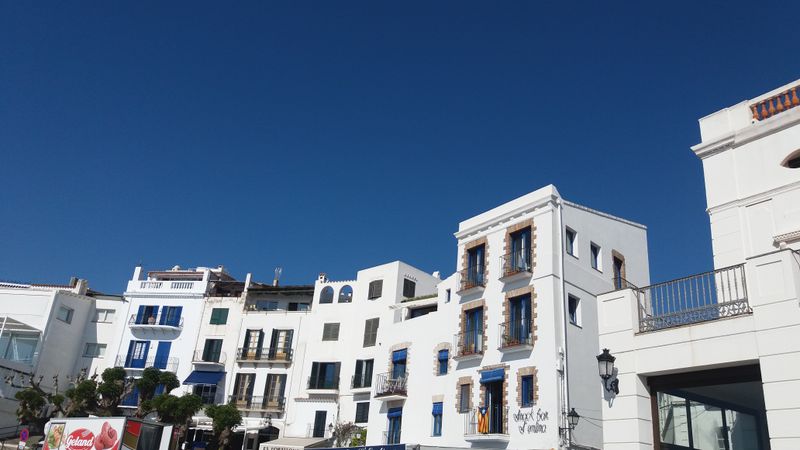
Brilliant white buildings cascade toward calm Mediterranean waters in this coastal village that captured Salvador Dalí’s imagination. Cadaqués sits tucked into a rocky bay on the Costa Brava, its relative isolation preserving a tranquil character that more accessible beach towns lost decades ago.
The artist’s former home in nearby Port Lligat draws art lovers, but the village itself remains the real masterpiece.
Cobblestone streets wind through the old town, connecting whitewashed houses with blue-painted doors and shutters. The color scheme creates a distinctly Mediterranean aesthetic that photographers and painters still find irresistible.
Small galleries showcase local artists continuing the creative tradition that Dalí helped establish.
Unlike Spain’s developed resort strips, Cadaqués maintains a village atmosphere. Fishing boats still work from the harbor, and locals gather at waterfront cafés for long conversations over coffee.
Hidden coves dot the surrounding coastline, accessible by foot or small boat, offering swimming spots away from any crowds. The water here stays remarkably clear thanks to limited development.
The village’s somewhat remote location — reached by a winding mountain road — actually works in its favor. Day-trippers from Barcelona make the journey, but overnight visitors get to experience the peaceful evenings when the Mediterranean light turns golden and the pace slows even further.
Seafood restaurants serve fresh catches while you watch the sun sink into the sea.
Setenil de las Bodegas — The Cave Village
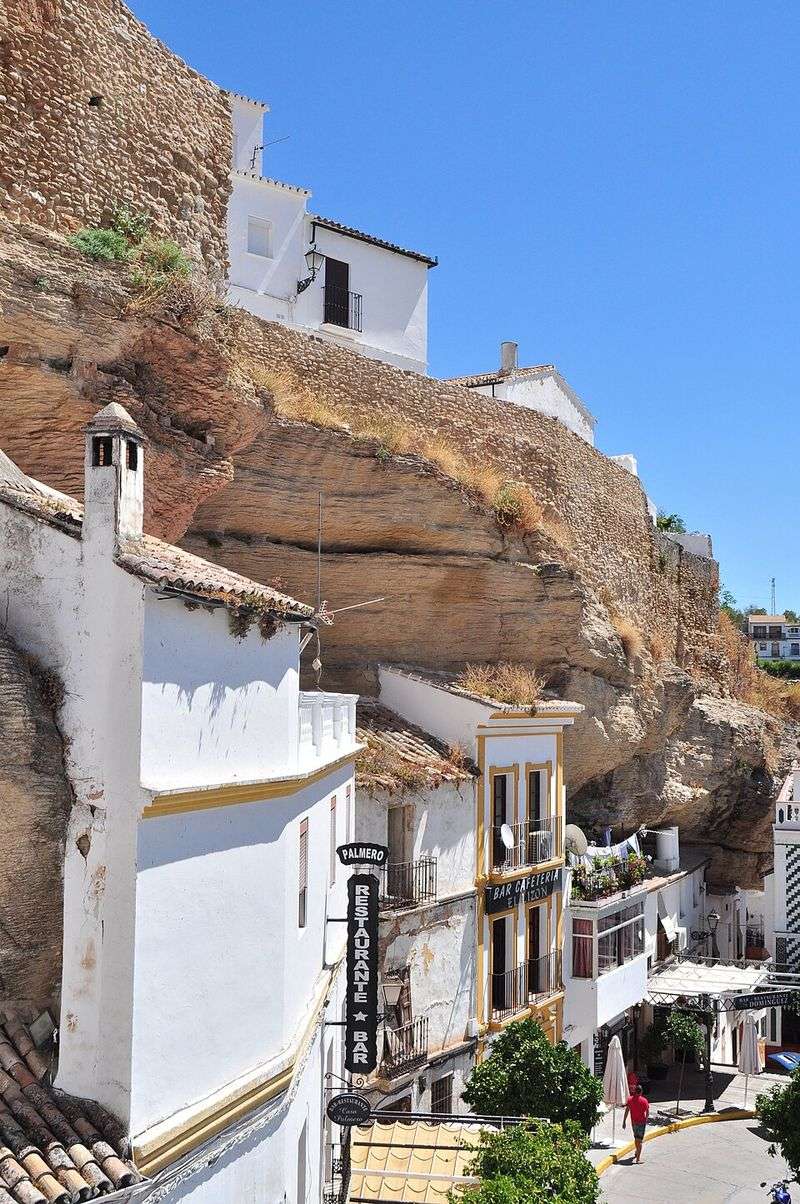
Massive limestone overhangs shelter entire streets in this extraordinary village where buildings don’t just lean against rocks — they disappear directly into them. Setenil de las Bodegas ranks among Spain’s most unusual settlements, with homes, bars, and restaurants carved into and beneath towering rock formations.
Walking these streets feels surreal as solid stone forms your ceiling while whitewashed walls create your sides.
The village adapted to its dramatic geology rather than fighting it. Centuries ago, residents realized these natural rock shelters provided excellent protection from weather and created naturally cool spaces perfect for storing wine (hence “bodegas” in the name).
Today, some of the best restaurants occupy these cave spaces, where thick rock keeps interiors comfortable even during Andalusia’s scorching summers.
Two main streets showcase the cave architecture most dramatically. Cuevas del Sol (Sun Caves) faces south, receiving sunlight for much of the day, while Cuevas de la Sombra (Shadow Caves) stays permanently shaded beneath the massive rock ceiling.
The contrast between brilliant white buildings and dark stone creates striking photographs.
Beyond the famous cave streets, Setenil offers typical Andalusian pueblo charm — a Moorish castle ruin overlooks the village, and traditional white houses climb the hillsides. The surrounding countryside produces almonds, olives, and wine.
This combination of geological oddity and traditional Spanish culture makes Setenil genuinely unique among Spain’s thousands of villages.
Albocàsser — Hidden Hilltop Life in Castellón
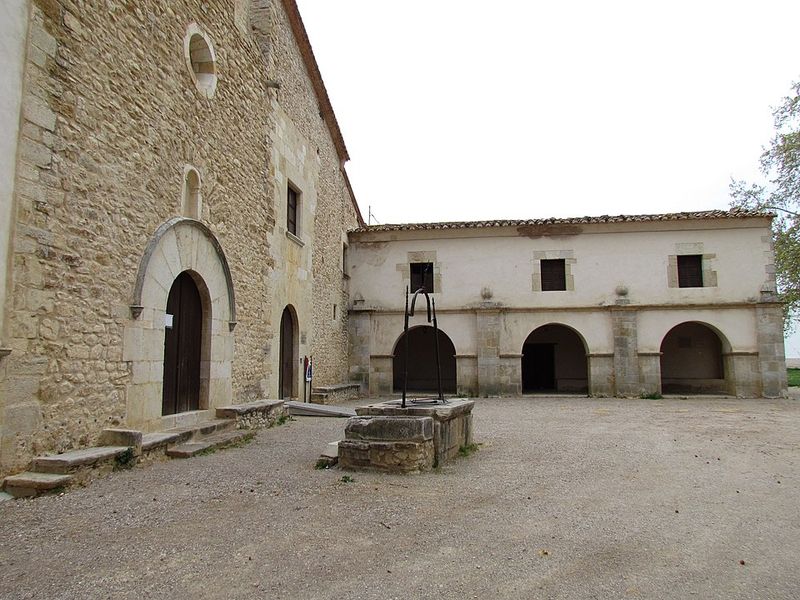
Far from Spain’s crowded coasts, this peaceful hilltop village offers a glimpse into rural life that most visitors never experience. Albocàsser sits in Castellón province’s green interior, surrounded by olive groves and forests that stretch across rolling hills.
The village maintains a slower pace where traditional ways still shape daily life.
The historical center preserves classic Spanish rural architecture — stone buildings with terracotta roofs, narrow streets designed for walking rather than driving, and a central plaza where locals gather. Churches and civic buildings reflect centuries of community life, though without the grand monuments that draw tour buses to more famous destinations.
What Albocàsser lacks in famous sights, it makes up for in authentic atmosphere. Weekly markets bring farmers selling local produce, olives, and handmade goods.
Village festivals celebrate patron saints with processions, traditional music, and communal meals that welcome visitors willing to join in. These events offer rare chances to experience Spanish rural traditions firsthand.
The surrounding countryside invites exploration by foot or bicycle. Quiet roads wind through agricultural landscapes where olive cultivation has shaped the terrain for generations.
Nature trails lead into forested areas where you might spot wildlife and certainly won’t encounter crowds. For travelers seeking to understand Spain beyond the tourist highlights, this unpretentious village provides genuine connection to a disappearing way of life that values community and tradition over commercial appeal.
Ribadesella — Northern Coast with Old Town Flair
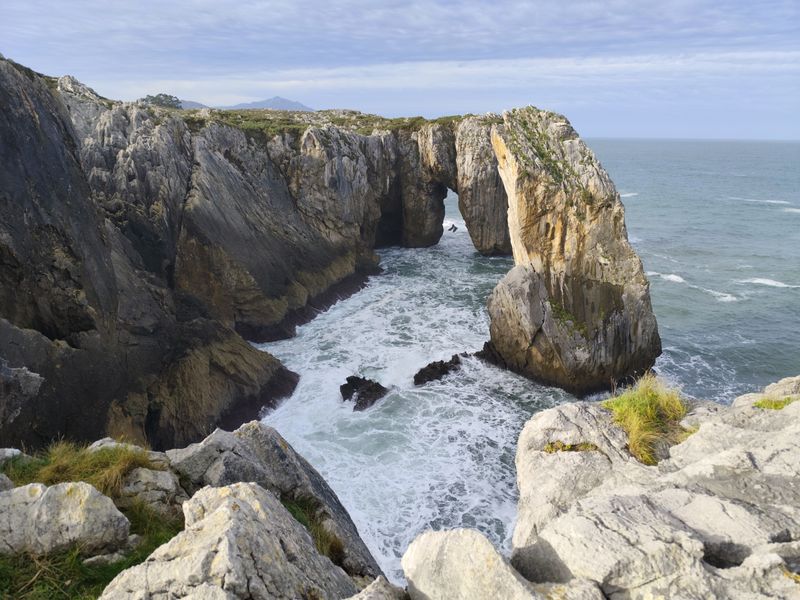
Where a scenic estuary meets the Cantabrian Sea, this northern village balances beach appeal with genuine old-town character. Ribadesella draws summer crowds to its beaches, but the historic quarter perched above the water retains timeless charm year-round.
Pastel-colored façades line the waterfront, and the old town’s narrow streets reveal centuries of maritime heritage.
The village occupies both sides of the estuary, connected by a bridge that offers lovely views. The western side contains the historic center with its medieval layout, churches, and traditional architecture.
Seaside promenades invite leisurely walks with views across the water to mountains rising in the distance.
Beyond beaches and pretty buildings, Ribadesella claims remarkable cultural significance. The nearby Tito Bustillo Cave contains prehistoric art dating back over 14,000 years — some of Europe’s finest Paleolithic paintings of animals and symbols.
Guided tours let visitors see these ancient artworks in their original cave setting, providing a humbling connection to human creativity across millennia.
The village’s gastronomy celebrates its coastal location with excellent seafood restaurants serving fresh catches and traditional Asturian dishes. Local cider culture thrives here, with sidrerías (cider houses) pouring the region’s signature drink.
Annual festivals include a famous international kayak descent down the Sella River that ends in Ribadesella, bringing festive energy to the town every August while maintaining the relaxed coastal atmosphere that defines northern Spanish villages.
Guadalupe — Monastery Heart of Extremadura
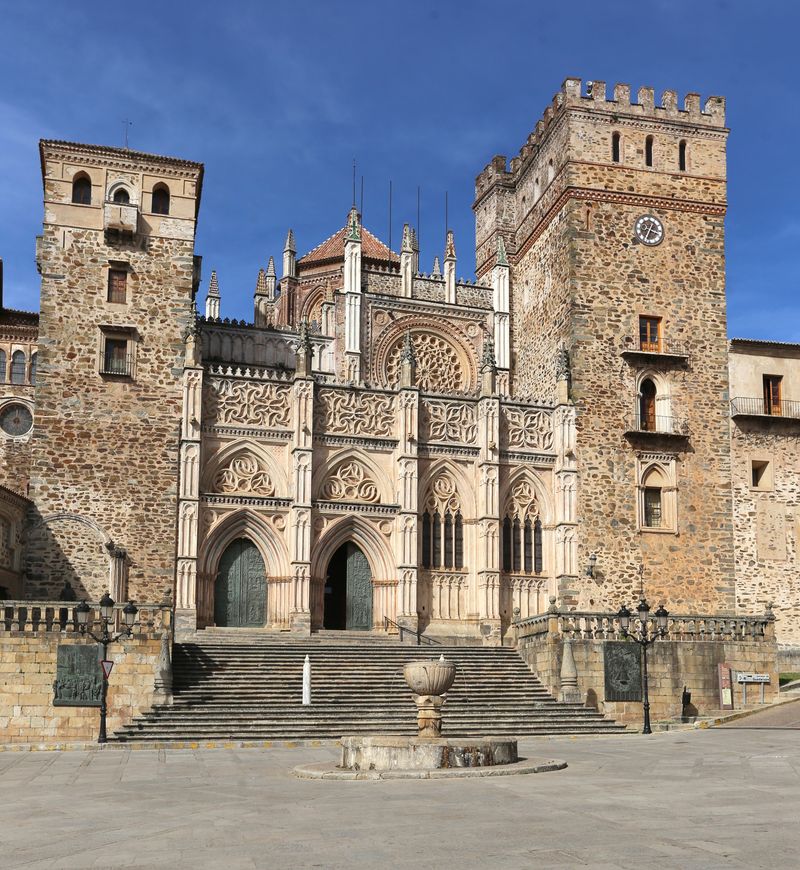
A magnificent monastery dominates this small town tucked into the hills of rural Extremadura. The Royal Monastery of Santa María de Guadalupe, a UNESCO World Heritage Site, has drawn pilgrims for over 600 years with its sacred Black Madonna statue and stunning architecture that blends Gothic, Mudéjar, Renaissance, and Baroque styles.
The monastery’s towers and fortress-like walls announce themselves from miles away across the surrounding oak forests.
The monastery complex rewards extended exploration. Intricate cloisters surround peaceful gardens, a museum displays religious art and embroidered vestments, and the church interior dazzles with gilded altarpieces.
Guided tours reveal the pharmacy with antique medicine jars, the choir with carved wooden stalls, and the sacristy featuring paintings by famous Spanish artists. The architecture alone justifies the visit, even for non-religious travelers.
Beyond the monastery, Guadalupe village offers quiet plazas shaded by orange trees, arcaded streets with medieval character, and regional restaurants serving Extremaduran cuisine. Local specialties include hearty stews, Iberian pork from acorn-fed pigs, and sheep cheeses.
The surrounding landscape of rolling hills covered with cork oaks and holm oaks invites nature walks through terrain that feels remote and timeless.
Despite its historical and cultural importance, Guadalupe remains refreshingly uncommercialized. The village maintains an authentic atmosphere where religious heritage and rural Spanish life coexist naturally, offering travelers a contemplative experience far from Spain’s tourist circuits.
Santillana del Mar — A Timeless Cantabrian Village
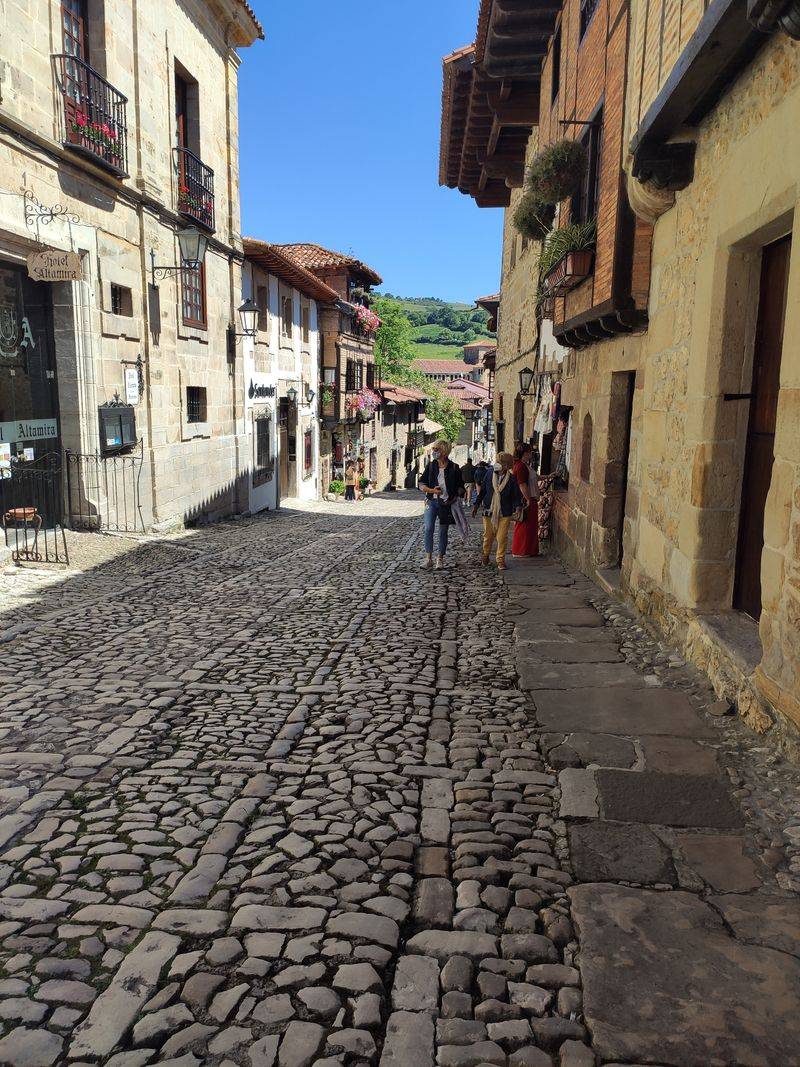
Called the town of three lies because it’s neither holy, flat, nor by the sea, Santillana del Mar nevertheless ranks among Spain’s most enchanting preserved villages. Located in Cantabria on the northern coast, this medieval gem features cobbled streets lined with noble houses, stone towers, and flower-filled balconies that create a remarkably intact historical ensemble.
Every building seems to have a story carved into its stones.
The village center follows its medieval layout, with lanes too narrow for most vehicles winding between honey-colored stone buildings. Many structures date back to the 15th and 16th centuries when Santillana prospered, and the architecture reflects the wealth of noble families who built here.
Carved coats of arms decorate façades, and heavy wooden doors open onto interior courtyards.
Beyond its obvious beauty, Santillana serves as gateway to the Altamira Cave, often called the Sistine Chapel of Paleolithic art. While the original cave stays closed to preserve the ancient paintings, an excellent museum and replica cave nearby let visitors experience these 14,000-year-old masterpieces.
The combination of medieval village and prehistoric art creates unusual historical depth.
Small museums, artisan shops, and cafés occupy the historic buildings, and the village has learned to accommodate tourism without losing its character. Yes, day-trippers arrive by the busload, but visit early morning or evening and you’ll find quieter moments to appreciate the medieval atmosphere that makes Santillana feel genuinely timeless.
Villajoyosa — Costa Blanca’s Hidden Coastal Gem
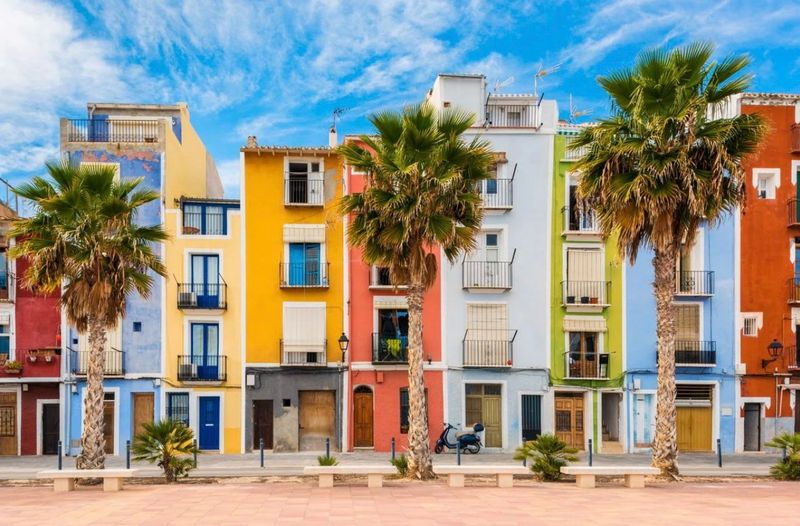
Named Europe’s Best Hidden Gem in 2024, Villajoyosa proves that Costa Blanca still has secrets worth discovering. This former fishing village on Spain’s southeastern coast showcases one of the Mediterranean’s most photogenic waterfronts — a row of pastel-painted houses in every color imaginable standing directly along the beach.
Unlike nearby resort towns dominated by high-rise hotels, Villajoyosa maintains its traditional character and local culture.
The colorful houses weren’t just painted for tourists — fishermen traditionally used bright colors to identify their homes from the sea. Today these vibrant façades create an irresistibly cheerful atmosphere and endless photo opportunities.
Behind the beachfront, the old town preserves narrow streets, historic churches, and traditional architecture that predates the tourism boom.
Villajoyosa’s beaches offer golden sand and calm Mediterranean waters without the crowds that pack more famous Costa Blanca resorts. The town’s chocolate-making heritage adds unexpected cultural depth — several chocolate factories offer tours and tastings, celebrating a tradition dating back centuries.
Local restaurants specialize in rice dishes and fresh seafood prepared following traditional recipes rather than adapted for tourist tastes.
The seaside promenade invites sunset walks with the colorful houses glowing in the golden light. Despite recent recognition, Villajoyosa remains relatively undiscovered compared to nearby Benidorm, offering travelers an authentic coastal experience that combines beautiful beaches, genuine culture, and that increasingly rare Spanish coastal commodity — peaceful atmosphere.



