 Unearth The Voyage
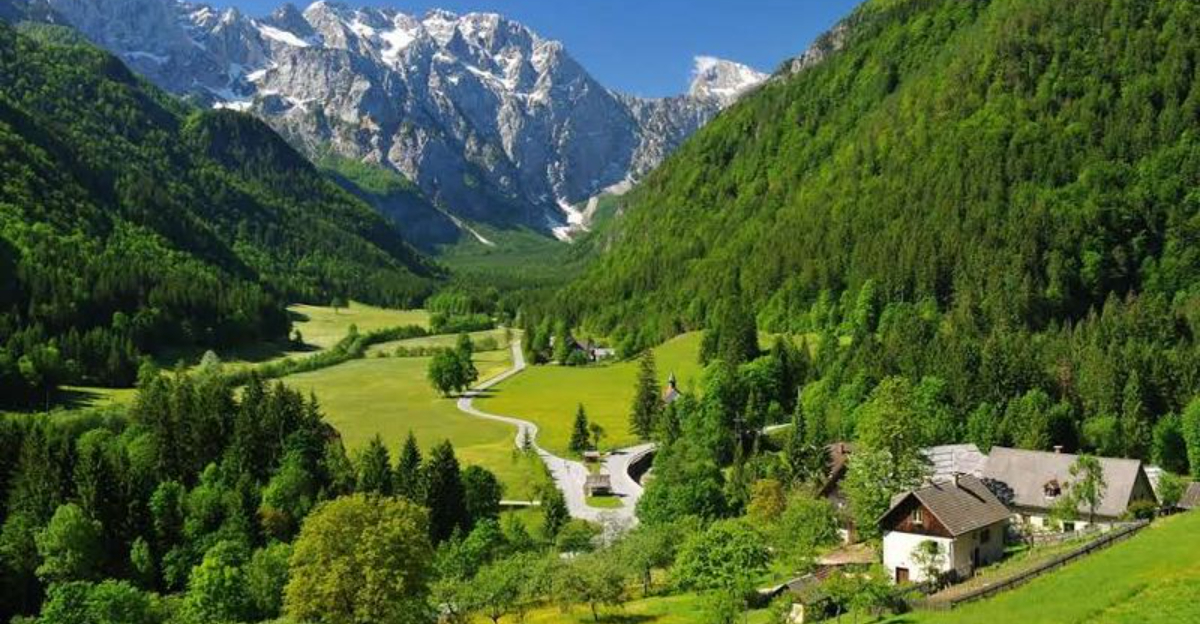
Most travelers dream about Paris, Tokyo, or New York City, but some of the world’s most breathtaking places remain quietly tucked away from the crowds. These hidden gems offer jaw-dropping landscapes, fascinating cultures, and adventures you won’t find on every Instagram feed. Ready to discover destinations that will make your friends ask, “Where is that?”
1. Upper Svaneti (Mestia & Ushguli), Georgia
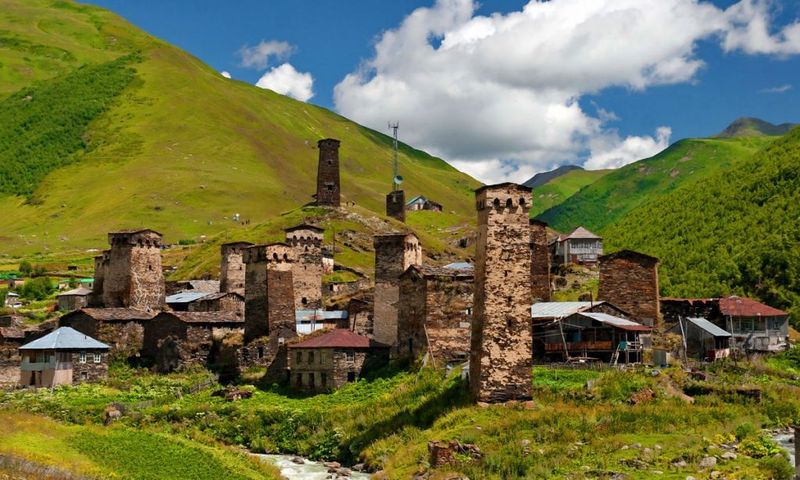
This remote corner of Georgia earned UNESCO World Heritage status thanks to its unique Svan defensive towers and dramatic Caucasus landscapes. The villages of Mestia and Ushguli feel frozen in time, where locals still live among centuries-old architecture.
Getting here requires effort, but that’s exactly why it remains unspoiled. Mountain trails wind through wildflower meadows, past glaciers, and into communities where ancient traditions survive. Winter blankets the region in deep snow, while summer reveals emerald valleys perfect for trekking.
Families have lived in these tower houses for generations, using them as fortresses during conflicts. Today, you can stay in guesthouses run by Svan families, taste local dishes, and experience hospitality that feels genuinely warm rather than tourist-focused.
2. Valbona Valley National Park, Albania

Imagine the Alps before luxury resorts took over. Valbona Valley delivers exactly that: jagged limestone peaks nicknamed the Accursed Mountains, wild rivers cutting through valleys, and trails where you might not see another soul for hours. Albania’s mountain gem remains refreshingly uncommercialized.
Hikers rave about the trail connecting Valbona to Theth, a full-day trek through some of Europe’s most spectacular scenery. Guesthouses dot the valley, offering homemade meals and stories from families who’ve farmed these mountains for generations. Spring brings wildflowers; autumn paints the beech forests gold.
The valley’s isolation once kept visitors away, but improved roads now make access easier while maintaining that frontier feeling. Pack layers because mountain weather changes quickly, and bring cash since ATMs are scarce. This is Albania at its most authentic and beautiful.
3. Prokletije National Park, Montenegro

Montenegro’s youngest national park rewards those seeking serious solitude. Prokletije sits on the edge of the Dinaric Alps, where rugged peaks tower over glacial lakes and meadows that explode with color each spring. Established recently to protect this wilderness, the park remains blissfully quiet compared to coastal Montenegro.
Experienced hikers tackle multi-day routes through terrain that feels untamed and ancient. Shepherds still bring flocks to high pastures in summer, continuing traditions that predate borders. Wildlife like brown bears and wolves roam freely, though sightings require patience and luck.
The park’s remoteness means facilities are basic, so come prepared with proper gear and navigation tools. Local guides from nearby villages can lead you to hidden waterfalls and viewpoints tourists never find. If you want Montenegro beyond the beaches, this is your answer.
4. Sutjeska National Park & Perućica, Bosnia and Herzegovina
Step into Perućica, and you’re walking through a forest that has stood undisturbed for thousands of years. This strictly protected reserve within Sutjeska National Park is one of Europe’s last true primeval forests, a time capsule showing what the continent looked like before humans reshaped it. Trees tower over 60 meters high, some over 300 years old.
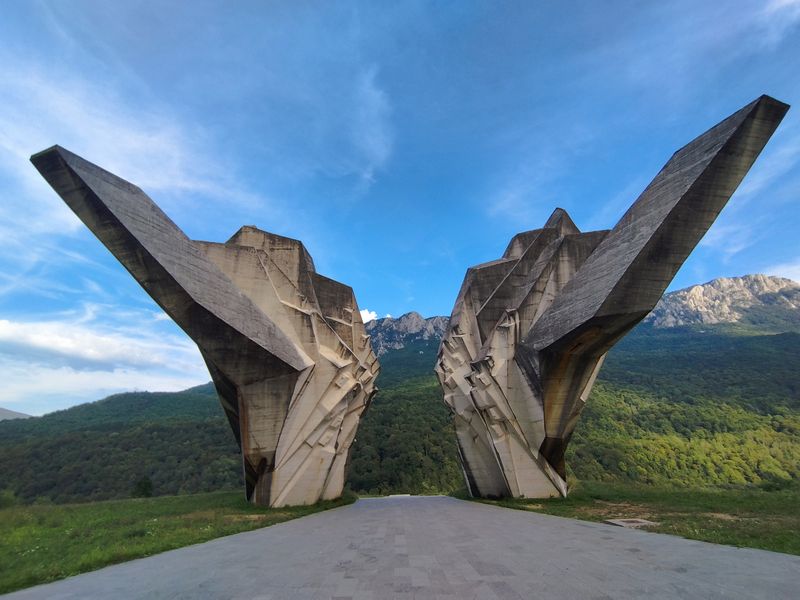
Sutjeska itself holds deep historical significance as the site of a major World War II battle, commemorated by an impressive monument. But nature steals the show here. Waterfalls cascade down cliffs, hiking trails wind past mountain lakes, and the Drina River carves through dramatic gorges.
Access to Perućica is restricted to protect its ecosystem, so you’ll need a guide for the full experience. The park offers camping and mountain huts for overnight stays, letting you wake to birdsong in one of Europe’s wildest places.
5. Logar Valley Landscape Park, Slovenia

Slovenia’s Logar Valley looks like something from a fairy tale. This textbook U-shaped glacial valley cradles peaceful farms beneath the Kamnik-Savinja Alps, where waterfalls tumble down rock faces and trails meander through forests. Unlike crowded ski resorts, this valley keeps things low-key and authentic.
Families love cycling the flat valley floor, stopping at farm stands for fresh cheese and honey. More ambitious hikers climb to Rinka Waterfall, one of Slovenia’s highest, or tackle peaks that reward with panoramic views. The valley’s microclimate keeps it green and lush throughout summer.
Small guesthouses and mountain huts provide accommodation, many family-run for generations. Spring brings baby animals to the farms; autumn turns the forests golden. Winter closes some trails but opens opportunities for cross-country skiing through silent, snow-covered landscapes. The valley proves Slovenia’s reputation for unspoiled natural beauty is well-earned.
6. Lastovo Islands Nature Park, Croatia
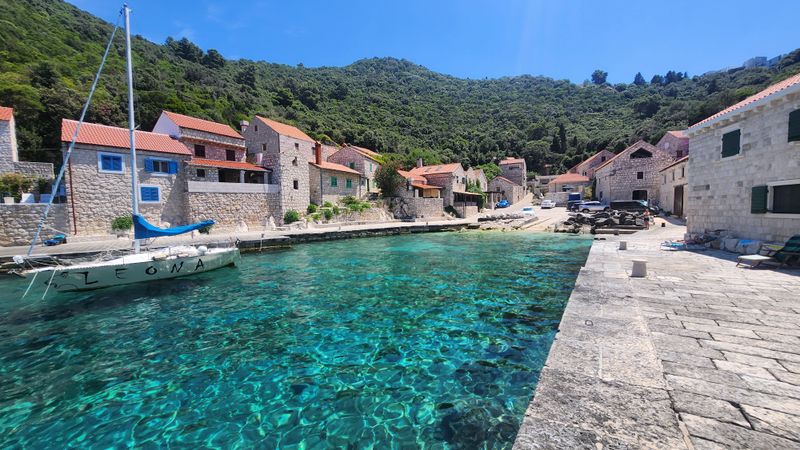
While crowds pack Dubrovnik and Split, Lastovo archipelago floats peacefully in the southern Adriatic. This protected nature park boasts some of Croatia’s clearest waters, hidden coves accessible only by boat, and night skies so dark that astronomers flock here. Limited development has kept the islands authentically Croatian.
The main island of Lastovo features villages where stone houses cascade down hillsides and locals still speak a distinct dialect. Underwater, the marine park protects coral gardens and shipwrecks that divers explore. Kayaking between smaller islets reveals beaches where you might be the only person for miles.
Getting here requires planning since ferry service is limited, but that’s precisely why it remains special. Bring snorkeling gear, hiking shoes, and binoculars for bird watching. The annual carnival in February showcases unique traditions found nowhere else in Croatia, complete with costumes and rituals centuries old.
7. Senja, Norway
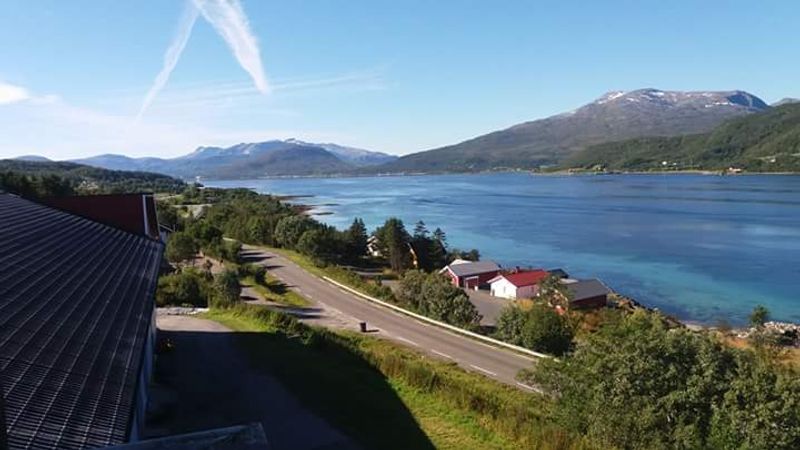
Norway’s second-largest island somehow stays off most tourist radars. Senja earns its nickname as the split-personality island: one side faces the wild Norwegian Sea with cliffs that plunge dramatically into churning water, while the inland side offers gentle green valleys and peaceful fjords. This contrast makes every drive an adventure.
The scenic route along the western coast ranks among Norway’s most spectacular drives, with viewpoints that make you pull over every few kilometers. Fishing villages cling to rocky shores, their colorful houses reflected in still waters. Northern Lights dance overhead in winter; midnight sun bathes everything in golden light during summer.
Hiking trails range from easy coastal walks to challenging mountain climbs. Wildlife includes sea eagles soaring overhead and whales breaching offshore. Accommodations span from modern hotels to traditional fisherman’s cabins where you can cook your own catch. Senja delivers authentic Norwegian beauty without the crowds of Lofoten.
8. Sarek National Park, Sweden
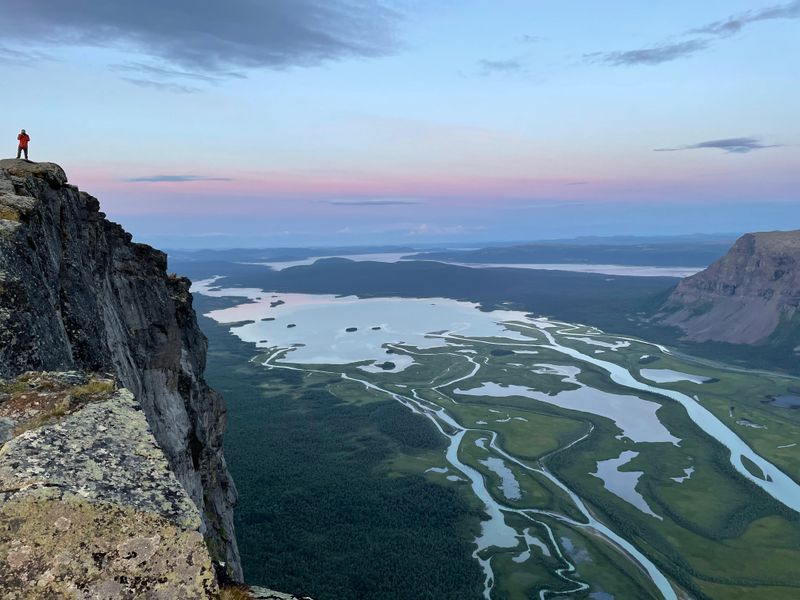
Sarek isn’t for beginners. This legendary Swedish national park spans roughly 2,000-square-kilometers of pure wilderness: jagged peaks soaring over 2,000 meters, around 100 glaciers grinding slowly through valleys, and absolutely no marked trails or facilities. Experienced backpackers consider it the ultimate Scandinavian challenge.
The park’s reputation for difficulty keeps visitor numbers low, which means those who venture in find solitude that’s increasingly rare in Europe. River crossings require careful planning, weather changes without warning, and navigation skills are essential. But the rewards match the effort: landscapes so pristine they feel prehistoric.
Summer offers the only realistic window for most visitors, when snowmelt fills rivers and valleys burst with Arctic wildflowers. Reindeer migrate through following ancient routes, and if you’re lucky, you might spot wolverines or lynx. Prepare thoroughly, inform someone of your plans, and carry proper gear. Sarek demands respect but offers unforgettable wilderness experiences.
9. Corvo Island (Azores, Portugal)

Portugal’s smallest and most remote inhabited island feels like the edge of the world. Corvo’s entire landmass plus surrounding waters hold UNESCO biosphere reserve status, protecting an ecosystem where rare seabirds nest and endemic plants thrive. Fewer than 500 people call this volcanic speck home, maintaining traditions that have faded elsewhere.
The island’s crown jewel is Caldeirão, a volcanic crater holding a lake that reflects clouds and sky like a mirror. Hiking the crater rim takes just a few hours but delivers views across the Atlantic that stretch seemingly forever. The single village, Vila do Corvo, clusters around a small harbor where fishing boats bob and life moves slowly.
Getting to Corvo requires either a small plane from neighboring Flores or a ferry that runs when weather permits. Accommodations are limited to guesthouses where hosts treat you like family. Bird watchers arrive in fall when rare American species blown off-course stop to rest, making Corvo a twitcher’s paradise.
10. Flores Island (Azores, Portugal)
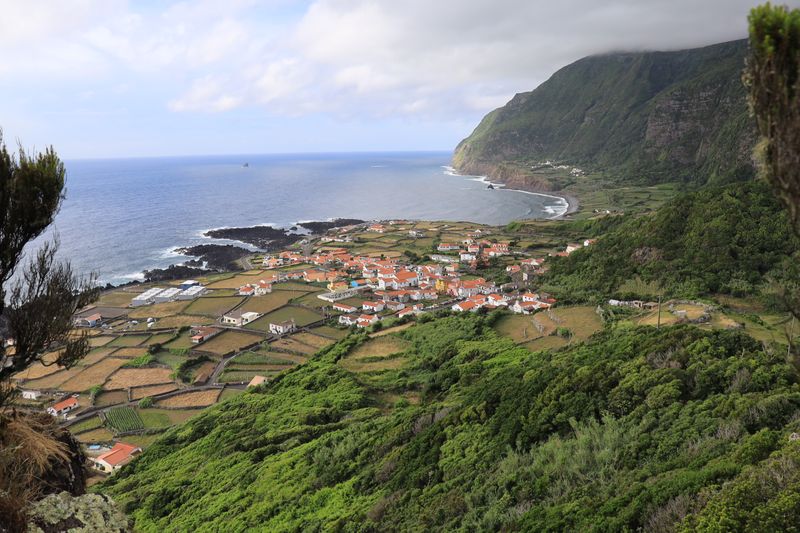
Flores earns its name, which means flowers, with valleys and hillsides bursting in blues, pinks, and yellows throughout summer. This western Azores island holds UNESCO biosphere status for its entire land area plus marine zone, protecting landscapes that seem too beautiful to be real. Waterfalls cascade everywhere, some dropping straight into the ocean from towering cliffs.
Seven volcanic lakes dot the interior, each with distinct colors ranging from emerald to sapphire. Hiking trails connect them, winding through forests of native vegetation found nowhere else on Earth. The island’s isolation kept mass tourism away, so villages remain authentically Portuguese, with festivals and traditions still celebrated enthusiastically.
Rental cars are essential since public transport is minimal, but roads are good and distances short. Small hotels and guesthouses offer comfortable bases for exploring. Bring rain gear because Flores lives up to its green reputation with frequent showers that create those spectacular waterfalls. Slow travel suits this island perfectly.
11. Porto Santo (Madeira Archipelago, Portugal)

While Madeira attracts hikers and cruise ships, its smaller neighbor Porto Santo offers something entirely different: a nine-kilometer golden sand beach that stretches along the southern coast. The sand supposedly holds therapeutic properties thanks to its mineral content, drawing Portuguese families who return year after year for beach holidays.
The island’s low-key vibe contrasts sharply with busier Madeira. A handful of small towns, quiet roads perfect for cycling, and minimal development create an atmosphere of relaxed simplicity. Columbus once lived here, and his house is now a small museum worth visiting on days when beach lounging needs a break.
Golf courses take advantage of the island’s gentle terrain and reliable sunshine. Hiking trails lead to viewpoints overlooking the Atlantic and neighboring Madeira in the distance. The island’s small size means you can explore thoroughly in a few days, though many visitors find the peaceful pace addictive enough to extend their stay indefinitely.
12. Oki Islands (Japan)
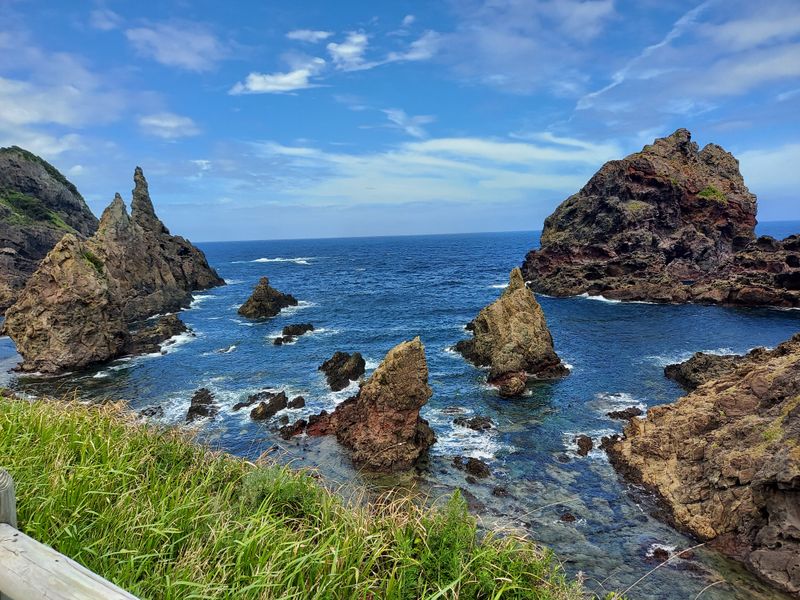
Four inhabited islands and numerous smaller islets make up this UNESCO Global Geopark in the Sea of Japan. Oki’s geological story spans millions of years, visible in dramatic rock formations, sea cliffs, and volcanic features that geologists find fascinating. But you don’t need a science degree to appreciate the stunning coastal scenery and island culture.
Isolation preserved traditions that faded on mainland Japan. Local festivals, folk music, and bullfighting (a unique pushing match, not the Spanish version) continue much as they have for centuries. Fishing remains central to island life, with seafood here exceptionally fresh and delicious.
Kayaking along coastlines reveals sea caves and hidden beaches accessible only from the water. Hiking trails climb to viewpoints overlooking neighboring islands and endless ocean. Accommodations are simple, often family-run minshuku where meals feature local specialties. The islands work best for travelers who enjoy exploring at a relaxed pace, soaking in scenery and culture without rushing.
13. Raja Ampat, Indonesia
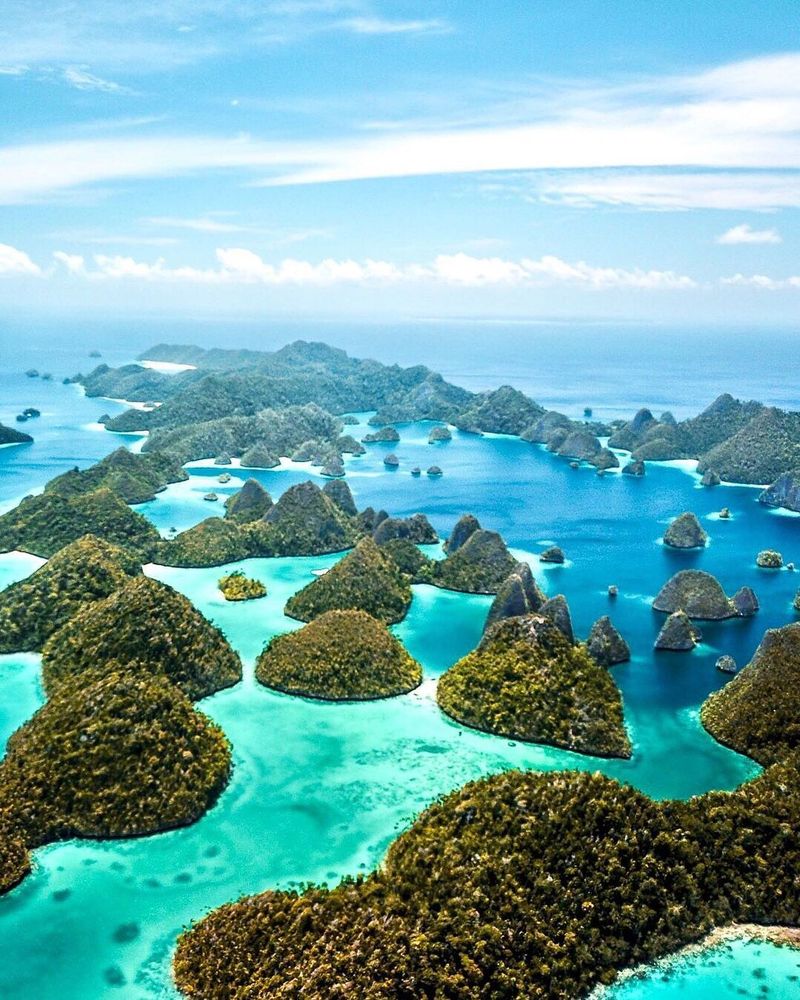
Marine biologists call Raja Ampat the epicenter of ocean biodiversity. Over 1,500 islands surround four main ones (Misool, Salawati, Batanta, and Waigeo), all sitting in the heart of the Coral Triangle. What lies beneath the surface is staggering: more coral species and reef fish than anywhere else on Earth, making this a diver’s ultimate destination.
Above water, limestone karst islands rise from turquoise lagoons like something from a fantasy movie. White sand beaches, hidden lagoons, and jungle-covered hills create scenery that cameras struggle to capture accurately. Local Papuan communities live traditionally, some welcoming visitors to learn about their culture and crafts.
Getting here requires commitment: flights to Sorong followed by boat transfers to island resorts or homestays. But that journey filters out casual tourists, preserving the pristine quality that makes Raja Ampat special. Snorkeling rivals diving for spectacular encounters with marine life. Conservation efforts keep the reefs healthy, ensuring future generations can experience this underwater paradise.
14. Karimunjawa National Park, Indonesia
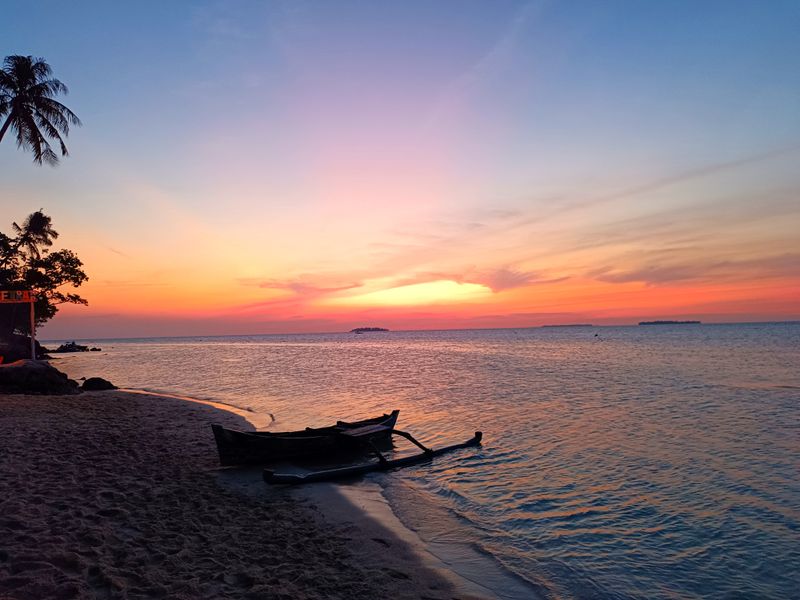
Twenty-seven islands make up this marine national park off Java’s northern coast, yet Karimunjawa remains surprisingly quiet compared to Bali or Lombok. Established in 1999 to protect coral reefs and mangrove ecosystems, the park offers that classic tropical paradise experience without overwhelming crowds or development.
Glass-clear waters reveal thriving coral gardens teeming with colorful fish, sea turtles, and occasionally reef sharks. Several islands remain uninhabited, their beaches pristine and perfect for day trips by boat. The main island has simple accommodations and restaurants serving fresh seafood grilled to perfection.
Snorkeling and diving are the main draws, but you can also kayak through mangrove channels or simply relax on beaches that feel like your private slice of paradise. Indonesian tourists visit on weekends, but weekdays see few visitors. The park’s protected status means development stays limited, preserving the natural beauty that makes these islands worth the journey from Semarang or Jepara on Java’s coast.
15. Phong Nha–Kẻ Bàng National Park, Vietnam
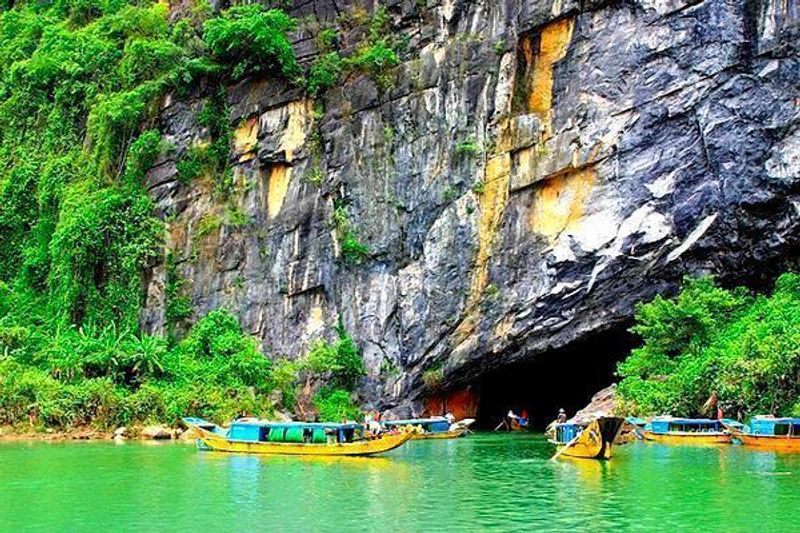
Beneath the jungle-covered mountains of central Vietnam lies one of the world’s most spectacular cave systems. Phong Nha–Kẻ Bàng holds UNESCO World Heritage status for good reason: caves here include some of the largest and longest on the planet, with formations that seem almost alien in their beauty and scale.
Son Doong, the world’s largest cave, can fit an entire New York City block inside its chambers, complete with its own weather system and jungle. While that cave requires expensive multi-day expeditions, many others are more accessible. Paradise Cave stretches for kilometers with formations so intricate they look hand-carved. Phong Nha Cave can be explored by boat, gliding along an underground river.
Above ground, the park protects rare wildlife and pristine forest. The nearby town of Phong Nha has grown to support tourism with guesthouses and tour operators, but maintains a relaxed atmosphere. Visiting these caves ranks among Southeast Asia’s most memorable experiences, combining adventure with natural wonder.
16. Batanes, Philippines

At the Philippines’ northernmost edge, closer to Taiwan than Manila, Batanes feels like another world. Rugged coastlines battered by Pacific winds, rolling hills that glow impossibly green, and traditional Ivatan stone houses built to withstand typhoons create scenery unlike anywhere else in the archipelago.
The Ivatan people maintain distinct cultural traditions, from their unique architecture to festivals celebrating the sea and harvest. Villages feel timeless, with livestock grazing freely and locals greeting visitors warmly. The islands’ remoteness kept mass tourism away, though word is spreading about Batanes’ dramatic beauty.
Cycling and hiking are ideal for exploring since the islands are small and traffic minimal. Lighthouses perch on dramatic headlands, offering views of waves crashing against cliffs hundreds of feet below. The climate stays surprisingly cool thanks to ocean winds. Getting here requires flights from Manila, but the journey rewards with landscapes and culture that feel genuinely special and unspoiled by modern development.
17. Kolsai Lakes National Park, Kazakhstan
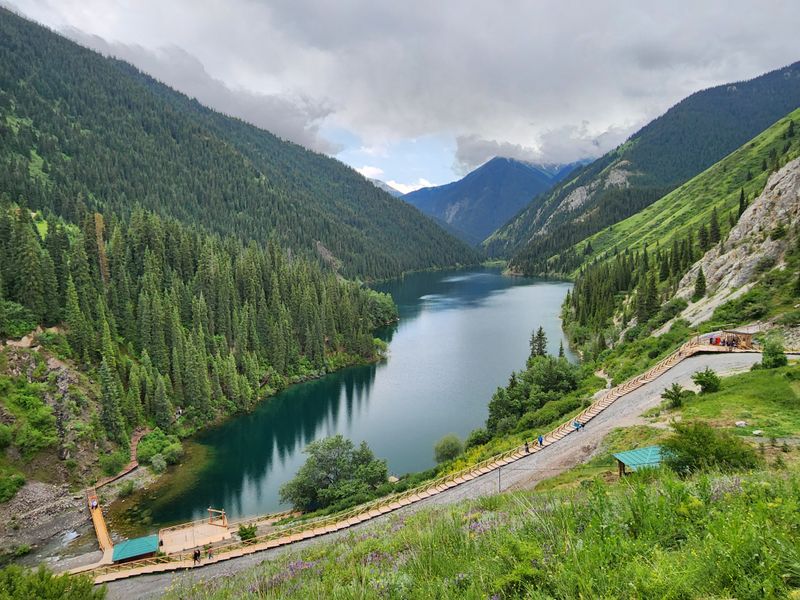
Three alpine lakes stacked like jewels in southeastern Kazakhstan’s mountains create some of Central Asia’s most photogenic scenery. Kolsai Lakes National Park protects these highland treasures, where crystal-clear waters reflect surrounding peaks and forests. The park represents Kazakhstan’s push toward nature-based tourism, offering infrastructure that makes visiting comfortable while preserving wilderness character.
The lower lake is easiest to access, with trails around its shore and guesthouses nearby. More adventurous hikers trek to the middle and upper lakes, where solitude increases and scenery becomes even more dramatic. Horseback riding is popular since Kazakh herding culture remains strong in these mountains.
Spring brings wildflowers carpeting meadows; autumn paints the forests in gold and orange. Summer is busiest but still quiet compared to parks in more visited countries. The park sits near the Kyrgyz border, and some trails connect to that country’s equally beautiful Terskey Alatau range. Accommodations range from camping to simple lodges, all emphasizing connection with nature over luxury.
18. Gobi Gurvansaikhan National Park, Mongolia
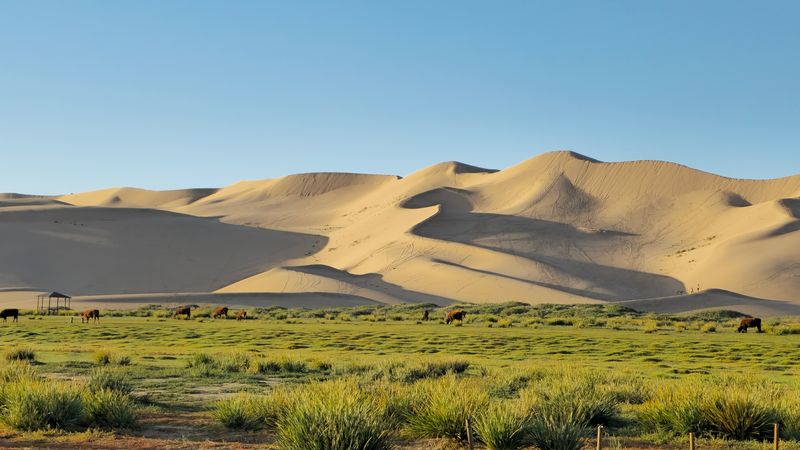
Mongolia’s largest national park spans desert, mountains, and everything between. Gobi Gurvansaikhan showcases the Gobi Desert’s surprising diversity: the Khongoryn Els sand dunes stretch 180 kilometers and sing when wind moves across them, while Yolyn Am gorge holds ice year-round despite surrounding desert heat.
This is one of Mongolia’s flagship parks, yet it feels vast and empty in the best possible way. Nomadic herders still move through with their livestock, living in traditional gers and maintaining ancient ways. Visitors can stay in tourist ger camps that offer comfort while immersing guests in nomadic culture.
Wildlife includes rare species like snow leopards in the mountains and Bactrian camels in the desert, though sightings require patience. Hiking, camel trekking, and simply experiencing the profound silence of the desert are main activities. The night sky, unpolluted by city lights, displays stars so thick they seem unreal. Mongolia’s wild heart beats strongly in this protected wilderness.
19. Lençóis Maranhenses National Park, Brazil
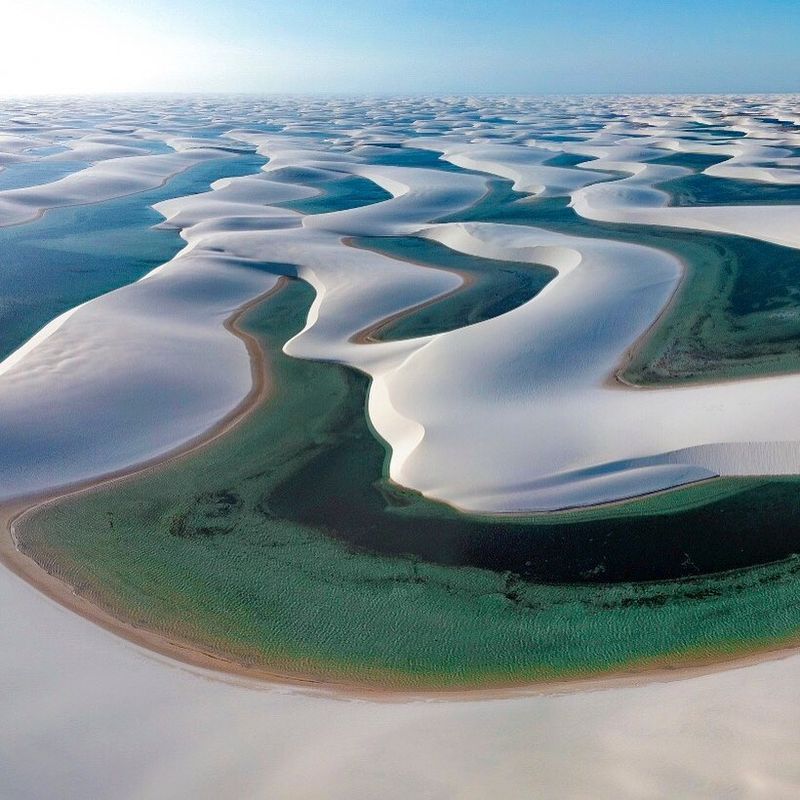
Imagine a desert filled with lagoons, and you’ve pictured Lençóis Maranhenses. This Brazilian national park, which gained UNESCO World Natural Heritage status in 2024, looks impossible: vast white sand dunes stretch to the horizon, but between them lie thousands of crystal-clear lagoons in shades of blue and green.
The magic happens because this isn’t a true desert. Rainy season dumps water that collects in valleys between dunes, creating temporary lakes that last several months. Fish somehow appear in these lagoons, carried as eggs by birds or surviving in underground water between floods. The contrast between blazing white sand and jewel-toned water creates scenery that photographs can barely capture.
Visiting between June and September offers the best lagoon levels. Local guides lead tours by truck across sand, and you can swim in the warm lagoons. Small towns outside the park provide accommodations. The park’s otherworldly beauty makes it one of Brazil’s most unique natural wonders, finally getting international recognition it deserves.
20. Chapada Diamantina National Park, Brazil

Brazil’s Bahia state holds a highland plateau where waterfalls plunge into emerald pools, caves hide underground rivers, and table mountains tower over valleys. Chapada Diamantina National Park protects over 152,000 hectares of ecological diversity spanning multiple biomes, from Atlantic Forest fragments to cerrado grasslands and unique highland vegetation.
The park’s name references its diamond-mining past, when prospectors flocked here in the 1800s. Today’s treasure-seekers come for natural beauty: hiking to Cachoeira da Fumaça, Brazil’s highest waterfall, swimming in the impossibly blue waters of Poço Azul cave, or trekking the Vale do Pati, considered one of South America’s best multi-day hikes.
The gateway town of Lençóis maintains colonial charm with cobblestone streets and colorful buildings. Local guides are essential for navigating the park’s extensive trail network. Wildlife includes endangered species like the maned wolf. The park’s vastness means you can hike for days encountering few other people, experiencing Brazilian wilderness at its most spectacular and unspoiled.
21. Carretera Austral (Ruta 7), Chile

Chile’s Ruta 7 isn’t just a road; it’s a 1,200-kilometer journey through some of Patagonia’s most stunning and remote landscapes. The Carretera Austral winds through forests, past glaciers, along fjords, and over rivers, with ferry crossings adding to the adventure. This legendary route delivers the raw beauty that defines Chilean Patagonia.
Construction began in the 1970s to connect isolated communities in Aysén region, and parts remain unpaved, adding to the frontier atmosphere. Every turn reveals new scenery: hanging glaciers, turquoise rivers, waterfalls cascading from cliffs, and mountains that seem to touch the sky. Small towns along the way offer places to rest and refuel.
Most travelers take at least a week to properly experience the route, camping or staying in simple lodges. Highlights include Parque Pumalín, Marble Caves, and Queulat’s hanging glacier. Weather is unpredictable, so pack layers and prepare for rain. The Carretera Austral rewards adventurous spirits with landscapes that feel untouched and magnificently wild.
22. Archipiélago Espíritu Santo National Park, Mexico
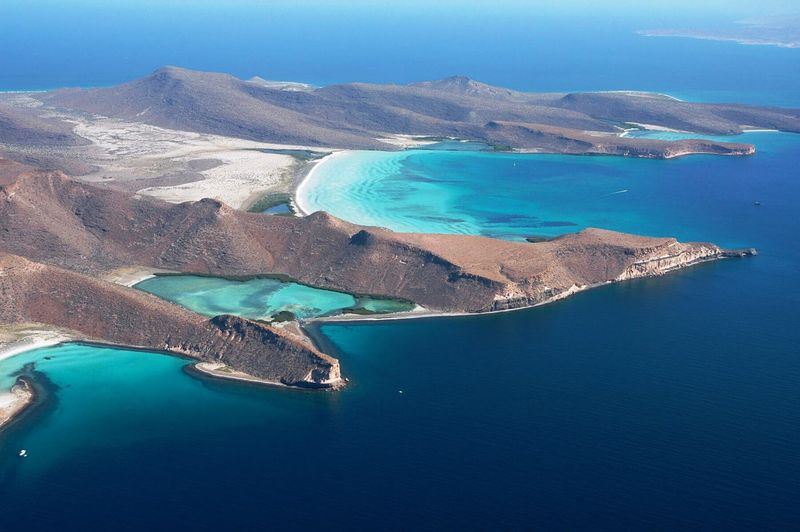
Just north of La Paz in Baja California Sur, a protected archipelago offers some of Mexico’s best marine experiences. Archipiélago Espíritu Santo National Park encompasses desert islands surrounded by the Sea of Cortez, which Jacques Cousteau called the world’s aquarium. The description still fits perfectly today.
Sea lions lounge on rocky shores and swim playfully with snorkelers. Dolphins and whales pass through seasonally. Coral reefs host tropical fish in rainbow colors, while manta rays glide gracefully through deeper waters. Above the waterline, desert islands feature red rock formations and cacti, creating striking contrasts with turquoise seas.
Day trips from La Paz are popular, with tour operators offering kayaking, snorkeling, and wildlife watching. More adventurous visitors camp on designated beaches, falling asleep to waves lapping at shore and waking to sea lions barking. The park’s protected status keeps the ecosystem healthy and the experience authentic. It’s Mexico’s natural beauty without the resort crowds, perfect for nature lovers seeking genuine wilderness encounters.
23. São Tomé and Príncipe

Most people struggle to locate São Tomé and Príncipe on a map, which is exactly why these West African islands remain so special. Floating in the Gulf of Guinea, this tiny nation offers volcanic peaks wrapped in rainforest, empty beaches with perfect sand, and a laid-back culture shaped by Portuguese colonial history and African traditions.
Cocoa plantations, called roças, dot the islands. Many colonial-era estates have been converted into atmospheric hotels where you can sleep in restored plantation houses. Hiking trails wind through jungle to hidden waterfalls, and the biodiversity is remarkable for such small islands, with many endemic bird species thrilling birdwatchers.
The islands’ isolation kept mass tourism away, though infrastructure is gradually improving. Beaches on Príncipe rival any in the world for pristine beauty, and you might have an entire stretch to yourself. Local cuisine blends African and Portuguese flavors, heavy on fresh fish and tropical fruits. São Tomé and Príncipe offers that rare combination: tropical paradise with authentic culture, unspoiled by crowds.



