 Unearth The Voyage
Crack open the dusty syllabus and you will notice a few brilliant names missing. The canon is big, but it often forgets the creators who reshaped language, ignited movements, and reinvented whole genres.
I want to introduce you to voices that history class skipped, but your bookshelf will thank you for inviting in. Ready to meet the writers who rewired the page and changed how we read forever?
1. Jean Toomer
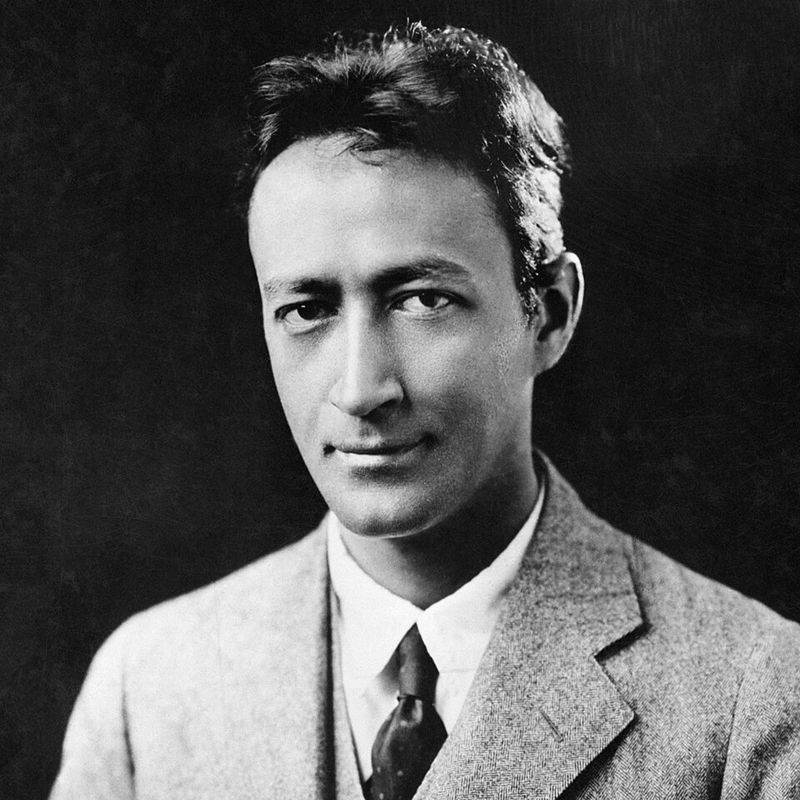
Start with a whisper that becomes a chorus: Jean Toomer’s Cane still hums in my head. This mosaic of poems, sketches, and stories moves through Georgia cane fields and into Northern streets with a rhythm that feels both spiritual and sharp.
You can hear the breath in every line, the quiet tremor of people caught between places and identities.
Reading Cane felt like walking through a gallery where each frame shifts into a song. Toomer blends folklore, sensuality, and social tension without ever lecturing, letting the language do the heavy lift.
I remember closing the book and sitting very still, like the world had gotten louder and softer at once.
If your teacher skipped Toomer, your syllabus missed a revolution in form. He wrote modernism with a Southern heartbeat and a Northern pulse, refusing neat labels.
Pick it up when you want to be dazzled and rattled at the same time.
2. Gayl Jones
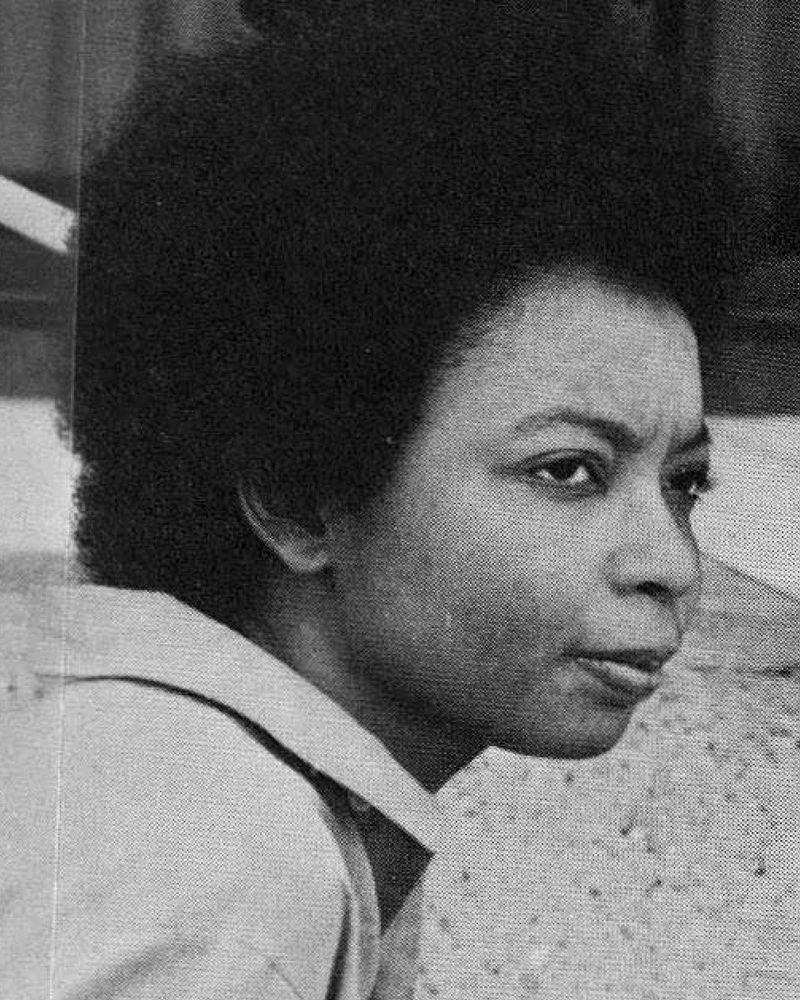
Brace yourself for voltage: Gayl Jones writes with an intimacy that can scorch. Her novel Corregidora unspools trauma and desire through a blues structure that repeats and revises, each refrain cutting deeper.
The voice feels private yet unflinching, like overhearing truth not meant for the polite room.
I remember pausing to breathe after certain lines, the pain and power concentrated like a shot of dark espresso. Jones trusts the reader to handle complexity without spoon-feeding context.
The cadence alone could carry the book, but the ideas about memory and ownership do the heavier lifting.
If the syllabus tiptoed around Jones, it dodged brilliance. She proved minimalist prose can hold multitudes, and that history’s echo can shape a body.
Read when you need fearless art that rethinks how a novel can speak.
3. Dorothy West
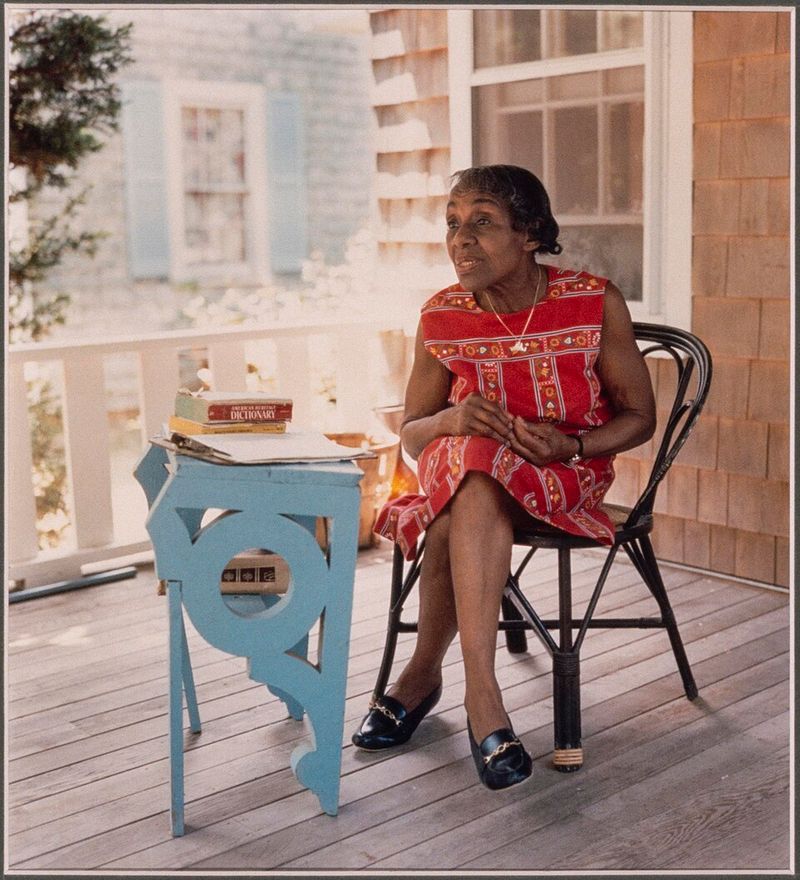
Pour a chilled iced tea and meet wit with bite: Dorothy West. Her novel The Living Is Easy and later The Wedding capture class performance with a smile that cuts.
West sketches Black bourgeois worlds where money buys comfort but not safety from judgment.
I loved how she lets a single dinner party reveal entire genealogies of ambition. The dialogue is crisp, the observations sly, and the emotions precise.
There is pleasure in the manners, and then a sting that lingers after the page turns.
Leave West off the curriculum and you miss class satire that feels dazzlingly current. She writes elegance without illusion, making desire and status dance awkwardly together.
For readers who enjoy sharp social choreography, West leads with a confident hand.
4. Harriet Jacobs
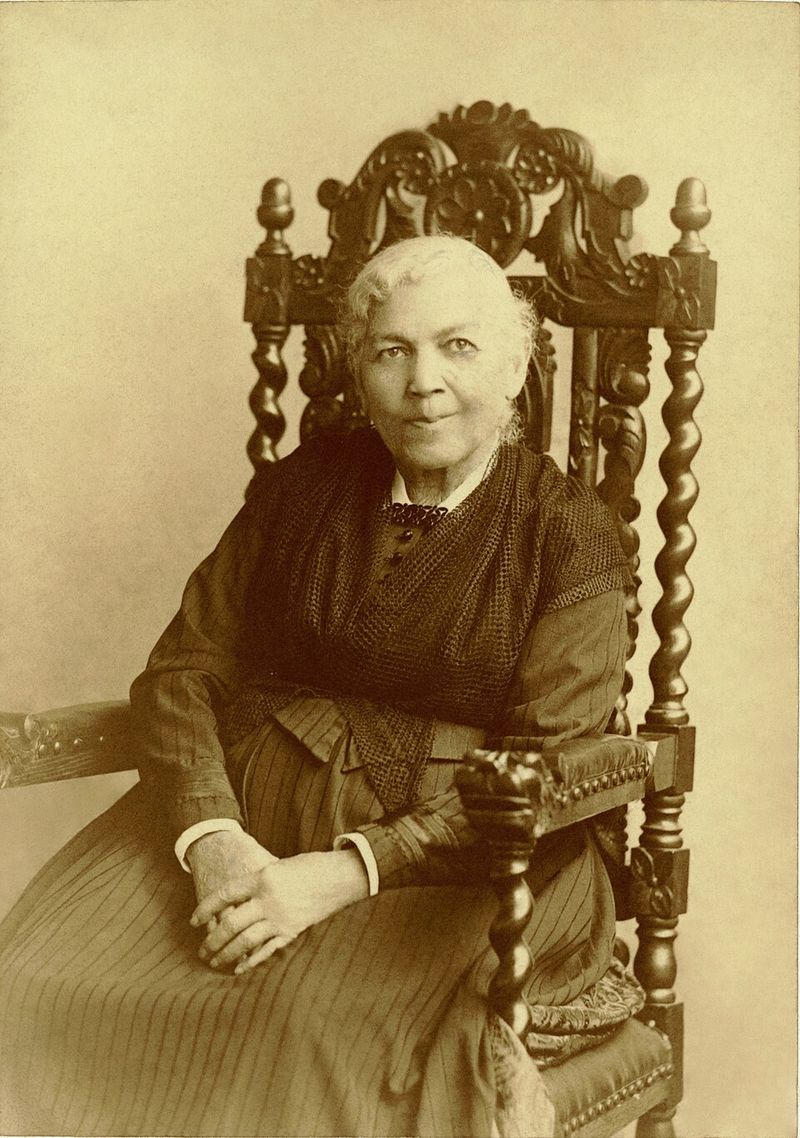
Lean close, because Harriet Jacobs speaks from a cramped crawlspace and it is unforgettable. Incidents in the Life of a Slave Girl describes hiding for years in an attic, listening to her children below.
The voice is calm, exact, and devastating.
Reading it, I felt the wood press on my shoulders, the minutes stretching into seasons. Jacobs exposes the gendered violence of slavery with clarity that refuses sensationalism.
She tells you exactly what survival required, morally and physically, and trusts you to sit with it.
If textbooks gave her a footnote, they missed a landmark of American autobiography. Jacobs centered Black womanhood and agency under impossible pressure.
When you need truth without varnish, this book holds steady and brave.
5. William Wells Brown
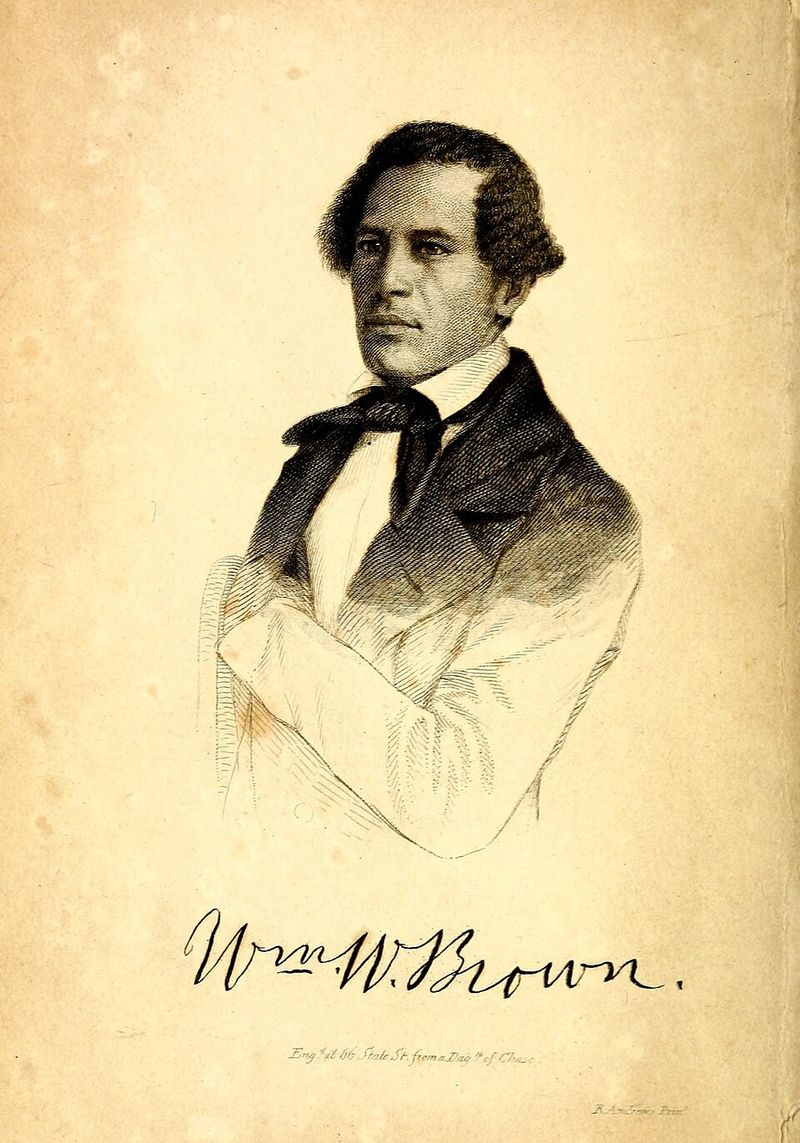
Enter the showman abolitionist: William Wells Brown did it all. Narrative of William W.
Brown, A Fugitive Slave proved he could write gripping autobiography, and Clotel became the first published novel by an African American. He blended advocacy with entertainment, knowing audiences needed both fire and craft.
I love how his confidence radiates off the page, a performer who understood pacing. The plots can feel sensational, but the point lands clean.
He was hustling the nineteenth century, turning the marketplace into a megaphone.
Skip Brown and you miss a cornerstone of literary entrepreneurship. He carved space before doors were even built.
For readers curious about the roots of Black fiction and public persuasion, Brown offers a front-row seat.
6. Harriet E. Wilson
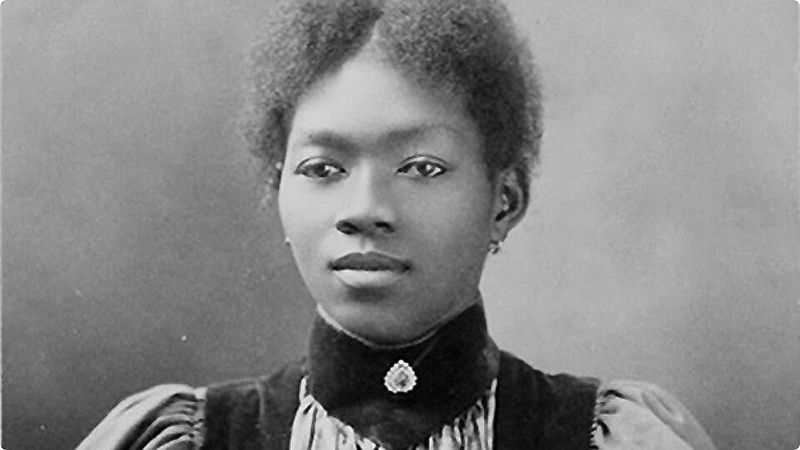
Next up, a quiet trailblazer: Harriet E. Wilson.
Her novel Our Nig is one of the earliest novels by a Black woman in the United States, set in New England with unflinching realism. It dismantles the myth that the North was a safe haven.
Reading it felt like overhearing a stern confession. Wilson writes plainstyle, the restraint sharpening the critique.
The household scenes are claustrophobic, and the prejudice wearing a polite smile stings harder than open hatred.
Erase Wilson and you erase proof that American racism did not stop at any border. She put regional hypocrisy on the record, and the record still matters.
When you want historical honesty delivered without dramatic flourishes, start here.
7. Ntozake Shange
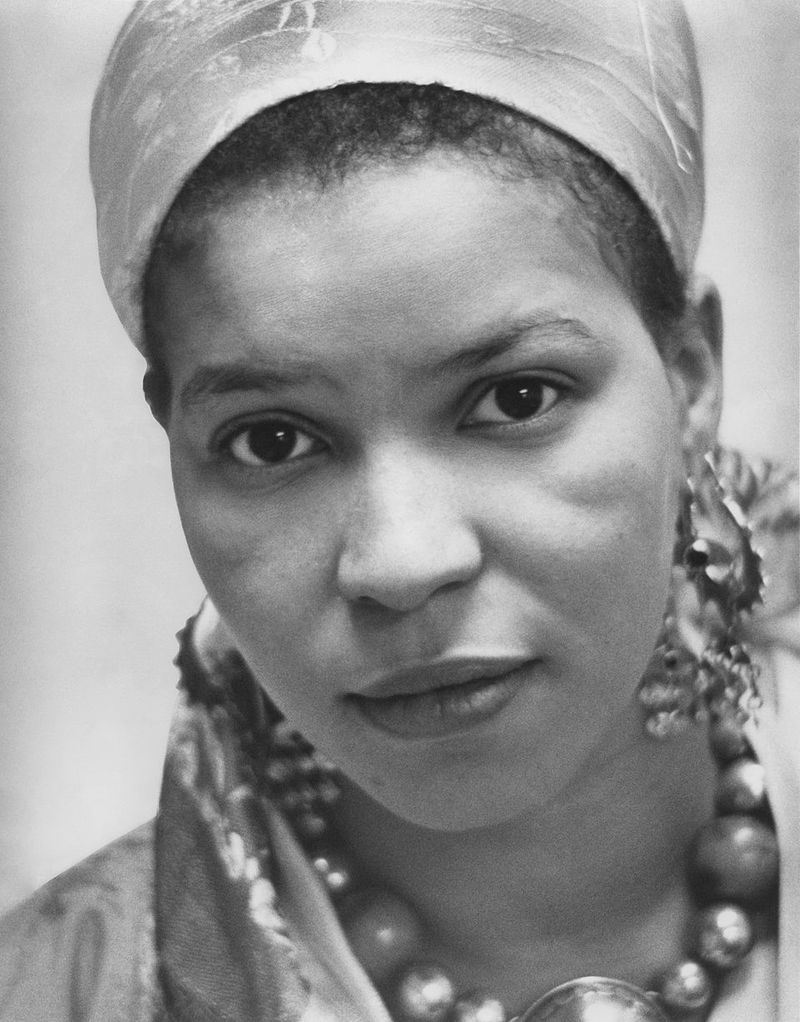
Lights up and bodies move: Ntozake Shange turned theater into a choreopoem. For Colored Girls Who Have Considered Suicide/When the Rainbow Is Enuf fuses dance, poetry, and testimony.
The voices overlap, lift, and land with fierce tenderness.
Seeing it performed, I felt language become muscle. Shange’s colors are not props but portals into experience, linking joy, rage, and reclamation.
The form itself refuses confinement, insisting that story can live in breath and step.
Leave Shange out, and the map of American theater loses a city. She made space for Black feminist performance in neon ink.
When you want art that sweats, sings, and heals, follow the rainbow to the stage.
8. Jessie Redmon Fauset
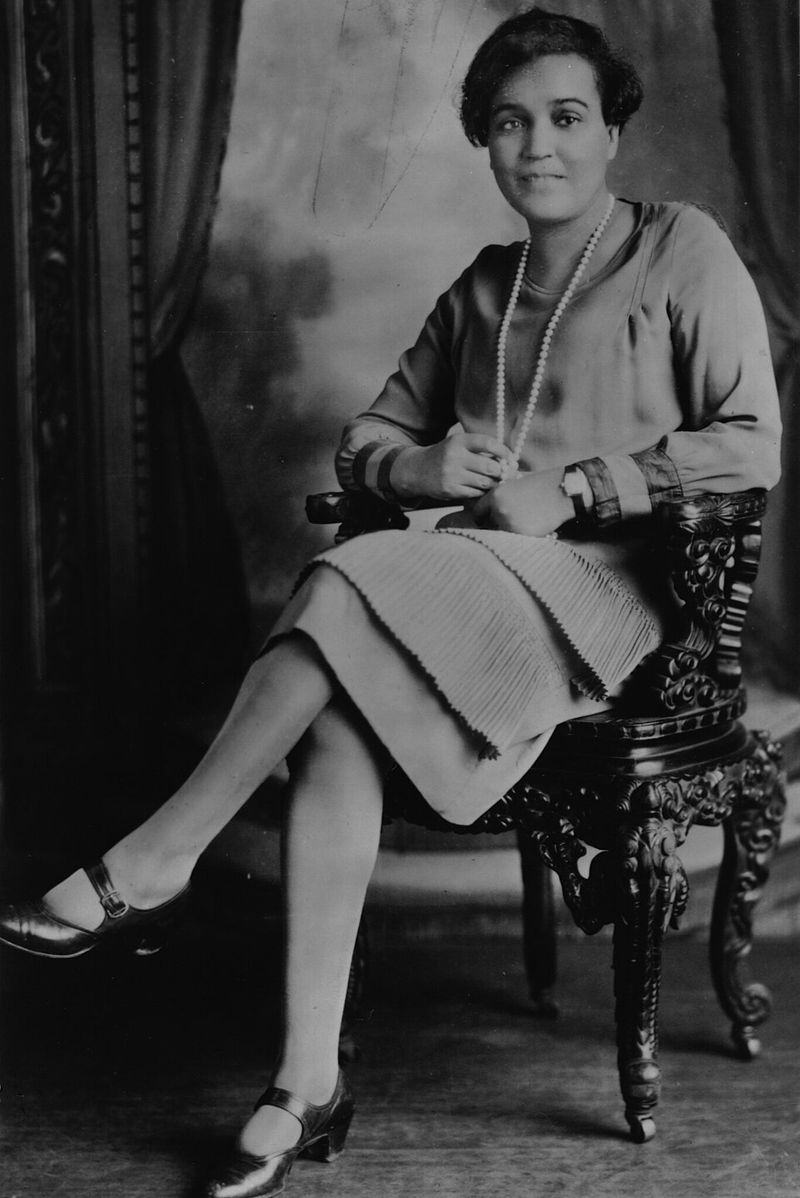
Polish the silver for Jessie Redmon Fauset, the salon captain of the Harlem Renaissance. As editor at The Crisis and author of novels like Plum Bun, she shaped taste while writing her own smart, romantic social critiques.
Her heroines navigate colorism, class, and art with poise and mischief.
I adore how Fauset places aspiration under a microscope without dulling the sparkle. The parties glitter, but the choices carry weight.
Her sentences glide, then land with a quiet thud of recognition.
Leave her off the list and the Renaissance loses its organizing mind. Fauset mentored giants while crafting nimble fiction of her own.
For readers who like their social novels with wit and satin gloves, enter here.
9. Patricia McKissack
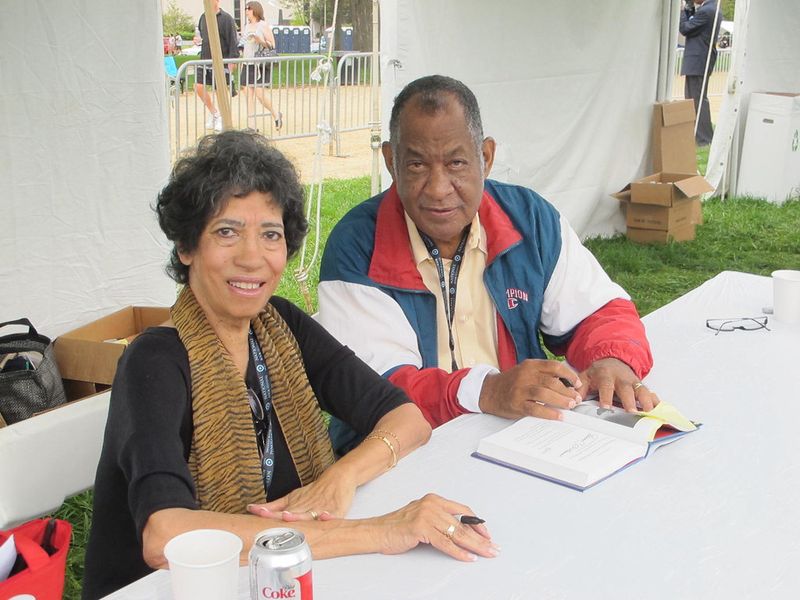
Gather the kids and the curious adults: Patricia McKissack made history sing for young readers. Her picture books and middle grade titles weave folklore, biography, and lived wisdom with inviting rhythm.
The pages feel like a conversation across generations.
As a child, I trusted authors who respected my smarts, and McKissack always does. She never talks down, she beckons in.
Whether telling true stories of leaders or tall tales with a grin, she leaves you eager for one more chapter.
Ignore McKissack and you starve the pipeline of future book lovers. She built ladders for reading joy and cultural pride, rung by rung.
When you want bedtime stories that plant lifelong roots, her shelves are blooming.
10. Flora Nwapa
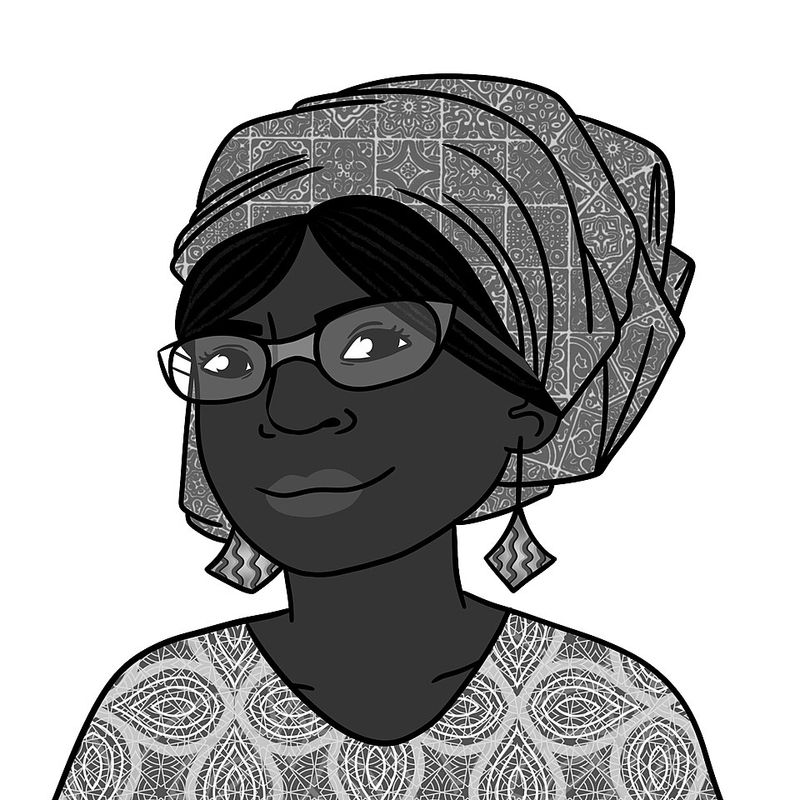
Clear the stage for a pioneer: Flora Nwapa, the mother of modern African women’s writing. Her novel Efuru brought Igbo women’s voices to the center, not as symbols, but as complex people chasing ambition, love, and spiritual calling.
The prose glints like sunlight on water, steady and self-assured.
What got me hooked was Efuru’s agency in a world that kept handing her limitations. Nwapa writes with unhurried clarity, showing daily life with the authority of someone who trusts her readers.
You do not need a glossary to feel the texture, the market bustle, the quiet negotiations that steer a life.
When literature class zoomed past Nwapa, it missed a foundation stone. She opened doors for countless writers while refusing pity narratives.
If you want a novel that balances tradition and independence with grace, this is a radiant place to begin.



