The Scarab Club in Detroit has been a working hub for artists for over a century, located directly across from the Detroit Institute of Arts. Its history includes members like Diego Rivera, whose signature still appears on a wooden beam inside the building.
Today, it remains active with rotating exhibitions, working studios, and regular events that keep the space relevant. The combination of historic legacy and ongoing creative use makes it a place where visitors can see both past and present in one setting.
A Century-Old Address That Still Pulses With Creative Life
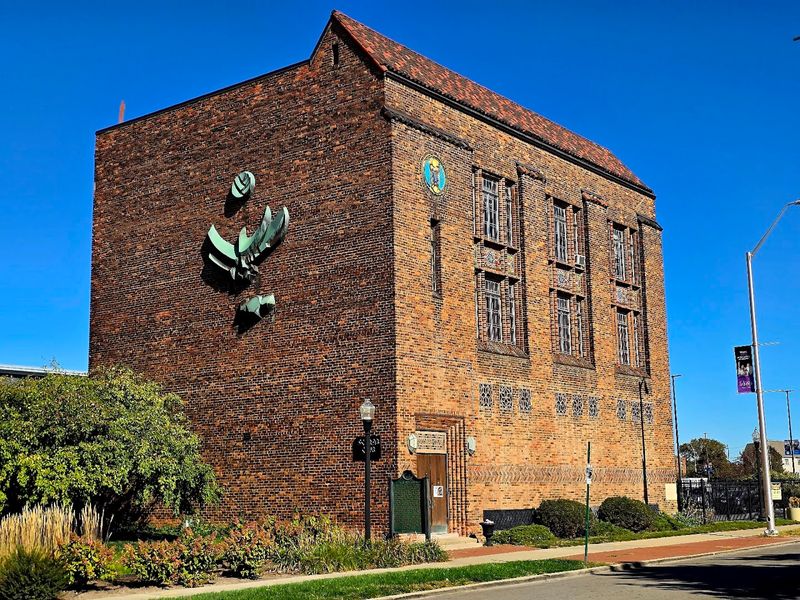
The Scarab Club stands at 217 Farnsworth, Detroit, Michigan 48202, right across the street from the Detroit Institute of Arts in the city’s Cultural Center neighborhood. That address alone says a lot.
You are essentially in the heart of Detroit’s arts district, surrounded by museums, galleries, and institutions that have shaped Michigan’s creative identity for generations.
The building itself was completed in 1928 and designed in an Italian Renaissance Revival style. Leaded glass windows catch the light in a way that feels almost theatrical, and the exterior has a quiet elegance that makes you slow down before you even reach the front door.
The club was founded in 1907, which means it has been part of Detroit’s cultural fabric for well over a hundred years. It holds a 4.7-star rating from hundreds of visitors, and the phone number for inquiries is +1 313-831-1250.
Few places in this city carry that kind of unbroken creative legacy.
The Founding Story Behind the Club’s Unusual Name
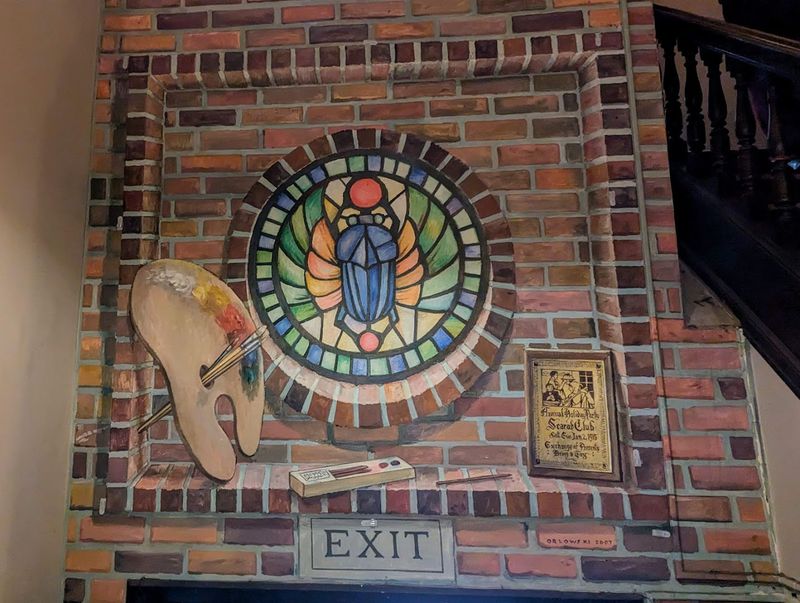
The name “Scarab Club” might raise an eyebrow at first. Scarabs are beetles, after all, and beetles are not the first thing most people associate with fine art.
But the Egyptian scarab was a symbol of transformation, renewal, and creative power, and that is exactly the spirit the founding artists wanted to capture when they chose the name in 1907.
The club began as a gathering of Detroit-area artists who wanted a dedicated space to work, exhibit, and connect with peers. Early membership included painters and illustrators who were active in the regional art scene at a time when Detroit was growing rapidly and hungry for cultural institutions.
Choosing such a distinctive name was itself an artistic statement. It signaled that this would not be a stuffy, formal organization but a lively community built around creative energy and reinvention.
That original spirit has never really left the building, and you can feel it the moment you walk through the front door.
The Beam That Diego Rivera Actually Signed
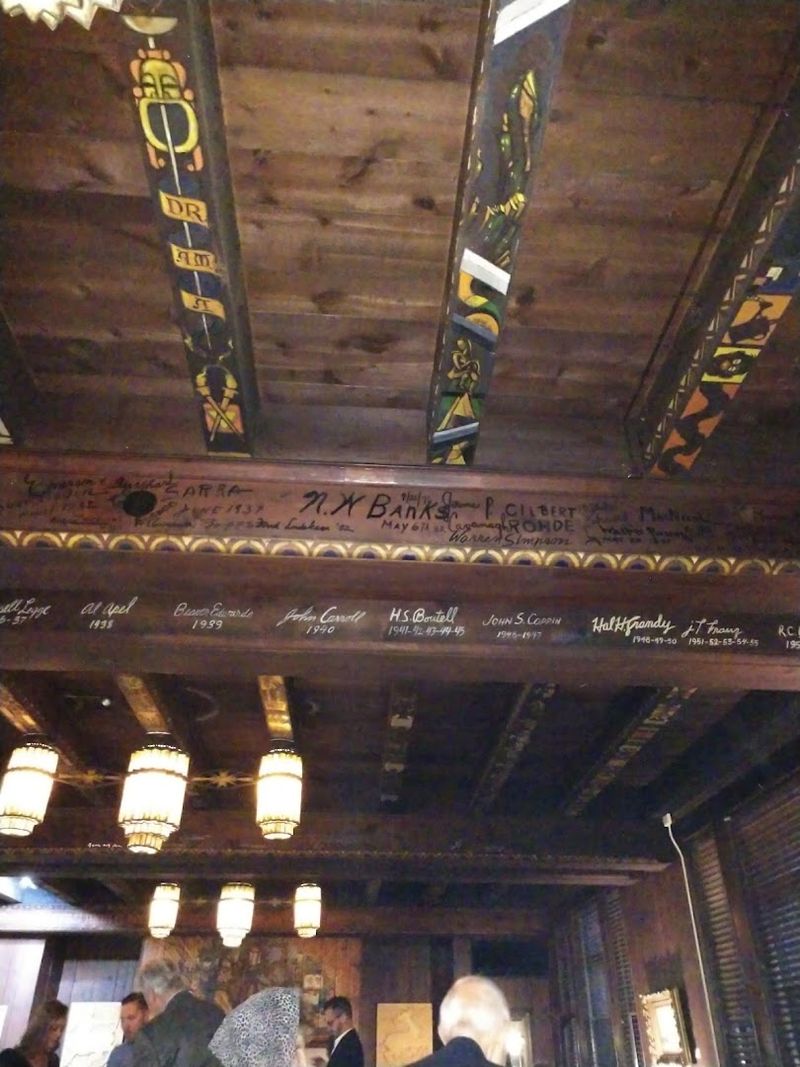
One of the most talked-about features inside the Scarab Club is a wooden beam on the second floor that is covered in the signatures of artists who have visited or been associated with the club over the decades. Among those signatures is one that stops people cold: Diego Rivera.
Rivera, the legendary Mexican muralist, visited Detroit in the early 1930s to create his famous Detroit Industry Murals at the Detroit Institute of Arts, just steps away from the Scarab Club. The fact that he stopped in and added his name to that beam is a remarkable footnote in the club’s history.
The beam also carries signatures from local Michigan artists alongside internationally recognized names, making it a kind of living guest book that spans generations and geographies. Running your eyes across those names feels like reading a compressed history of American and international art.
It is genuinely one of the most quietly extraordinary things you can see in Detroit.
What the Gallery Looks Like on the Inside
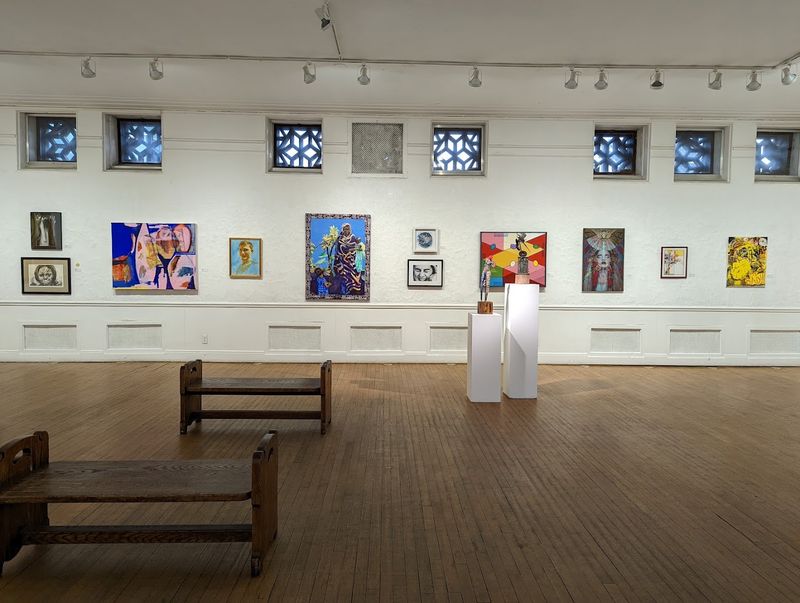
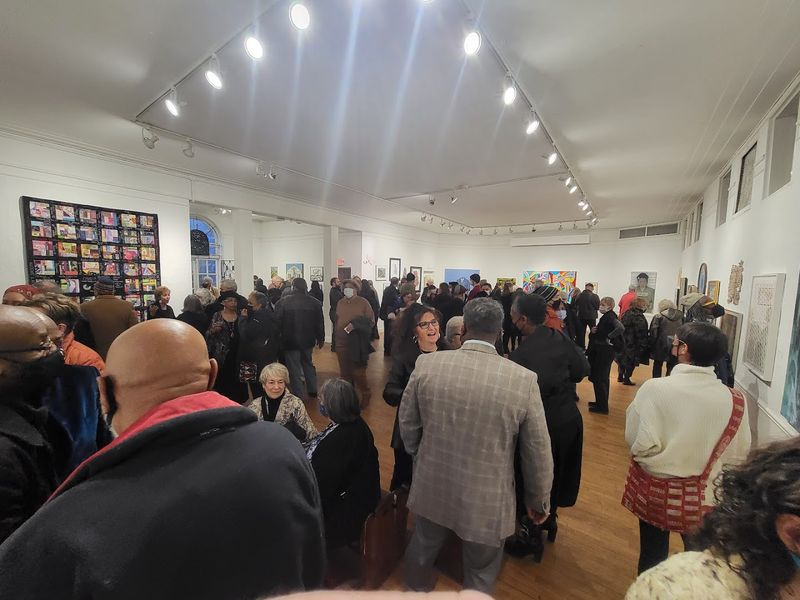
The main gallery at the Scarab Club is the kind of space where the architecture and the art work together rather than competing for attention. Leaded glass windows cast soft, natural light across the walls, and the polished wood floors give the room a warmth that many modern galleries simply cannot replicate.
Exhibitions rotate regularly, so there is almost always something new to see. Past shows have covered a wide range of subjects and styles, from figurative painting to photography to socially engaged work that addresses contemporary issues.
The exhibition “Souls of Black Folk: Bearing Our Truths” is one example that drew significant attention for its powerful presentation of African American artistic expression.
Admission to exhibitions is almost always free, which makes the Scarab Club one of the most accessible art experiences in the city. There is no pressure to buy anything, though original works are available for purchase if something catches your eye.
The whole experience feels generous and unhurried in the best possible way.
The Artists Who Actually Live and Work Here
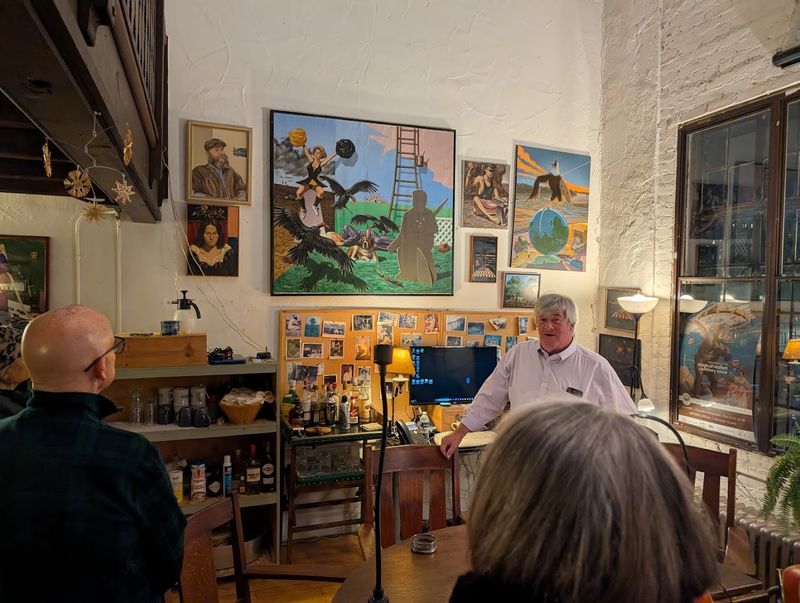
Here is something that surprises a lot of first-time visitors: the Scarab Club is not just a gallery you pass through and leave. Working artists have studios on the upper floors, meaning the building is genuinely inhabited by creative people on a daily basis.
During certain events and open hours, visitors have had the chance to head upstairs and actually chat with resident artists about their work. That kind of direct access to practicing artists is rare in most gallery settings, and it transforms a visit from a passive viewing experience into something much more personal and memorable.
Having artists physically present in the building keeps the energy of the place honest and grounded. This is not a museum piece or a preserved relic.
It is a functioning creative community where people are actively making things, experimenting, and growing their practice. That living quality is what separates the Scarab Club from most historic art spaces in the Midwest, and it is worth the visit on its own.
Membership Perks That Make the Club Worth Joining
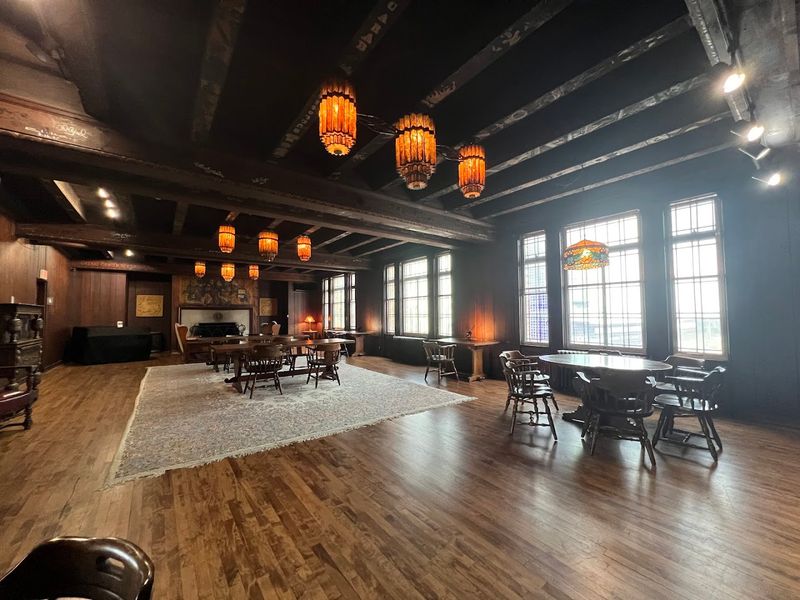
Becoming a member of the Scarab Club comes with a genuinely useful set of perks that go beyond a simple discount card. Members receive free parking, which in Detroit’s Cultural Center neighborhood is a practical benefit that adds up quickly over time.
Members also get reduced fees when applying for open artist calls, which is a meaningful advantage for working artists who regularly submit work for juried exhibitions. The club hosts live model sketch classes that members can participate in, offering a structured but relaxed environment to keep drawing skills sharp.
There is also an intangible benefit that longtime members often mention: a sense of belonging to something with real historical weight. Knowing that you are part of a community that has included some of the most significant artists in American history gives membership a meaning that goes beyond the practical perks.
For artists living in or near Detroit, the Scarab Club membership is one of the better investments in their creative life.
The Walled Garden That Changes Everything in Summer
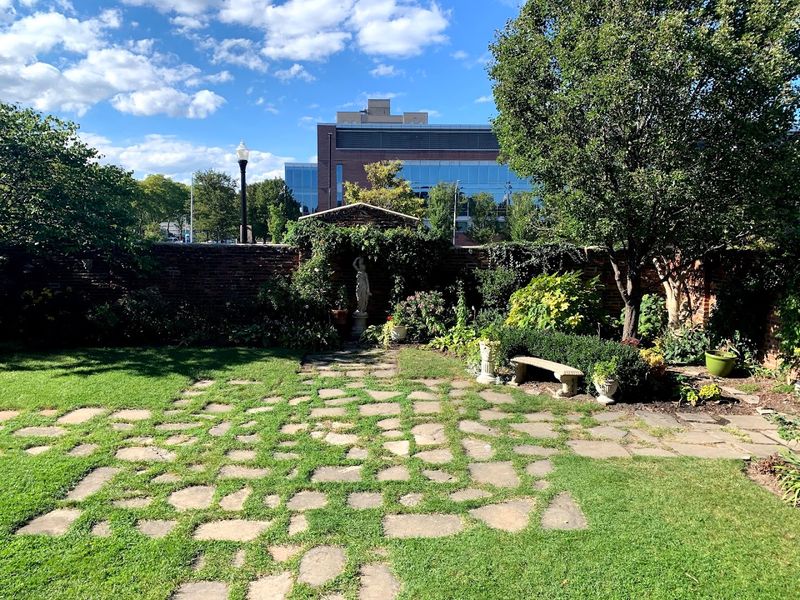
One of the most pleasant surprises at the Scarab Club is the walled garden tucked behind the building. In warmer months, this outdoor space becomes one of the most charming spots in the entire Cultural Center neighborhood, and that is saying something given the competition nearby.
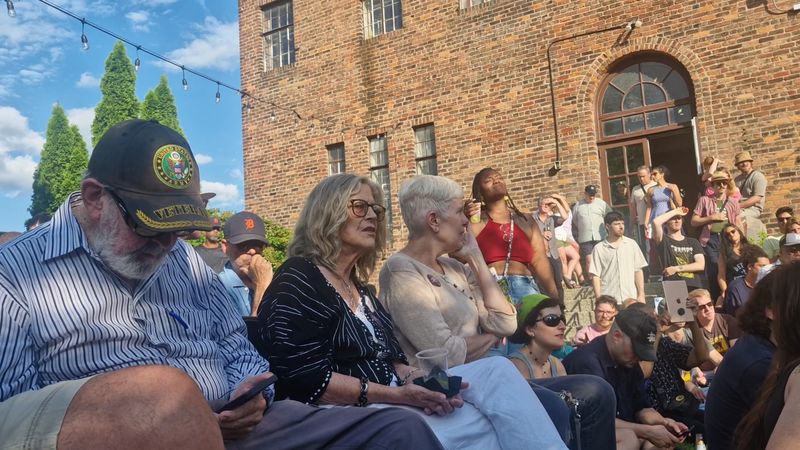
The garden has hosted outdoor ceremonies, receptions, and casual gatherings, and it works beautifully for all of them. The brick walls create a sense of enclosure that makes the space feel private and intimate even when it is full of people.
Flowering plants and greenery soften the hard edges of the architecture in a way that feels intentional rather than accidental.
Visiting in the summer gives you the full Scarab Club experience, because the garden adds a dimension that the interior alone cannot provide. If you time your visit right, you might find an outdoor event already underway.
The combination of historic building, rotating gallery, and a lively garden courtyard makes for an afternoon that is hard to replicate anywhere else in Detroit.
The Italian Renaissance Building and What Makes It So Striking
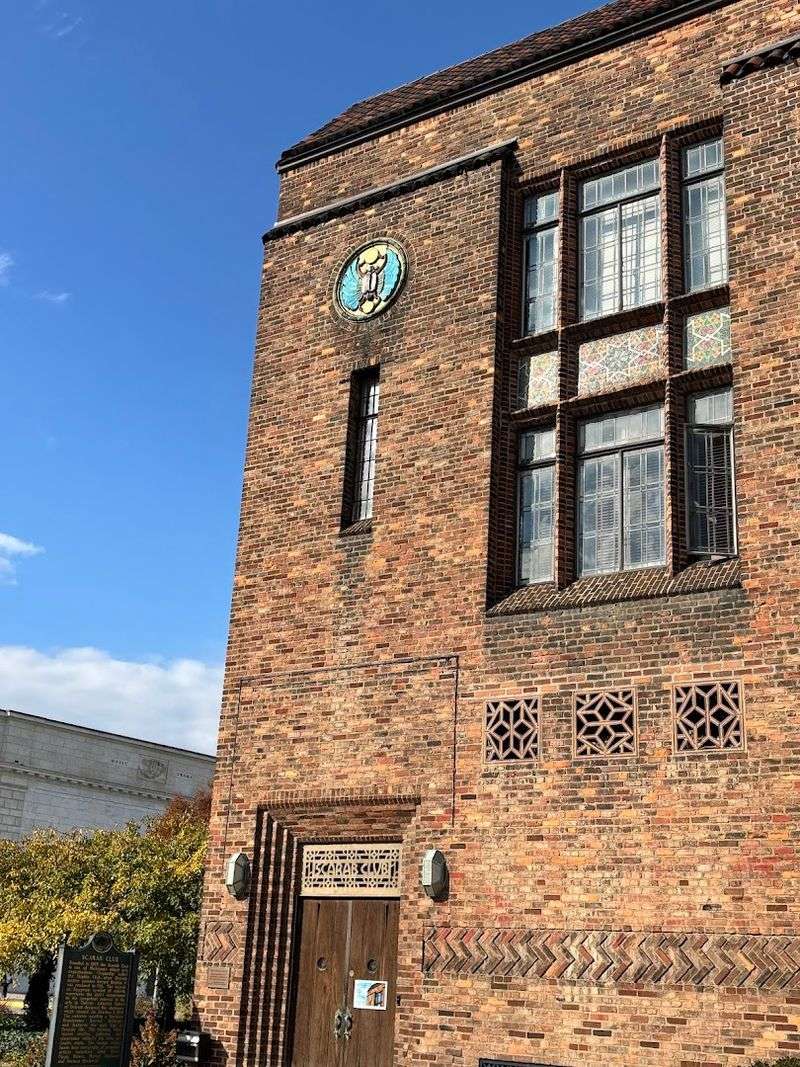
The Scarab Club building was designed by architect Lancelot Sukert and completed in 1928. The Italian Renaissance Revival style gives it a composed, stately appearance that stands out even in a neighborhood full of impressive architecture.
The facade features careful brickwork, arched windows, and decorative detailing that reward a close look.
Inside, the leaded glass windows are the detail most visitors remember first. They filter light in a way that shifts the mood of the gallery depending on the time of day and the season, giving the space a quality that changes with each visit.
The combination of historic materials and careful craftsmanship makes the building itself feel like part of the exhibition.
The structure is listed on the National Register of Historic Places, which reflects its architectural and cultural significance. That designation also means the building has been preserved with care, so what you see today is genuinely close to what artists like Diego Rivera would have encountered when they visited decades ago.
History here is not a performance; it is structural.
Events and Concerts That Bring the Club to Life
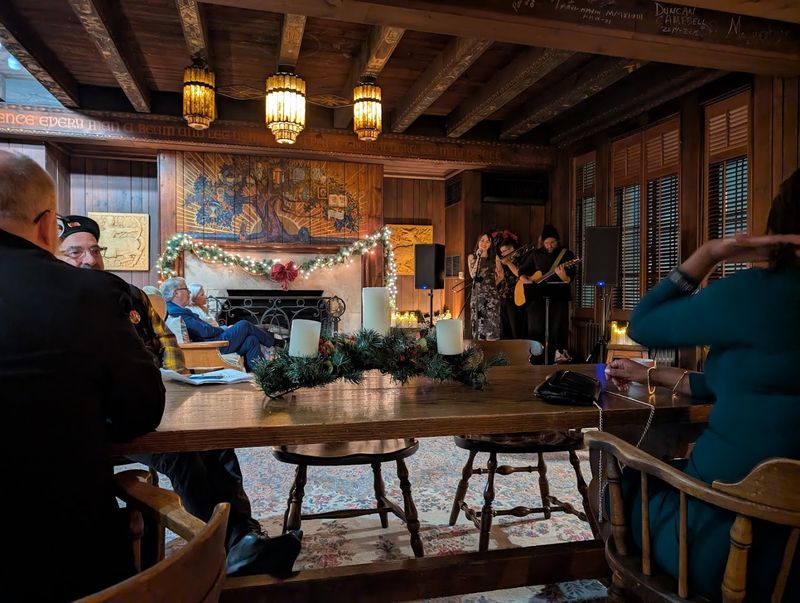
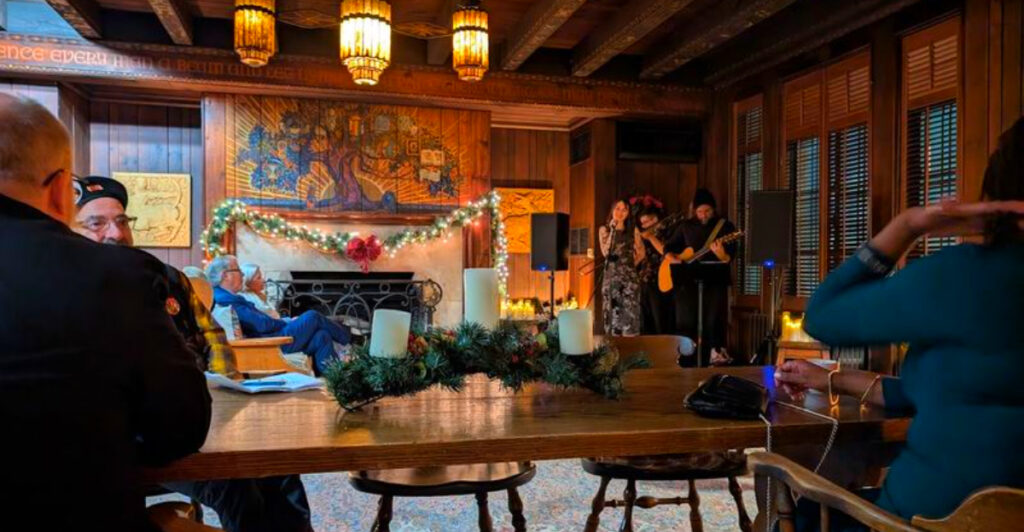
The Scarab Club is not purely a visual art space. It regularly hosts events that bring music, performance, and community gathering into the mix, which keeps the programming fresh and the audience broad.
The club has participated in events like the Concert of Colors, Detroit’s annual multicultural music festival, hosting free concerts that draw visitors who might not otherwise set foot inside an art club. One memorable session served as a tribute to techno and house music, two genres with deep roots in Detroit’s cultural history.
That kind of programming feels genuinely local rather than imported.
The event calendar also includes openings, artist talks, film screenings, and private gatherings. The space works well for smaller events because of its intimate scale and the natural warmth of the historic interior.
Checking the events calendar at scarabclub.org before your visit is a smart move, since the programming changes regularly and some events draw enough of a crowd that arriving early makes a real difference.
Why This Spot Works So Well as a Wedding Venue
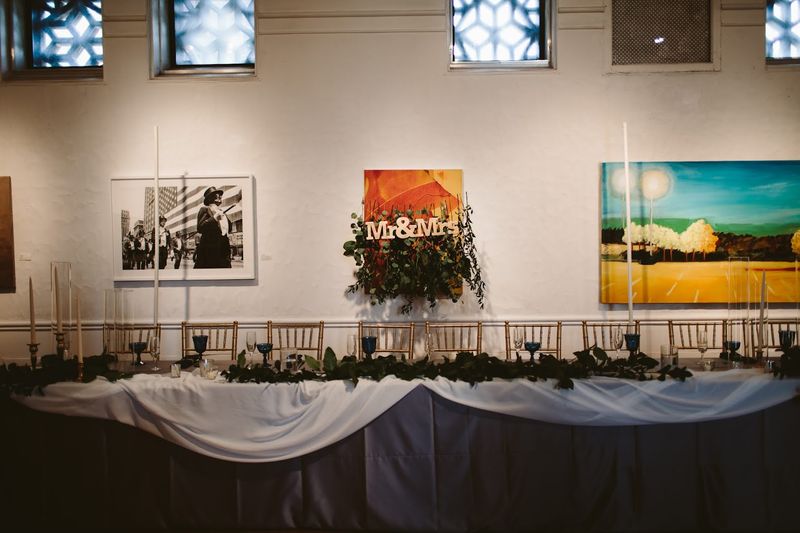
The Scarab Club has quietly become one of Detroit’s most beloved wedding venues, and it is not hard to understand why. The combination of historic architecture, gallery walls filled with original art, and a beautiful outdoor courtyard gives couples a setting that is genuinely distinctive without trying too hard.
The upstairs lounge, the main hall, and the walled garden each serve different functions within a single event, so a ceremony and reception can flow naturally through the building without feeling cramped or repetitive. The capacity sits comfortably around 60 guests, which makes it ideal for intimate celebrations rather than large receptions.
The art already on display during weddings adds an ambient quality that no rental decor can replicate. Guests who are not usually drawn to galleries find themselves lingering in front of paintings between toasts, which says something about how well the space works.
For couples who want a venue with personality and history baked into the walls, the Scarab Club is genuinely hard to beat in this city.
The Neighborhood That Surrounds the Club
The block where the Scarab Club sits is one of the most culturally dense stretches in all of Michigan. The Detroit Institute of Arts is directly across the street, housing one of the top art museum collections in the entire country.
The Detroit Public Library’s main branch is nearby, and Wayne State University’s campus begins just a short walk away.
That concentration of institutions means the neighborhood attracts a steady stream of students, academics, artists, and curious visitors throughout the year. The energy on a busy afternoon feels different from most parts of Detroit, more foot-traffic-oriented and intellectually charged in a way that suits the Scarab Club perfectly.
Parking is available in the area, and members of the club receive free parking as part of their benefits. For non-members, metered street parking and nearby lots are generally manageable.
The neighborhood also has cafes and restaurants within easy walking distance, so building a full afternoon around a Scarab Club visit is straightforward and genuinely enjoyable.
A Living Legacy That Keeps Earning Its Place in Detroit’s Story
More than a century after its founding, the Scarab Club continues to operate as a working art club with exhibitions, studios, events, and a membership community that spans generations of Detroit artists. That kind of sustained relevance is genuinely uncommon in any city.
The club’s 4.7-star rating across hundreds of reviews reflects something real: people who visit, whether for a gallery show, a wedding, a concert, or a live model sketch session, tend to leave with a strong impression. The building, the community, and the programming all reinforce each other in a way that feels coherent rather than accidental.
Gallery hours run Thursday from 2 to 9 PM and Friday through Sunday from noon to 5 PM, with the club closed Monday through Wednesday. Admission to exhibitions is almost always free, and the website at scarabclub.org keeps the events calendar current.
For anyone who cares about American art history and the creative culture of the Midwest, the Scarab Club is not optional reading. It is required.
Share this story