Trust is one of the most powerful forces in history, and when it breaks, the consequences can reshape entire civilizations. Some of the most dramatic turning points in the ancient and modern world were not caused by outside enemies but by the people standing closest to the powerful figures at the center. From Roman senators to revolutionary comrades, the pattern repeats across centuries and continents. This list looks at thirteen remarkable historical figures whose closest allies turned against them, and what those betrayals meant for the world that followed.
1. Julius Caesar
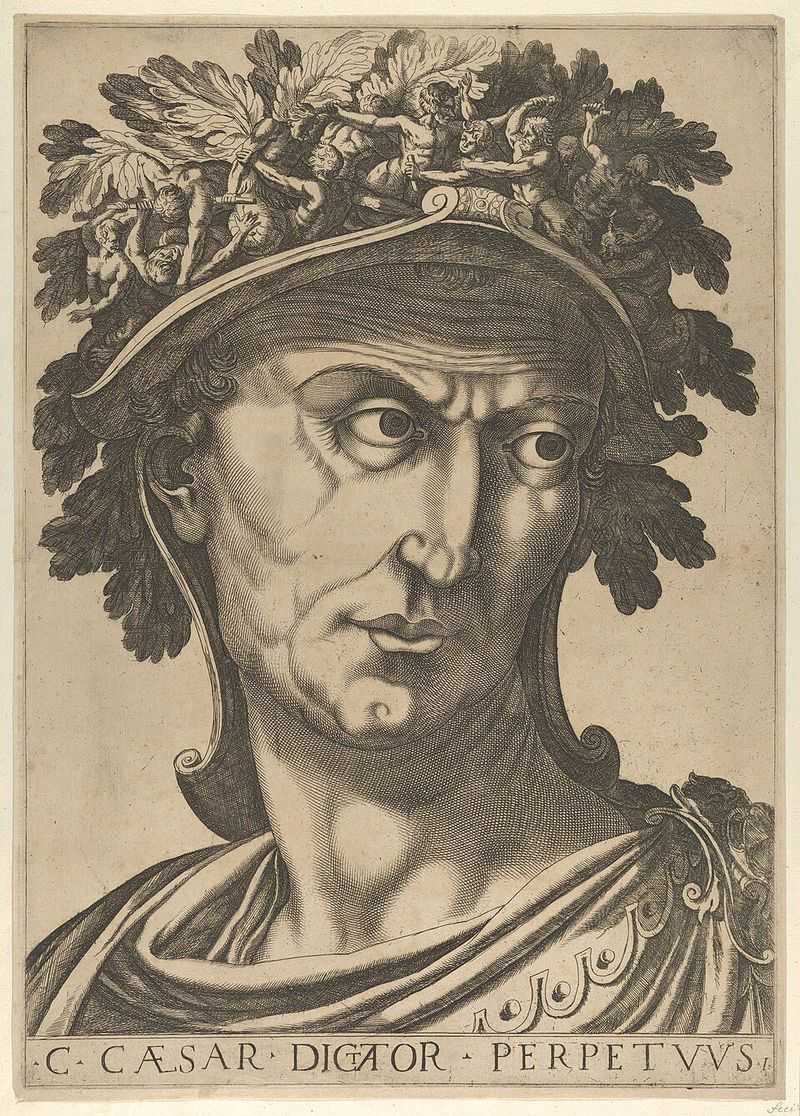
Few political relationships in the ancient world collapsed as spectacularly as the one between Julius Caesar and the senators he trusted most. By 44 BC, Caesar had accumulated enormous power in Rome, holding the title of dictator perpetuo, a move that alarmed many within the Senate.
Marcus Junius Brutus, a man Caesar had personally favored and protected, became the moral face of the conspiracy. Gaius Cassius Longinus organized much of the operational planning. Together, they assembled a group of roughly sixty senators known as the Liberatores.
On March 15, 44 BC, Caesar was stabbed twenty-three times in the Theatre of Pompey during a Senate session. Historians note that only one wound was immediately fatal. The conspirators believed they were saving the Republic, but their actions triggered a chain of civil wars that ultimately ended Republican Rome and gave rise to the Roman Empire under Augustus.
2. Joan of Arc
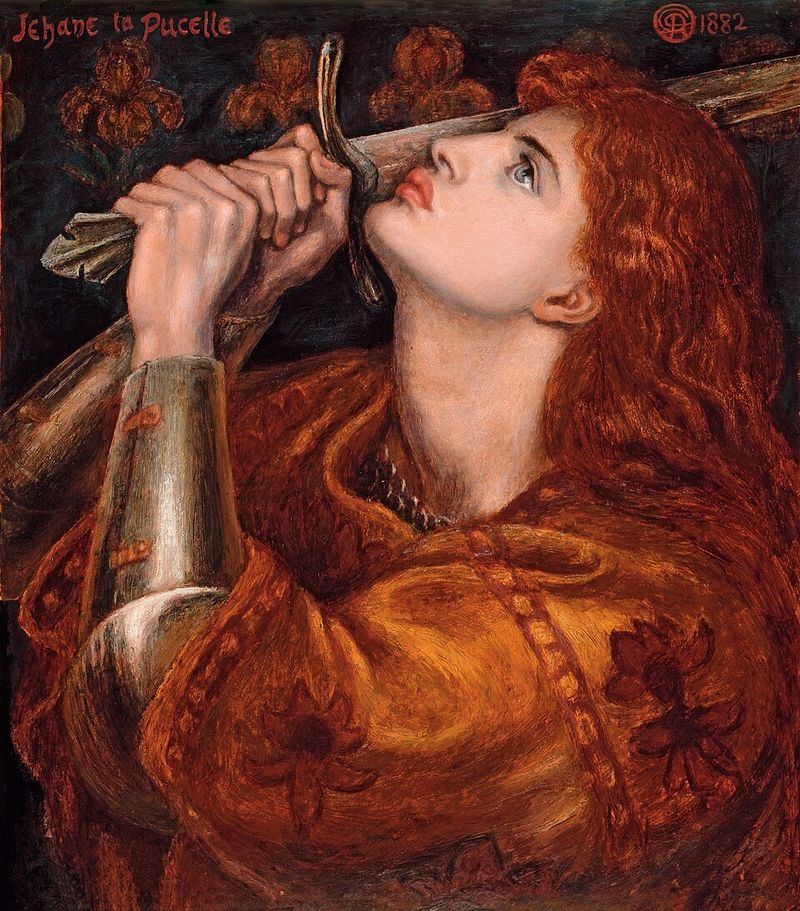
She led an army at seventeen and changed the course of the Hundred Years War, yet when Joan of Arc needed the French crown to act, it stayed silent. After her stunning military victories at Orleans in 1429, Joan’s relationship with King Charles VII grew increasingly complicated.
At Compiegne in May 1430, her troops were forced to retreat during a skirmish. The town gates closed before she could re-enter, leaving her exposed outside the walls. Burgundian forces captured her, and Charles VII made no serious effort to negotiate her release or pay her ransom.
She was sold to the English and put on trial for heresy in Rouen. The French court, which owed so much of its legitimacy to her campaigns, offered no meaningful defense. Joan was convicted and executed in 1431. Charles VII later ordered a retrial in 1456, which cleared her name, but that came twenty-five years too late.
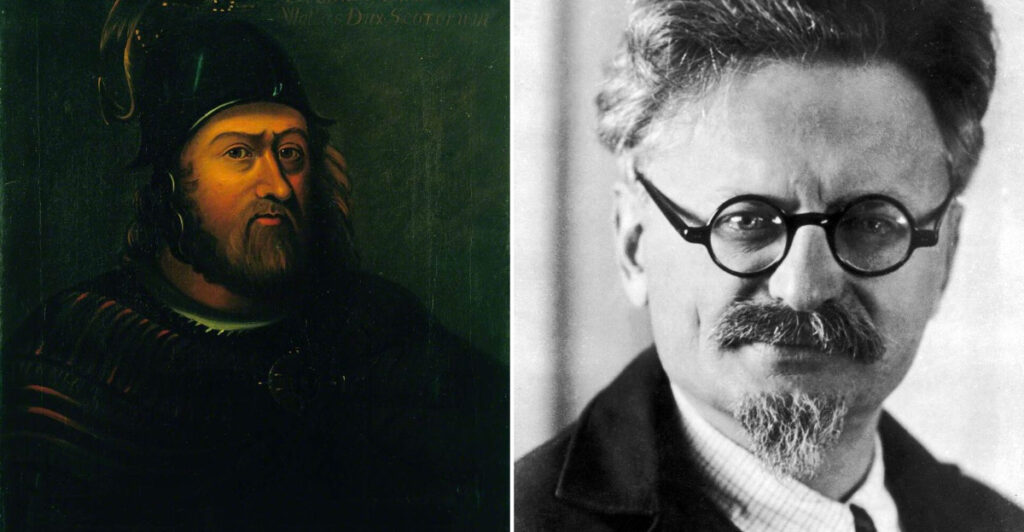
3. William Wallace
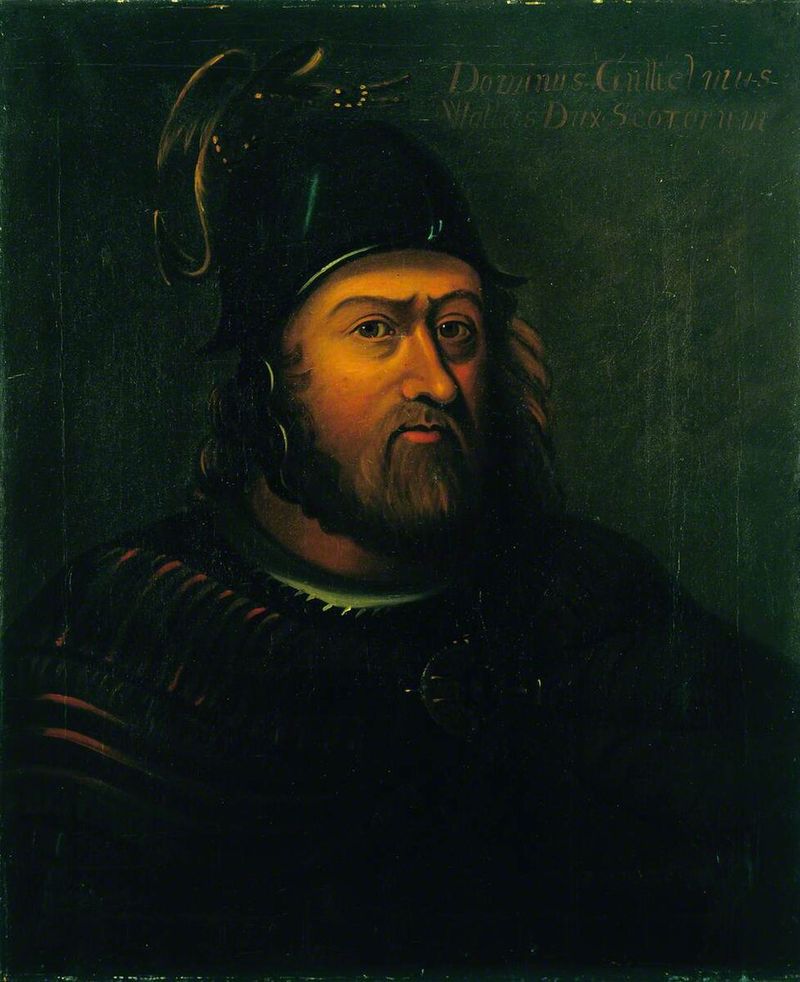
William Wallace spent years fighting English rule in Scotland, winning a landmark victory at Stirling Bridge in 1297 and serving as Guardian of Scotland. His military campaigns made him a national symbol, but his capture in 1305 came not from English soldiers finding him on a battlefield.
Sir John de Menteith, a Scottish noble who had accepted a position under King Edward I of England, located Wallace near Glasgow and handed him over to English authorities. Menteith’s exact motivations remain debated by historians, but his cooperation with the English crown was documented and remembered.
Wallace was transported to London, tried for treason in Westminster Hall, and executed. Edward I ordered a brutal public punishment designed to serve as a warning. The betrayal by a fellow Scotsman made Wallace’s story particularly resonant for later generations, and his legacy became a cornerstone of Scottish national identity for centuries, long outlasting the political circumstances that surrounded his capture.
4. Montezuma II
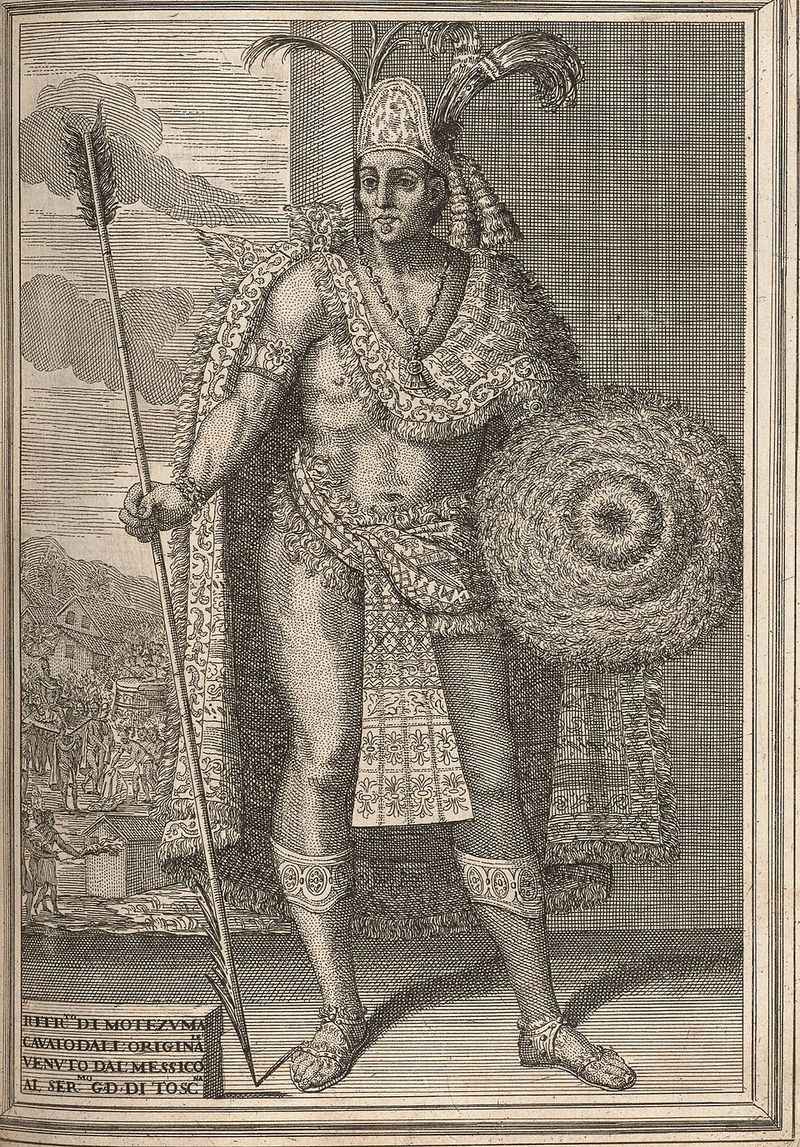
When Hernan Cortes arrived in Tenochtitlan in 1519, Montezuma II received the Spanish delegation according to diplomatic custom, a decision that quickly became one of history’s most consequential miscalculations. Cortes took the emperor hostage within weeks of his arrival, using Montezuma as a political shield.
The situation exposed deep fractures within the Aztec Empire. Several regional nobles and subject peoples saw Spanish pressure as an opportunity to break from Aztec authority. Rather than rallying behind their emperor, significant groups either stayed neutral or actively assisted Cortes.
Montezuma’s own standing among Aztec nobles collapsed as he appeared to cooperate with the Spanish occupiers. Whether that cooperation was voluntary or coerced remains a matter of historical debate. He died in June 1520 under unclear circumstances, with Spanish and Aztec accounts differing sharply on the cause. The internal divisions that surfaced during his captivity made the Spanish conquest of the empire far more achievable than it might otherwise have been.
5. Richard III of England
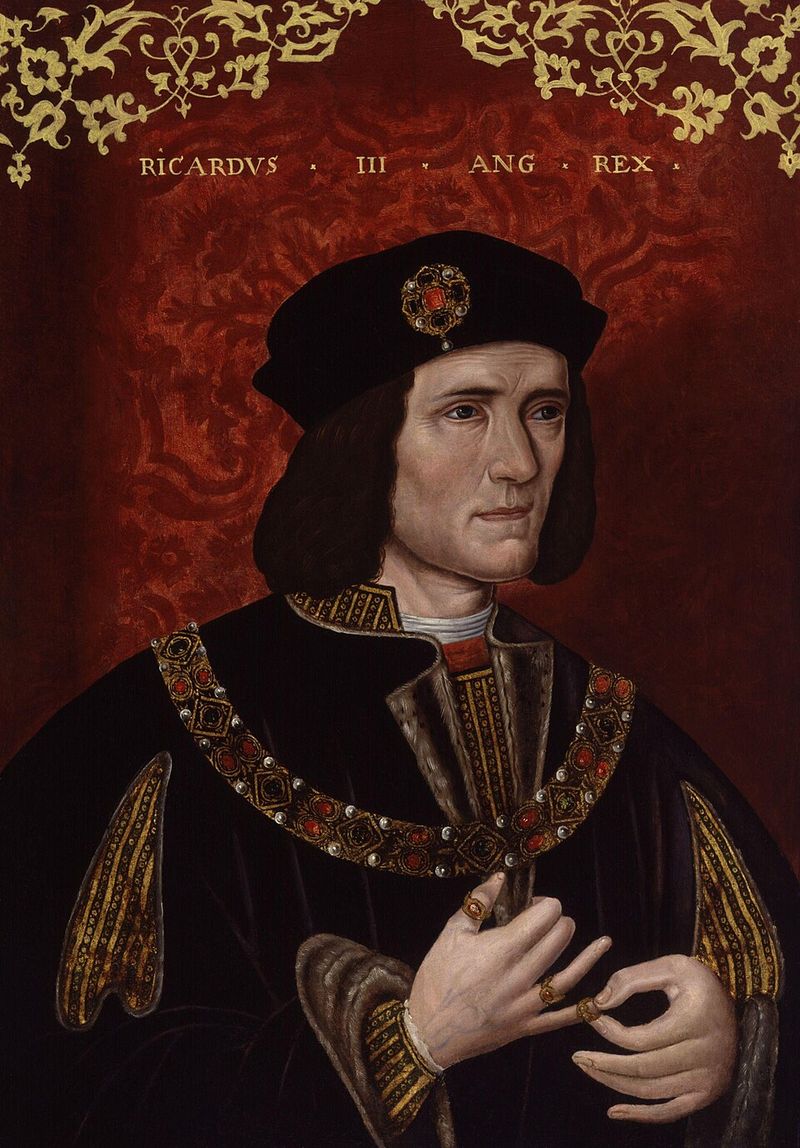
The Battle of Bosworth Field in August 1485 was decided less by combat strategy than by a calculated act of political abandonment. Richard III rode into battle with the Stanley family commanding a significant force on the field, but their loyalties were deliberately kept ambiguous until the critical moment.
Lord Thomas Stanley and Sir William Stanley had maintained careful neutrality throughout the lead-up to the conflict. Richard held Thomas Stanley’s son as a hostage to secure compliance, but when Richard charged toward Henry Tudor’s position during the battle, the Stanleys finally committed their troops, and they did so against Richard.
Richard was surrounded and fell in the fighting, becoming the last English king to be killed in battle. Henry Tudor was crowned Henry VII on the battlefield itself. The Stanley family’s decision transformed a closely contested military engagement into a dynastic turning point that ended the Plantagenet line and launched the Tudor era, reshaping English governance for over a century.
6. Mary, Queen of Scots
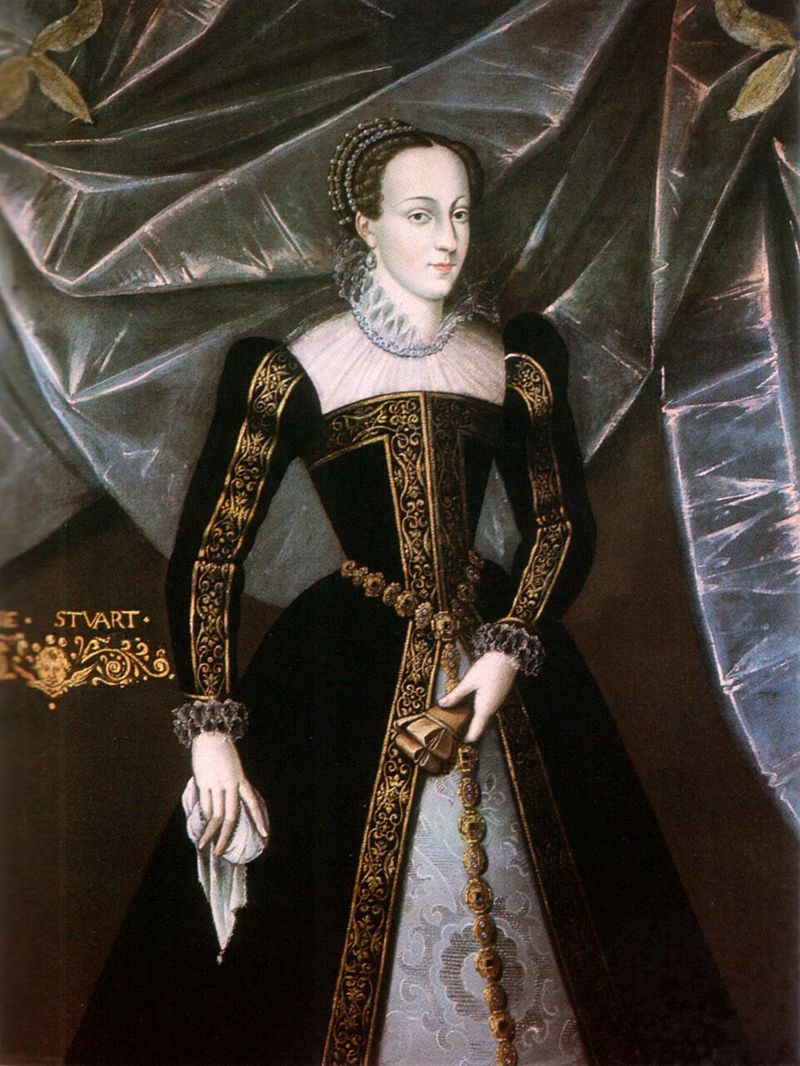
Mary Stuart’s reign as Queen of Scotland lasted just over a decade before her own nobles dismantled it. After the controversial death of her husband Lord Darnley in 1567 and her rapid remarriage to the Earl of Bothwell, a coalition of Scottish lords formed against her.
Her half-brother James Stewart, Earl of Moray, was among the key figures who turned against her. The rebel lords defeated her forces at Carberry Hill without a major battle, and Mary was forced to surrender. She was imprisoned in Loch Leven Castle and pressured into abdicating in favor of her infant son, James VI.
Mary escaped in 1568 and fled south to England, expecting protection from her cousin Queen Elizabeth I. Instead, she spent the next nineteen years as Elizabeth’s prisoner. A series of plots, some of which Mary was linked to, eventually provided grounds for a treason trial. She was executed at Fotheringhay Castle in February 1587, at the age of forty-four.
7. Patrice Lumumba
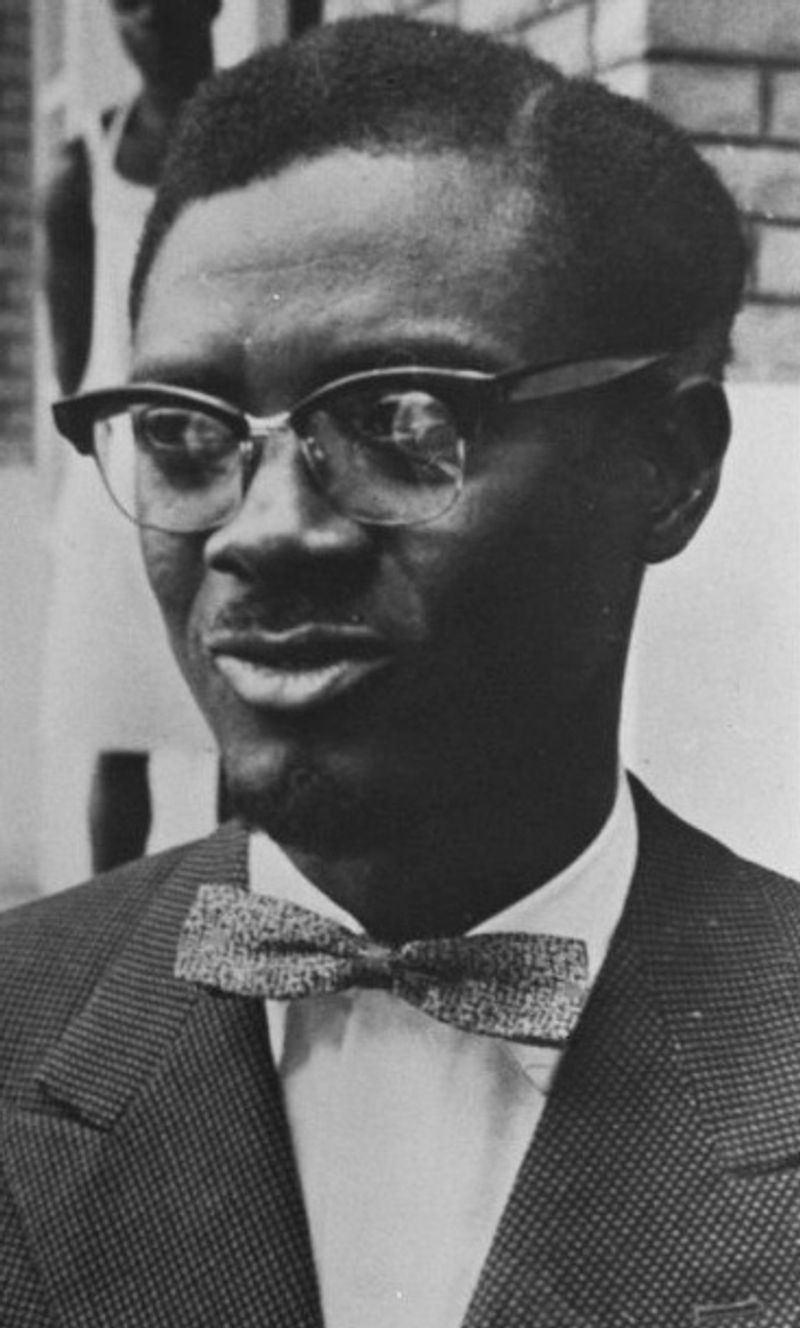
Patrice Lumumba became the first prime minister of the Democratic Republic of Congo in June 1960, just days after independence from Belgium. His tenure lasted only ten weeks before a political crisis unraveled his government from multiple directions at once.
President Joseph Kasavubu, who had been Lumumba’s political partner, dismissed him in September 1960 in a move of disputed legality. Army commander Joseph Mobutu staged a military intervention shortly after, effectively neutralizing Lumumba’s authority. Lumumba attempted to reach his political base in Stanleyville but was captured in December 1960.
He was transferred to the breakaway Katanga province, where he was held under the authority of Moise Tshombe, one of his political rivals. Lumumba was executed in January 1961. Subsequent investigations, including a Belgian parliamentary inquiry in 2001, confirmed that foreign governments and domestic rivals had coordinated in his removal. His short time in office became a defining episode in postcolonial African political history.
8. Atahualpa
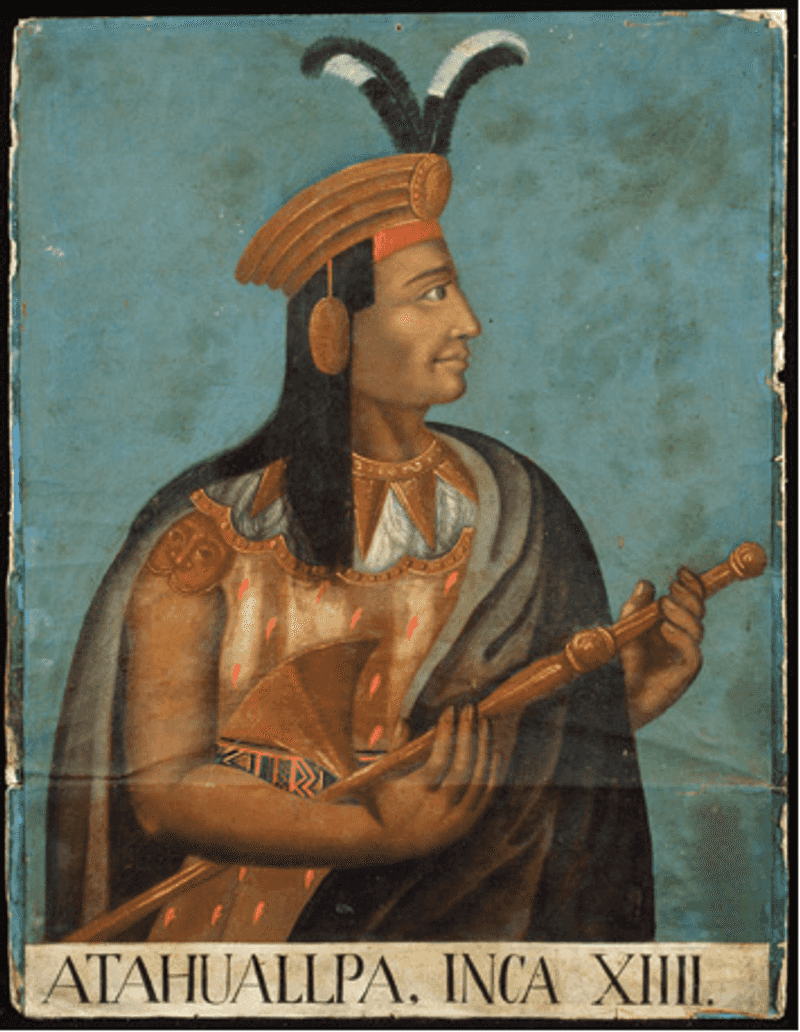
Atahualpa had just won a civil war against his brother Huascar for control of the Inca Empire when Francisco Pizarro arrived with a small Spanish force in 1532. The timing was catastrophic. The empire was politically fractured and exhausted from years of internal conflict.
Pizarro invited Atahualpa to a meeting at Cajamarca under the appearance of a diplomatic exchange. The Inca emperor arrived with a large but unarmed ceremonial retinue. Spanish forces launched a surprise assault, killed thousands of his attendants, and captured Atahualpa within minutes. The speed of the ambush reflected how effectively Pizarro had exploited the political divisions already present within the empire.
Groups that had supported Huascar, or resented Inca rule altogether, provided Pizarro with intelligence, logistical support, and alliances that proved essential to the conquest. Atahualpa offered an enormous ransom in gold and silver, which Pizarro accepted before executing him anyway in August 1533. The Inca Empire never recovered as a unified political entity.
9. Thomas Becket
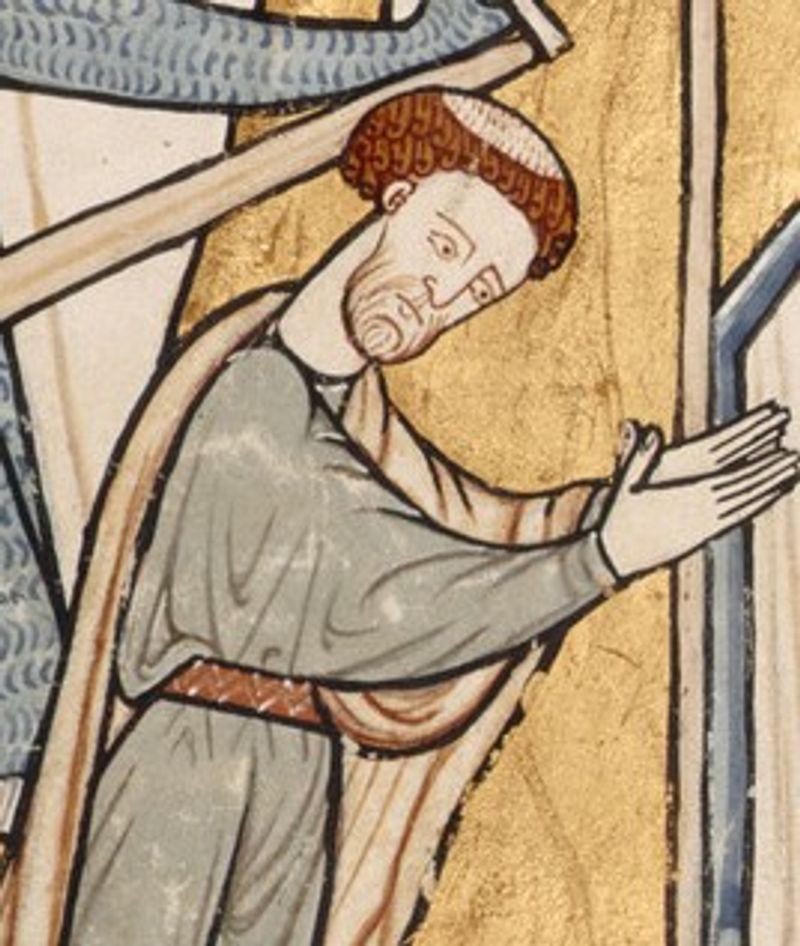
Thomas Becket and King Henry II had been genuinely close. Becket served as Henry’s chancellor and was considered one of the king’s most trusted advisors before Henry appointed him Archbishop of Canterbury in 1162, expecting a cooperative ally within the Church.
The appointment backfired. Becket took the role seriously and began defending Church authority against royal interference, reversing the accommodating stance Henry had anticipated. Their conflict escalated over several years, involving exile, negotiation, and repeated breakdown of agreements. Henry’s frustration became well documented.
In December 1170, Henry reportedly expressed fury over Becket’s continued resistance. Four knights, Reginald FitzUrse, Hugh de Morville, William de Tracy, and Richard le Breton, interpreted his words as a directive and traveled to Canterbury. They confronted Becket inside the cathedral and killed him on December 29. The event shocked medieval Europe.
Henry II performed public penance at Becket’s tomb, and the Church canonized Becket as a saint within three years of his death.
10. Emperor Galba
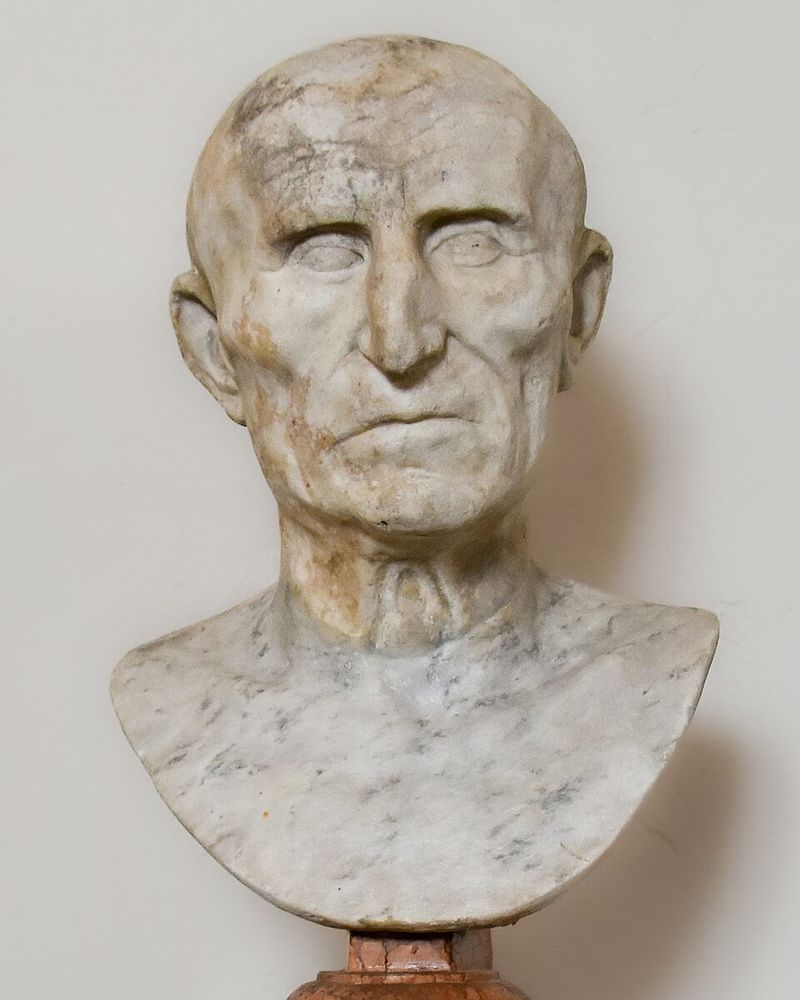
Galba’s reign lasted just seven months, from June 68 AD to January 69 AD, making it one of the shortest in Roman imperial history. He came to power after Nero’s fall, supported by the Praetorian Guard and several provincial governors who saw him as a stabilizing figure.
His administration quickly generated resentment. Galba refused to pay the financial bonuses the Praetorian Guard had been promised for their support, reportedly saying that soldiers were recruited, not bought. He also executed several officials and officers without trial, eroding confidence in his judgment. Marcus Salvius Otho, a former friend who had expected a prominent role in the new government, began working against him.
Otho secured the Praetorian Guard’s loyalty with promises of payment and was proclaimed emperor by the soldiers in January 69 AD. Galba was killed in the Roman Forum shortly after. His brief reign became the opening chapter of the Year of the Four Emperors, one of Rome’s most turbulent political periods.
11. Salvador Allende
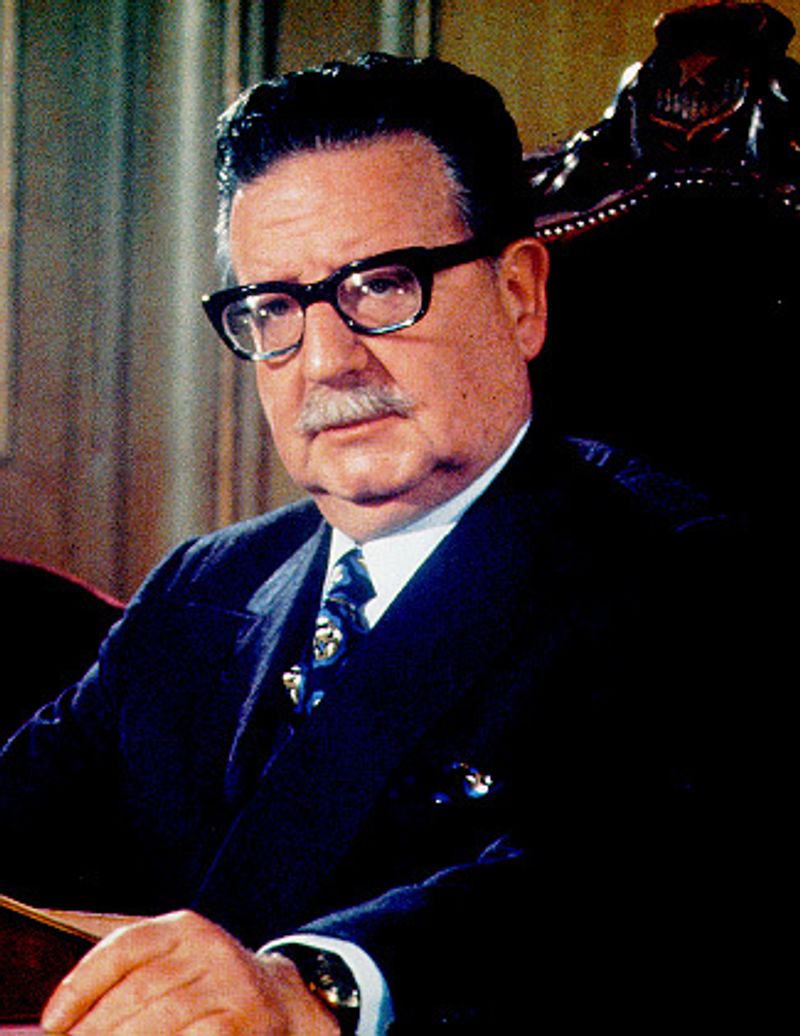
Salvador Allende was elected president of Chile in 1970, becoming the first Marxist head of state in Latin America to reach power through a democratic election. His government introduced sweeping economic reforms, nationalizing copper mines and expanding social programs, which generated intense political opposition.
By 1973, Allende’s relationship with the Chilean military had become critical. In August of that year, he appointed General Augusto Pinochet as commander-in-chief of the army, viewing him as a constitutionally loyal officer. That assessment proved incorrect within weeks.
On September 11, 1973, coordinated military units seized control of key infrastructure across Chile. Pinochet emerged as the central figure of the coup leadership. Allende remained inside La Moneda presidential palace as military aircraft attacked the building. He died inside the palace that day, with official accounts ruling his death a suicide.
The coup ended Chilean democracy for seventeen years and installed a military government that fundamentally altered the country’s political and social structure.
12. Emperor Haile Selassie
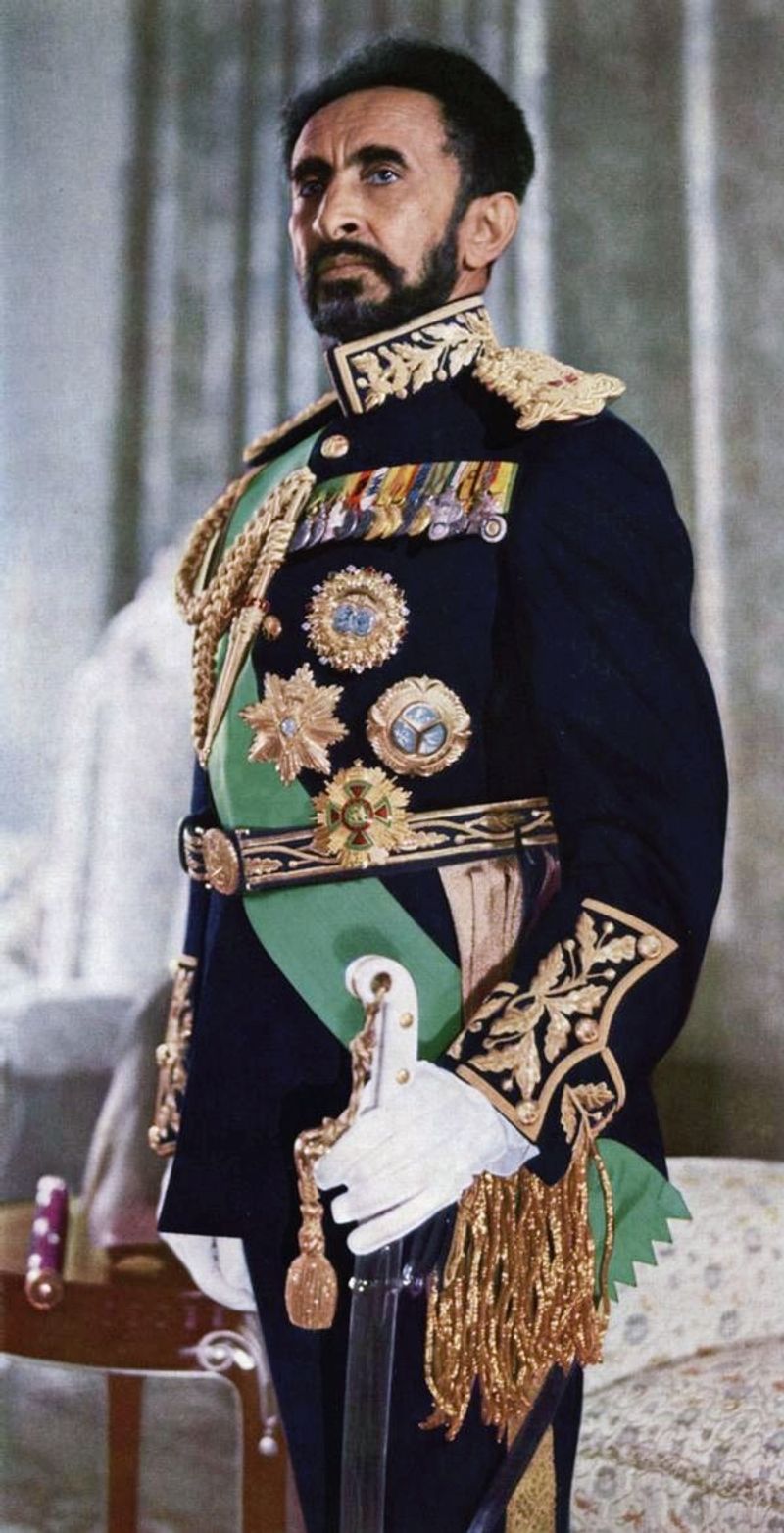
Haile Selassie ruled Ethiopia for over four decades, surviving an Italian invasion in the 1930s, exile, and restoration with the help of Allied forces in 1941. By the early 1970s, however, a combination of famine, economic stagnation, and political frustration had created serious pressure within his own government and military.
A group of military officers organized themselves into a coordinating committee called the Derg, which began systematically removing Selassie’s authority during 1974. Cabinet ministers were arrested. Government functions were transferred to military control. The process was gradual and methodical rather than a sudden armed action.
In September 1974, the Derg formally deposed Selassie and placed him under arrest. He was held in the Jubilee Palace, where he had ruled for so long. He died in August 1975 under circumstances that remained disputed for decades. A 1994 investigation suggested he had been suffocated, though definitive conclusions proved difficult to establish.
Ethiopia became a republic under military rule following his removal.
13. Leon Trotsky
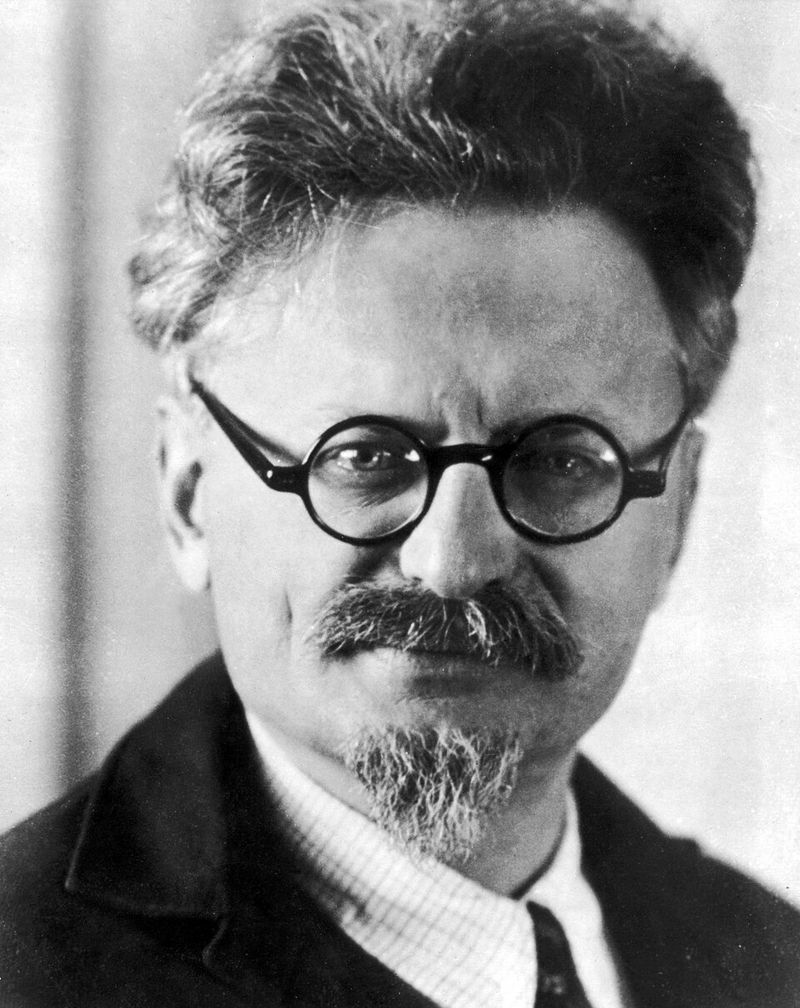
Leon Trotsky co-led the 1917 Russian Revolution alongside Vladimir Lenin and built the Red Army from a fragmented force into a capable military organization. His standing within the Bolshevik leadership seemed unassailable during Lenin’s lifetime, but the political landscape shifted sharply after Lenin’s death in 1924.
Joseph Stalin moved methodically to consolidate power, forming alliances within the party apparatus and positioning Trotsky as a factional troublemaker rather than a revolutionary hero. Former comrades who had worked alongside Trotsky for years chose Stalin’s rising coalition over loyalty to their old colleague. Trotsky was expelled from the Communist Party in 1927 and exiled from the Soviet Union in 1929.
He spent years moving between countries, eventually settling in Coyoacan, Mexico. Stalin’s security services tracked him continuously. In August 1940, Ramon Mercader, an NKVD agent who had cultivated Trotsky’s trust over months, attacked him with an ice axe. Trotsky died from his injuries the following day.
The assassination closed one of the most dramatic political rivalries of the twentieth century.
Share this story