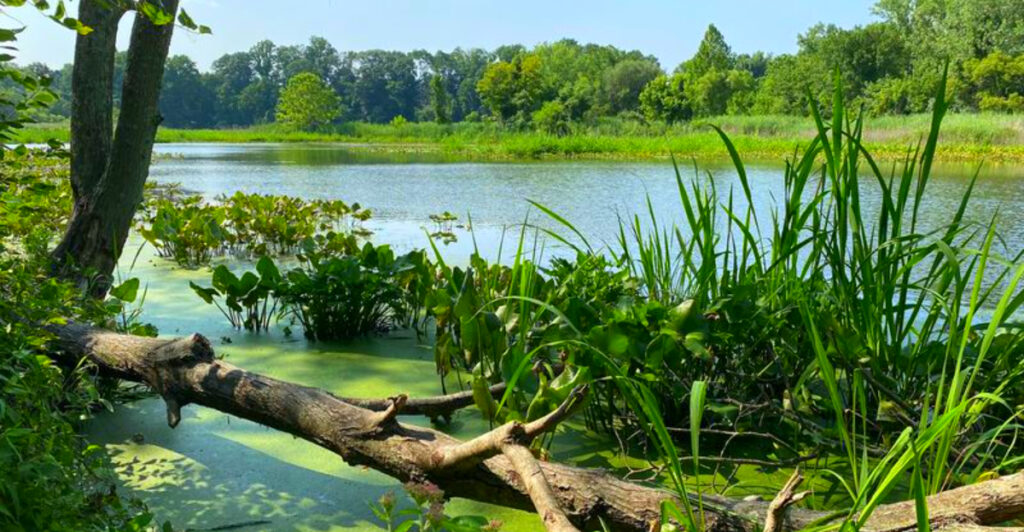
Marshes have always been nature’s quiet record-keepers, holding centuries of secrets within their reeds and tidal creeks. Long before highways connected distant towns, these watery landscapes carved out trade routes, shielded settlements, harbored smugglers, and sparked countless local legends. While mountains and ancient castles tend to grab all the historical glory, marshlands have been doing the real work of preserving human stories, right beneath your boots. Some of the world’s most fascinating history happened not in grand palaces but in muddy, reed-filled wetlands where communities fished, farmed, fought, and flourished.
From a Wisconsin marsh that has drawn people for 12,000 years to a Japanese highland moor shaped by ancient volcanic activity, each of these destinations carries a remarkable backstory. Grab your binoculars and your curiosity, because these 12 marshland regions are about to prove that the quietest landscapes often have the loudest histories.
1. The Camargue, Saintes-Maries-de-la-Mer, France
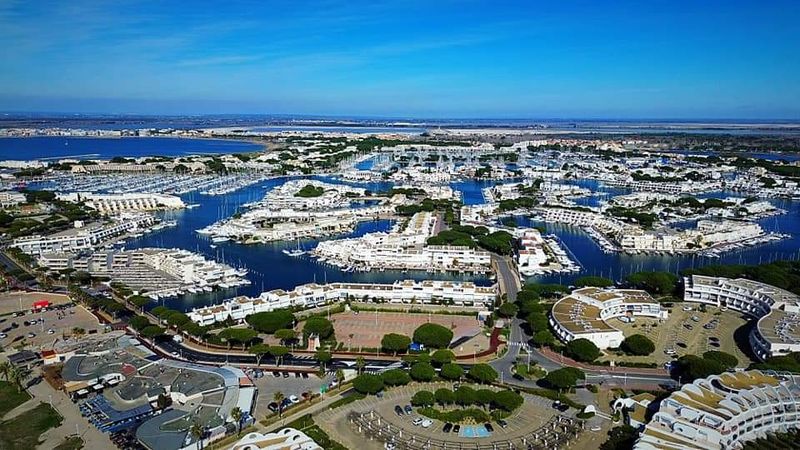
Where the Rhone River splits and surrenders to the sea, one of Europe’s most distinctive landscapes quietly takes shape. The Camargue is the largest river delta in Western Europe, a sweeping blend of salt marshes, reed beds, sandy beaches, and shimmering lagoons that has fascinated travelers, historians, and wildlife lovers for centuries.
The region’s cultural identity is as striking as its geography. White Camargue horses, bred by local cowboys called gardians, have roamed these wetlands for generations, while black bulls remain central to traditional bloodless bull-racing events that still draw enthusiastic crowds today.
Pink flamingos gather in enormous numbers at Etang du Fangassier, and over 400 bird species rely on this habitat. The area has been a UNESCO Biosphere Reserve since 1977, and its history stretches from prehistoric occupation through Roman settlement to medieval abbeys that began draining marshes for agriculture. Boat tours, cycling trails, and the fortified medieval city of Aigues-Mortes round out any visit beautifully.
2. Horicon Marsh, Horicon, Wisconsin
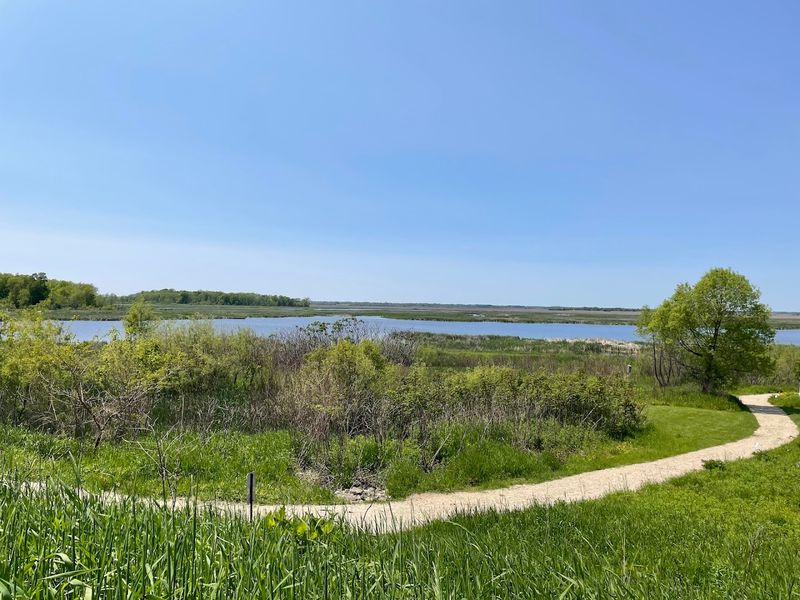
North America’s largest freshwater cattail marsh did not become famous by accident. Horicon Marsh spans roughly 32,000 acres in Wisconsin and has attracted human visitors since nomadic hunters arrived here nearly 12,000 years ago, long before the first observation tower was ever built.
The marsh sits within a basin carved by the Wisconsin glacier, and its sheer scale is hard to fully appreciate until you are standing at one of its elevated viewing platforms watching thousands of birds move across the sky. Over 300 bird species have been recorded here, including the largest nesting population of redhead ducks east of the Mississippi River.
Mound Builders left archaeological evidence across the landscape, and determined local conservationists spent decades reversing damage caused by 19th-century drainage attempts. Today, Horicon holds designations as a Wetland of International Importance and a Globally Important Bird Area. Walking trails, paddling routes, and an annual May birding festival keep the calendar full year-round.
3. Norfolk Coast Marshes, Titchwell, Norfolk, England
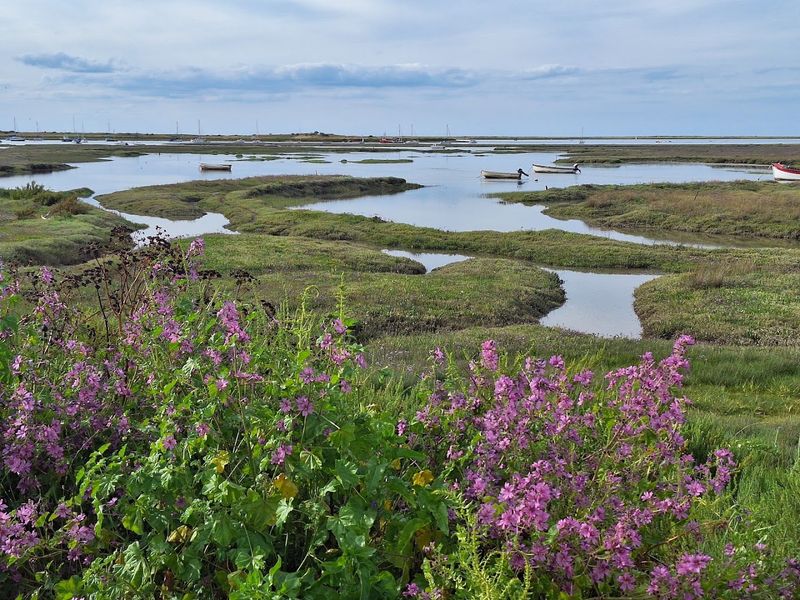
Windswept, wide-open, and carrying the weight of centuries, the Norfolk Coast Marshes around Titchwell have witnessed everything from prehistoric settlements to wartime coastal defenses. The RSPB Titchwell Marsh Nature Reserve protects 171 hectares of remarkably varied habitat, including reedbeds, saltwater lagoons, a freshwater lagoon fed by a natural spring, and a broad sandy beach facing the North Sea.
The reserve earns international protection through multiple designations, including Natura 2000, Special Protection Area, and Ramsar listings. Pied avocets, western marsh harriers, Eurasian bitterns, and bearded reedlings all breed here, while migration seasons bring thousands of ducks, waders, and seabirds that turn the marsh into a constantly shifting natural spectacle.
At low tide, the beach sometimes reveals concrete wartime defenses and traces of prehistoric occupation, adding unexpected historical texture to what might otherwise seem like a purely natural destination. Accessible boardwalks, bird hides, and a seawatching platform make the reserve welcoming for visitors of all ages and mobility levels. No two visits here ever look quite the same.
4. Everglades National Park, Homestead, Florida
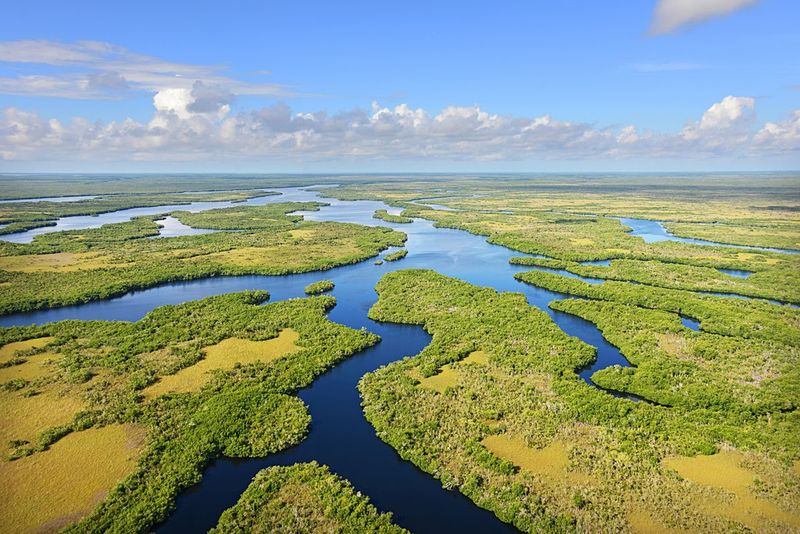
Most people picture a dark, tangled swamp when they hear the word Everglades, but the reality is far more surprising. Much of this 1.5-million-acre wilderness is actually a slow-moving freshwater marsh, often called the River of Grass, flowing almost imperceptibly southward across Florida toward the sea.
Established in 1947 as the first national park primarily dedicated to protecting biodiversity rather than scenery, the Everglades holds UNESCO World Heritage status, Biosphere Reserve designation, and Ramsar Wetland recognition simultaneously. It is the only place on Earth where both alligators and crocodiles share the same habitat, which is either thrilling or terrifying depending on your perspective.
Nine distinct ecosystems exist within its boundaries, from sawgrass marshes and cypress swamps to the largest contiguous stand of protected mangroves in the Western Hemisphere. The park also supplies drinking water for millions of Floridians and provides critical flood protection for surrounding communities. Scenic drives, boat tours, and the popular Anhinga Trail boardwalk make exploring this iconic wetland genuinely accessible.
5. Tadewara Marshland, Kokonoe, Oita Prefecture, Japan
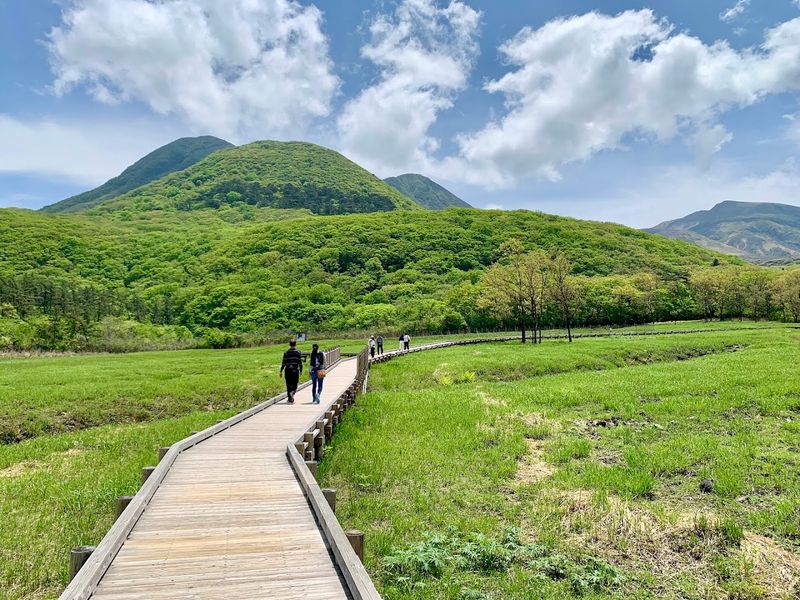
At roughly 1,000 meters above sea level in the Kuju mountains of Oita Prefecture, Tadewara Marshland offers a very different kind of wetland experience from anything found at sea level. This high-altitude transitional moor, one of Japan’s largest, was created by volcanic activity between 15,000 and 6,300 years ago, with marsh sediment gradually deposited by the Shiramizu River across a broad mountain basin.
More than 100 species of wildflowers bloom here across the seasons, including Japanese water iris, globe thistle, and star lily, supporting a rich community of butterflies and endemic aquatic insects that in turn attract small birds like the chestnut-eared bunting. The ecological value of this place earned Tadewara a Ramsar Convention designation in 2005, placing it among Japan’s internationally recognized wetlands.
One of the most interesting aspects of Tadewara’s long-term health is the traditional practice of controlled burning, carried out by local communities since ancient times to clear old vegetation and encourage fresh plant growth. This ongoing relationship between people and marsh keeps the ecosystem functioning in ways that purely hands-off management simply cannot replicate. Wooden boardwalks allow visitors to explore the landscape respectfully without disturbing its fragile peat surface.
6. Abbott Marshlands, Hamilton Township, New Jersey
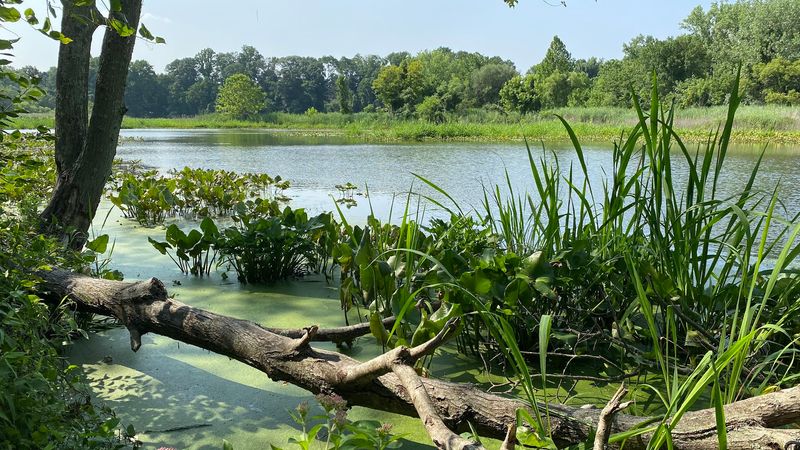
Few people expect New Jersey to hold one of America’s most important archaeological landscapes, but the Abbott Marshlands have been quietly rewriting assumptions for decades. This 3,000-acre expanse of tidal marshes, swamps, ponds, and woodlands carries a National Historic Landmark designation earned in 1976 thanks to an extraordinary 13,000-year record of Native American presence.
The Abbott Farm site is recognized as the largest known Middle Woodland village in the entire coastal Mid-Atlantic and New England region. Early communities here depended on shad, sturgeon, and wild plants, gradually shifting from nomadic life to permanent settlement as the marsh’s resources proved reliably abundant.
History kept piling up long after those early inhabitants. Joseph Bonaparte, Napoleon’s brother, lived on a nearby estate from 1816 to 1837, and Revolutionary War boats were sunk in Crosswicks Creek to slow British forces. The Isaac Watson House, built in 1708, still stands here as Mercer County’s oldest home. Walking trails and the Tulpehaking Nature Center bring all these layers within easy reach.
7. Okefenokee National Wildlife Refuge, Folkston, Georgia
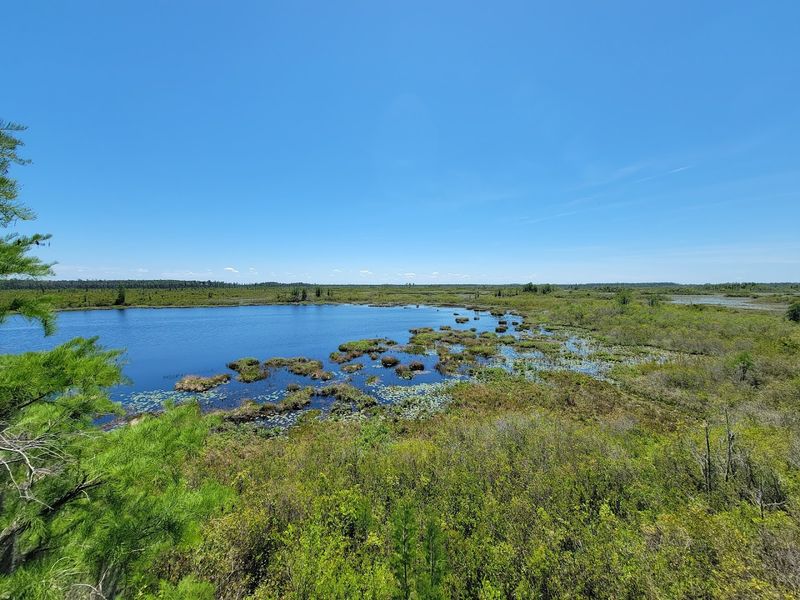
The ground actually trembles underfoot in parts of this place, and that is not a metaphor. The Okefenokee gets its name from an Indigenous term meaning trembling earth, a reference to the buoyant peat mats that ripple and shift beneath visitors walking near the water’s edge. This 438,000-acre blackwater wetland straddles the Georgia-Florida border and ranks as the largest freshwater swamp in the United States.
The ecosystem took roughly 6,500 years to form through slow peat accumulation in a shallow basin, and it gives rise to two major rivers, the Suwannee and the St. Marys. Indigenous peoples including the Weeden Island, Savannah, and Timucuan cultures all called this landscape home long before European contact. The Seminole people used it as a refuge during the 1830s and 1840s.
Today the refuge shelters over 400 vertebrate species, including Florida black bears, American alligators, and carnivorous pitcher plants adapted to its acidic waters. Established in 1937 after early logging operations, the Okefenokee now holds National Natural Landmark status. Boat trails, canoe routes, and observation platforms provide outstanding access to this ancient, largely unchanged world.
8. Donana National Park, El Rocio, Andalusia, Spain
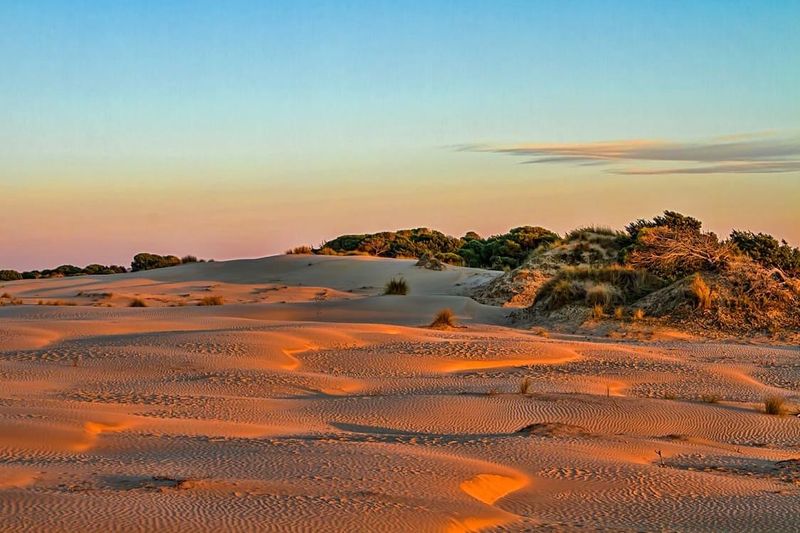
At the mouth of the Guadalquivir River in southwestern Spain sits one of Europe’s most celebrated and ecologically critical wetlands. Donana National Park holds UNESCO World Heritage status, Biosphere Reserve designation, and Ramsar recognition, and it earns every one of those titles through sheer biodiversity and historical depth.
The park’s habitats shift dramatically across its protected area, moving from open marshes and coastal lagoons to shifting sand dunes, cork oak woodlands, and dense Mediterranean scrub. This variety makes Donana a vital crossroads for over 300 migratory bird species traveling between Africa and Europe each year. It also provides one of the last reliable refuges for the critically endangered Iberian lynx and the Spanish imperial eagle.
Human history runs deep here too. Spanish royalty used these lands as hunting grounds from the 14th century onward, and the annual pilgrimage to El Rocio village, which borders the park, continues to draw enormous crowds each spring. Guided tours, including traditional horse-and-carriage excursions through the marshes, allow visitors to explore responsibly while witnessing one of Europe’s most dynamic and storied natural landscapes.
9. Jamaica Bay Wildlife Refuge, Queens, New York
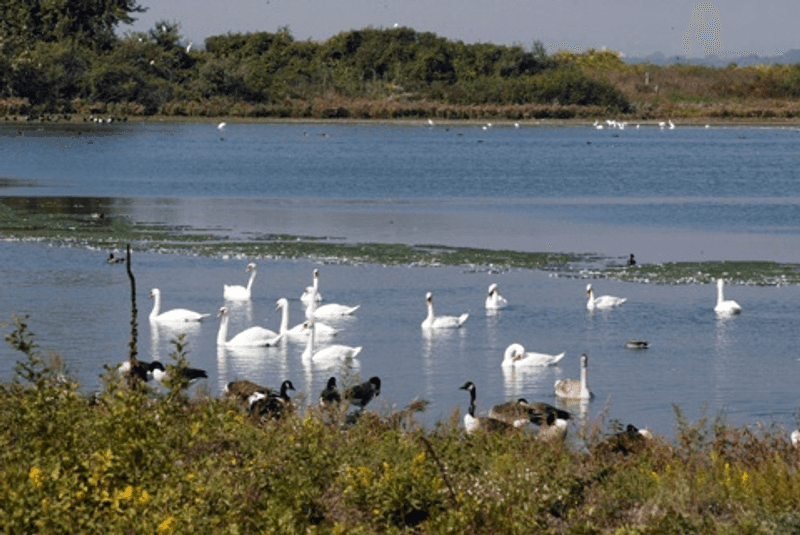
Almost nobody expects to find 18,000 acres of thriving salt marsh tucked inside New York City, yet Jamaica Bay pulls off that trick without breaking a sweat. This expansive wetland estuary, nearly the size of Manhattan, sits within the Gateway National Recreation Area and stands as the only wildlife refuge managed by the National Park Service within a major American city.
The refuge supports over 325 bird species, including beach-nesting birds in the largest concentration found anywhere in the Northeast. Seals, dolphins, terrapin turtles, and 100 species of fish also call these waters home. The Canarsee people, who knew this land as Yameco, relied on its oyster and clam beds long before Dutch and English settlers arrived in the 1600s to do the same.
Urbanization cost the bay more than 80 percent of its original marshland over the past century, including the construction of John F. Kennedy International Airport on former wetlands. Ongoing restoration projects are steadily reversing some of that loss. The salt marshes also serve as natural flood barriers, absorbing storm surge before it reaches surrounding neighborhoods, a role that proved critical during major Atlantic storms.
10. Urdaibai Biosphere Reserve, Gautegiz Arteaga, Basque Country, Spain
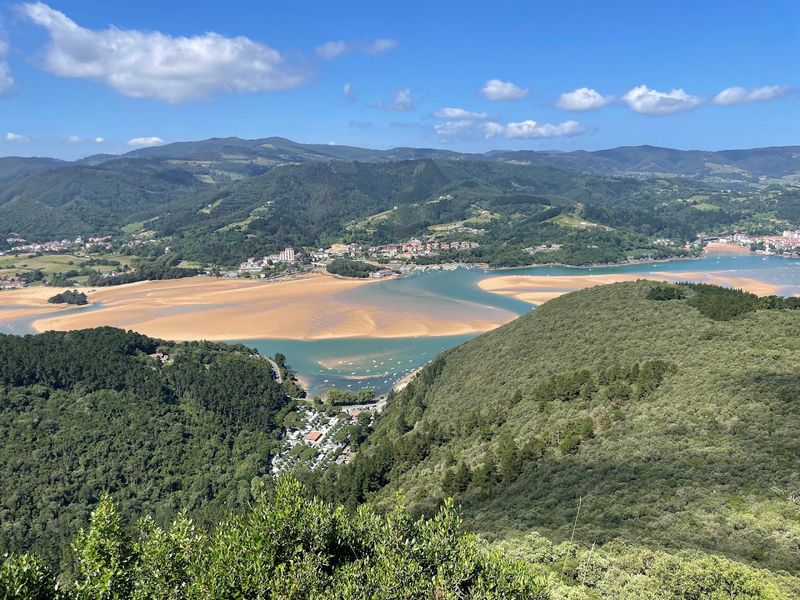
Tucked into the rugged coastline of Spain’s Basque Country, Urdaibai is the kind of place that rewards curiosity at every turn. Its tidal marshes, shaped by the rhythms of the Bay of Biscay, have supported local fishing communities for centuries while simultaneously providing a critical staging post for birds migrating along the Atlantic Flyway between Africa and Northern Europe.
The Urdaibai Bird Center in Gautegiz Arteaga gives visitors a thorough and engaging introduction to the reserve’s ecological importance before sending them out to explore a network of observation hides overlooking the wetlands. Species counts during peak migration periods can be genuinely staggering, with herons, egrets, and waders crowding the mudflats in impressive numbers.
Historic fishing villages scattered throughout the reserve add a cultural richness that purely natural destinations sometimes lack. Their centuries-old boat-building traditions, local festivals, and intimate relationship with the tidal landscape paint a vivid picture of how Basque communities have adapted to and shaped this environment over generations. The combination of serious ecological credentials and deeply human stories makes Urdaibai one of Spain’s most rewarding and undervisited destinations.
11. Timucuan Ecological And Historic Preserve, Jacksonville, Florida
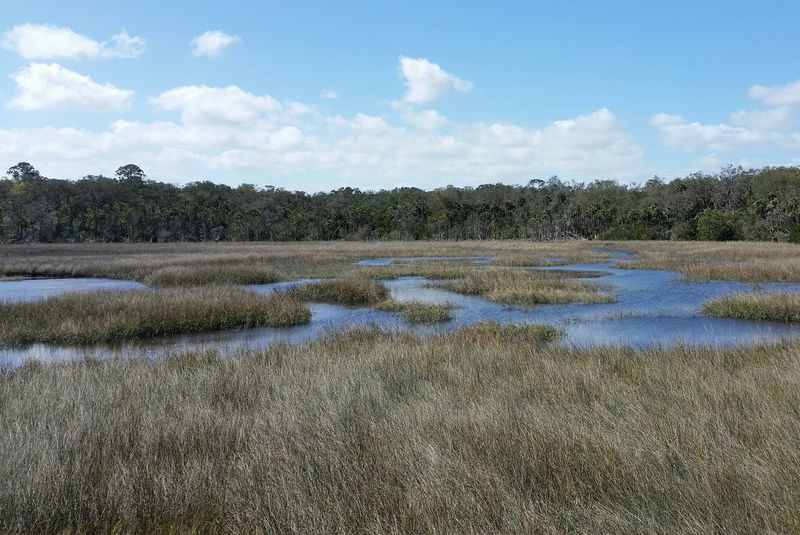
Forty-six thousand acres of coastal wetlands, waterways, hardwood hammocks, and coastal dunes make the Timucuan Ecological and Historic Preserve one of Florida’s most impressive and least crowded protected areas. What sets it apart from most national parks, however, is how deliberately it weaves natural history and human history together into a single, coherent story.
The Timucua people occupied this landscape between 700 and 1500 CE, leaving behind shell mounds called middens that still mark the shoreline today. Fort Caroline National Memorial commemorates a French colonial settlement from the 1560s, while Kingsley Plantation, Florida’s oldest standing plantation, preserves the haunting tabby slave cabins that speak honestly about a far more difficult chapter of the region’s past.
The preserve is managed cooperatively by the National Park Service, Florida’s Department of Environmental Protection, and the City of Jacksonville, a partnership that keeps trails, kayak launches, and historic sites well maintained and accessible. Paddling through the salt marshes at Theodore Roosevelt Area or cycling the Cedar Point trails offers a quietly powerful way to absorb a landscape where ecology and human experience have always been inseparable.
12. North Kent Marshes, Gillingham, Kent, England
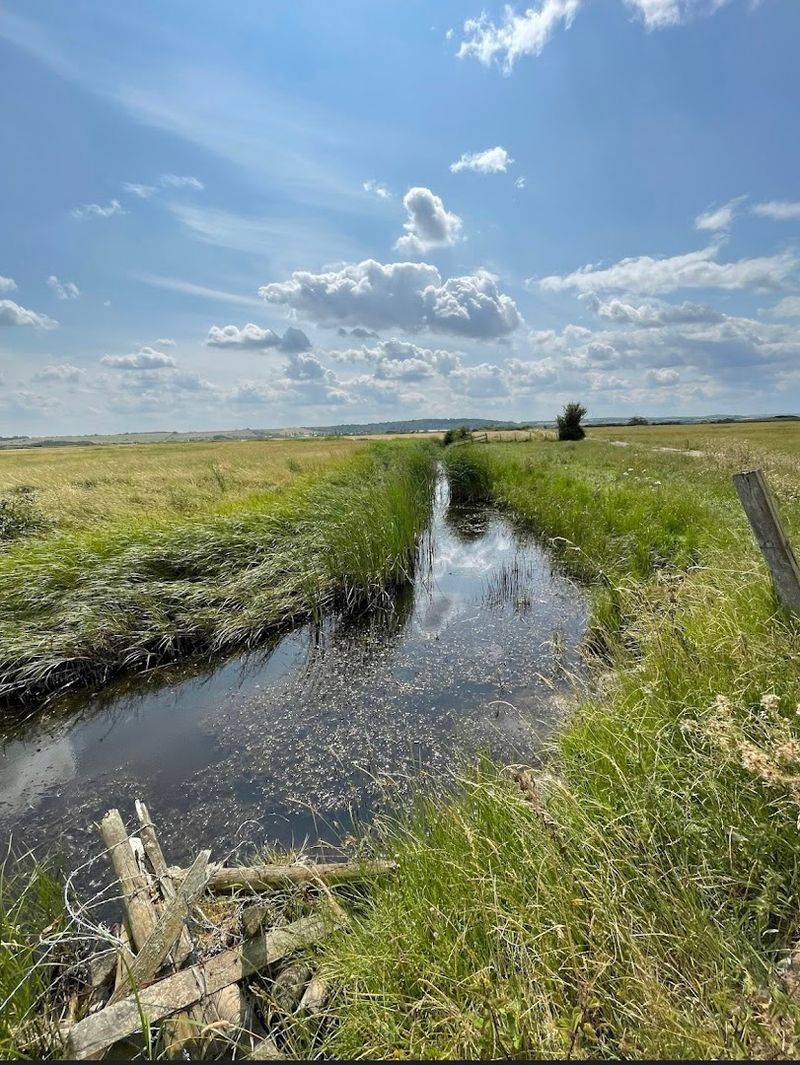
Charles Dickens set some of his most atmospheric early scenes in landscapes very much like these, and one look at the North Kent Marshes makes it easy to understand why. Stretching along the Thames and Medway estuaries, these wide, flat wetlands carry a particular kind of historical weight, having served as trade corridors, wartime boundaries, and fishing grounds for communities going back to Roman and earlier periods.
Riverside Country Park in Gillingham provides the most accessible entry point, offering walking paths, waterfront trails, and viewing platforms that frame the estuary and its resident birdlife without requiring any specialist equipment or serious hiking fitness. The park sits within a broader mosaic of grazing marshes, mudflats, and tidal creeks that support nationally significant populations of wading birds and wildfowl.
The marshes also carry literary credentials beyond Dickens, having influenced generations of writers drawn to their open, uncompromising horizons. Local conservation groups have worked steadily to protect remaining marshland from development pressure, recognizing that these wetlands store carbon, buffer coastal flooding, and preserve a distinctly Kentish character that no amount of urban expansion can easily replicate.
Share this story