 Unearth The Voyage
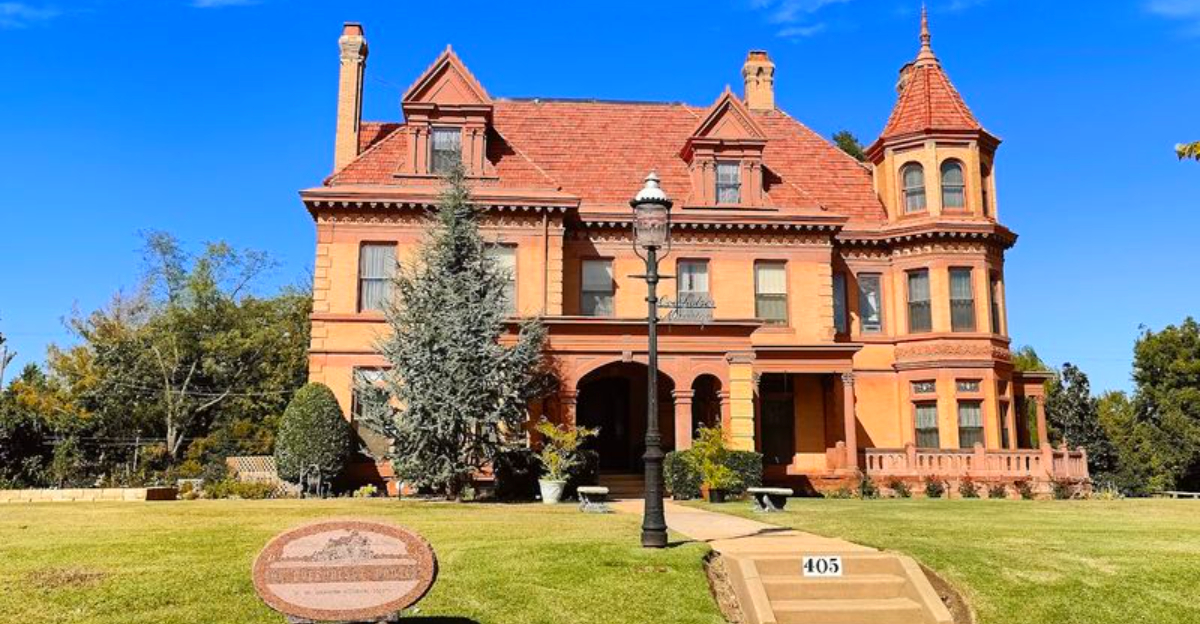
There is a house in the heart of Oklahoma City that has barely changed since 1903, and that alone makes it worth talking about. Every piece of furniture, every rug, every dish still sits exactly where it was placed over a century ago.
The man who built it helped shape an entire city from the ground up, and his home tells that story better than any textbook ever could. Read on to find out what makes this Victorian-era mansion one of the most fascinating stops in all of Oklahoma.
Who Was Henry Overholser and Why Does He Matter
Before Oklahoma City was a city at all, Henry Overholser was already planning its future. He arrived in Oklahoma Territory during the Land Run of 1889 and immediately got to work, investing in real estate, infrastructure, and civic development at a pace that left others scrambling to keep up.
He helped fund the city’s first streetcar line, supported the construction of key commercial buildings, and pushed hard for Oklahoma City to become the territorial capital. His influence was so sweeping that historians and locals alike gave him the title “Father of Oklahoma City,” a nickname that has stuck for well over a hundred years.
Born in Ohio in 1846, Overholser built his fortune through smart business dealings long before he ever set foot in Oklahoma. He was the kind of man who saw potential where others saw dust.
His legacy is not just in the city’s skyline or its street grid, but in the very culture of ambition that Oklahoma City still carries today.
The Address and Setting of the Mansion
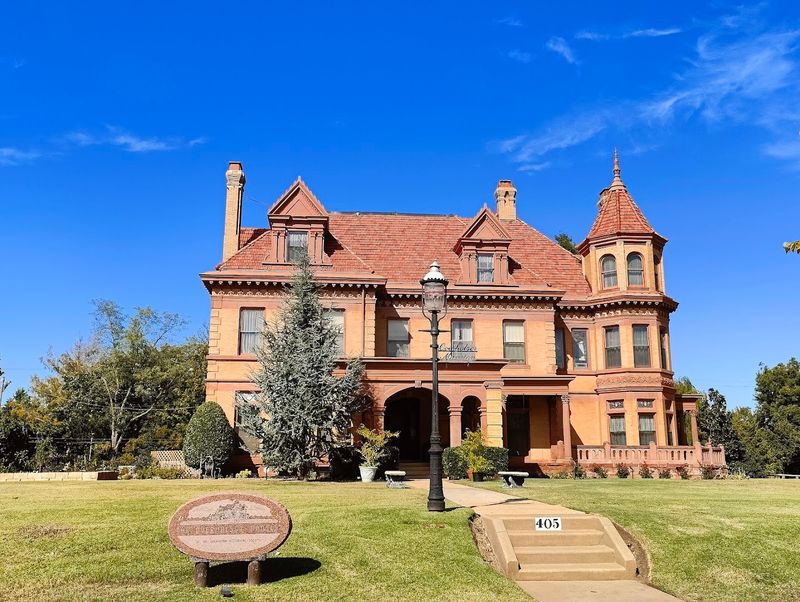
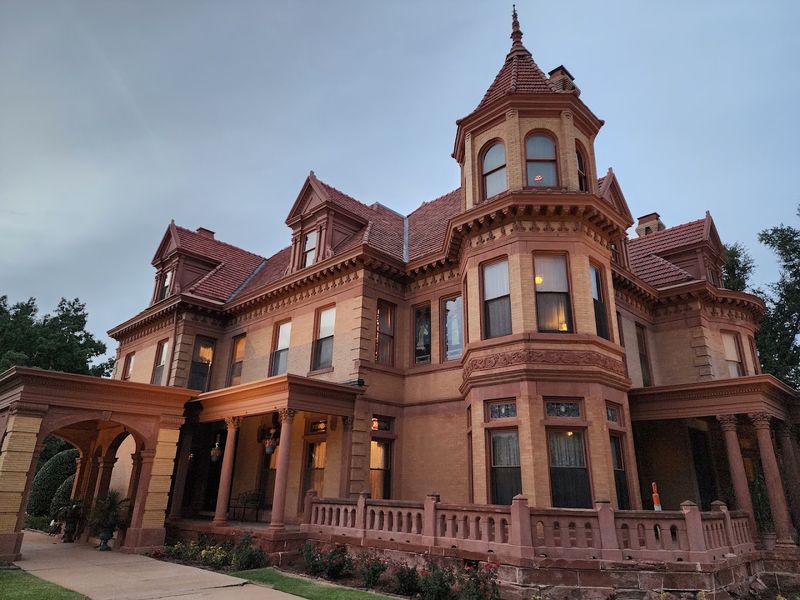
The mansion sits at 405 NW 15th St, Oklahoma City, OK 73103, tucked into a residential neighborhood that still carries the quiet dignity of its early twentieth-century roots. From the street, the house rises with confident Victorian authority, its red brick facade and ornate trim announcing that whoever lived here meant serious business.
The surrounding block is lined with mature trees and older homes, giving the whole area a sense of preserved calm that feels genuinely rare in a modern city. You would not necessarily expect to find a structure this grand blending so naturally into a walkable neighborhood, yet here it stands, utterly at home.
I biked over on a clear morning, and the approach alone was worth the trip. The mansion does not shout for attention the way some historic sites do.
It simply waits, confident that anyone who looks closely enough will stop and stare. The grounds are modest but well-kept, and the front of the house has that particular kind of stillness that signals something important happened here.
Oklahoma City has changed enormously around it, but this corner has held its ground beautifully.
The Story Behind the Construction in 1903
By the time Henry Overholser broke ground on his mansion in 1903, Oklahoma City was only fourteen years old as a settlement. Building a home of this scale was a bold statement, one that said he intended to stay, to lead, and to live well while doing it.
The house was designed in the chateauesque style, a French-influenced architectural form that was fashionable among wealthy Americans at the turn of the century.
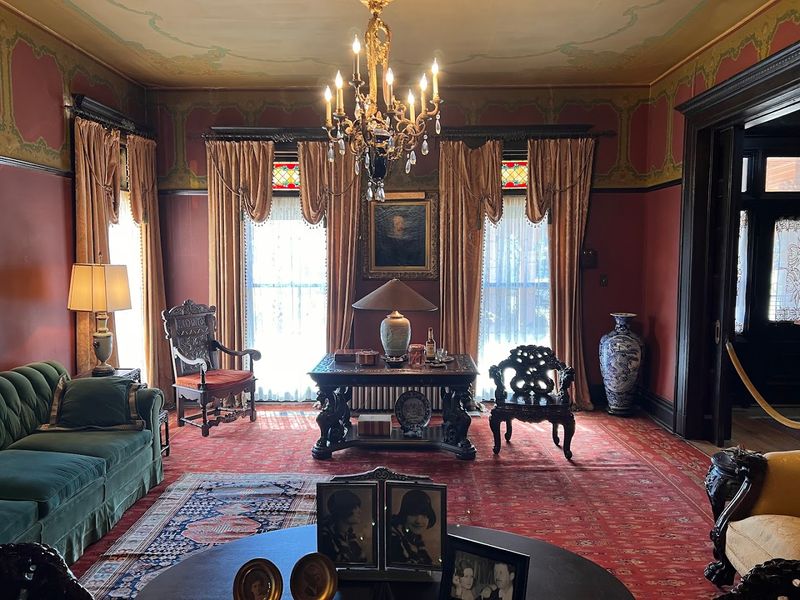
The construction cost was enormous for the era, and every detail was chosen with care. Craftsmen brought in hand-painted decorative elements for the walls and ceilings, and the woodwork throughout the home reflects a level of skill that is genuinely hard to find today.
The house was completed and the Overholser family moved in the same year it was built.
What makes the 1903 construction especially meaningful is the context. Oklahoma was not yet even a state when the Overholsers first walked through those front doors.
Oklahoma statehood would not come until 1907, which means this mansion predates the state itself. That detail alone gives the building a historical weight that very few structures in the region can claim.
The Original Furnishings That Never Left
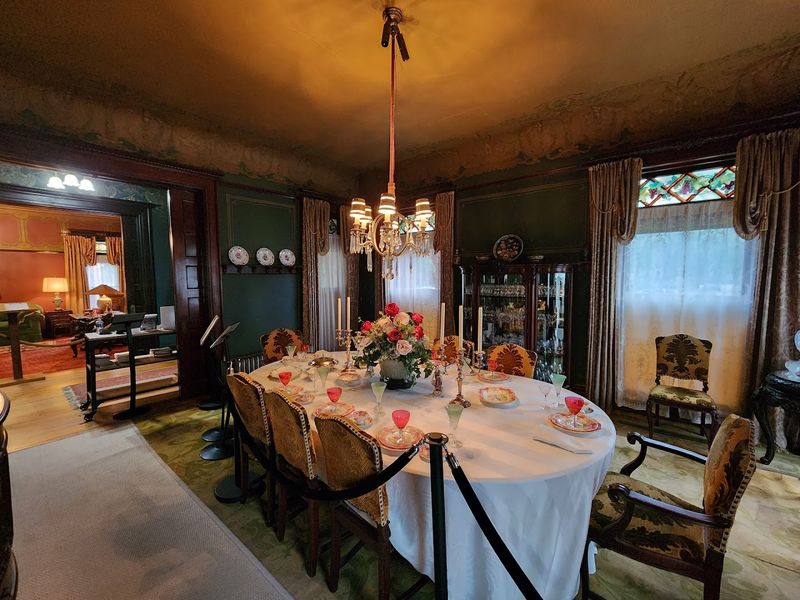
Most historic homes you visit have been carefully recreated, with reproduction furniture and educated guesses about what the original interiors might have looked like. The Overholser Mansion is a completely different experience, and the difference hits you the moment you walk through the door.
Every piece of furniture in that house is original. Every rug, every dish, every item of clothing in the wardrobes, all of it stayed when the family was done with the home.
When Henry Ione Overholser, the surviving family member, donated the property to the Oklahoma Historical Society in the late 1950s, she handed over everything inside along with it. Nothing was auctioned off, nothing was replaced, and nothing was sent to storage.
The result is a home that feels genuinely lived in rather than museum-perfect. There is a warmth to the rooms that staged historical recreations rarely achieve.
The china on the shelves carries the slight imperfections of actual use. The carpets show the subtle wear of real foot traffic.
Knowing that the Overholsers actually sat in those chairs and ate off those plates makes every room feel less like an exhibit and more like a conversation with the past.
The Hand-Painted Walls and Ceilings
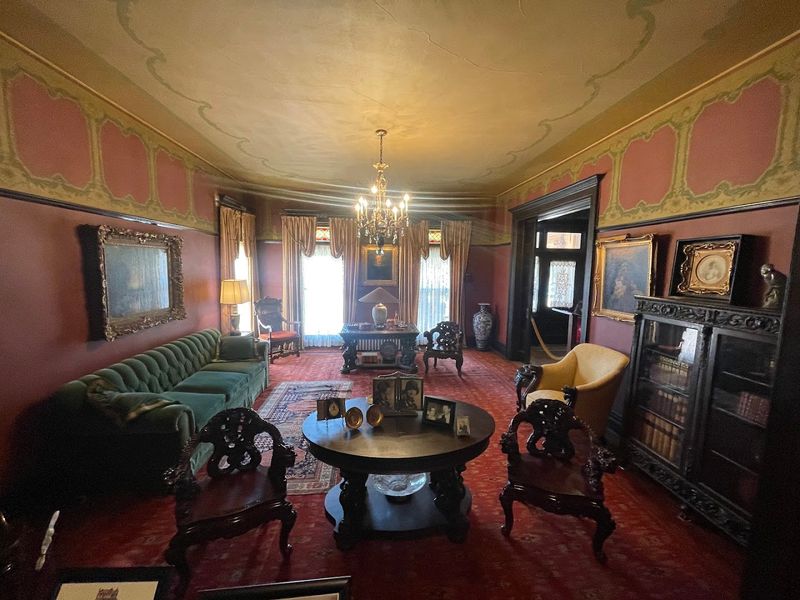
One of the first things that genuinely stopped me mid-step was the ceiling. Not because I was not expecting it, but because no photograph fully prepares you for the scale and detail of the hand-painted decorative work spread across the walls and ceilings of the Overholser Mansion.
Skilled artists applied these designs directly onto the plaster surfaces over a century ago, using techniques that were labor-intensive even by the standards of the time. Floral patterns, geometric borders, and decorative motifs flow from room to room, each space carrying its own distinct visual personality.
The parlor feels lush and formal, while other rooms have a slightly softer, more intimate quality to their painted surfaces.
What makes this even more remarkable is that these paintings have survived without being repainted or heavily restored. They exist in their original state, which means the colors have softened beautifully with age rather than being refreshed to an artificial brightness.
Art historians and architecture enthusiasts consistently point to this feature as one of the most significant preservation achievements in the entire state. Seeing it in person confirms that reputation without any hesitation.
The Kitchen and Its Fascinating Period Details
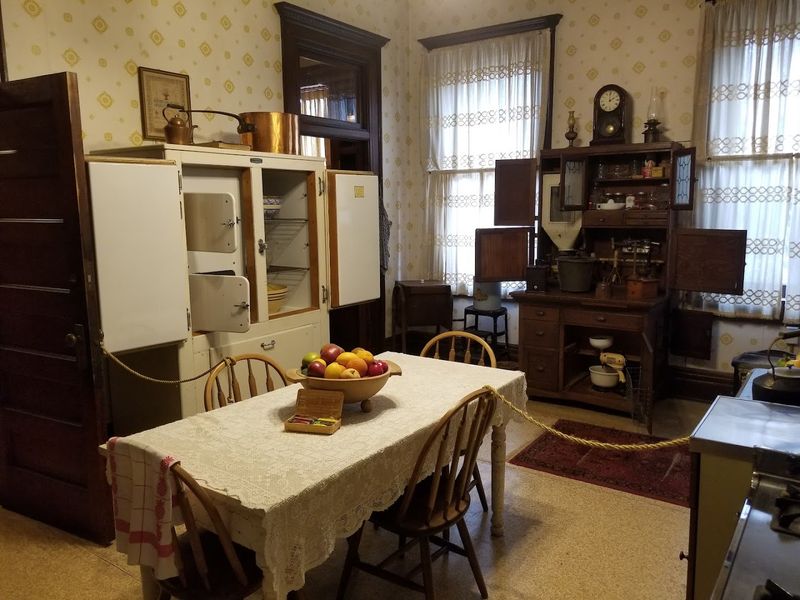
The kitchen at the Overholser Mansion is the kind of room that makes you genuinely think about daily life in a new way. It is not glamorous in the way the parlor or the dining room is, but that is exactly what makes it so compelling.
This is where the practical work of running a wealthy household happened, and the room still holds the tools that made it possible.
An antique telephone mounted on the wall drew a lot of attention during my visit. Apparently, it is still functional enough that curious visitors have been known to pick it up and dial their own numbers just to hear the connection.
That small interactive moment turns a passive museum experience into something genuinely playful.
The setup of the kitchen also reveals a lot about the social structure of the era. The Overholsers employed household staff, and the layout of the kitchen reflects how that labor was organized and separated from the family’s living spaces.
Seeing the original equipment used for cooking, preserving, and preparing food for a large household gives the room a quiet, matter-of-fact honesty. It does not romanticize the past, it simply shows it as it was.
The Guided Tour Experience
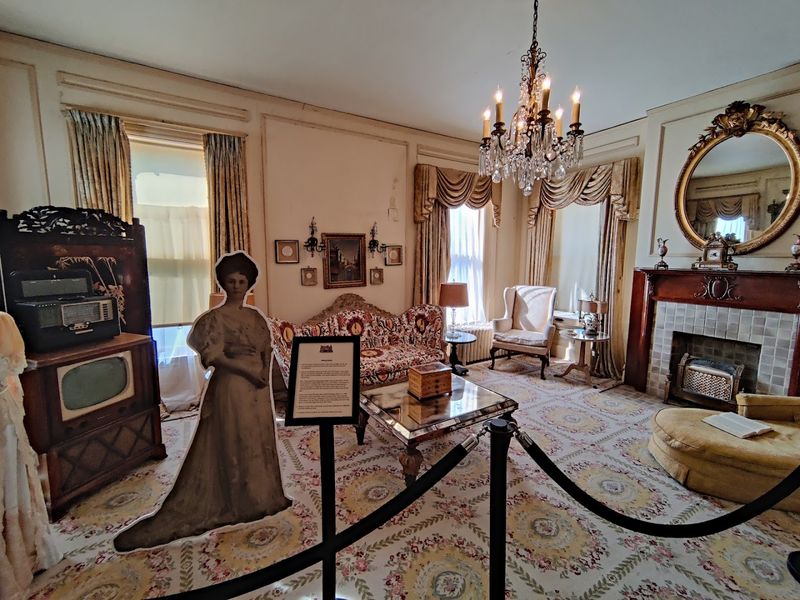
The tour format at the Overholser Mansion is refreshingly low-pressure. A staff member or volunteer gives a brief overview of the home’s history and the Overholser family when you arrive, covering the key facts and setting the scene for what you are about to explore.
After that short introduction, which runs roughly five to ten minutes, you are free to move through the house at your own pace.
That self-guided element makes a real difference. You can linger in the rooms that interest you most, read the informative placards at your own speed, and take as many photos as the space allows.
Plan on spending somewhere between thirty and forty minutes to feel like you have genuinely absorbed what the house has to offer.
The staff members I encountered were warm, knowledgeable, and clearly passionate about the property. The guide I spoke with shared details about the Overholser family’s social life, their connections to Oklahoma City’s early power structure, and some of the more personal stories behind individual objects in the rooms.
That kind of human context is what separates a good museum visit from a great one, and the Overholser Mansion consistently delivers it.
The Daughter’s Floor and Its Unique Character
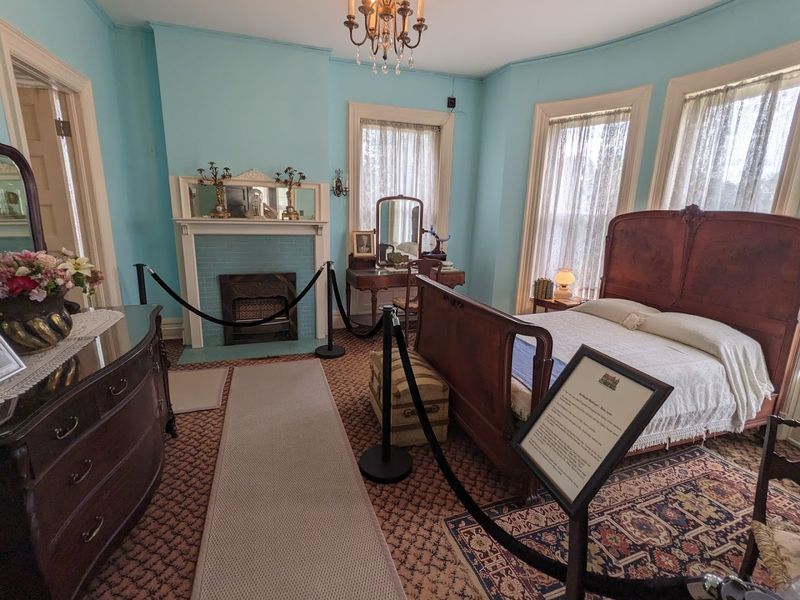
The upper floor of the mansion belonged primarily to Ione Overholser, Henry and Anna’s only daughter, and it has a personality that is noticeably different from the formal grandeur of the main floor. Where the downstairs rooms feel curated for entertaining and impressing guests, Ione’s space feels personal and expressive in a way that is immediately charming.
Her rooms reflect the tastes of a young woman of means in the early twentieth century, with decorative details that lean toward the playful rather than the stately. The overall effect has been compared to flipping through a glossy magazine from the 1910s and 1920s, full of style and personality without the stiff formality of the generation above.
It is worth noting that access to the upper floor can vary depending on visitor numbers and safety considerations on any given day. Some visitors have found the staircase area restricted during busier tours.
Calling ahead or checking the website before your visit is a smart move if seeing the full house is a priority for you. When the upper floor is accessible, it adds a genuinely different emotional layer to the whole experience and makes the mansion feel even more complete as a portrait of one family’s life.
The Haunt and History Tours in October
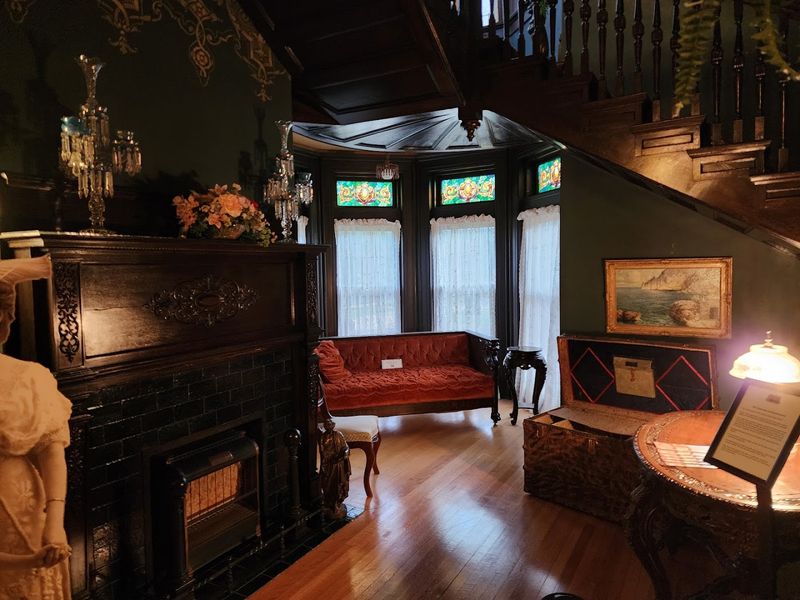
Every October, the Overholser Mansion leans into its age and atmosphere with a special event series that blends history with a healthy dose of the unexplained. The Haunt and History tours run during the Halloween season and offer a completely different way to experience the property after dark.
The mansion does have a reputation among those who enjoy stories about unusual occurrences in old buildings. Whether you find that kind of thing fascinating or mildly ridiculous, the tours are genuinely entertaining.
They cover the documented history of the house while also sharing the stories and legends that have attached themselves to the property over the decades.
Visitors who have attended these evening events consistently describe them as memorable, partly for the atmosphere the mansion naturally provides and partly for the quality of the storytelling. An old Victorian home with original furnishings, hand-painted ceilings, and over a century of history does not need much help feeling atmospheric once the sun goes down.
The October neighborhood tours, which include several other large historic homes in the surrounding area, are also worth keeping an eye on. They give the whole district a chance to show off its architectural heritage in one well-organized outing.
Visiting Hours, Admission, and Practical Tips
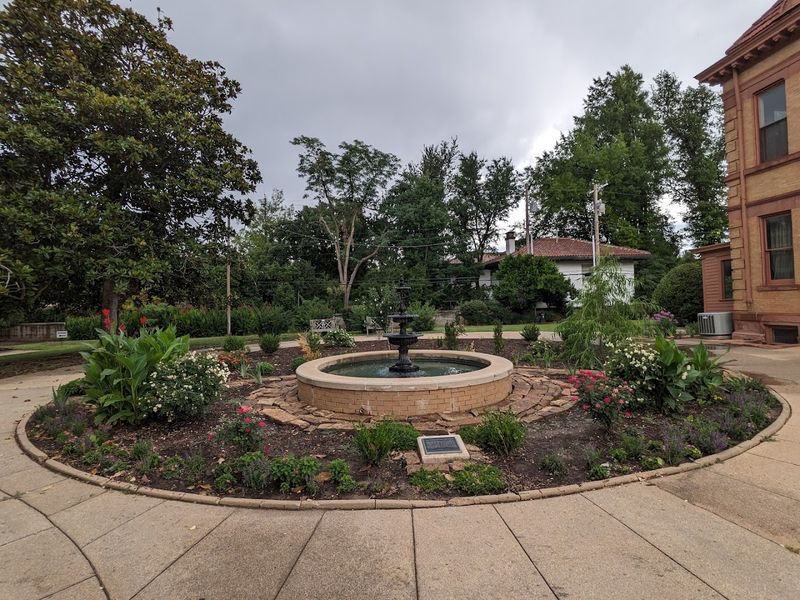
The Overholser Mansion is open Wednesday through Saturday from 10 AM to 2 PM, and it is closed Sunday through Tuesday. Those hours are specific enough that planning ahead is genuinely important.
A few visitors have shown up during posted open hours only to find the doors locked due to scheduling changes that were not reflected on the website in real time, so calling ahead at +1 405-525-5325 is always a good idea.
Admission for adults runs around $25 for the full tour experience. The mansion’s website at overholsermansion.org has current pricing and event information, though online booking for specific tour slots has not always been straightforward according to recent visitor feedback.
Arriving at or just after the 10 AM opening tends to result in a more personal experience with staff.
The mansion is within easy biking or walking distance of several other points of interest in the area, so building it into a broader Oklahoma City itinerary makes practical sense. Parking on the surrounding streets is generally manageable.
The museum occasionally hosts special free admission days tied to national museum events, which are worth watching for if budget is a consideration. Reusable cups are encouraged if you plan to grab coffee nearby before your visit.
What the Preservation Effort Really Means
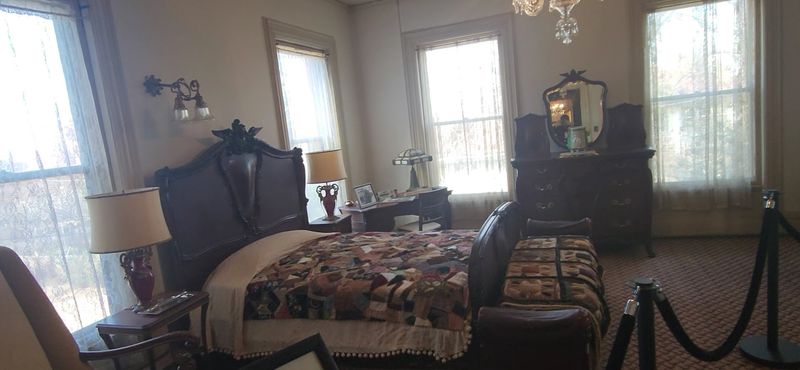
Keeping a house in livable condition for over a hundred years without stripping away its authenticity is harder than it sounds. The Overholser Mansion has faced genuine challenges in that effort, including a significant roof leak in recent years that required repair work and temporarily affected some areas of the interior.
Despite that, the commitment to maintaining the home’s original character rather than over-restoring it has remained consistent.
The philosophy guiding the preservation here is worth understanding. Rather than making the house look as though it just rolled off a Victorian showroom floor, the caretakers have chosen to keep it in the condition that reflects actual habitation.
That means some wear is visible, some colors have faded naturally, and the overall effect is of a home that was genuinely loved and used rather than sealed behind glass.
That approach is rarer than you might think. Many historic homes end up looking so polished that they feel like stage sets rather than real places.
The Overholser Mansion sidesteps that problem entirely. The Oklahoma Historical Society’s stewardship of the property has kept it accessible to the public while honoring the integrity of what the Overholser family left behind.
That balance is the real achievement here, and it shows in every room.
Why This Mansion Belongs on Your Oklahoma City Itinerary
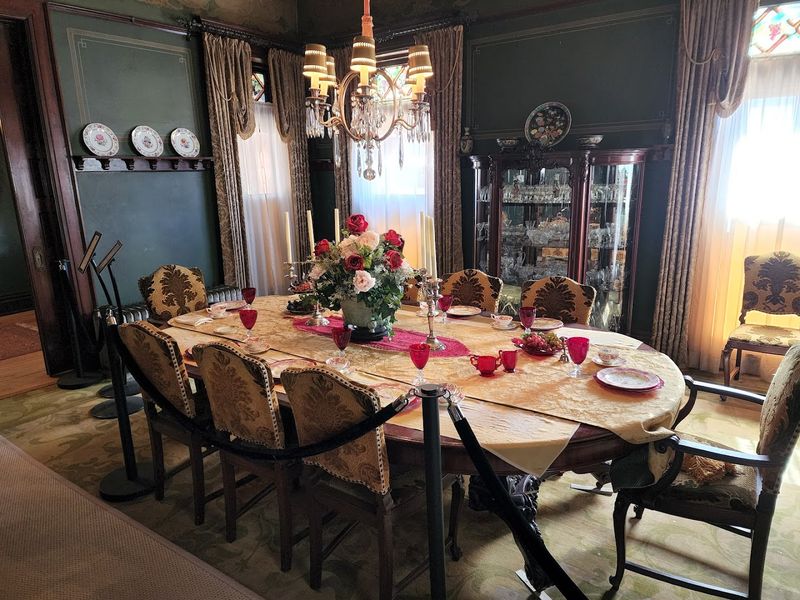
Oklahoma City has a lot of ways to spend an afternoon, but very few of them put you this close to the actual objects, rooms, and spaces where the city’s founding generation lived their daily lives. The Overholser Mansion is not a replica or a recreation.
It is the real thing, and that distinction matters more than any brochure can convey.
The visit works for a wide range of interests. History enthusiasts will find layers of context in every room.
Architecture lovers will spend serious time staring at the woodwork and painted surfaces. Anyone curious about how wealthy families actually lived at the turn of the twentieth century will come away with a far more concrete picture than any book provides.
The mansion also sits comfortably within a neighborhood that rewards a slow walk before or after your tour. The surrounding streets in this part of Oklahoma City have their own collection of large historic homes, giving the whole area a sense of continuity with the past that is genuinely rare in a city that has grown as fast as this one has.
A visit here is not just a trip to a museum. It is a chance to spend an hour inside the story of how Oklahoma City became what it is today.



