History has a way of sticking around, sometimes quite literally. Across the world, ancient castles, former prisons, grand mansions, and blood-soaked battlefields have become the birthplaces of ghost stories so persistent that no amount of rational explanation has managed to put them to rest. These are not just spooky tales invented around campfires. Many of them grew from real, documented historical events so dramatic, so tragic, or so strange that local communities simply could not let them fade quietly into the past.
The 13 places on this list have each earned a reputation that stretches far beyond their stone walls and wooden floors. Some inspired famous novels. Others attract thousands of curious visitors every year hoping to catch a glimpse of something they cannot explain. Whether you are a firm skeptic or a true believer, the history behind these legendary locations is fascinating enough to keep you reading all the way to the end.
1. Tower of London, England
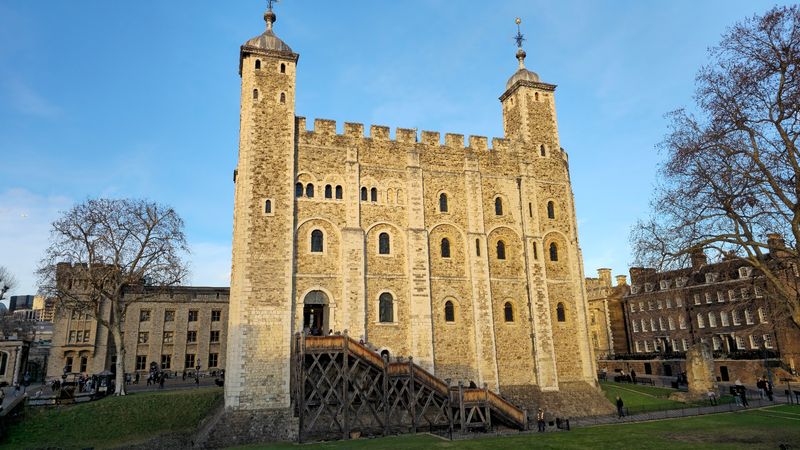
Nearly a thousand years of royal intrigue, political betrayal, and dramatic executions have turned the Tower of London into the undisputed ghost story capital of Britain.
Anne Boleyn, the second wife of King Henry VIII, is the most frequently reported apparition. She has been seen gliding across Tower Green, where she was executed in 1536, and even appearing headless near the Chapel of St Peter ad Vincula.
A soldier in 1864 reportedly attempted to confront her headless figure, only for his bayonet to pass straight through it.
The young Princes in the Tower, Edward V and his brother Richard, vanished inside its walls in 1483 and are said to wander the White Tower holding hands. King Henry VI, Lady Jane Grey, and even a phantom bear have all reportedly been spotted within the fortress.
Few places on Earth pack this much documented history and folklore into a single set of walls.
2. Edinburgh Castle, Scotland
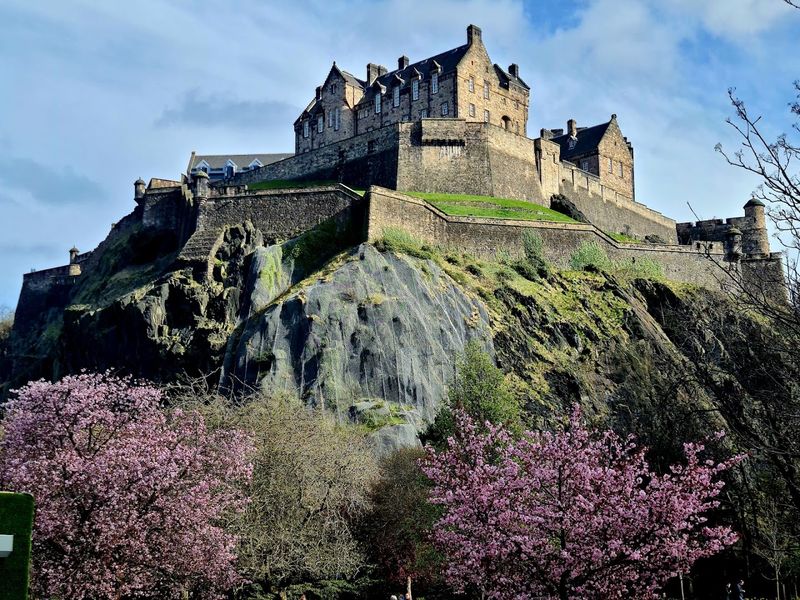
Perched on a volcanic rock above one of Europe’s most atmospheric cities, Edinburgh Castle has spent centuries collecting ghost stories the way other landmarks collect tourists.
The castle has witnessed sieges, political executions, and centuries of military occupation, all of which have contributed generously to its paranormal reputation.
Visitors and staff have long reported phantom footsteps echoing through empty corridors, unexplained drumming with no visible source, and shadowy soldiers believed to belong to armies from hundreds of years ago.
One of the most enduring legends involves a drummer boy whose ghost reportedly appears before the castle faces a threat, a tradition dating back to the 1600s.
Scientific investigations, including a large-scale study in 2001, found that visitors in certain areas of the castle reported significantly more unusual experiences than in others, without knowing which areas had prior ghost reports. That detail alone is enough to raise an eyebrow.
3. Château de Brissac, France
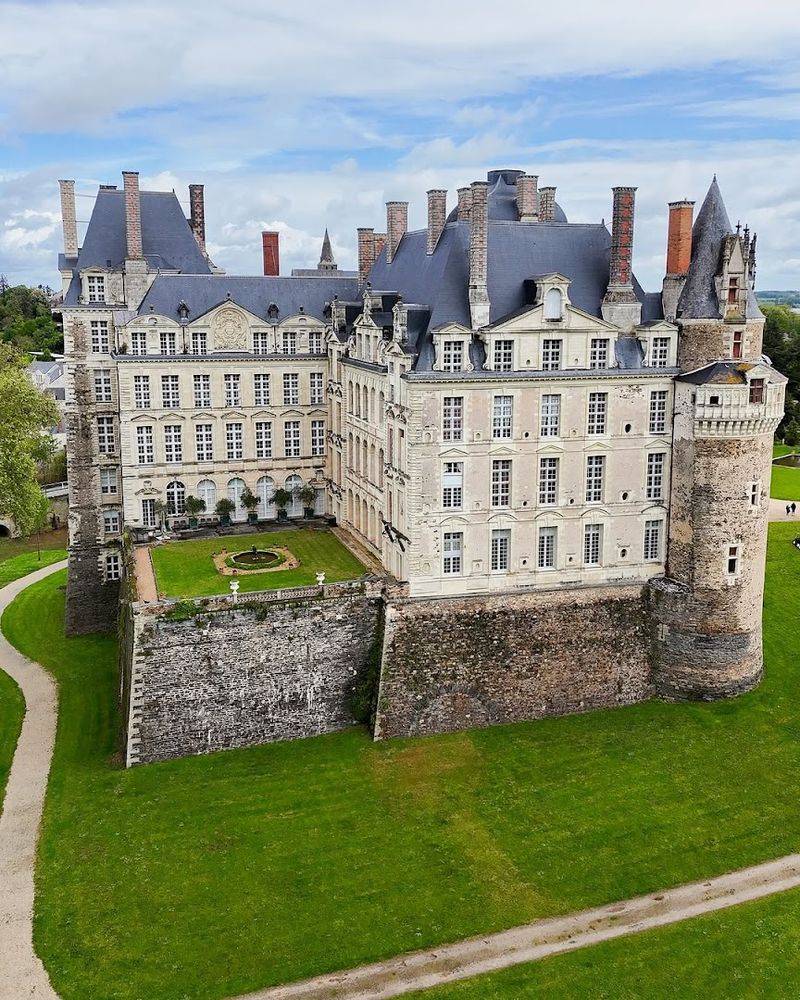
Standing seven stories tall and boasting more than 200 rooms, Château de Brissac is the tallest castle in France, and according to local legend, one of its permanent residents has been there since the 15th century.
The ghost in question is known as the Green Lady, believed to be Catherine de Valois, who was reportedly murdered inside the castle by her husband after he discovered her affair.
Visitors who have encountered the figure describe a woman in a green dress with hollow, dark eye sockets, which is, to put it mildly, not the kind of houseguest most people would want.
The castle has remained in the same aristocratic family, the Cossé-Brissac family, for over 500 years, making it one of the oldest continuously inhabited private residences in France.
Today it operates as a hotel, meaning guests can book a room and potentially share the building with a centuries-old apparition. Some people consider that a bonus.
4. Ancient Ram Inn, England
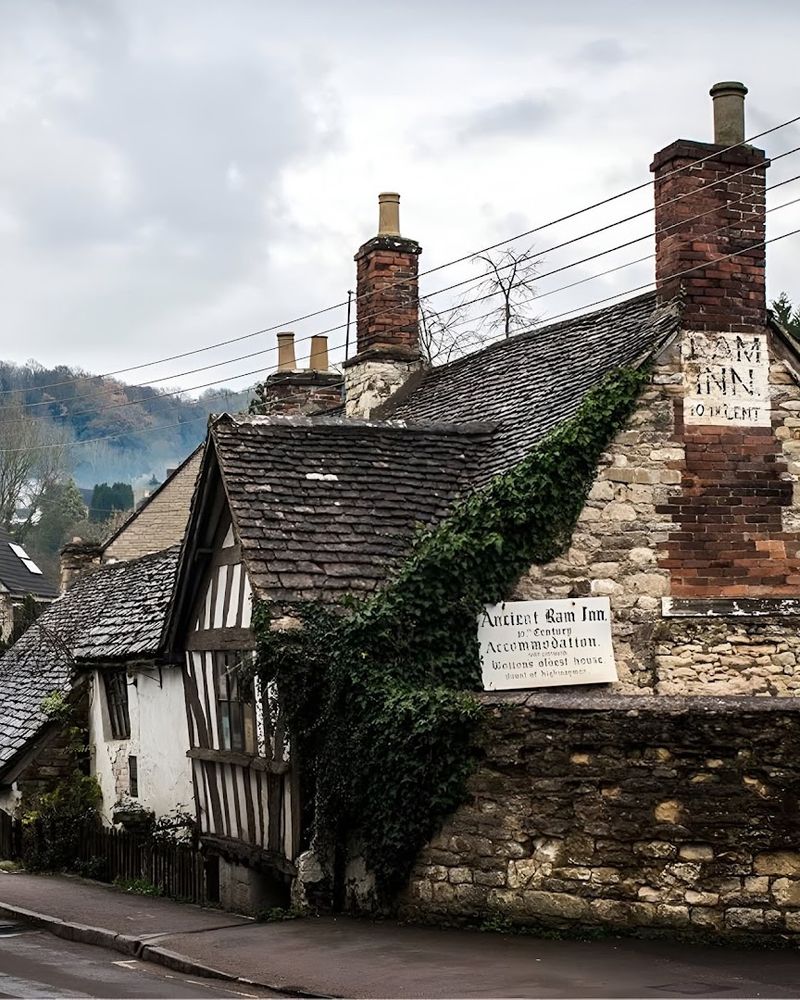
Built around 1145, the Ancient Ram Inn in the Cotswold village of Wotton-under-Edge has a ghost story for practically every room, which is impressive given that it only has a handful of them.
The building served as a priest’s house, a pub, and eventually a private home before becoming a magnet for paranormal investigators from around the world.
Stories attached to the inn include ghostly monks, the spirit of a young girl named Rosie, and the alleged presence of something far less friendly in the room known as the Bishop’s Room, which has the reputation of being the most active location in the building.
During renovations, workers reportedly uncovered the skeletal remains of children beneath the floorboards, along with artifacts linked to ancient ritual practices.
The inn’s former owner, John Humphries, spent decades welcoming investigators and sharing his own personal encounters with unexplained events. Whether or not you believe his accounts, the building’s documented age alone makes it a remarkable piece of English history.
5. Eastern State Penitentiary, Pennsylvania, United States
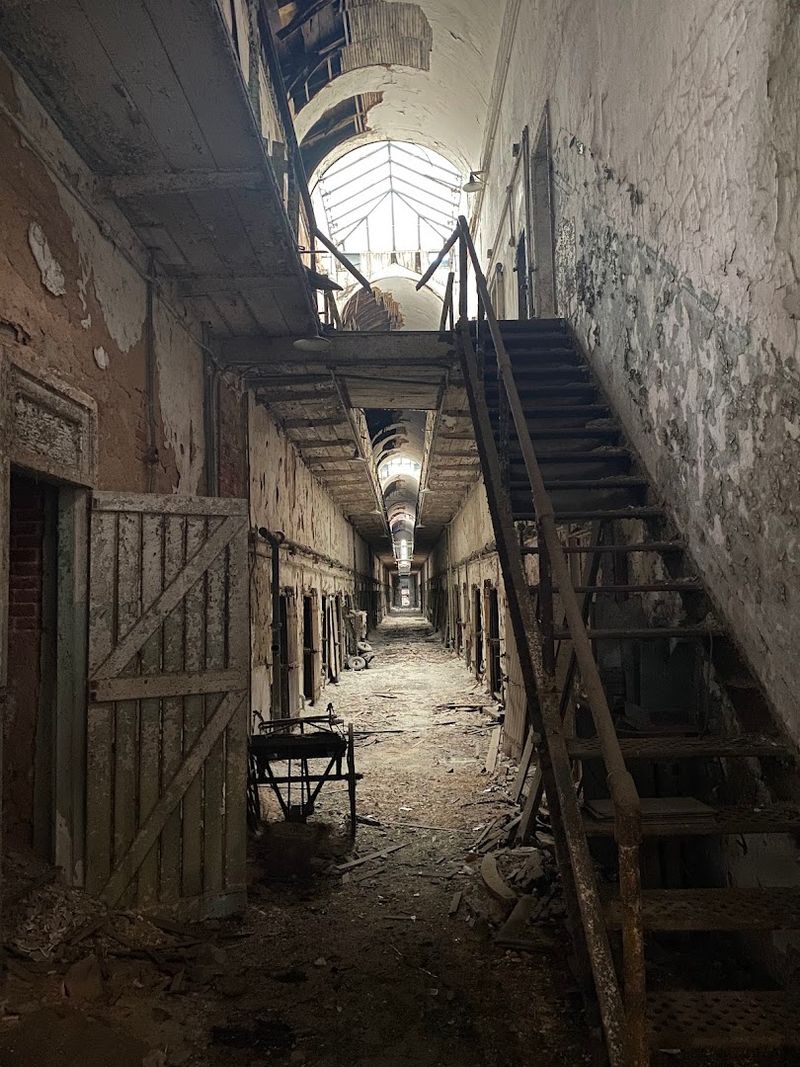
When Eastern State Penitentiary opened in 1829, it was considered one of the most advanced and controversial prisons ever built, designed around total solitary confinement as a path to rehabilitation.
Inmates were kept in complete isolation, with hoods placed over their heads whenever they left their cells so they could not make eye contact with other prisoners.
Psychologists today recognize that kind of isolation as deeply harmful to mental health, which may explain why former inmates described the place as psychologically unbearable long before the building fell into ruin.
The prison closed in 1971 and sat abandoned for over two decades before reopening as a historic site. Al Capone was once held here, and his former cell is one of the most visited spots on the tour.
Visitors regularly report shadow figures, cackling voices, and faces peering from cell doorways. The crumbling cellblocks, with peeling walls and rusted bars, have made it one of the most photographed abandoned buildings in the United States.
6. Gettysburg Battlefield, Pennsylvania, United States
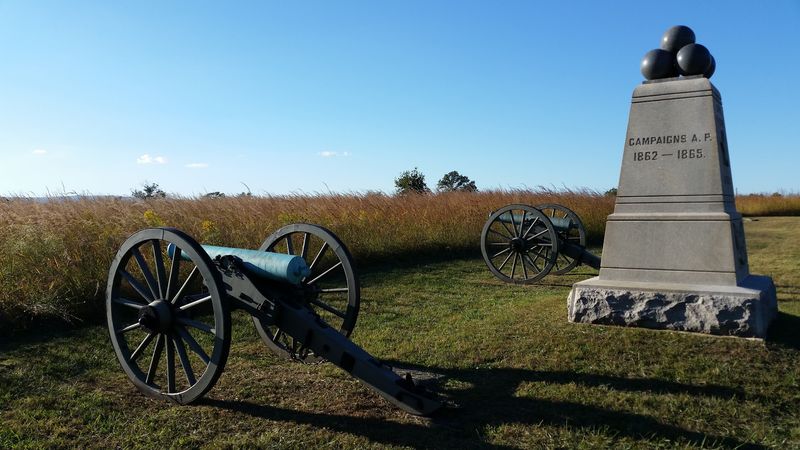
Over three days in July 1863, the Battle of Gettysburg produced more casualties than any other engagement in the entire American Civil War, with estimates ranging between 46,000 and 51,000 soldiers killed, wounded, or missing.
It is perhaps unsurprising that a site of such enormous historical weight has accumulated one of the richest collections of ghost lore in the United States.
Visitors have reported phantom soldiers marching across fields, unexplained lights hovering near Devil’s Den, and the sound of drums with no visible source echoing across the landscape after nightfall.
Devil’s Den, a rocky outcrop used by sharpshooters during the battle, is particularly famous for reports of a barefoot soldier who approaches visitors, offers directions, and then vanishes.
Photographs taken on the battlefield frequently show unexplained mists and figures that were not visible to the photographer at the time. Paranormal tour companies operate nightly here, and the battlefield draws millions of visitors annually, both for its history and its haunted reputation.
7. Leap Castle, Ireland
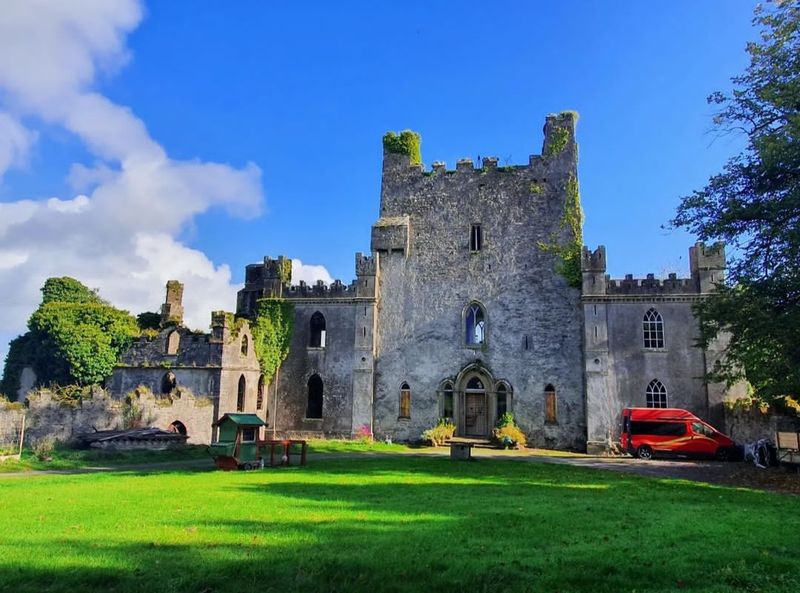
Leap Castle in County Offaly has a history so violent that it almost reads like a checklist of everything required to produce a haunted building.
Built by the O’Bannon clan in the 15th century, the castle became the site of a massacre when one branch of the ruling O’Carroll family slaughtered another during a dispute, killing several men in what is now called the Bloody Chapel.
During renovations in the early 1900s, workers discovered an oubliette, a hidden pit beneath a trapdoor, filled with human skeletal remains. Estimates suggest the bones of up to 150 people were removed in cartloads.
The most famous supernatural legend associated with the castle is the Elemental, a non-human presence described by those who claim to have encountered it as deeply unsettling and unlike any conventional ghost.
The castle remains privately owned and has drawn paranormal investigators, historians, and curious travelers for generations. Its combination of documented violent history and persistent supernatural legend makes it one of Ireland’s most compelling historic sites.
8. Himeji Castle, Japan
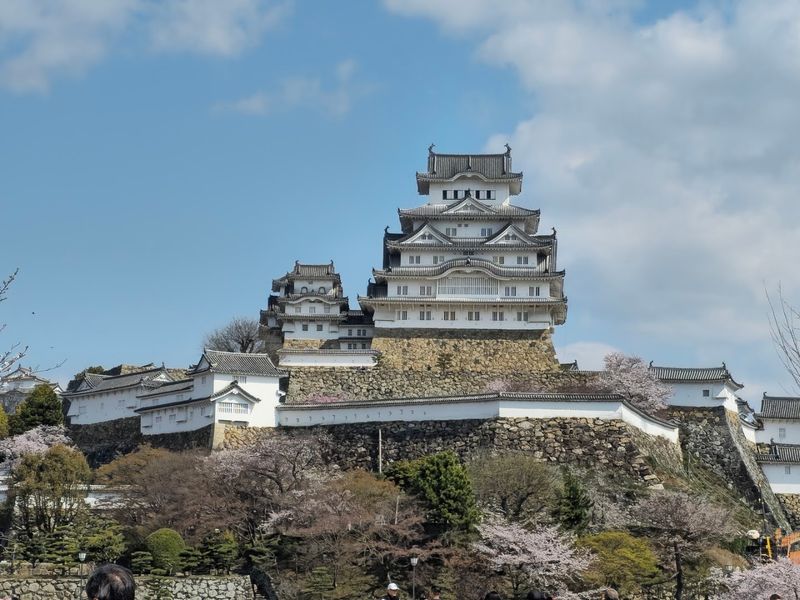
Japan’s most celebrated feudal castle is a UNESCO World Heritage Site and one of the best-preserved examples of Japanese castle architecture in the world, but it also carries a ghost story that has endured for centuries.
The legend centers on Okiku, a servant who worked within the castle and was falsely accused of losing one of ten precious plates belonging to her master.
According to the tale, she was thrown into a well as punishment. Her ghost is said to rise from the well each night, counting the plates from one to nine before dissolving into desperate weeping when she cannot reach ten.
The story of Okiku became one of Japan’s most famous ghost narratives, eventually inspiring kabuki theater performances and modern horror adaptations.
The well associated with the legend still exists on the castle grounds and is marked for visitors. Himeji Castle’s combination of architectural beauty, documented feudal history, and deeply rooted folklore makes it a genuinely unique destination for anyone interested in both history and storytelling.
9. The Myrtles Plantation, Louisiana, United States
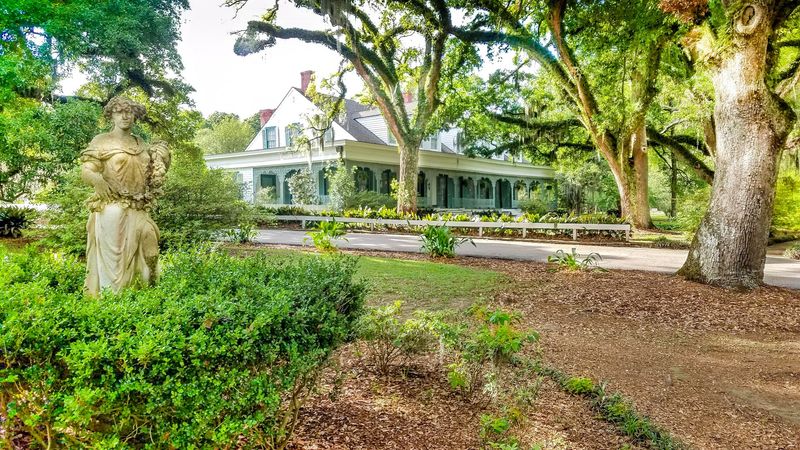
Built around 1796 in St. Francisville, Louisiana, the Myrtles Plantation is one of the most frequently cited haunted locations in the American South, with a ghost story practically attached to every corner of the property.
The most famous legend involves Chloe, an enslaved woman who allegedly poisoned members of the household and whose spirit is said to linger near the main building, often photographed as a green-clad figure between the oak trees.
Historians have noted that much of the Chloe story lacks solid documentary evidence, which has not slowed the legend down even slightly.
The plantation also claims a haunted mirror in which the handprints of previous residents are said to reappear no matter how many times the glass is cleaned.
Today the property operates as a bed and breakfast and tour destination, drawing visitors who come specifically for the ghost stories. It has been featured in numerous paranormal television programs and remains one of the most recognized historic homes in Louisiana.
10. Bran Castle, Romania
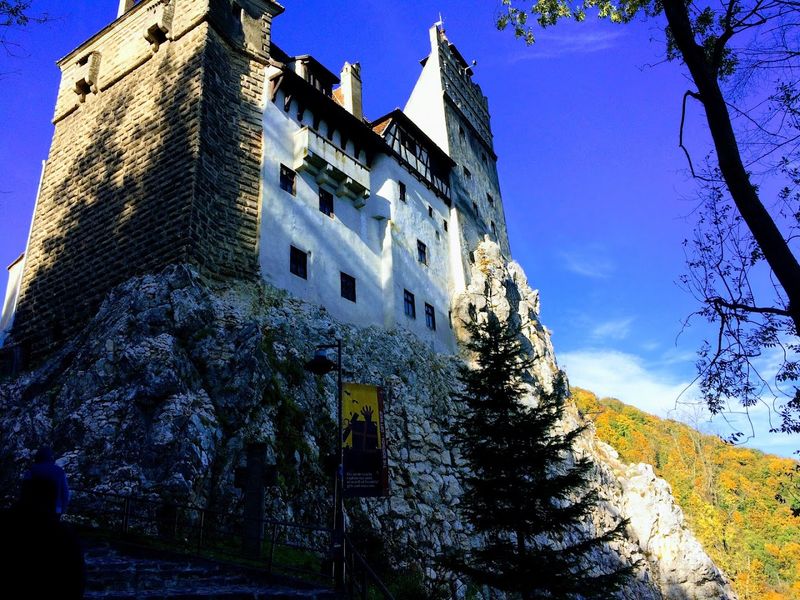
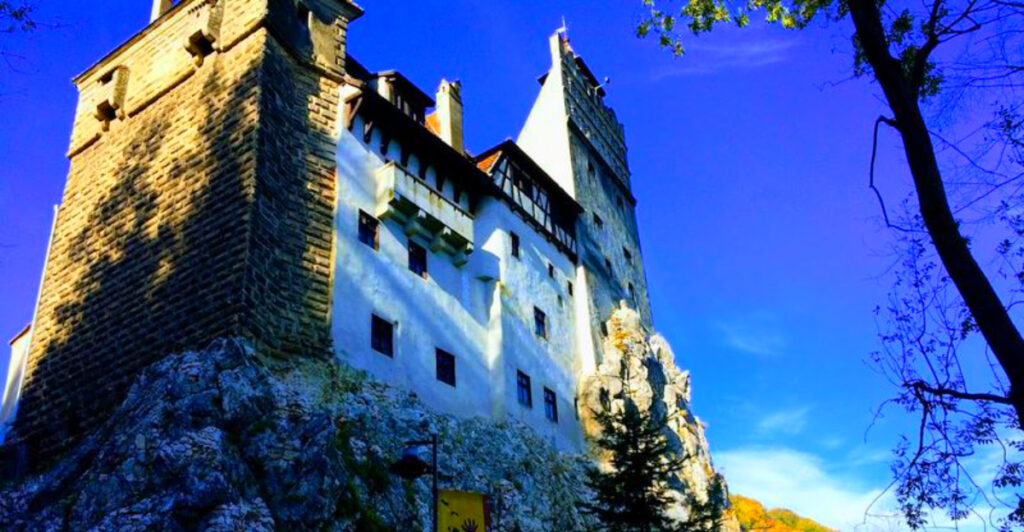
Bran Castle owes a significant portion of its global fame to a man who almost certainly never visited it: Bram Stoker, whose 1897 novel Dracula described a Transylvanian castle that many readers have since associated with Bran’s dramatic hilltop silhouette.
Stoker wrote his novel without ever traveling to Romania, relying instead on library research and his own imagination, yet the association stuck with extraordinary persistence.
The real castle, built in the 14th century, does have a genuine historical connection to Vlad III of Wallachia, the ruler whose brutal reputation partly inspired Stoker’s villain, though the connection is limited and debated by historians.
Despite the fictional foundation, Bran Castle has leaned fully into its Dracula association, operating today as a museum with exhibits about both the castle’s actual history and the vampire legend it inspired.
The surrounding Transylvanian landscape, with its forested mountains and medieval villages, adds a layer of atmosphere that has kept visitors coming from every corner of the world for decades.
11. Château de Châteaubriant, France
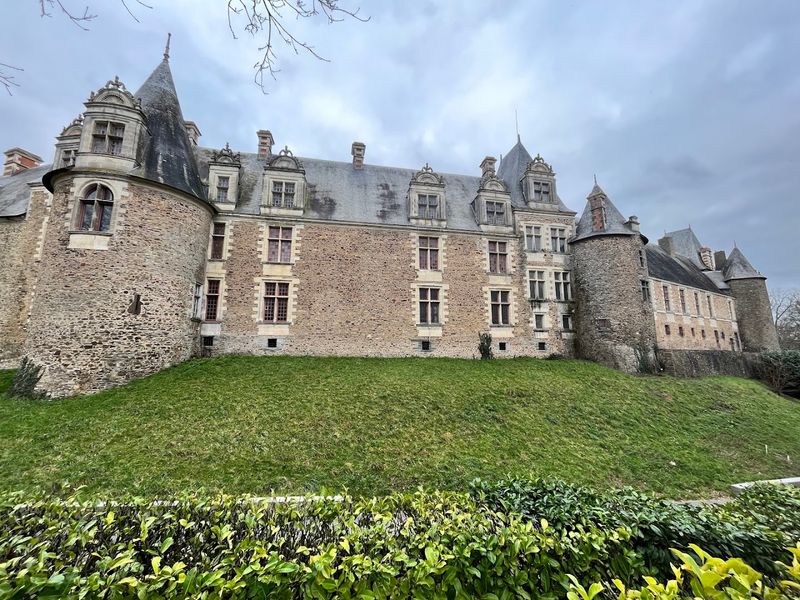
This medieval French castle carries one of the most melancholy ghost stories in European folklore, centered on Françoise de Foix, a noblewoman whose story took a dramatic and tragic turn in the 16th century.
Françoise was a celebrated figure at the French royal court and a favorite of King Francis I, which reportedly provoked intense jealousy in her husband, Jean de Laval, the lord of Châteaubriant.
After she returned from court, she was allegedly confined to a darkened room in the castle, where she reportedly passed away under circumstances that were never fully explained. Local tradition insists she was deliberately kept from sunlight until she grew fatally weak.
According to legend, her ghost returns to the castle every year on the anniversary of her passing, dressed in the black mourning clothes she wore in her final days.
The castle itself is a mix of medieval and Renaissance architecture and is open to the public, with the story of Françoise de Foix forming a central part of the site’s historical interpretation and visitor appeal.
12. Hampton Court Palace, England
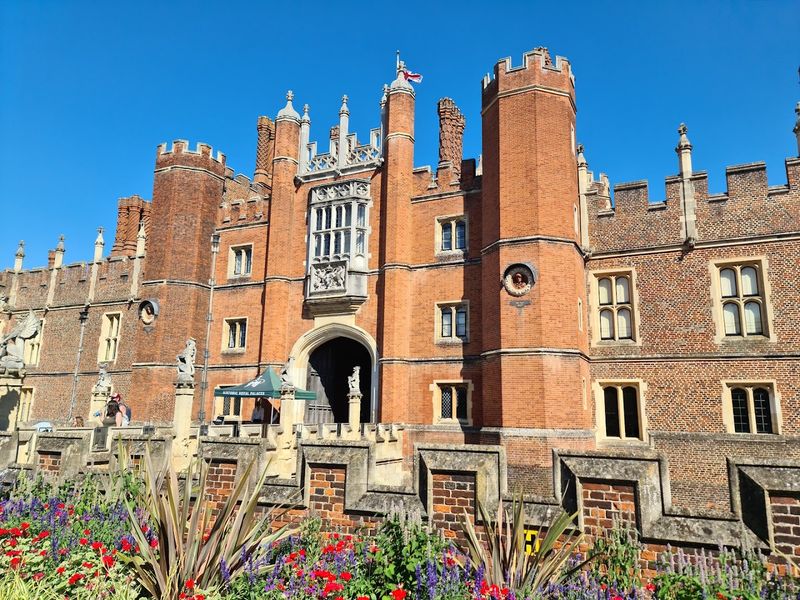
Henry VIII left his mark on England in many ways, and Hampton Court Palace, his most extravagant royal residence, has apparently held onto at least one of those marks in the form of a ghost story tied directly to his fifth wife.
Catherine Howard was arrested in 1541 and reportedly ran through the gallery of the palace trying to reach the King to plead for her life, only to be dragged away by guards before she could reach him.
That gallery, now known as the Haunted Gallery, is where visitors have claimed to hear desperate screaming and where apparitions matching Catherine’s description have allegedly been seen.
In 2003, palace security cameras captured footage of a figure in period clothing appearing at a fire door that had triggered an alarm. The footage was widely circulated and remains unexplained.
Hampton Court also carries stories linked to Jane Seymour, Henry’s third wife, whose ghost reportedly walks the Silver Stick Gallery on the anniversary of her son’s birth. The palace is open to the public year-round.
13. Monte Cristo Homestead, Australia
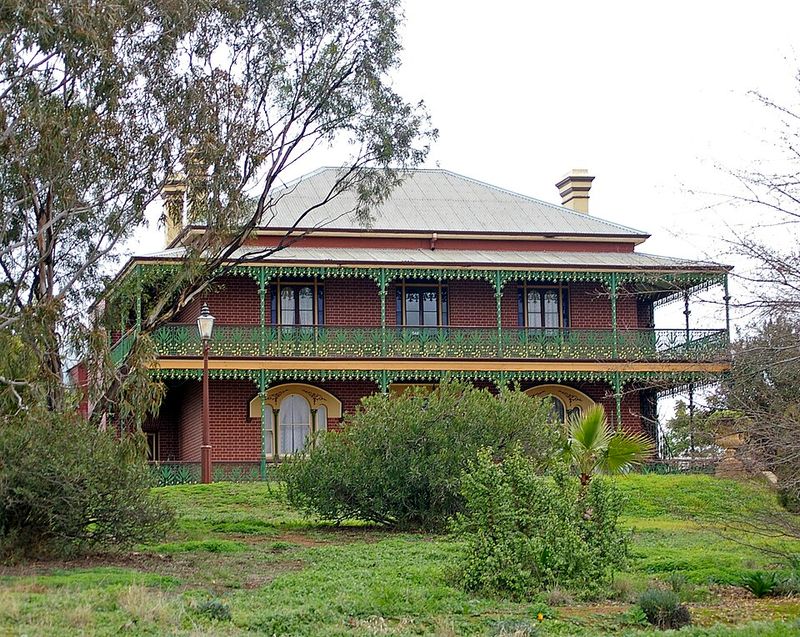
Australia is not typically the first country that comes to mind when the topic turns to haunted historic buildings, but Monte Cristo Homestead in Junee, New South Wales, has spent over a century proving that ghost stories are not exclusively a European tradition.
Built in 1885 by Christopher William Crawley, the homestead passed through several generations before falling into disrepair, accumulating a remarkable number of tragic events along the way.
Stories connected to the property include a caretaker who reportedly lived in the coach house for decades after the family left, a young child who fell from the balcony, and a stable hand who passed away under unexplained circumstances.
The current owners, who purchased the property in 1963 and spent years restoring it, have documented numerous unexplained events and have actively welcomed paranormal investigators to the site.
Monte Cristo is now open for daytime tours and occasional overnight stays, drawing visitors from across Australia and internationally. It has featured in multiple television programs and is widely recognized as Australia’s most famous historic haunted house.
Share this story