 Unearth The Voyage
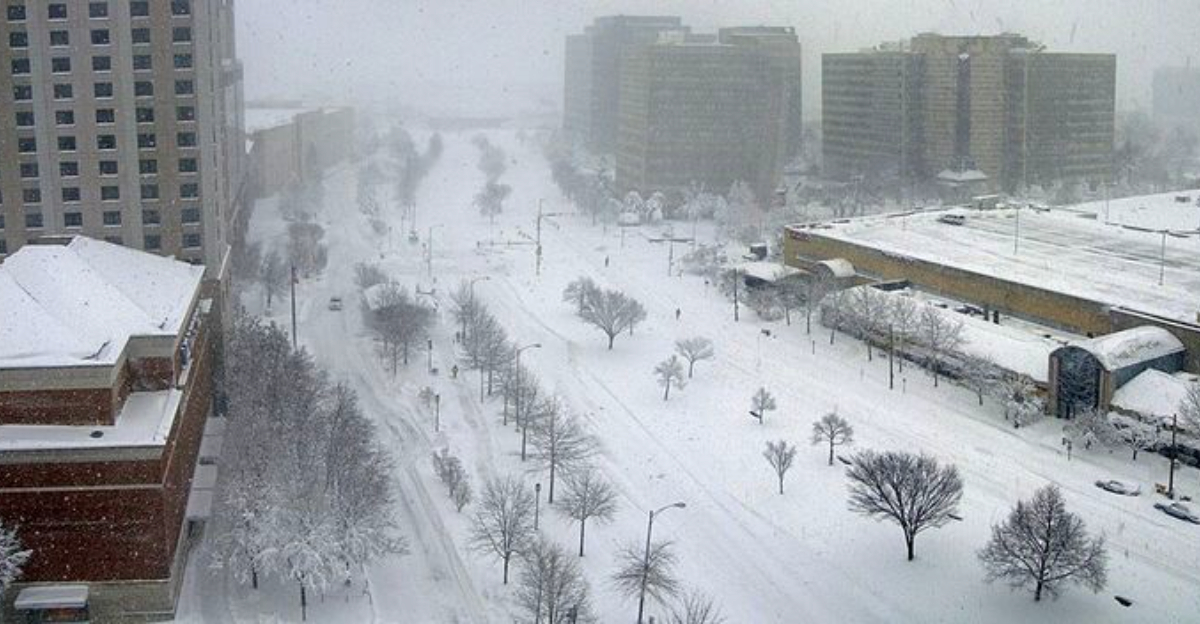
A historic blast of snow has turned routine trips into knotty puzzles across the Northeast. Flights jammed, highways crawled, and power flickered as heavy bands stacked up fast.
If you are trying to get somewhere, the map looks more like a maze than a plan. Stay with this breakdown so you can navigate the chaos and make smarter choices in the hours ahead.
Major Snowstorm Slams the Northeast, Triggering Widespread Travel Delays
A powerful winter storm swept from Pennsylvania to New England, pushing snow and ice across city streets, interstates, and airport runways. You could feel plans shifting in real time as alerts pinged and visibility shrank to a wall of white.
Crews hustled, but the storm kept laying tracks faster than plows could clear them.
Major hubs like Newark, LaGuardia, and JFK reported multi hour delays and rolling cancellations as icy runways slowed operations. On bridges and ramps, compacted snow turned slick, forcing drivers to crawl and rethink timetables.
If you tried to thread the needle between squalls, another burst often arrived before you could gain ground.
Beyond travel, wet snow and glaze pulled down limbs and power lines, cutting electricity for thousands. Advisories and warnings stretched across counties while teams salted, towed, and triaged trouble spots.
You were urged to check your flight status, pad your schedule, and stay off the roads when possible.
Even routine errands felt like expeditions as gusts drifted lanes and hid black ice. Schools toggled to remote options, and businesses staggered openings to wait out peak intensity.
The message was simple and practical: slow down, plan ahead, and give responders room to work.
Northeast Airports Hit With Delays and Cancellations
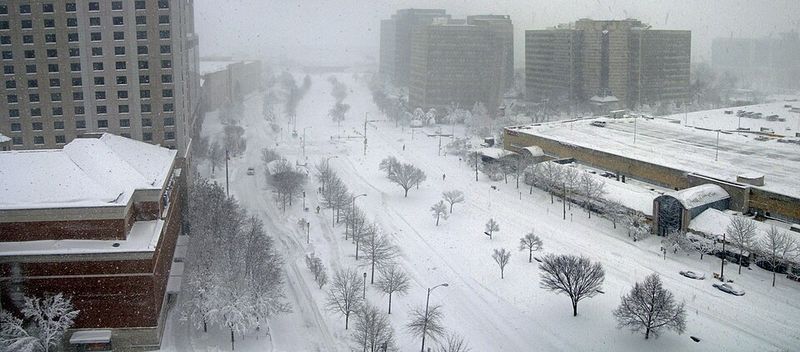
Air travel took a direct hit as heavy snowfall and freezing conditions gripped major Northeast hubs. In the New York corridor, operations at Newark, LaGuardia, JFK, and Philadelphia slowed to a crawl.
You could watch the board flip hour by hour, with delays stacking and cancellations rippling outward.
Over the storm period, thousands of flights were disrupted as carriers wrestled with runway safety, crew timing, and deicing backlogs. States of emergency in New York and New Jersey helped marshal equipment and prioritize corridors.
If you were booked, flexibility became your best tool alongside patient refreshes of airline alerts.
On the ground, I 95, I 80, and I 90 advisories complicated access to terminals, pushing many to rebook or delay non essential travel. Gate agents juggled reassignments while deicing trucks cycled tirelessly in tight windows.
Families clustered near outlets, guarding chargers and hunting for alternative routes.
These impacts bled into the weekend, creating rolling bottlenecks for aircraft and crews. Reaccommodation stretched connections thin as airports cleared snow and rebuilt schedules.
Your smartest move was to monitor apps, communicate early, and accept that the fastest path was sometimes waiting for safer conditions.
Historic Snow Totals Lead to Travel Nightmares on Roads and Highways
Road travel deteriorated quickly as accumulation deepened and temperatures locked in the chill. Visibility fell, traction vanished, and you could feel tires scrabble over rutted slush.
Even experienced winter drivers found braking distances doubling and exits tightening with hidden ice.
Philadelphia and Boston logged notable totals, while pockets of Pennsylvania and New York topped half a foot. The slow moving system refreshed surfaces with each pass, layering powder over glaze.
Plow teams fanned out, but on secondary roads access lagged and fresh coverage returned minutes after clearing.
Highways jammed with chained up trucks and sedans negotiating narrow, drift pinched lanes. Salt helped, yet the freeze undercut bond and refroze meltwater into black ice.
If you were tempted to push speed, one tap of the brakes reminded you why patience wins.
Schools and offices delayed or canceled openings to cut risk during peak hazards. Crews prioritized interstates, bridges, and hospital routes before widening the net to neighborhoods.
The safest strategy was simple: slow your roll, increase follow distance, and leave early so surprises do not force hard choices.
Power Outages and Ongoing Cleanup Efforts Extend Disruptions
Beyond airports and highways, the storm tugged at the grid, snapping branches onto lines and darkening blocks in scattered waves. Thousands lost service as weighty, wet snow and ice compounded stress on aging infrastructure.
You could hear generators hum while crews mapped faults and staged repairs.
Cold air lingered after the snow moved out, preserving slick patches on roads and front steps. Municipal teams cleared arterials first, then circled back through neighborhoods to widen lanes and uncover drains.
Staying cautious paid off, especially at night when refreeze turned damp pavement into surprise skates.
Emergency managers reminded everyone that impacts echo after the last flake. Drifts reenter lanes, plows create berms, and wind chills complicate outdoor work.
If you can, check on neighbors, especially seniors, share batteries, and keep phones topped off.
As cleanup continued, officials urged patience and attention to alerts from utilities and local agencies. Set reminders for backup heat safety, watch for carbon monoxide risks, and keep walkways clear for responders.
With steady progress and a little neighborly help, the region can bounce back while crews finish the long, cold grind.



