 Unearth The Voyage
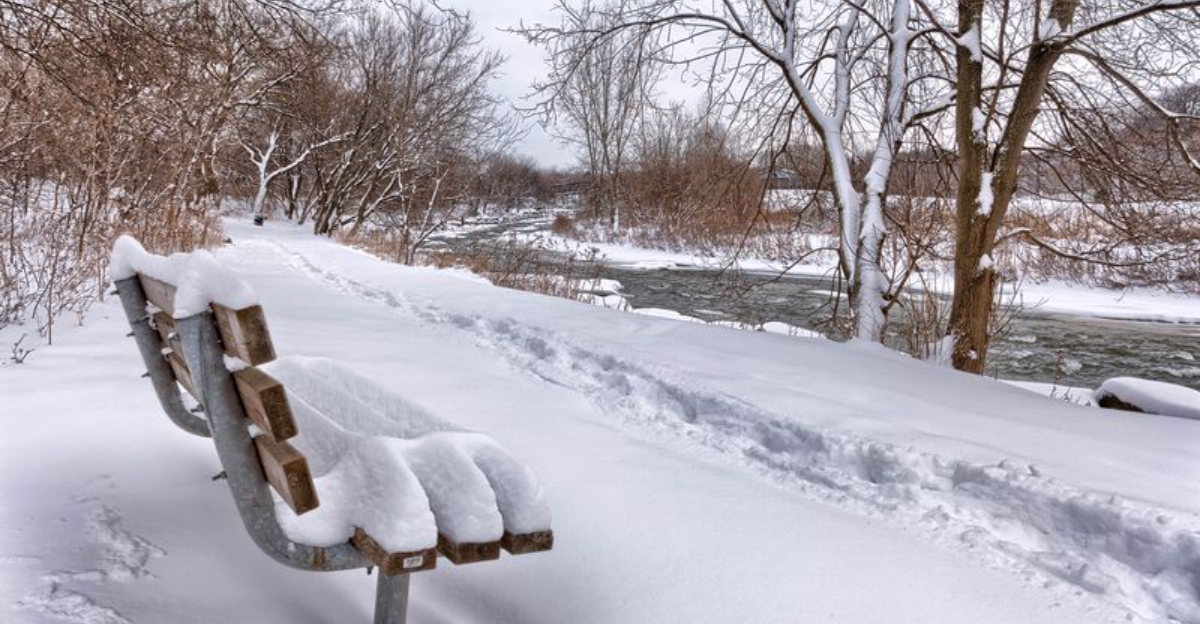
A rare and punishing winter blast turned Mississippi into a glassy landscape of ice and bitter cold. Roads, power lines, and daily routines froze under a relentless mix of freezing rain and sleet, leaving communities scrambling.
You could feel the tension as temperatures plunged and recovery stretched into days, not hours. Here is what it looked like and why the aftermath will take time to mend.
What the Historic Mississippi Ice Storm Looked Like
A powerful winter storm sweeping across the United States brought significant freezing rain and ice to Mississippi, turning roads into treacherous slicks and putting strain on infrastructure. According to forecasts and warnings from the National Weather Service, the region experienced hazardous conditions including freezing rain and sleet, which can lead to iced-over roads, downed trees, and snapped power lines — all of which played a major role in paralyzing daily life across the state.
Ice accumulation is one of the most dangerous winter conditions for the South because even modest glaze — fractions of an inch — can put enough weight on tree limbs and utility lines to cause widespread failures. These impacts were compounded by the arrival of extremely cold temperatures, with forecasts showing prolonged sub-freezing highs and low overnight readings that made ice linger and recovery more difficult.
Mississippi’s struggles were part of a broader picture: the larger winter storm was sprawling, stretching over 2,000 miles and affecting millions of Americans with a mix of snow, sleet, and ice. The storm’s impacts also echoed across infrastructure systems and travel networks far beyond Mississippi.
Massive Power Outages and Infrastructure Strain
One of the most dramatic effects of this winter storm in Mississippi — and in neighboring Southern states — was the surge in power outages. As ice built up on tree limbs and power lines, many electrical systems could not withstand the added weight, leading to severe disruptions in service.
Across the broader South, outages spiked, and in Mississippi alone hundreds of thousands of customers lost electricity as the storm intensified.
This is not unusual when winter storms bring freezing rain. Ice can cling to everything it touches, and even a few tenths of an inch of ice can cause major cascading failures in power grids when combined with high winds or snow.
As onlookers and weather analysts noted, this storm’s crippling ice threat was forecast to paralyze areas for days because crews would face major challenges simply accessing and repairing damaged infrastructure.
Utility restoration was complicated further by bitterly cold temperatures that followed the storm’s onset. Cold weather slows down repair work and increases demand for electricity as residents turn up heating, stretching already strained grids even thinner.
Officials in Mississippi and across the Southeast warned residents to prepare for extended outages and hazardous conditions.
Transportation Chaos and Travel Hazards
Ice storms don’t only knock out power — they create extremely dangerous travel conditions. Across Mississippi, iced-over highways and backroads became nearly impassable, prompting warnings from transportation and safety officials that residents should avoid travel unless absolutely necessary.
The storm’s combination of freezing rain, sleet, and bitter cold made even routine travel treacherous. Bridges, overpasses, and shaded road sections froze quickly, often without the tell-tale sheen that drivers expect, leading to a high risk of spin-outs and accidents.
This is one reason why staying off the roads during and immediately after a winter storm is strongly recommended.
Furthermore, travel disruptions weren’t limited to local roadways. The broader storm system — which extended over more than 40 states and more than 2,000 miles — contributed to widespread flight cancellations and delays across the U.S., with major hubs feeling the effects of ice as crews struggled to keep up with de-icing needs and runway conditions.
Cold Snap and Recovery Challenges
Once the winter storm passed, bitter cold temperatures continued to grip Mississippi, slowing down recovery efforts and increasing risks to residents still without power. Persistently low temperatures mean that any lingering ice doesn’t melt quickly, which keeps roads slick and hazards high for longer periods.
Cold conditions also heighten the risk of hypothermia and frostbite, especially for those without heat due to outages. Emergency messaging from weather services and local authorities repeatedly stressed the importance of having contingency plans — such as backup heat sources and emergency supplies — on hand before and after major winter weather events.
With the extensive scale of the storm — affecting millions of people across the U.S. — recovery resources were stretched thin, meaning it could take days for crews to restore power fully and clear critical roadways, especially in more rural areas of Mississippi. Officials urged residents to be patient and to check on neighbors, particularly the elderly, as efforts to return to normal progressed.



