 Unearth The Voyage
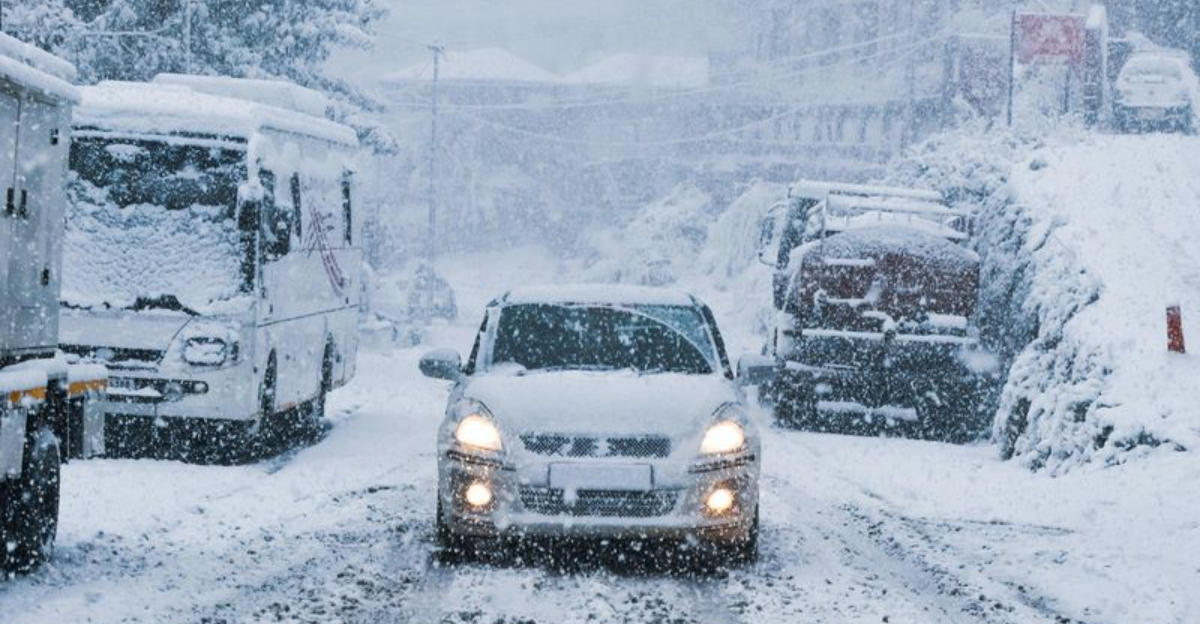
Winter Storm Fern is surging coast to coast, and you can feel the tension as alerts light up phones from Texas to New England. Millions are watching skies darken while airports grind to a halt and road crews scramble to pre-treat miles of highway.
If you have travel plans or loved ones on the road, the next 72 hours will demand tough choices and calm preparation. Stay with this guide to navigate snow, ice, and power threats with confidence.
Storm Overview and Timeline
Winter Storm Fern is a sprawling cross country system sweeping from the Southwest and Southern Plains to the Northeast. You can expect impacts to expand in phases, beginning with developing snow and sleet over the Rockies and High Plains before moisture surges north and east.
As the jet stream digs, cold air undercuts warmer Gulf moisture, setting the stage for heavy snow, a broad ice corridor, and bitter wind chills.
Saturday features rapid intensification across Texas and Oklahoma, with freezing rain and sleet creeping through the Red River Valley and into Arkansas. By Saturday night into Sunday, the ice threat spreads across the Mid South and lower Mississippi Valley while a snow shield organizes from the central Plains through the Midwest.
During this window, power line stress and tree damage become likely where accretion surpasses a quarter inch.
Sunday through Monday is the main event for the Ohio Valley, Mid Atlantic, and interior Northeast, with a swath of heavy snow potentially topping a foot in favored bands. Coastal areas contend with a rain to snow changeover, sharp gradients, and gusty coastal winds that may heighten minor tidal flooding.
By Tuesday, residual snow showers linger over the Great Lakes while the main low ejects into Atlantic Canada.
Travel disruptions escalate early, peaking Sunday into Monday with widespread delays and cancellations. If you must move, target shorter windows between banding and use major roads that are first to be treated.
Expect bitter cold to trail the system, complicating refreezing and slowing recovery.
Through it all, timing is everything, so check updates every few hours and recalibrate your plans. You can ride out Fern with less stress by front loading errands, charging devices, and staging backup heat.
The storm will pass, but smart timing helps you beat its worst punches.
Snowfall Totals and Banding
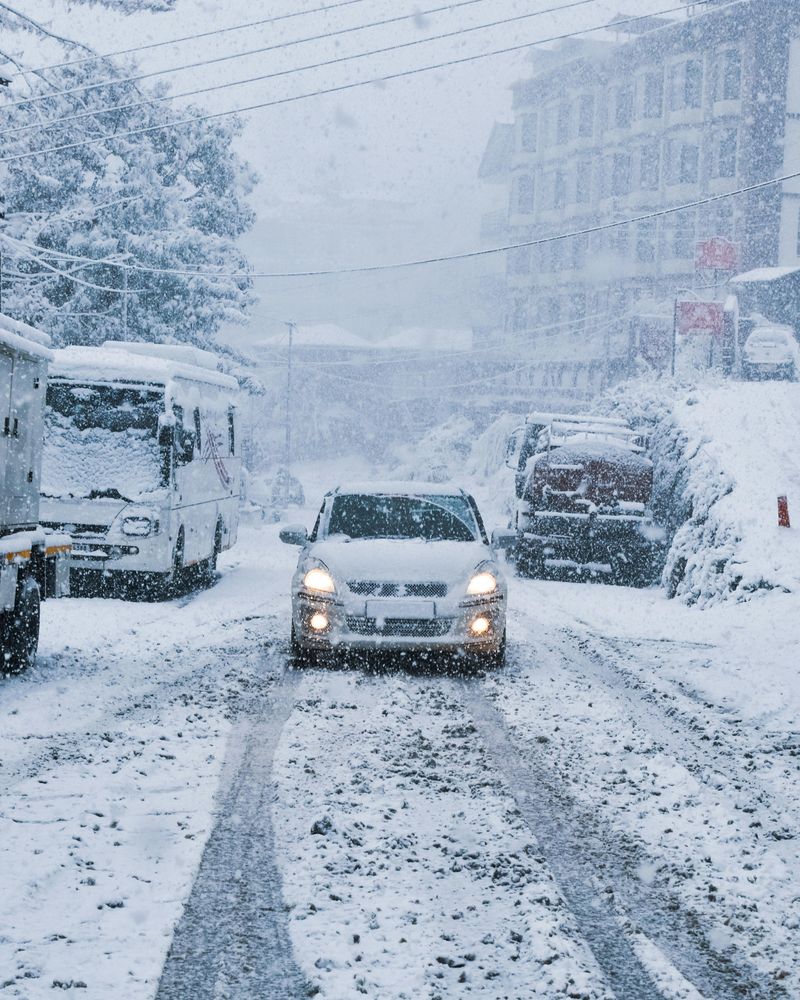
Snowfall with Fern is not uniform, and you will likely see sharp gradients over short distances. Deformation banding sets up where the midlevel front stalls, creating mesoscale snow bursts that accumulate fast.
In these bands, snowfall rates may hit two inches per hour, quickly overwhelming untreated roads and burying cars.
Across the Midwest into the interior Northeast, a broad 8 to 14 inch zone is plausible, with local jackpots exceeding that where banding lingers. Cities like Cleveland, Buffalo southtowns, and interior New England could stack double digit totals if temperatures stay cold enough for dendrites.
Farther southeast, a rain snow line makes totals tricky, with slushy coatings flipping to powder as cold air deepens.
Expect compaction and snow load differences between wet and dry regions. The coastal plain may see paste like snow that clings to branches and power lines, while inland areas get fluffier accumulations that drift under gusty winds.
That combination increases roof stress and visibility challenges, especially on east west roadways.
To prepare, clear storm drains and stage shovels or a snow blower near entries. Shovel in lifts to avoid heavy strain, and leave a safe margin around cars in case plows throw berms across driveways.
If you rely on street parking, move vehicles before snow emergency routes activate.
Real time radar and dual polarization products will help you track band pivots and sleet encroachment. Check local NWS snowfall forecasts and mesoscale discussions for updates on band placement.
When you stack proactive prep with flexible plans, you stay ahead of Fern’s snow surprises.
The Southern Ice Corridor
Fern’s most dangerous element for many will be ice, especially across Texas, Arkansas, northern Louisiana, and Mississippi. Freezing rain develops when warm air rides over a shallow surface chill, letting raindrops freeze on contact with roads, branches, and lines.
Even a tenth of an inch makes driving treacherous, while a quarter inch or more can trigger outages that last days.
You can expect patchy black ice, particularly at bridges, overpasses, and shaded corridors that cool first. Road treatment helps, but rapid accretion during bursts may outpace crews.
Sleet mixing in will briefly improve traction then refreeze into rutted glaze by night.
If you live in these zones, charge batteries and stage flashlights, headlamps, and extra power banks. Move vehicles away from large limbs, and avoid parking under sagging lines.
Keep freezers closed and refrigerator doors shut to preserve cold if outages occur.
Walking is risky, so use traction cleats or throw sand or kitty litter on steps and walkways. Inside, run space heaters with clear three foot zones and never on extension cords.
Generator users should position units outside, 20 feet from doors and windows, with carbon monoxide alarms active.
After the storm, treat every downed line as live, and call utilities rather than attempting cleanup. If you drive, carry chains or cables where legal, a towing strap, and a compact shovel for slush berms.
Patience is a safety tool here, and delaying travel can be the smartest move you make.
Air Travel Disruptions and Rebooking
Fern is already scrambling air travel, and you will feel the ripple effects nationwide even if your airport is clear. When major hubs like New York, Chicago, Atlanta, and Dallas slow or stop, crews and aircraft end up in the wrong places.
That creates rolling cancellations that outlast the storm by a day or two.
Your best move is to rebook early, using the airline’s app or website to avoid long phone queues. Many carriers issue weather waivers, allowing free changes to later dates or alternate airports.
If you must travel, aim for early morning departures and nonstop flights to reduce missed connections.
At the airport, keep essentials in your carry on: medication, chargers, snacks, and a compact power bank. Deicing delays can stretch a quick hop into hours on the tarmac, so hydration and patience help.
Gate agents reward polite persistence, and documented alternatives make faster reissues.
If you’re stranded overnight, ask for IRROPS support like hotel and meal vouchers, understanding policies vary by carrier and cause. Consider rail or bus backups where weather permits, but verify service status before leaving the terminal.
Travel insurance with trip interruption benefits can offset costs when delays escalate.
After the storm, expect crew legality resets and aircraft repositioning to take time. Keep notifications on, refresh the app often, and screenshot confirmations in case systems lag.
Flexibility is your superpower while Fern reorders the air network.
Road Travel: Interstates and Backroads
Driving during Fern will demand humility, planning, and timing. Interstates get treated first, but heavy snow bands and flash freeze can still shut lanes and stack traffic for miles.
Backroads may be impassable where plows cannot keep up or ice sheets develop.
Before you go, check state DOT cameras and alerts, and let someone know your route and ETA. Keep your tank at least half full, and stash a winter kit with blankets, water, snacks, gloves, scraper, and traction aid.
Lower tire pressures slightly within safe ranges can improve grip on snow, but never drive on underinflated tires.
On the road, slow down gently, leave long following distances, and treat every green light like a yield. Use low beams in snow to avoid backscatter, and switch to gentle braking or downshifts on hills.
If you skid, steer where you want to go and avoid overcorrection.
During ice, stay off bridges and elevated ramps when possible. If you must cross, keep speed steady, no sudden moves, and plenty of room to correct.
Park facing out so you can drive off without spinning in deep accumulations.
If stuck in a long closure, crack a window for ventilation and clear snow from the tailpipe to prevent carbon monoxide. Run the engine in short intervals for heat, and keep lights on to stay visible.
A calm, deliberate approach will carry you through Fern’s toughest miles.
Power Outage Readiness
Power reliability is threatened wherever Fern layers ice or heavy wet snow on lines and trees. You can reduce stress by staging a simple outage plan before the wind rises.
Charge phones, headlamps, and battery stations, and top off external packs to full.
Refrigeration is precious, so pre chill water jugs and move perishable items into a colder section. Keep fridge doors closed and use a cooler with ice packs for frequent access.
If you have medications requiring cold, prepare a small insulated bag and confirm temperature limits.
For heat, set thermostats a bit warmer ahead of time, then conserve with layered clothing, hats, and blankets. Draft proof doors with towels, and choose a single room to occupy with closed interior doors.
Never use grills or stoves indoors, and operate generators outside with carbon monoxide alarms active.
Lighting can be safe and simple with LED lanterns rather than candles. If candles are your only option, keep them on stable surfaces away from curtains and pets.
Rotate flashlight usage to extend battery life, and recharge whenever brief power returns.
Community matters during outages, so check on neighbors, especially seniors or those with medical equipment. Share charging opportunities and warm spaces when safe to travel.
With a calm checklist and kindness, you can ride out Fern’s power bumps together.
School, Work, and Remote Plans
Fern arrives with the workweek looming, so you will want a plan that flexes. Schools and offices may announce closures late, and that uncertainty can throw a routine off quickly.
Build a simple fallback now: remote logins, updated contact lists, and a quiet corner ready for calls.
If you manage a team, set expectations early and prioritize safety over presenteeism. Outline which tasks pause and which proceed remotely, and confirm who has power or broadband limitations.
For families, gather assignments, chargers, and a few distraction activities in one basket to reduce chaos.
Communicate proactively with clients about revised timelines and deliverables. Many will be dealing with the same storm, and transparency earns trust.
If local transit suspends service, plan for asynchronous work to accommodate caregiving and shoveling windows.
Keep your devices powered, with autosave and offline access enabled for critical files. Tethering from a phone can bridge short internet outages, but monitor data limits.
If power is unstable, prioritize essential tasks in short sprints between battery charges.
When roads clear, stagger returns rather than rush hour surges that strain transit and parking. Offer grace to colleagues juggling outages and childcare, and ask for the same in return.
Thoughtful planning turns Fern’s disruption into a manageable detour.
Health and Cold Safety
Fern’s cold is not just uncomfortable, it is risky when wind chills dive. You can protect yourself with layers that trap heat and wick moisture away.
A base layer that stays dry, an insulating mid layer, and a windproof outer shell make a powerful combo.
Hands, feet, and face lose heat quickly, so add warm socks, waterproof boots, and a hat that covers ears. Hand warmers in gloves and pockets extend comfort during shoveling or dog walks.
Take frequent warm up breaks and sip hot drinks to maintain core temperature.
Shoveling heavy, wet snow can strain the heart, especially after long inactivity. Push rather than lift, switch sides often, and pause if you feel lightheaded or short of breath.
If you have heart or respiratory conditions, ask for help or hire a service.
Inside, monitor indoor air quality when heating continuously. Keep a carbon monoxide detector with fresh batteries and vacuum furnace vents before peak usage.
If you rely on supplemental heaters, maintain clearances and inspect cords for wear.
Look out for neighbors and pets who cannot advocate for themselves. Limit outdoor time for animals, and provide dry bedding and unfrozen water.
With mindful pacing and smart layers, you can stay healthy through Fern’s cold snap.
Home and Vehicle Prep
A few hours of preparation can save days of frustration once Fern peaks. At home, insulate exposed pipes, open cabinet doors for warm air, and let faucets drip during the coldest periods.
Test sump pumps and clear gutters to guide meltwater away from foundations.
Stock rock salt or calcium chloride, plus sand for traction on glare ice. Stage shovels at front and back doors, and keep a smaller scoop for deck steps.
Refill windshield washer fluid with winter blend and place a spare jug in the car.
For vehicles, check tire tread, battery health, and wiper blades before the worst arrives. If you can, switch to snow tires for superior grip on cold pavement.
Keep a kit with jumper cables, tow strap, emergency blankets, and a compact air compressor.
Park off street where plows will pile berms, and fold in mirrors to avoid damage. Lift wipers before heavy snow to prevent sticking, and preprogram remote start if available to aid defrosting.
A thin coat of silicone on door seals helps prevent freezing shut.
Label breakers, test smoke and carbon monoxide alarms, and locate your water shutoff valve. With tools in reach and systems checked, you will move faster and safer when conditions deteriorate.
Preparation turns Fern from a crisis into a challenge you are ready to meet.
Community Alerts and Emergency Declarations
As Fern spreads, states and cities are issuing emergency declarations to mobilize resources quickly. You will see alerts for travel restrictions, school closures, and shelter openings as conditions worsen.
These actions unlock funding and personnel to stage plows, utility crews, and search teams where they are needed most.
Opt into local alert systems, including Wireless Emergency Alerts, county text lists, and utility outage notifications. Keep a battery radio for updates when cell towers are stressed.
If your area opens warming centers, note addresses and hours in case power fails overnight.
Follow official guidance on road closures rather than crowdsourced shortcuts. Emergency routes must remain clear for ambulances, plows, and linemen.
If you volunteer, coordinate with recognized groups to avoid duplication and stay safe.
Neighborhood groups can share shoveling help, rides to pharmacies, or spare generators. Set up a simple check in schedule with vulnerable neighbors or friends who live alone.
Community ties lighten the load, especially across long duration storms like Fern.
After the storm, document damage with time stamped photos for insurance and aid applications. Keep receipts for emergency supplies and lodging if evacuations occur.
Clear communication and cooperation will speed recovery for everyone.
Recovery and Next Steps
When Fern finally moves on, recovery begins with careful steps. Start by checking for hazards: ice laden limbs, downed lines, and blocked vents.
Clear snow from furnace intakes, dryer vents, and hydrants to prevent dangerous backups.
Next, dig strategic paths before tackling wide areas. Create a lane from door to street, then widen, lifting in smaller loads to protect your back.
Sprinkle sand on slopes and refreeze prone spots as temperatures drop again at night.
Inspect roofs from the ground, watching for ice dams and uneven loading. Use a roof rake to pull snow down safely, and call a pro if sagging or leaks appear.
Indoors, run dehumidifiers to dry entryways and garages where snow melts into puddles.
Rebook travel and appointments after roads and transit stabilize. Expect airlines and shippers to need extra days to catch up, so build slack into plans.
Support local businesses reopening with limited staff, and tip generously when you can.
Finally, restock supplies, note what worked, and update your storm checklist for next time. Share lessons with neighbors and family so everyone levels up together.
With clear priorities and patience, you will bounce back stronger after Fern.



