 Unearth The Voyage
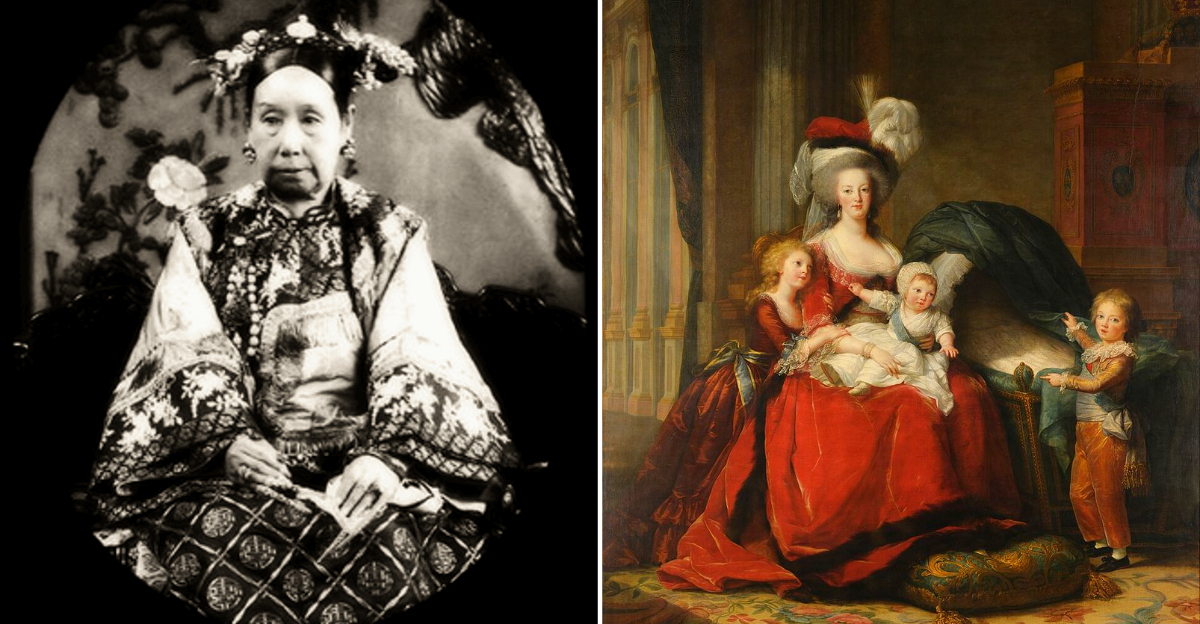
History rarely argues about mothers in simple terms. The women in this list were tied to courts, revolutions, reform movements, scientific households, and political dynasties, and each one left behind a record that still makes historians debate motive, influence, and fairness.
Some were accused of guiding ambitious children too forcefully, while others became symbols of public anxiety about power, class, race, or gender. If you want the stories behind the reputations, this walk through fourteen remarkable and disputed lives is worth your time.
1. Agrippina the Younger
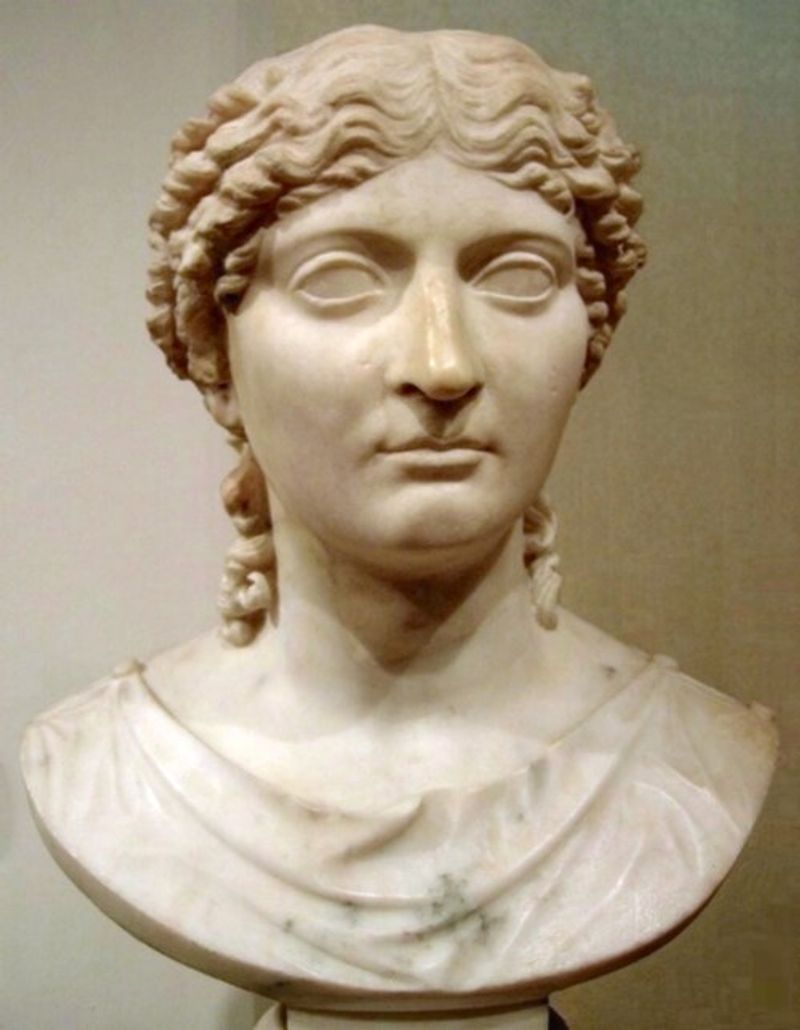
Rome rarely lacked gossip, but Agrippina the Younger inspired a whole industry of it. Born into the Julio-Claudian dynasty in AD 15, she grew up inside a family where status and survival were tangled together, and ancient writers treated her ambition as both scandal and spectacle.
She married Emperor Claudius, secured the adoption of her son Nero, and helped position him for the throne in AD 54. That alone made her controversial, because Roman authors disliked women who appeared too visible in state affairs, especially mothers who seemed to guide imperial succession from behind a curtain that everyone could still clearly see.
Some accounts portray her as a relentless schemer who pushed aside rivals and tried to dominate Nero after his accession. Modern historians are more careful, noting that many surviving sources were written by elite men with reason to distrust powerful women, yet her reputation never fully softened.
Few maternal stories in Rome look tidier on a coin than in a chronicle, and Agrippina remains the proof.
2. Mary Ball Washington
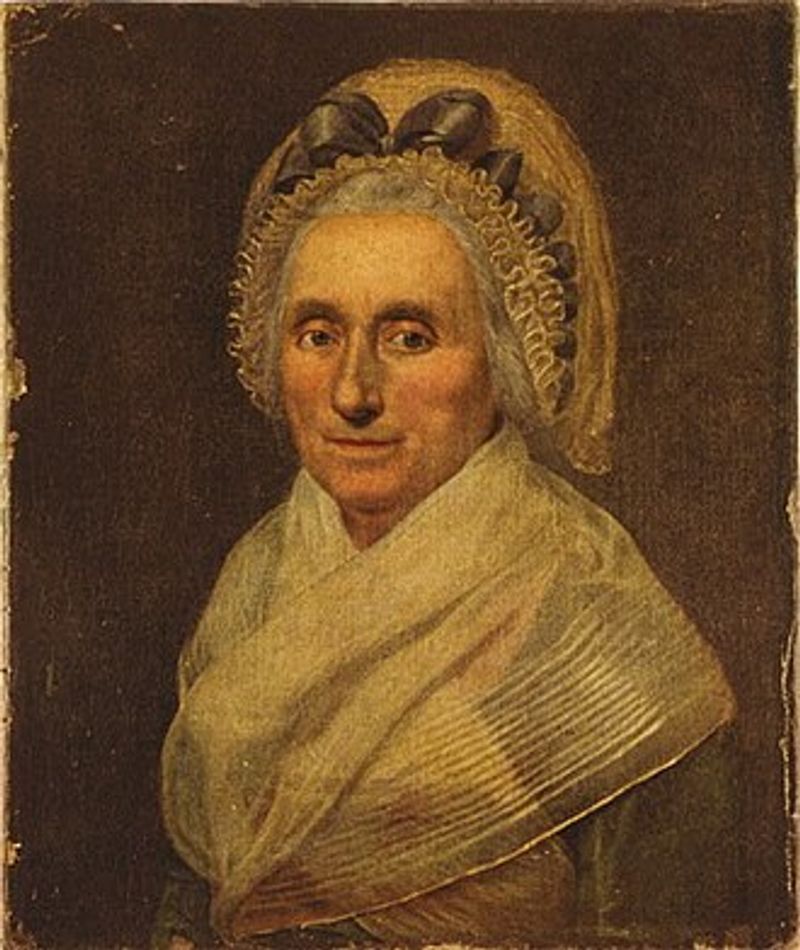
American legend likes its family stories neat, and Mary Ball Washington never fit the frame. As the mother of George Washington, she was expected to play the role of dignified supporting character, yet letters and recollections left behind a far sharper portrait.
Contemporaries often described her as demanding, financially anxious, and unimpressed by the public praise surrounding her son. During the Revolutionary era, when Washington’s reputation was climbing at remarkable speed, Mary still pressed practical concerns and personal grievances, which gave later writers plenty of material for judging her as difficult.
That label may say as much about expectations for mothers as it does about Mary herself. Widowed early, she managed property, raised children, and operated in a world where a forceful woman could easily be called troublesome, especially when her son had become a national symbol and everyone wanted his home life to look polished.
The result is a surprisingly modern debate. Was she overbearing, or simply unwilling to become decorative for the sake of early American mythology.
3. Empress Dowager Cixi
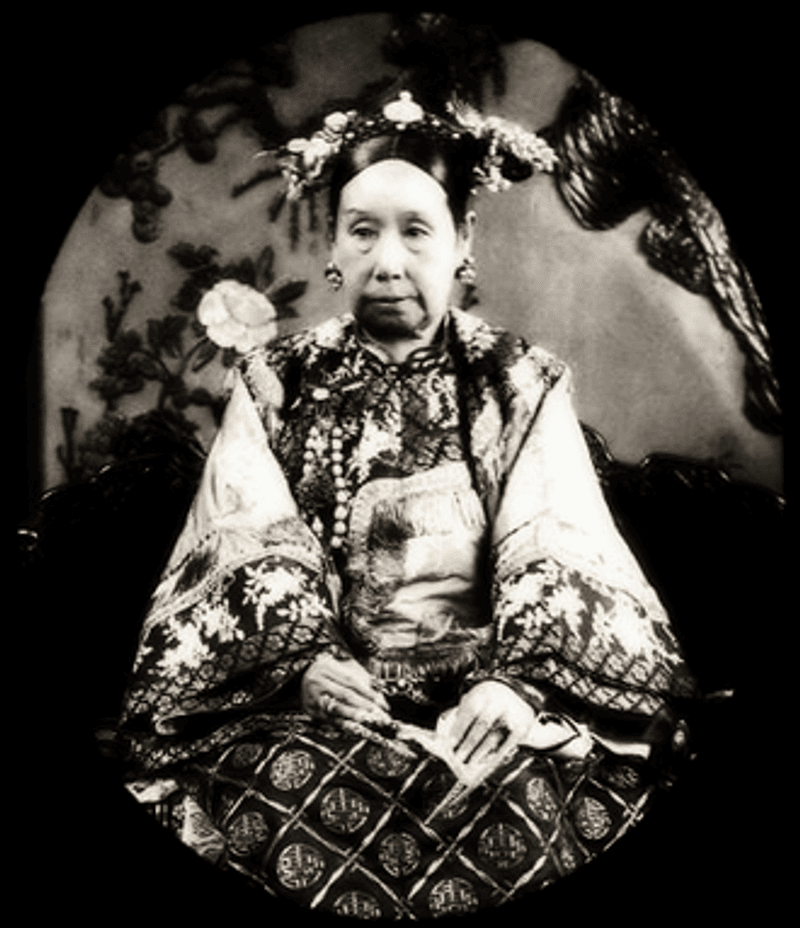
Few figures in imperial history have been judged with such enthusiasm and such contradiction as Cixi. Rising from concubine to Empress Dowager, she became the mother of the Tongzhi Emperor and then a central political force in Qing China for decades.
After the Xianfeng Emperor’s reign ended, Cixi moved with remarkable skill through palace politics and regency arrangements. Critics later accused her of blocking reform, protecting court privilege, and placing personal authority above urgent modernization, especially as foreign pressure and domestic strain exposed just how vulnerable the dynasty had become in the nineteenth century.
Yet the standard villain portrait has steadily weakened under closer scholarship. Historians now point out that she sponsored some reforms, managed rival factions with real ability, and governed within a system already burdened by structural problems far larger than one person, even one as formidable as Cixi.
Her controversy endures because she was both guardian and gatekeeper. To some, she preserved order too long, and to others, she kept an unraveling empire functioning at all.
4. Catherine de’ Medici
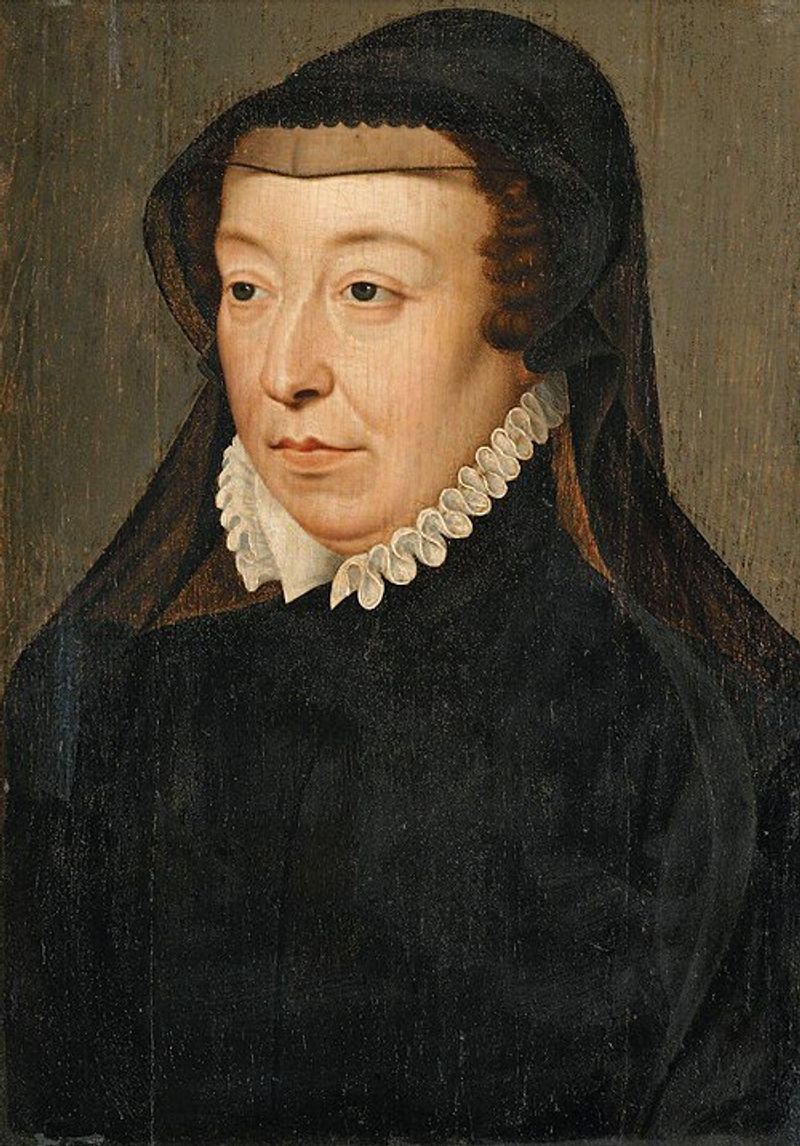
If any royal mother mastered the politics of staying necessary, it was Catherine de’ Medici. Born into the Medici family and married into the French crown, she spent the sixteenth century navigating a court where religious division and dynastic uncertainty made every decision feel loaded.
After Henry II’s reign ended, Catherine became the essential figure behind the rule of her sons, three of whom became kings. Her involvement in the French Wars of Religion, especially her connection to the crisis of 1572, turned her into one of Europe’s most disputed maternal politicians, blamed by enemies for calculation, delay, and ruthless court strategy.
For centuries, writers painted her as a dark mastermind, but the evidence is messier than the legend. She brokered marriages, negotiated with rival factions, and tried to preserve Valois authority in a kingdom that was repeatedly slipping beyond anyone’s full control, which makes her seem either pragmatic or dangerously manipulative depending on where you stand.
Catherine remains controversial because she governed through motherhood and statecraft at the same time, and France never forgot it.
5. Marie Antoinette
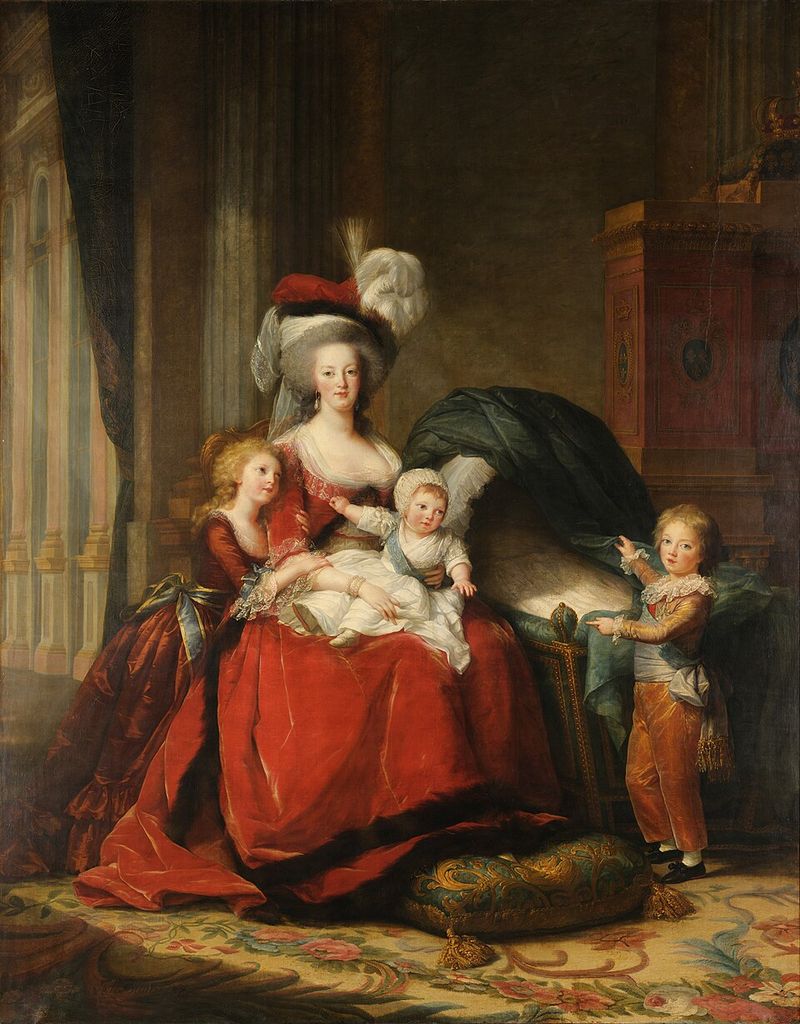
Public opinion can turn parenting into theater, and Marie Antoinette learned that the hard way. As queen of France and mother to royal children under relentless scrutiny, she became an easy target for critics who used motherhood as another measure of alleged failure.
Revolutionary pamphlets portrayed her as extravagant, careless, and detached from ordinary family life. Those accusations often blurred politics with domestic judgment, because attacking her as a mother made broader complaints about monarchy, privilege, and foreign influence feel personal, memorable, and easy to circulate in a culture increasingly shaped by print.
Modern historians have spent years untangling image from reality. They note that she took real interest in her children, adapted court routines around family life more than some predecessors, and suffered from a propaganda machine that rewarded caricature over accuracy, especially once public hostility toward the crown became a defining feature of late eighteenth century France.
Her controversy survives because private conduct and public symbolism fused completely around her. Once that happened, every nursery decision looked political.
6. Ann Dunham
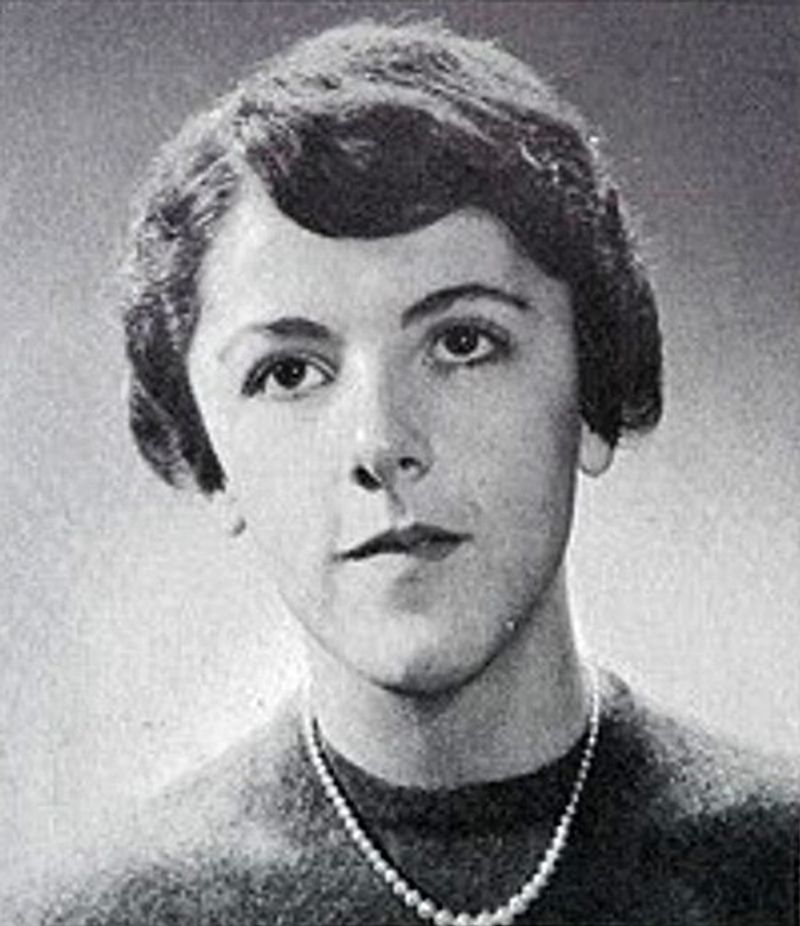
Image Credit: Wikimedia Commons, Public domain.
Long before campaign biographies polished every family detail, Ann Dunham already challenged familiar ideas about motherhood. The mother of Barack Obama was an anthropologist, a student of cultures and economies, and a woman whose life crossed Kansas, Hawaii, Indonesia, and academic worlds that were not built around conventional domestic scripts.
During Obama’s rise in American politics, critics sometimes treated her independence as suspect rather than impressive. Her international travel, intellectual focus, and unconventional family path became talking points in broader debates about race, patriotism, class, and what a respectable maternal biography was supposed to look like in modern public life.
Others saw something very different. They argued that Dunham gave her son a wider view of the world, encouraged curiosity, and modeled serious engagement with poverty, development, and cultural difference, all while balancing responsibilities that many earlier generations would have assumed belonged only to fathers or institutions.
What makes her controversial is not scandal in the old royal sense. It is the way her life exposed changing expectations about ambition, mobility, and maternal authority in the late twentieth century.
7. Livia Drusilla
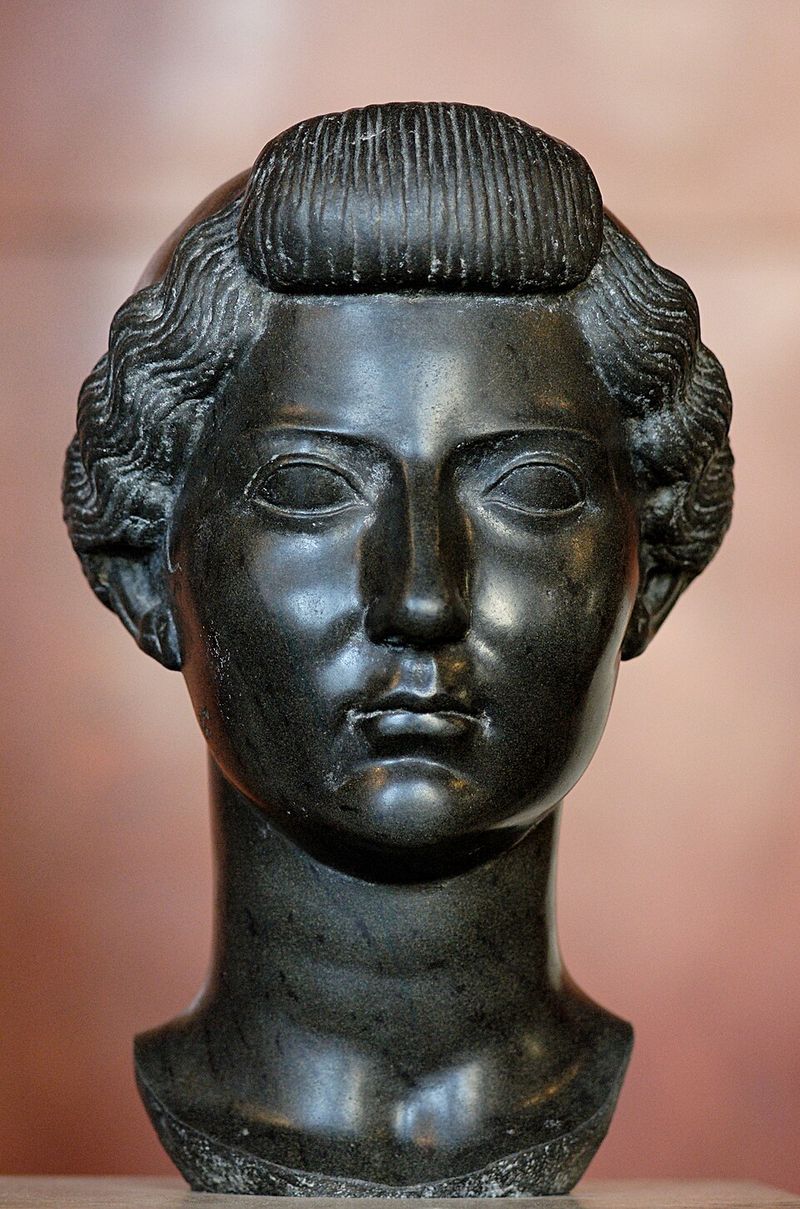
Roman rumor could make a household dinner sound like a constitutional crisis, and Livia Drusilla was one of its favorite subjects. Wife of Augustus and mother of Tiberius, she stood at the center of the early empire, where family strategy and state stability were effectively the same business.
Ancient authors often described her as calculating, patient, and eager to secure Tiberius as Augustus’s successor. Because several possible heirs disappeared from the political scene over time, later narratives stacked suspicion around Livia, turning her into the standard example of the ambitious imperial mother who smiled in public and maneuvered in private.
Modern scholarship is notably less dramatic. Historians question the reliability of sources written long after the fact, and they point out that Roman literature repeatedly treated influential women as dangerous precisely because they had access to spaces where formal power and intimate persuasion overlapped.
Livia’s legacy remains unsettled for that reason. She may have been a shrewd dynastic partner, a master of image, or simply the woman later writers blamed when succession politics looked too orderly to be accidental.
8. Wu Zetian
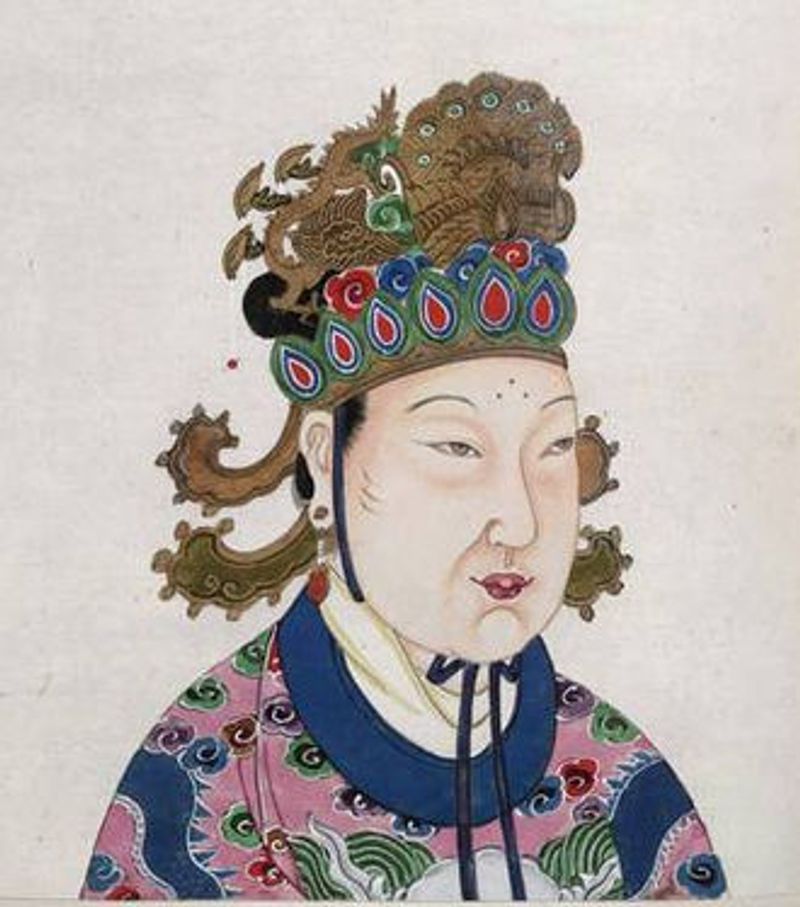
Breaking the rules of empire tends to annoy chroniclers, and Wu Zetian broke plenty of them. Rising from concubine to empress and eventually ruling in her own name, she became the only woman in Chinese history to hold the title of emperor outright.
Her path to power involved court rivalry, strategic alliances, and a close management of succession through her sons. Traditional accounts accused her of removing obstacles with cold precision, which helped build an image of the overreaching mother who used family ties as steps toward personal authority rather than as limits upon it.
At the same time, her reign brought administrative reforms, broader recruitment beyond old aristocratic lines, and support for institutions that strengthened the state. Recent historians have argued that much of her dark reputation was magnified by later Confucian writers who found a successful female ruler deeply unsettling and therefore especially useful as a warning story.
Wu Zetian remains controversial because both views contain substance. She was undeniably formidable, and she forced later generations to decide whether effective rule by a mother was admirable, alarming, or both.
9. Katherine Swynford
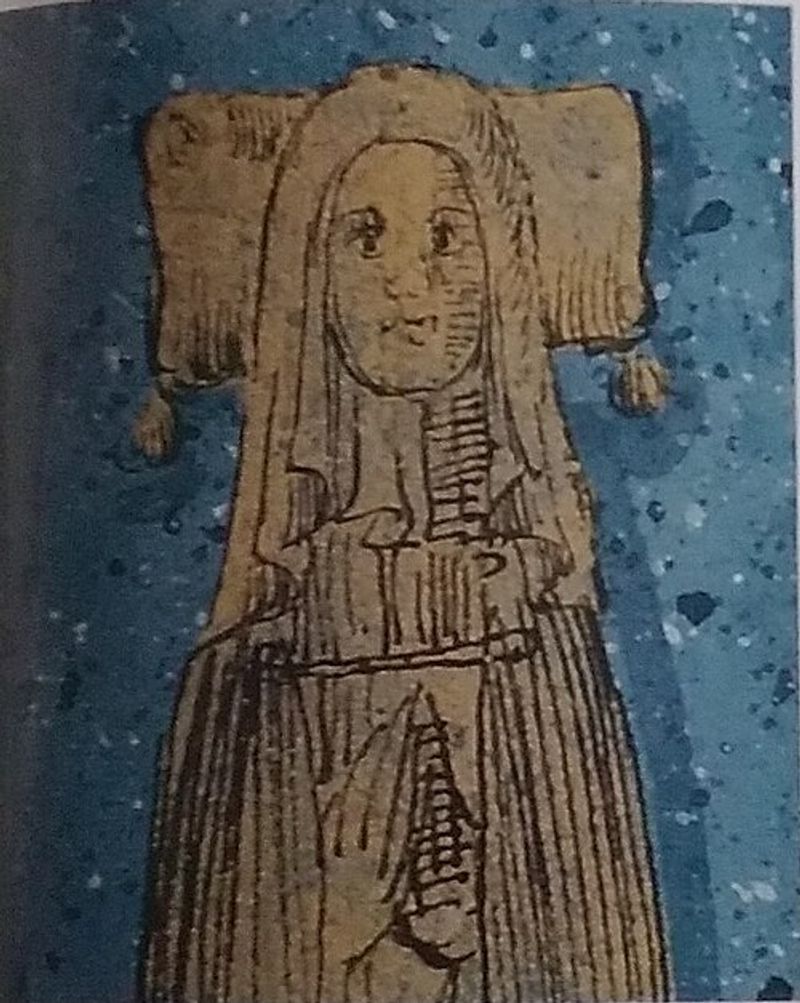
Scandal in medieval England often started with paperwork, lineage, and one inconvenient relationship. Katherine Swynford, longtime partner and later wife of John of Gaunt, became controversial because her family story reshaped royal inheritance in ways nobody could comfortably ignore.
She and Gaunt had children before their marriage, and although those Beaufort children were later legitimized, their position remained politically delicate. That detail became enormously important in later generations, because Beaufort descendants entered the tangled contests of English succession and eventually connected directly to the rise of the Tudor dynasty.
What made Katherine such a debated mother was not court spectacle alone but precedent. Her household blurred the lines between accepted dynastic practice and socially awkward reality, forcing nobles and later historians to ask how legitimacy, marriage, and political usefulness were supposed to fit together when the bloodline was strong but the timeline looked untidy.
In the end, her legacy proved stubbornly practical. A relationship once treated as improper left descendants who sat near the center of English power, which is a very effective way to keep historians arguing.
10. Margaret Beaufort
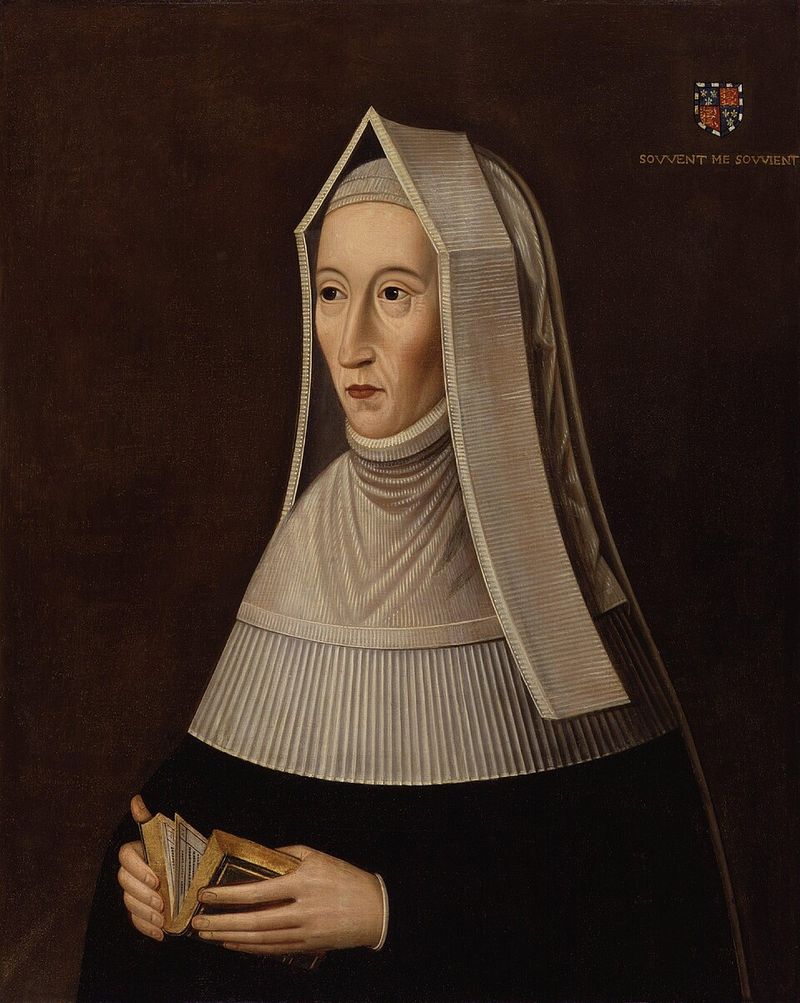
Some mothers write letters of advice, and some quietly help build dynasties. Margaret Beaufort, mother of Henry VII, belonged very much to the second category, and her reputation has long rested on how far she was willing to go in the brutal chessboard of fifteenth century English politics.
She gave birth at an exceptionally young age, survived a precarious noble world, and then devoted enormous energy to protecting Henry’s claim. During the Wars of the Roses, that meant cultivating alliances, managing estates, corresponding carefully, and turning maternal loyalty into a political program that eventually placed her son on the throne.
Admiration and suspicion have followed her ever since. Supporters view her as intelligent, resilient, and unusually capable in a system designed to restrict women, while critics see a figure whose piety and ambition sat very comfortably together whenever dynastic advantage was at stake.
Either way, Margaret Beaufort was far more than a king’s mother standing politely in the background. She understood influence, used it with remarkable discipline, and helped launch a royal house that later dominated English memory almost as thoroughly as it dominated England.
11. Pauline Einstein
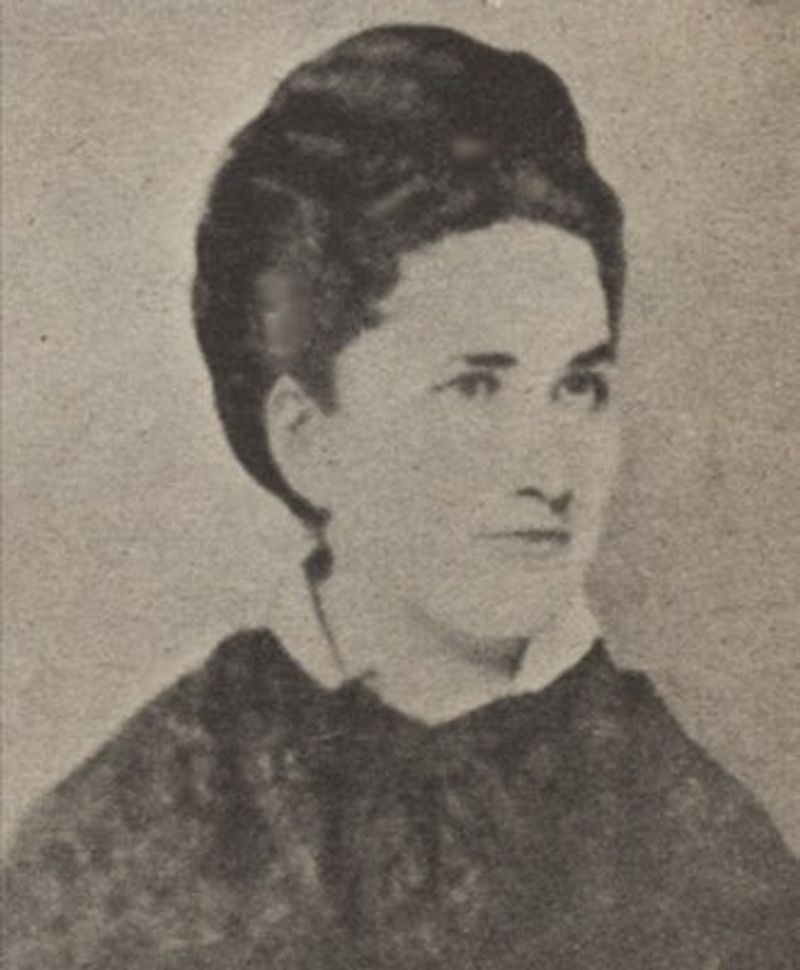
Genius biographies often skip past the parent with the practice schedule, but Pauline Einstein deserves a closer look. As Albert Einstein’s mother, she has been remembered as cultured, demanding, and determined that her son should acquire discipline even when his personality clearly leaned toward questioning every rule in sight.
She encouraged music study, expected educational seriousness, and maintained standards that could feel strict within the household. Biographers often note that the famous violin lessons were not Albert’s favorite idea at first, yet the insistence reflected Pauline’s belief that cultivation, persistence, and structured effort mattered as much as raw talent.
That approach can sound ordinary until you place it beside Einstein’s later image as a free roaming thinker suspicious of rigid institutions. The tension between Pauline’s discipline and Albert’s independence gives her a mildly controversial place in cultural memory, because people love the myth of effortless brilliance and feel less comfortable with mothers who insist on scales, routines, and respectable behavior.
Still, her influence was real. Behind the unruly hair in popular imagination was a household where standards were set, repeated, and not easily negotiated.
12. Letizia Ramolino
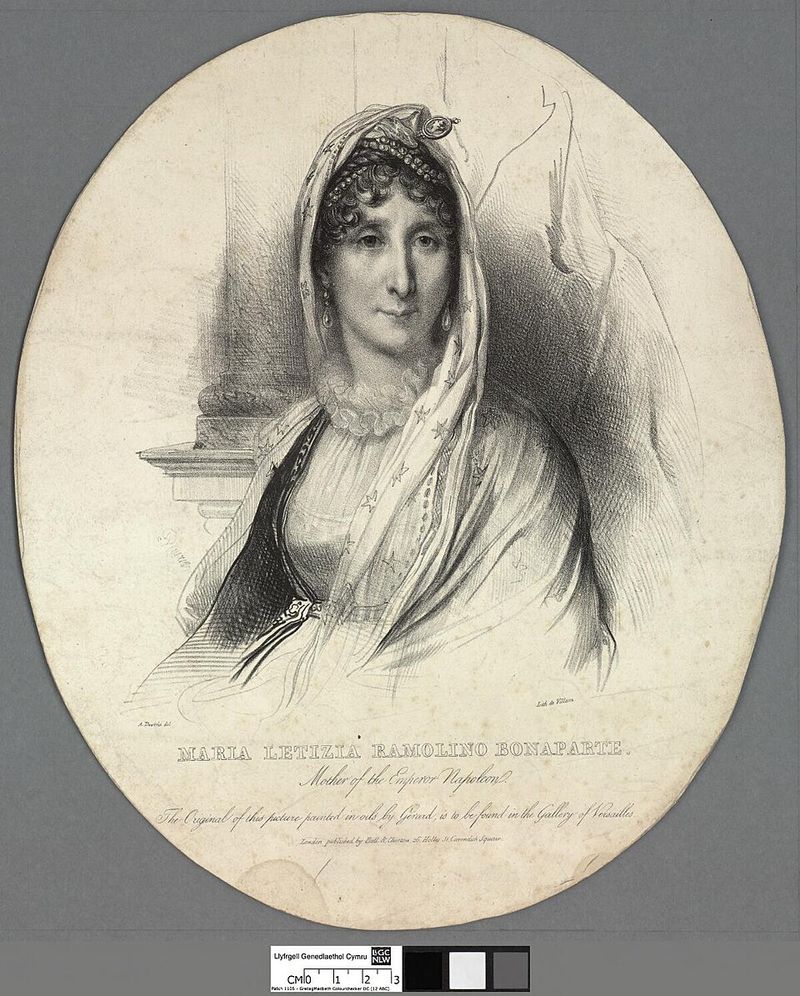
Before Europe learned Napoleon’s name, one person in his household had already mastered firm command. Letizia Ramolino raised eight children through upheaval in Corsica and France, and her reputation for strict economy and discipline became part of the family legend almost as quickly as Napoleon’s own rise.
She managed a large household under unstable conditions, demanded resilience, and did not encourage softness for its own sake. Napoleon later credited her severity with shaping his endurance, though that same quality also made her seem formidable to observers who preferred mothers to be sentimental background figures rather than central architects of family ambition.
What keeps Letizia interesting is how little she changed once imperial success arrived. While the Bonaparte name expanded across Europe, she remained notably cautious about excess, skeptical of appearances, and practical in ways that could look either wise or emotionally distant depending on who was describing her.
Her controversy is therefore less about scandal than style. She represented a version of motherhood built on control, thrift, and hard expectations, and those qualities looked admirable to some people and uncomfortably severe to others.
13. Rose Kennedy
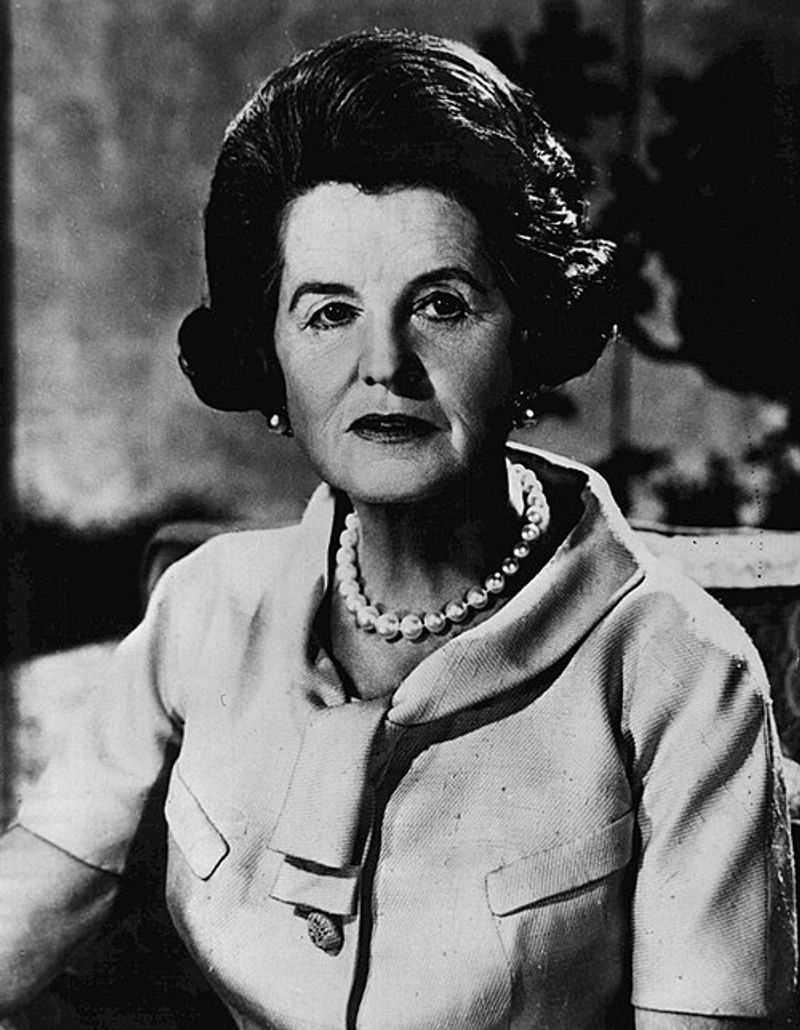
In twentieth century America, few mothers were watched as closely as Rose Kennedy. Matriarch of an ambitious political family, she raised nine children in a household where religion, discipline, education, and public image were treated less like suggestions and more like daily operating principles.
To admirers, Rose embodied steadiness, organization, and devotion to family duty. To critics, that same method could appear emotionally restrained, highly managed, and inseparable from a culture of expectation that asked children to perform excellence in public while keeping private strain carefully controlled behind the doors of one famous surname.
Historians and biographers still debate what her parenting style achieved and what it cost. The Kennedy household produced officeholders, advocates, and highly visible public figures, but it also became a case study in how political dynasties shape family life, especially when maternal strength is measured against impossible standards of grace, loyalty, and silence.
Rose Kennedy remains controversial because she became more than a mother in the public imagination. She turned into a symbol of disciplined American success, and symbols rarely get the luxury of being read simply or gently.



