Throughout history, some individuals became famous not just for their talents or achievements, but for their ability to charm, scheme, and marry their way into wealth and power. From royal courts to Hollywood mansions, these figures used beauty, wit, and ambition to climb the social ladder in ways that still fascinate people today.
Some were celebrated, some were criticized, and a few became legends. Their stories reveal a lot about money, class, and the lengths people go to for a better life.
1. Wallis Simpson
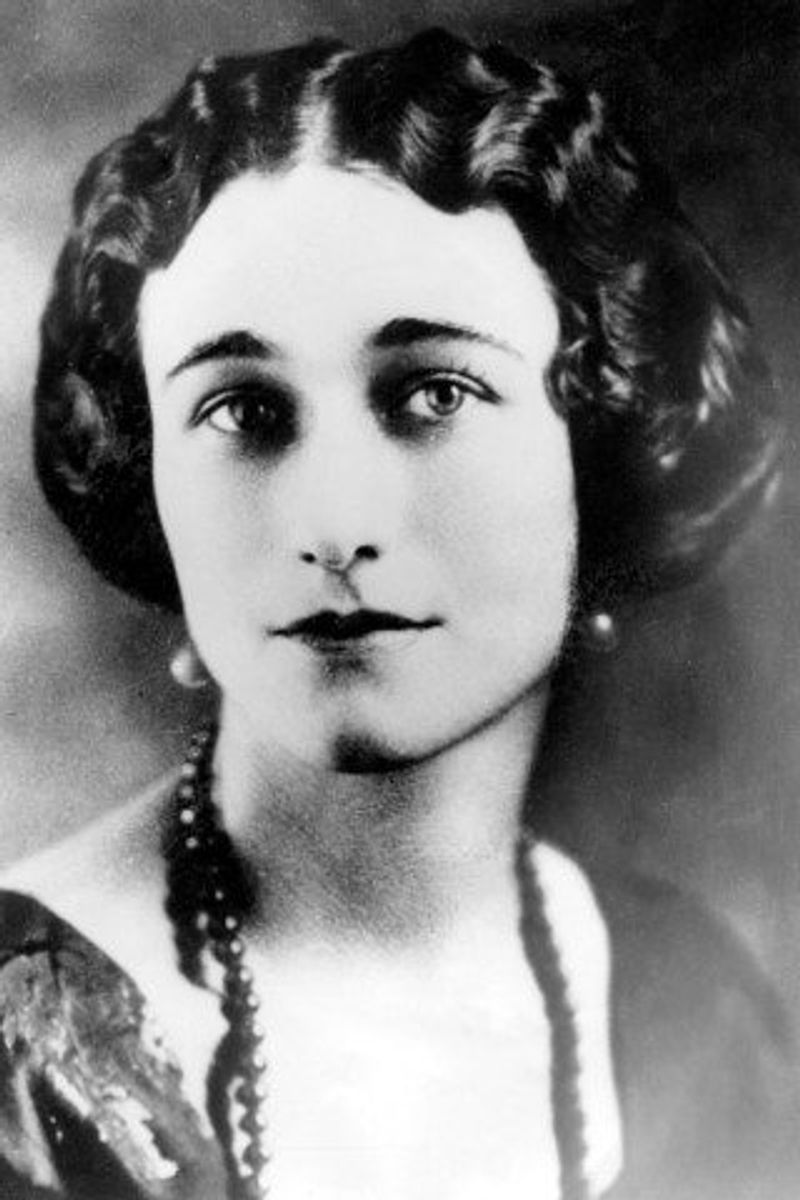
Few women in modern history caused as much chaos as Wallis Simpson, an American divorcee who made a king give up his throne. Her relationship with King Edward VIII of Britain shocked the entire world in 1936.
Edward chose her over the crown, abdicating so he could marry a twice-divorced commoner.
Critics called Wallis a calculating social climber who had no business in royal circles. Supporters argued she was simply a bold woman who refused to hide.
The truth likely sits somewhere in between. She was sharp, stylish, and knew exactly how to keep a powerful man’s attention.
Wallis never became queen, but she became a Duchess, living a glamorous life in Paris for decades. Her famous jewelry collection alone tells the story of a woman who understood the value of wealth and never apologized for it.
2. Anna Nicole Smith

Anna Nicole Smith was a small-town Texas waitress who transformed herself into a Playboy centerfold, a reality TV star, and the wife of an 89-year-old oil billionaire named J. Howard Marshall.
Their 1994 marriage instantly made her one of the most talked-about women in America. Critics wasted no time labeling her a gold digger.
What made Anna Nicole so captivating was her unapologetic honesty. She never pretended the relationship was ordinary, but she also insisted it was real.
After Marshall died just 14 months into their marriage, a legal battle over his estate dragged on for years and reached the U.S. Supreme Court.
Her life ended tragically at 39, but her story sparked genuine conversations about class, ambition, and whether a woman’s choices about marriage should ever be anyone else’s business to judge.
3. Zsa Zsa Gabor
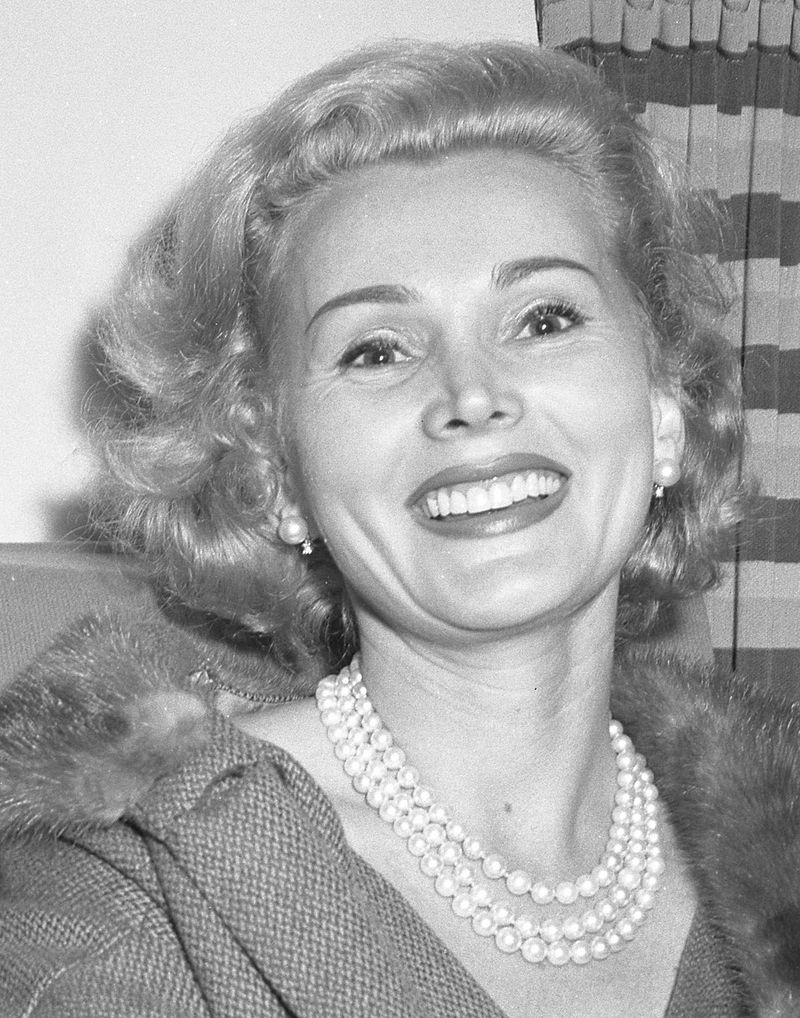
Zsa Zsa Gabor married nine times and was completely fine with everyone knowing it. The Hungarian-born actress and socialite became more famous for her wealthy husbands and sharp tongue than for any film role.
She once quipped that she was a great housekeeper because every time she divorced, she kept the house.
Her first strategic marriage was to Turkish diplomat Burhan Asaf Belge, which helped her escape war-torn Europe. From there, she climbed steadily through Hollywood and international high society, collecting titles, diamonds, and headlines along the way.
Conrad Hilton, founder of the Hilton hotel empire, was among her notable husbands.
Zsa Zsa was self-aware enough to turn her reputation into a brand. She appeared on talk shows, played herself in films, and laughed all the way to the bank.
Few social climbers in history have been quite so entertaining about it.
4. Madame de Pompadour
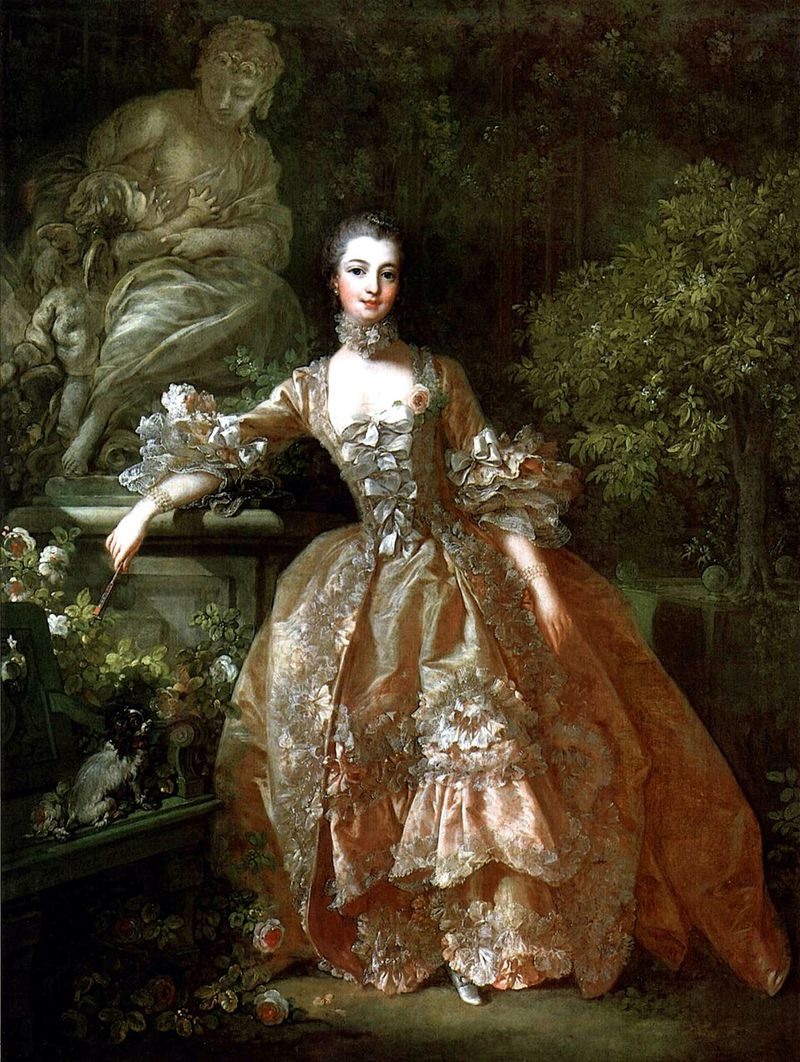
Born Jeanne-Antoinette Poisson to a middle-class family in Paris, Madame de Pompadour climbed all the way to the court of King Louis XV of France. She became his official royal mistress in 1745, a position she held with remarkable intelligence and political skill for nearly two decades.
Pompadour was not just a pretty face at court. She influenced foreign policy, supported the arts, and helped shape French culture during the Enlightenment.
She championed artists, writers, and architects, leaving a lasting mark on French aesthetics that still carries her name in furniture and architectural styles.
What makes her story stand out is that she maintained her power even after her romantic relationship with the king cooled. She stayed relevant through intellect and strategy, proving that the smartest social climbers do not just charm their way up.
They earn their place and hold it.
5. Thelma Furness
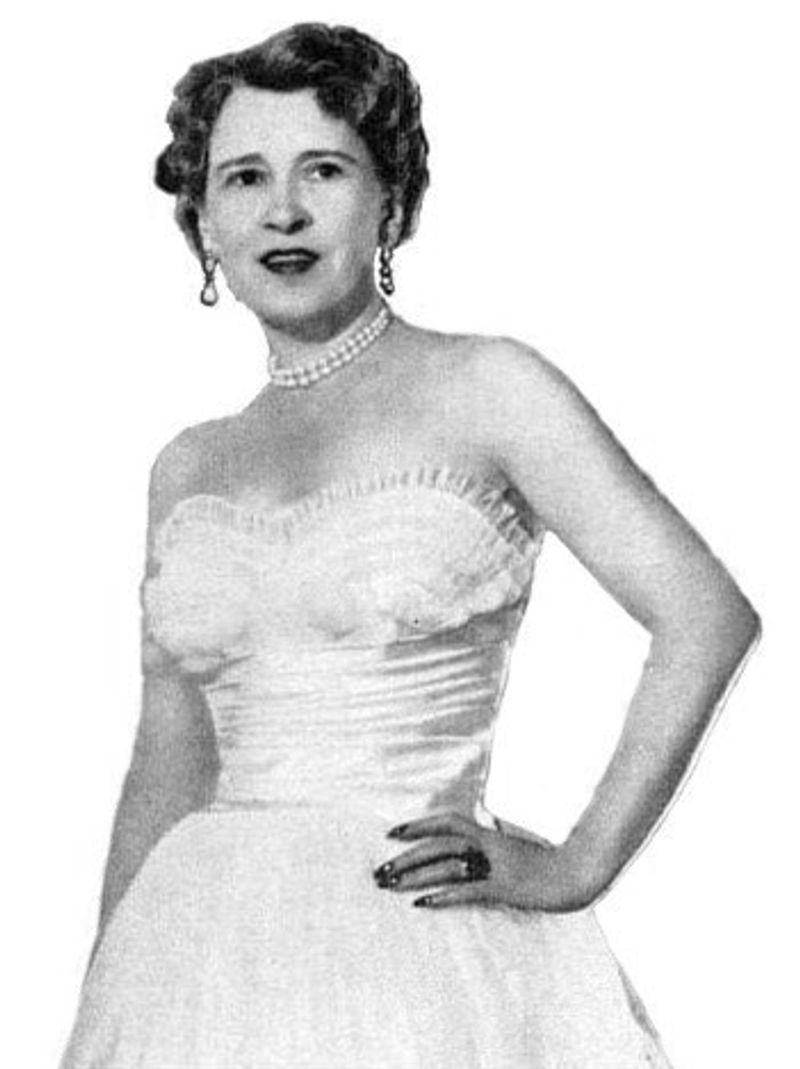
Thelma Furness had the unenviable distinction of introducing her royal boyfriend to the woman who would replace her. An American socialite and twin sister of socialite Gloria Vanderbilt’s mother, Thelma became the mistress of Edward, Prince of Wales, in the late 1920s.
For several years, she was one of the most enviable women in Britain.
Her downfall came in 1934 when she asked her friend Wallis Simpson to look after Edward while she traveled to America. By the time Thelma returned, Wallis had taken her place permanently.
It remains one of the most dramatic social betrayals of the 20th century.
Thelma had climbed high through charm and connections, marrying twice into wealth and titles before catching a prince’s eye. Her story is a reminder that in the world of social climbing, loyalty can be a very expensive luxury to afford.
6. Consuelo Vanderbilt
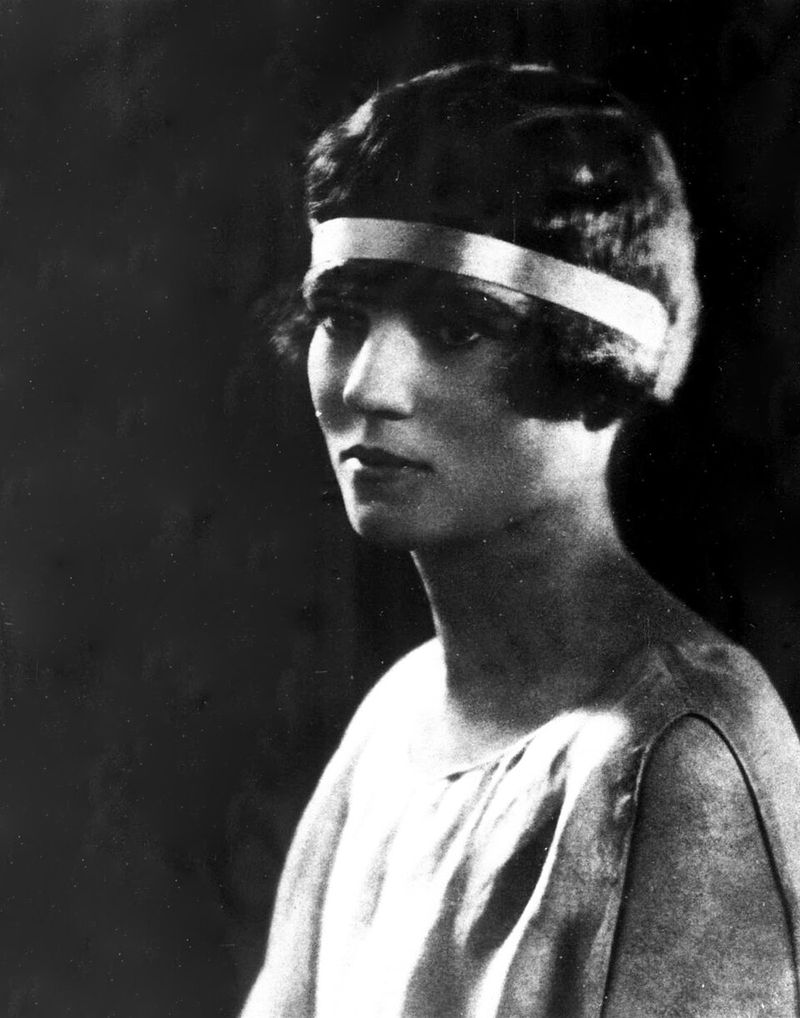
Consuelo Vanderbilt was one of the original dollar princesses, American heiresses whose fortunes were traded for European titles in the Gilded Age. In 1895, at just 18 years old, she was pressured by her domineering mother, Alva Vanderbilt, into marrying the 9th Duke of Marlborough.
Consuelo reportedly wept on her wedding day.
The marriage was essentially a business deal. The Vanderbilt family’s enormous railroad fortune rescued the crumbling Blenheim Palace, while Consuelo gained a duchess title.
Neither party was particularly happy with the arrangement, and they eventually separated in 1906.
What makes Consuelo’s story compelling is that she later found genuine happiness, remarried for love, and became a respected philanthropist. She also wrote a memoir, The Glitter and the Gold, that gave the world an honest look at what it actually felt like to be sold into aristocracy for social gain.
7. Jennie Jerome
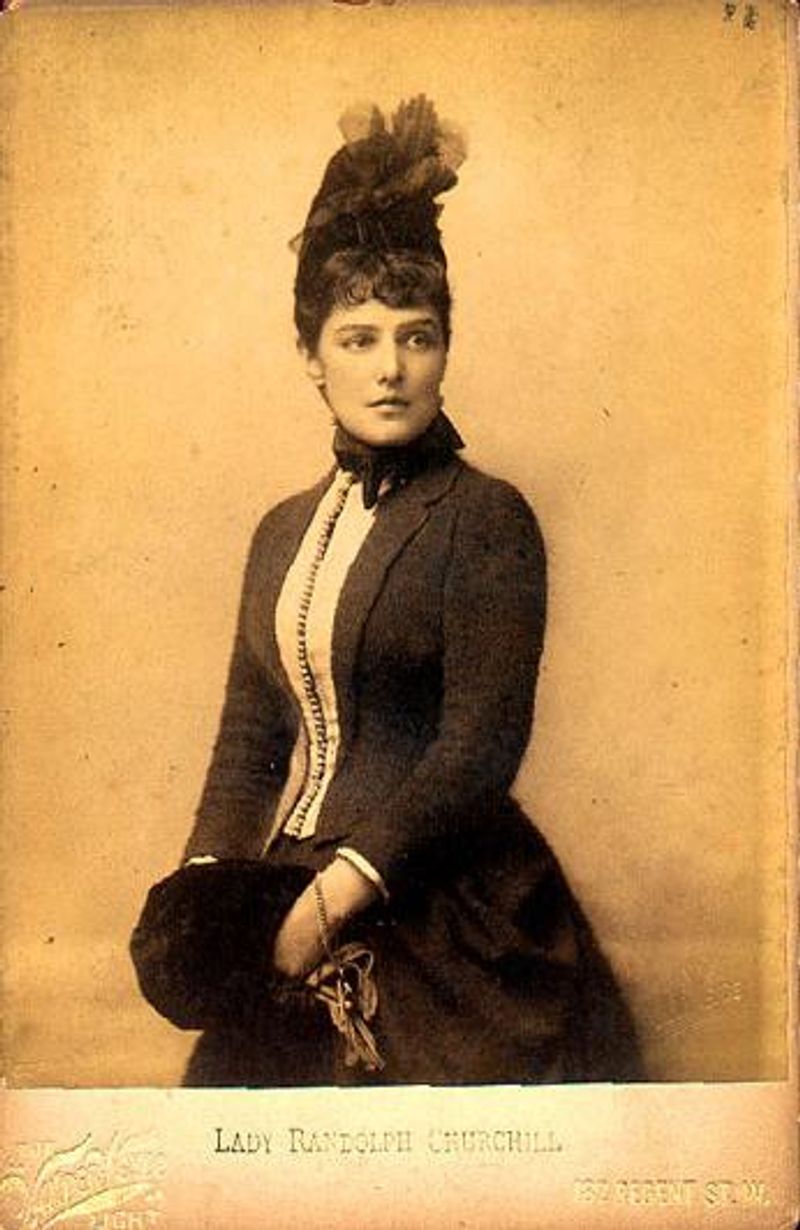
Jennie Jerome was another American beauty who crossed the Atlantic and married into British aristocracy, but her story has a twist most social climbers cannot claim: she became the mother of Winston Churchill. Born in Brooklyn to a wealthy financier, Jennie married Lord Randolph Churchill in 1874 after a whirlwind three-day courtship.
Her marriage gave her access to the highest levels of British society, but Jennie was far more than a social trophy. She was politically active, ran a literary magazine, and used her social connections to advance both her husband’s and later her son’s careers.
Some historians credit her networking as a key factor in Winston Churchill’s early political rise.
Jennie married three times in total, always to younger men, and lived boldly until her death in 1921. She remains one of history’s most fascinating examples of a woman who climbed high and actually did something remarkable once she got there.
8. Daisy Fellowes
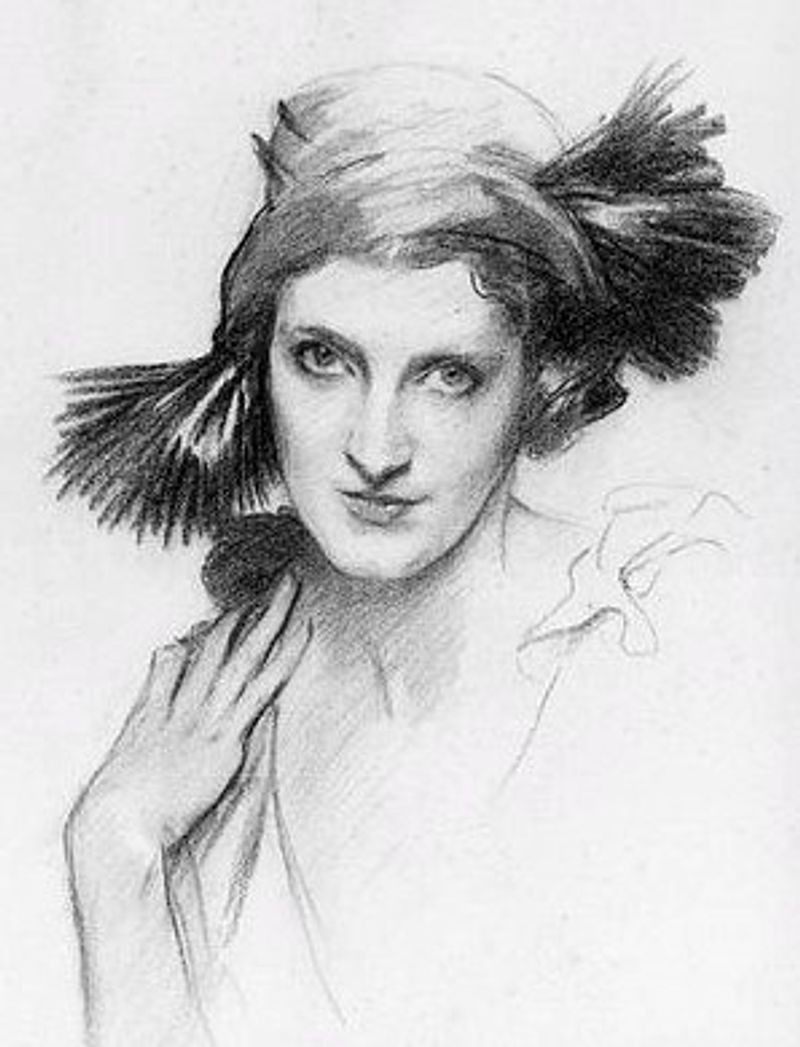
Daisy Fellowes was the kind of woman who made cruelty look chic. Born into the Singer sewing machine fortune, she was already wealthy by birth, but she craved social dominance above all else.
She married twice into European nobility and used her money and razor-sharp wit to become one of the most feared hostesses of the interwar period.
Her parties in Paris and on her yacht were legendary, drawing artists, royalty, and celebrities who both admired and feared her cutting remarks. Daisy was a patron of Elsa Schiaparelli and wore fashion as armor.
She understood that style was power.
Unlike many on this list, Daisy did not need to climb for money. She climbed for status and influence, which some argue is an even purer form of social ambition.
Her legacy is complicated, fascinating, and thoroughly unapologetic, much like the woman herself.
9. Barbara Hutton
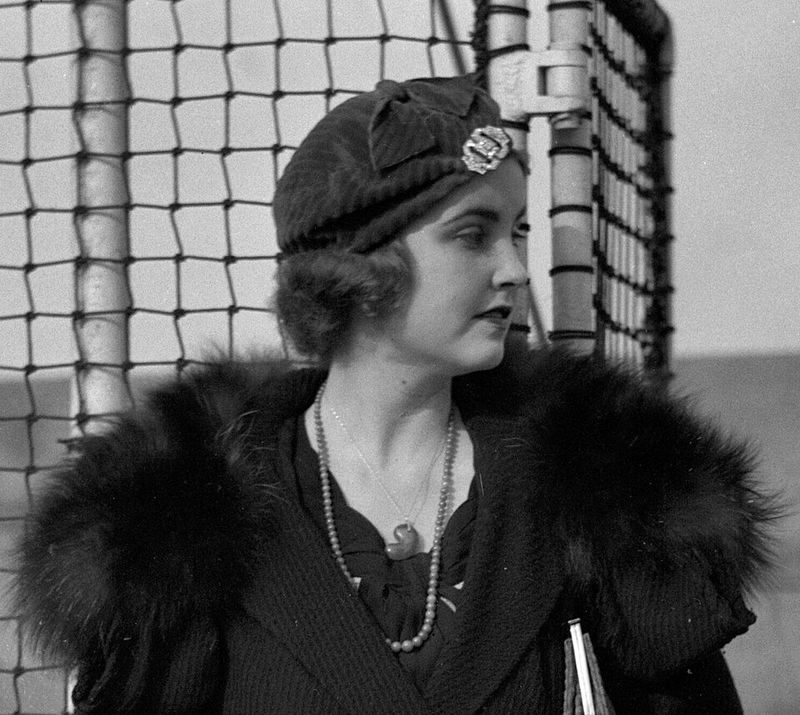
Barbara Hutton inherited the Woolworth five-and-dime store fortune and spent most of her life giving it away to the wrong people. Known as the Poor Little Rich Girl, she married seven times, collecting husbands who ranged from European princes to Hollywood stars like Cary Grant.
Each marriage seemed to drain her emotionally and financially.
Unlike a gold digger, Barbara was the one being dug. Many of her husbands were accused of exploiting her enormous wealth while offering little genuine affection in return.
She died in 1979 with only a few thousand dollars left of a fortune once worth hundreds of millions.
Her story flips the typical script in a fascinating way. Barbara represents the other side of social climbing, the wealthy target who desperately wanted love and kept finding people willing to pretend they had it for sale.
It is a cautionary tale about loneliness and trust.
10. Gina Lollobrigida

Gina Lollobrigida was one of the biggest film stars in Europe during the 1950s and 1960s, known for her stunning beauty and fierce independence. But in her final years, a very different story overshadowed her legendary career.
At age 95, she announced her engagement to a man named Javier Rigau, 34 years her junior, which sparked immediate suspicion.
Italian courts later found that Rigau had allegedly staged a proxy marriage without her full understanding, leading to fraud charges and years of legal battles. The case raised serious questions about elder exploitation and whether her advisors and associates were genuinely acting in her best interests.
Lollobrigida fought back fiercely in court and in the press, refusing to be cast as a victim. Her late-life story became a global conversation about vulnerability, ambition around wealth, and the complex ways that social climbers sometimes target those who have already reached the top.
11. Countess Tarnowska
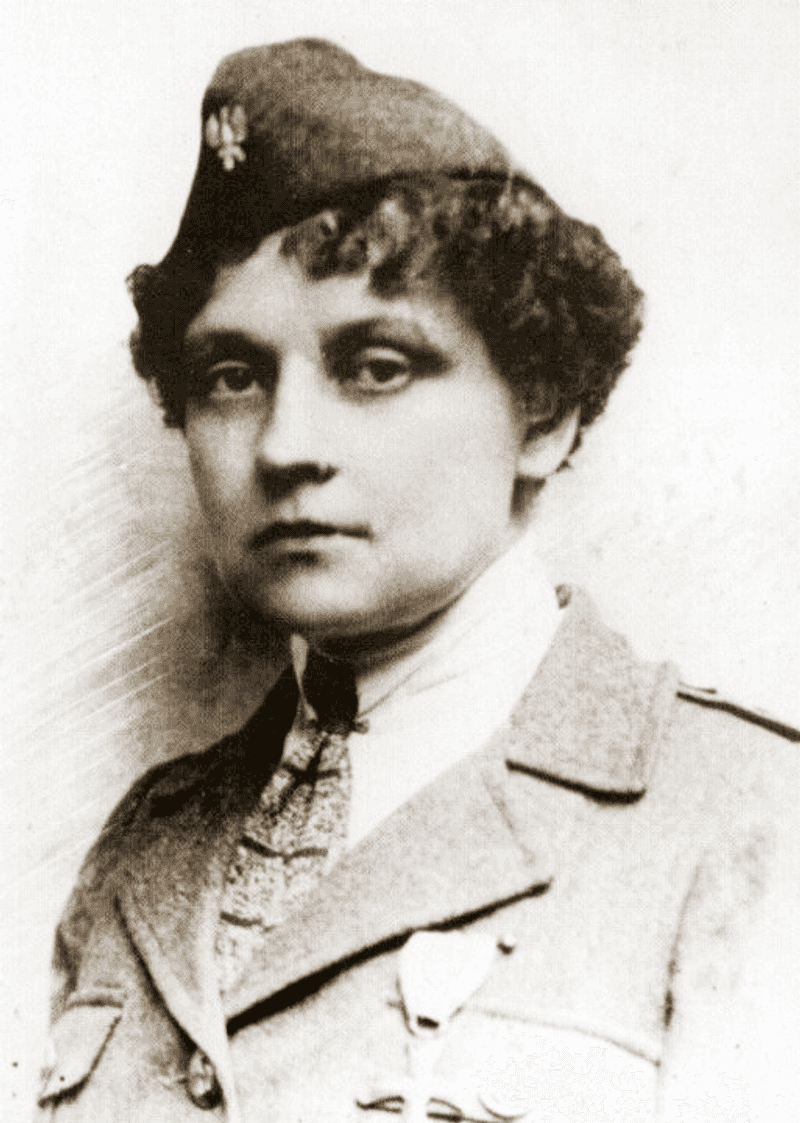
Countess Maria Tarnowska was a Russian aristocrat whose beauty left a trail of ruined men across Europe in the early 1900s. Born into Polish nobility, she used her title, looks, and extraordinary charm to manipulate wealthy admirers into rewriting their wills in her favor, then allegedly arranged for rivals to eliminate them.
Her most sensational case involved a Venetian murder in 1907 that became an international scandal. A wealthy count was shot dead by one of her besotted admirers, and Tarnowska was accused of orchestrating the entire scheme.
The trial in Venice drew reporters from across Europe and was described as one of the most dramatic of the era.
She was convicted and sentenced to prison, though she was eventually released early. Tarnowska remains one of the most extreme examples of a social climber who crossed the line from ambition into something far more sinister and calculated.
12. Mary of Teck
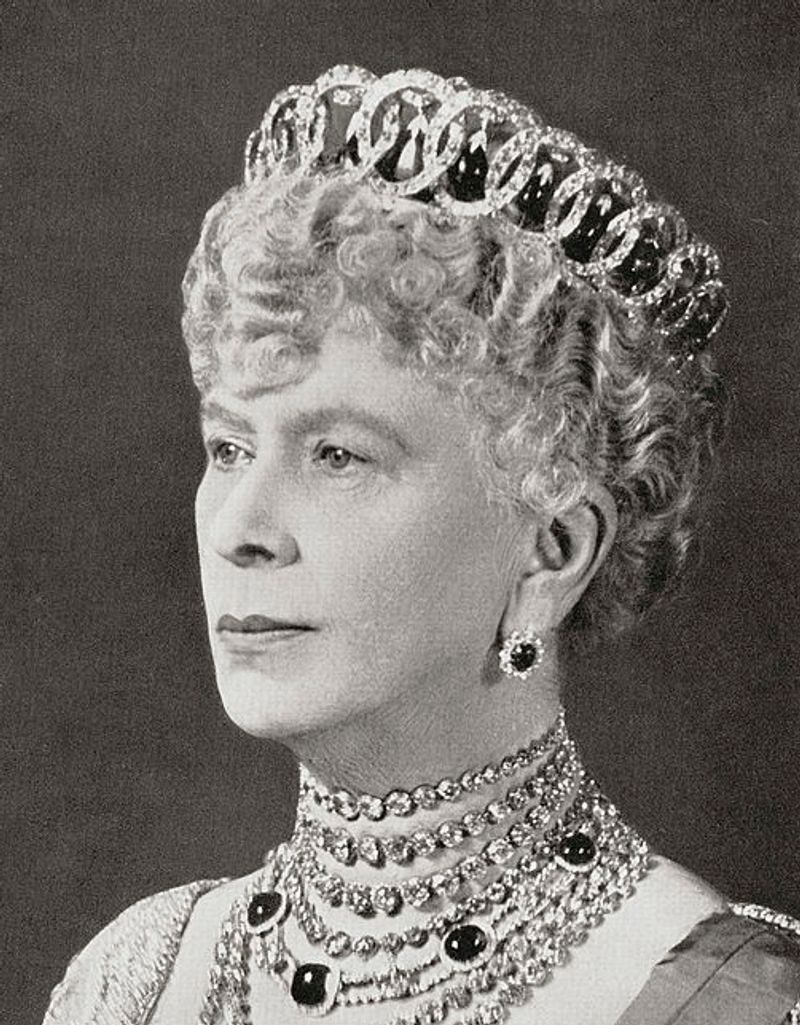
Mary of Teck is not typically called a social climber, but her path to becoming Queen of England is one of the most strategically successful royal ascents in modern history. Born into minor German royalty with very little money, she was initially engaged to Prince Albert Victor, heir to the British throne.
When he died suddenly in 1892, she was quickly redirected to his brother, who became King George V.
The arrangement was very much a practical one on both sides. Mary brought impeccable royal bloodlines on paper, while the match gave her access to one of the most powerful monarchies in the world.
She embraced her role with iron discipline and became one of the most respected queens in British history.
Mary’s story shows that social climbing does not always look opportunistic from the outside. Sometimes it looks like duty, dignity, and a lifetime of carefully maintained appearances.
She played the long game and won.
13. Peggy Hopkins Joyce
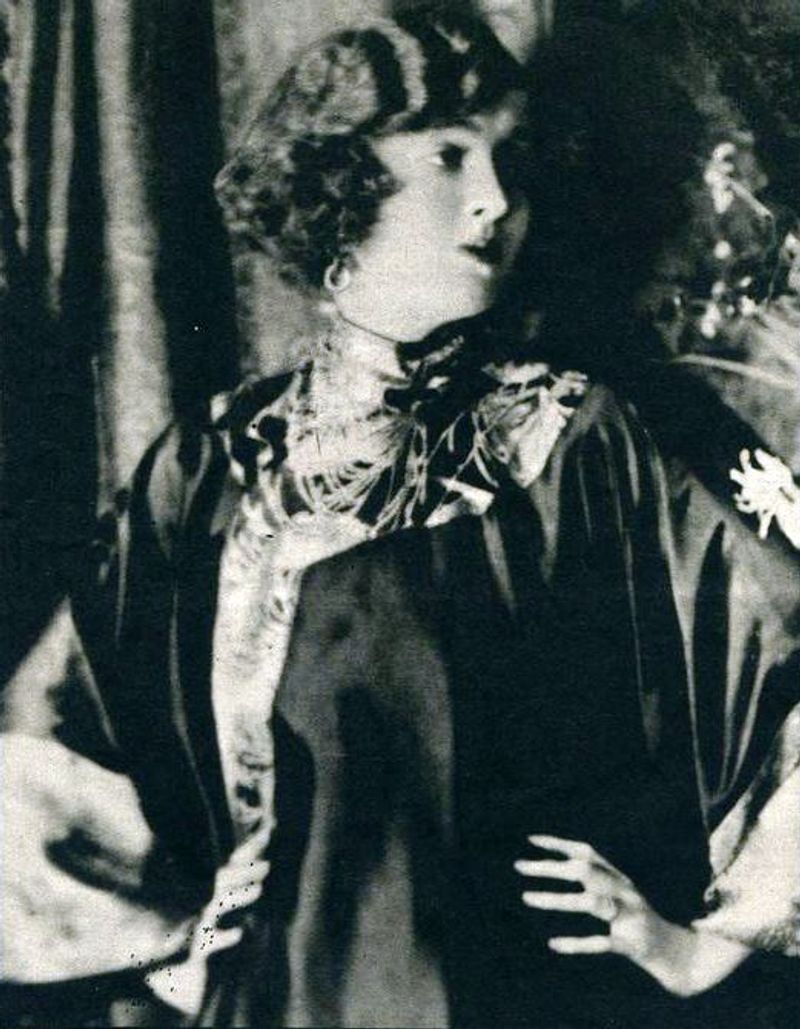
Long before reality TV turned marrying rich into entertainment, Peggy Hopkins Joyce was doing it live and making headlines. A former chorus girl from Virginia, she married six times between 1916 and 1931, each time trading up in wealth.
Her diamond collection became so famous that it was reportedly insured for more than most people earned in a lifetime.
Peggy was refreshingly unbothered by public criticism. She gave interviews, wrote columns, and treated her love life as both a business and a spectacle.
She became a pop culture phenomenon, inspiring characters in films and novels throughout the 1920s and 1930s.
Charlie Chaplin based his film A Woman of Paris partly on her story. She was caricatured, celebrated, and condemned all at once, which somehow only made her more famous.
Peggy Hopkins Joyce understood something ahead of her time: in the right era, notoriety and celebrity are basically the same thing.
14. Doris Duke’s Social Circle Figures
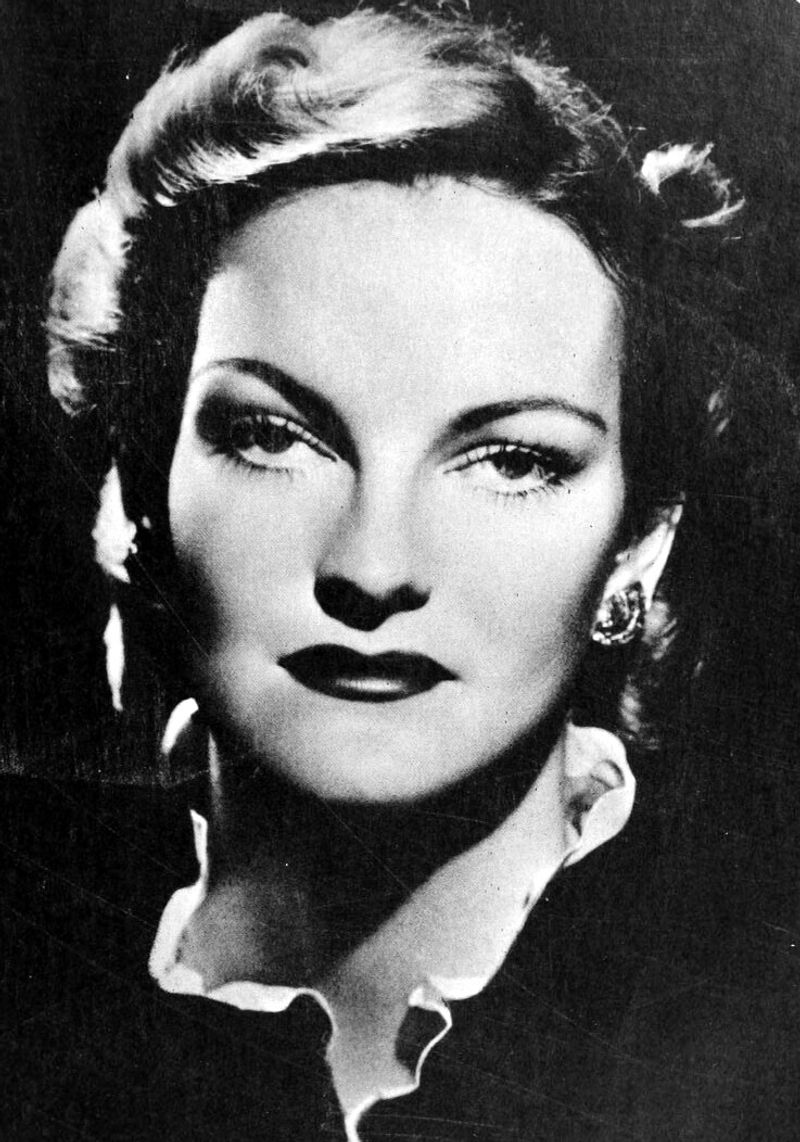
Doris Duke inherited her father’s tobacco empire at age 12 and spent the rest of her life trying to figure out who actually liked her versus who liked her money. Often called the richest girl in the world, she attracted a steady orbit of companions, advisors, and romantic partners who were frequently accused of exploiting her generosity.
Her later years became particularly dramatic. A butler named Bernard Lafferty allegedly gained enormous influence over her estate, eventually being named executor of her will and inheriting millions.
Legal battles erupted after her death in 1993, with relatives claiming she had been manipulated in her final years.
The story of Doris Duke and those who circled her fortune is really a story about power in reverse. The people around her were the climbers, and she was the mountain.
Her life illustrates how extreme wealth can attract a very specific and sometimes dangerous kind of ambition.
15. Becky Sharp
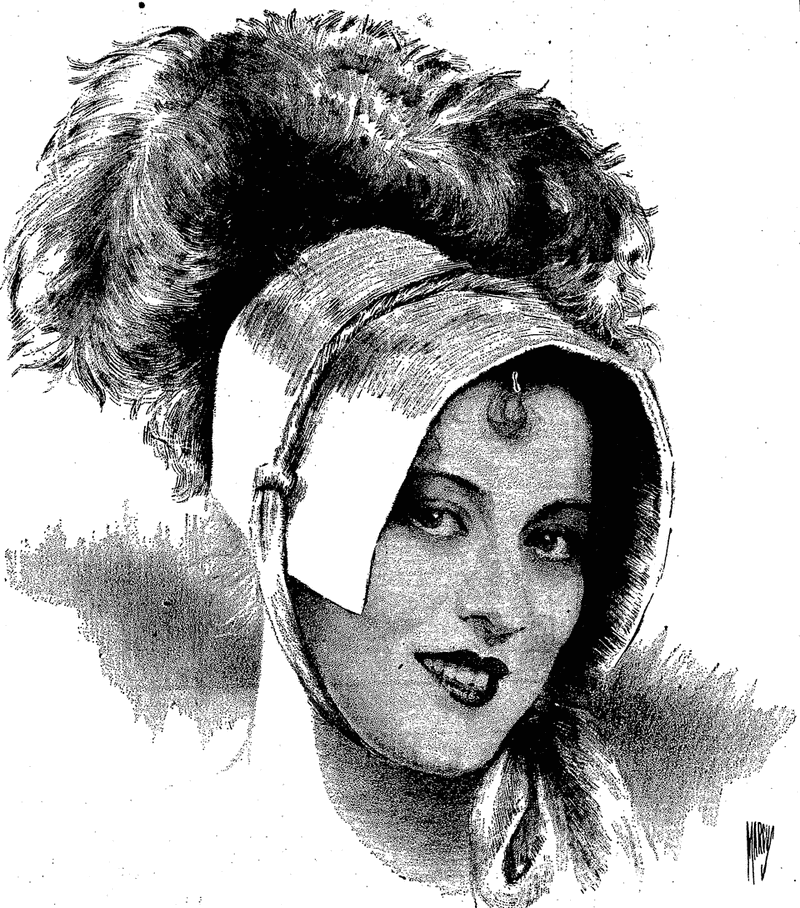
Becky Sharp never existed, but she might be the most honest portrait of a social climber ever created. The fictional heroine of William Makepeace Thackeray’s 1848 novel Vanity Fair, Becky is a penniless governess who uses beauty, flattery, and calculated scheming to claw her way through 19th century English society.
She is brilliant, ruthless, and entirely self-made.
What makes Becky so enduring is that Thackeray never lets readers fully hate her. She is charming even when she is scheming, and the novel makes clear that a society obsessed with wealth and status creates people like Becky.
She is as much a product of the system as a villain within it.
Adaptations of Vanity Fair have appeared on stage, film, and television for over a century. Becky Sharp remains the gold standard for fictional social climbers, a character so vivid and recognizable that her name has become shorthand for a certain kind of ambitious, unapologetic ambition.
Share this story