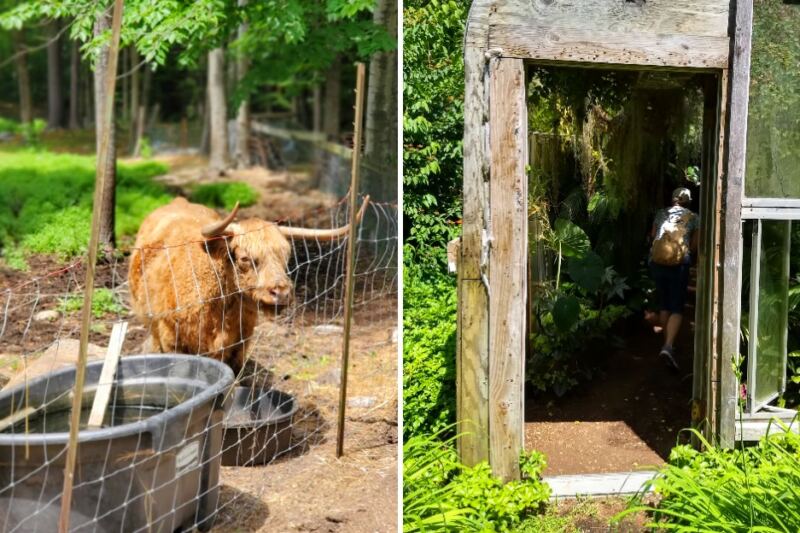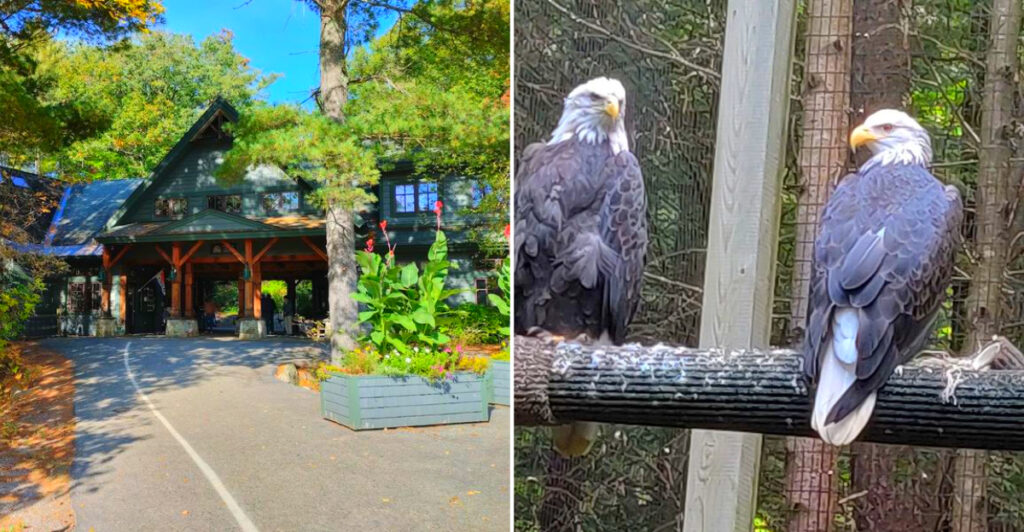
Along the shores of beautiful Squam Lake, a remarkable nature center gives visitors the chance to see black bears, bald eagles, mountain lions, river otters, and many of New Hampshire’s native animals in spacious natural habitats. Guests come for the wildlife, but they quickly discover there’s much more to explore, including guided lake cruises, scenic woodland trails, beautiful gardens, and hands-on exhibits that make every visit feel like an outdoor adventure. It’s the kind of destination where families, photographers, and nature lovers can easily spend an entire day.
The experience extends far beyond the animal exhibits. Peaceful hiking trails, pollinator gardens, educational programs, breathtaking lake views, and a deep commitment to wildlife conservation create one of New England’s most rewarding nature attractions. Whether you’re exploring the Lakes Region for the first time or returning to one of New Hampshire’s most scenic destinations, it’s easy to understand why visitors happily come back year after year.
Here’s why Squam Lakes Natural Science Center has become one of New Hampshire’s premier wildlife attractions and one of the most memorable nature experiences in New England.
A Welcoming Arrival at 23 Science Center Road
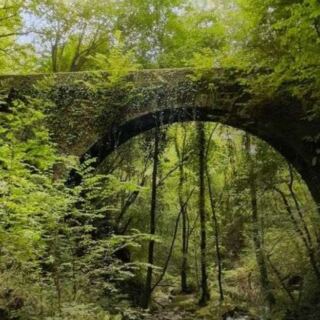
The moment you turn onto Science Center Road in Holderness, New Hampshire, something shifts. The trees close in a little, the road quiets, and you get the distinct sense that you are leaving the ordinary world behind.
The Squam Lakes Natural Science Center sits at 23 Science Center Rd, Holderness, NH 03245, conveniently positioned near the intersection of Routes 3 and 113, just four miles from Exit 24 off I-93. Despite its accessibility, the campus feels genuinely remote, which is part of its charm.
Spanning over 200 acres, the grounds weave together open meadows, mature forests, ponds, streams, and carefully tended gardens into one seamless landscape. Free parking is available on-site, and EV charging stations make arriving sustainably easy. The Howling Coyote Gift Shop near the entrance sets a playful tone right from the start. First-time visitors often pause at the trailhead, unsure where to look first, and that sense of happy overwhelm never quite goes away.
Six Decades of Protecting New Hampshire’s Wild Side
Not every beloved institution can trace its roots back to a group of passionate neighbors who simply decided their local landscape was worth protecting. That is exactly how this story began.
In 1965, residents of Holderness pooled their resources to acquire 180 acres of land, driven by a shared conviction that the natural beauty of the Squam Lakes region deserved thoughtful stewardship. The Science Center officially opened to the public on July 1, 1969, and has been building on that founding vision ever since.
A landmark moment came in September 2006, when the center earned accreditation from the Association of Zoos and Aquariums, making it the only AZA-accredited institution in all of northern New England, a distinction it holds to this day. Its formal mission, adopted on January 1, 2000, centers on advancing understanding of ecology through exploration of New Hampshire’s natural world. As the center approaches its 60th anniversary, that original community spirit remains the engine behind everything it does.
The Live Animal Exhibit Trail and Its Remarkable Residents
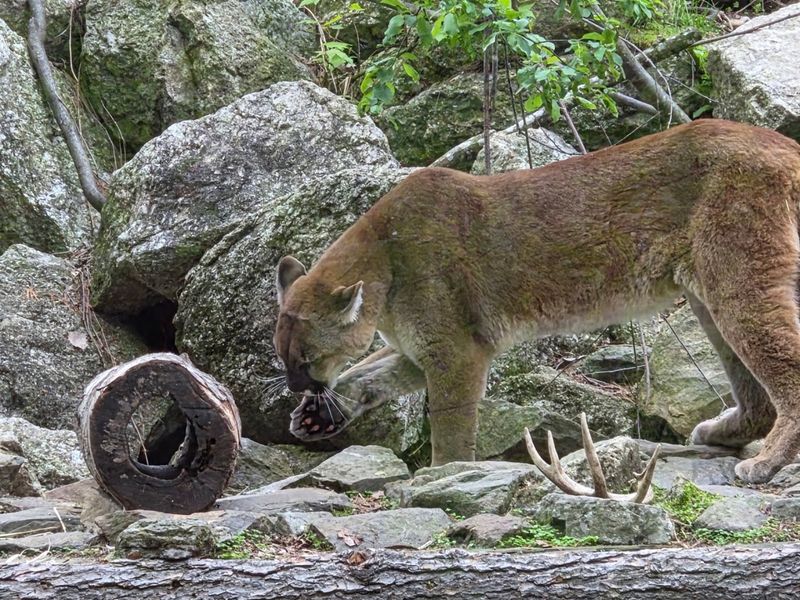
There is nothing quite like rounding a bend in a shaded forest trail and coming face to face with a black bear lounging in a sun-dappled clearing just a few yards away. That is a real possibility on the three-quarter-mile Live Animal Exhibit Trail, the beating heart of the Science Center experience.
Every animal living here is a non-releasable ambassador, meaning it arrived orphaned, injured, or otherwise unable to survive independently in the wild. Clear signage at each habitat explains exactly how each animal came to call this place home, which adds a layer of meaning that a typical zoo visit rarely provides.
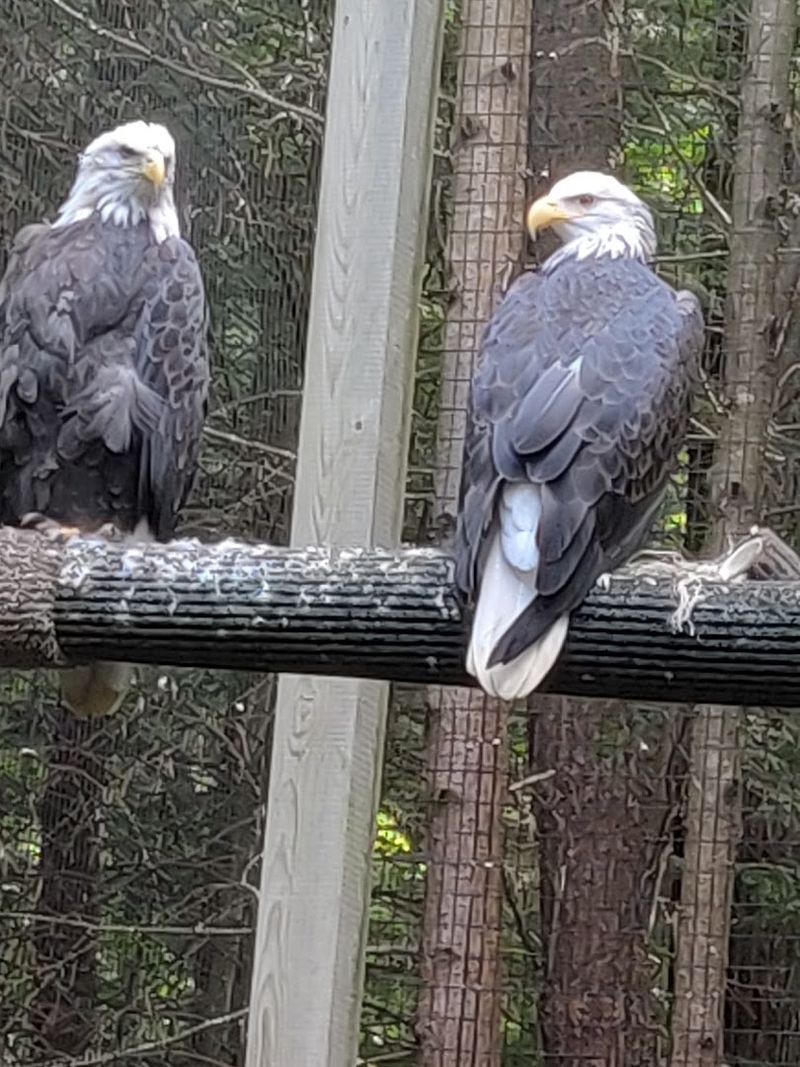
The trail introduces visitors to an impressive roster of native New Hampshire species: black bears, mountain lions, bobcats, coyotes, red and gray foxes, white-tailed deer, river otters, fishers, American minks, bald eagles, barred owls, great horned owls, painted turtles, snapping turtles, and more. Plan to spend at least two and a half hours here, and do not be surprised if you want more time.
Gliding Across Squam Lake on a Guided Cruise
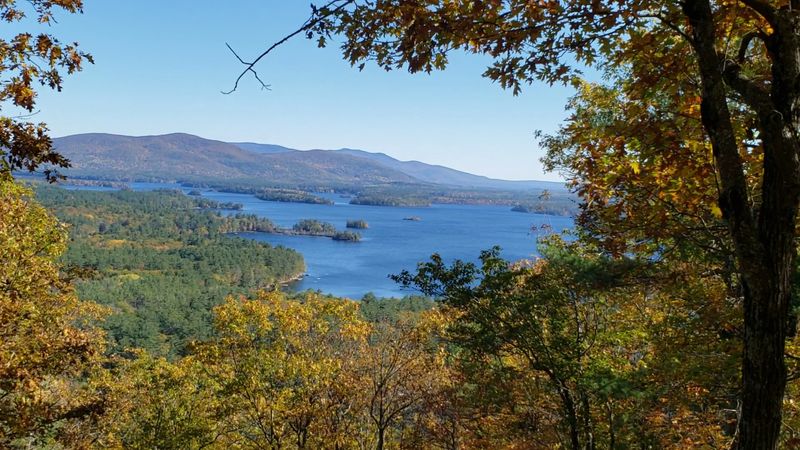
Squam Lake has a certain quiet authority that you feel the moment you step onto the water. The Science Center channels that feeling beautifully through its guided pontoon boat cruises, offered from May through October and led by knowledgeable naturalists who treat the lake as their classroom.
The 90-minute tours come in several flavors. The Loon Cruise focuses on New Hampshire’s iconic state bird, often bringing passengers close enough to hear the haunting, echoing calls that define summer in the Lakes Region. The Eagle Adventure cruise targets bald eagles, and sightings of these massive birds perched in lakeside trees are genuinely common.
The Discover Squam cruise covers the lake’s natural history, geology, and even shares stories from the filming of the 1981 classic “On Golden Pond,” which used Squam Lake as its scenic backdrop. Visitors have also spotted great blue herons during these outings. Reservations are strongly recommended, as these tours fill up quickly, especially on weekends and during peak summer season.
Kirkwood Gardens: Where Pollinators Run the Show
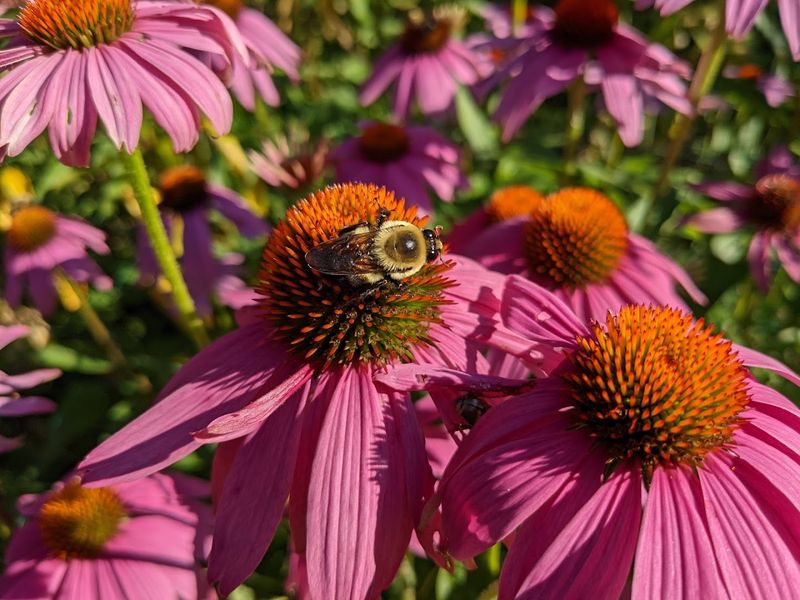
Tucked beside the historic Holderness Inn, Kirkwood Gardens operates on a simple but powerful philosophy: a beautiful garden and a thriving wildlife habitat are not competing ideas. Here, they are the same thing.
The plantings are chosen deliberately to support native pollinators, and the results are spectacular. Bees work methodically through clusters of blooms while butterflies drift between flowers in colors that seem almost too vivid to be real. Dragonflies hover over the garden’s water features with the kind of precision that makes you stop and stare.
A millstone fountain serves as both a visual centerpiece and a gentle water source, its soft bubbling providing the kind of ambient soundtrack that makes you want to find a bench and stay awhile. The garden is accessible whether you are mid-trail or arriving separately, making it a convenient stop for anyone in the area. It demonstrates, quietly but convincingly, that cultivated spaces and ecological richness can coexist with remarkable results.
Hiking Trails That Reward Curiosity at Every Turn
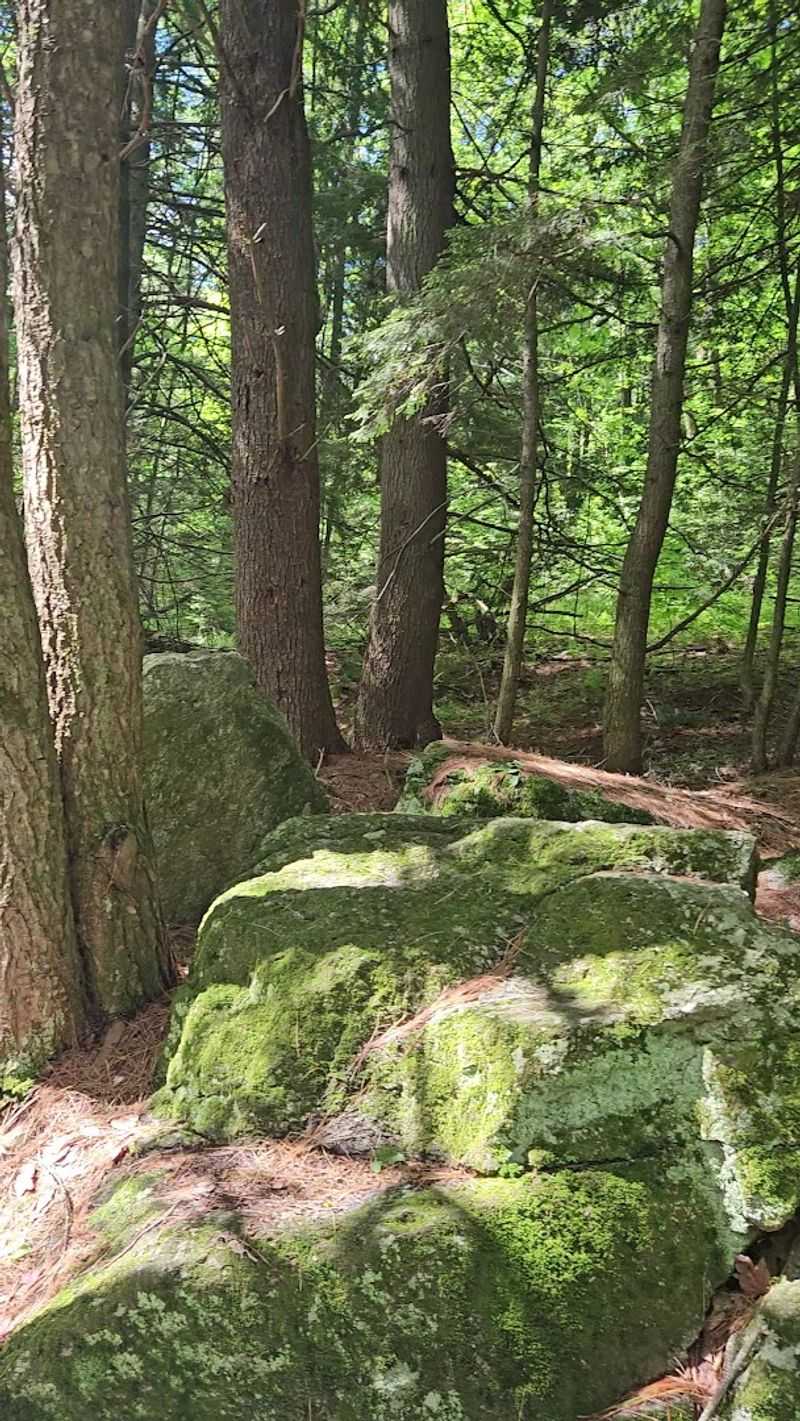
Beyond the main exhibit loop, the Science Center offers a network of hiking trails that reward anyone willing to explore a little further. These paths range from a manageable one-third of a mile to routes exceeding a mile, making it easy to calibrate the adventure to your energy level.
The Ecotone Trail earns its name by tracing the boundary where forest meets lake, a zone of remarkable biodiversity where species from two distinct habitats overlap. The Forest Trail takes a more reflective approach, guiding walkers through the history of the land and the ongoing processes of natural regeneration that have shaped it over generations.
For those with a taste for elevation, the Mt. Fayal Trail climbs to just over 1,000 feet, delivering sweeping views of Squam Lake that make every uphill step feel worthwhile. Some paths accommodate sturdy jogging strollers, though the more rugged routes are better suited to sure-footed hikers. Trail cameras placed throughout the campus have captured nearly a quarter-million images of wildlife moving through these woods after hours.
Hands-On Education That Actually Sticks
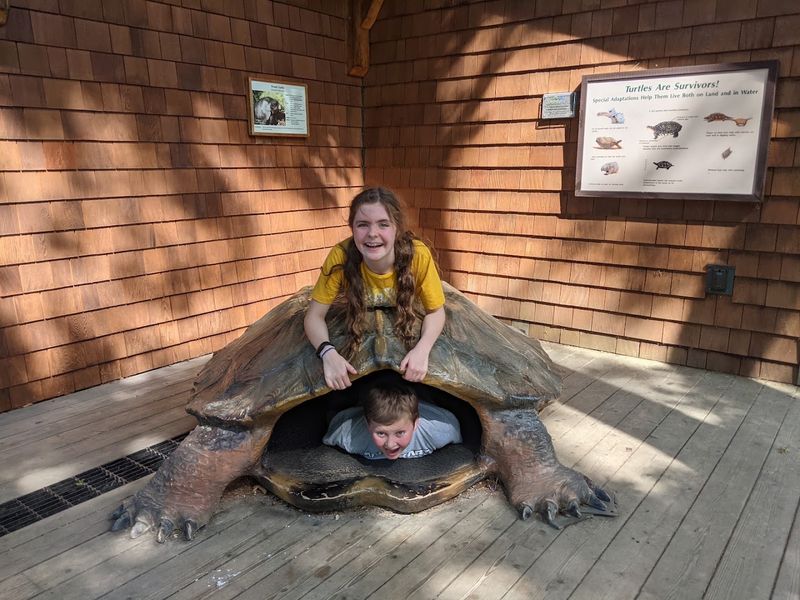
Most educational experiences ask you to read a panel and move on. The Science Center has a different approach, and the difference is immediately obvious the moment a child spots an interactive display and sprints toward it without any adult prompting.
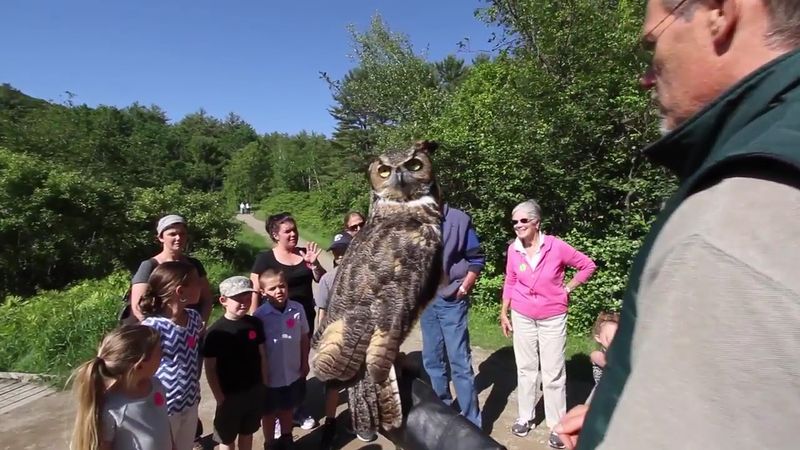
The Up Close to Animals presentations bring visitors face to face with species they would never otherwise encounter at close range, sometimes a porcupine, sometimes a skunk, always something memorable. Interactive stations along the trail invite kids to handle animal pelts, experiment with beaver dam construction, and engage with the predator-prey activity playground, which tends to generate a lot of enthusiastic running.
Live critter cameras offer real-time glimpses into the hidden lives of wildlife in New Hampshire and Maine, adding a tech-forward element that holds the attention of older visitors too. For the youngest learners, the Blue Heron School provides a Montessori-style early education program for children aged 3 to 6, built around daily outdoor exploration. The center also runs summer camps, school programs, homeschool curricula, and community outreach initiatives.
Conservation Work Happening Right Under Your Feet
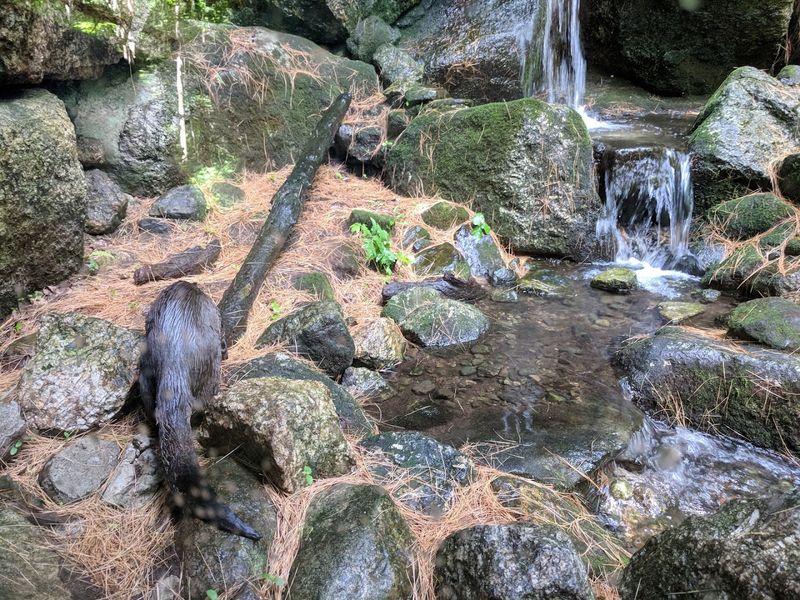
The animals along the trail are the most visible part of what happens at the Science Center, but a quieter, equally important effort runs parallel to every visitor experience. Conservation and research are woven into the daily fabric of the place in ways that are easy to overlook unless you know where to look.
Dozens of trail cameras placed across the 200-plus-acre campus operate around the clock, capturing close to a quarter-million images and videos of wild animals moving through the property. That data feeds into long-term ecological monitoring projects that involve staff, volunteers, students, and community members working side by side.
The center’s citizen science programs create genuine partnerships between professional researchers and everyday nature lovers, building both knowledge and a broader conservation ethic among participants. Informational signs throughout the exhibit trail explain not just what each animal is, but why it matters and what threatens it in the wild. By the time most visitors reach the end of the trail, they leave with something more than photographs.
Special Events That Make Every Season Worth Visiting
A calendar packed with distinctive events means there is rarely a bad time to visit, and repeat visitors often time their trips around a favorite annual program. The center layers special experiences on top of its everyday offerings throughout the season.
Loon Day, typically held in mid-July, celebrates New Hampshire’s iconic state bird with focused programming, expert talks, and an energy that draws dedicated bird enthusiasts from well beyond the Lakes Region. The Raptor Migration Celebration in mid-September turns the autumn sky into the main attraction, with staff helping visitors interpret the movement of hawks and other birds of prey overhead.
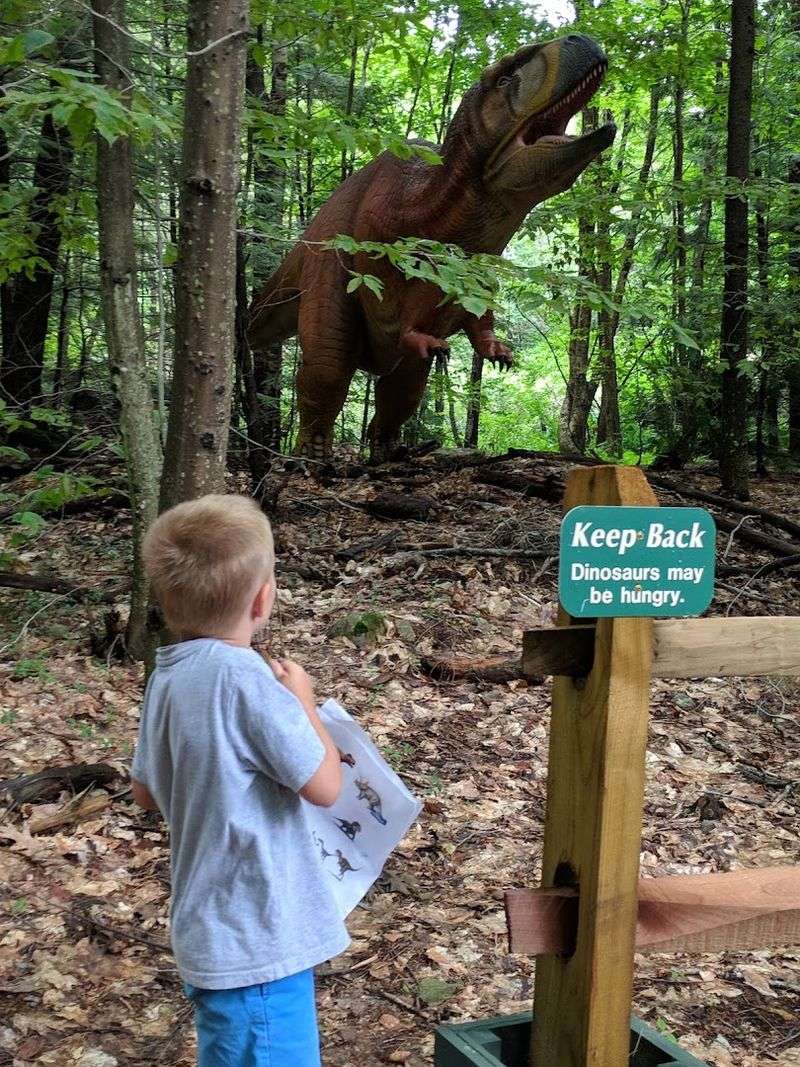
Temporary exhibits add an element of surprise from year to year. The Dinosaurs Return installation, featuring large animatronic dinosaurs placed along the forested trail, proved wildly popular and offered a genuinely unexpected contrast to the living animals nearby. The center also runs small-group nature travel tours to destinations including the Scottish Highlands and New Mexico, led by the executive director and designed for travelers who want unhurried, expert-guided wildlife experiences.
Practical Tips for Getting the Most Out of Your Visit
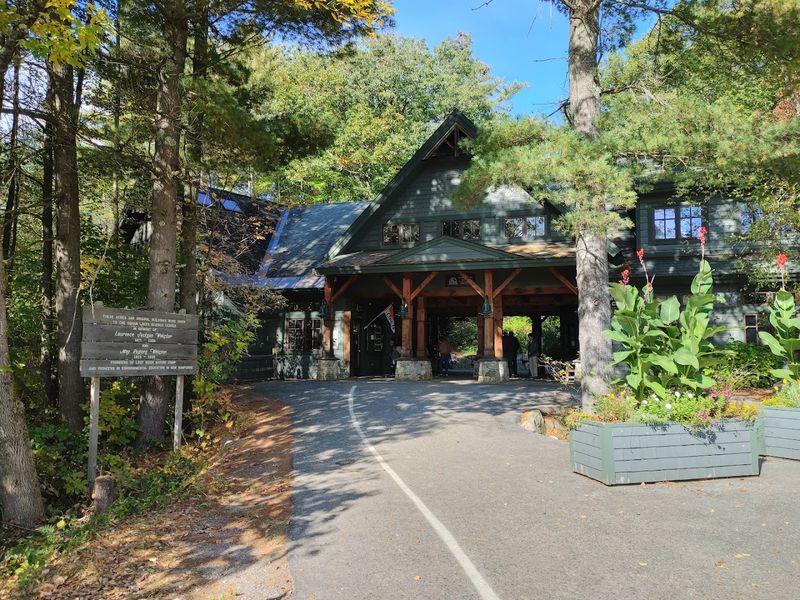
A little planning goes a long way here, and a few simple strategies can transform a good visit into a great one. The Science Center is open daily from May 1 through November 1, with gates open from 9:30 AM to 5:00 PM and last trail admission at 3:30 PM.
Admission runs $30 for adults, $28 for seniors 65 and older, and $24 for youth ages 3 to 15. Children under 2 are free. Library Membership Passes from participating libraries reduce admission to $15 per person for up to four visitors, and SNAP, EBT, and WIC participants pay just $3 per person, making the center genuinely accessible to a wide range of families.
Arriving early on weekdays tends to mean shorter lines and more active animals, especially around feeding times. Bringing a packed lunch is a smart move since a shaded picnic area is available on-site. The center is also a Certified Sensory Inclusive facility through KultureCity, with sensory bags containing noise-canceling headphones and visual cue cards available at the admissions desk.
Why This Lakeside Sanctuary Stays With You Long After You Leave
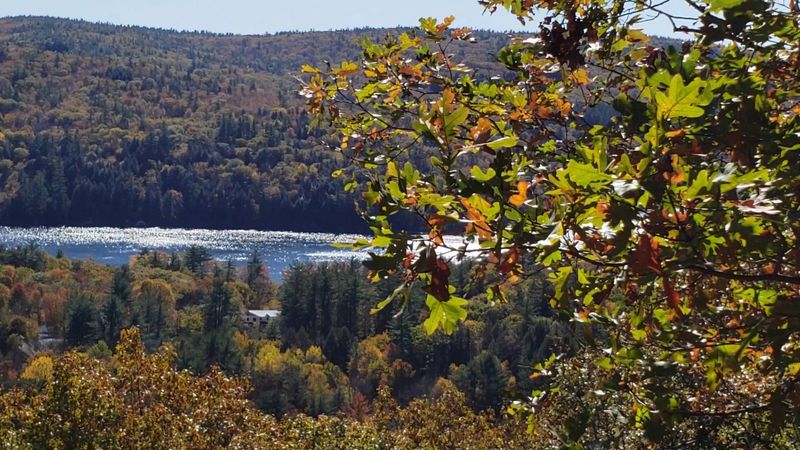
There is a particular quality to the atmosphere at this place that is difficult to articulate and easy to feel. The combination of pristine lakeside scenery, native wildlife living in naturalistic habitats, and genuinely committed staff creates something that functions differently from a typical day trip.
Visitors who come expecting a zoo leave having experienced something closer to a guided immersion in New Hampshire’s ecological identity. The animals are real ambassadors for their species, the landscapes are authentic, and the educational content is substantive without ever feeling like homework.
A 4.7-star rating across more than 1,500 reviews reflects a consistency that is hard to manufacture and easy to recognize the moment you arrive. Families return season after season, often discovering that the center has grown and added something new since their last visit. Whether you are a lifelong nature enthusiast or someone who simply wants a beautiful day outdoors, the Squam Lakes Natural Science Center delivers an experience that lingers in the memory long after the drive home.
Share this story