 Unearth The Voyage
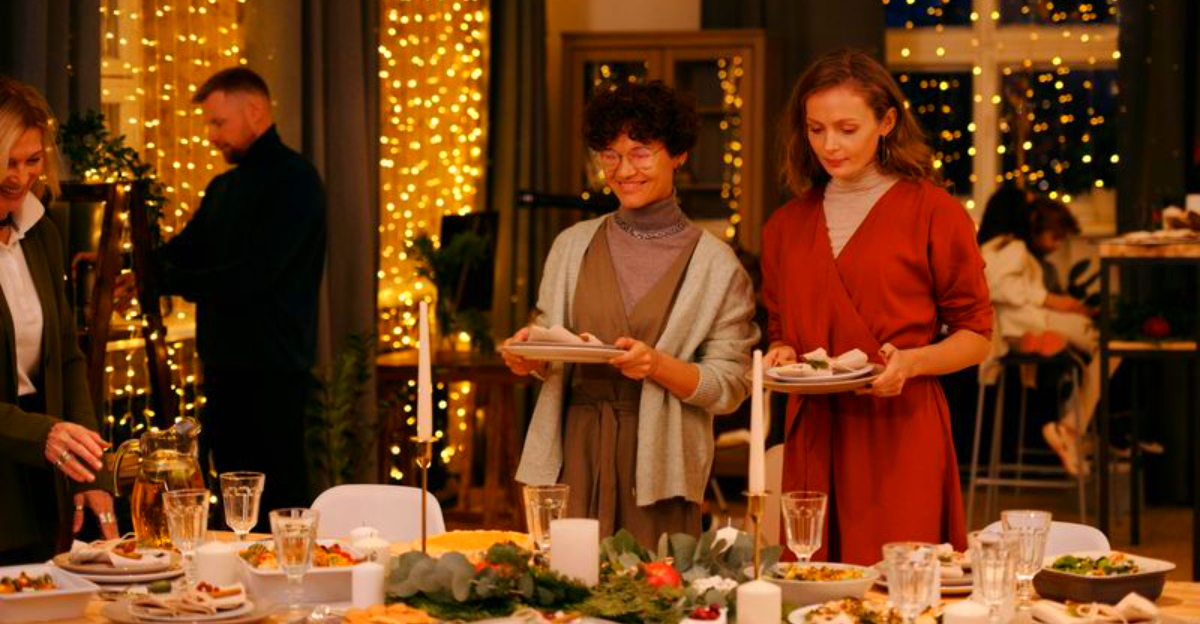
Holiday traditions have been passed down through generations, but not all of them make sense anymore. Many old-fashioned etiquette rules feel stiff, outdated, and out of touch with how we actually celebrate today. It’s time to let go of the pressure to follow every formal guideline and embrace what truly matters: connection, comfort, and joy.
1. Assigned Seating Is a Must
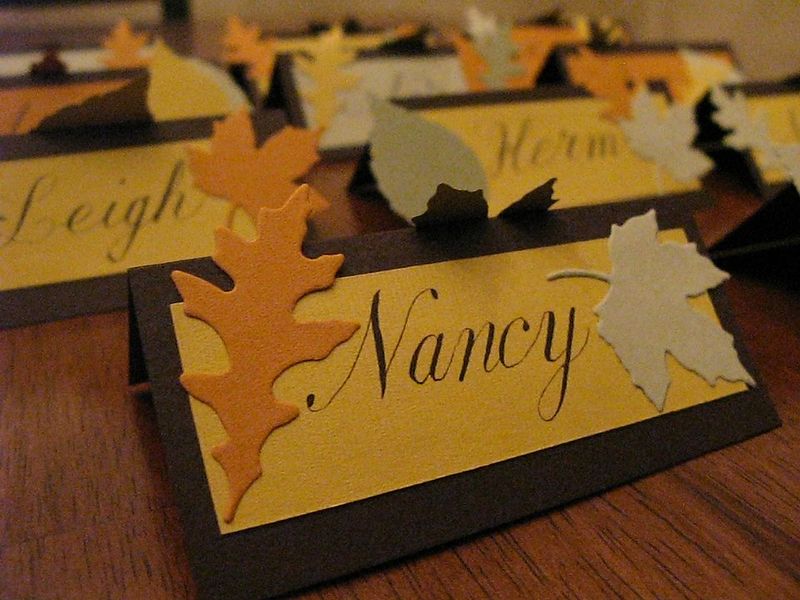
Old etiquette insisted on formal place cards and strict seating arrangements, but many modern hosts prefer open seating so guests can choose who they’re comfortable with. Formal seating charts were designed to balance conversation and status, but today they can feel controlling and awkward.
Letting people sit where they want creates a more relaxed atmosphere. Guests can mingle with friends or family members they actually enjoy talking to. Nobody wants to spend two hours next to someone they barely know or don’t get along with.
Some hosts still use assigned seating for very large gatherings to manage space, and that’s okay. But for most family dinners and friend gatherings, open seating works better. It shows trust in your guests to make good choices. Plus, it saves you the stress of trying to figure out who should sit where.
2. The Kids’ Table Is Mandatory
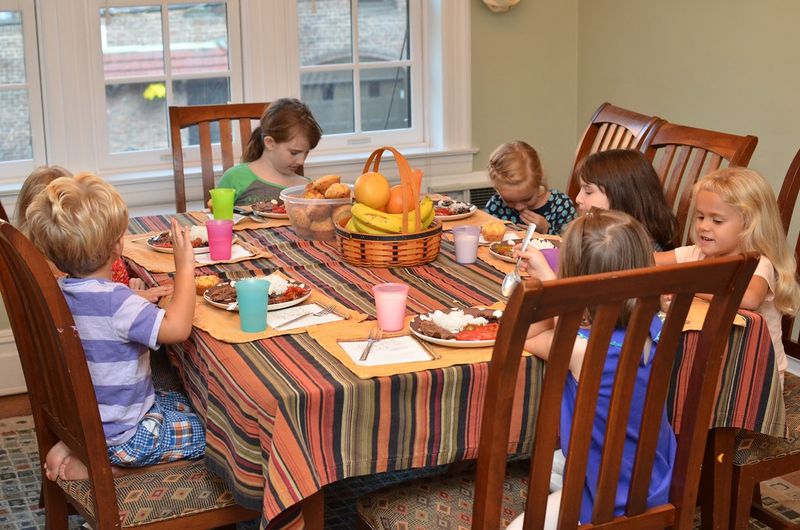
Once a staple of holiday meals, relegating children, especially older kids and young adults, to a separate table is now seen as unnecessary and even alienating in many families. The kids’ table made sense when space was tight, but it often made younger family members feel excluded or less important.
Teenagers and young adults especially dislike being grouped with small children. It can feel insulting and dismissive. Many families now mix ages at the main table, which helps everyone feel included and valued.
Younger kids might still enjoy sitting together where they can be silly and relaxed. But forcing this arrangement on everyone isn’t necessary anymore. Flexible seating that respects age and maturity works better. When everyone sits together, conversations become richer and more interesting. Grandparents can chat with grandkids, and everyone feels like part of the celebration.
3. You Must Use Fine China
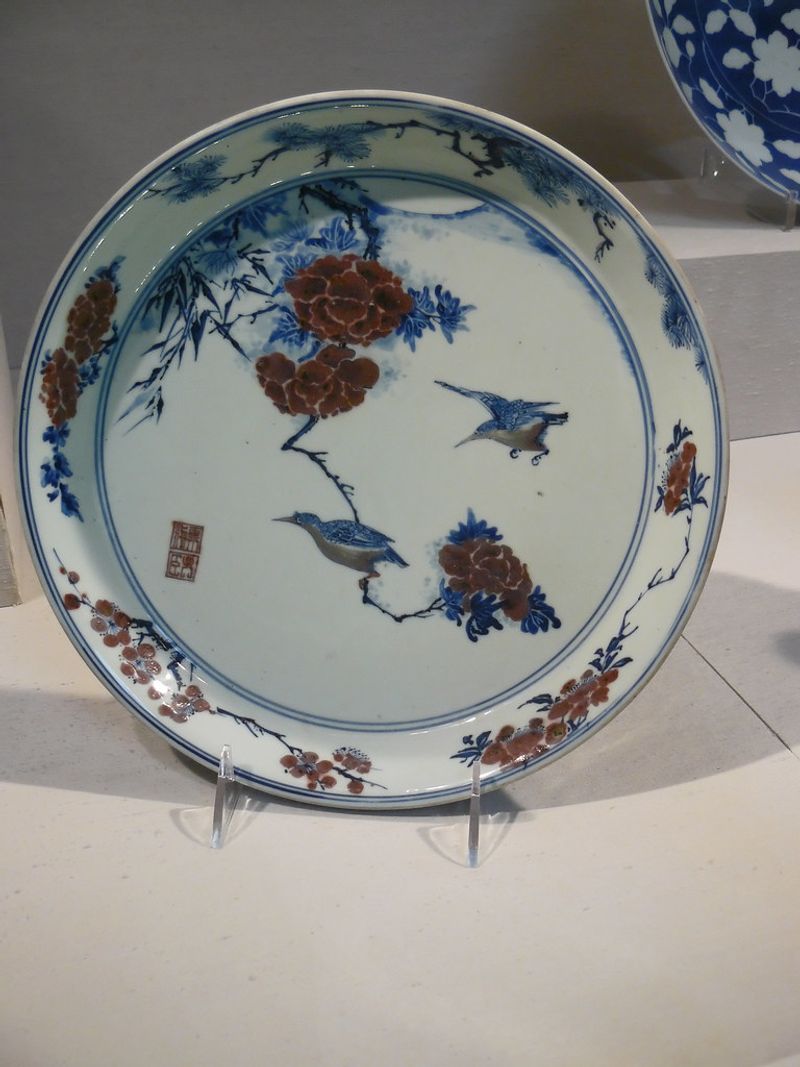
Using heirloom dishes was once a point of pride, but contemporary hosts often choose convenience and comfort over fragile, formal sets. Fine china requires careful handling, handwashing, and constant worry about chips or cracks. That stress can take away from enjoying the holiday.
Modern dishware is beautiful, durable, and dishwasher-safe. Many hosts prefer practical plates that won’t break if a kid drops one. Plus, mismatched or casual dishes can look charming and create a relaxed vibe.
If you love your fancy china and enjoy using it, go ahead. But there’s no rule saying you have to. Holidays should be about togetherness, not about impressing people with expensive dishes. Your guests care more about good food and warm company than what it’s served on. Choosing comfort over formality makes hosting easier and more enjoyable for everyone involved.
4. Guests Should Never Bring Food or Drinks
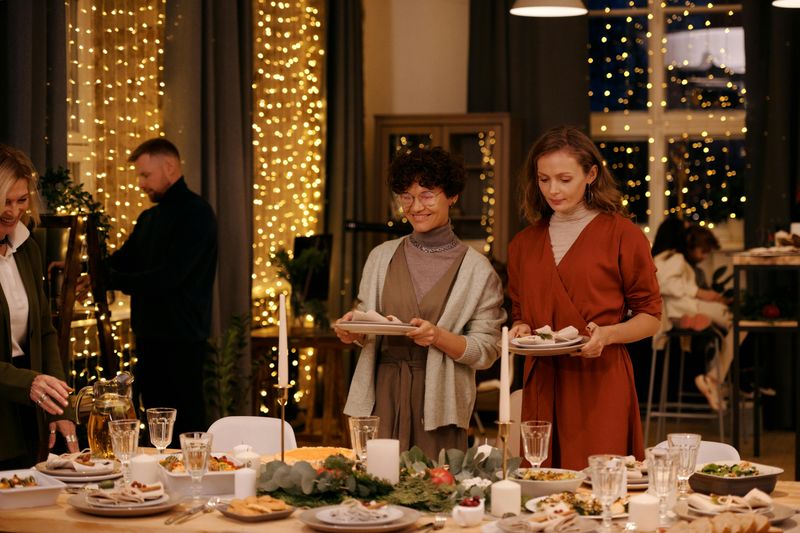
Traditional etiquette frowned on guests contributing food, but today it’s widely acceptable and often helpful for guests to bring a dish or beverage. The old rule suggested that bringing food implied the host couldn’t provide enough, which seems silly now.
Potluck-style gatherings have become popular because they reduce stress on the host. Everyone contributes something, and the meal becomes a shared effort. It also means more variety and less pressure on one person to do everything.
Many hosts actually appreciate when guests offer to bring something. It shows thoughtfulness and willingness to help. Just make sure to ask first rather than showing up with surprise dishes. Coordinate what you’ll bring so there aren’t five desserts and no side dishes. This approach builds community and makes everyone feel like they’re part of the celebration, not just passive attendees.
5. Everyone Must Send Physical Holiday Cards
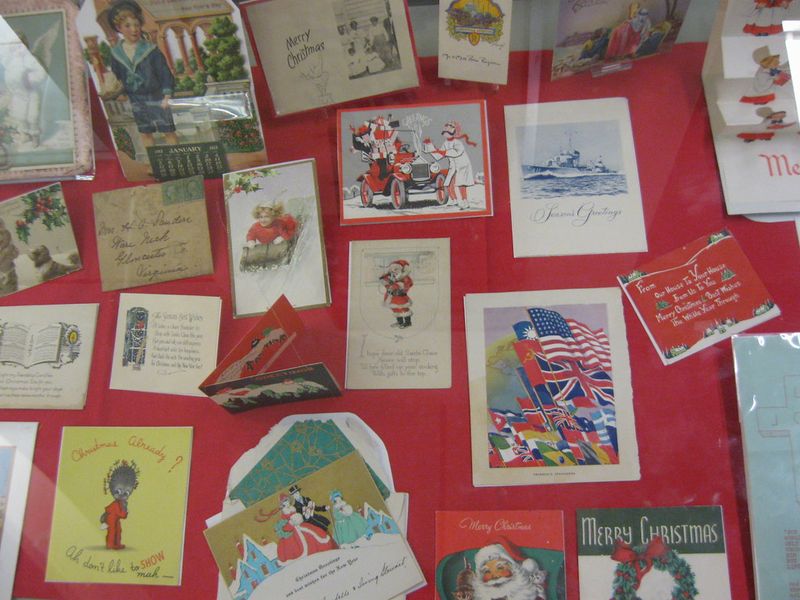
Handwritten cards used to be expected, but digital greetings like texts, e-cards, and social media messages are now perfectly polite alternatives. Physical cards are lovely, but they require time, money, and effort that many people simply don’t have during the busy holiday season.
Digital messages are instant, eco-friendly, and often more personal. You can include photos, videos, or heartfelt messages without worrying about postage or lost mail. Plus, they’re easier to send to friends and family who live far away.
Some people still enjoy sending traditional cards, and that’s wonderful. But there’s no shame in choosing digital options instead. What matters is the thought and connection, not the format. A genuine text message or email can mean just as much as a fancy card. The goal is staying in touch, not following outdated formalities that add unnecessary stress to your holiday to-do list.
6. Regifting Is Always Bad Manners

Regifting, when done thoughtfully, is no longer universally seen as rude and can even be practical and eco-friendly. The old stigma around regifting suggested it was cheap or disrespectful, but attitudes have changed as people become more conscious of waste.
If you receive something you won’t use, why let it collect dust? Passing it along to someone who’ll appreciate it makes sense. It’s sustainable and prevents perfectly good items from going to waste.
The key is being thoughtful about it. Make sure the gift is appropriate for the new recipient and in perfect condition. Never regift something from the same social circle, and always remove old gift tags. When done right, regifting is a smart way to share joy without spending more money or creating waste. It’s about finding the right home for the right gift, not about being lazy or insincere.
7. Formal Dress Is Required
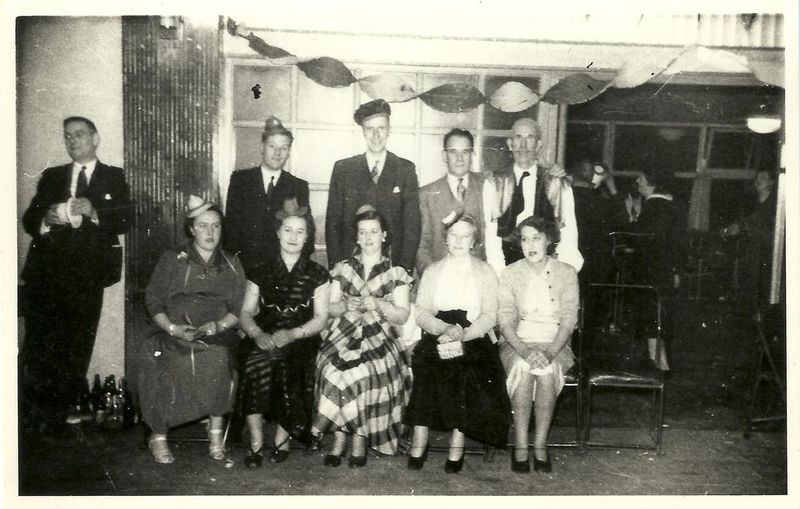
Holiday gatherings used to demand dressier attire, but today many hosts embrace comfort and casual styles, especially for family celebrations. Formal dress codes made sense for fancy parties, but they can feel unnecessarily stuffy for relaxed get-togethers.
Comfortable clothing helps people relax and enjoy themselves. Nobody wants to spend hours in tight shoes or uncomfortable outfits. Casual dress codes also make gatherings more inclusive for people who can’t afford or don’t own fancy clothes.
Some events still call for dressier outfits, like holiday galas or religious services, and that’s fine. But for everyday family dinners, comfort should win. A cozy sweater and jeans work just as well as a cocktail dress. The focus should be on spending time together, not on what everyone’s wearing. When people feel comfortable, they’re more likely to have a good time and create meaningful memories together.
8. You Can’t Decline Invitations
The idea that saying no to a holiday invite is rude has faded. Communicating kindly but declining when overwhelmed is now widely accepted. Old etiquette made people feel guilty for prioritizing their own needs, which led to burnout and resentment.
It’s perfectly okay to turn down invitations if you’re tired, busy, or simply need time to recharge. Honest communication is healthier than forcing yourself to attend events you’ll resent. Most hosts understand and appreciate when guests are upfront about their limits.
The key is declining graciously. Thank the host for thinking of you, explain briefly if you’re comfortable, and suggest connecting another time. You don’t owe anyone a detailed explanation. Protecting your mental health and energy is important. Saying no to some invitations means you can say yes to others with genuine enthusiasm. Quality time beats quantity every time, and good friends will understand your choices.
9. You Must Always Eat Everything on Your Plate
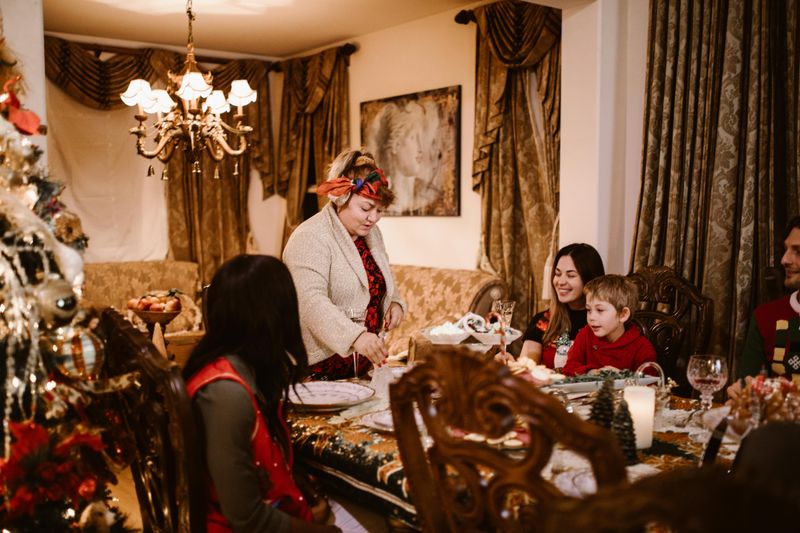
Rigid rules about finishing every dish have relaxed. Mindful eating and respecting preferences or dietary needs are considered more important now. The old clean-plate rule came from times when food was scarce, but it doesn’t fit modern understanding of health and nutrition.
Forcing yourself to overeat just to be polite isn’t healthy. Listening to your body and stopping when you’re full makes more sense. Plus, many people have food allergies, dietary restrictions, or simply don’t like certain dishes.
Hosts should understand that not everyone will eat everything offered. Guests shouldn’t feel pressured to stuff themselves to avoid offense. Taking smaller portions and going back for seconds if you’re still hungry works better than loading your plate and wasting food. What matters is enjoying the meal at your own pace and comfort level. Respecting individual choices around food creates a more welcoming and inclusive holiday atmosphere for everyone at the table.
10. Men Must Always Initiate Greetings
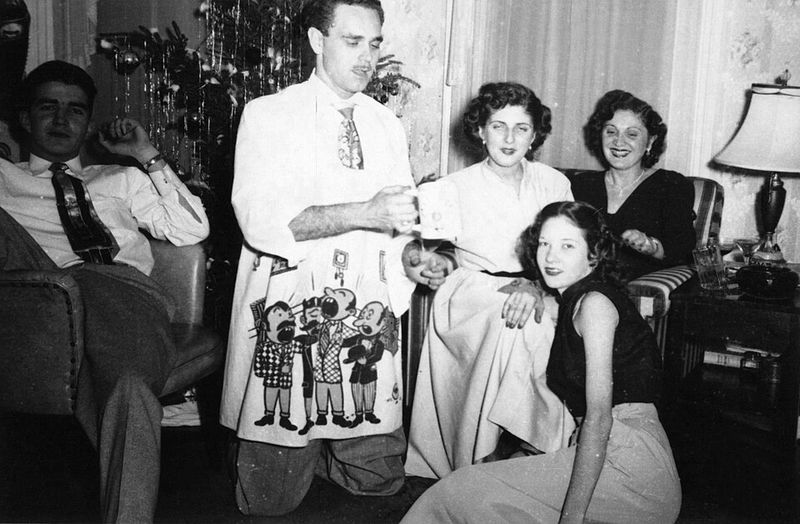
Gender-based etiquette like waiting for a woman to offer her hand before shaking is now widely seen as outdated. Anyone can initiate polite greetings. These old rules were rooted in outdated ideas about gender roles that don’t reflect how people interact today.
Modern etiquette is about mutual respect, not rigid gender roles. Women can extend their hand first, open doors, or take the lead in conversations. Men don’t need to wait for permission to be friendly and polite.
Treating everyone equally regardless of gender makes social interactions simpler and more genuine. It removes awkward moments where people aren’t sure who should do what. Just be friendly, respectful, and treat everyone the same way. A warm greeting, firm handshake, or friendly wave works for anyone. Letting go of gender-based rules helps create more authentic connections and removes unnecessary pressure from social situations during the holidays and beyond.
11. Fine Dining Rules Apply Everywhere
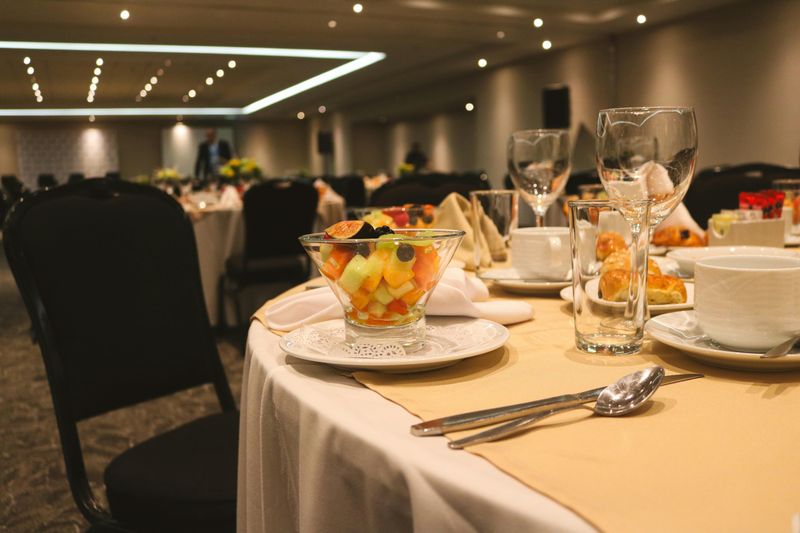
Strict rules like needing a fork and knife for every food are relaxed at casual gatherings where handheld foods are normal. Fine dining etiquette has its place at fancy restaurants, but applying those rules to every meal is excessive and impractical.
At casual holiday parties, finger foods, appetizers, and buffet-style meals are common. Nobody expects you to eat chicken wings or sliders with a knife and fork. Using your hands is perfectly acceptable and often easier.
The goal of holiday gatherings is comfort and connection, not performing perfect table manners. Of course, basic courtesy like chewing with your mouth closed and using napkins still matters. But obsessing over which fork to use or how to hold your knife creates unnecessary stress. Different settings call for different levels of formality. Matching your behavior to the situation makes more sense than following rigid rules everywhere. Relax, enjoy your food, and focus on the company around you instead.
12. Emotional Boundaries Aren’t Discussed

Older etiquette assumed holiday gatherings should be relentlessly cheerful. Modern norms recognize that discussing stress, boundaries, and needs respectfully is okay. Pretending everything is perfect when it isn’t creates tension and prevents genuine connection.
It’s healthy to acknowledge when you’re feeling overwhelmed or need space. Talking openly about limits helps prevent conflicts and misunderstandings. For example, telling family you need a break from certain topics or activities isn’t rude—it’s self-care.
Setting boundaries doesn’t mean being cold or unfriendly. It means being honest about what you can handle. Most people appreciate clarity rather than guessing what’s wrong. Creating space for real conversations, even difficult ones, makes relationships stronger. Holidays can be stressful, and acknowledging that reality helps everyone feel less alone. When people feel safe expressing their needs, gatherings become more authentic and enjoyable. Emotional honesty beats forced cheerfulness every time.
13. You Must Attend Every Holiday Event

Busy lives and packed calendars mean it’s fine to prioritize outings that fit your wellbeing rather than attending every invite. The expectation to show up at every single holiday event leads to exhaustion and resentment, not joy.
Quality matters more than quantity. Choosing a few meaningful gatherings and giving them your full attention is better than rushing through dozens of events. You’ll enjoy yourself more and make better memories.
It’s okay to skip events that don’t align with your values, energy level, or schedule. You’re not obligated to attend just because you were invited. Being selective about your commitments shows self-awareness and respect for your own limits. Hosts would rather have enthusiastic guests than tired, resentful ones. Prioritizing your mental and physical health isn’t selfish—it’s necessary. When you attend events you genuinely want to be at, you bring better energy and create more meaningful connections with the people there.
14. Politics and Controversial Topics Are Always Taboo
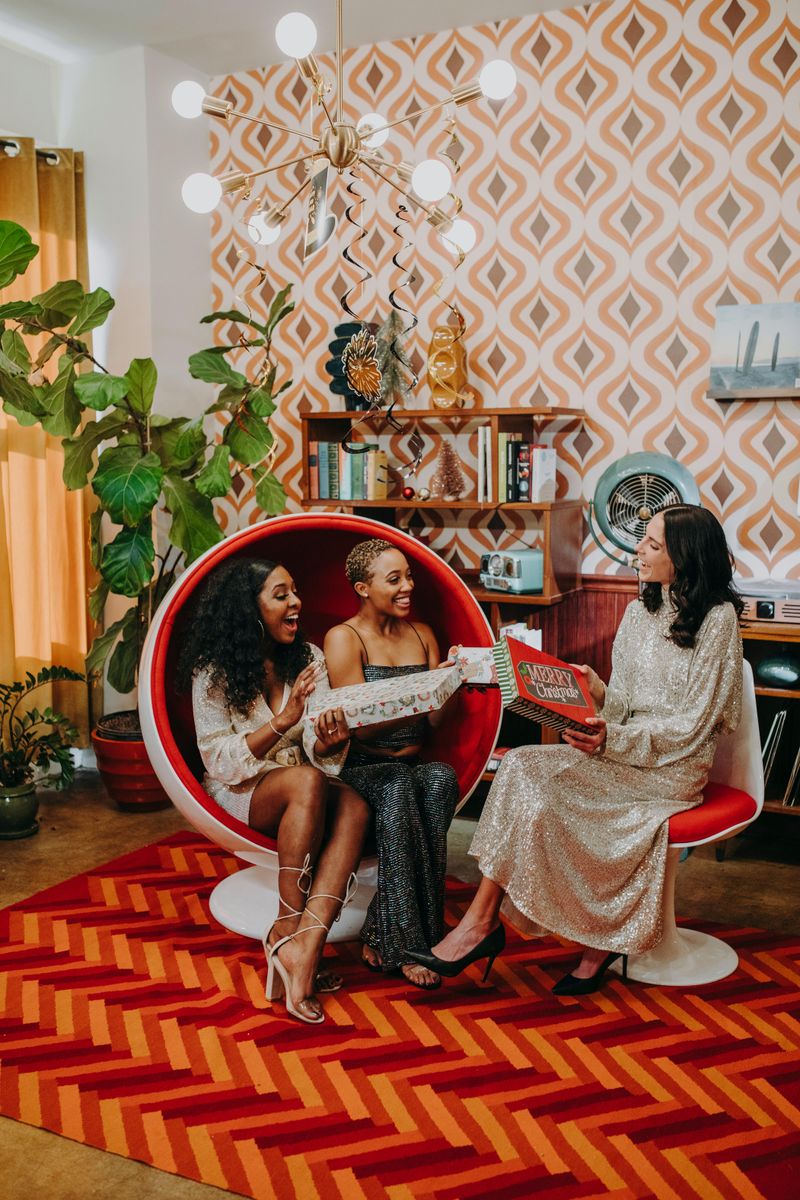
While some still prefer light conversation, many households openly discuss meaningful topics respectfully. The no politics rule isn’t universal anymore. Avoiding important subjects can make conversations feel shallow and disconnected from real life.
Many people want to talk about things that matter to them, including current events and social issues. When done with respect and genuine curiosity, these conversations can be enriching. The key is listening, not just waiting to argue.
Of course, reading the room matters. If discussions become heated or hurtful, it’s wise to change topics. But blanket bans on certain subjects can feel restrictive and inauthentic. Families who can disagree respectfully often have stronger relationships. Not every gathering needs deep discussions, but they shouldn’t be automatically off-limits either. Creating space for meaningful dialogue shows trust and respect. The goal is connection, whether through lighthearted banter or thoughtful debate. Balance and mutual respect make the difference.
15. Dress Codes Are Always Formal

Formal attire used to be standard for many holiday gatherings. These days, comfort and personal expression have largely replaced strict dress codes. Unless the invitation specifically requests formal wear, most hosts are fine with guests wearing what makes them comfortable.
The shift toward casual dress reflects broader cultural changes. People value authenticity and comfort over stuffy formality. Wearing what makes you feel good helps you relax and enjoy yourself more fully.
Some events, like holiday galas or religious ceremonies, still call for dressier clothes, and that’s appropriate. But for typical family dinners or friend gatherings, there’s no need to stress about formal outfits. A nice sweater, clean jeans, or a simple dress work perfectly well. The focus should be on celebrating together, not on impressing anyone with expensive clothes. When dress codes are relaxed, gatherings feel more welcoming and inclusive. Everyone can participate without worrying about whether they own the right outfit.



