 Unearth The Voyage
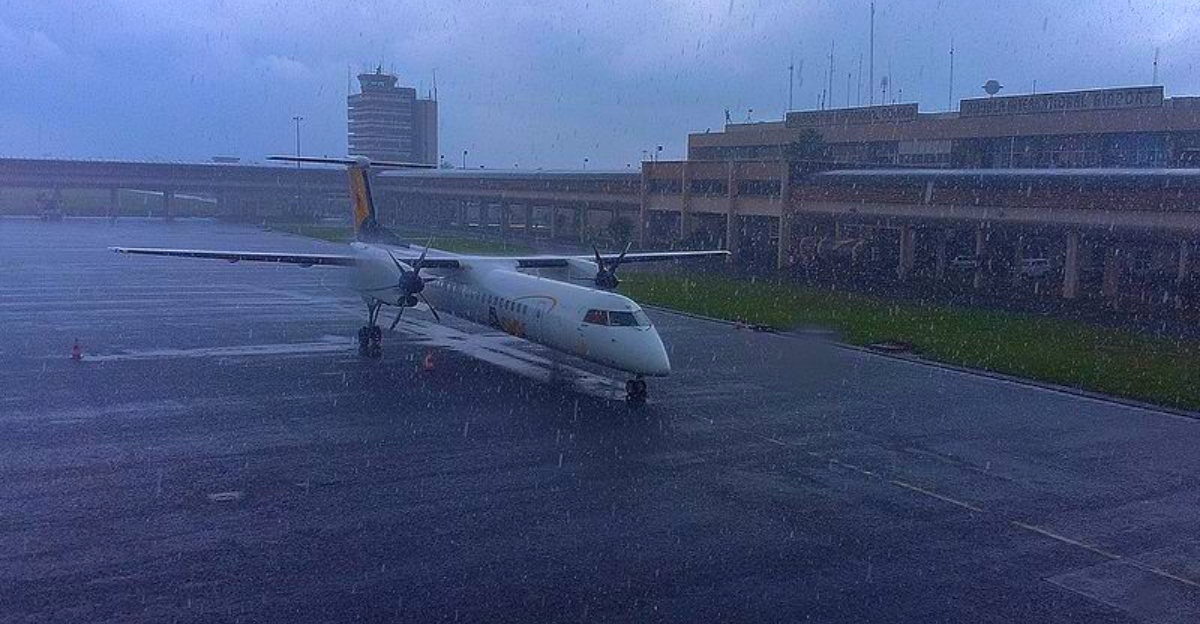
Holiday plans are running into a wall of rain, wind, and leftover snow across the Eastern U.S. If you are hitting the road or heading to the airport, the timing could not be trickier. Bands of downpours and gusty winds are teaming up with slick leftovers from the weekend storm to slow everything down.
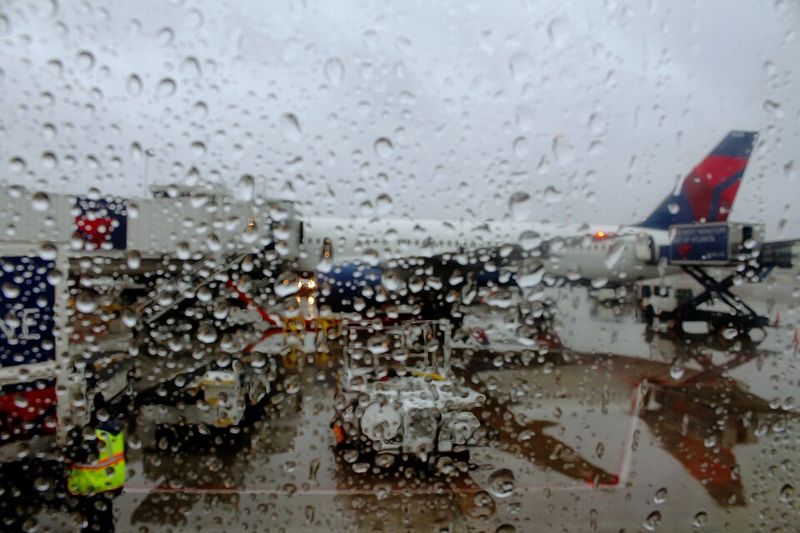
Major hubs from New York City to Philadelphia are still digging out from snow, then pivoting to wind and rain that snarl ground ops. You could see ground stops, deicing delays, and rolling gate changes. Build in buffers and know your plan B.
Check airline alerts, same day change policies, and waiver windows before leaving home. Screenshot your confirmation and bag tags. If a cancellation hits, immediately rebook via the app while calling customer service.
Target earlier flights with more recovery options. Carry on essentials, chargers, and meds. Even when skies look clearer, residual crew and aircraft imbalances can ripple through schedules.
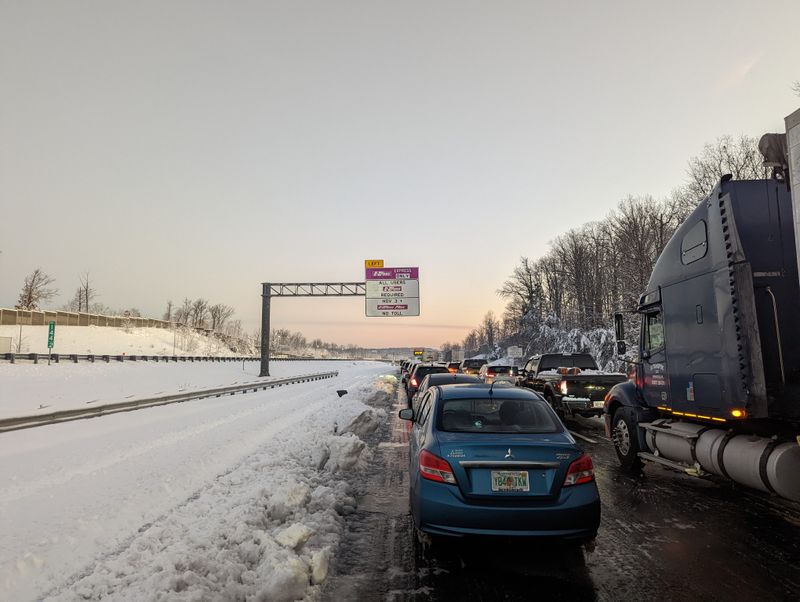
Expect standing water, hydroplaning risk, and sudden visibility drops as bands of rain sweep the I-95 spine. Gusts can shove high profile vehicles and push debris onto lanes. Slow down, increase following distance, and watch for ponding near exits.
Use headlights in rain, not hazards while moving. Keep wipers fresh and tires properly inflated. Avoid cruise control on wet roads.
North of the urban core, pockets of colder air may glaze bridges. Carry an ice scraper, reflective vest, and small shovel. If conditions worsen, bail for a safe rest stop and reassess routing.
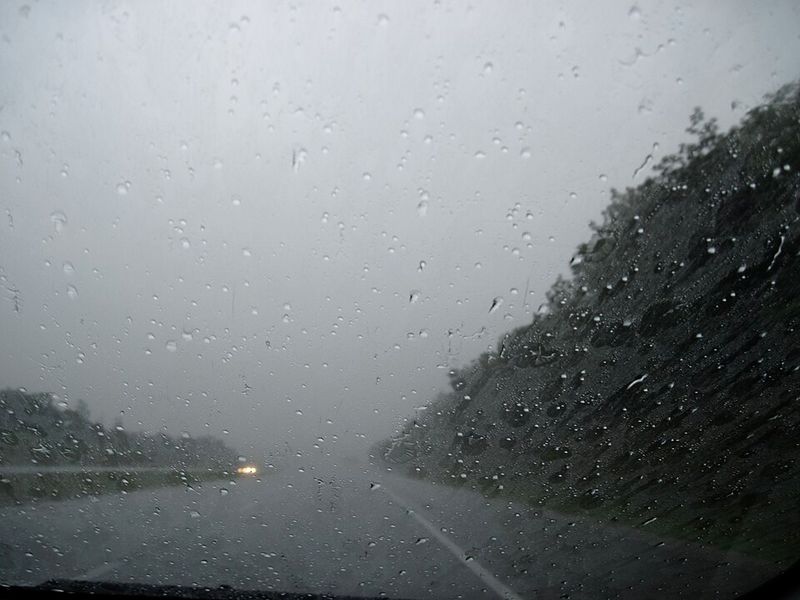
Heaviest rain concentrates along coastal and piedmont zones with training showers that overwhelm drains. Urban flooding is likely near low lying interchanges, underpasses, and river adjacent neighborhoods. Inland, saturated soils plus gusts mean tree falls and scattered outages.
Coastal stretches can see minor tidal flooding as onshore flow coincides with high tide cycles. Secure loose holiday decorations and yard items. Park on higher ground if your street floods easily.
Track your local river gauge and wind advisories. If water covers the road, turn around. Power blips remain possible until soils drain and winds relax.
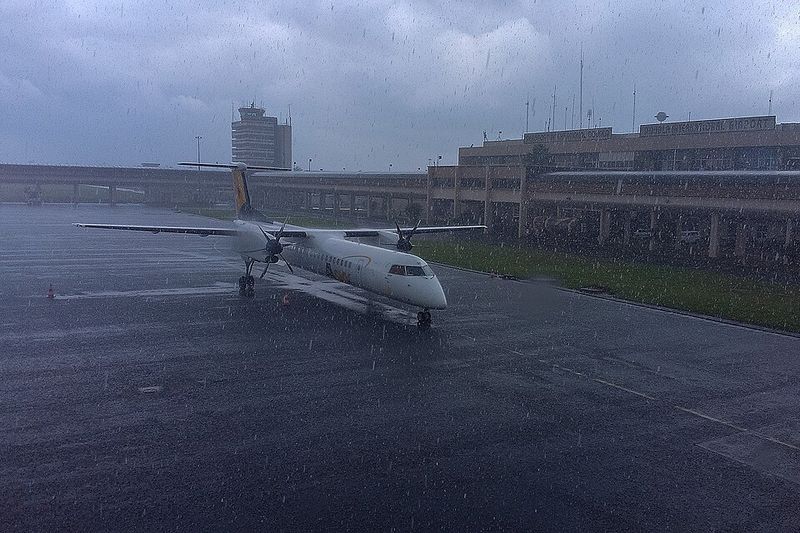
Set push alerts in your airline app for gate changes, boarding, and irregular operations. Add your trip to FlightAware and watch inbound aircraft status. If your inbound is delayed, your outbound likely slips too.
Pair radar with traffic apps showing incidents and flooded road closures. Use DOT cameras to verify conditions in real time. Save hotline numbers for carriers and roadside assistance.
Build automation: calendar reminders for check in, shortcuts to waiver pages, and saved fare rules. When disruptions hit, speed wins. You will beat the rush by acting before mass notifications land.
Book earlier departures and avoid tight connections. Pick nonstop flights where possible to reduce misconnects. If traveling by car, schedule daylight drives to dodge the worst glare and fatigue.
Pack a delay kit: snacks, water bottle, medications, layers, power bank, and small first aid. Keep paper copies of reservations in case of outages. Share your live location with family.
Consider shifting a day if waiver windows open. Flexible lodging with 24 hour cancellation can save money and stress. The goal is simple: arrive safe, maybe later, but with your holiday spirit intact.



