 Unearth The Voyage
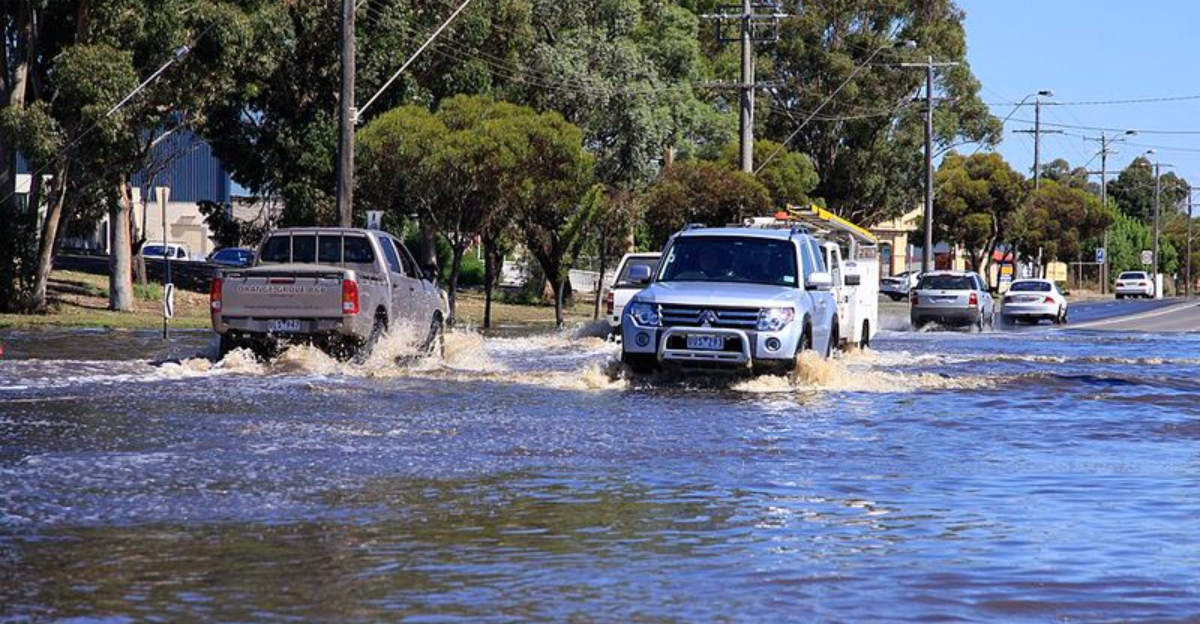
Flooded roads can turn a routine drive into a life threatening situation in seconds. Even a shallow sheet of moving water can hide road damage and sweep a vehicle off course. If you have ever wondered whether it is safe to push through, the answer is almost always no. Here is what you need to know to make the safest choice when storms hit and water rises.
Flooding kills more people in the United States than any other weather hazard, and most victims are in vehicles. Six inches of fast moving water can knock an adult off balance, and one foot can sweep away a small car. Bigger vehicles are not invincible, because flowing water lifts tires, reduces traction, and pushes hard.
Floodwater hides sinkholes, washed out pavement, nails, tree branches, and downed power lines. At night or in heavy rain, you cannot judge depth or the speed of the current with your eyes alone. What looks shallow may mask a current strong enough to push thousands of pounds of force.
Once a vehicle floats, steering and brakes become useless, and rescue grows risky for everyone. First responders often face delays and hazards that put their lives on the line. The simplest life saving rule is also the most effective: never drive into floodwater, no matter how shallow it seems or how rushed you feel.
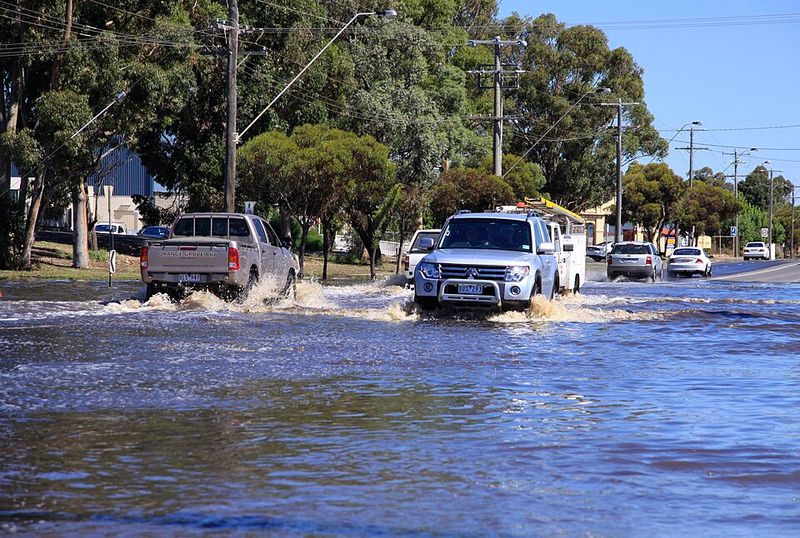
The National Weather Service created Turn Around, Do not Drown because it saves lives. Over half of flood related vehicle deaths happen when drivers bypass barricades or try to cross water. Even if a road looks passable, conditions upstream can change quickly and send a surge your way.
Moving water exerts massive force, stripping traction and turning your car into a powerless raft. Once tires lose grip, braking and steering do not respond the way you expect. Barricades are not inconveniences, they are warnings placed where danger has already been confirmed.
Choose the detour, even if it adds time, because getting home late beats not getting home. Law enforcement can fine drivers for going around closures, but the real cost can be your life or a rescuer’s. Make a habit of turning around the moment you see water or a sign, and you will avoid the worst outcomes.
If you approach floodwater, stop, turn around, and take an alternate route. Do not inch forward to test depth, because the current can grab your vehicle faster than you think. Re route with a calm mindset and check alerts for safer crossings.
If your engine stalls in water, exit immediately if it is safe, and head for higher ground. Leave the vehicle behind, since staying can trap you if levels rise. If water rises rapidly and escape is impossible, call 911 and keep seat belts fastened until water enters the cabin.
When water begins entering, unbuckle, open or break a window, and get out. Electric vehicles are also vulnerable in deep or moving water, causing loss of control and electrical issues. Preparation matters, so plan routes, watch warnings, and do not rely on GPS that may send you into a flooded low spot.
Safety during flooding begins with planning before you drive. Check reliable forecasts, weather radar, and alerts, especially when storms are expected. If a flood watch or warning is issued, postpone nonessential trips and share your plan with someone.
Avoid driving at night because depth and road damage are harder to see. Slow down in rain, increase following distance, and watch for pooling water that can cause hydroplaning. Keep tires properly inflated and wipers in good condition, and top off fuel to avoid getting stranded.
Carry an emergency kit with a flashlight, charger, water, snacks, and warm clothing. Know local flood prone zones like low water crossings, underpasses, and roads near creeks or rivers. Remember that no destination is worth your life, so wait it out and let waters recede before you roll.



