 Unearth The Voyage
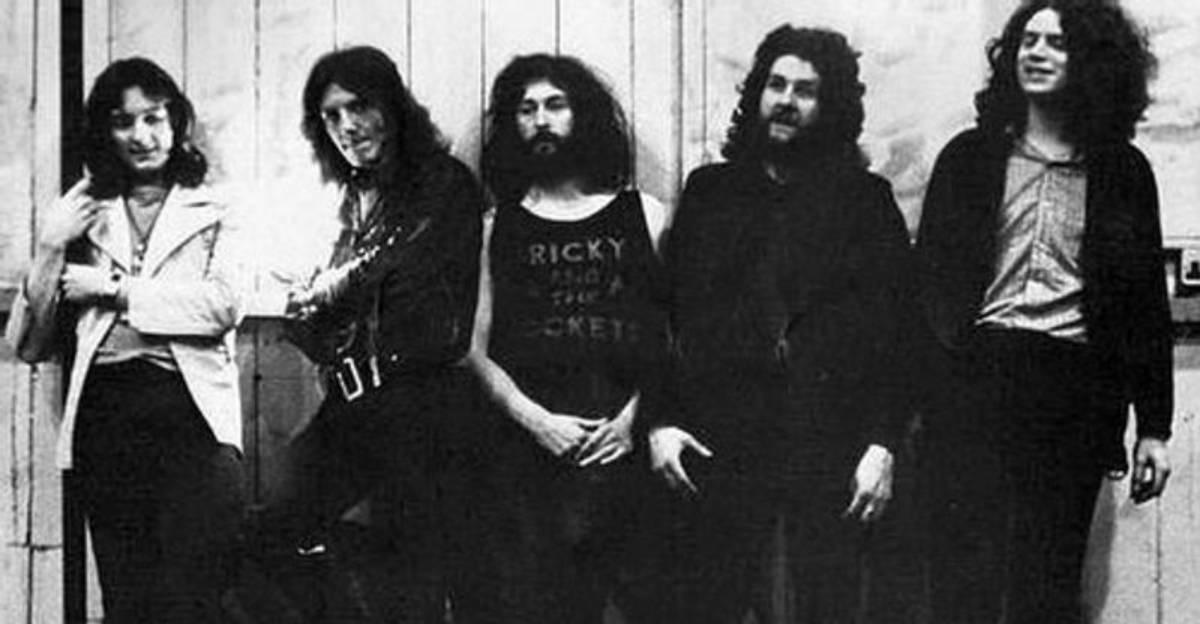
The 1970s gave us some of the most iconic rock bands in music history. From massive arena shows to chart-topping albums, these groups ruled the airwaves and filled stadiums night after night.
But decades later, fans and critics still argue about whether some of these acts truly deserved all the hype they received. Here are 13 bands from the ’70s that people just can’t stop debating.
1. KISS
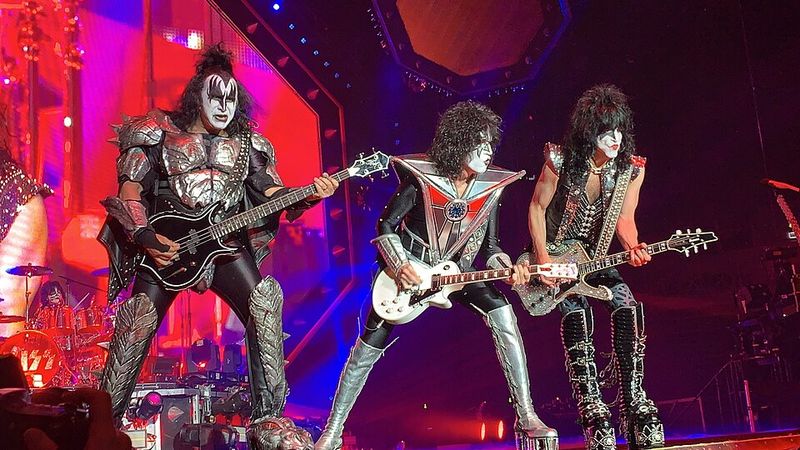
Few bands in rock history have built a brand quite like KISS. With face paint, platform boots, fire-breathing, and blood-spitting performances, they turned concerts into full-blown theatrical events.
Their 1975 live album “Alive!” launched them into superstardom almost overnight.
But here’s where the debate starts: critics have long argued that the spectacle overshadowed the actual music. Many felt the songs were simple, repetitive, and not particularly innovative compared to other rock acts of the era.
Fans, however, pushed back hard, pointing to the raw energy and undeniable fun of tracks like “Rock and Roll All Nite.”
Even today, KISS merchandise and branding generate millions of dollars annually. Whether you think they were musical geniuses or glorified showmen, one thing is clear: no band before or since has marketed itself quite as brilliantly as KISS.
2. Styx
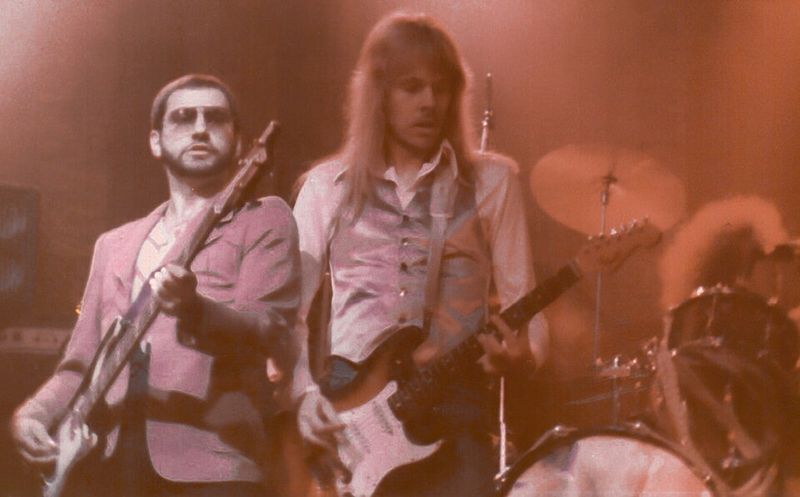
Styx had a gift for blending big emotions with even bigger musical arrangements. The Chicago-based group fused progressive rock with theatrical pop in a way that felt fresh and ambitious during the late 1970s.
Songs like “Come Sail Away” became anthems for an entire generation.
Critics, though, were often less enthusiastic. Many felt the band leaned too heavily into melodrama, making their music feel overblown rather than genuinely moving.
The shift from progressive complexity toward more polished pop on albums like “Pieces of Eight” and “Cornerstone” divided longtime fans.
Still, Styx maintained a fiercely loyal following that continues to fill concert venues today. Their music tends to spark strong opinions on both sides, which is perhaps the truest sign of a band that actually mattered.
Love them or not, Styx never played it safe, and that counts for something.
3. Boston
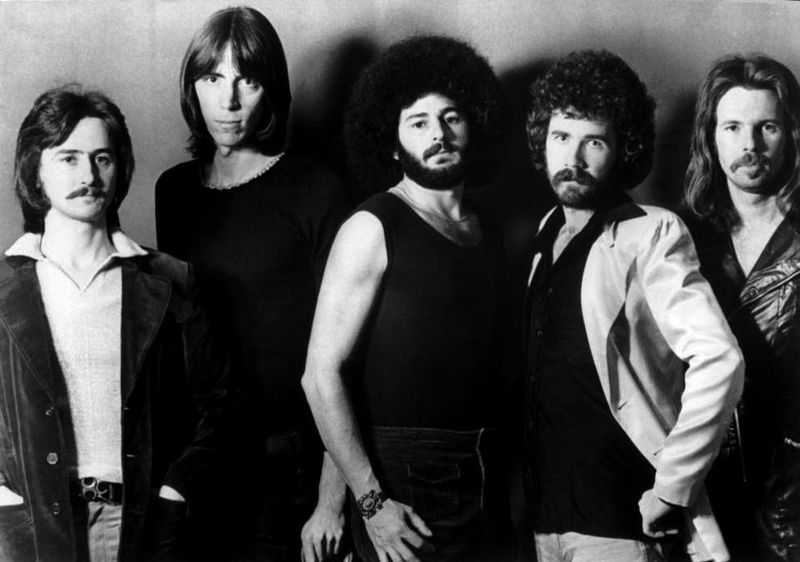
When Boston released their self-titled debut album in 1976, it sounded unlike anything on the radio at the time. Tom Scholz had built his own recording equipment in a basement studio, crafting a sound so polished and layered it barely seemed real.
The album went on to sell over 17 million copies in the United States alone.
That kind of success naturally invites scrutiny. Critics pointed out that Boston essentially repeated the same sonic formula across their follow-up albums, with diminishing creative returns each time. “Don’t Look Back” (1978) sounded remarkably similar to the debut, and some listeners felt the band had found a comfort zone and refused to leave it.
Defenders argue that when a formula sounds that good, why change it? Boston’s guitar-driven anthems still get heavy rotation on classic rock radio, proving their sound has genuine staying power regardless of what critics say.
4. Kansas
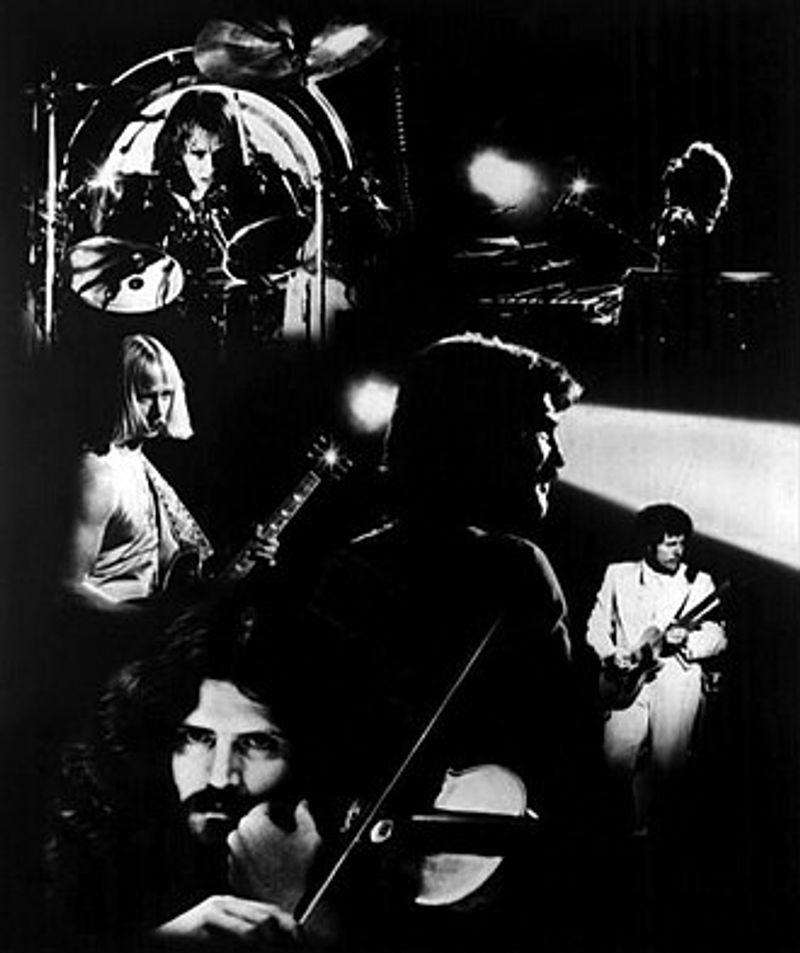
Kansas brought something unusual to American rock: a violin. The instrument gave their progressive sound a sweeping, almost cinematic quality that set them apart from their peers. “Carry On Wayward Son” and “Dust in the Wind” remain two of the most recognized rock tracks of the entire decade.
Critics, however, often labeled Kansas as overly grandiose, accusing them of mistaking complexity for depth. Their lengthy compositions and ambitious arrangements were seen by some as self-indulgent rather than genuinely artistic.
The progressive rock genre as a whole faced similar criticism during this period.
What’s interesting is how “Dust in the Wind” endured. A quiet, acoustic ballad that felt completely different from their heavier material, it became their biggest hit and a song that still resonates emotionally with listeners today.
Kansas may be debated, but their best work has clearly stood the test of time.
5. Foreigner
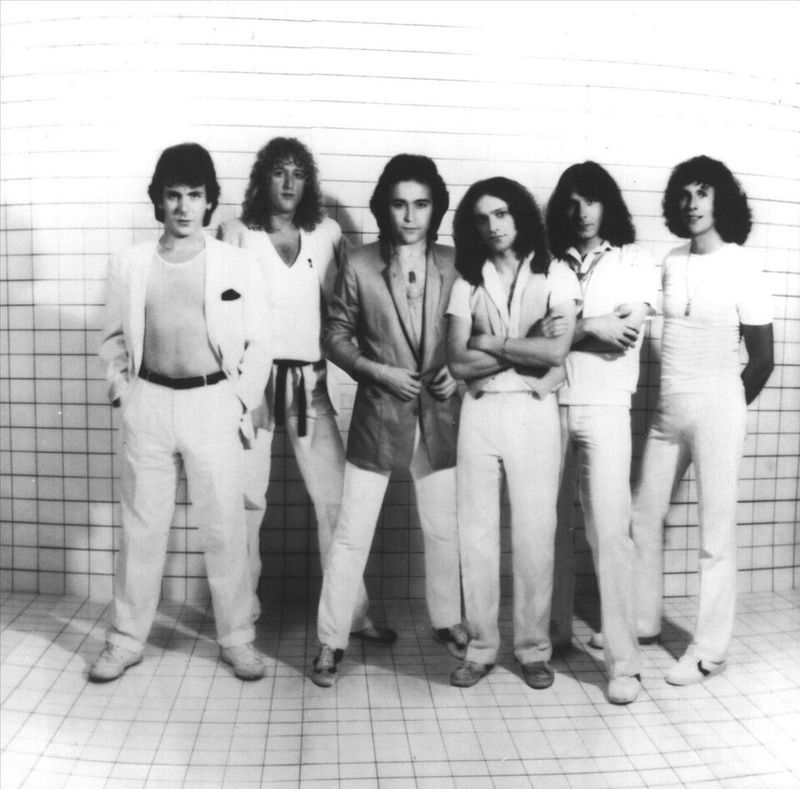
Foreigner hit the ground running when they formed in 1976, scoring immediate radio success with “Cold as Ice” and “Hot Blooded” within their first two years. Lead singer Lou Gramm had a powerful, gritty voice that gave the band genuine credibility as a rock act.
Audiences responded enthusiastically, and the band quickly became a staple of arena rock.
The criticism leveled at Foreigner usually centered on predictability. Many felt their songs followed a reliable but uninspired template: big chorus, guitar riff, emotional bridge, repeat.
Some critics argued they were more a product of radio programming than genuine artistic vision.
Supporters counter that crafting consistently great pop-rock songs is harder than it looks. Tracks like “Waiting for a Girl Like You” and “I Want to Know What Love Is” demonstrated real emotional range.
Foreigner may not have reinvented rock, but they understood their audience better than most.
6. Journey
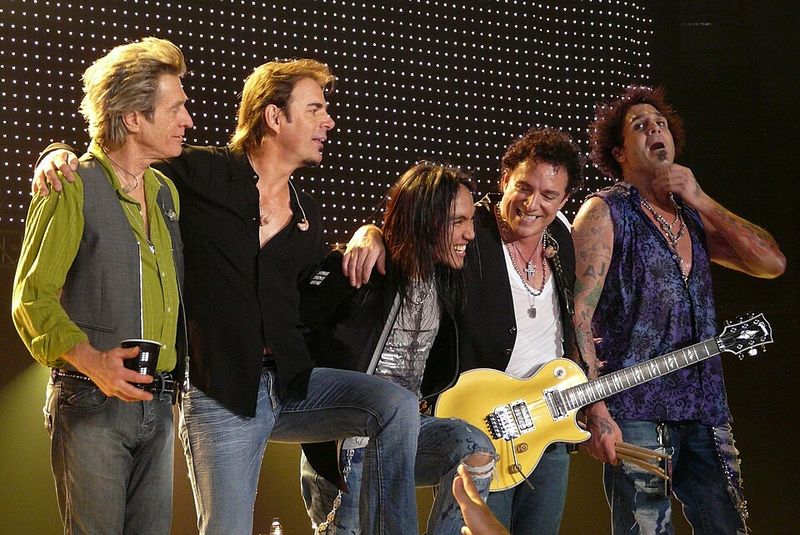
Journey started their career in 1973 as a progressive rock outfit with serious musical ambitions. Then Steve Perry joined as lead vocalist, and everything changed.
The band shifted toward polished, radio-friendly arena rock, and the results were commercially massive.
That pivot is exactly what divides fans and critics. Progressive rock purists felt Journey sold out, trading genuine artistry for chart success.
Songs like “Wheel in the Sky” and “Lights” were undeniably catchy, but critics argued they lacked the depth the band originally promised. The debate intensified as their albums became increasingly slick and radio-focused.
Yet Perry’s vocal talent is genuinely difficult to argue against. His range and emotional delivery elevated even straightforward pop-rock material into something memorable. “Don’t Stop Believin'” has become one of the most streamed classic rock songs in history, suggesting that whatever Journey was doing, it clearly connected with people in a lasting way.
7. The Bee Gees (Disco Era)
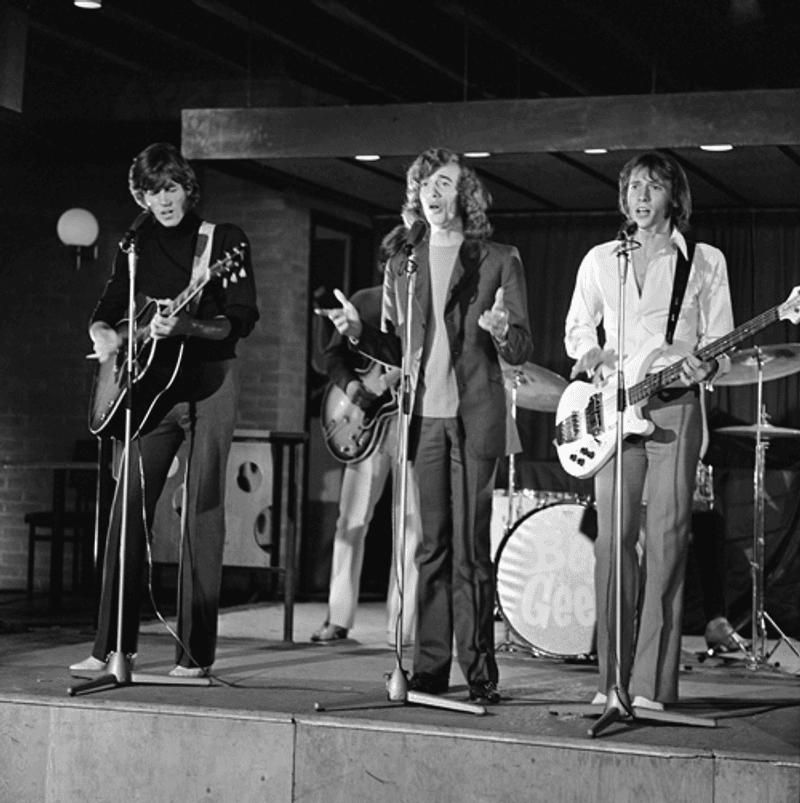
Before disco, the Bee Gees were already a successful pop group with a catalog of emotionally rich songs. Then came 1977 and the “Saturday Night Fever” soundtrack, which transformed them into the undisputed kings of the disco era.
The album became one of the best-selling records of all time, and the Gibb brothers were everywhere.
The backlash was fierce and, at times, mean-spirited. The late 1970s anti-disco movement targeted the Bee Gees specifically, and their reputation took a serious hit.
Critics dismissed their falsetto harmonies and dance-floor productions as shallow and disposable. Radio stations literally held “disco demolition” events to protest the genre.
History has been kinder to them since. Music scholars now recognize the Bee Gees as genuinely talented songwriters and performers whose influence extended far beyond disco.
Their vocal arrangements were technically sophisticated, and their ability to reinvent themselves multiple times over their career speaks to real artistic range.
8. Chicago
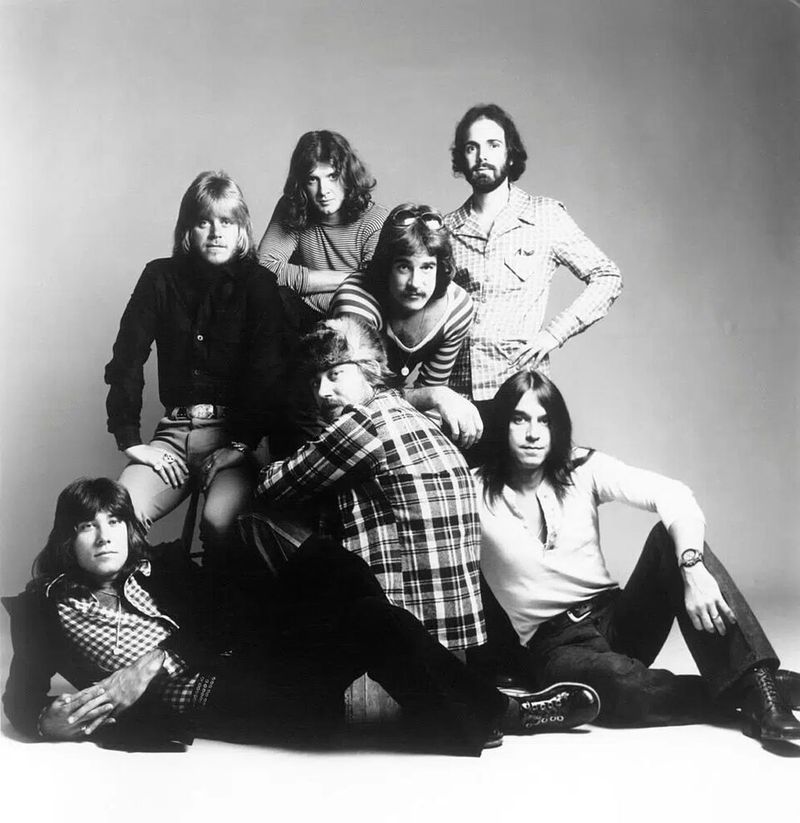
Chicago was one of the most ambitious bands to come out of the late 1960s, blending rock guitars with a full brass section in a way that felt genuinely innovative. Their early albums were sprawling, jazz-influenced rock records that earned serious critical respect.
By the mid-1970s, they were one of the best-selling bands in the United States.
Then came the gradual softening. As the decade progressed, Chicago leaned increasingly toward smooth, adult-contemporary pop, with ballads replacing the edgier material that originally defined them.
Critics argued this shift diluted their sound and compromised their identity as a band. Songs like “If You Leave Me Now” were massive hits but felt far removed from their earlier energy.
Longtime fans were split. Some appreciated the accessibility of the new direction, while others mourned the loss of the band’s original creative fire.
Chicago remains a fascinating case study in commercial success versus artistic consistency throughout the 1970s.
9. Grand Funk Railroad
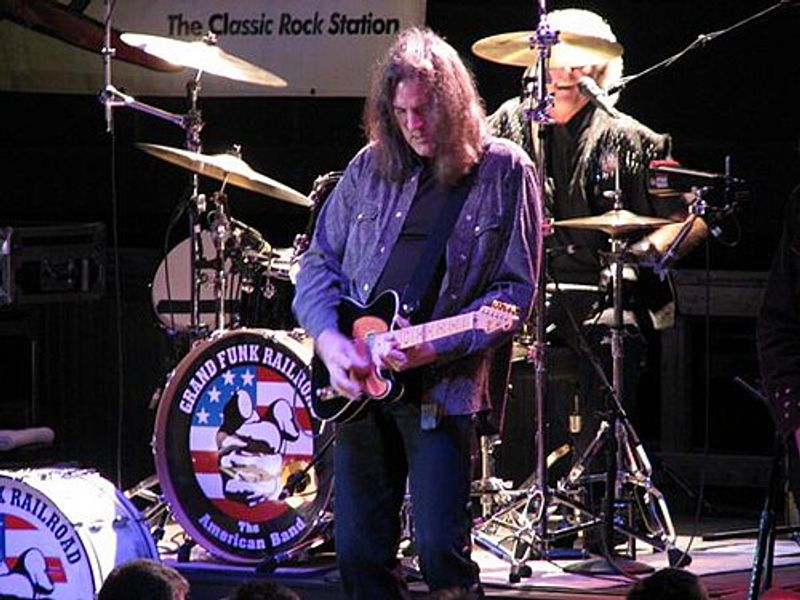
Grand Funk Railroad was genuinely enormous in the early 1970s. They sold out Shea Stadium in 72 hours, reportedly faster than the Beatles had managed, and their albums moved millions of copies.
The Michigan-based trio played loud, heavy rock with an almost primal energy that connected directly with working-class audiences.
Critics, however, were relentlessly dismissive. Rolling Stone and other major publications frequently mocked Grand Funk as crude, unsophisticated, and musically limited.
The gap between critical reception and public popularity was rarely wider than it was for this band during their peak years. It became a running joke in music journalism circles.
Looking back, the disconnect is telling. Grand Funk understood their audience instinctively, delivering exactly what fans wanted without apology or pretension.
Songs like “We’re an American Band” still get played on classic rock radio today. Sometimes the critics miss what the people are actually feeling, and Grand Funk is proof of that.
10. Supertramp
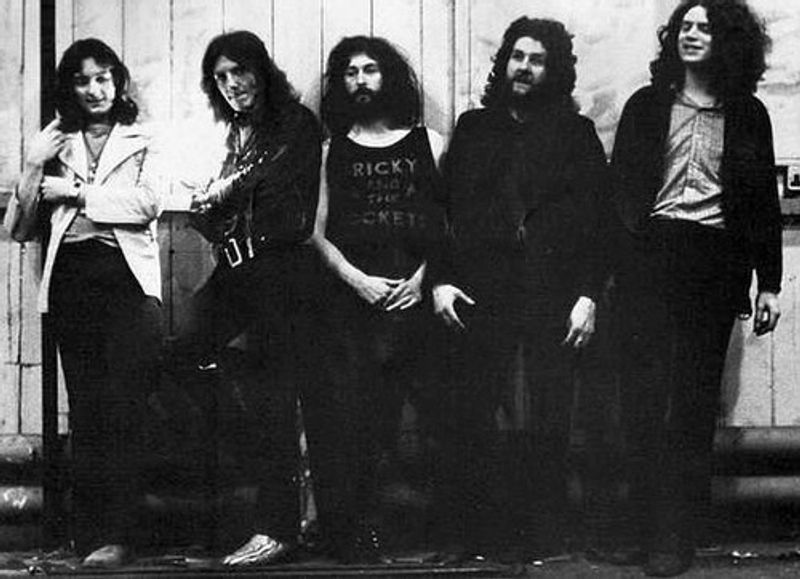
“Breakfast in America” arrived in 1979 like a perfectly packaged pop-rock gift. Supertramp’s sixth studio album sold more than 20 million copies worldwide, spawning hits like “The Logical Song” and “Dreamer” that still get regular radio play.
The album’s clever wordplay and melodic sophistication set it apart from typical arena rock fare.
Critics who pushed back on Supertramp often pointed to what they called an overly polished, almost sterile quality. Some felt the band’s progressive ambitions had been smoothed over in favor of mainstream appeal, resulting in music that was pleasant but emotionally shallow.
The production was undeniably pristine, which for some listeners was precisely the problem.
Roger Hodgson’s distinctive voice and the band’s layered keyboard textures gave Supertramp a sound that was immediately recognizable. Whether that sound represented genuine depth or clever surface gloss is still a matter of genuine debate among fans and music writers alike.
11. Electric Light Orchestra (ELO)
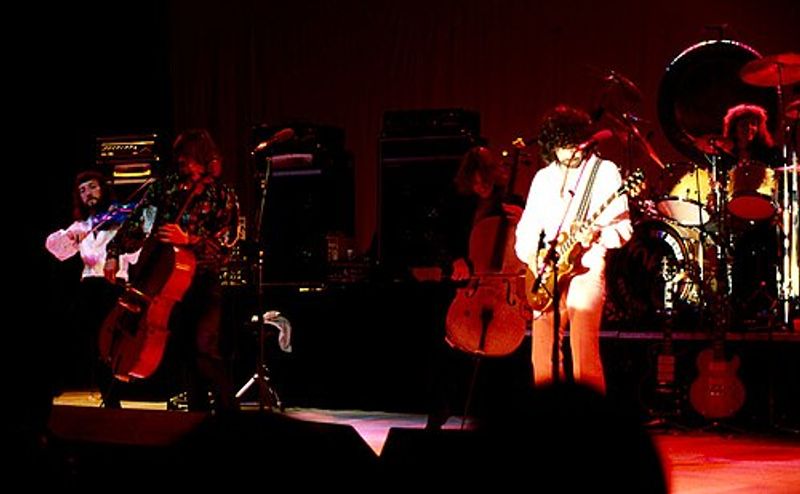
Jeff Lynne had a vision: combine rock guitars with orchestral strings and see what happened. The result was Electric Light Orchestra, a band that produced some of the most sonically ambitious pop music of the 1970s. “Mr. Blue Sky” alone stands as one of the most joyful recordings in rock history.
Critics at the time were not always impressed. ELO was frequently dismissed as overproduced and gimmicky, accused of using orchestration as a substitute for genuine songwriting.
Some felt Lynne was more interested in sonic spectacle than emotional authenticity, and the sheer scale of the arrangements could feel overwhelming rather than uplifting.
Modern listeners have largely reversed that verdict. ELO’s catalog has aged remarkably well, and songs like “Don’t Bring Me Down” and “Evil Woman” now receive widespread critical appreciation.
Lynne’s meticulous production style, once seen as excessive, is now recognized as a genuine artistic achievement that few of his contemporaries could match.
12. Bad Company
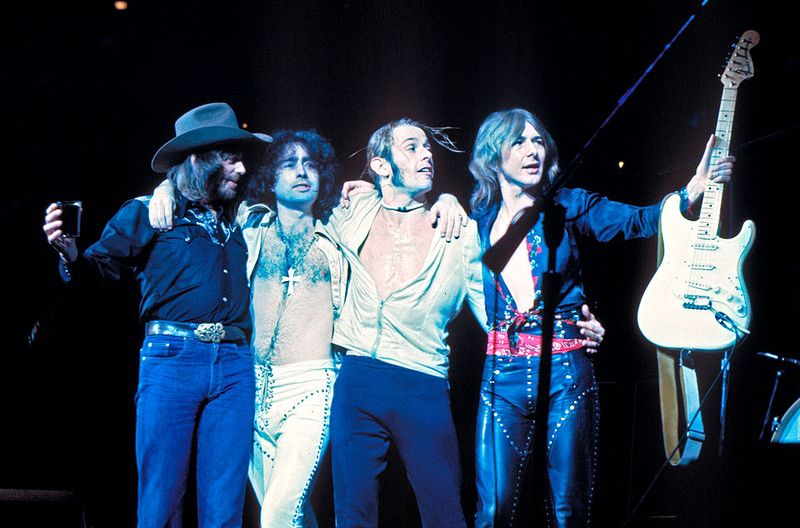
Bad Company arrived in 1973 with serious rock credentials. Formed from the ashes of Free and Mott the Hoople, the band featured Paul Rodgers, widely considered one of the finest rock vocalists of his generation.
Their self-titled debut album went platinum almost immediately, and the band quickly became a fixture of mid-1970s rock radio.
The criticism directed at Bad Company usually focused on a perceived lack of innovation. Their blues-rock sound was undeniably well-executed, but some felt it covered familiar ground without pushing the genre forward.
Critics argued the band relied too heavily on a tried-and-true formula rather than taking creative risks that might have expanded their artistic legacy.
Fans saw it differently. There is something genuinely satisfying about a band that knows exactly what it is and delivers it with total conviction. “Feel Like Makin’ Love” and “Can’t Get Enough” remain deeply satisfying classic rock staples because Rodgers sang them like he meant every single word.
13. America
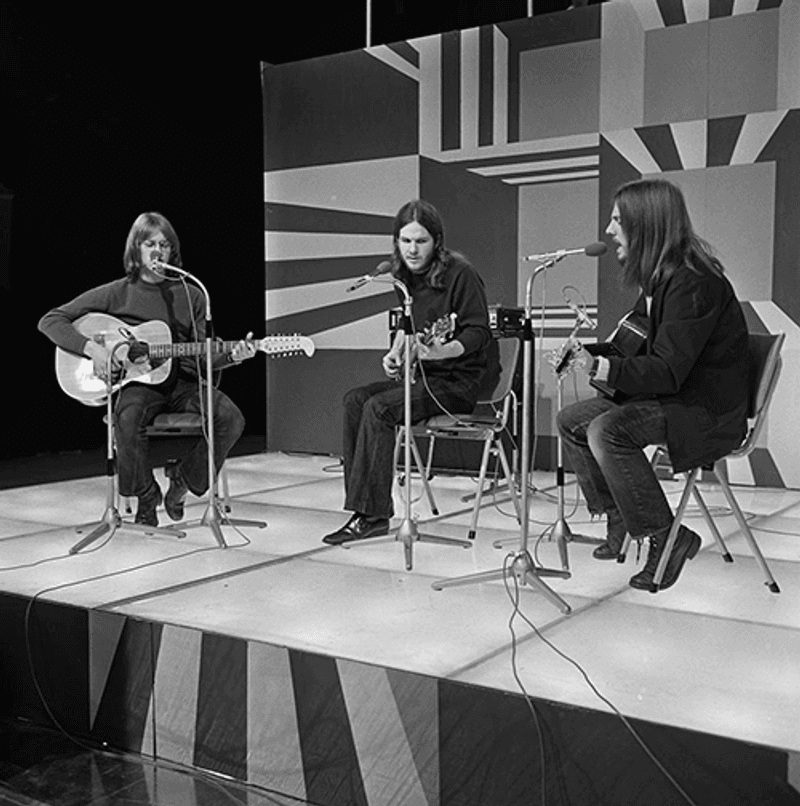
America had a sound that felt like a warm afternoon with nowhere to be. The British-American trio crafted folk-rock songs with gentle acoustic textures and layered harmonies that felt genuinely soothing. “A Horse With No Name” became a massive hit in 1972, reaching number one in the United States and launching the band into mainstream consciousness.
Critics were quick to point out what they saw as a lack of edge. Compared to heavier rock acts dominating the era, America sounded soft, polished, and emotionally safe.
Some reviewers compared them unfavorably to Neil Young or Crosby, Stills and Nash, suggesting they captured the aesthetic without matching the depth.
But America’s appeal was always about comfort rather than confrontation. Songs like “Ventura Highway” and “Sister Golden Hair” offered something quieter and more introspective than arena rock.
For listeners who found the decade’s loudness exhausting, America provided a genuinely welcome alternative that still holds up today.



