 Unearth The Voyage
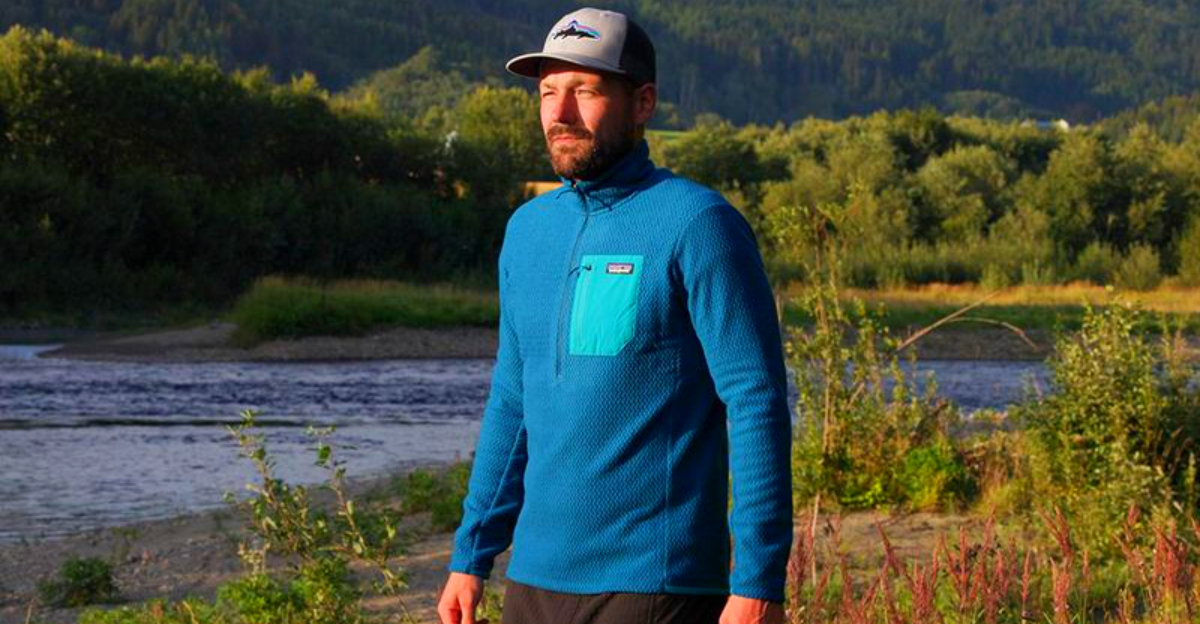
Cold dawns, whipping passes, and sunlit valleys put this fleece through everything the Andes could throw at it. If you are weighing warmth against breathability, the right mid layer can make or break a hard day above treeline. I tested the Patagonia R1 Air Full Zip Hoody from frosty starts to windy summits, paying attention to sweat management, layering, and comfort. Here is how it actually performed when every gram and degree mattered.
Breathability on Steep Climbs
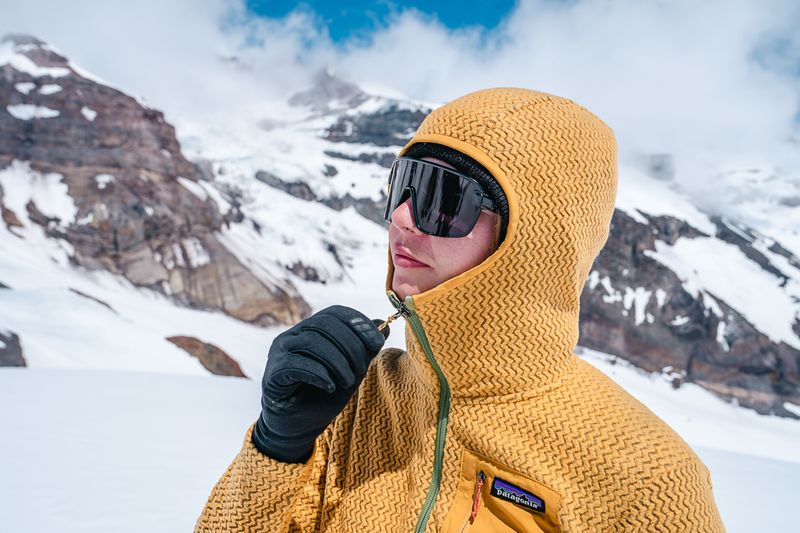
On the first steep push above camp, sweat built fast, but heat dumped just as quickly. The R1 Air’s zigzag knit let air move, preventing that clammy stuck feeling. Even under a pack, hot spots cleared, so you keep climbing without unzipping every minute.
You will notice the fabric dries while moving, not just at rest. It wicks, breathes, and avoids the swampy mid layer trap. Pace can stay steady, and you will not fear the next switchback.
On long grades, that consistency matters most. Fewer stops mean more miles and faster warmth recovery.
Warmth at Freezing Dawn
Below freezing at first light, the hoody felt immediately cozy over a light base. The slim hood snugged around ears without gaps, keeping neck warmth contained. Hands tucked in pockets while boots laced, and core heat stayed stable until sun crested.
It is not a furnace, but warmth to weight impressed. You will appreciate the confidence to move before numbness sets in. That balance makes breaking camp faster and less miserable.
Pairing with a beanie bumps comfort further. Add a light shell for wind, and you are set for the first hour’s chill.
Layering Under a Shell

When wind picked up on the pass, the fleece went under a thin shell without bunching. The low bulk knit slides easily beneath shoulder straps and hip belt. You will not fight fabric at the elbows or feel trapped in a sausage casing.
That clean layering kept heat where needed while the shell blocked gusts. I could dial vents and zipper height to match effort. The system stayed quiet, with minimal flap.
Comfort under load matters on long days. This combo kept me moving rather than constantly fiddling.
Fit, Mobility, and Hood
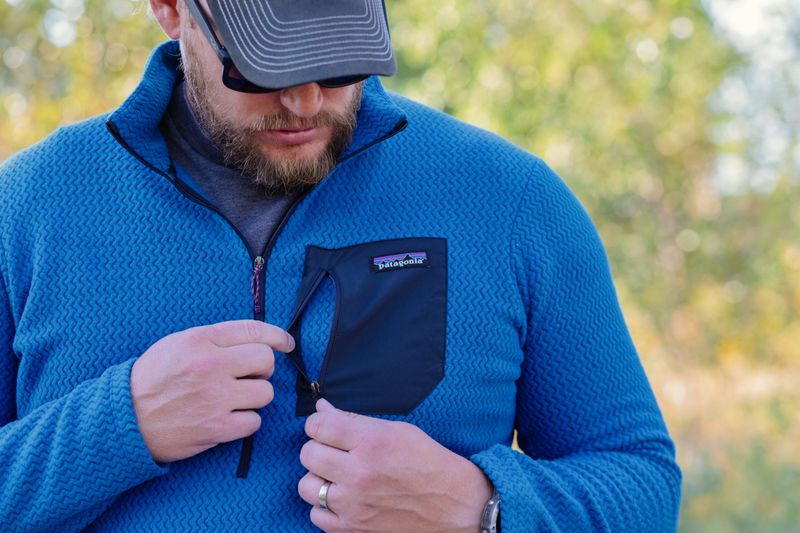
The trim fit stays close without restricting reach. Scrambling moves felt natural thanks to stretchy panels and clever patterning. The hood fits under a helmet, sealing heat around cheeks and neck without strangling.
You can twist, plant, and high step while fabric tracks your movement. No pulling at the lower back under a pack. That matters when you need three points of contact on cold rock.
Hem and cuffs lay flat, so layers sit neatly. The result is quiet confidence in motion. The hoody disappears and lets you focus on the route.
Managing Sweat and Odor
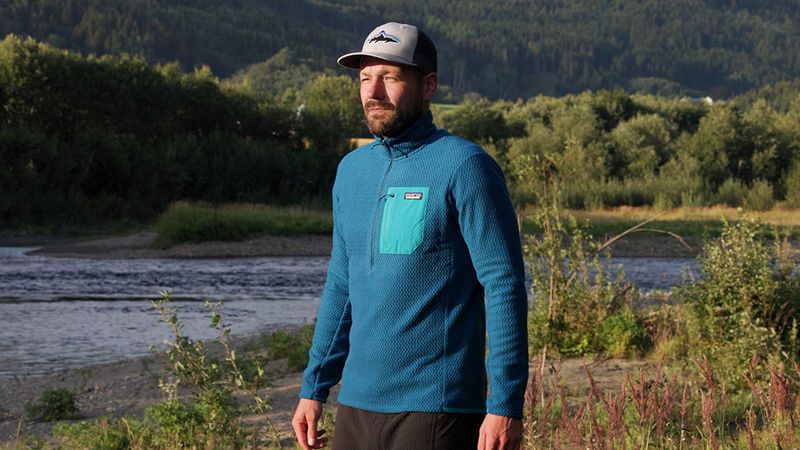
High output climbs demand fabrics that do not trap moisture. This fleece breathed so well that damp patches vanished quickly once grade eased. You will get less chill when you stop because wetness has somewhere to go.
Odor control was solid over multiple days with careful airing at camp. It will not replace laundry forever, but it kept you presentable in town. That is a relief after dusty trails and bus rides.
Pair with a wicking base and you will feel drier overall. Your skin stays happier, reducing chafe and hot spots.
Wind and Wet Limitations
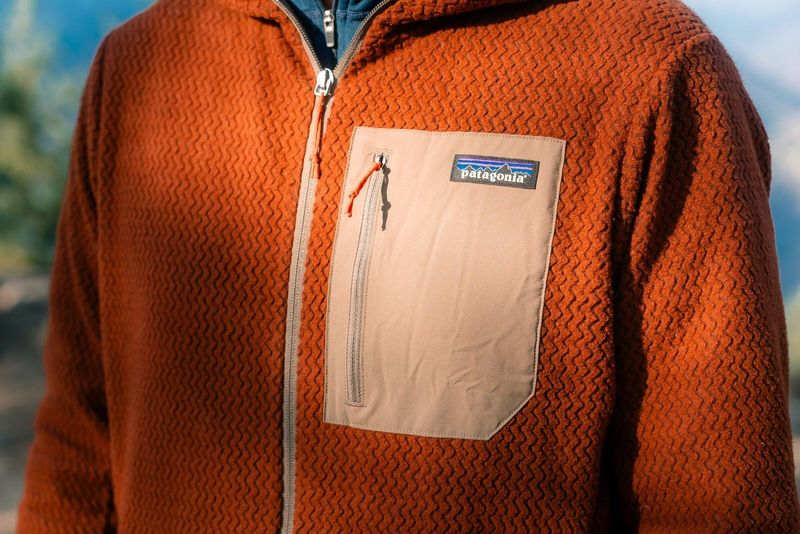
When sleet arrived near the ridge, the fleece showed its limits. Wind penetrates, and fabric wets out quickly in sustained precipitation. You will want a proper shell ready the moment clouds stack.
In dry cold, performance shines. In wet crosswinds, it becomes a mid layer only. That is not a knock, just the design tradeoff for breathability and low weight.
Plan your system around that reality. Keep a shell accessible on the pack’s outside. Quick changes keep you warm, safe, and moving.
Comfort at Camp and Town
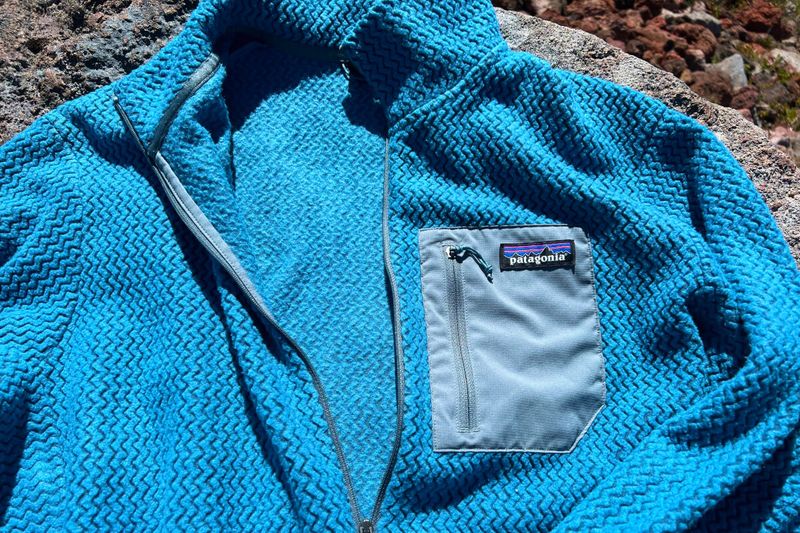
After hiking, comfort matters. The R1 Air feels soft against skin, never plasticky, and layers over a tee without itch. Around the stove, warmth is cozy without bulk, so chores do not feel cumbersome.
In town, the clean lines pass for casual wear. You will not feel like a neon climber in a cafe. That versatility saves packing space on bus sections and rest days.
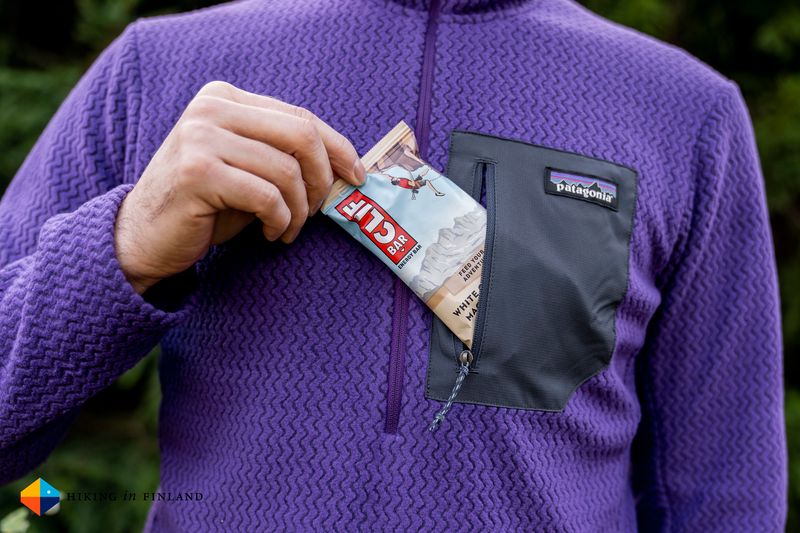
Pockets hold small essentials securely. The full zip makes venting easy after hot soup. It seamlessly bridges mountain and street.
Sustainability and Durability
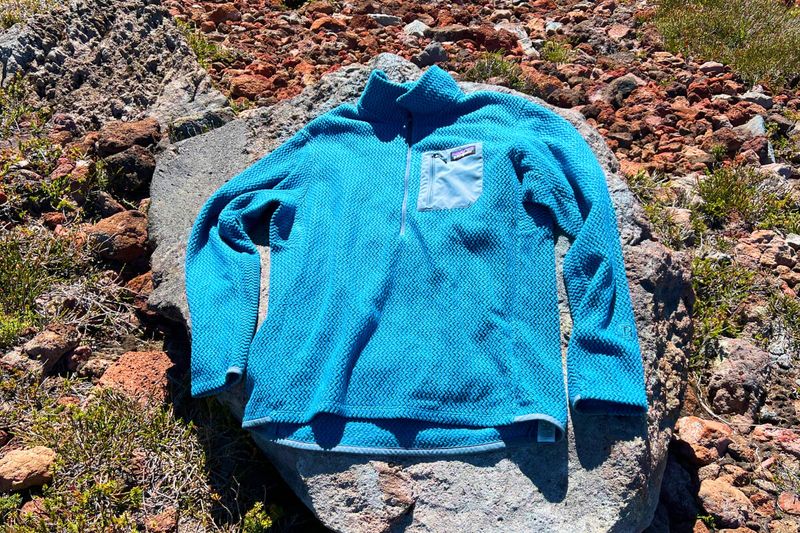
Recycled materials and Fair Trade certification align with values many hikers share. It feels good to choose gear that reflects that. Over weeks of use, stitching held, zippers ran smooth, and the fabric’s loft stayed surprisingly resilient.
Expect some surface fuzz over time, especially under pack straps. It is cosmetic more than functional. You will trade plushness for breathability, and the performance remains dependable.
Care is simple: shake, air, and occasional gentle wash. That keeps it ready for the next trek. The hoody earns its keep season after season.



