 Unearth The Voyage
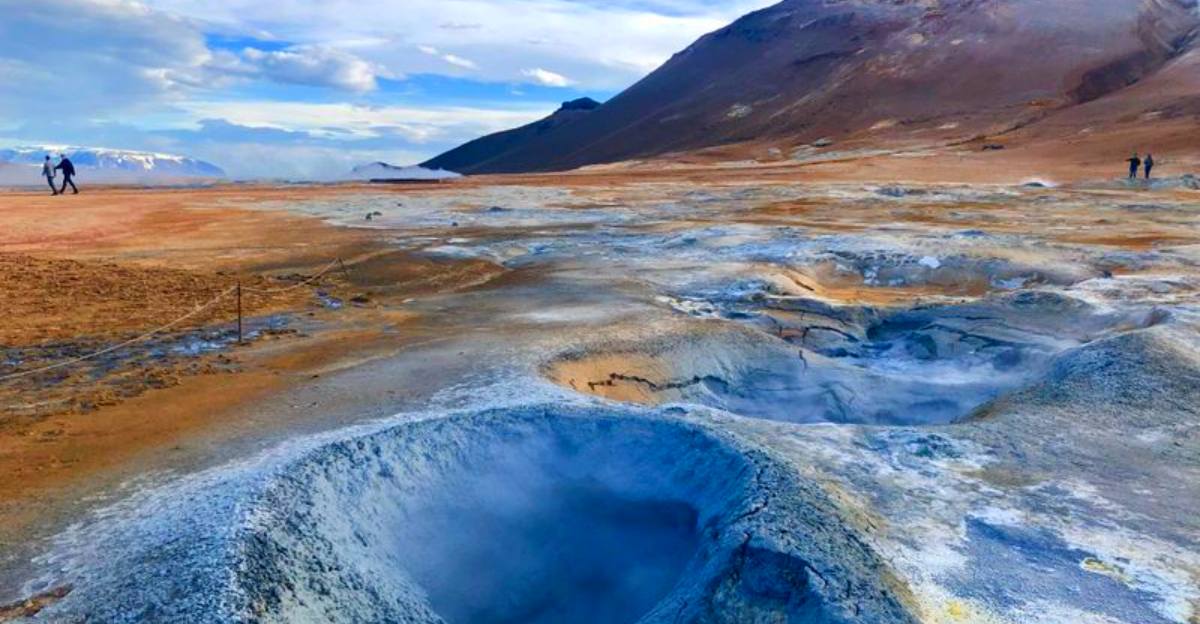
Few places on Earth show the planet’s power quite like Iceland. Here, the ground literally splits beneath your feet, steam hisses from deep fissures, and fresh lava redraws the land. It’s a front-row seat to nature in action – perfect for travelers who love science, scenery, and stories written in stone.
1. Þingvellir National Park – Walk Between Two Continents
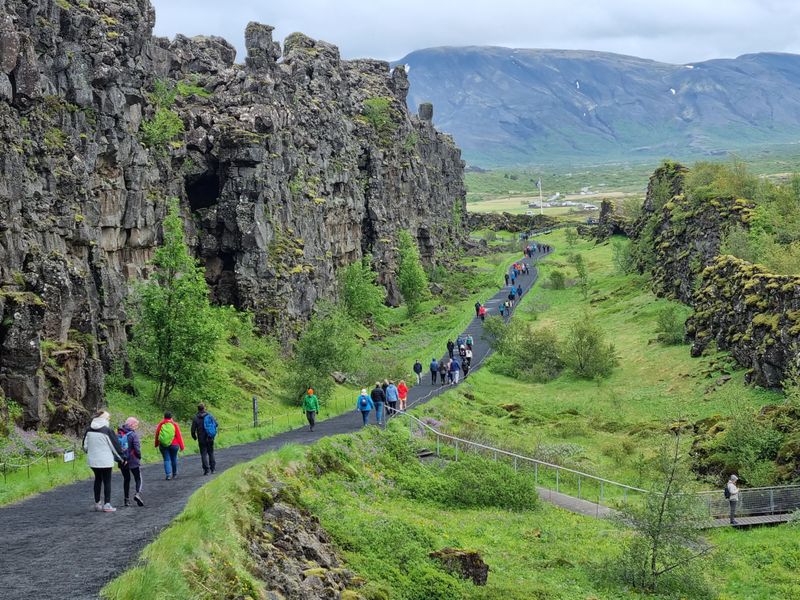
Walk the Almannagjá gorge and you will literally stride between the North American and Eurasian plates. The cliffs lean like parted curtains, revealing fresh fractures and sagging lava blocks. Water threads through the rift, and every step reminds you the crust is stretching beneath your feet.
You will see signage explaining the spreading rate, and it suddenly makes plate tectonics feel real. Bring layers, because wind funnels through the valley. Pause at overlooks, trace fault lines with your eyes, and appreciate how slow, relentless movement sculpts this stark, beautiful corridor.
2. Silfra Fissure – Snorkel in a Tectonic Crack
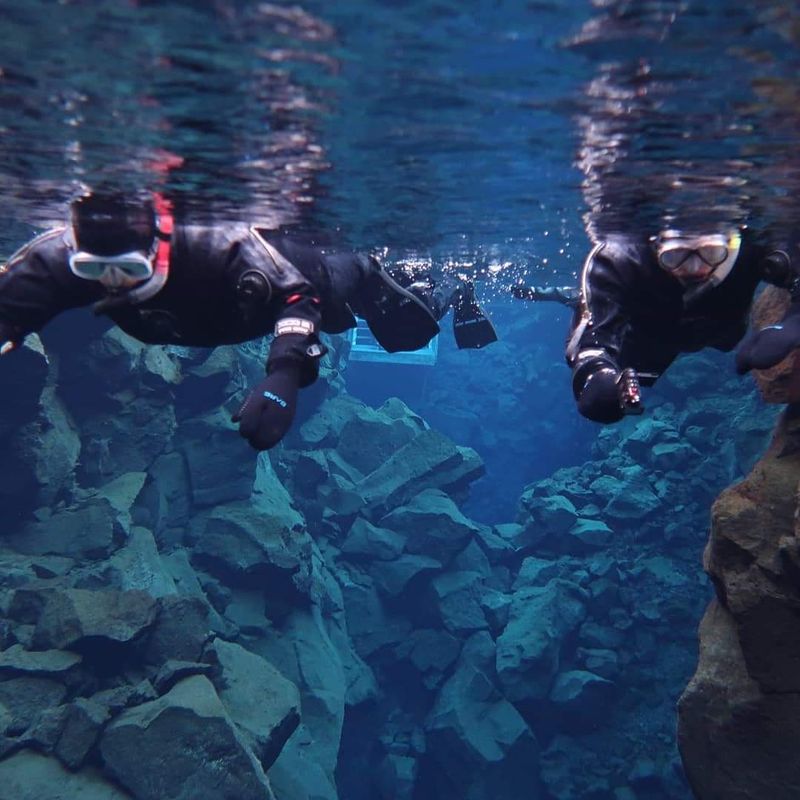
Slip into Silfra’s glacial waters and you will float through a tectonic seam. Visibility can extend beyond 100 meters, so rock layers appear crisp, as if suspended in air. The water is shockingly pure, filtered by lava for decades, and the cold bite keeps colors luminous.
Your guide will brief you on currents, hand signals, and careful finning to protect fragile sediments. As you glide, read the story of stress and fracture carved into basalt walls. It feels like time slows, and the planet’s heartbeat syncs with your breaths.
3. Reykjanes Peninsula – Where the Crust Cracks Open
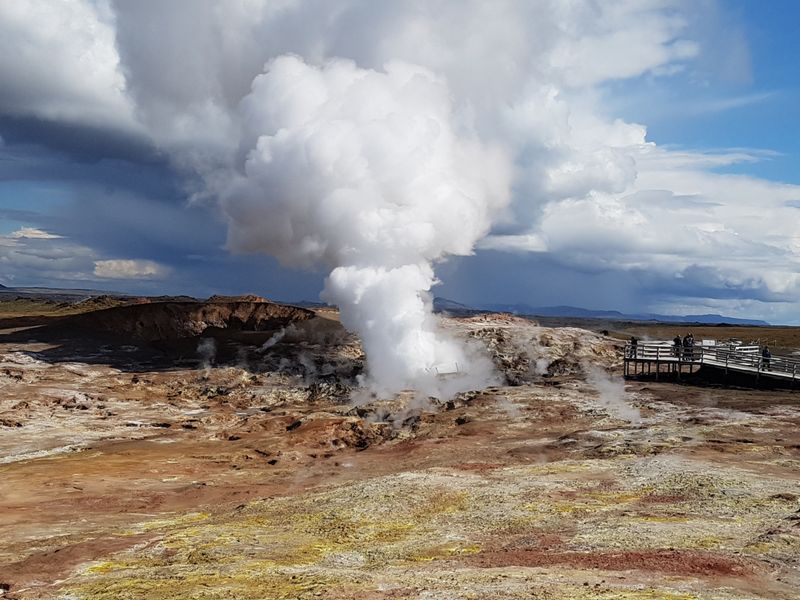
Drive across Reykjanes and you will pass lava fields so fresh they look poured yesterday. Steam rises from vents, the crust is fissured, and the smell of minerals hangs in the wind. This is where rifting becomes a landscape, not a diagram, with heat signatures etched everywhere.
Pull over at viewpoints to watch fumaroles pulse and mud pots blurp softly. Mark the line where continents tug apart, and notice new cones dotting the horizon. You are moving through an active plate boundary, and each kilometer is a case study in ongoing creation.
4. Bridge Between Continents — Stand on Two Plates at Once
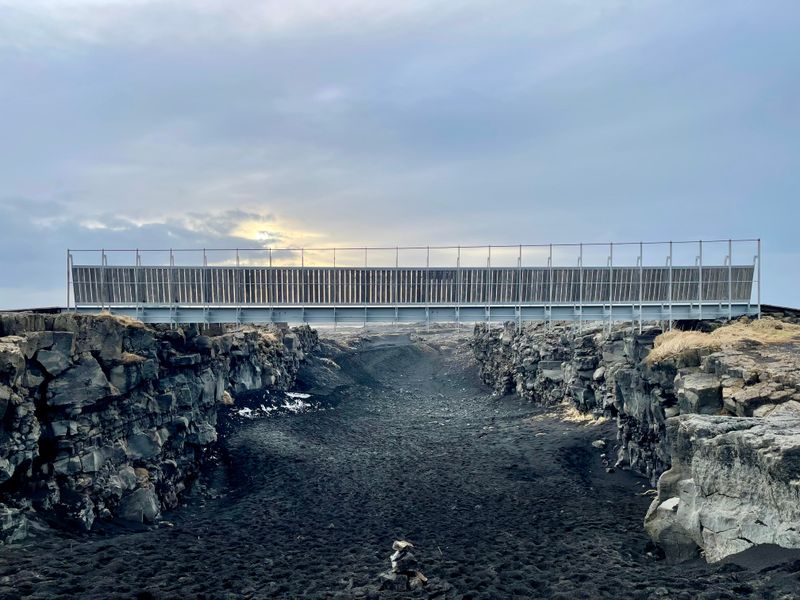
Walk onto this modest footbridge and you can plant one foot on North America and the other on Eurasia. The chasm below is a sandy rift marking divergent motion, framed by weathered basalt. It is simple, photogenic, and weirdly profound for a short stop.
Read the placards, then step off to explore the surrounding fissure fields. You will notice subtle offsets in rock layers and wind-carved pumice. It is a gentle introduction to the peninsula’s restless ground, a tangible reminder that continents drift while you snap that grinning picture.
5. Mid-Atlantic Ridge – The Earth’s Giant Seam
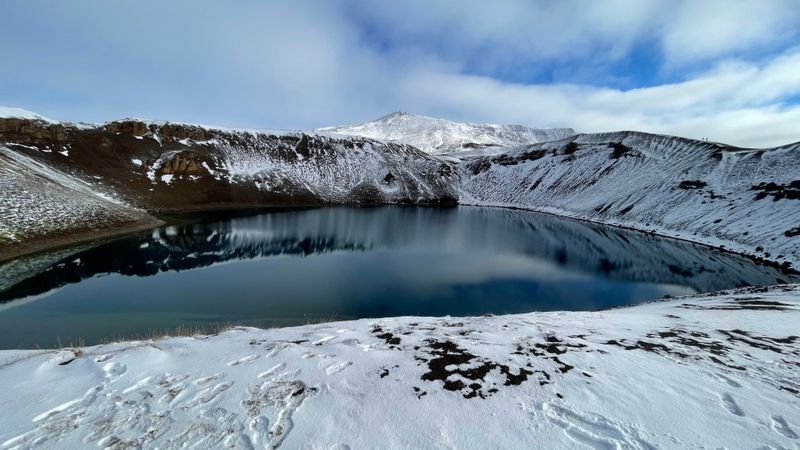
Most of the Mid-Atlantic Ridge hides underwater, but in Iceland it breaches the surface dramatically. Stand on young basalt and you are straddling Earth’s longest mountain range. The ridge is a conveyor belt, birthing new crust as magma wells up and plates slide apart.
Scan the horizon for aligned craters and ridges that trace the spreading axis. You will feel the scale of planetary construction, measured in millimeters per year yet shaping continents. It is humbling, quiet, and very real, especially when steam whispers from nearby vents.
6. Krafla Volcano — See a Rift Zone in Action
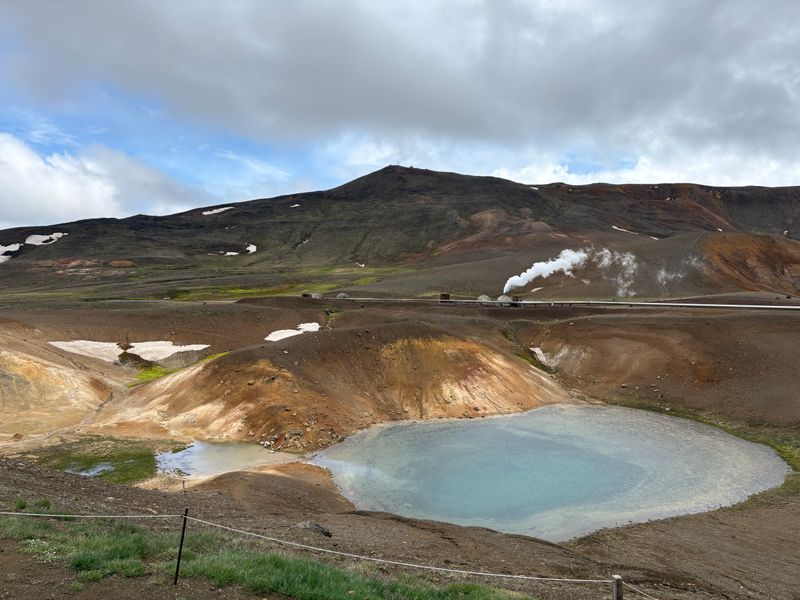
Krafla’s lava fields crunch underfoot, still warm in places and veined with steam. Earthquakes and eruptions here have unzipped the crust repeatedly, leaving fresh black ropey flows. Trails weave across a mosaic of textures where rifting tore and healed, again and again.
Follow boards to fumaroles and watch minerals paint yellows, reds, and greens across crusted surfaces. You will understand how a rift zone breathes, spasms, and settles. The air smells metallic, the ground feels thin, and every crack tells a chapter of tension released.
7. Fagradalsfjall Volcano – Witness Fresh Earth Being Made
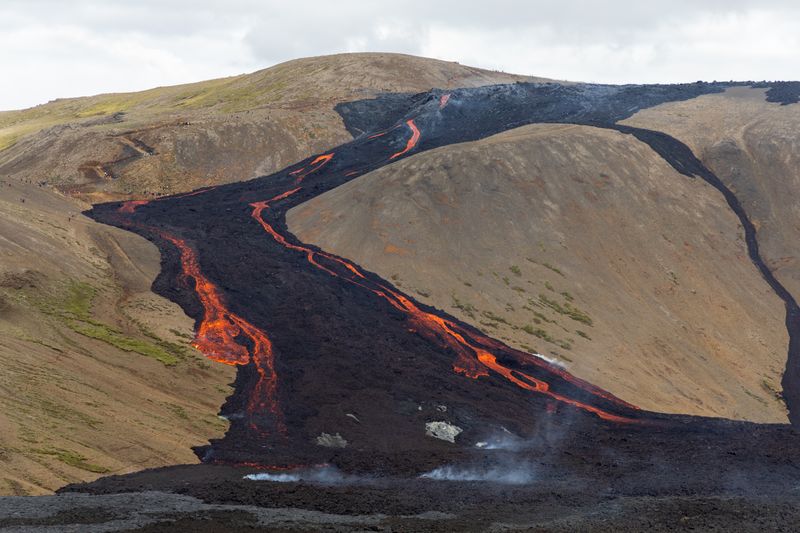
Fagradalsfjall turned textbooks into scenery, pouring lava across valleys in 2021, 2023, and 2024. Trails and viewpoints shift with each episode, so you will follow current guidance for safe access. Seeing incandescent lava redraw contours is the ultimate demonstration of crust creation.
Arrive prepared for wind, ash, and long walks over uneven rock. You will hear lava crackle and feel radiant heat on your cheeks. Even dormant, the site is a gallery of new flows, spatter cones, and cooling crusts that record the pulse of rifting.
8. Askja Caldera – Lunar Landscapes in a Rift Valley
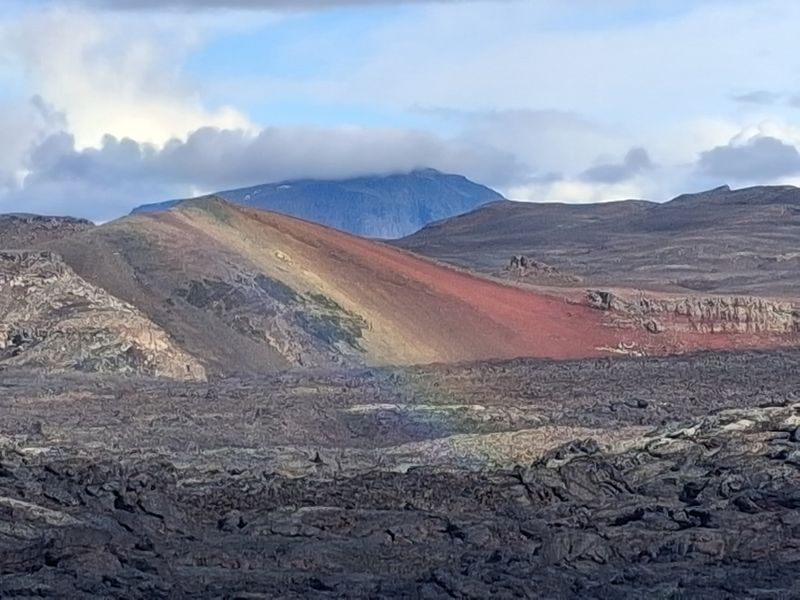
The drive to Askja crosses deserts of ash and ancient lava, setting the stage for a stark volcanic amphitheater. At the rim, Öskjuvatn glows deep blue beside the pale crater of Víti. Everything feels otherworldly, like training grounds for astronauts.
Walk carefully along pumice slopes and listen to rocks crunch like glass. You will see ring faults, hydrothermal staining, and collapse scars that outline the caldera’s violent history. Weather can change fast, so bring layers and respect remoteness. The reward is raw, quiet grandeur shaped by rifting.
9. Laki Fissure – Epic Volcanic History in a Rift System
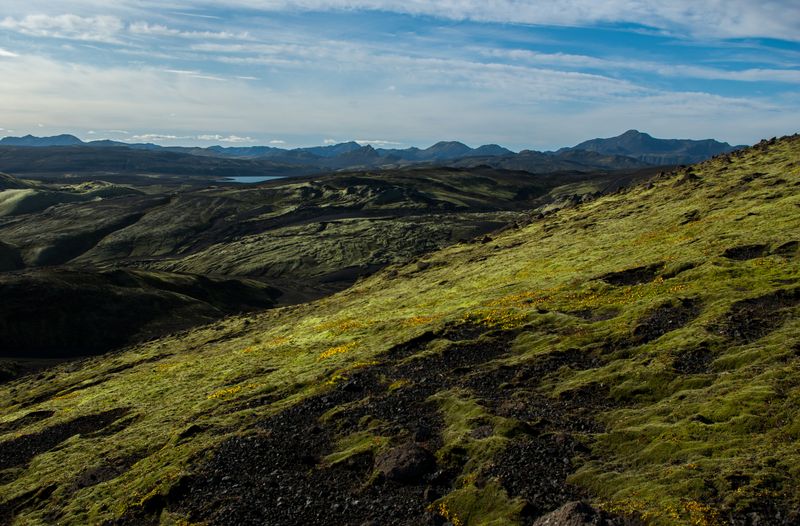
Laki’s 1783 eruption rewrote history, flooding plains with lava and ash that affected weather far beyond Iceland. The fissure stretches for kilometers, a bead string of craters aligned along the rift. Walking here, you sense both tragedy and the raw mechanics of eruption.
Climb a crater for a sweeping view of moss draped lava oceans and braided rivers. You will read interpretive panels that trace famine, haze, and climate impacts. The landscape teaches consequences, not just processes, and it lingers with you long after footprints fade.
10. Grímsvötn and Bárðarbunga – Hidden Under Ice, Ready to Erupt
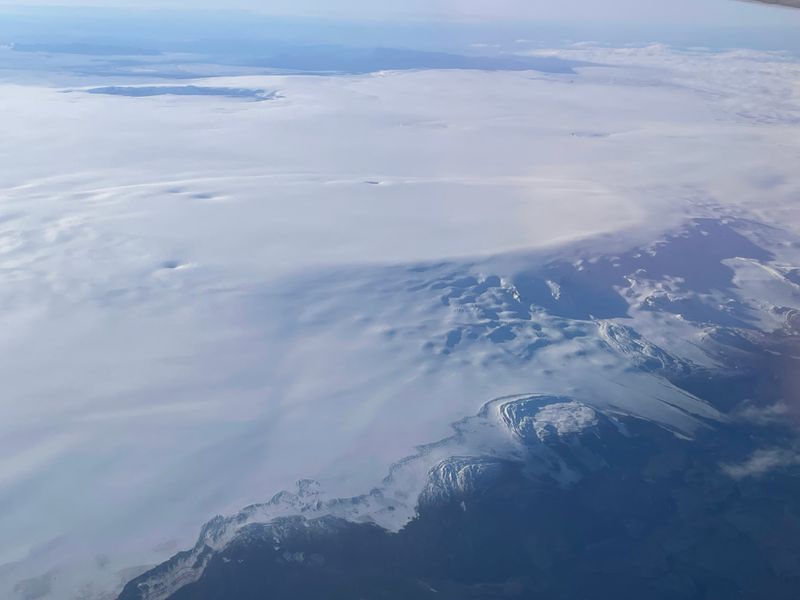
Beneath Vatnajökull’s bright ice, Grímsvötn and Bárðarbunga simmer quietly. Instruments track tremors and swelling that hint at future activity. You cannot peer into their craters, but the jökulhlaup floods and ash records tell vivid stories of subglacial fire.
Visit nearby viewpoints and visitor centers to visualize plumbing hidden under the ice. You will appreciate how rifting continues even where snow smooths the surface. The contrast is striking: silent glaciers masking restless magma. It is geology’s stealth mode, demanding respect for forces you cannot see.
11. Jökulsárlón Glacier Lagoon – Where Ice Meets a Shifting Earth
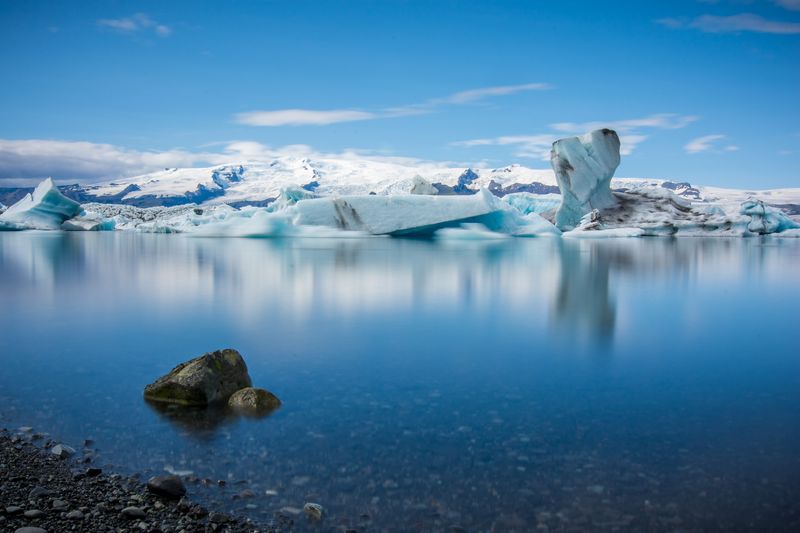
At Jökulsárlón, icebergs drift like slow ships, calved from a retreating glacier that responds to both climate and crustal motion. The lagoon deepens as ice pulls back, and tides tug bergs toward the sea. It is a meeting place for planetary systems.
Walk the shore, listen to ice crack, and watch seals weave among translucent blue blocks. You will feel time layered in banded ice, while distant rumblings echo change. The nearby Diamond Beach turns fragments into glittering sculptures, reminding you of constant reshaping.
12. Hverir Geothermal Field – Boiling Earth at the Surface
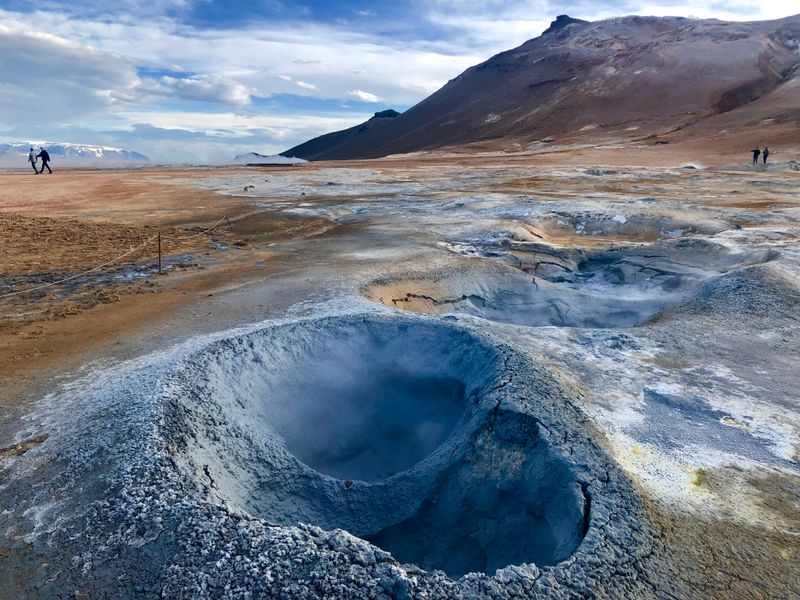
Hverir looks like the planet opened its pores. Mud pots burble, fumaroles whistle, and sulfur paints the ground in creams and yellows. The air is sharp and metallic, a reminder that heat rises from shallow magma routes.
Stay on paths, because crust can be thin and temperatures extreme. You will watch steam blur the horizon and feel droplets bead on your jacket. It is noisy, smelly, and wonderfully alive, a surface symptom of deep rifting. Leave with shoes dusted in color and senses buzzing.



