 Unearth The Voyage
Some of the world’s most breathtaking destinations exist in countries facing serious corruption challenges. Despite political instability and governance issues, millions of travelers continue to visit these remarkable places each year. From ancient temples to stunning waterfalls, these UNESCO-recognized sites offer unforgettable experiences that transcend the difficulties their host nations face.
1. Angkor (Siem Reap), Cambodia
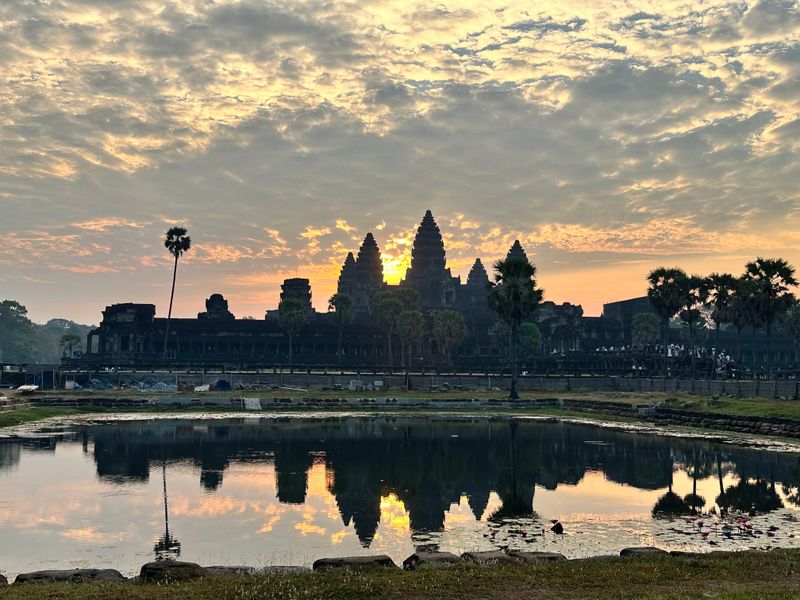
Stone towers rise from the jungle like monuments frozen in time. Angkor’s temple complexes represent one of Southeast Asia’s most remarkable archaeological treasures, drawing millions who wander through centuries-old corridors and courtyards.
Cambodia ranks 158 out of 180 countries on the 2024 Corruption Perceptions Index with a score of 21. Yet visitors continue arriving to witness dawn breaking over Angkor Wat’s iconic silhouette, exploring the tree-roots embracing Ta Prohm, and discovering hidden carvings throughout this UNESCO World Heritage site that spans over 150 square miles.
2. Bagan, Myanmar
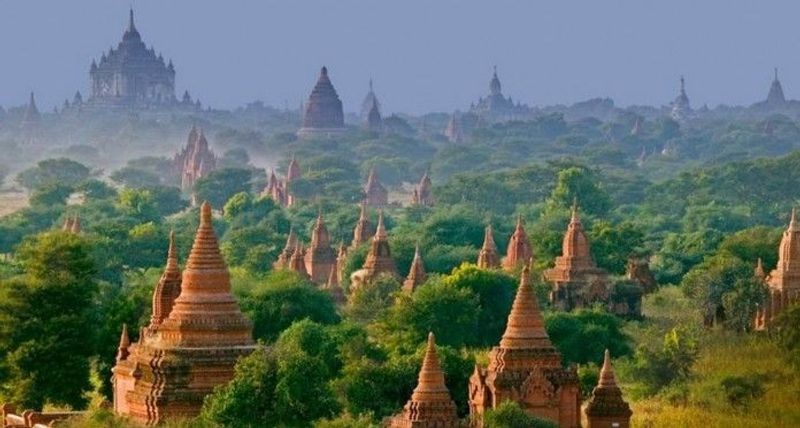
Over two thousand temples scatter across a dusty plain, creating a landscape unlike anywhere else on Earth. Hot air balloons drift above at sunrise, offering bird’s-eye views of this archaeological wonderland that flourished between the 9th and 13th centuries.
Myanmar’s corruption score sits at just 16 out of 100, placing it 168th globally. Political turmoil has complicated travel, yet Bagan’s UNESCO-listed stupas and temples continue attracting adventurous souls. Visitors bike between monuments, climb ancient staircases, and watch sunsets paint the brick structures in golden hues across this spiritual heartland.
3. National History Park (Citadelle Laferrière, Sans-Souci, Ramiers), Haiti
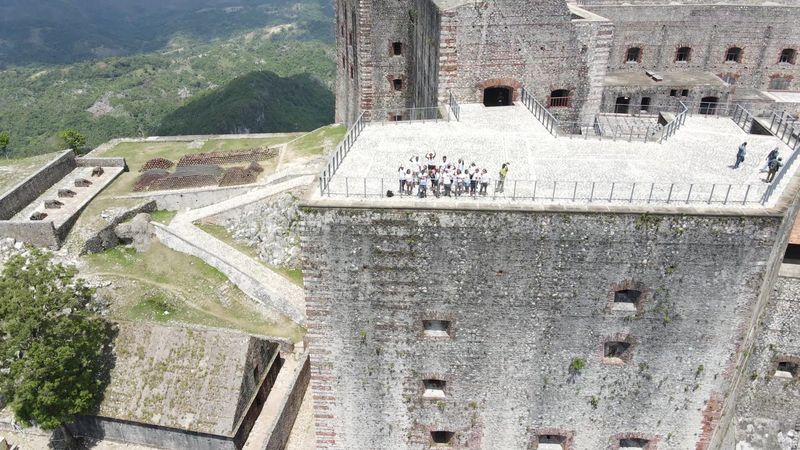
A fortress crowns a mountain peak 3,000 feet above sea level, built by former slaves who won their freedom. Citadelle Laferrière stands as a powerful symbol of independence and human determination, accompanied by the elegant ruins of Sans-Souci palace below.
Haiti shares Myanmar’s low corruption score of 16, ranking 168th worldwide. Security concerns have limited tourism for years. Still, history enthusiasts make the challenging climb to experience this UNESCO-recognized monument, one of the Caribbean’s most significant historical complexes, representing triumph over colonial oppression and architectural ambition on a grand scale.
4. Canaima National Park (Angel Falls region), Venezuela
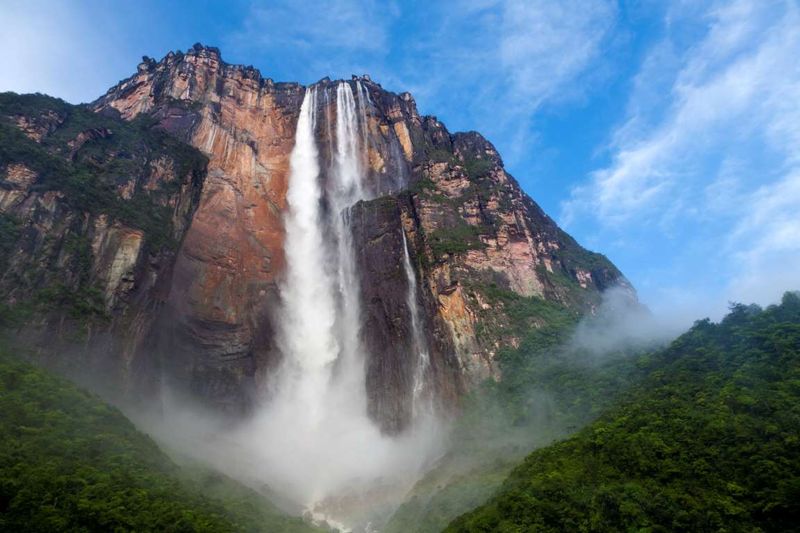
Water plunges nearly 3,000 feet from a table-top mountain, creating the world’s highest uninterrupted waterfall. Angel Falls captivates adventurers willing to journey by boat and foot through remote rainforest to witness this natural wonder tumbling from ancient tepui formations.
Venezuela scores just 10 out of 100 on corruption measures, ranking 178th globally. Economic collapse and political instability make travel complicated and unpredictable. Nevertheless, Canaima’s UNESCO-listed landscapes of dramatic cliffs, indigenous communities, and otherworldly geology continue drawing determined travelers seeking one of Earth’s most spectacular waterfalls in its pristine wilderness setting.
5. Baalbek, Lebanon
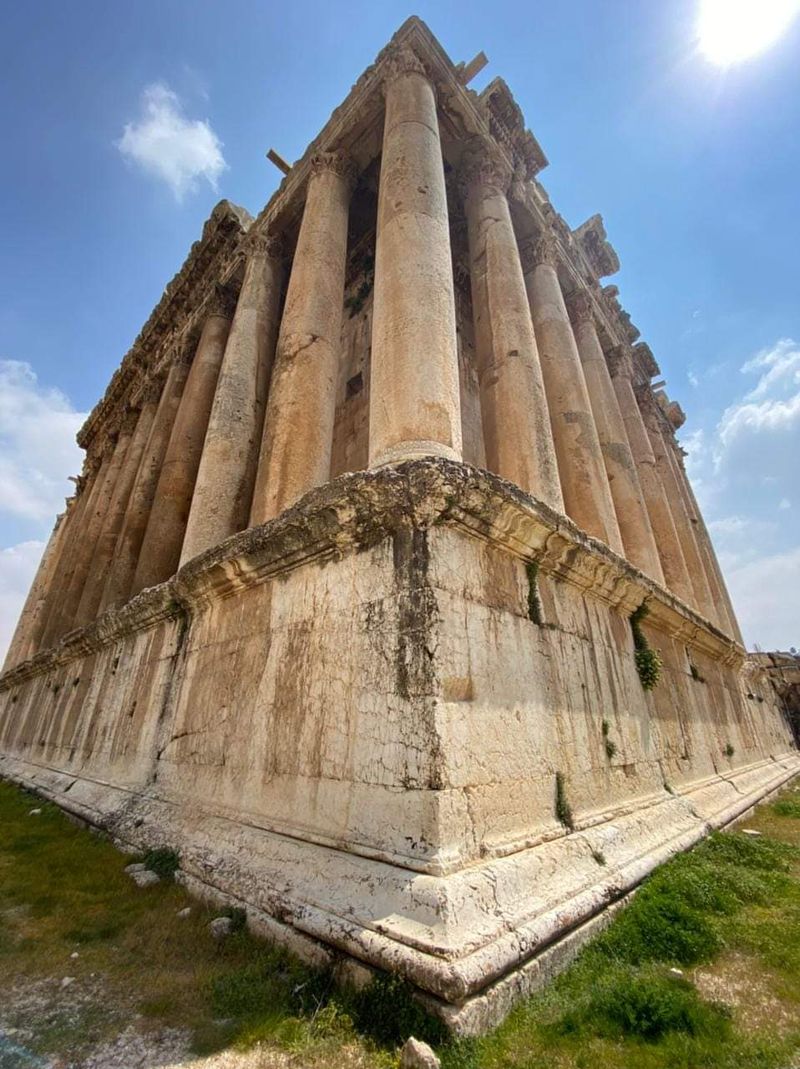
Six towering columns pierce the sky, remnants of a temple complex that once rivaled Rome’s greatest architecture. Baalbek’s monumental ruins showcase engineering feats that still puzzle experts, with foundation stones weighing up to 800 tons somehow moved and positioned with ancient technology.
Lebanon scores 22 out of 100, ranking 154th on corruption indexes. Economic crisis and regional tensions challenge daily life. Yet archaeology lovers journey to this UNESCO site in the Bekaa Valley, marveling at the Temple of Bacchus’s intricate carvings and imagining the grandeur when these structures stood complete millennia ago.
6. Maya Site of Copán, Honduras
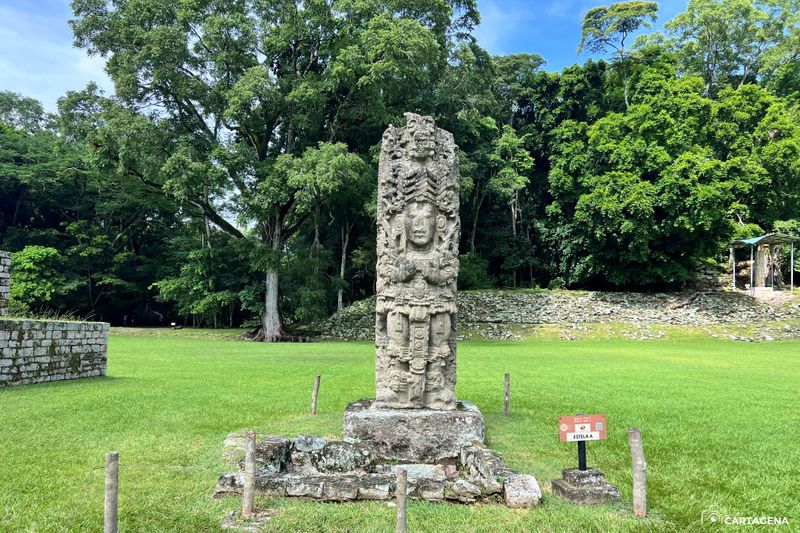
Hieroglyphs climb a massive stairway, telling stories carved in stone over a thousand years ago. Copán showcases Maya civilization at its artistic peak, with stelae depicting rulers in stunning detail and a ball court where ancient games once determined fates.
Honduras scores 22 out of 100, tying Lebanon at rank 154. Gang violence and poverty create safety concerns in many areas. Despite these challenges, this UNESCO-listed archaeological site near the Guatemalan border attracts history buffs fascinated by Maya achievements in astronomy, mathematics, and art, all preserved in magnificent stone sculptures and architectural remains.
7. Antigua Guatemala, Guatemala
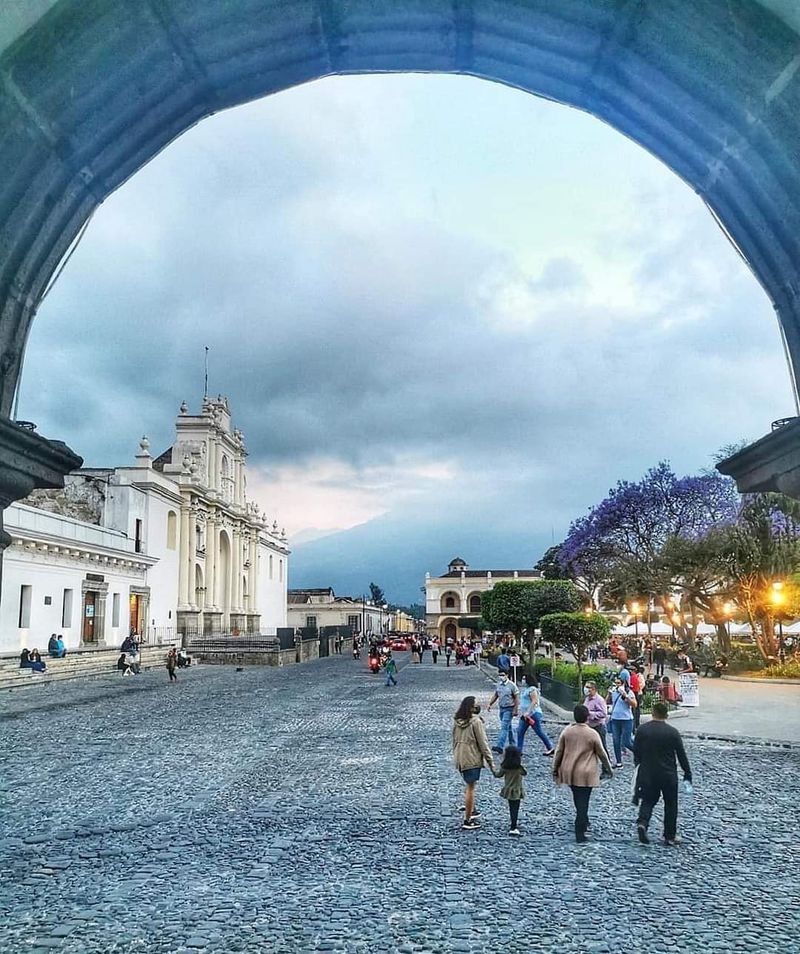
Cobblestone streets wind between pastel-colored colonial buildings, framed by three volcanic peaks that dominate the horizon. Antigua preserves Spanish colonial architecture better than almost anywhere in the Americas, with baroque churches, convents, and plazas that transport visitors to the 1700s.
Guatemala’s corruption score reaches 25 out of 100, ranking 146th globally. Crime and inequality persist throughout the country. Yet Antigua’s UNESCO-listed historic center remains a backpacker favorite and cultural hub, offering language schools, vibrant markets, and weekend hikes up active volcanoes, all within a compact, walkable city that balances preservation with modern cafe culture.
8. Lahore Fort & Shalimar Gardens, Pakistan
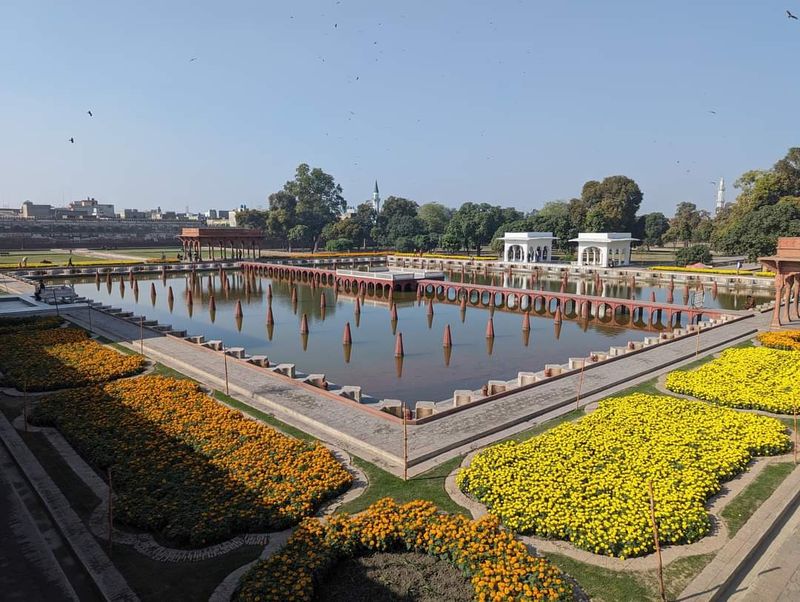
Intricate tile mosaics cover palace walls in patterns that dazzle the eye, while terraced gardens cascade with fountains designed for Mughal emperors. Lahore Fort and Shalimar Gardens represent the pinnacle of Islamic architecture in South Asia, blending Persian and Indian artistic traditions into breathtaking harmony.
Pakistan scores 27 out of 100, placing it 135th on corruption rankings. Security concerns vary by region. Still, Lahore’s UNESCO-listed heritage sites draw culture enthusiasts to Punjab’s historic capital, where centuries-old craftsmanship in marble inlay, fresco painting, and garden design showcase an empire’s refined aesthetic sensibilities.
9. The Sundarbans (Bangladesh portion)
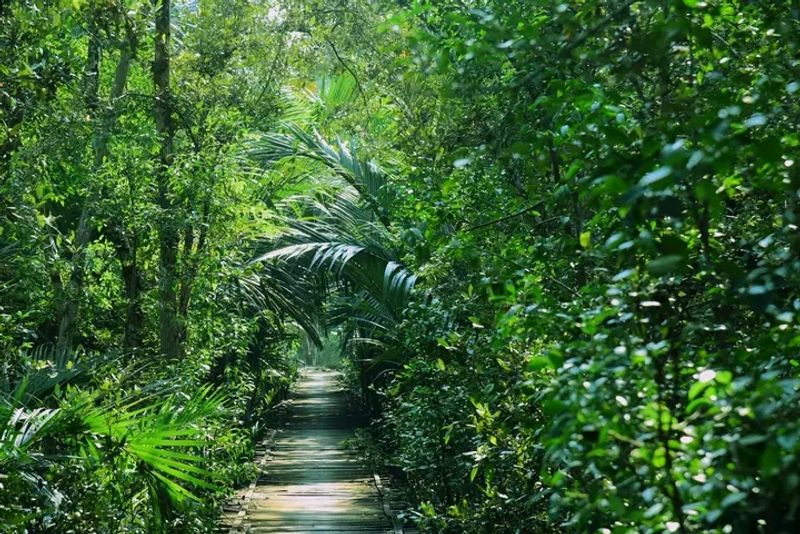
Mangrove roots twist into the water, creating a labyrinth where Bengal tigers prowl and crocodiles lurk. The Sundarbans form the world’s largest mangrove forest, a tidal ecosystem where rivers meet the Bay of Bengal in a maze of channels and islands.
Bangladesh scores 23 out of 100, ranking 151st globally. Flooding and poverty challenge communities here. Yet this UNESCO-listed biosphere reserve attracts wildlife enthusiasts hoping to spot Royal Bengal tigers, spot-billed pelicans, and Irrawaddy dolphins. Boat safaris navigate narrow creeks through this unique habitat where saltwater and freshwater ecosystems merge in remarkable biodiversity.
10. Andrefana Dry Forests (incl. Tsingy de Bemaraha), Madagascar
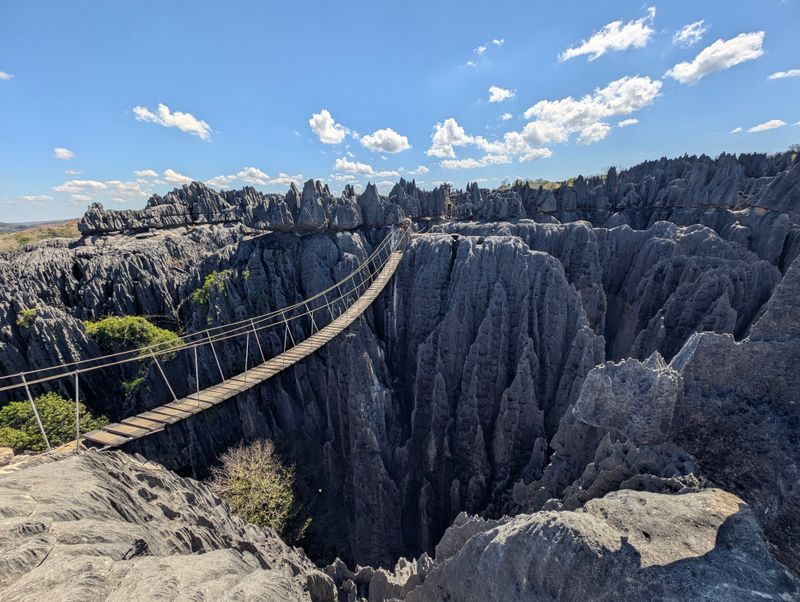
Razor-sharp limestone pinnacles jut skyward like a stone forest, creating an otherworldly landscape you can walk above on suspension bridges. Tsingy de Bemaraha’s karst formations took millions of years to erode into these dramatic spires, harboring unique plant and animal species found nowhere else.
Madagascar scores 26 out of 100, ranking 140th on corruption measures. Political instability and poverty affect the island nation. Nonetheless, adventurous travelers make the journey to this UNESCO-listed site in western Madagascar, navigating via ferries and rough roads to witness geology that looks more alien than earthly, plus lemurs adapted to this vertical habitat.
11. City of Potosí, Bolivia
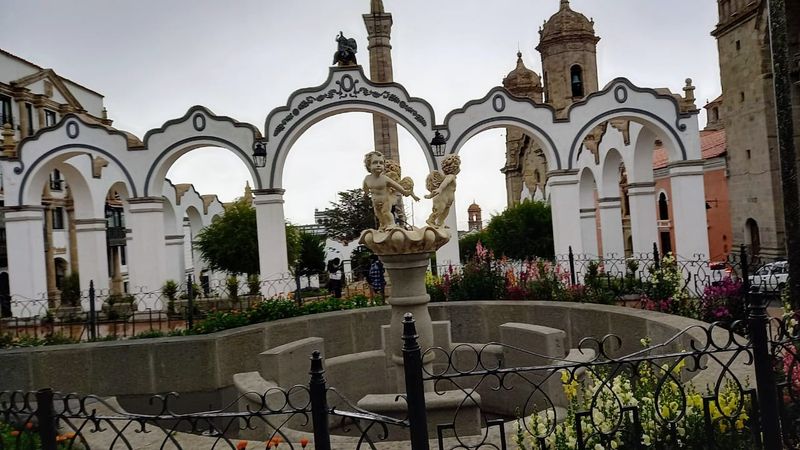
A mountain once literally made of silver looms over a colonial city built on unimaginable wealth and suffering. Cerro Rico fueled Spain’s empire for centuries, while the mint and churches of Potosí showcase baroque splendor funded by ore extracted at tremendous human cost.
Bolivia scores 28 out of 100, ranking 133rd globally. Economic challenges and political tensions continue. Yet travelers interested in colonial history and mining heritage visit this UNESCO-listed high-altitude city, touring the mountain’s still-active mines, exploring ornate churches, and learning about the silver that once accounted for most of the world’s supply during the Spanish colonial era.
12. Giza Pyramid Fields (Memphis & its Necropolis), Egypt
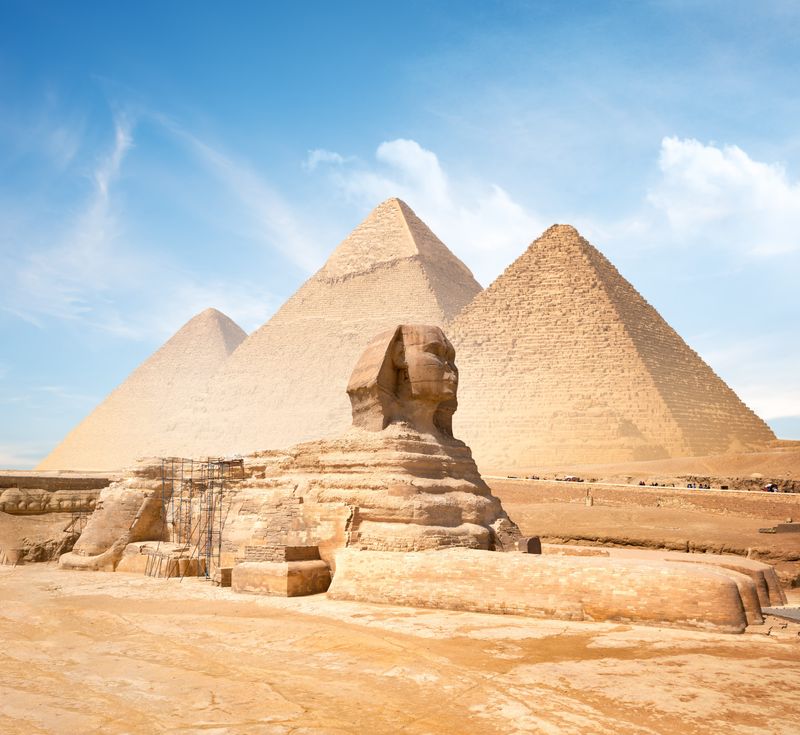
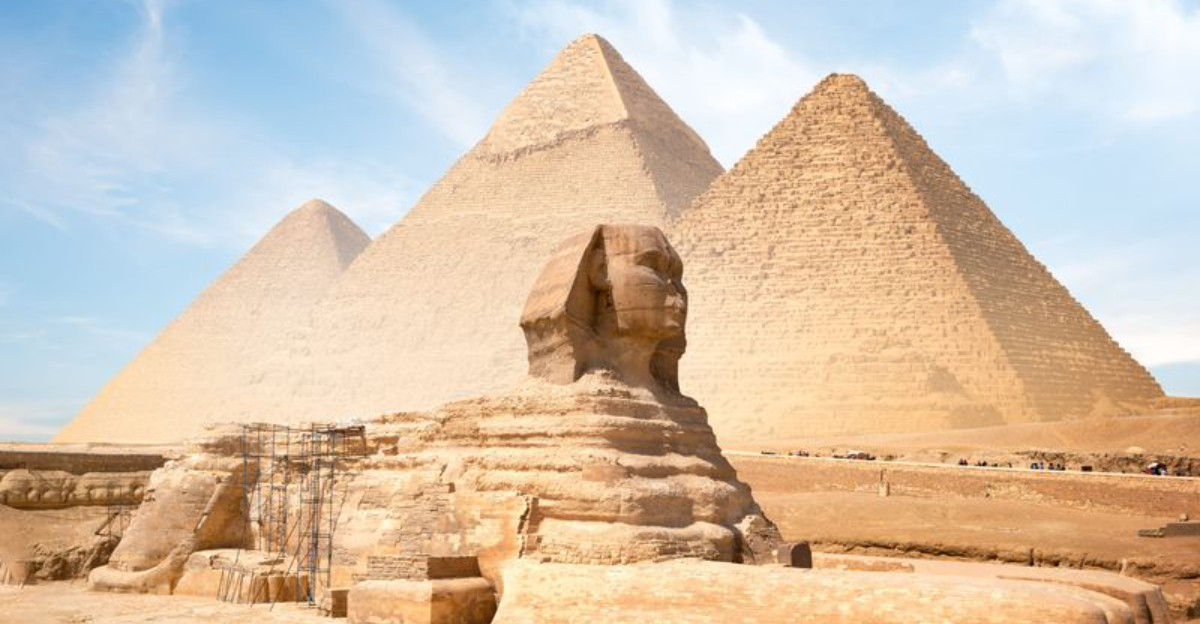
Three pyramids stand against the desert sky, built over 4,500 years ago with techniques that still spark debate. The Sphinx guards these tombs of pharaohs, while smaller pyramids, temples, and mastabas spread across the necropolis that once served ancient Memphis.
Egypt scores 30 out of 100, ranking 130th on corruption indexes. Bureaucracy and security concerns affect visitors. Despite this, the UNESCO-listed pyramid fields from Giza to Dahshur remain bucket-list destinations, offering humanity’s most recognizable ancient monuments. Millions stand before structures that have outlasted empires, contemplating engineering achievements that defined civilization’s early ambitions.
13. Historic Centre of Saint Petersburg, Russia
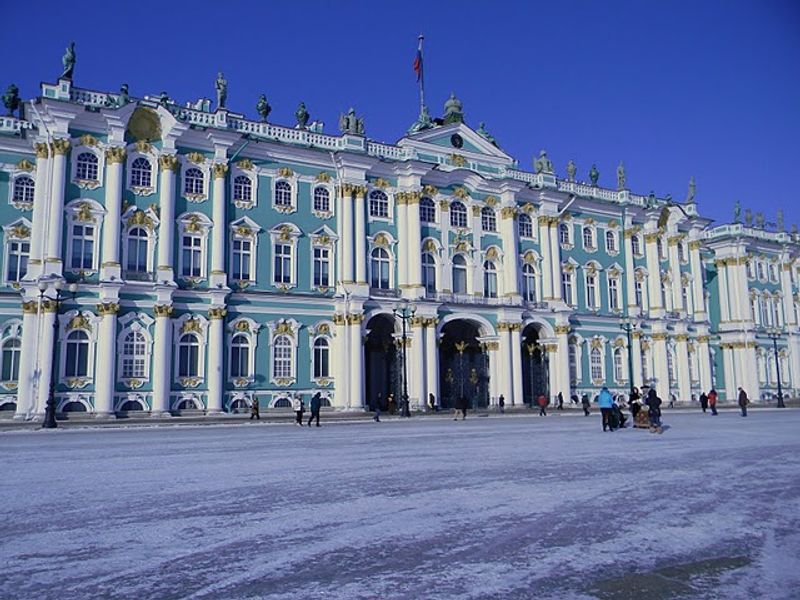
Gold-topped cathedrals and pastel palaces line canals designed to rival Venice, creating a city Peter the Great built to be Russia’s window to Europe. The Hermitage Museum alone houses millions of artworks in the former Winter Palace, while Church of the Savior on Spilled Blood dazzles with intricate mosaics.
Russia scores 22 out of 100, ranking 154th globally. International sanctions and political tensions complicate travel. Yet Saint Petersburg’s UNESCO-listed imperial architecture continues attracting culture seekers to experience Mariinsky ballet, summer White Nights, and palaces that showcase centuries of artistic patronage by tsars who spared no expense on their northern capital.
14. Mosi-oa-Tunya / Victoria Falls (Zimbabwe side)
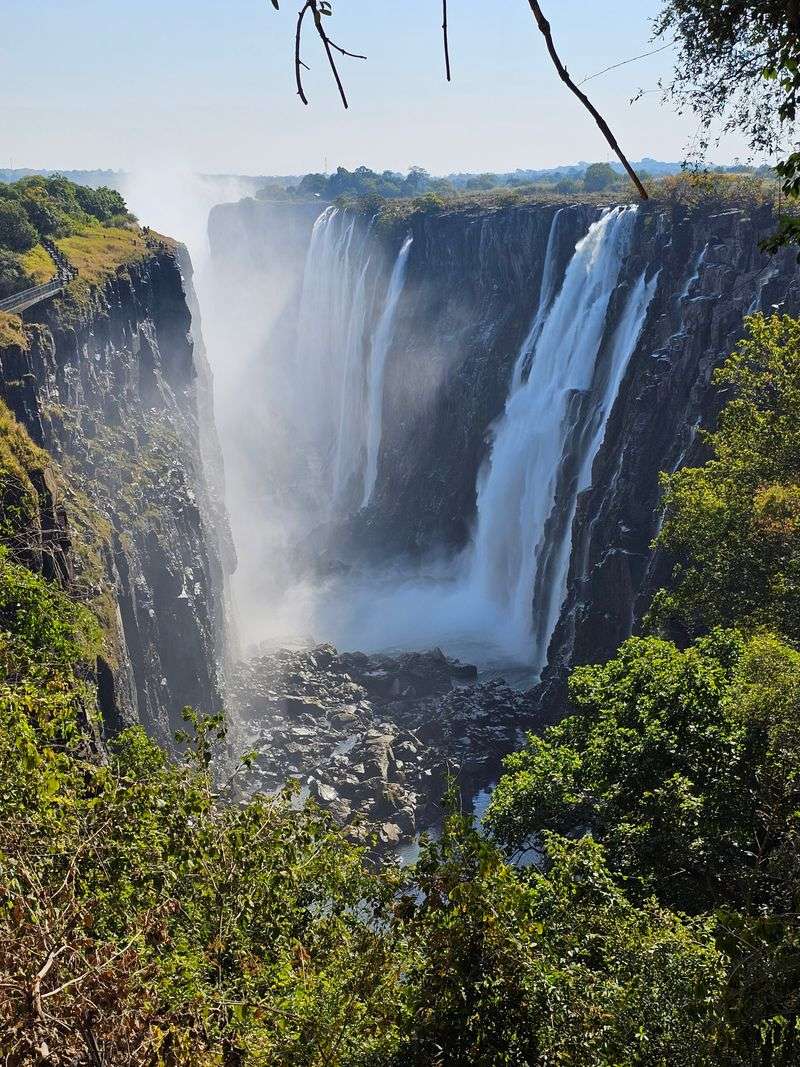
A curtain of water over a mile wide crashes into a gorge, sending mist skyward that’s visible for miles. Local people named it Mosi-oa-Tunya, the smoke that thunders, an apt description for one of Earth’s most powerful waterfalls where the Zambezi River plunges over 350 feet.
Zimbabwe scores 21 out of 100, ranking 158th on corruption measures. Economic hardship and political challenges persist. Still, this UNESCO-listed natural wonder draws adventurers to the Zimbabwe side for Devil’s Pool swims at the edge, bungee jumping from the bridge, and viewing platforms where spray soaks visitors standing before nature’s raw power on spectacular display.
15. Virunga National Park, Democratic Republic of the Congo
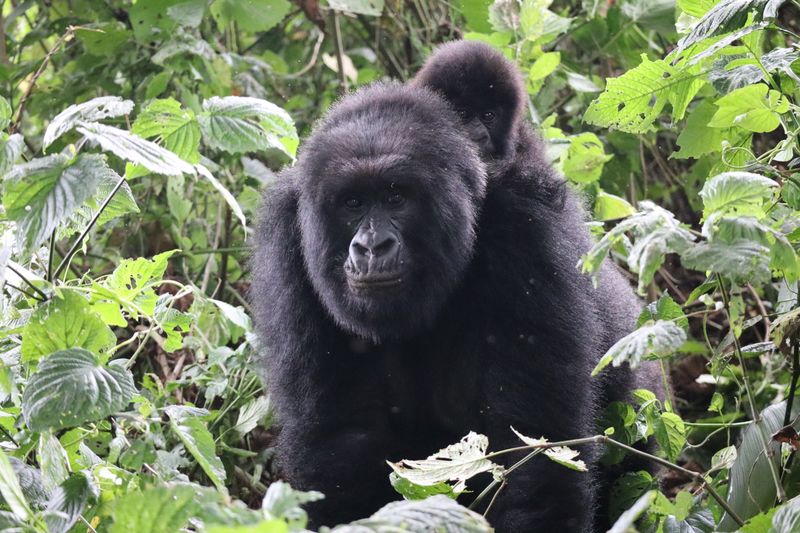
Mountain gorillas move through misty forests on volcanic slopes, part of Africa’s most biodiverse protected area. Virunga spans ecosystems from lowland swamps to snow-capped peaks, harboring okapis, forest elephants, and over half the world’s critically endangered mountain gorillas.
The DRC scores 20 out of 100, ranking 163rd globally. Armed conflicts and instability make security unpredictable. Tourism access changes frequently based on conditions. When safe, this UNESCO-listed park offers unforgettable gorilla trekking experiences, though travelers must check official updates before planning. Rangers risk their lives protecting wildlife in one of conservation’s most challenging and important frontlines.



