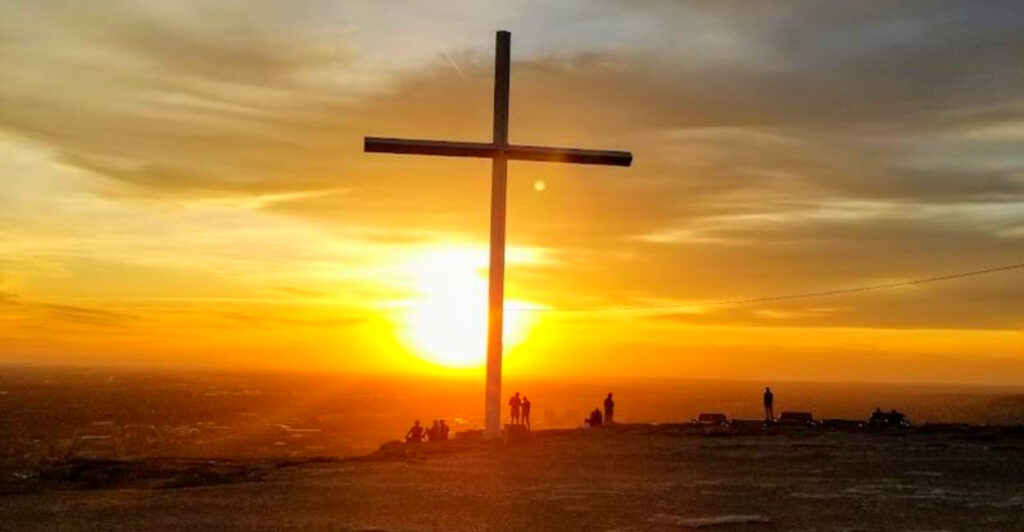
High above downtown Boise, one of Idaho’s most recognizable landmarks rewards visitors with sweeping Treasure Valley views, a scenic foothills hike, and a fascinating story that stretches back more than half a century. Hikers come for the panoramic overlooks, dramatic sunsets, and the towering 60-foot cross visible from across the city, but many leave just as captivated by the history, geology, and community traditions that have shaped this remarkable hilltop destination. It’s the kind of place where every step upward brings a bigger view and a deeper appreciation for Boise’s past and present.
The experience extends far beyond the summit. A moderately challenging hike, ancient volcanic geology, Native American history, abundant wildlife, glowing nighttime views, and nearby attractions like the Old Idaho Penitentiary and Idaho Botanical Garden make this one of the most rewarding outings in the Treasure Valley. Whether you’re visiting Boise for the first time or looking to rediscover one of the city’s most iconic landmarks, it’s easy to understand why this hilltop destination has remained a local favorite for generations.
Here’s why the Table Rock Cross has become one of Idaho’s most recognizable landmarks and one of the best places in Boise to enjoy unforgettable views, fascinating history, and an outstanding foothills hike.
A Hilltop Address With A Lot Of Altitude
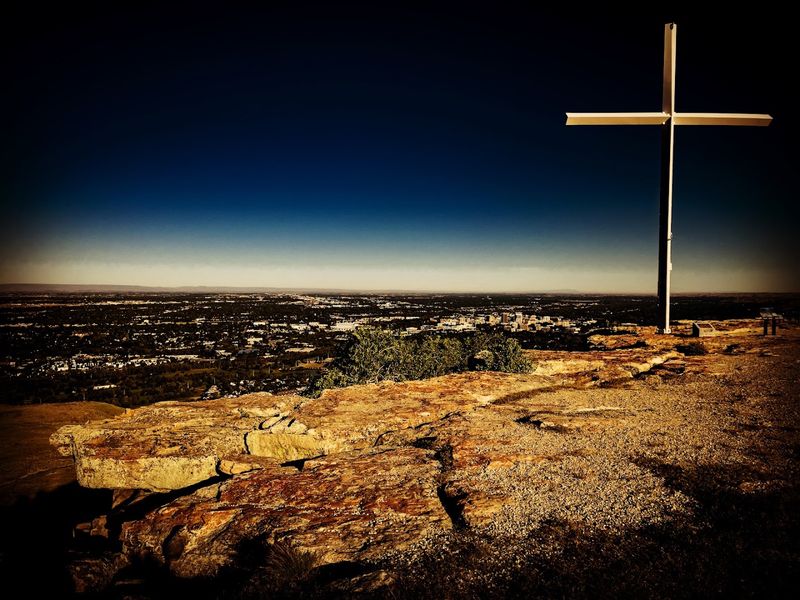
Most landmarks have an address, but few come with a view that makes you forget you ever needed directions. The Table Rock Cross stands at 3199 E Table Rock Rd, Boise, ID 83712, perched on the summit of Table Rock Mesa in the Boise Foothills, just southeast of downtown Boise, Idaho.
The cross sits at an elevation of 3,629 feet above sea level, roughly 900 feet higher than the city center below. That kind of altitude difference is not just impressive on paper; you feel every single foot of it on the trail up.
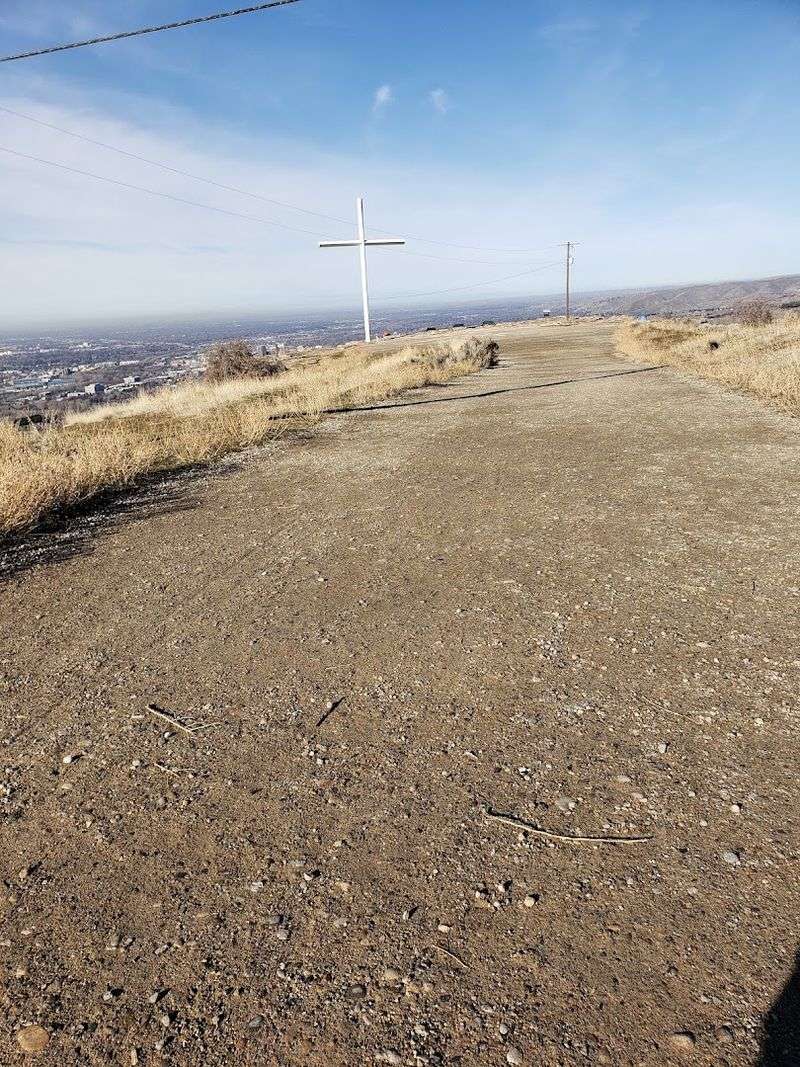
From this vantage point, the entire Treasure Valley spreads out beneath you like a living map. The cross itself is a towering 60-foot white steel structure, weighing approximately 4,500 pounds, and it has been watching over Boise since January 8, 1956. First-time visitors often stop at the top and just stand there quietly, genuinely taken by the scale of what they are seeing.
The Television Show That Started It All
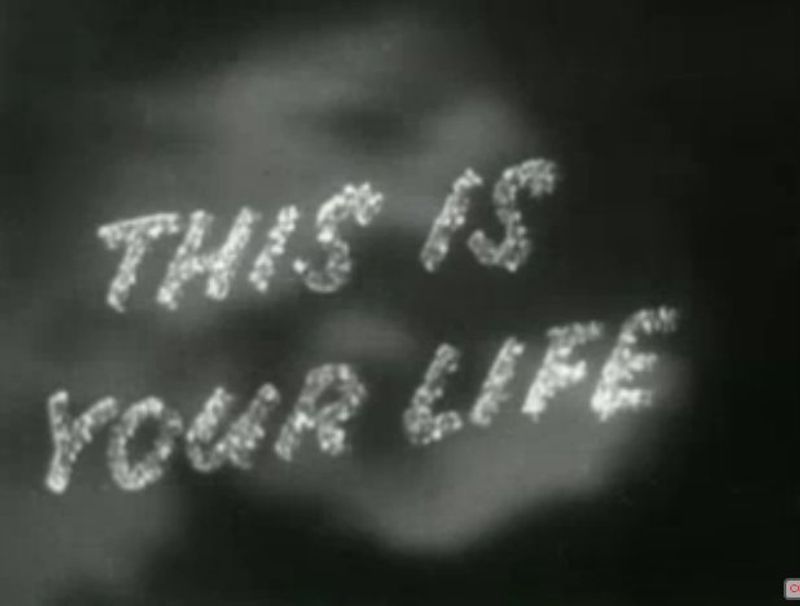
A 1950s TV show changed the Boise skyline forever, and that is not something you hear every day. The Table Rock Cross owes its existence to an episode of the popular television program “This Is Your Life,” which aired in the early 1950s and featured a rural mail carrier whose dream was to build a cross overlooking his hometown.
His community made that dream happen on screen, and the Boise Jaycees, formally known as the Junior Chamber of Commerce, watched and decided to do the same thing for their city. The project was fueled by a genuine community spirit, with $880 raised through donations that notably included contributions from children’s allowances.
Three volunteers, Dick Wilcolm, Rich Jordan, and Chet Shawver, did the heavy lifting and physical construction work. Beyond religious symbolism, the Jaycees also intended the cross to represent a stand against communism during the height of the Red Scare era. A TV moment turned into a permanent piece of Idaho history that still stands tall today.
How A $100 Land Deal Secured Its Future
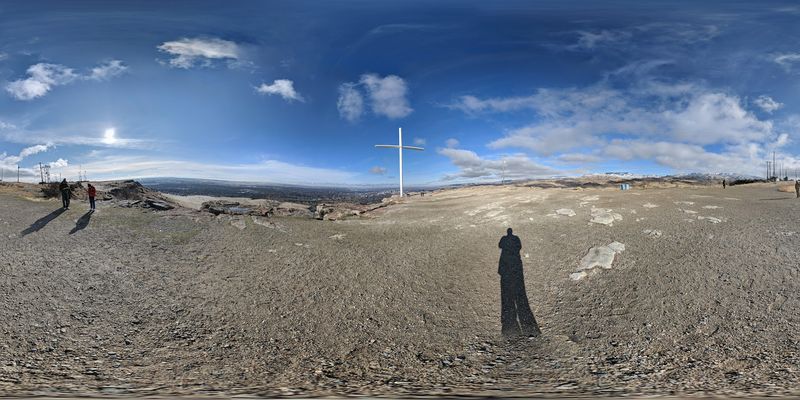
Not every landmark’s survival comes down to a real estate auction, but the Table Rock Cross is not every landmark. When the cross was first built in 1956, it stood on land owned by the Idaho Department of Corrections, which created an obvious legal vulnerability for a religious symbol on government property.
A 1970s legal precedent set by a similar cross in Eugene, Oregon, which was ruled a violation of the separation of church and state, put the Boise Jaycees on high alert. They moved quickly, requesting to purchase a 44-by-70-foot parcel of land surrounding the cross from the Board of Correction.
The land was declared surplus property and put up for auction in November 1971. The Jaycees won it for $100, officially making the cross and its immediate surroundings private property. That surprisingly modest transaction turned out to be one of the most consequential hundred-dollar purchases in Boise’s civic history, and the debate did not stop there.
The March That Sent A Message Across Idaho
Ten thousand people do not march through a city for just anything. In November 1999, when an activist from Chicago publicly threatened to take action against the Table Rock Cross, Boise residents responded with one of the largest community demonstrations the city had ever seen.
Participants marched from the historic Boise Depot all the way to the Idaho Statehouse, filling the streets in a show of support for keeping the cross on its hilltop. The march was not just about religion; for many participants, it was about community identity and the right to preserve a landmark that had defined the Boise skyline for more than four decades.
The American Civil Liberties Union had also challenged the legality of the original 1971 land sale back in 1994, calling it an unconstitutional closed auction. Despite those legal pressures, the cross remained, bolstered by its private property status and the unmistakable message that Boise residents sent that November day. Some landmarks earn their place through history; this one earned it through the people who showed up to defend it.
What The Bronze Plaque At Its Base Actually Says
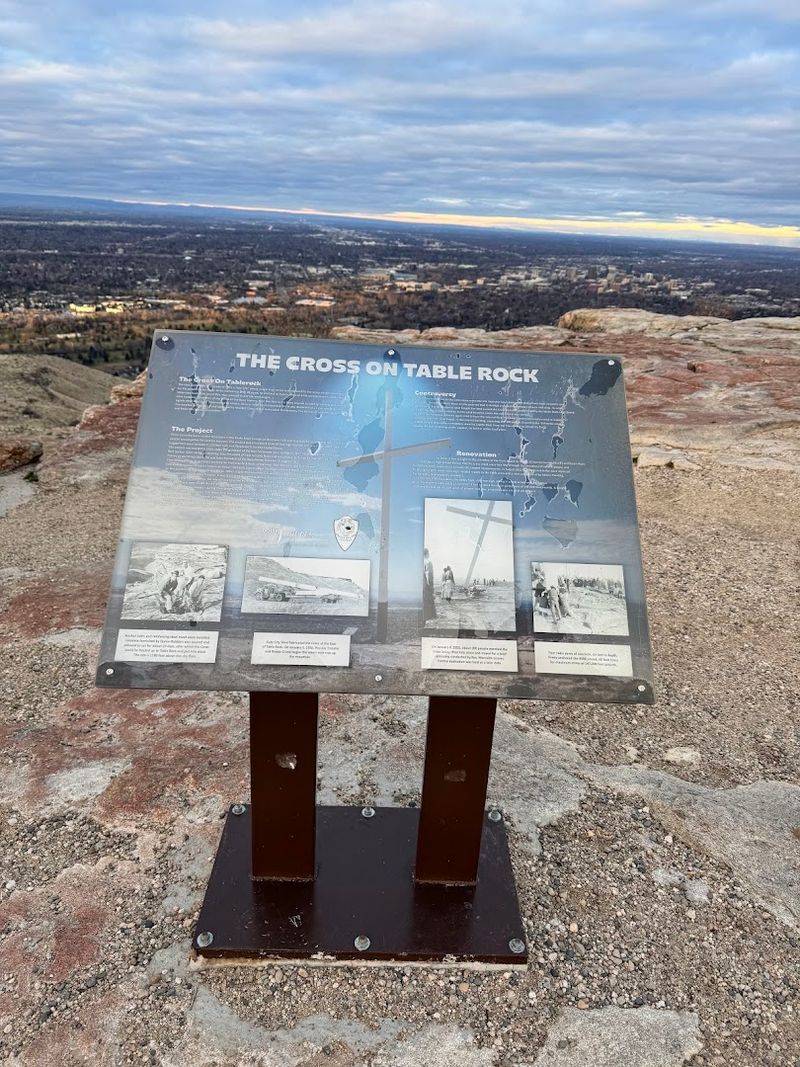
Most people hike up to the cross, take in the view, and head back down without noticing the bronze plaque sitting quietly at its base. That plaque carries words that reveal exactly what the Boise Jaycees intended this structure to mean when they built it in 1956.
The inscription reads: “In appreciation of those who by their gifts and services have made possible this cross on Table Rock, this plaque is gratefully inscribed and dedicated. May this cross inspire those who see it to better citizenship, higher ideals and happier living.”
There is no fire-and-brimstone language, no exclusionary message, just a straightforward hope that the view from up here might make people want to be a little better. For many Boise residents, religious or not, the cross has grown into a sentimental landmark rather than a strictly religious one. It has been described as a lighthouse for travelers returning home, a quiet signal that says you are almost there.
15 Million Years Of Geology Under Your Boots
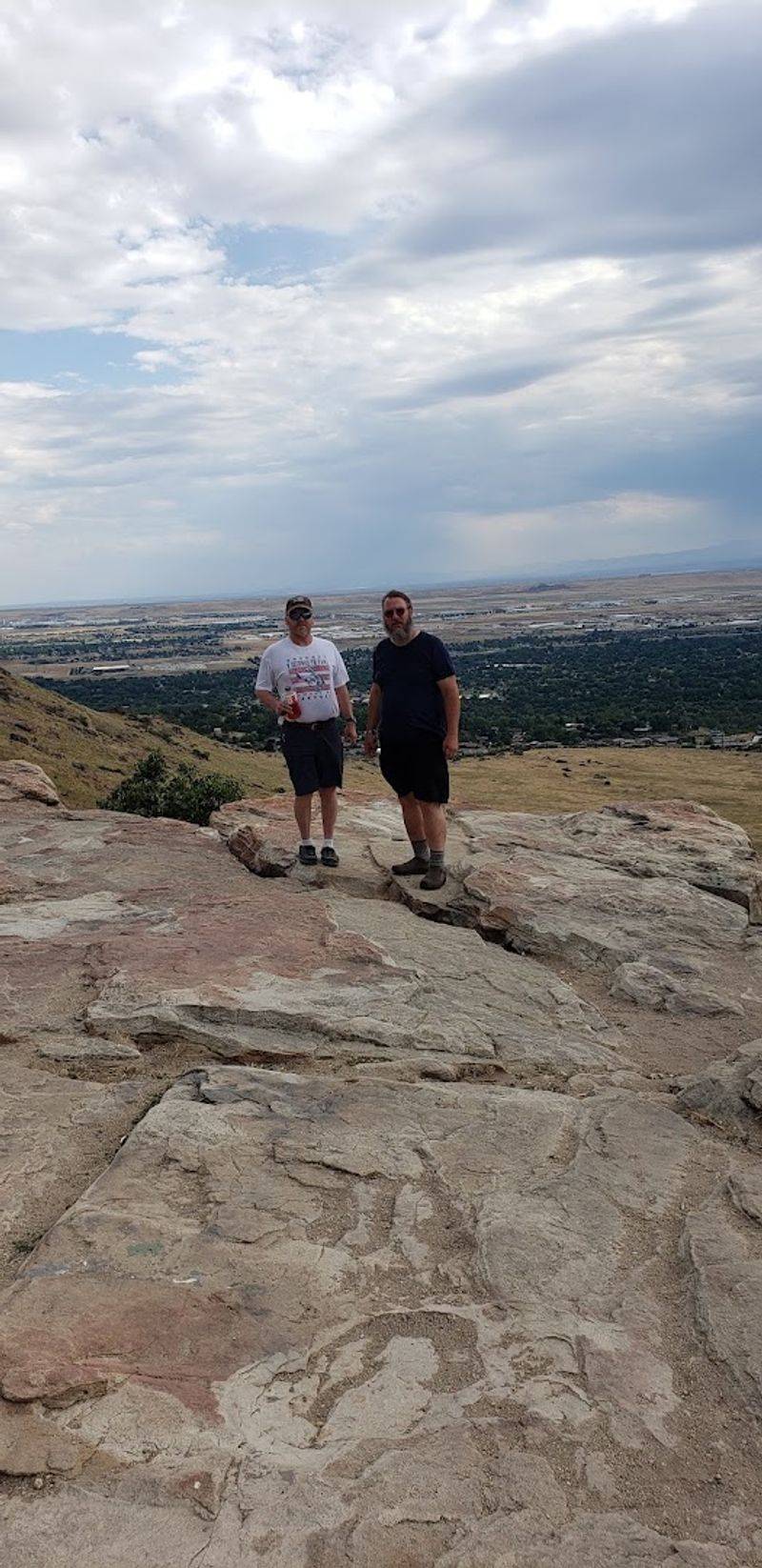
Long before the cross, long before Boise, and long before any human set foot on it, Table Rock was already doing something remarkable. The mesa was formed approximately 15 million years ago through volcanic activity, and its distinctive flat top is capped by hard sandstone that developed between two and four million years ago at the bottom of an ancient lake called Lake Idaho.
That ancient lakebed geology is why the summit feels so different from the rocky slopes below it. The flat top is almost jarring after the steep climb, like the land suddenly remembered to level out.
The rock extracted from Table Rock’s slopes was not just geological scenery; it was a building material. Since the 1860s, the mesa served as an active quarry, and sandstone from its cliffs was used to construct many historic downtown Boise buildings, including the Old Idaho Penitentiary. The ground beneath your feet on that hike is, quite literally, part of the city’s foundation story, and that connection runs deeper than most visitors realize.
A Sacred Site Long Before The Cross Arrived
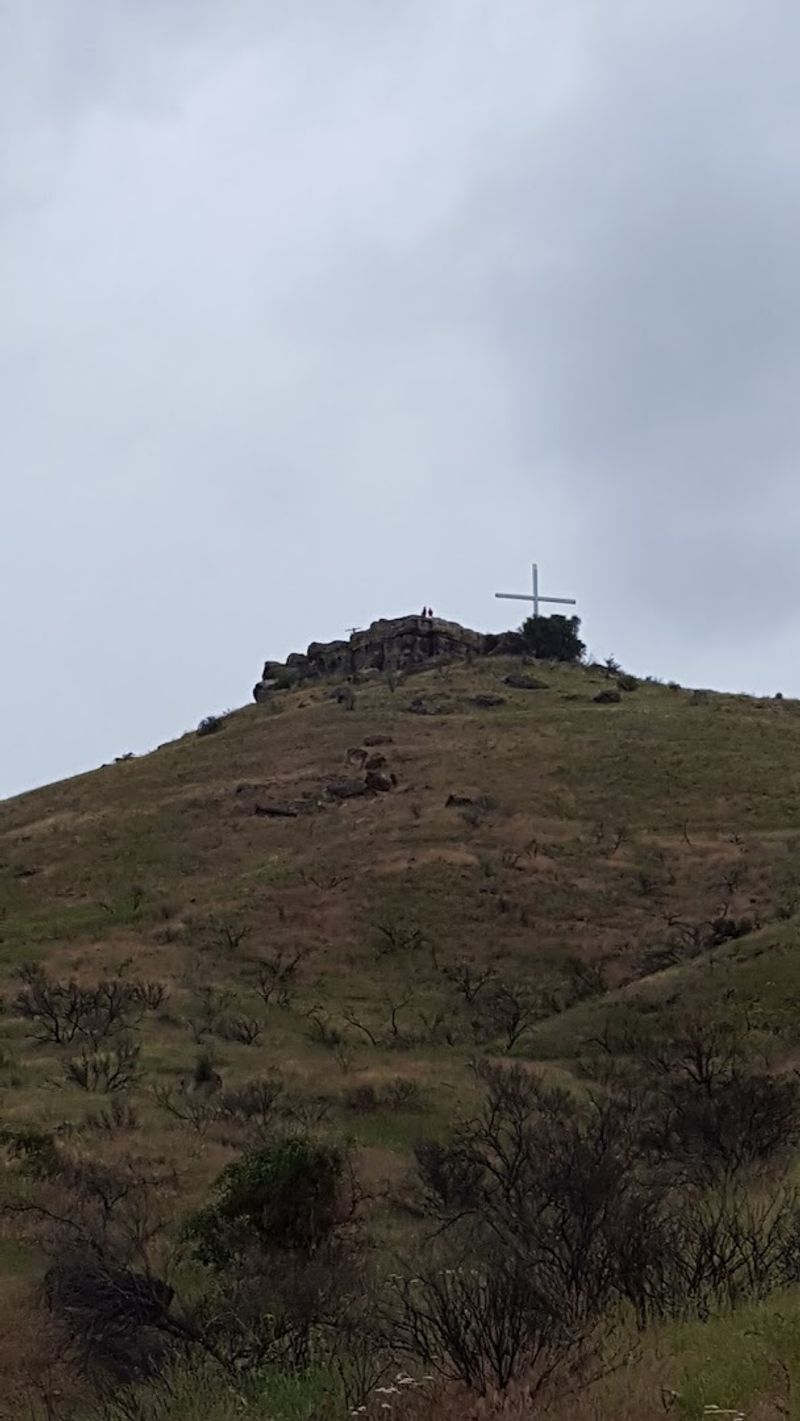
The Northern Shoshone people knew something special about this plateau long before any cross or quarry ever appeared on it. Table Rock Mesa served as a sacred ceremonial meeting place for the tribe, who used its high plateau, surrounding caves, and nearby hot springs for important cultural gatherings.
Archaeological discoveries in the area have turned up obsidian knives, and in 1893, prisoners quarrying stone uncovered Native American remains alongside beads and bracelets, offering a sobering reminder of how layered this site’s human history truly is.
The mesa did not become significant in 1956 when the cross went up; it had been significant for thousands of years before that. Understanding that history adds a different kind of weight to the hike, one that goes beyond the physical effort of the climb. The view from the top looks the same as it always has, but knowing who stood there before you changes the feeling of standing there yourself. History has a way of doing that.
The Hike Up And What To Expect On The Trail
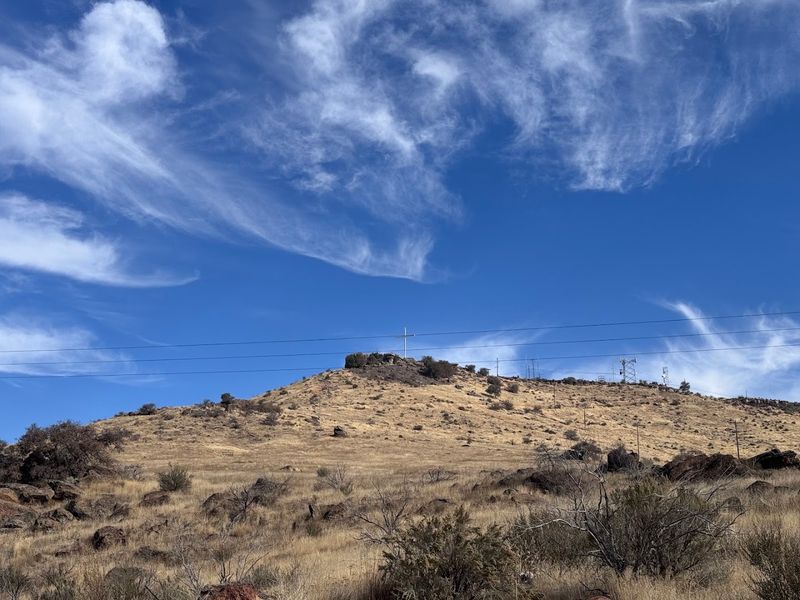
The most popular way to reach the cross starts at the Old Idaho Penitentiary trailhead, where free parking is available. The trail is a moderately challenging loop measuring approximately 3.7 to 3.8 miles, with an elevation gain of around 900 feet from the trailhead to the summit.
Minimal shade covers most of the route, so bringing plenty of water is not a suggestion; it is a necessity, especially during summer months. The average hiker reaches the top in about an hour, though the full round trip can take anywhere from 45 minutes to 2.5 hours depending on pace and the route chosen.
Vehicular access to the top is currently restricted, meaning everyone arrives on foot. Trail runners use it as a regular workout route, families bring kids up on weekend mornings, and solo hikers come for the quiet. Dogs are welcome on leashes, which adds a pleasant social energy to the trail. Spring and fall offer the most comfortable temperatures for the climb, making those seasons the sweet spot for planning your visit.
The Panoramic Reward Waiting At The Top
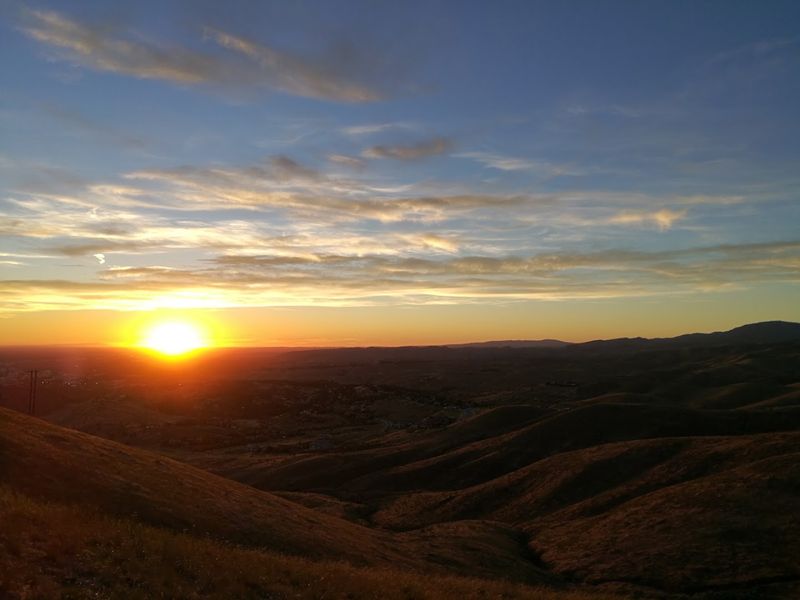
The view from the top of Table Rock is the kind that makes you understand immediately why people repeat this hike. From the flat summit, you can take in the entire Treasure Valley, the full Boise skyline, the rolling Boise Foothills stretching in every direction, and the distant silhouette of the Owyhee Mountains.
On a clear day, specific landmarks become visible, including the Idaho State Capitol dome, Boise State University, the historic Train Depot, Boise Airport, and the antenna towers of Bogus Basin. The scale of what you can see from up here is genuinely surprising, especially for first-time visitors who underestimated what 3,629 feet of elevation would reveal.
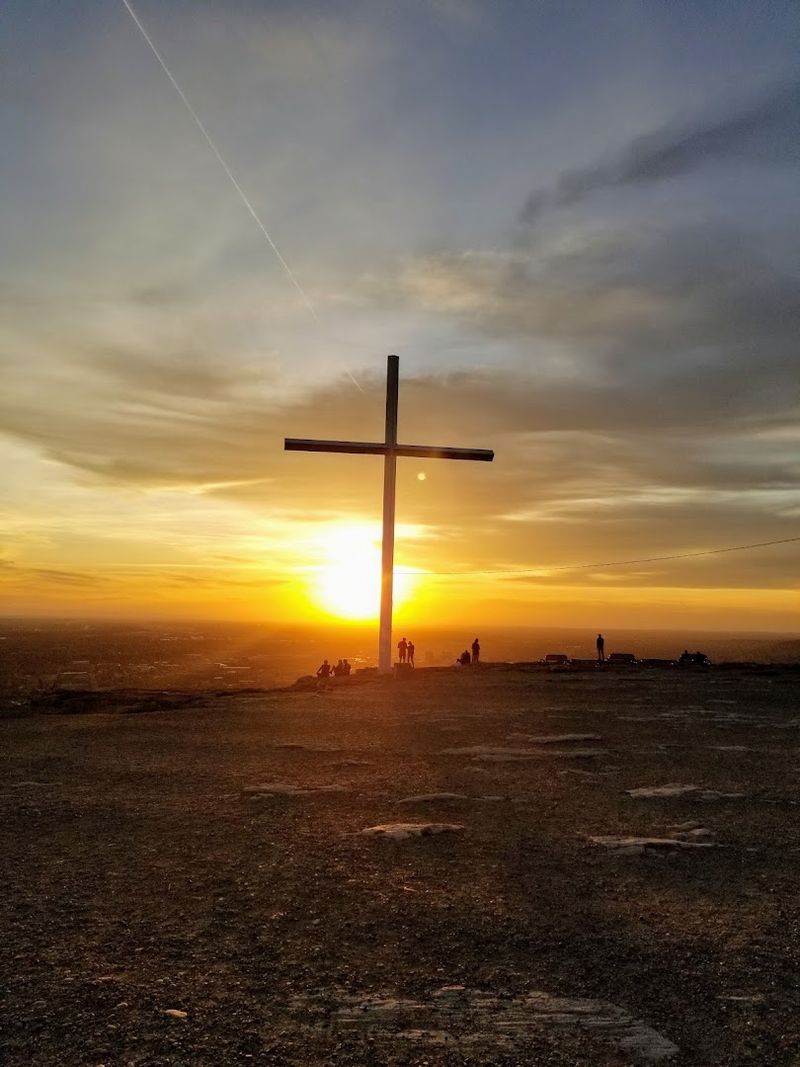
Benches at the summit let you sit and absorb the scene without rushing back down. Sunset visits are particularly popular, as the light over the valley turns the kind of colors that make people reach for their phones and still feel like no photo does it justice. The cross glows against that sky in a way that is hard to describe and easy to remember.
The Glowing Cross After Dark And Its Efficient Secret
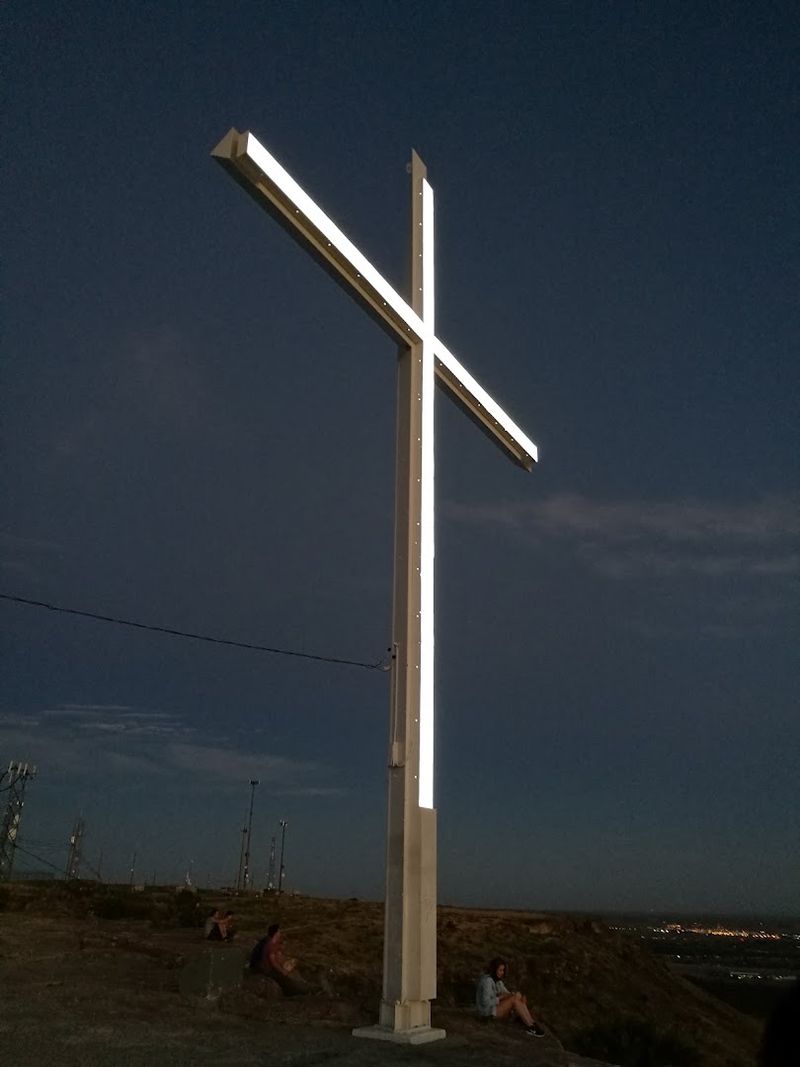
After sunset, the Table Rock Cross transforms into something that Boise residents describe as a lighthouse. The cross is illuminated nightly, visible from miles across the valley, and its white glow against the dark Idaho sky has become one of the most recognizable nighttime visuals in the entire region.
What most people do not know is that the cross got an energy efficiency upgrade in 2011. The original lighting system consumed 2,100 watts of power and cost around $60 per month to run. After switching to LED lights, that monthly electricity cost dropped to approximately $20 to $23, cutting the bill by more than half while maintaining the same bright, far-reaching glow.
The cross itself weighs around 4,500 pounds and stands 60 feet tall, which helps explain why it is visible from such a distance. Access to the site after dark is strictly prohibited for safety, fire prevention, and wildlife protection reasons, so the best way to experience the illuminated cross is from the valley below on a clear evening. It is a genuinely striking sight.
Combining The Cross With Everything Nearby
The Table Rock trailhead sits right next to the Old Idaho Penitentiary, which means combining a hike to the cross with a tour of one of Idaho’s most historically significant buildings is remarkably easy. The penitentiary, built partly from Table Rock sandstone, operated from 1872 to 1973 and now functions as a museum open to the public.
The Idaho Botanical Garden, located in the former penitentiary’s garden area, is another nearby stop worth adding to your visit. For hikers who want alternative routes to the summit, the Tram Trail near Warm Springs Golf Course offers a different approach to Table Rock that avoids the main trailhead entirely.
The broader Boise Foothills Trail System also connects to the Table Rock area, giving mountain bikers and more ambitious hikers plenty of options to extend their outing. Painted on the rocks below the cliffs is a large “B” representing Boise, a civic symbol with its own lighthearted history. This corner of Boise packs more history, scenery, and activity into a small area than almost anywhere else in the city.
Share this story