 Unearth The Voyage
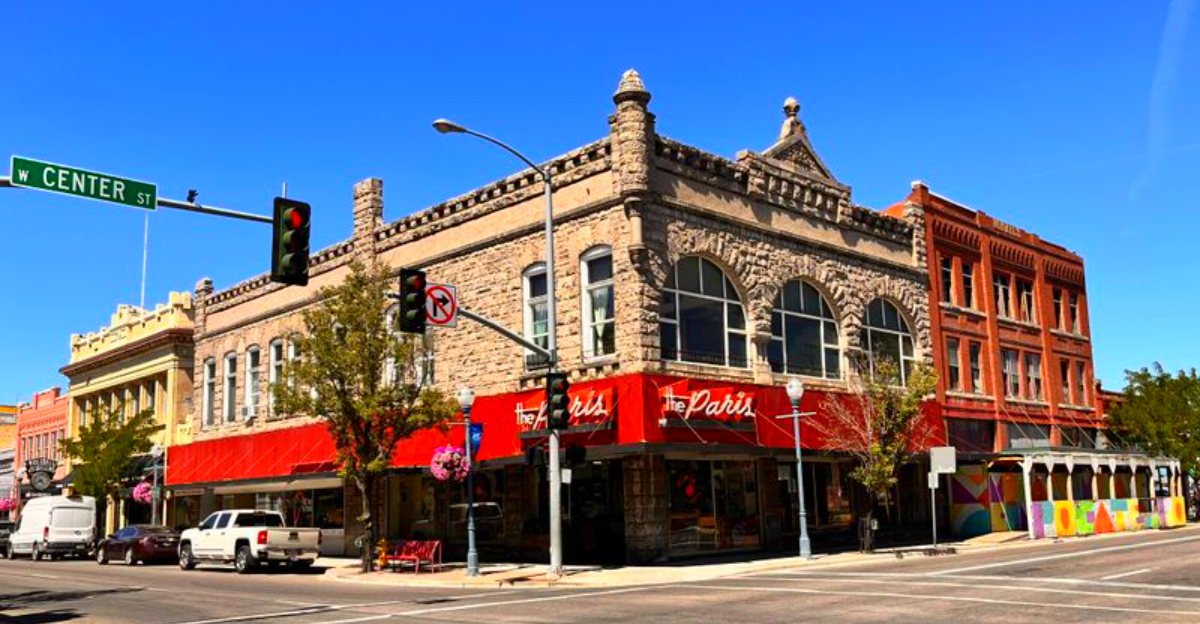
Pocatello sits where high desert meets mountain pine, and you can feel that edge the moment you roll down the window. Trail dust mingles with the smell of sage after a quick rain, and the city grid seems to lean toward the hills like it cannot wait to get moving.
What surprises most people is how far your dollar stretches while you chase that feeling day after day. If you want everyday access to serious outdoors without big city prices, this is the place to test the dream against real life.
City Creek Trail System: Your Daily Dirt Therapy
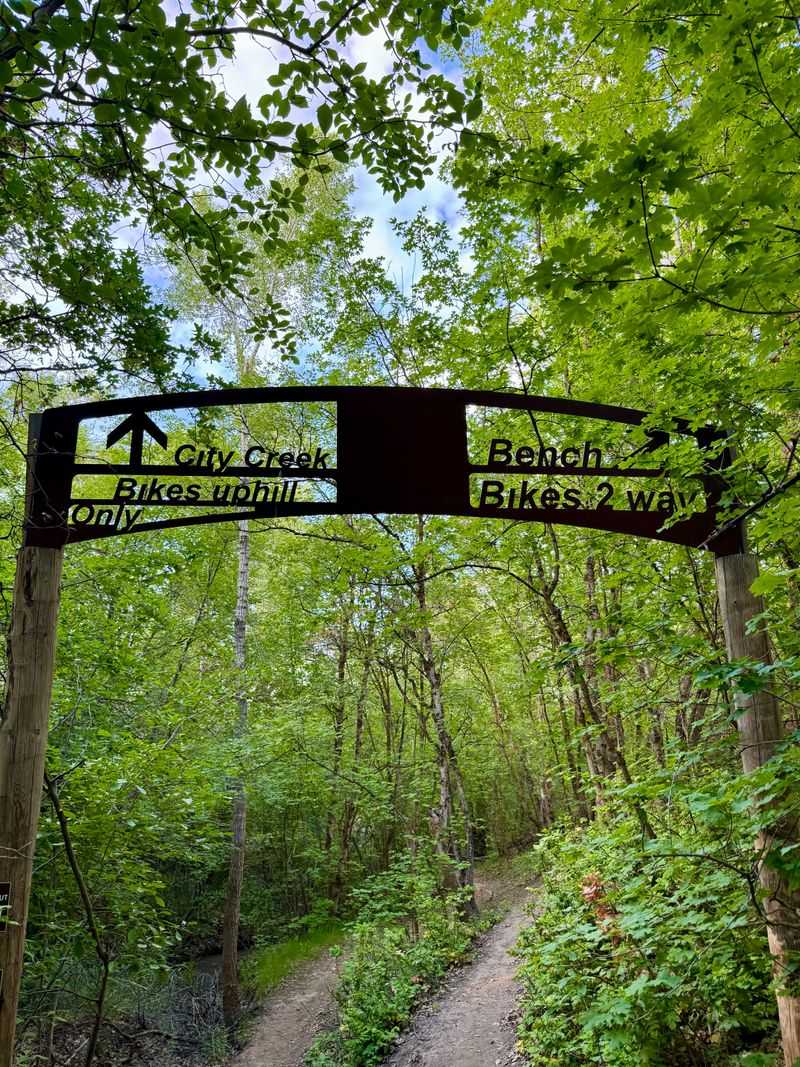
City Creek starts where the neighborhoods end, so you can lace shoes, cross one street, and be on singletrack lined with rabbitbrush and basalt. The first hundred yards smell like dust and sun-warmed sage, a scent that sticks to your socks and keeps the day honest.
Switchbacks climb into pine shade, and you hear magpies, chain slap, and the brief hush when the wind falls. It is a network more than a trail, and that is the appeal.
Bikers chase flow lines like Serendipity while runners take the steeper spurs that feel private even on weekends. In May, balsamroot flowers tilt their yellow disks toward the valley, and in October, cottonwoods rattle like pocket change.
The city maintains signage, but locals know the quick connectors that turn a 30-minute outing into two hours. Water rides low in late summer, so carry extra.
Most weekdays you will spot professors on lunch loops and high school teams ghosting by in packs. The etiquette is friendly and firm: yield downhill, call corners, keep dogs close.
Sunrise belongs to the birds and the patient. Sunset belongs to everyone, and the whole place glows like someone turned up the saturation without asking.
Scouting The Portneuf: River Miles Inside City Limits
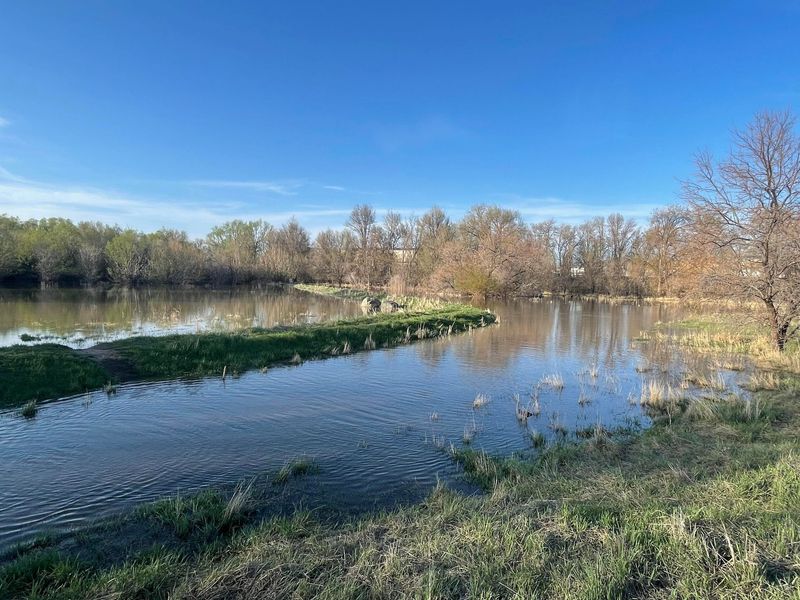
The Portneuf looks modest at first glance, a river that keeps its head down through town. Wade in and it tells a different story, cool and quick over rounded stones that make every step deliberate.
In spring, snowmelt paints the water tea green and trout tuck into seams beside the bank. You cast under cottonwoods that wiggle with starlings and watch your line flicker in the sun.
City improvements added new access near Centennial Park, turning quiet corners into entry points for lunch-hour fishing. In July, you will see inflatable kayaks sliding past like bright seeds, and kids testing courage in knee-deep riffles.
Flows fluctuate, so check gauges and watch for slick algae on shaded rocks. The river smells clean after a storm, like wet earth and alder bark.
Autumn is best for solitude. Geese pass low and loud, and the water clears to a kind of glass that makes you plan your steps twice.
There is no grand canyon here, just intimate bends and the steady patience of a city learning how to face its river again. Bring a short leader, soft presentation, and the willingness to be skunked gracefully.
Pebble Creek Ski Area: Steep, Honest, And Close
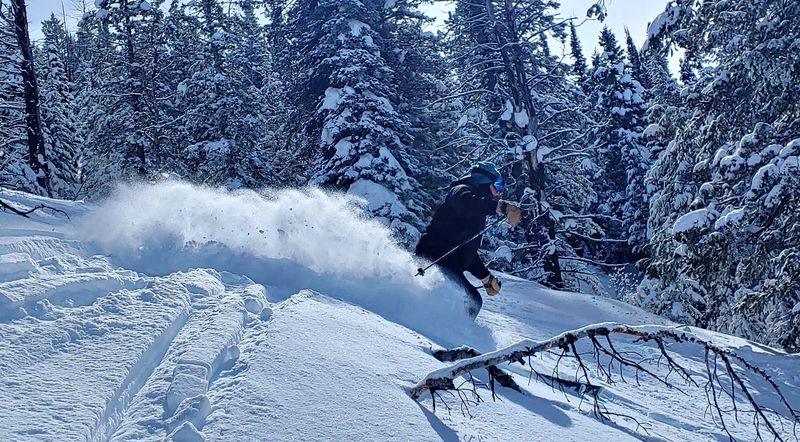
Pebble Creek rises like a switchblade above nearby Inkom, close enough that you can leave work at lunch and still catch chalky laps. The hill does not pretend to be gentle.
Fall-line runs drop straight and true, and the trees hide shaded pockets that hold powder two days after a storm. Lift lines are short, conversations are long, and the coffee tastes like it was brewed by someone who skis.
On cold mornings the snow squeaks under boots in that pitch-perfect way that promises edge hold. Locals talk in landmarks, not trail names, and you learn quickly where the wind pockets stack snow.
The lodge is simple, with boot dryers that look like they have heard every winter story. Tickets do not nuke your budget, making repeat days a habit, not a splurge.
Spring brings corn cycles that reward patience. Wait for the softening window, then let your skis sing on the apron.
From the top, the valley feels immediate, a map spread at your feet. You finish with quads humming, drive home in fifteen, and still beat the dinner rush.
It is a mountain that asks skill and pays in grins.
Mink Creek And Nordic Days: Quiet Miles, Big Lungs
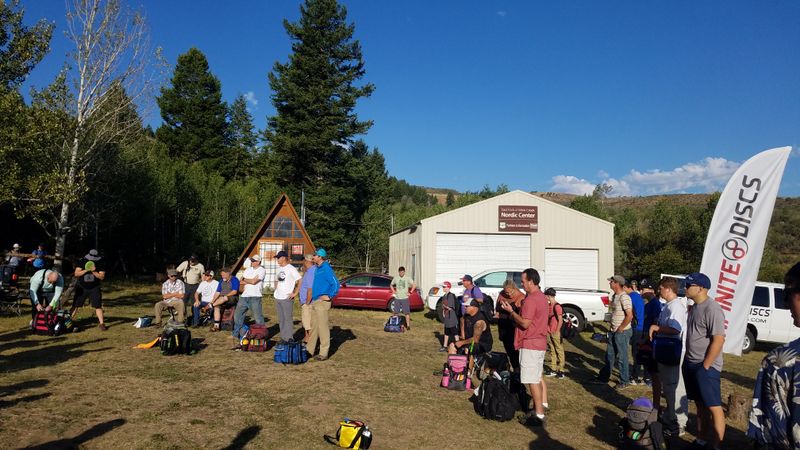
Mink Creek is where the city exhales in long, even strokes. In winter, groomed loops thread through aspen and fir, classic tracks stitching neat lines beside the skate lane.
The sound is almost nothing: a pole plant, a breath, the whisper of bases on cold sugar. Frost laces willow tips, and you can smell woodsmoke from a cabin up canyon when the wind slants right.
Weekdays are nearly private. You pass one or two regulars, exchange nods, and keep moving.
The climbs are honest but fair, a steady burn that clears the mind and sharpens appetite. Wax matters when the temperature hovers just below freezing, and you feel smug if you nail it without guessing twice.
Summer flips the script to shaded hikes and gravel rides that link to Scout Mountain. Wildflowers in June paint the understory with lupine and paintbrush.
Deer freeze, flick ears, and vanish like a trick. It is close enough for after-work laps and far enough to quiet your phone.
Bring layers, a thermos, and the intention to go slower than your city pace argues for.
Old Town Pocatello: Brick, Neon, And Bike Racks
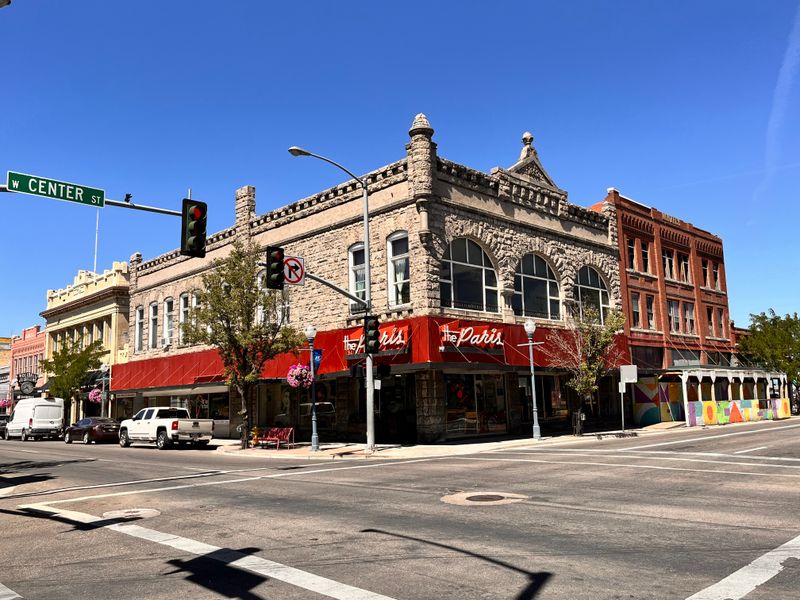
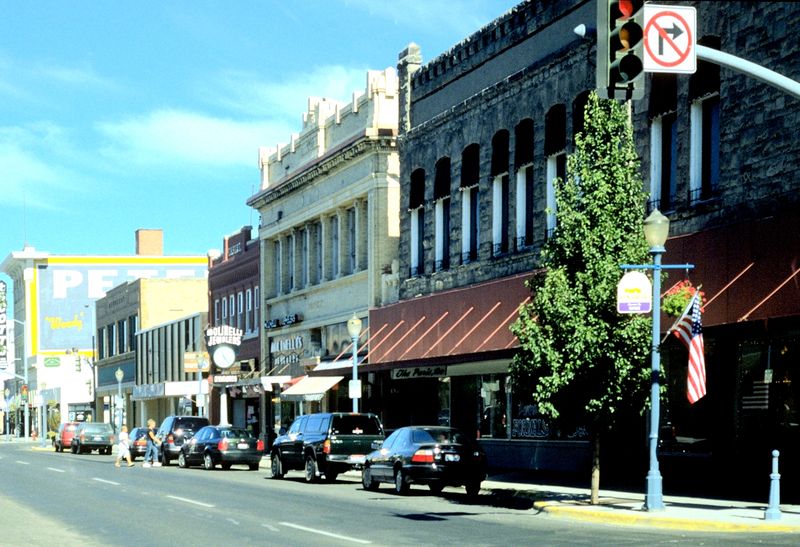
Old Town wears its brick like a good jacket, scuffed and dependable. Murals bloom on alley walls, and a neon sign throws pink on the sidewalk where you lock a bike still dusty from City Creek.
Shop windows mix boot laces with handmade ceramics and maps that curl at the edges. The smell is part espresso, part fry oil, and part rain on hot pavement.
On First Friday, people drift from gallery to taproom, and the chatter feels local without being closed. You overhear gear beta next to bread specials.
A violin leaks through a cracked door where someone is rehearsing for a weekend set. Prices do not sting, which invites browsing without that tight feeling in your shoulders.
History is layered here. Railroad roots, Basque names, and the long presence of the Shoshone-Bannock Tribes sit underfoot whether acknowledged or not.
Old Town is not polished, and that is the charm. It feels used, loved, and still useful.
You leave with a pastry bag rustling like leaves and a new trail light you did not mean to buy.
ISU Campus Greenbelt: Everyday Miles Without The Drive
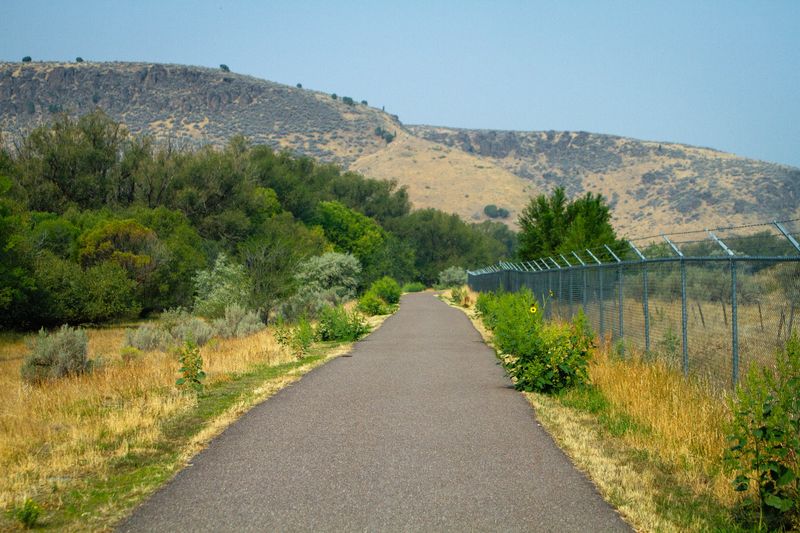
The Portneuf Greenway slides past Idaho State University like a friendly shortcut, a paved ribbon for bikes, strollers, and runners who want miles without traffic. You can feel the campus shift with semesters: August buzz, December hush, April hope.
Cottonwood fluff drifts like slow snow in early summer, and the river flashes silver through the willows.
Mornings smell like wet grass and laundry from dorm windows. Afternoons carry food truck spice and the metal tang of a nearby rail line.
The path is flat enough for recovery days and connected enough to string serious distance without repeating scenery. Benches face water where ducks learn the politics of bread.
Evenings are for golden light and easy conversation. You catch phrases about biomechanics, thermodynamics, and weekend plans to chase summit cairns.
Lights click on in labs, and you cruise by, legs ticking over like a metronome. It is the city’s simplest invitation to move, and it is hard to refuse.
Lock up at the rack, grab a taco, and call it perfect.
Scouting Mountain Weather: Four Seasons That Mean It
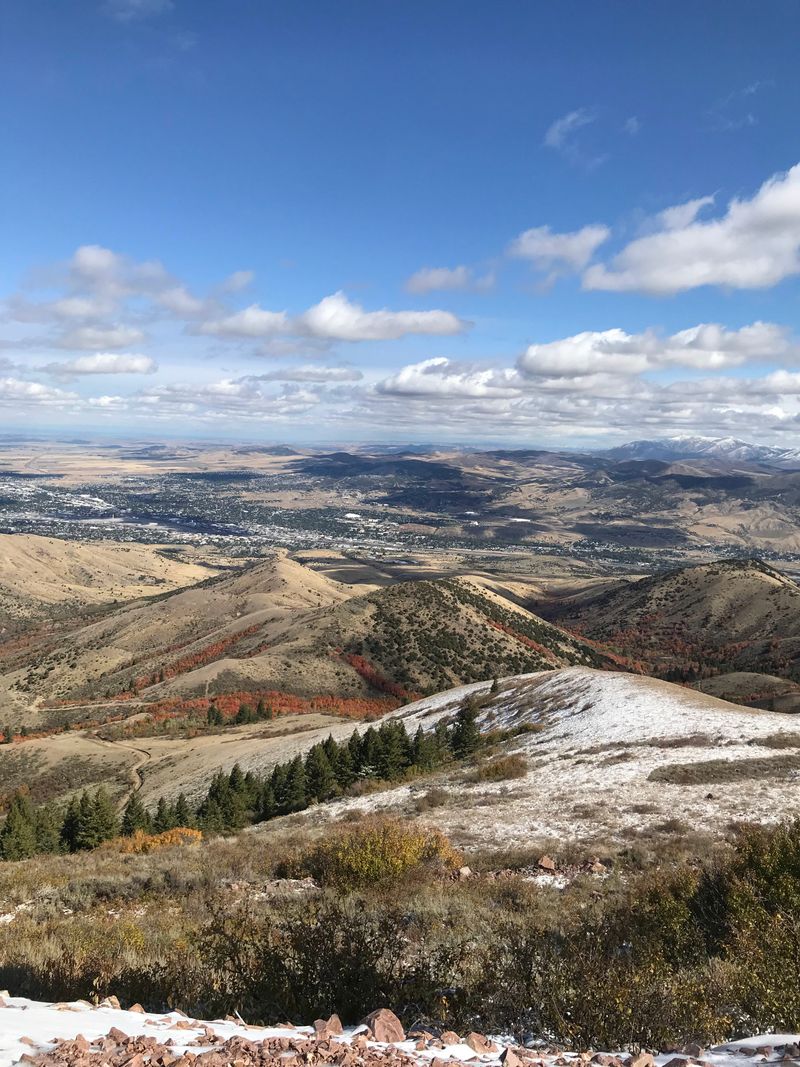
Pocatello treats seasons like a full-contact sport, and gear lives by the door for a reason. Spring tastes like mud and thaw, with gray clouds pulled low over the Portneufs and robins arguing in the yard.
Summer swings hot and dry, the kind that makes canyon shade feel like a blessing you have to earn. Monsoon days pop and vanish, leaving petrichor stamped in the dust.
Autumn is crisp and earned. Cottonwoods go coin-gold along the river, and mornings bite but release by noon.
You start keeping gloves in the car and a headlamp near the keys. Winter arrives with businesslike storms, not every week, but often enough to add inches that matter at Pebble and Mink Creek.
Forecasts here are a conversation, not a verdict. Locals check multiple sources, watch wind flags, and adjust.
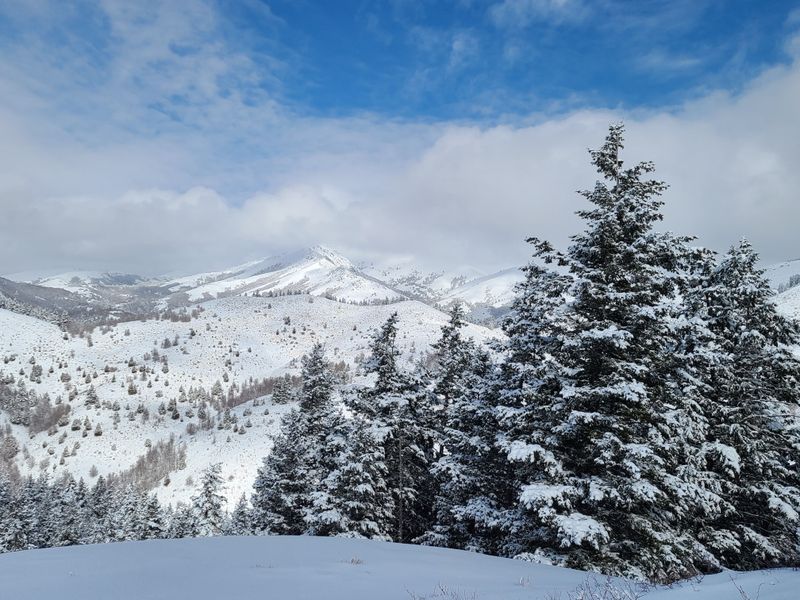
The payoff is timing: corn o’clock in April, hero dirt after a September sprinkle, low-angle powder on shaded aspects. Dress like an onion, stash microspikes, and accept that weather is part of the adventure rather than a surprise to be avoided.
Budget Math: Why The Dream Is Actually Doable
The numbers are the quiet headline. Median home prices in Bannock County have trailed Boise by a wide margin, and rents have remained workable enough that roommates can save for gear without living on noodles.
Idaho’s overall cost-of-living index typically sits below the national average, and you feel it at the grocery checkout and in a utility bill that does not sting.
Commuting is short, so gas budgets shrink and time grows. That time turns into weekday laps, not wish lists.
City rec passes cost less than a single concert ticket in bigger markets, and the library card is free. You stack these small wins and realize they add up to freedom, not austerity.
Recent state figures show unemployment rates hovering below national levels, which steadies nerves when you sign a lease. A used bike sells fast here, and a decent truck will always find work.
The city is not flashy, but the spreadsheet respects it. You get to choose between a new ski tune and a dinner out, and sometimes you choose both.
Climbers’ Corner: Basalt Cracks And Evening Shade
Basalt cliffs rim the hills like broken teeth, and climbers line up for the cleaner molars after work. The rock is dark, grippy, and surprisingly featured where columnar joints split into tidy cracks.
You plug cams, place nuts, and feel the satisfying thud of a good seat. Evening shade arrives like a curtain pulled across the stage, and temperatures slide just enough to make friction your friend.
Approaches are short, which encourages one-more-go syndrome. Routes sit close, so your belayer can heckle with alarming detail.
The dirt at the base smells like hot sage and chalk dust, and a light breeze carries laughter and beta round-robin style. Helmets are smart because basalt chunks can be moody.
Weekend mornings draw more ropes, but you still find space. If a project is occupied, there is a cousin line five feet away that will teach the same lesson.
Pack tape for finger cracks and a headlamp for the walk out you swore you would not need. It is climbing that rewards patience and local knowledge rather than a giant rack and a passport.
Food After Trails: Hearty, Local, And Unfussy
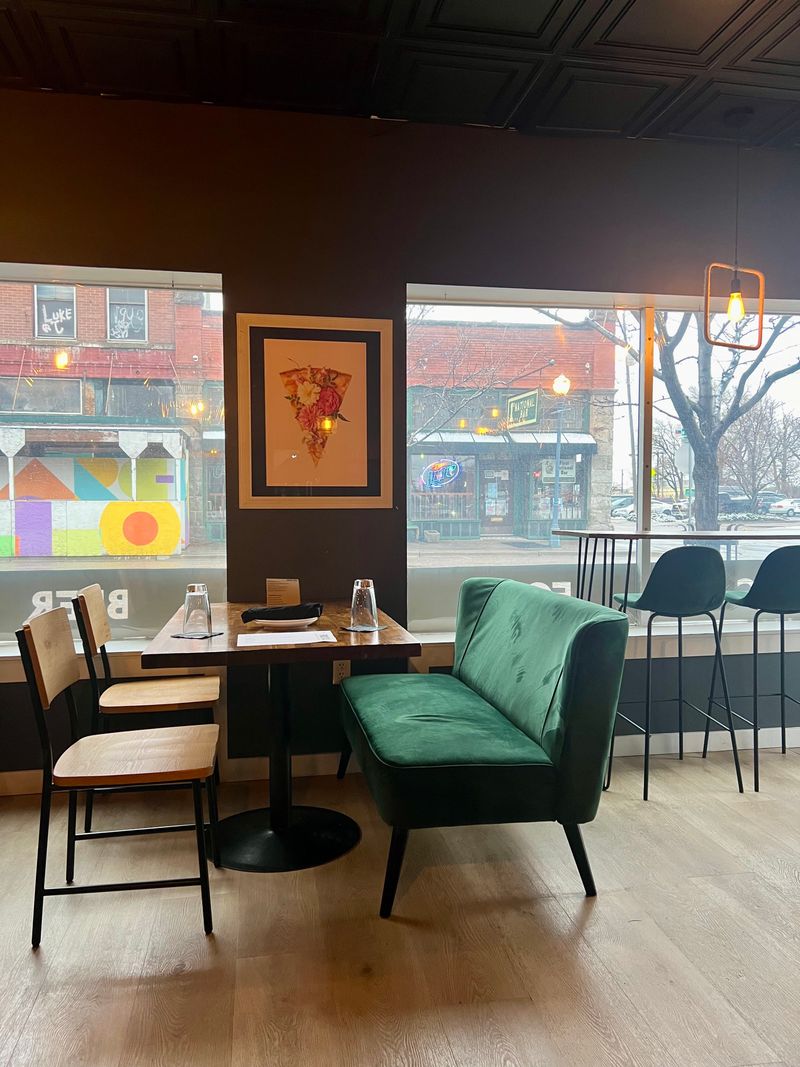
Post-adventure hunger hits different here, maybe because the air dries you out and the elevation taps your reserves. Menus lean hearty: burgers with char you can smell from the door, trout tacos that nod to the river, potatoes done a dozen ways because Idaho has range.
Portions respect the miles you earned. Prices respect your budget and leave tip money without math.
Servers clock your dusty calves and refill water before you ask. Local taps rotate with small-batch ambition, and non-alcohol options taste like real fruit instead of candy.
You find trail maps folded under the salt shaker, and nobody rushes you while you circle tomorrow’s route. The soundtrack is talk, not volume.
Breakfast is the town’s love language. Pancakes arrive plate-sized, and the coffee pot does laps like a seasoned marathoner.
Farmers eat at the next table, students cram at the bar, and guide dogs sleep under stools. You walk out warm, salted, and ready to set an early alarm without hating yourself.
It is fuel that feels like thanks.



