 Unearth The Voyage
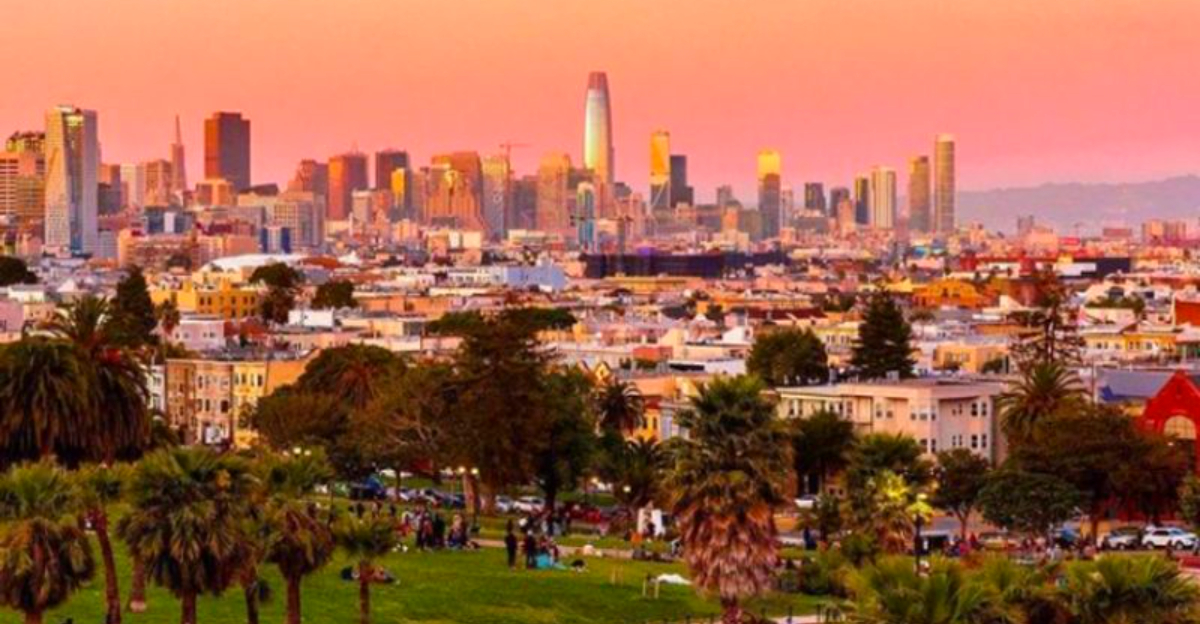
America has some of the most stunning architecture in the world, from towering skyscrapers that redefined city skylines to historic buildings that tell the story of our nation. These cities showcase incredible design, blending old and new in ways that inspire millions of visitors every year. Whether you love modern glass towers or charming historic streets, these 20 cities prove that architecture can truly shape how we experience a place.
1. Chicago, Illinois – The Skyline That Taught the World to Look Up
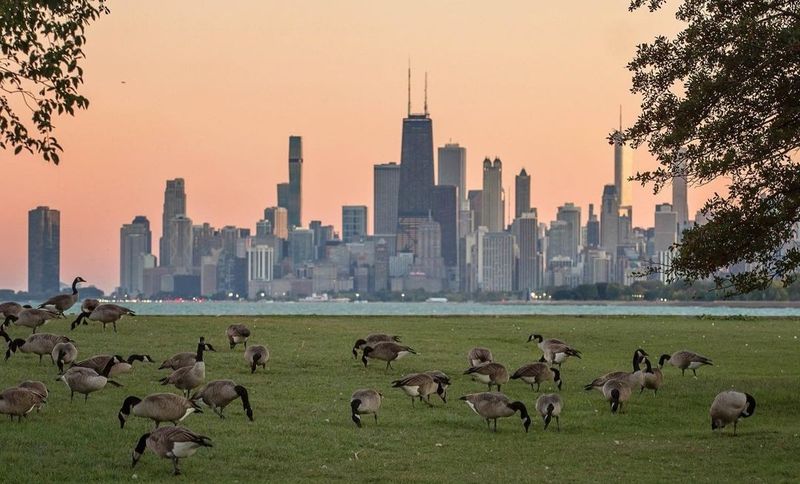
Chicago basically invented the skyscraper, and the city wears that legacy with serious pride. Walking along the Chicago River, you will see early high-rises standing next to modern glass towers, each one telling a story about how buildings learned to reach higher.
The riverfront architecture tour has become legendary for good reason. Guides point out design details most people miss, and you start to understand why architects from everywhere study this city.
Chicago Architecture Center offers exhibits that bring the whole story together beautifully.
2. New York City, New York – Art Deco Legends and Skyline One-Upmanship
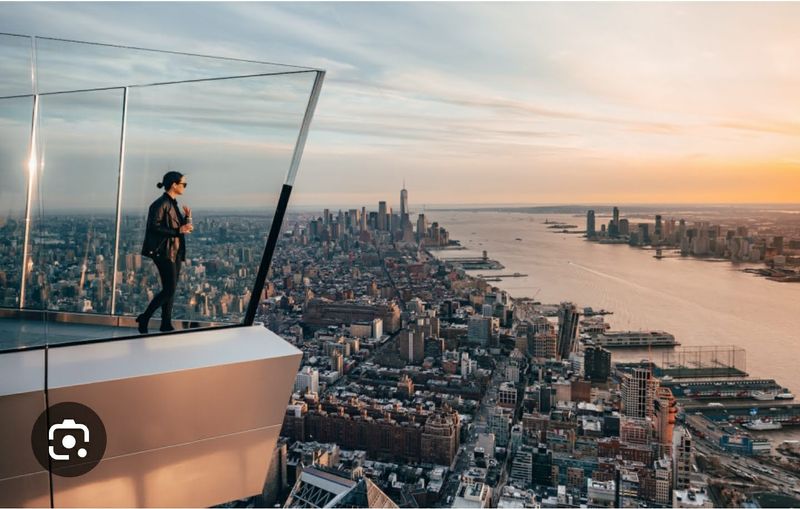
Few cities compete with New York when it comes to architectural drama and sheer ambition. The Chrysler Building’s gleaming crown still stops people in their tracks, while the Empire State Building represents Art Deco at its most powerful and iconic.
Each generation of architects tried to outdo the last, creating a skyline that constantly evolves. Walking through Manhattan, you witness century-to-century design shifts in just a few blocks.
The competitive spirit between builders gave us some of the most recognizable structures on Earth.
3. Washington, D.C. – Monumental Design With Museum-Row Payoff
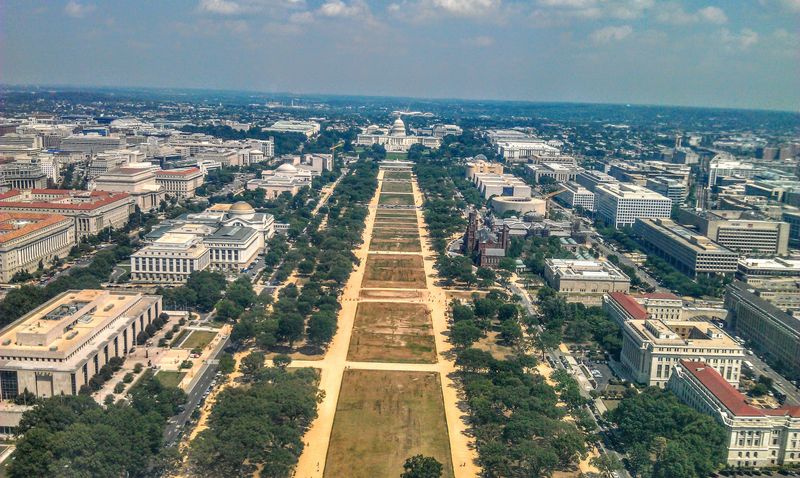
Washington, D.C. takes civic architecture to a completely different level. The National Mall stretches out with memorials and monuments designed to inspire awe and reflection, each one carefully placed within the city’s grand layout.
Museum row delivers world-class design alongside the monuments. The scale feels intentionally grand, reminding visitors that architecture can communicate national values and shared history.
National Park Service sites throughout the city help visitors understand the vision behind every building and memorial.
4. Philadelphia, Pennsylvania – Where History and Design Share the Same Streets
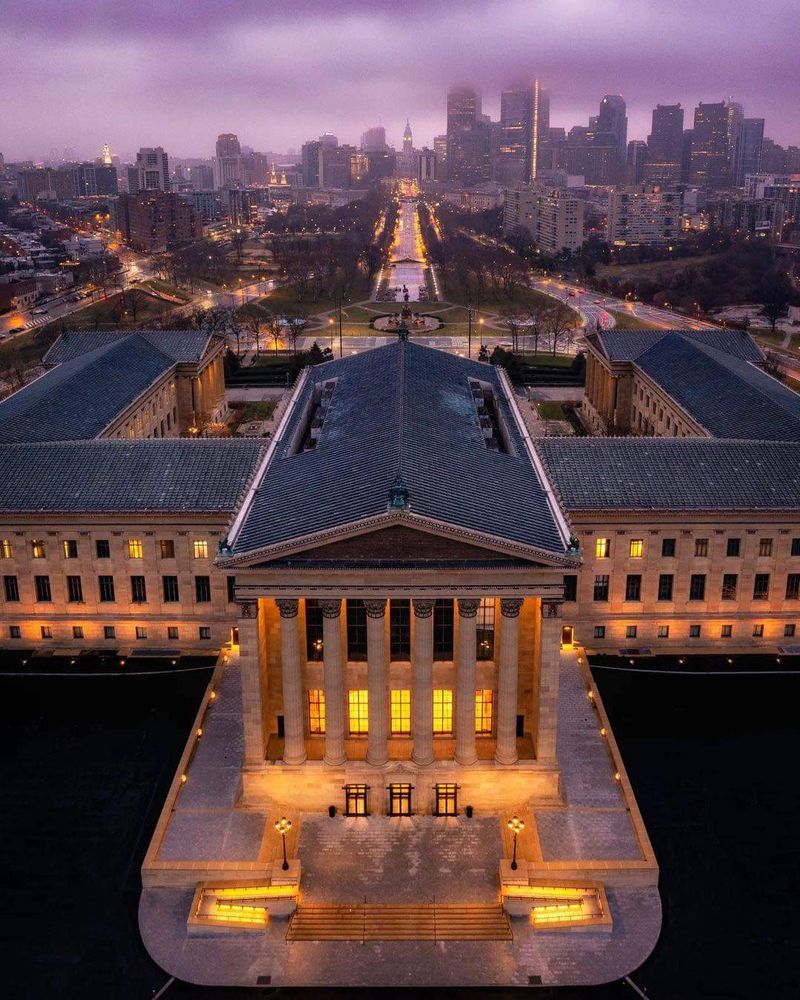
Philadelphia holds a special place in American architectural history, with Independence Hall standing as the centerpiece. This is where the nation’s founding documents were signed, and the building’s Georgian style reflects the era’s ideals perfectly.
Surrounding streets feature an ensemble of nationally significant civic buildings. Walking through Old City, you feel the weight of history in every brick and window frame.
National Park Service preserves these sites, ensuring future generations can experience the architecture that witnessed America’s birth.
5. Boston, Massachusetts – Old-World Gravitas, American Reinvention
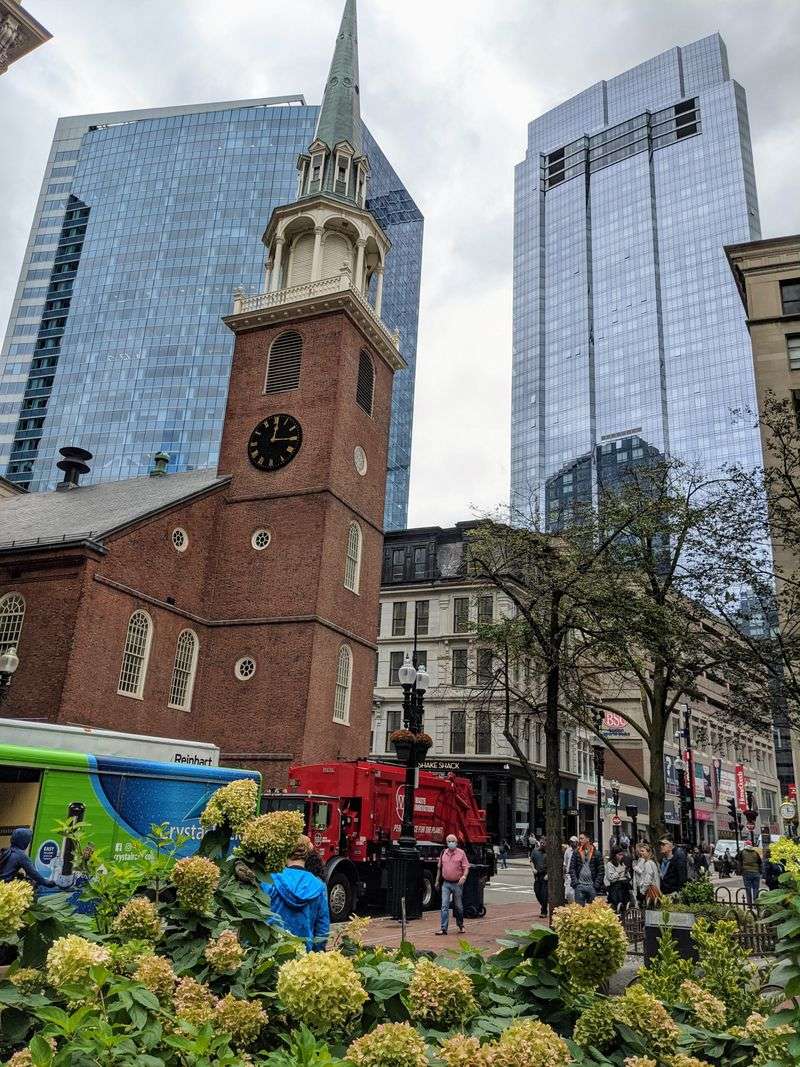
Boston blends European architectural tradition with distinctly American innovation. Trinity Church stands as one of the finest examples of Richardsonian Romanesque design, its heavy stone and dramatic arches creating an unforgettable presence in Copley Square.
The Back Bay neighborhood showcases defining architecture moments from the late 1800s. Rows of brownstones and grand public buildings demonstrate how the city balanced old-world gravitas with new-world ambition.
Trinity Church in the City of Boston remains a must-see for anyone interested in historic design.
6. San Francisco, California – Victorians, Icons, and a Bridge With Style

San Francisco offers architectural charm that feels uniquely West Coast. The Painted Ladies at Alamo Square represent Victorian design at its most colorful and photogenic, with rows of detailed homes creating postcard-perfect scenes.
Beyond the Victorians, the Golden Gate Bridge stands as a design-forward icon. Its Art Deco details and International Orange color were intentional choices that turned infrastructure into art.
San Francisco Travel promotes the city’s architectural diversity, from historic streetscapes to modernist landmarks scattered throughout the hills.
7. Los Angeles, California – Bold Statements in a City Built on Reinvention
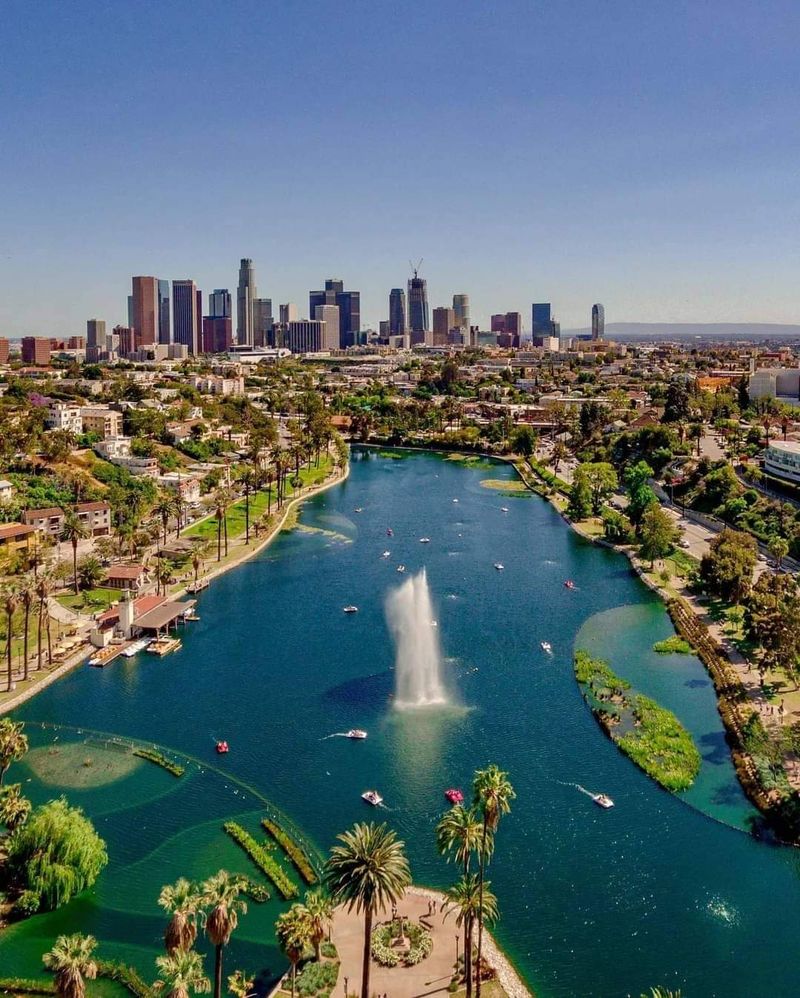
Los Angeles surprises visitors with its commitment to bold architectural statements. Walt Disney Concert Hall, designed by Frank Gehry, features stainless steel curves that seem to defy gravity and logic, creating one of the most photographed buildings in California.
Downtown’s cultural core showcases architecture-first thinking. Museums, performance halls, and public spaces demonstrate that L.A. takes design seriously, even if the city’s sprawl sometimes hides these gems.
LA Phil calls the concert hall home, offering tours that reveal the building’s acoustic brilliance.
8. Miami, Florida – Pastel Art Deco Meets Starchitect Modern
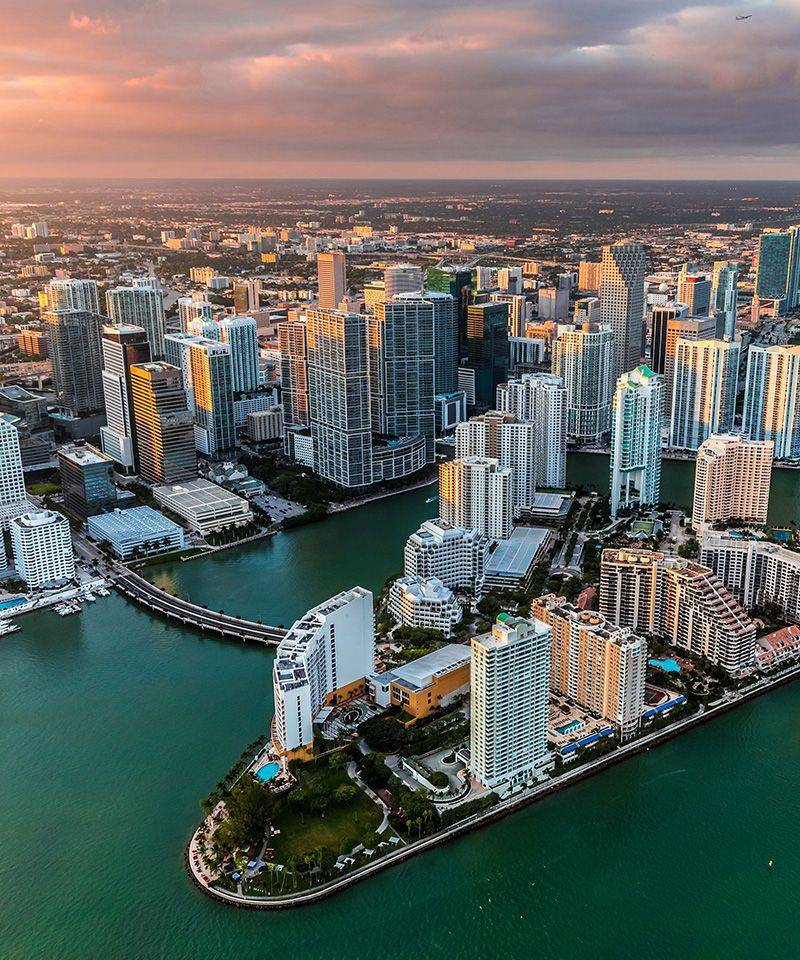
Miami Beach’s Art Deco Historic District packs more than 800 preserved buildings into a compact, pastel-colored paradise. Streamline Moderne and Tropical Deco styles dominate South Beach, creating a visual language that screams 1930s glamour with a Florida twist.
Beyond the historic district, contemporary starchitects have left their mark. The city’s modern design scene rivals its Art Deco fame, with bold residential towers and cultural buildings pushing boundaries.
Miami Design Preservation League works tirelessly to protect the architectural heritage that makes Miami so visually distinctive.
9. New Orleans, Louisiana – Iron Balconies, Courtyards, and Living History
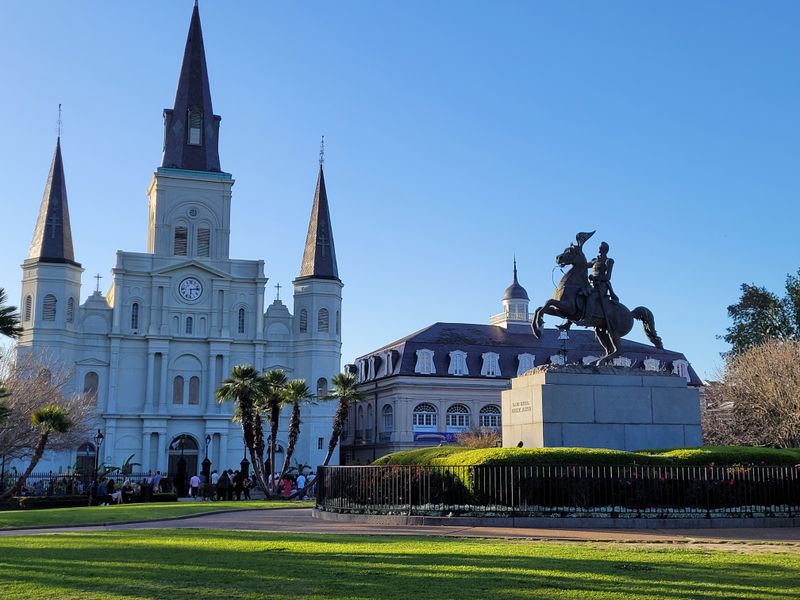
New Orleans architecture feels like stepping into another time and place entirely. The French Quarter’s iron balconies, hidden courtyards, and Creole townhouses create an atmosphere that no other American city can match.
The Vieux Carré streetscape remains remarkably intact thanks to preservation efforts. Spanish Colonial and French influences blend together, with every building telling stories of the city’s complex cultural heritage.
National Park Service protects this historic fabric, ensuring the French Quarter’s architectural magic survives for future generations to experience and cherish.
10. Savannah, Georgia – A City Plan So Good It’s the Attraction
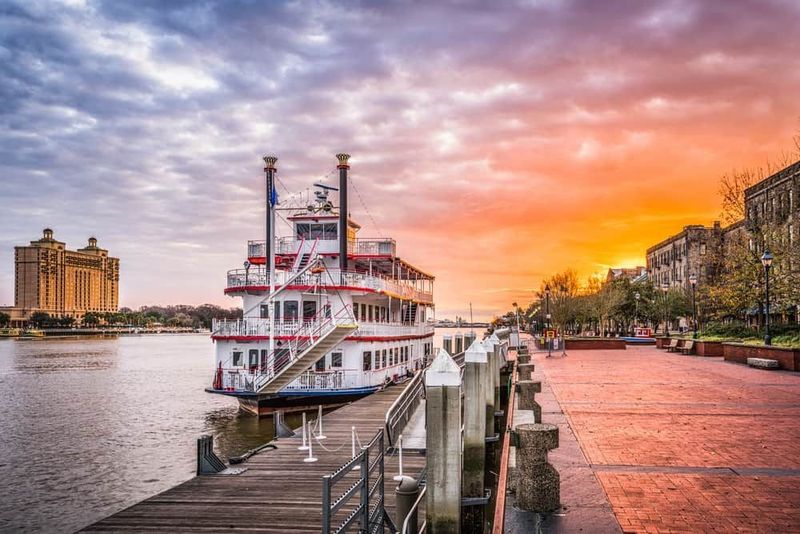
Savannah’s genius lies in its original city plan, with 22 historic squares creating a rhythm that guides how you experience the entire downtown. James Oglethorpe’s 1733 design remains one of America’s finest examples of urban planning as architecture.
The preservation-driven charm works at impressive scale. Block after block of historic homes, churches, and public buildings maintain their original character, making the whole city feel like a living museum.
Historic Savannah Foundation has championed preservation efforts, protecting the cohesive streetscapes that make Savannah so special.
11. Charleston, South Carolina – The Architecture That Sparked a Preservation Movement
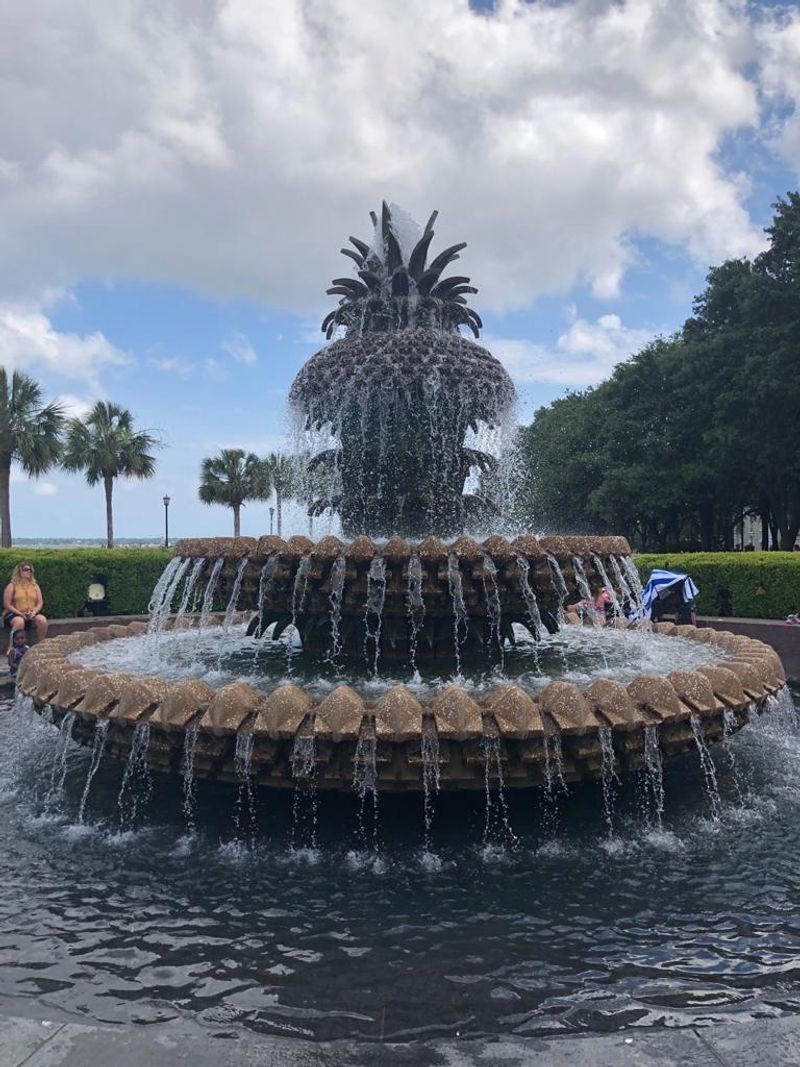
Charleston literally invented the modern historic preservation movement in America. When the city created the nation’s first historic district in 1931, it set a precedent that changed how Americans think about protecting architectural heritage.
The historic district showcases cohesive streetscapes of Georgian, Federal, and Greek Revival buildings. Rainbow Row’s pastel Georgian houses have become iconic, but the entire downtown rewards careful exploration.
National Park Service recognizes Charleston’s significance, with multiple sites documenting how preservation became a nationwide priority.
12. Santa Fe, New Mexico – The City That Curated Its Look
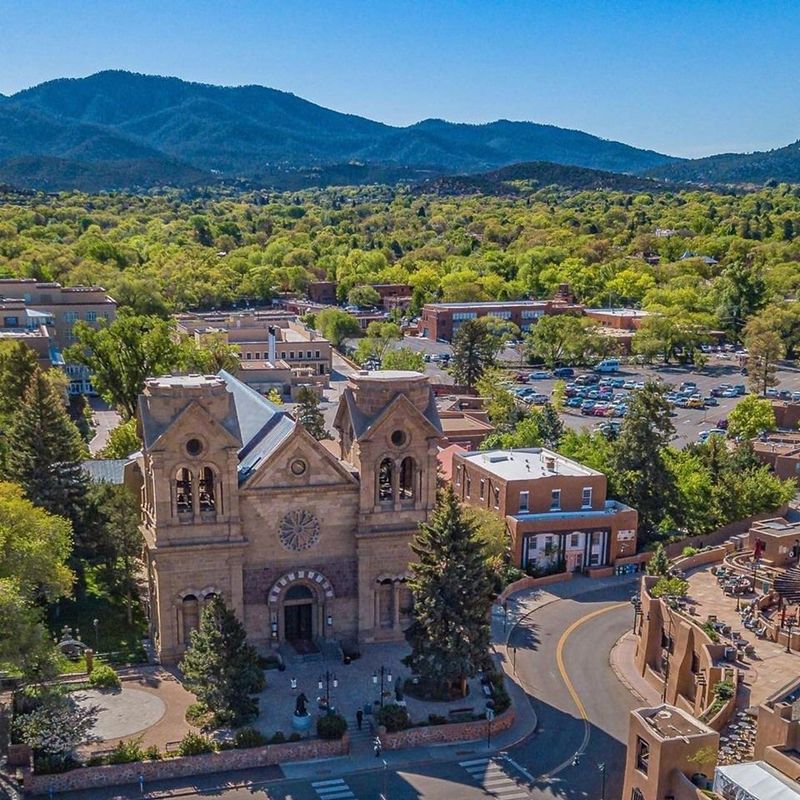
Santa Fe made a bold choice to curate its architectural identity deliberately. Historic districts require new construction to follow Pueblo Revival and Territorial styles, creating a visual unity that feels both ancient and intentional.
Adobe-style buildings with rounded edges and earth-tone colors dominate the cityscape. The effect transports visitors to a place that honors Indigenous and Spanish Colonial design traditions while remaining distinctly Santa Fe.
The city’s official website explains how preservation ordinances maintain the Old Santa Fe feel that draws artists and visitors from around the world.
13. St. Louis, Missouri – A Modern Monument With a Big-City Backdrop
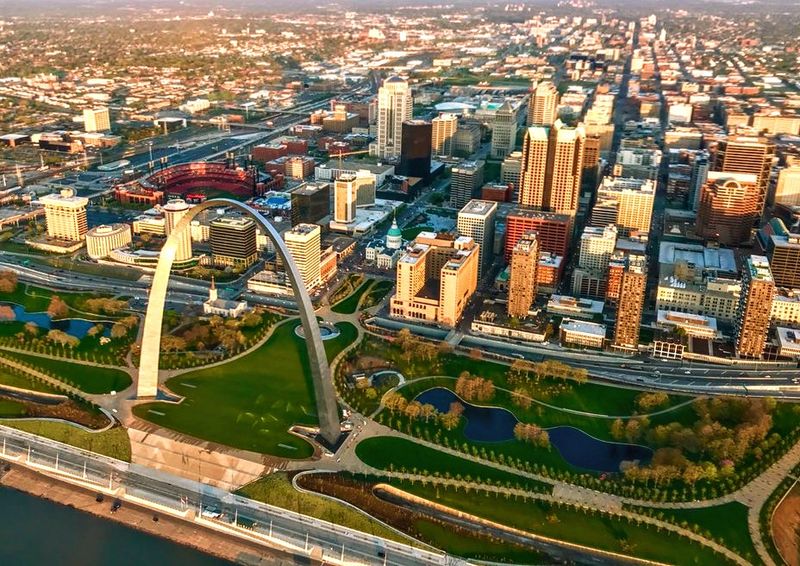
The Gateway Arch dominates St. Louis in the best possible way. Eero Saarinen’s stainless steel curve stands 630 feet tall, representing mid-century modernism at its most ambitious and mathematically precise.
The surrounding park includes the Old Courthouse, where the Dred Scott case was tried. This layered history gives the site depth beyond the Arch’s striking form, connecting modern design to pivotal American moments.
National Park Service maintains the Gateway Arch National Park, offering tram rides to the top and exhibits exploring the monument’s engineering brilliance.
14. Seattle, Washington – A Modern City With a Very Photogenic Edge

Seattle’s Central Library redefines what a public library can look like. Rem Koolhaas designed a glass and steel structure with dramatic angles that seem impossible, creating spaces that feel futuristic yet welcoming for book lovers and architecture fans alike.
The Space Needle provides the defining silhouette everyone recognizes. Built for the 1962 World’s Fair, its Googie-style design captures mid-century optimism about technology and the future.
The library’s official website offers tours highlighting design features that make this one of the world’s most architecturally significant libraries.
15. Detroit, Michigan – Art Deco That Still Feels Electric
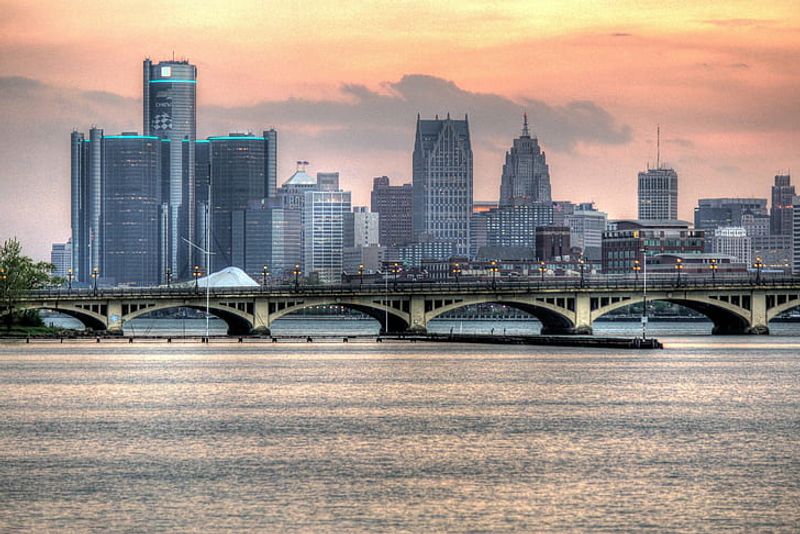
Detroit’s Guardian Building practically glows with Art Deco energy. Completed in 1929, its exterior features orange brick and ornate terracotta, while the interior lobby explodes with colorful tiles, marble, and geometric patterns that feel almost electric.
Downtown Detroit preserves an architectural legacy from the city’s boom years. The concentration of Art Deco and early skyscrapers reminds visitors that Detroit was once among America’s wealthiest and most innovative cities.
Detroit Historical Society documents these architectural treasures, celebrating the design heritage that makes Detroit worth exploring today.
16. Pittsburgh, Pennsylvania – Postmodern Shine in a Classic Steel City
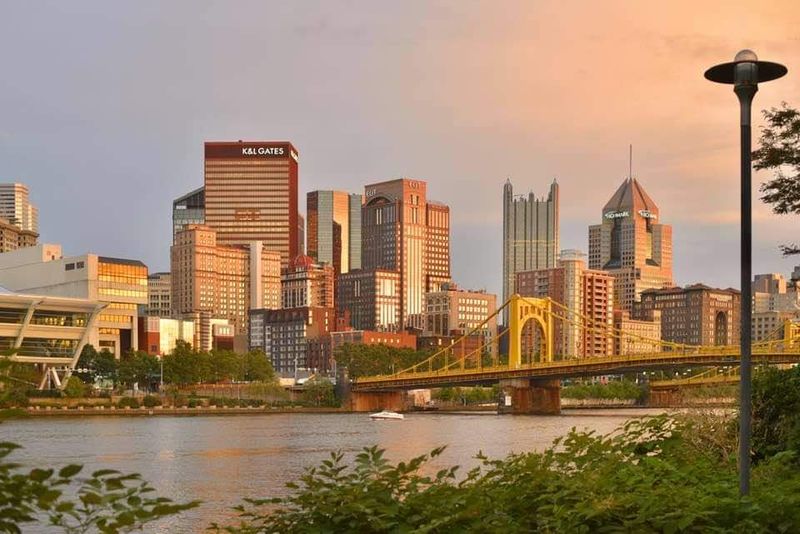
PPG Place brings postmodern drama to Pittsburgh’s downtown. The complex features six glass towers that echo Gothic architecture through a contemporary lens, with 231 spires creating a glittering effect that transforms the city’s skyline, especially at night.
The neo-Gothic-leaning design feels both playful and serious. Philip Johnson and John Burgee created something that honors Pittsburgh’s industrial past while pushing the city’s architectural identity into new territory.
The official PPG Place website details the complex’s design philosophy and the public spaces that make it more than just office towers.
17. Minneapolis, Minnesota – Design-Forward, Museum-Strong, Quietly Confident

Frank Gehry’s Weisman Art Museum announces itself boldly on the University of Minnesota campus. Brushed stainless steel panels twist and catch light in unexpected ways, proving that Minneapolis embraces architectural risk-taking with enthusiasm.
The city’s modernist streak runs deep throughout downtown and surrounding neighborhoods. From corporate towers to cultural institutions, Minneapolis shows quiet confidence in contemporary design without needing to shout about it.
The Weisman’s official website highlights both the building’s architecture and the art collection it houses, making the museum a destination for design enthusiasts.
18. Denver, Colorado – Historic Grandeur With a Fresh Second Act

Denver Union Station underwent a transformation that shows how historic architecture can gain new life. The 1914 Beaux-Arts building now serves as the city’s transit hub and social center, with restaurants, shops, and gathering spaces breathing energy into preserved grandeur.
The restoration maintained original details while adapting spaces for modern use. Vaulted ceilings, historic signage, and architectural details remain intact, proving that preservation and progress can coexist beautifully.
Denver Union Station’s website tells the restoration story, celebrating how thoughtful design made this landmark relevant for a new generation of city residents.
19. Dallas, Texas – Big, Contemporary, and Surprisingly Architectural
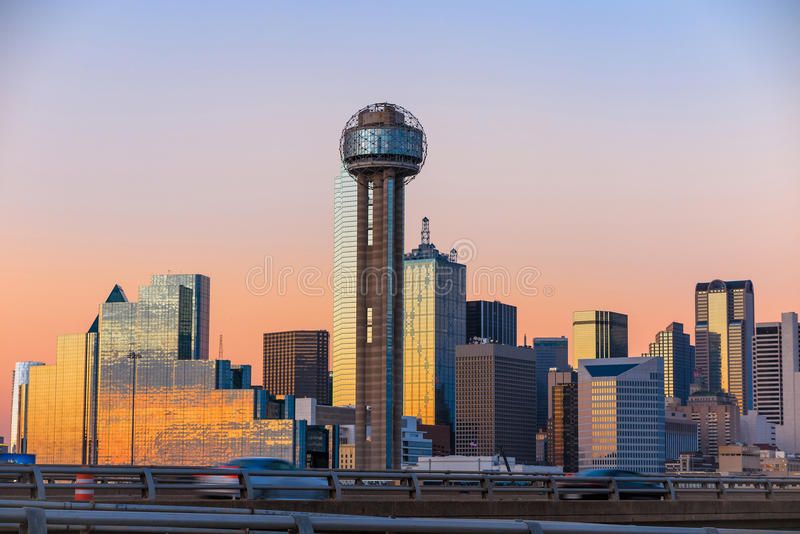
The Perot Museum of Nature and Science, designed by Morphosis, makes a massive architectural statement. The building’s cube seems to float above a sloping lawn, with a textured concrete exterior and dramatic escalator tube that draws visitors upward through geological layers.
Dallas’s performing arts district rivals any city’s cultural architecture. Multiple theaters and concert halls by renowned architects create a district built specifically for design enthusiasts who appreciate bold contemporary work.
Morphosis’s website documents the Perot Museum’s design process, revealing how architecture can make science education more exciting and memorable.
20. Houston, Texas – World-Class Architecture Hiding in Plain Sight
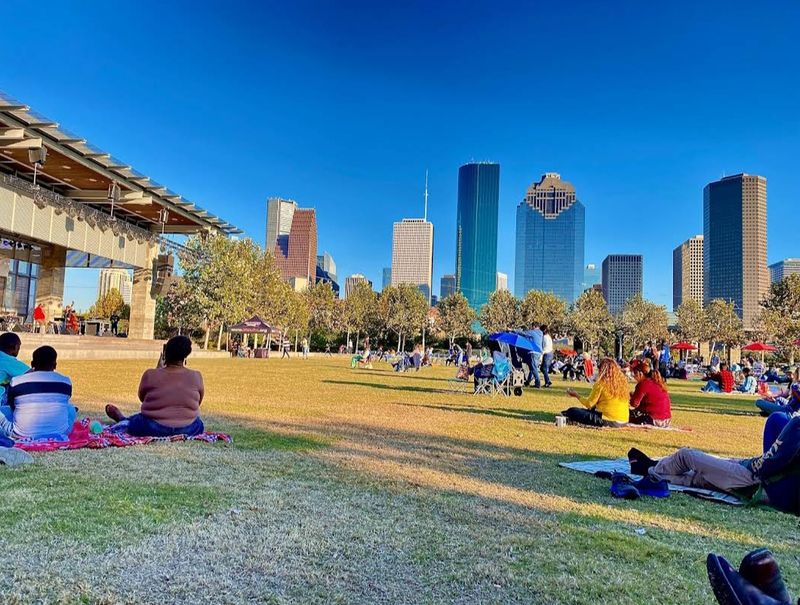
The Menil Collection showcases Renzo Piano’s genius for creating serene, light-filled museum spaces. The main building’s low profile and elegant proportions let natural light filter through the roof, creating ideal conditions for viewing art while making the architecture feel almost invisible.
Houston’s art-campus approach spreads world-class design across neighborhoods. The Menil campus includes multiple buildings by different architects, creating a destination where architecture and art have equal importance.
The Menil’s website explains Piano’s design philosophy and how the campus continues expanding with architecturally significant additions.



