There is a place in northeastern Illinois where hundreds of large birds fill the treetops every spring, building nests, raising chicks, and putting on one of the most dramatic wildlife shows the Midwest has to offer. Most people drive right past it without knowing it exists.
That is exactly what makes it so special. Tucked along the edge of a quiet lake southwest of Chicago, this 839-acre preserve is a serious destination for birdwatchers, nature lovers, photographers, and anyone who simply wants to feel far away from the noise of everyday life.
Once you know it is there, you will never stop thinking about going back.
Where the Preserve Sits and How to Find It
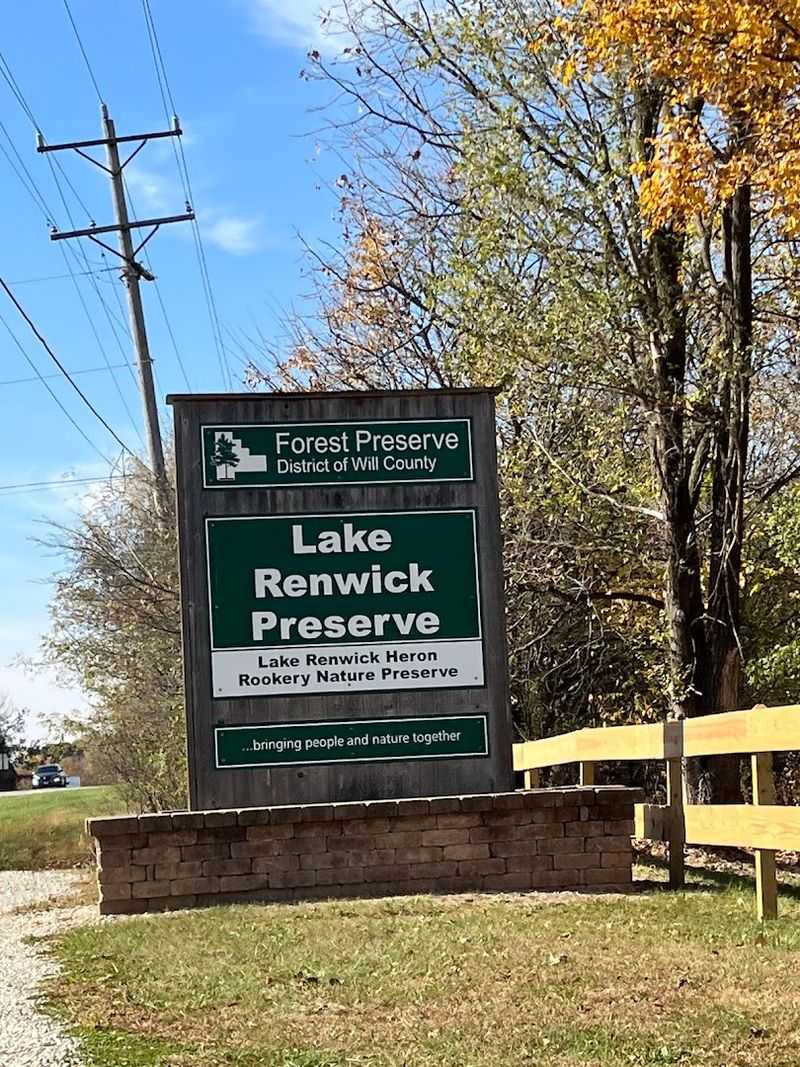
The preserve sits at 23202 W Renwick Rd, Plainfield, IL 60544, right in Will County, about 35 miles southwest of Chicago. The address sounds straightforward, but first-time visitors often mention that nearby road construction can make the approach a little confusing.
Typing the full address into your navigation app before you leave is a smart move.
Once you arrive, the parking area is well-organized and free to use. The entrance is clearly marked, and the main trailhead is easy to spot from the lot.
A visitor center is available on-site, and staff there can answer questions about seasonal closures or trail conditions before you head out.
The preserve is managed by the Forest Preserve District of Will County. You can reach them at +1 815-722-9470 or check the official website at reconnectwithnature.org for the most current hours and access information.
The flat, accessible terrain makes it a comfortable first stop for visitors of all fitness levels.
The Heron Rookery That Started It All
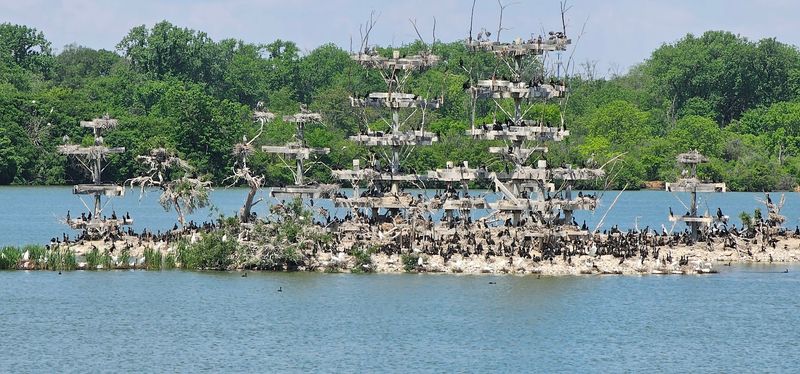
Great blue herons are already impressive birds on their own, standing nearly four feet tall with a wingspan that stretches past five feet. Now multiply that by hundreds of nesting pairs clustered together in one section of treetops, and you start to understand why this preserve has earned its name.
The rookery at Lake Renwick is one of the most active heron nesting colonies in all of Illinois. During peak nesting season, the trees above the lake become a tower of activity, with birds calling, landing, and tending to their young from dawn until dusk.
The sheer noise and movement of it is something you genuinely cannot prepare for until you are standing there.
Great egrets also nest here alongside the herons, adding bright white contrast to the scene. The rookery is not just a local curiosity; it is a genuinely significant wildlife event that draws birders from across the region every year.
Seeing it in person is the kind of experience that stays with you long after you have driven home, no matter how many other nature preserves you have visited before.
Understanding the Seasonal Closure Policy
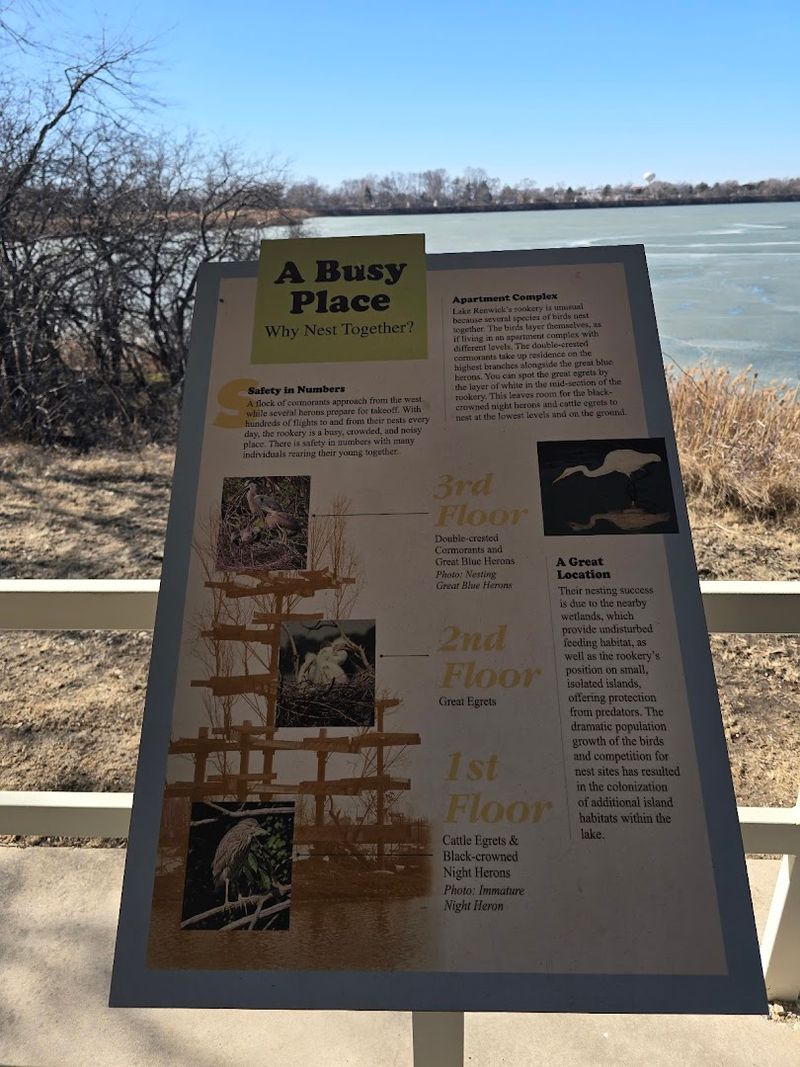
One of the most important things to know before planning your trip is that the bird nesting area closes every year from March 1 through August 15. That closure exists to protect the herons and egrets during their most vulnerable period, when they are actively nesting and raising chicks.
Disturbing the colony during that window could cause real harm to the birds.
Several visitors have shown up during the closure without realizing it, simply because the information was not prominently featured on third-party listing sites. The official preserve website is the most reliable source for current access details, so always check there first.
Calling the visitor center ahead of your visit is also a solid backup plan.
The rest of the preserve trails remain open during the nesting season closure, so the trip is never wasted. Outside of the March through mid-August window, the bird viewing area reopens and the experience becomes dramatically different.
Visiting in late August or September, when the young herons are still active and the summer crowds have thinned, is one of the best-kept timing secrets this preserve has to offer.
The Trails That Wind Through 839 Acres
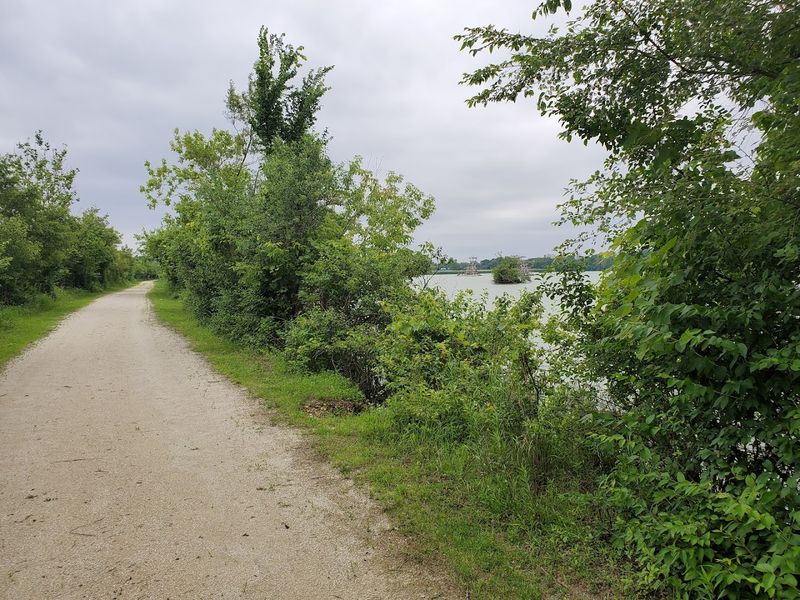
The trail system here covers a generous spread of terrain across 839 acres of wetlands, open water, and wooded edges. Most of the main paths are flat and well-maintained, with a combination of asphalt sections and packed gravel that makes walking comfortable for most visitors.
The gentle grade means you can focus entirely on what is around you rather than where you are stepping.
Benches are placed at regular intervals along the routes, which is a small but genuinely appreciated detail. There is nothing better than finding a quiet bench overlooking the lake when the light is hitting the water just right.
A few gazebos are also scattered through the grounds, giving families a shaded spot to rest or eat a packed lunch.
The trails are open to foot traffic only in the bird protection zones, with no dogs, no bikes, and no fishing permitted in those areas. Other sections of the preserve are more flexible, so reading the posted signs at the trailhead before setting off will save you any confusion.
The well-marked routes make it easy to explore at your own pace without worrying about getting turned around.
What You Can Expect to See on the Water
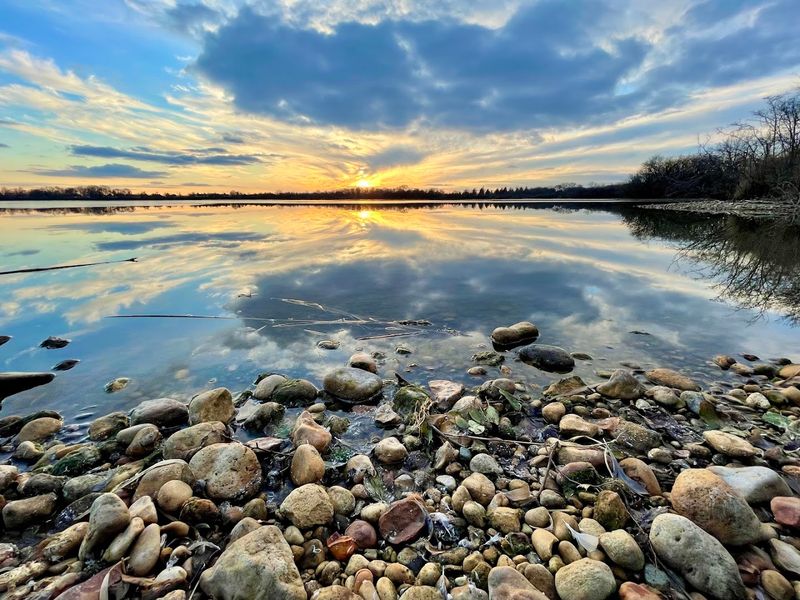
The lake at the center of the preserve is the heart of the whole experience. On a calm morning, the surface reflects the sky and the surrounding tree line so clearly that it can feel like you are looking at a painting rather than a real place.
Herons and egrets wade along the shallows, moving with that slow, deliberate patience that makes them such captivating subjects to watch.
Geese are a regular presence here as well, and seeing a formation lift off the water at sunrise is one of those spontaneous moments that reminds you why these kinds of places deserve protection. Swans have also been spotted gliding low over the lake, their wingbeats reflecting off the surface in a way that is genuinely hard to describe without sounding over the top.
The viewing areas along the water include a dedicated birdwatching hut equipped with a fixed scope for getting a closer look at activity on the far side of the lake. A bald eagle has been spotted perching on the structure near the hut, which is exactly the kind of bonus sighting that makes a visit here feel like a real reward for showing up.
The Birdwatching Hut and Viewing Structures
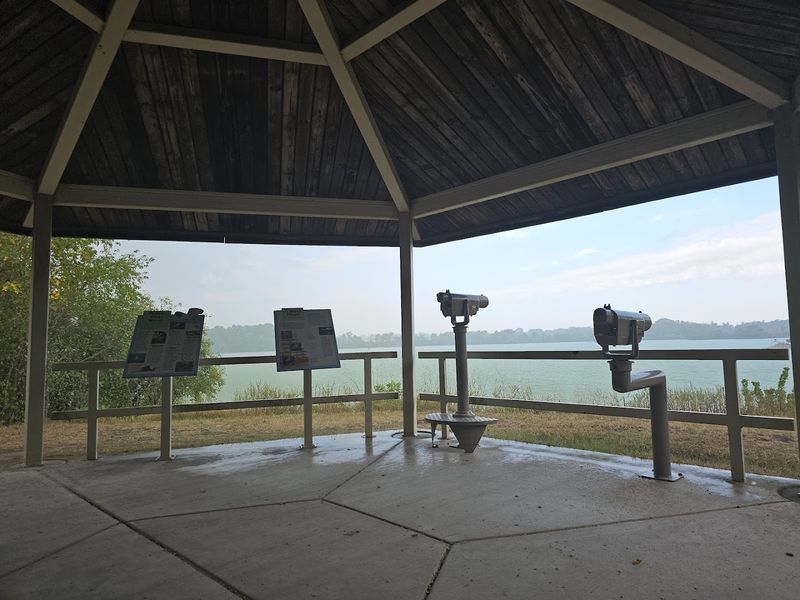
Not every nature preserve invests in dedicated infrastructure for birdwatchers, which is what makes the viewing hut at this location stand out. The structure is positioned to give visitors a direct line of sight toward the most active nesting and feeding zones on the lake.
A mounted scope inside the hut lets you zoom in on birds that would otherwise look like small dots from the shoreline.
The hut feels purposeful rather than decorative. It is a real tool for observation, and spending even fifteen minutes inside it during peak bird activity can be a surprisingly absorbing experience.
Kids especially tend to light up when they get their first close-up look at a heron through the scope.
Additional overlook points are built into the trail system, giving photographers and casual observers multiple angles to work with. The variety of vantage points means you are not stuck in one spot for the whole visit.
Some of the best views of the nesting trees come from spots along the trail that do not have any formal structure at all, just an opening in the vegetation where the whole rookery suddenly comes into view at once.
Photography Opportunities at Every Turn
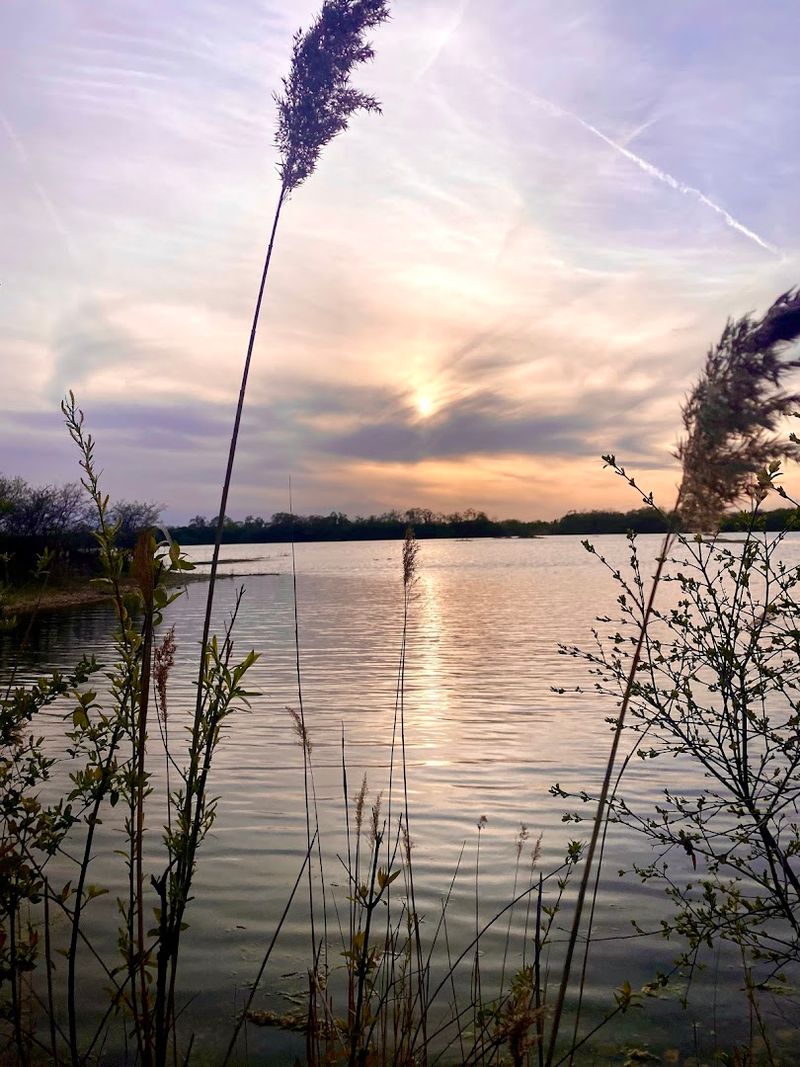
Photographers have been making special trips to this preserve for years, and it is easy to see why. The combination of open water, dense nesting colonies, and multiple viewing angles creates conditions that are genuinely hard to replicate anywhere else in the region.
Morning light hits the lake from the east, which means early arrivals get soft, golden conditions that are ideal for bird photography.
The nesting season closure actually works in photographers’ favor outside of that window, since the birds are less disturbed and more relaxed around visitors who approach quietly. Patience is the most important piece of gear you can bring.
Herons are deliberate movers, but when one launches off a branch or spears a fish in the shallows, the action happens fast.
A telephoto lens in the 300mm to 500mm range gives you the reach to fill the frame with individual birds from the viewing areas without getting close enough to cause stress. Even visitors without dedicated camera gear report that smartphone photos from the observation hut scope turn out surprisingly well.
The preserve has been described as one of the best spots for bird photography in the greater Chicago area, and that reputation is well earned.
Rules and Etiquette That Protect the Wildlife
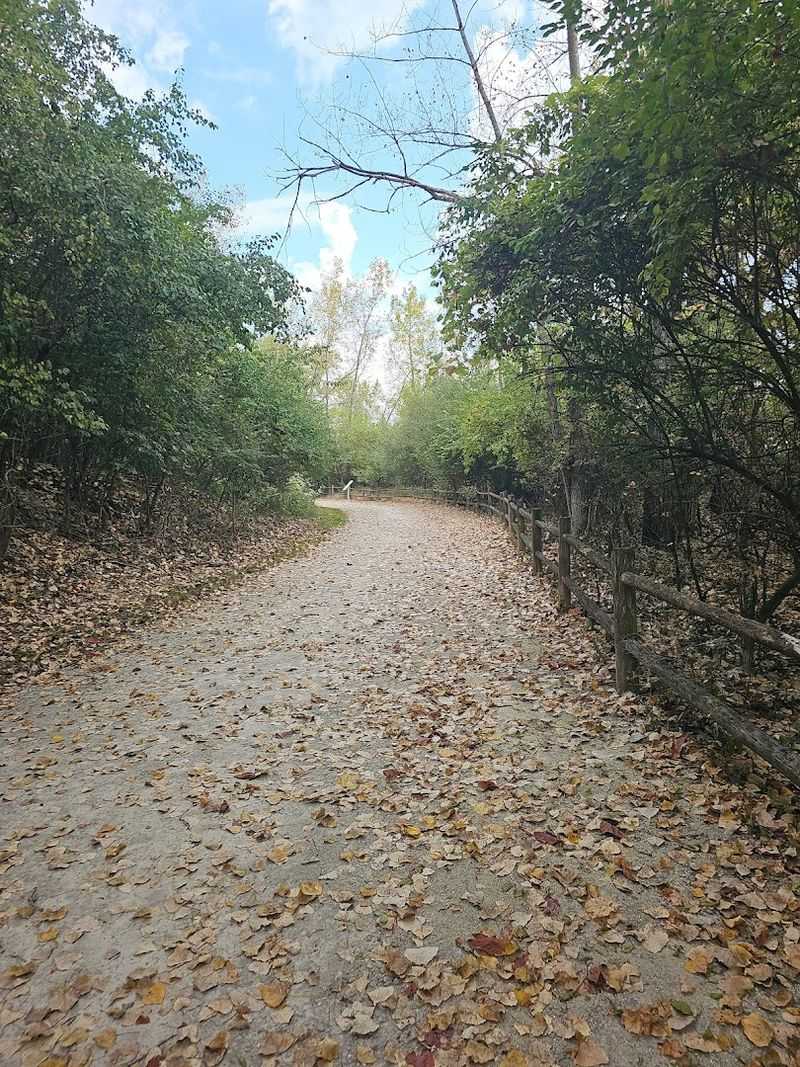
The rules at this preserve are specific, and they exist for good reason. No dogs, no bikes, and no fishing are permitted in the bird protection areas.
Those restrictions are not suggestions; they are enforced by on-site rangers who patrol the trails regularly. Several visitors have been stopped mid-ride and politely but firmly redirected, so it is worth reading every posted sign before heading down any trail.
The reasoning behind the restrictions is straightforward. Herons are sensitive to disturbance during nesting, and even a dog passing below the colony trees can cause enough stress to disrupt the breeding cycle.
Bikes move faster than people expect on shared paths, and the noise and speed can scatter birds from feeding areas along the shoreline.
Respecting these rules is what keeps the rookery healthy and active year after year. Preserves like this one exist across the country, from Illinois to far-off states like Oklahoma, precisely because communities chose to protect them rather than develop them.
The etiquette here is not complicated: move quietly, stay on marked trails, keep voices low near the water, and let the birds go about their business without interference. That approach guarantees the best experience for everyone.
Fall Visits and the Changing Scenery
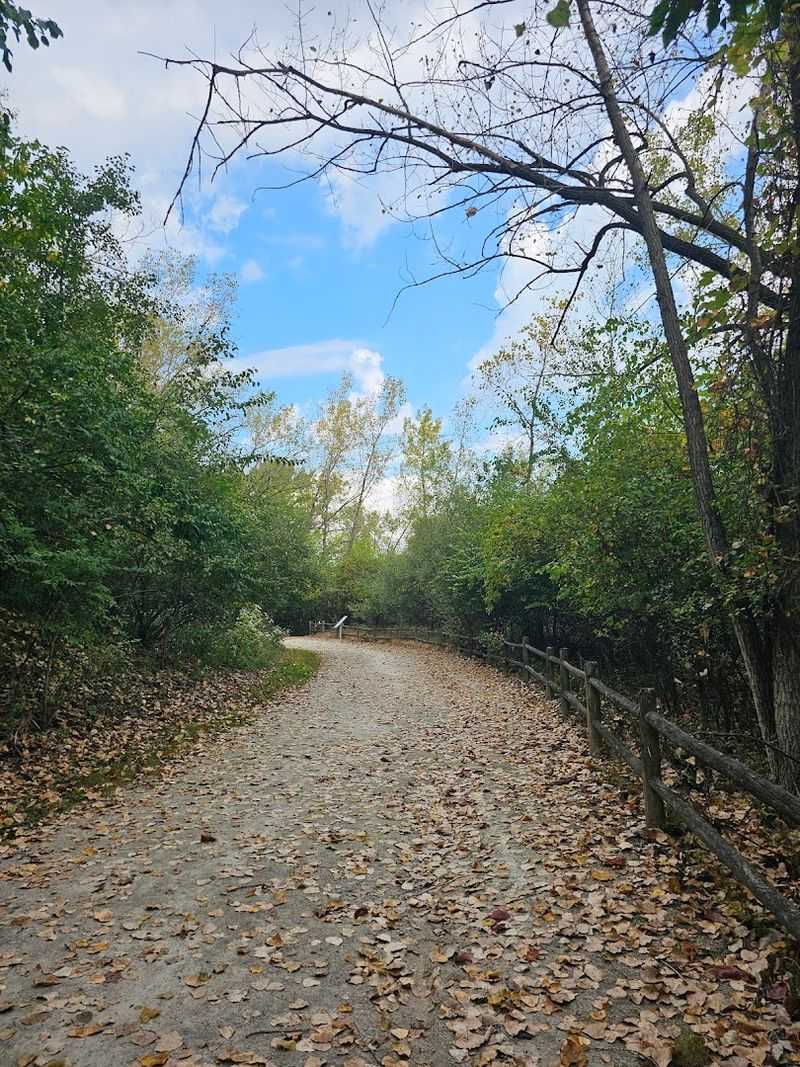
Autumn transforms this preserve in a way that genuinely catches first-time fall visitors off guard. The tree line around the lake shifts through shades of orange, yellow, and deep red between late September and early November, and the reflection of those colors on the still water creates a scene that photographers come back for year after year.
The bird nesting area reopens in mid-August, which means fall visitors get access to the full preserve at the same time the scenery is at its most dramatic. Young herons from the summer’s nesting season are still active and visible, and migratory species begin passing through, adding variety to the usual resident population.
The cooler temperatures also make longer walks far more comfortable than the humid summer months allow.
Foot traffic drops noticeably after the summer season ends, which means quieter trails and more personal space at the viewing areas. Fall is consistently praised by regulars as the single best time to experience the preserve, and that consensus is hard to argue with once you have seen the lake surrounded by autumn color.
Bringing a packed lunch and spending a full morning here in October is a simple but deeply satisfying plan.
Spring Migration and the Season of Arrival

Spring is when the energy at this preserve reaches its highest pitch. Migratory birds begin arriving as early as late February, and by March the trees near the lake are already filling with returning herons staking out nest sites.
The activity is relentless during those early weeks, with birds calling constantly and competing for the best positions in the colony.
The bird viewing area closes on March 1 to protect that nesting activity, but the surrounding trails remain open and still offer excellent sightings. Watching herons fly overhead toward the closed zone, carrying sticks for nest construction, is its own kind of spectacle.
The spring migration also brings a wide range of other species through the wetlands, including ducks, shorebirds, and the occasional bird of prey riding thermals above the lake.
Birdwatchers traveling from across the Midwest specifically time their visits to coincide with the spring migration window, and the preserve draws visitors from states well beyond Illinois, including occasional travelers from as far as Oklahoma, who plan the stop as part of a broader birding route through the region. Arriving early in the morning during peak migration weeks gives you the best chance of seeing the largest number of species in a single outing.
Facilities and Practical Visitor Information
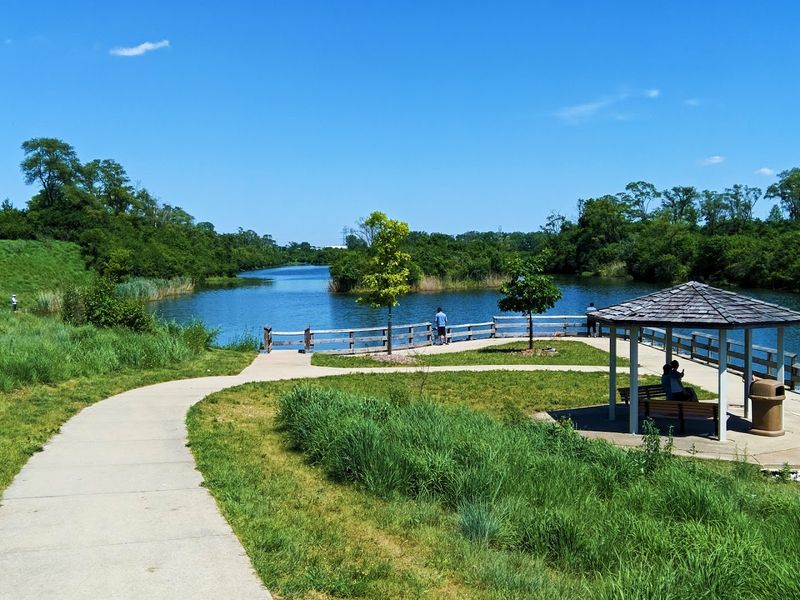
The on-site facilities here are modest but well-maintained. Vault restrooms are available near the parking area, and while there is no running water at those facilities, they are kept clean and are reliable for day visitors.
A manicured picnic lawn near the entrance gives families a comfortable place to spread out before or after a walk.
Two gazebos on the grounds provide shaded seating, which is genuinely useful during warm summer months when the sun reflects off the lake with full intensity. Benches are distributed throughout the trail system as well, so there is always somewhere to sit and observe without having to carry your own chair.
Admission to the preserve is free, which makes it an accessible outing for families, solo visitors, and school groups alike. The visitor center is the best first stop for anyone unfamiliar with the layout, since staff can point you toward the most active areas based on the current season.
Cell service is generally reliable near the entrance, though it can thin out in some of the more remote trail sections. Bringing a printed or downloaded trail map is a small precaution that makes the whole visit run more smoothly.
Why This Place Deserves a Spot on Your List
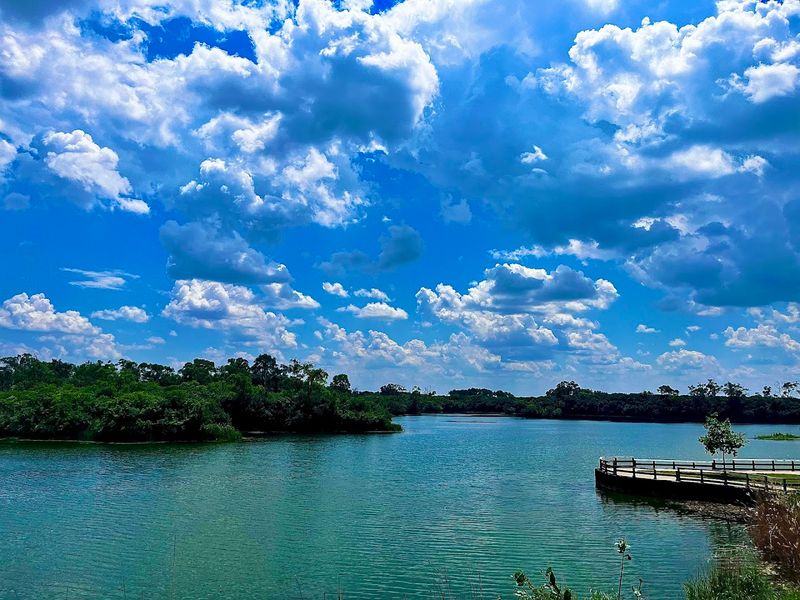
There are wildlife preserves across the country, from the coastal wetlands of the Southeast to the prairie reserves of Oklahoma, but very few of them offer the concentrated, accessible spectacle that this Illinois location delivers. The heron rookery alone puts it in a category that most nature areas simply cannot match, and the fact that it is free and open to the public makes it even more remarkable.
The preserve earns its 4.6-star rating honestly. Visitors consistently describe it as a place that feels genuinely restorative, the kind of spot where an hour passes without you noticing because you are too focused on what is happening in front of you.
That quality is rare and worth protecting.
Whether you are a dedicated birder with a field notebook or someone who just wants a peaceful walk near water, this preserve delivers something real. The trails are well-kept, the wildlife is abundant, and the viewing infrastructure is thoughtful enough to make the experience accessible without feeling overdeveloped.
Places like this one, from Illinois to Oklahoma and beyond, represent what public land stewardship looks like when it is done right, and this particular preserve is among the finest examples in the entire Midwest.
Share this story