 Unearth The Voyage
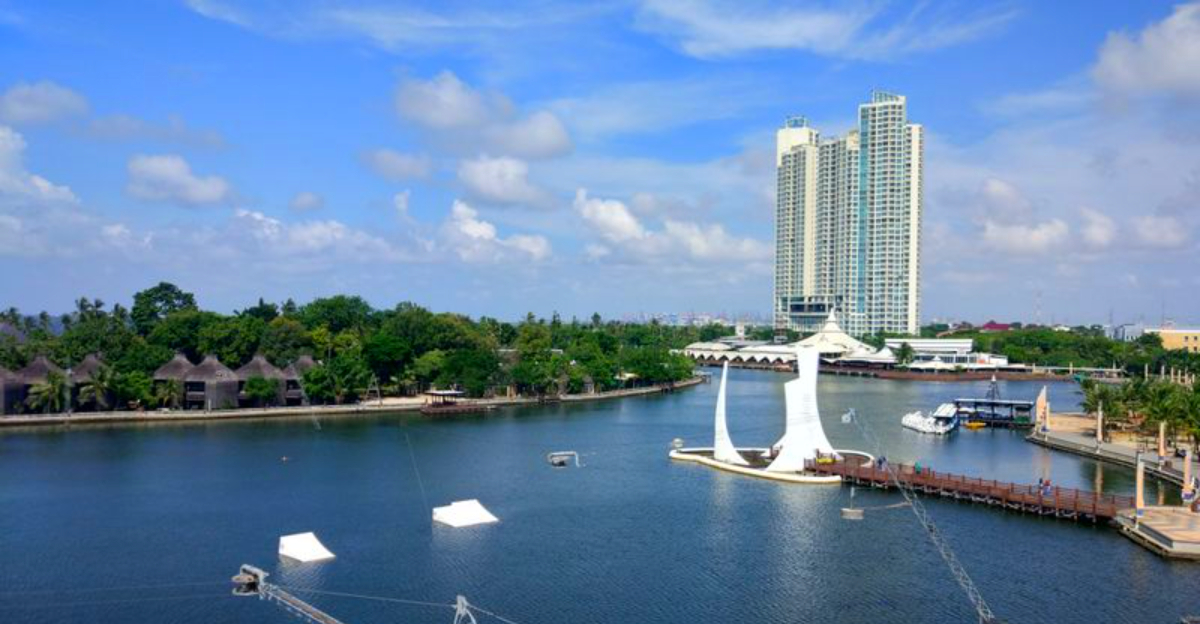
Jakarta is electric, crowded, and endlessly alive, but beneath the energy sits a hard truth you cannot ignore. The city is sinking, seas are rising, and infrastructure is straining under the weight of millions who call it home. You hear about Nusantara and wonder if this is just politics, but the reasons run deeper than headlines. Keep reading to see what is really pushing this historic capital toward a new chapter.
1. A Sinking City: Land Subsidence
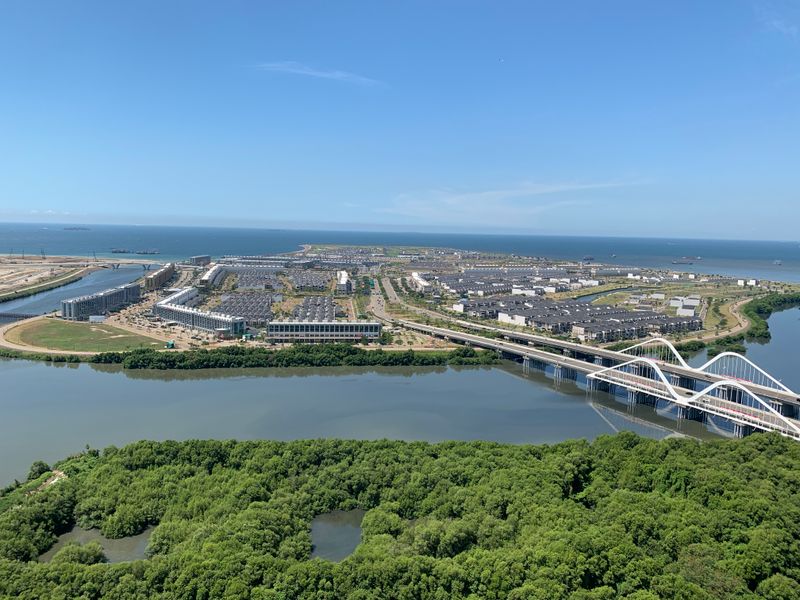
You can feel the city tilt toward the sea, not because of imagination but because parts of North Jakarta are dropping by centimeters each year. Extensive groundwater extraction, heavy construction, and clay soil compaction quietly pull the surface downward. Pair that with sea level rise and you get a slow emergency that floods streets and homes more often.
When the land sinks, flood defenses lose their edge, drainage misaligns, and buildings suffer uneven stress. This is not a one season problem, it stacks year after year. You sense why planners say stability in Jakarta is a race against physics and time.
2. Coastal Flooding and Rising Seas
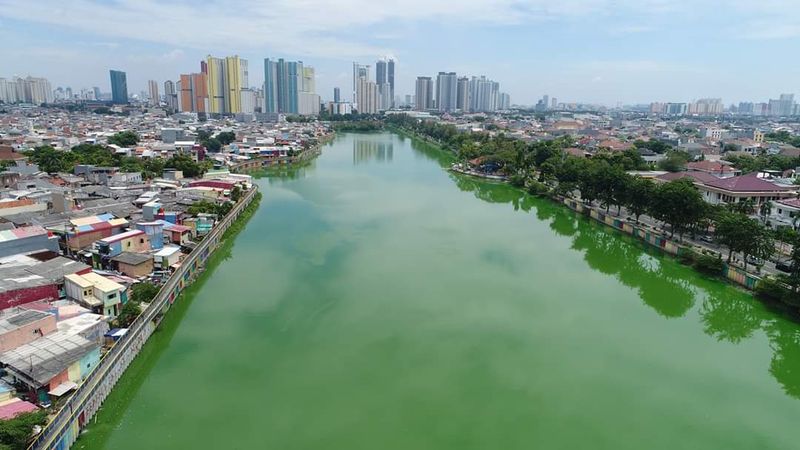
Stand near the seawall at high tide and you realize the ocean is not waiting politely at the door. Storm surges push water into neighborhoods, while heavy rain overwhelms drainage canals. Even short bursts can leave streets slick, shops shuttered, and commuters wading.
Engineers raise barriers, but higher walls chase higher waters. You might see pumps thumping away, yet maintenance, power reliability, and clogged canals can blunt their impact. The pressure keeps building, making relocation talk feel less like politics and more like survival planning.
3. Overcrowding and Urban Sprawl
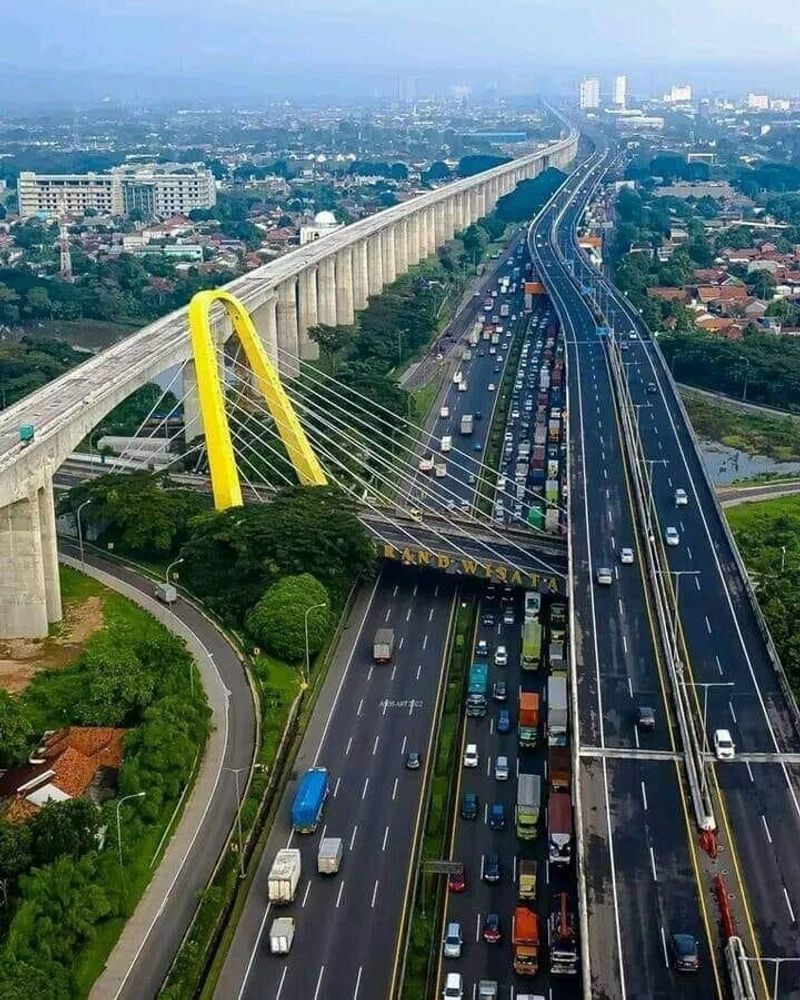
Jakarta overflows with ambition and people, which you feel in traffic, shopping lanes, and packed commuter trains. The metro area sprawls across Jabodetabek, blurring city lines into a vast daily migration. Housing demand surges while green space thins, pushing many to long commutes and informal settlements.
When a city spreads faster than services, waste, transit, and utilities struggle to keep up. You end up spending more time traveling than living. The capital move promises to rebalance growth while giving Jakarta breathing room to fix what sprawl stretched thin.
4. Traffic Gridlock and Lost Productivity
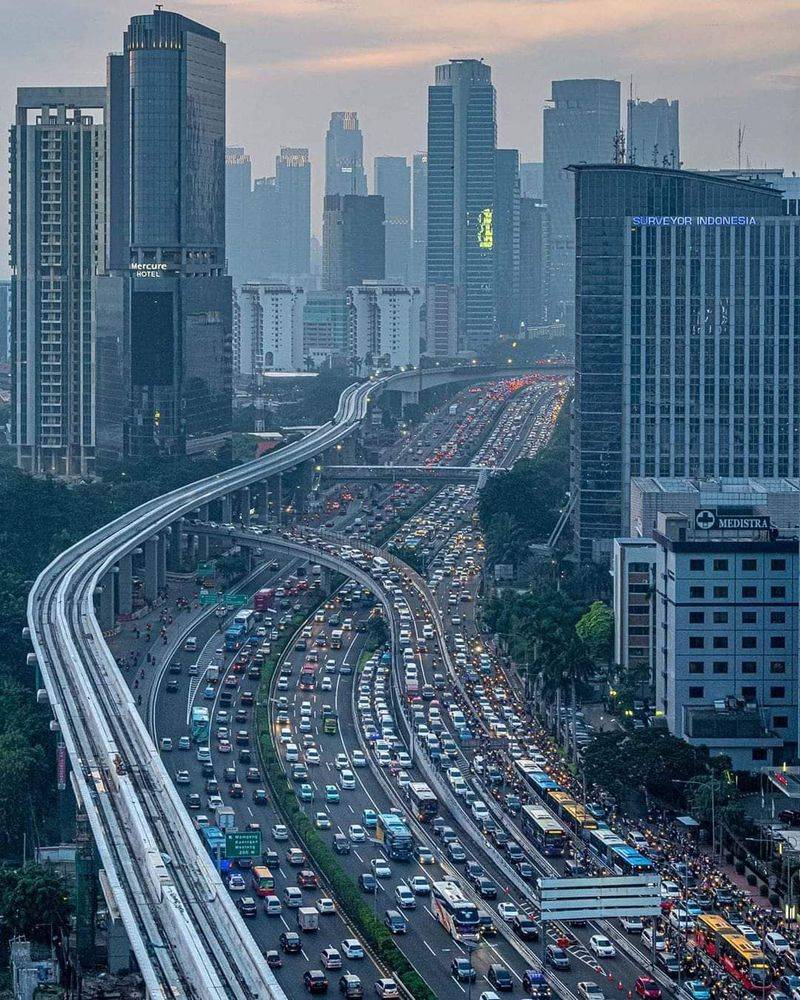
Jakarta traffic is a daily proving ground for patience. Hours vanish on toll roads and arterial streets as motorcycles weave and buses crawl. When every trip turns into a negotiation, businesses pay in delays, fuel, and frayed schedules.
Transit upgrades help, but capacity still lags behind demand. You notice how stress and lost time drain productivity across the city. Relocating the political core aims to reduce pressure on central corridors while Jakarta refocuses on transit first growth.
5. Water Management and Canal Systems
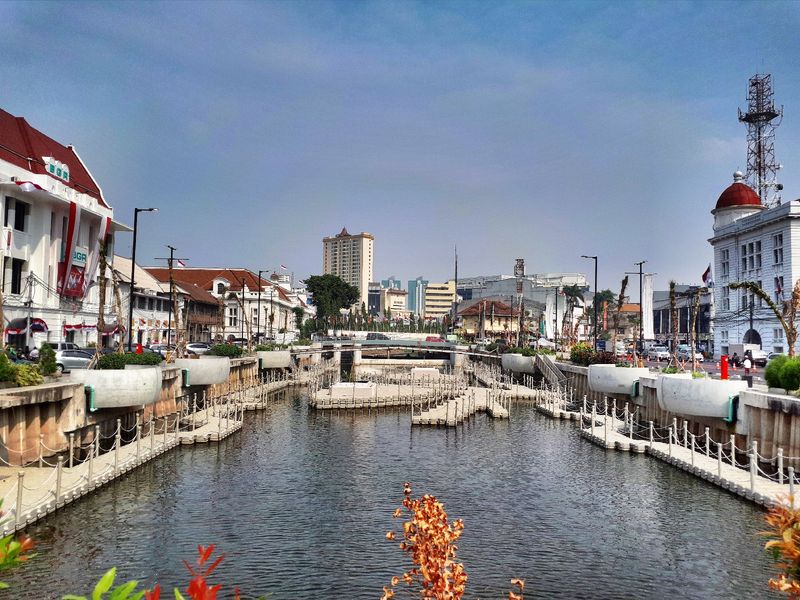
Jakarta’s old Dutch era canals meet modern monsoon rains, and the match is complicated. Sediment, trash, and encroachment squeeze waterways until heavy storms turn channels into hazards. Pumps work hard, but clogged inlets and uneven maintenance can slow everything down.
When river catchments upstream swell, the city braces for fast moving water. You see why integrated river basin management and strict zoning matter. The capital shift gives space to overhaul drainage while upgrading pumps, retention basins, and early warning systems.
6. Groundwater Extraction and Piped Supply
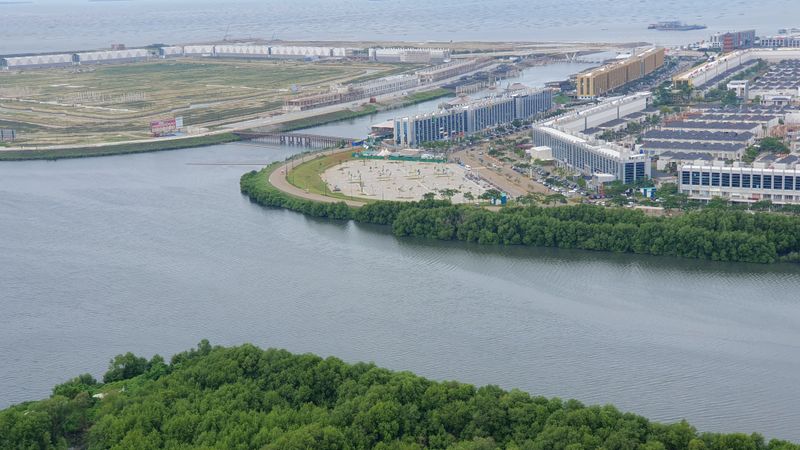
Jakarta’s thirst has long been quenched by groundwater, especially where piped supply does not reach. Wells bite deeper, and the subsurface answers with sinking ground and brackish intrusion near the coast. It is a quiet trade that becomes very loud during floods.
Expanding piped water and fixing leaks reduces the need to drill. You can picture stricter permits and recharge zones as part of the fix. With government functions moving, Jakarta can prioritize a water shift that stabilizes both taps and terrain.
7. Air Pollution and Public Health
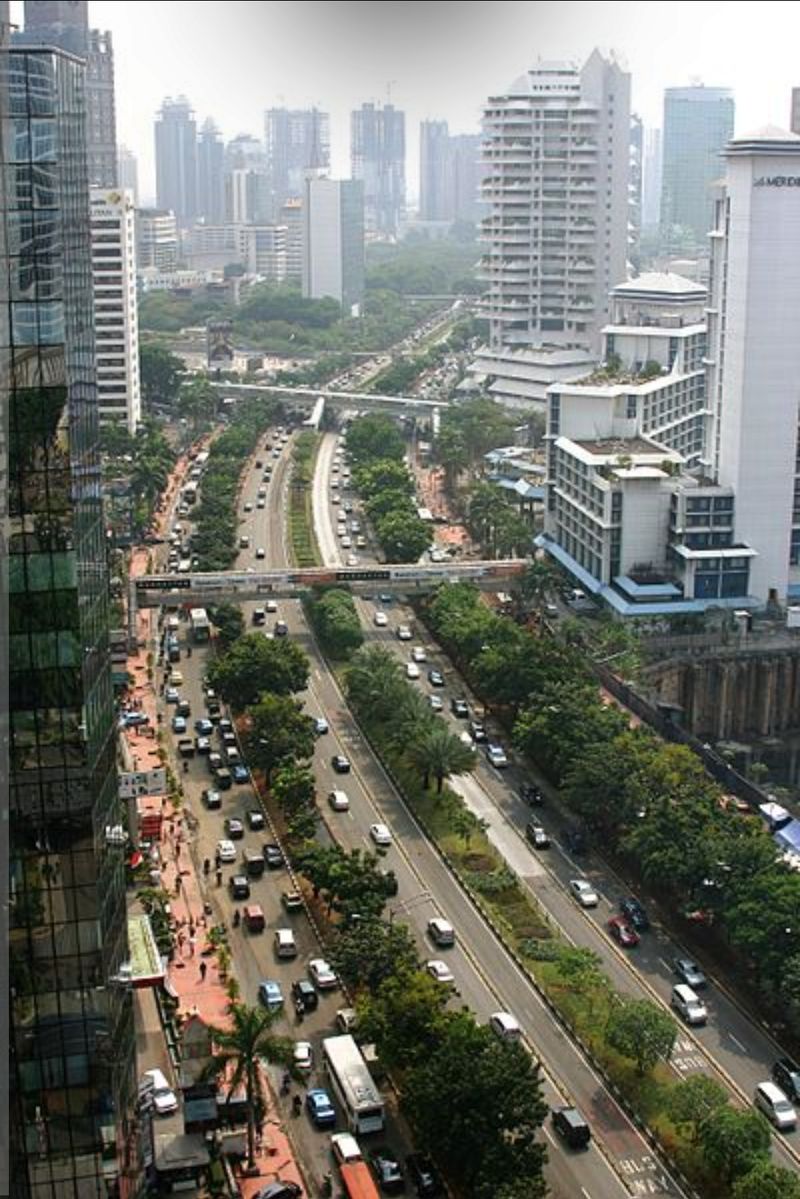
On hazy mornings, you feel the grit in the air before you see the skyline. Traffic emissions, industry, and open burning push particulate levels beyond safe limits. For families, that means coughs linger longer and outdoor plans become a gamble.
Cleaner buses, stricter fuel standards, and more trees help, but enforcement needs stamina. The capital relocation relieves some political density, letting Jakarta pursue health focused measures with fewer competing pressures. You deserve air that does not fight every breath.
8. Economic Gravity and Logistics
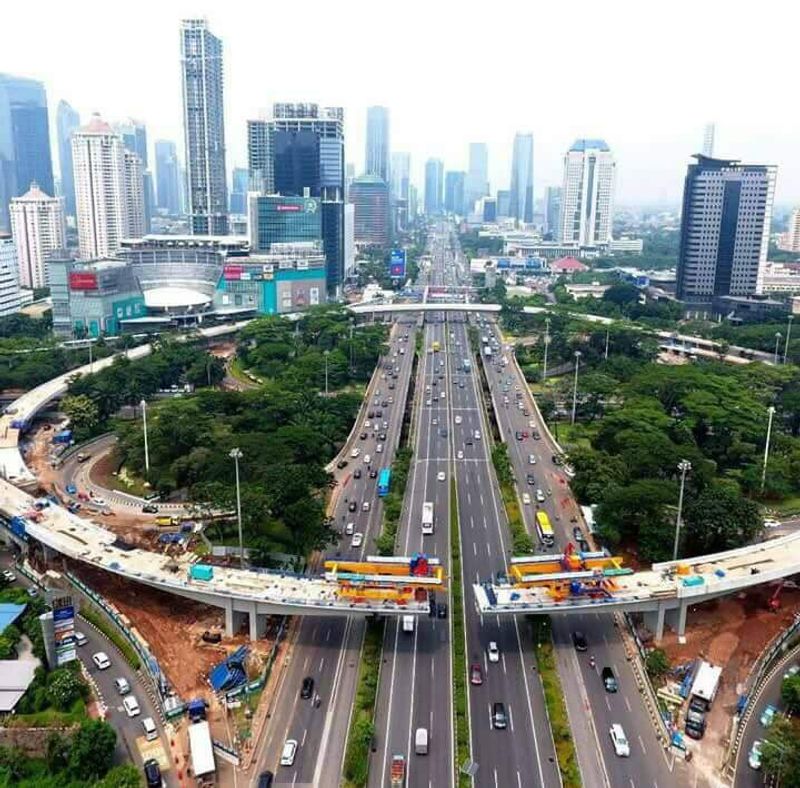
Jakarta is Indonesia’s business magnet, and that pull creates both opportunity and congestion. Ports, warehouses, and offices cluster tightly, thickening truck traffic across key corridors. When logistics slow, costs rise across the supply chain and ripple into prices.
Shifting government duties to a new capital lets Jakarta sharpen its role as a commercial hub. You could see streamlined ports, smarter freight routes, and better last mile delivery. With pressure eased, the city can double down on productivity instead of gridlock.
9. Heritage Under Pressure: Kota Tua
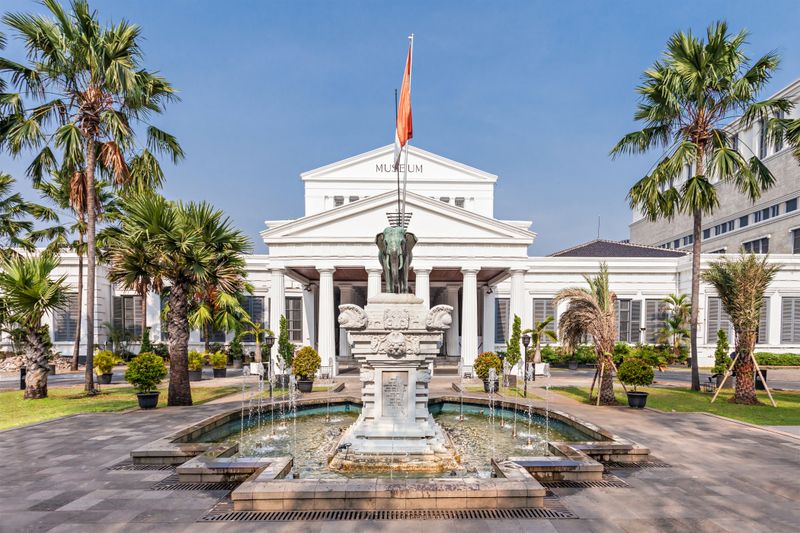
Kota Tua holds Jakarta’s layered story in its plazas, museums, and colonial facades. Yet tidal flooding, humidity, and development pressure threaten delicate walls and timber. You walk the cobblestones and feel how preservation fights a daily uphill battle.
Conservation needs money, engineering care, and patient zoning. With political functions moving away, Jakarta can focus on careful restoration and adaptive reuse. The payoff is a historic core that invites locals and visitors without sacrificing authenticity.
10. Chinatown Glodok and Community Resilience
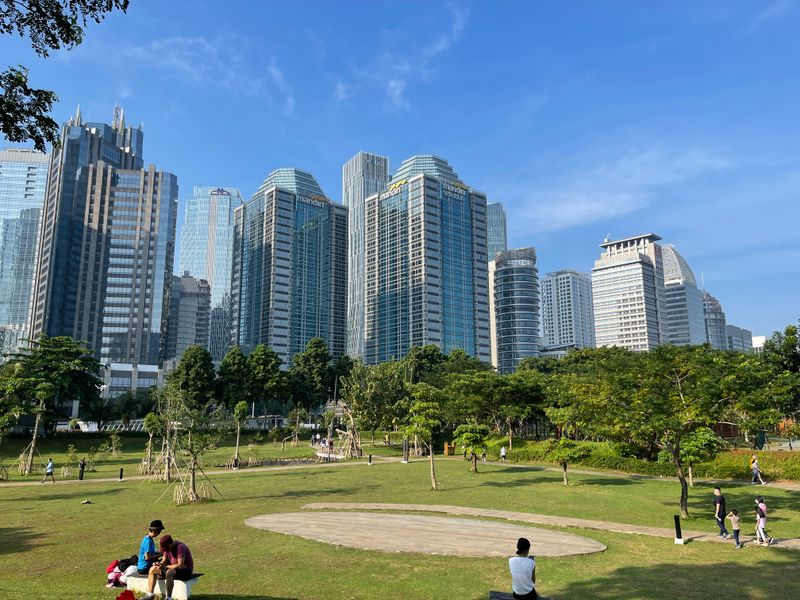
Glodok hums with markets, temples, and long standing family businesses that weather both floods and economic swings. Narrow lanes carry the scent of food stalls and the chatter of multigenerational shops. You sense a toughness built from adapting again and again.
Improved drainage, safer wiring, and cultural grants help these streets thrive. Keeping communities intact while upgrading infrastructure is the real balancing act. Jakarta’s future plan should protect the small places that hold the city’s soul.
11. Sunda Kelapa and Maritime Identity
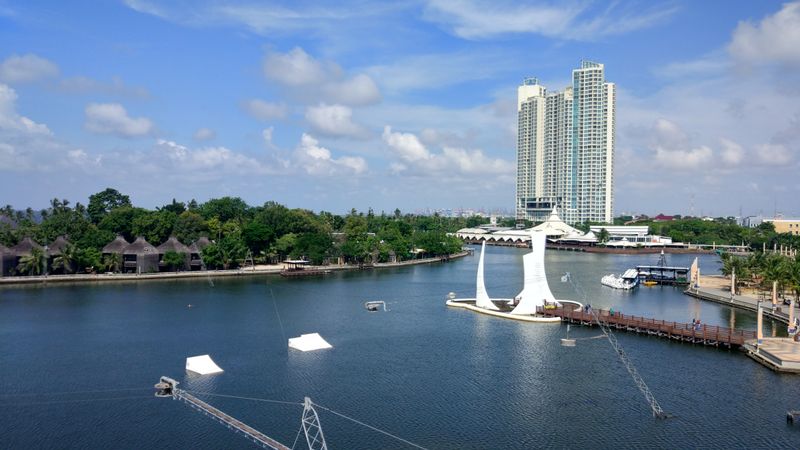
At Sunda Kelapa, wooden schooners tilt in the tide, loading cargo by hand like time paused. This port anchors Jakarta’s maritime roots and connects neighborhoods to the Java Sea. Yet rising tides and silt threaten docks that have served generations.
Upgrading quays while protecting traditional craft is a careful dance. You can see tourism, training, and maintenance yards working in tandem. Safeguarding this harbor preserves a living link between the capital and its seafaring past.
12. Transit Upgrades: MRT, LRT, and BRT
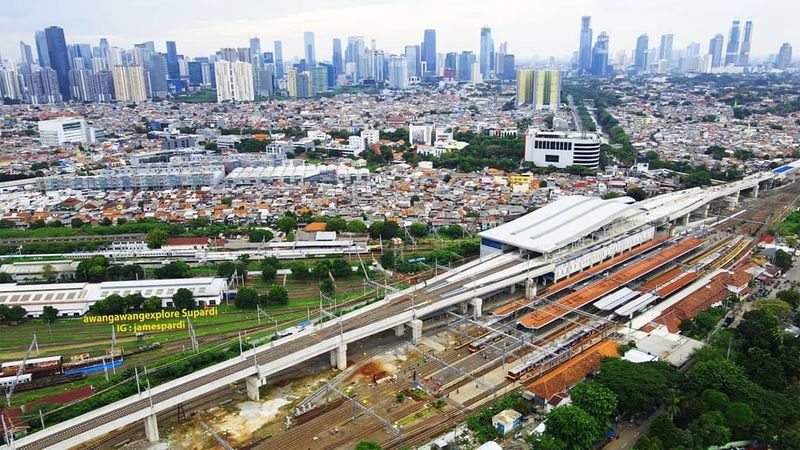
Jakarta’s MRT, LRT, and TransJakarta BRT give commuters new options that feel faster and cleaner. Stations anchor denser neighborhoods where walking actually makes sense. You notice how transfers, schedules, and wayfinding still need polish to win more riders.
Expanding lines, integrating fares, and adding last mile links can tip the balance away from cars. The shift of national offices can reduce peak strain while transit grows. That is how a sprawling city starts to feel connected instead of trapped.
13. Housing, Informal Settlements, and Fairness
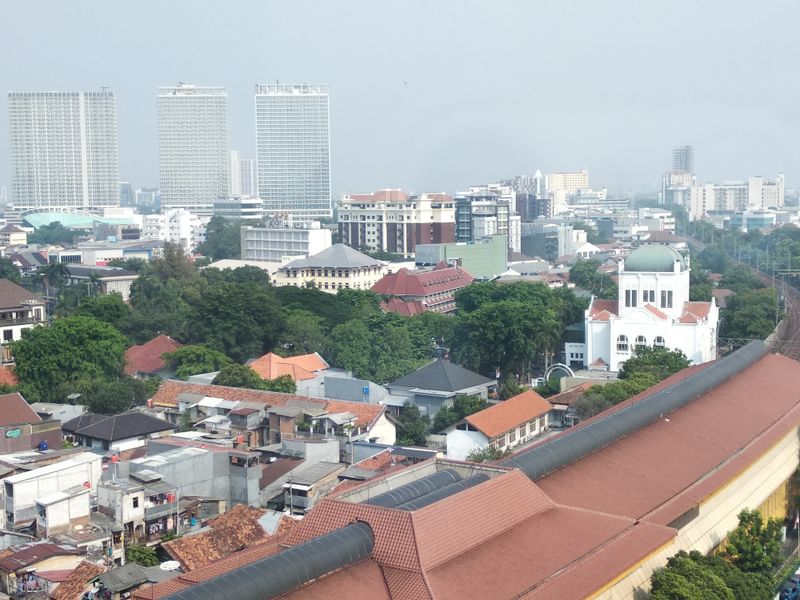
Not everyone has a secure address in Jakarta, and flood maps often overlay the most vulnerable blocks. Informal settlements spring up near jobs and transport, but services lag behind. Evictions without options only push hardship down the road.
Upgrading in place, rental support, and safe relocation where needed make progress stick. You want a plan that treats people as neighbors, not obstacles. The capital move opens a window to invest in humane housing solutions across the city.
14. Governance, Budgets, and Coordination
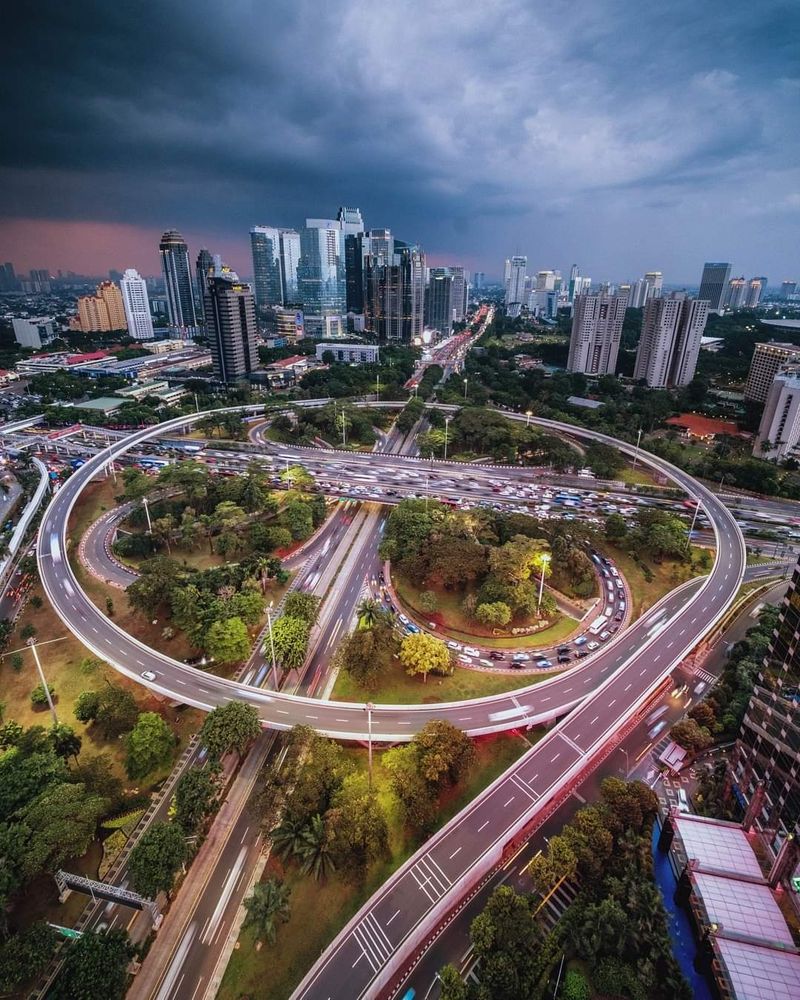
Jakarta’s problems cross district borders and agency silos, so coordination matters more than speeches. Budgets must track projects from pumps to parks with clear timelines. When accountability is fuzzy, progress stalls and trust erodes.
With national ministries relocating, local governance can streamline decisions. You benefit when data, maintenance, and community feedback loop together. The city that coordinates well can fix more than it promises.
15. Why Moving the Capital Changes Jakarta
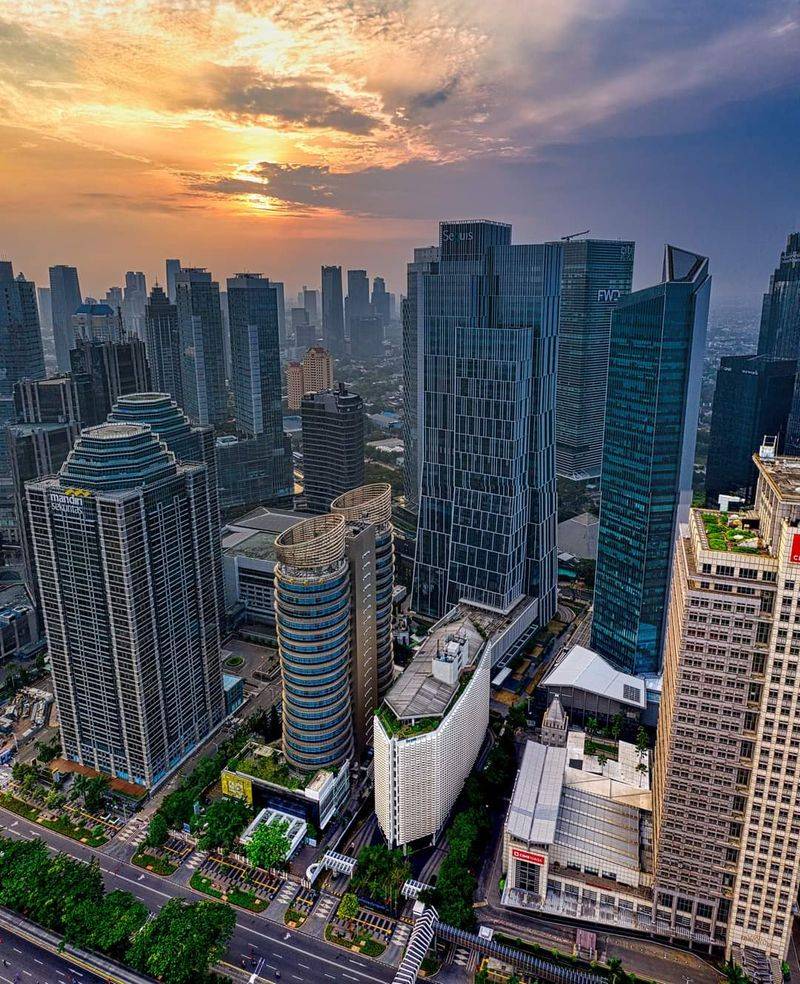
The relocation is not a goodbye to Jakarta, it is a reshuffle of weight. By moving the political core, daily pressure eases on roads, offices, and tight central neighborhoods. That breathing room makes repairs, upgrades, and smarter growth more realistic.
You still get the culture, commerce, and history that make the city magnetic. What changes is the chance to fix foundations instead of patching crises. Jakarta can become steadier, fairer, and more livable while keeping its spirit intact.



