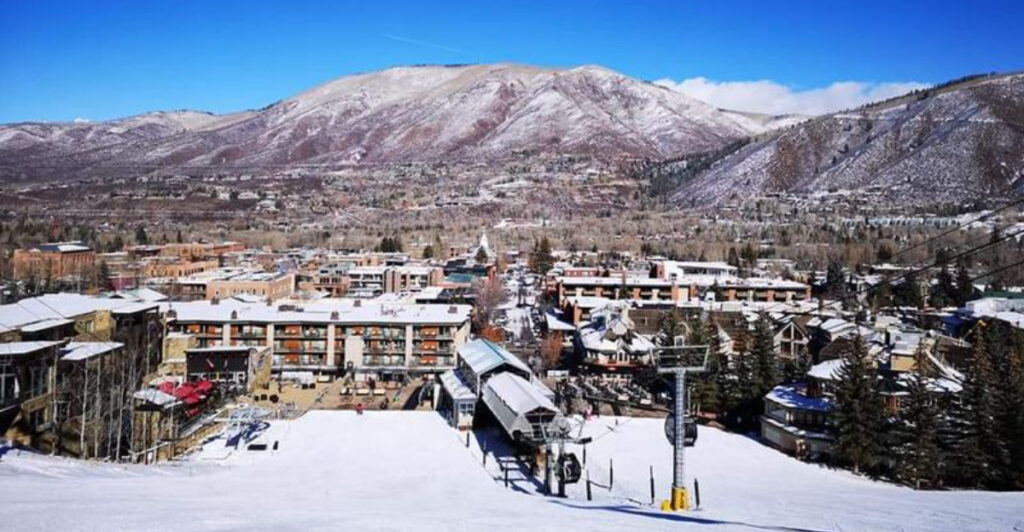
There is a place tucked into Colorado’s Rocky Mountains where the slopes are perfectly groomed, the boutiques carry price tags that make your eyes water, and the air feels crisp enough to wake you up better than any morning coffee. This town draws celebrities, billionaires, and serious ski enthusiasts from around the world, and it has done so for decades.
The restaurants here are the kind where the menu has no prices on the guest copy, and the ski lifts carry people in designer outerwear worth more than most cars. What makes this mountain town so magnetic, and is it really worth the hype?
Keep reading, because I spent time exploring every corner of this legendary destination, and I have plenty of stories, tips, and surprises to share with you.
A Town Built on Silver and Snow
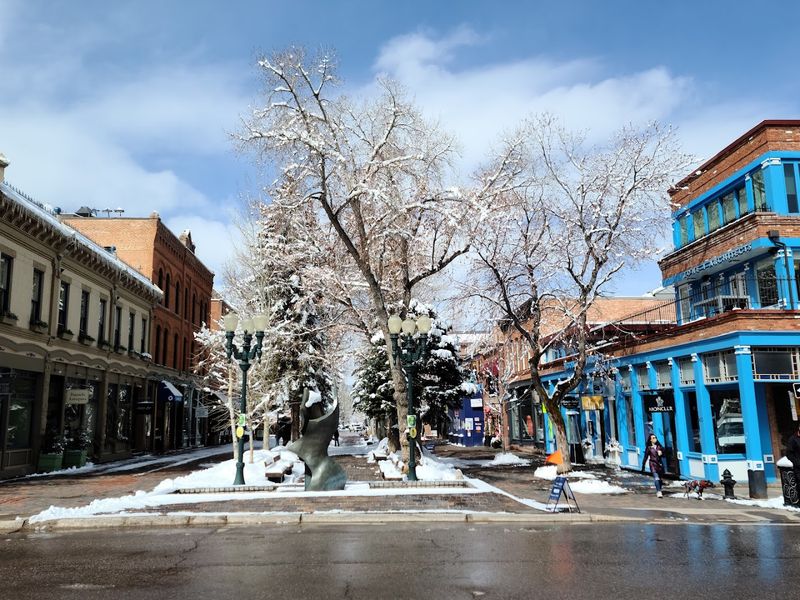
Long before the ski lifts and luxury hotels arrived, Aspen was a booming silver mining town in the late 1800s. Aspen, Colorado, sits at an elevation of about 7,908 feet in the Roaring Fork Valley, with a mailing address of Colorado 81611, and it started its life as a place where miners dug fortunes out of the earth.
The silver bust of the 1890s nearly wiped the town off the map entirely, leaving behind empty Victorian buildings and a population that shrank to just a few hundred people.
Then, after World War II, a group of visionaries saw potential in those snow-covered mountains and transformed the ghost town into one of the most glamorous ski resorts on the planet. That reinvention story is baked into every cobblestone street and restored brick facade you walk past today, making history feel surprisingly alive here.
Four Mountains, One Legendary Ski Destination
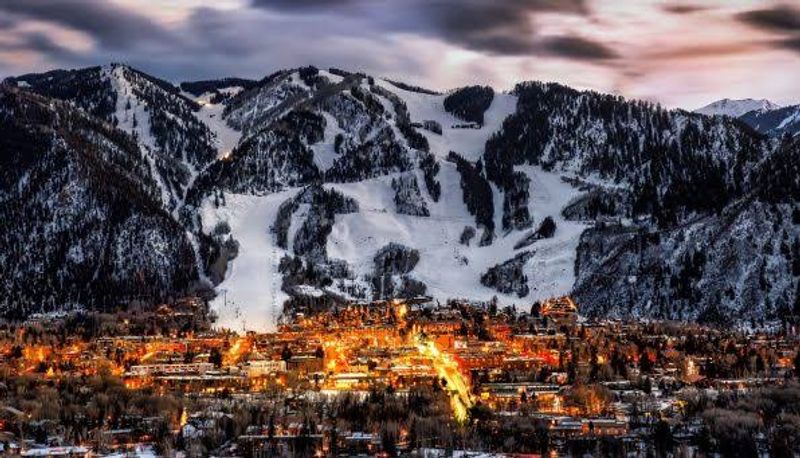
Most ski towns have one mountain to brag about, but Aspen operates four separate ski areas that together create one of the most diverse and challenging ski experiences in North America.
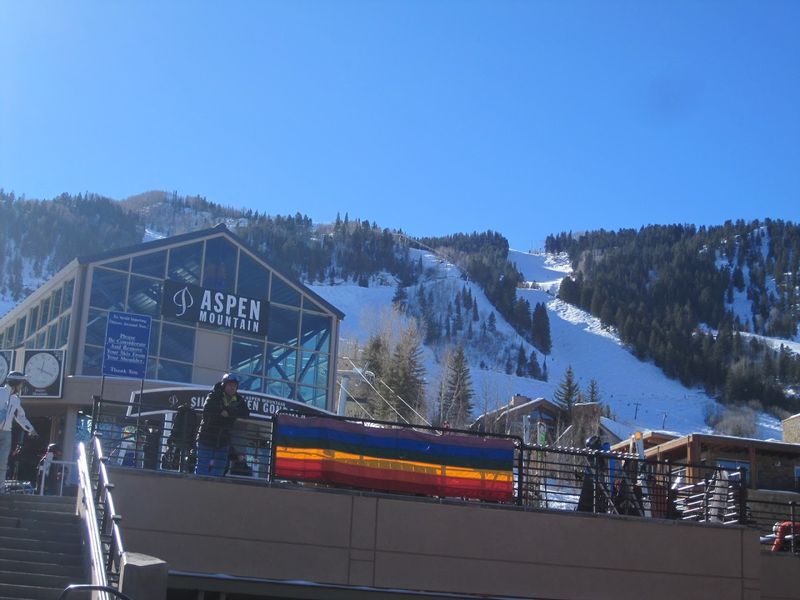
Aspen Mountain, also called Ajax, is the original and most famous, with steep runs that attract expert skiers who want a real workout. Aspen Highlands is known for its Highland Bowl, a hike-to terrain zone that serious backcountry enthusiasts treat like a rite of passage.
Buttermilk is the friendliest of the four, welcoming beginners and families with wide, forgiving runs that take the intimidation factor down several notches. Snowmass is the largest of all four areas, offering a massive vertical drop and a self-contained village that could keep you busy for an entire week without ever feeling like you have run out of new trails to explore.
The Price Tag That Stops You Mid-Scroll
A single-day lift ticket at Aspen can cost over $200 during peak season, and that is just the starting point of your spending journey here. Rental ski equipment, lessons, and après-ski meals can push a single day’s expenses well past $500 per person without much effort.
Hotel rooms during Christmas week or Presidents Day weekend routinely run between $1,500 and $5,000 per night, and private ski chalets rent for figures that require a second glance to fully process. The town has earned its reputation as the most expensive ski destination in the United States, and that reputation is backed by very real numbers.
What surprises many first-time visitors is that the town does not apologize for any of it. The attitude here is unapologetically premium, and the services, mountain conditions, and overall experience are calibrated to match every dollar you spend.
Celebrity Sightings Are Part of the Scenery
Aspen has been a celebrity playground since the 1950s, and the tradition has never slowed down. During peak holiday weeks, the ski slopes and restaurant patios become an informal who’s-who of Hollywood, finance, and professional sports.
The locals here are impressively unfazed by famous faces, treating a Grammy-winning musician at the coffee counter with the same casual nod they give everyone else. That low-key attitude from residents actually makes the whole experience more comfortable for everyone, because the town never feels like it is performing for its famous guests.
Spotting a well-known face on the gondola or at a trailhead is genuinely common, and the shared love of the mountain creates a surprisingly democratic atmosphere on the slopes themselves. Whatever your bank account looks like, gravity treats every skier exactly the same way once you push off from the top of a run.
The Wheeler Opera House and Its Storied Past
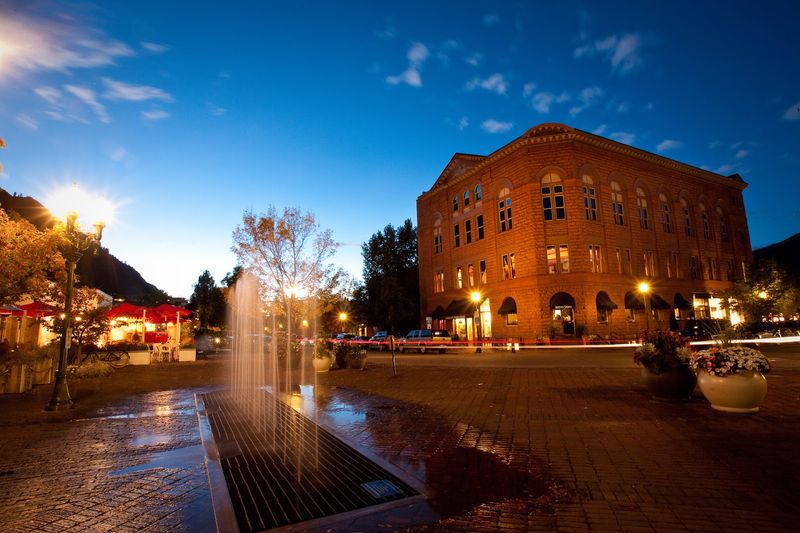
Built in 1889 during Aspen’s silver mining peak, the Wheeler Opera House is one of the most beautiful and historically significant buildings in Colorado. Jerome B.
Wheeler, a co-owner of Macy’s department store, funded its construction as a gift to the booming community he had invested in heavily.
The building survived the silver crash, two fires, and decades of neglect before a major restoration brought it back to its original Victorian grandeur. Today it hosts live performances ranging from comedy shows and classical concerts to film screenings and community events throughout the year.
Walking inside feels like stepping back into a more theatrical era, with ornate details, plush seating, and a stage that has welcomed performers of genuine national caliber. Catching a show here adds a cultural layer to a ski trip that most mountain towns simply cannot offer, and it costs far less than a dinner reservation down the street.
Shopping That Rivals Fifth Avenue
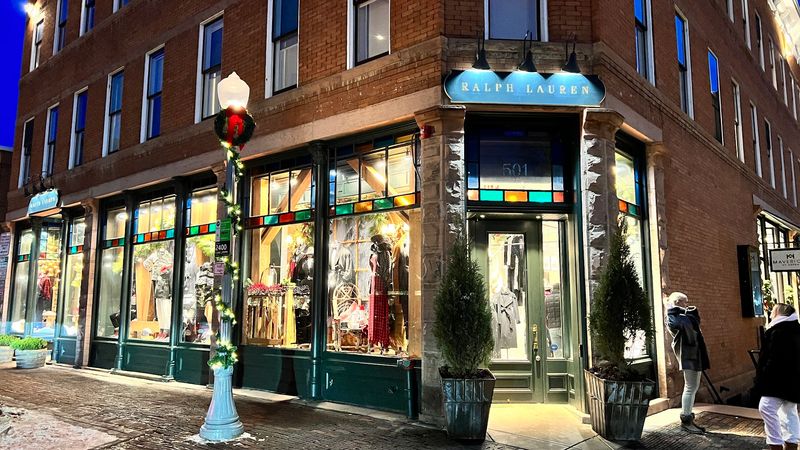
The retail scene in Aspen is genuinely staggering for a mountain town with a year-round population of only about 7,000 people. Gucci, Louis Vuitton, Prada, and Dior all have flagship-style boutiques here, positioned alongside independent galleries and specialty stores that carry items you will not find anywhere else.
The main shopping corridors along Galena Street and Hyman Avenue are pleasant to walk even if you are just window shopping, with well-maintained storefronts and mountain views framing every block. Fur coats, custom ski boots, and hand-crafted jewelry are among the more memorable items on display in shop windows.
There are also some genuinely charming independent shops mixed in among the luxury brands, selling locally made goods, art prints, and outdoor gear with a Colorado identity. The shopping here is worth exploring even if your budget is modest, because the window-gazing alone tells you a lot about who Aspen is built for.
Dining at Altitudes That Match the Ambition
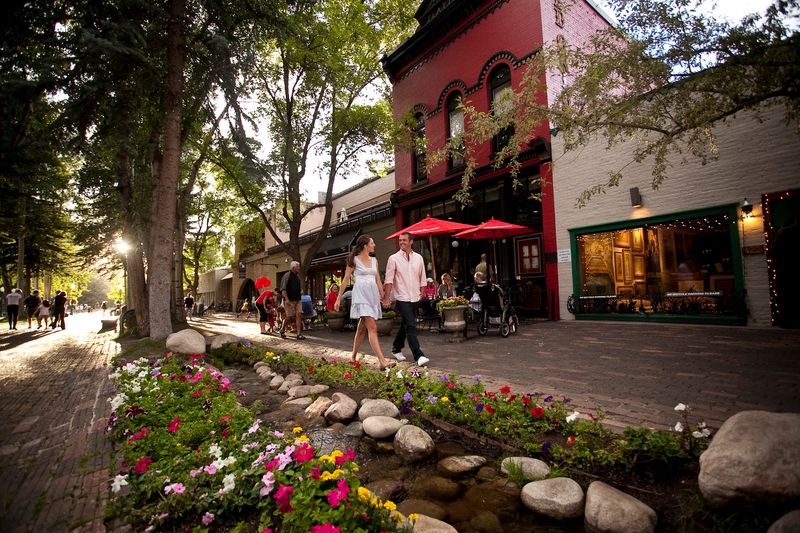
Food in Aspen operates at a level that would feel at home in Manhattan or Paris, and the restaurant scene here has genuine depth beyond just price points. The town has earned recognition from serious food critics, and several of its restaurants carry accolades from national publications that cover dining with the same seriousness others apply to sports.
Steakhouses here serve dry-aged cuts with the kind of precision and sourcing detail that borders on obsessive, while the sushi counters import fish with the same care as coastal cities with direct ocean access. Breakfast spots fill up early with skiers who need fuel before hitting the mountain, and the quality of even a simple eggs-and-toast order tends to be noticeably above average.
Reservations at the top spots during peak season require planning weeks in advance, and showing up without one is a gamble that rarely pays off well during the busy holiday windows.
The Aspen Art Museum Experience
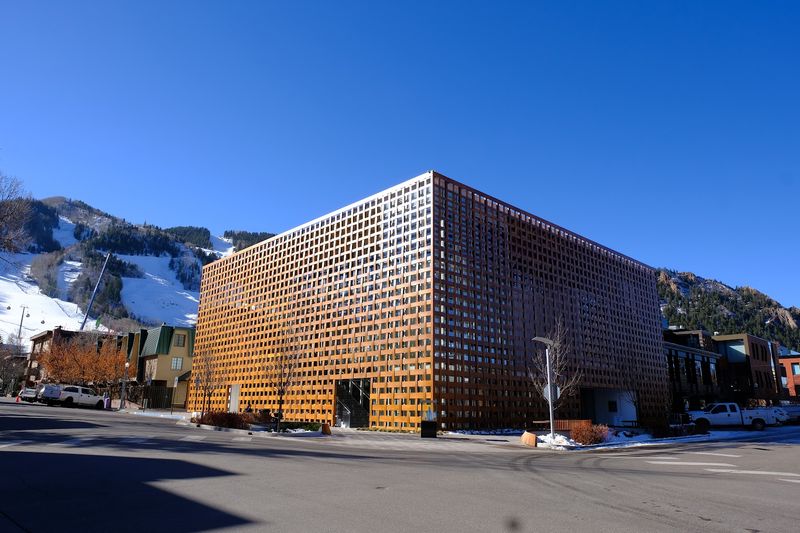
The Aspen Art Museum is one of the most architecturally striking buildings in the entire Rocky Mountain region, and it stands as proof that this town takes culture as seriously as it takes skiing. Designed by Shigeru Ban, a Pritzker Prize-winning architect, the building features a remarkable woven wood-composite facade that makes it look unlike any other museum structure you have likely seen.
Inside, the museum focuses exclusively on contemporary art, with rotating exhibitions that bring in work from internationally recognized artists alongside emerging voices worth paying attention to. Admission is free, which feels almost subversive in a town where everything else carries a premium price tag.
The rooftop terrace offers one of the better views in downtown Aspen, framing the surrounding mountains through a sculptural screen that turns the landscape itself into part of the art experience. It is a genuinely world-class cultural stop that surprises many visitors who came only for the skiing.
Summer in Aspen Is a Completely Different Story
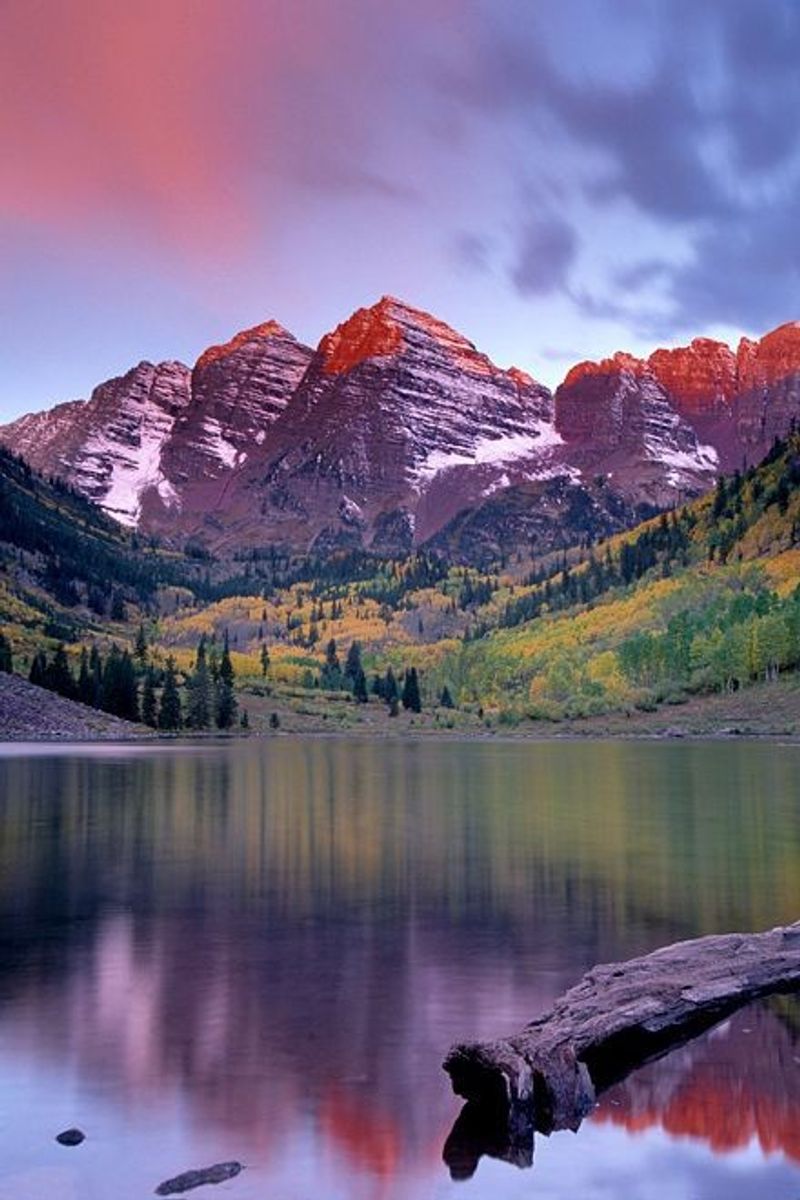
Many people do not realize that Aspen is a year-round destination, and the summer version of this town has a personality that is quite different from its winter identity. When the snow melts, the mountains turn an almost electric shade of green, and wildflowers cover the high meadows in ways that feel almost too vivid to be real.
Hiking, mountain biking, fly fishing, and white-water rafting take over as the primary activities, drawing an outdoors-focused crowd that is noticeably more relaxed than the ski season visitors. The Maroon Bells, two iconic peaks just outside town, attract photographers and hikers who rank them among the most-photographed mountains in North America.
Music festivals and cultural events pack the summer calendar, with the Aspen Music Festival and School bringing classical performances to outdoor venues that combine world-class talent with mountain scenery in a combination that is genuinely hard to beat anywhere in the country.
The Wheeler-Stallard House and Local History
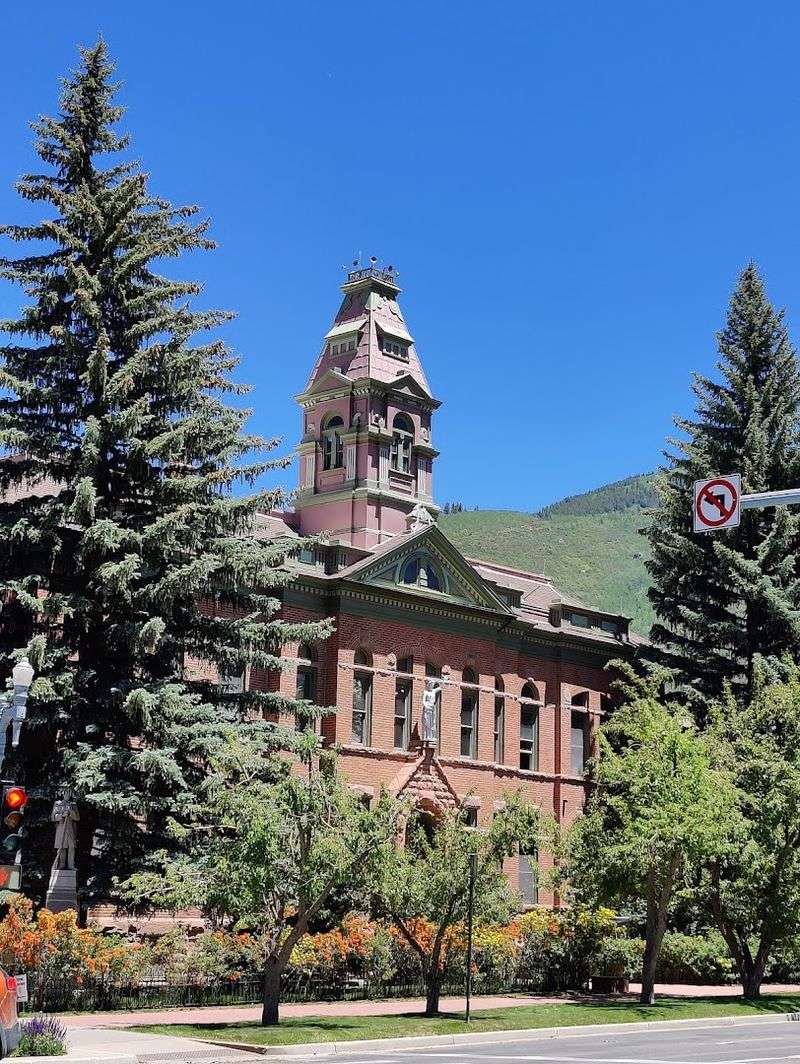
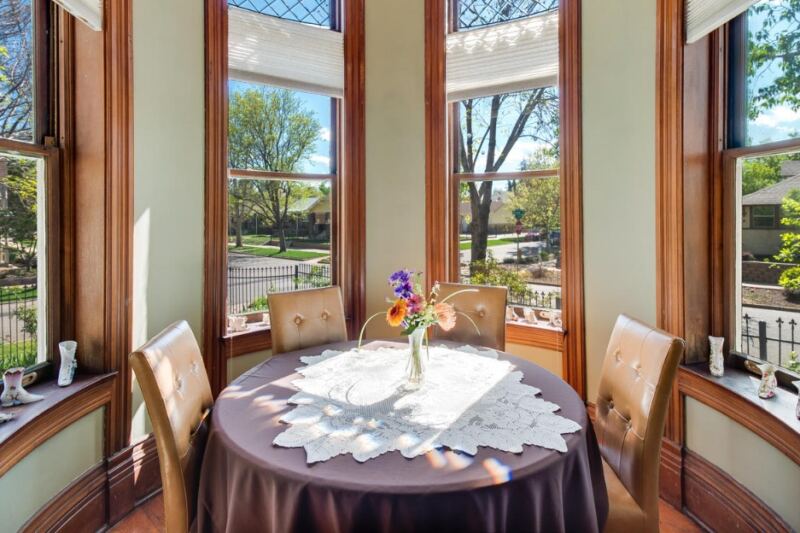
Tucked behind a white picket fence on Bleeker Street, the Wheeler-Stallard House is a beautifully preserved example of Queen Anne-style Victorian architecture that dates back to 1888. The home was originally built for Levi Stallard, a local businessman, and it later became connected to Jerome Wheeler’s legacy as Aspen’s most influential early developer.
Today it operates as a local history museum run by the Aspen Historical Society, and the interior has been carefully restored to reflect the domestic life of Aspen’s silver boom era. Guided tours walk visitors through period-appropriate rooms filled with original furnishings, photographs, and artifacts that make the 1890s feel surprisingly tangible.
Spending an hour here before hitting the slopes or browsing the shops gives the rest of your Aspen experience a richer context. Knowing the town’s backstory makes every Victorian building you pass feel less like a backdrop and more like a chapter in a genuinely dramatic local story.
Getting Around Town Without a Car
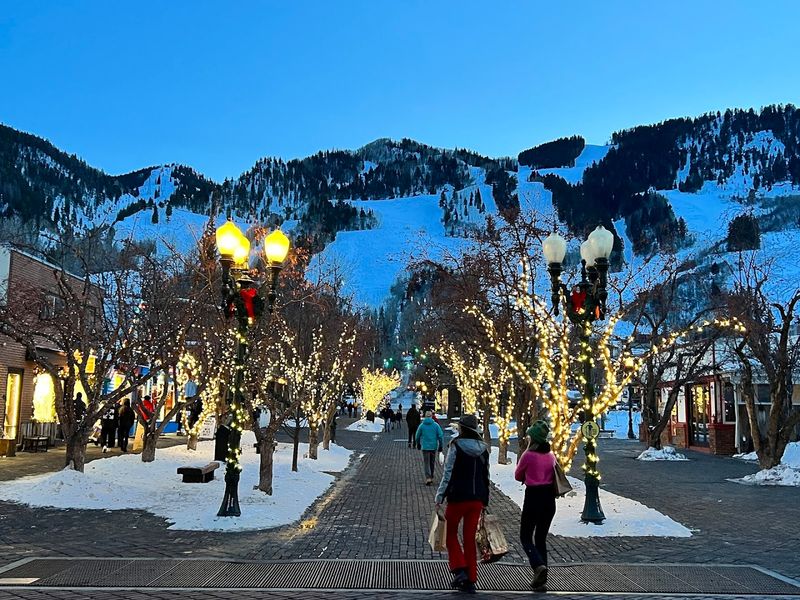
One of the more pleasant surprises about Aspen is how walkable the core of the town is, with the main commercial streets and most major hotels sitting within easy walking distance of the ski mountain’s base area. The compact layout means you can leave your rental car parked for an entire day and cover most of what you want to see entirely on foot.
The Roaring Fork Transportation Authority operates a free bus system connecting Aspen to Snowmass Village and other nearby communities, which takes the stress out of navigating mountain roads after a long day on the slopes. During ski season, a dedicated shuttle system moves skiers between the four mountains efficiently enough that owning or renting a car feels more optional than essential.
The town also has a well-maintained pedestrian mall area that creates a car-free zone in the heart of downtown, making the shopping and dining experience feel more like a European alpine village than a typical American resort town.
The Maroon Bells, Colorado’s Most Famous View
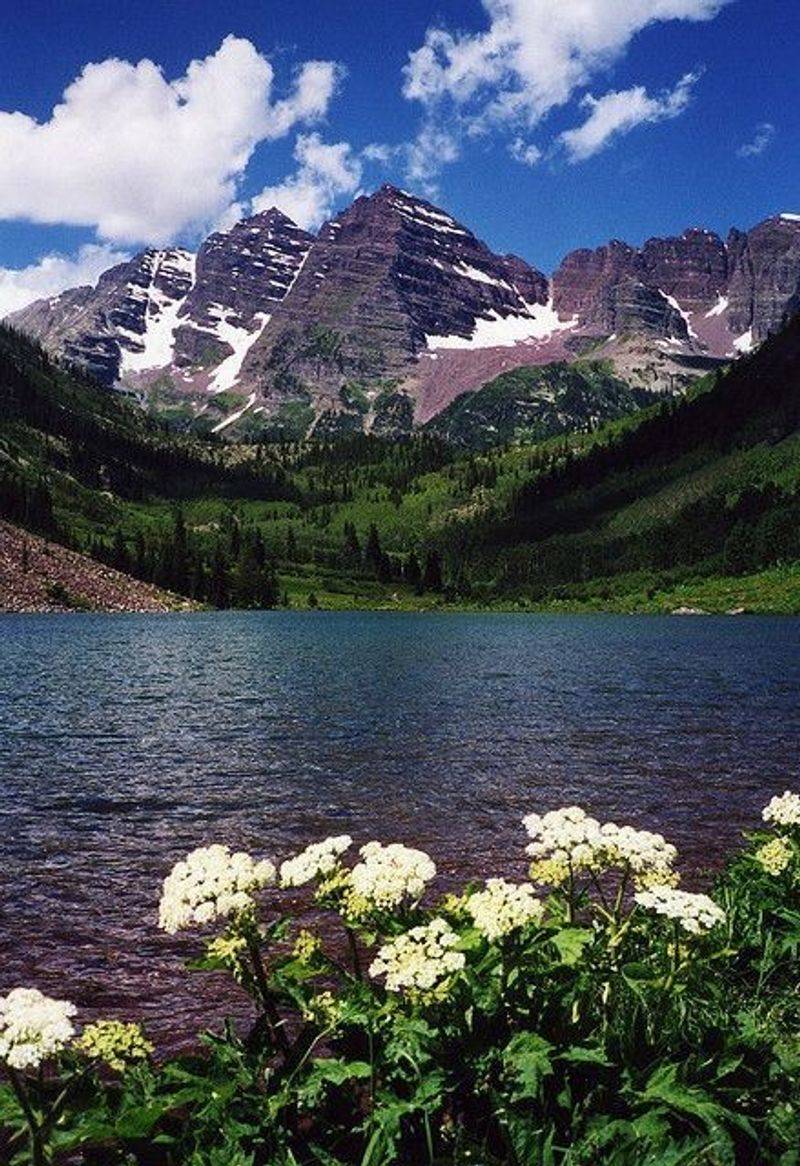
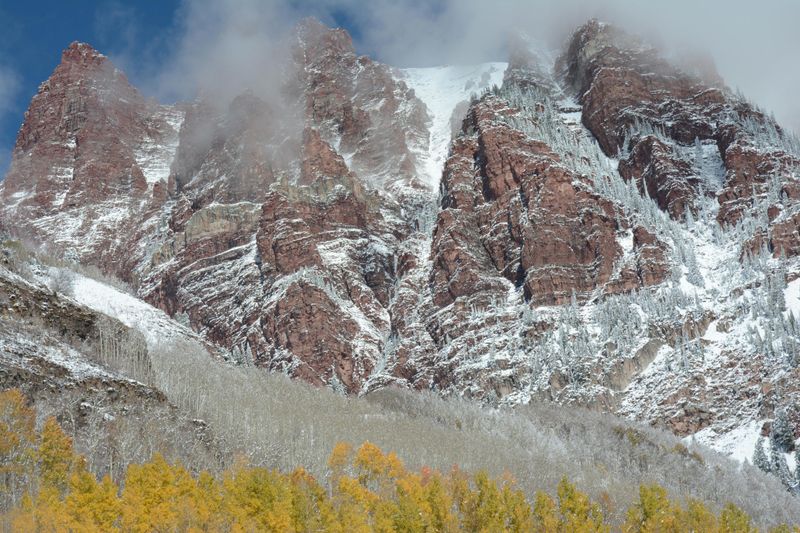
About ten miles southwest of downtown Aspen, the Maroon Bells rise to over 14,000 feet and create a reflection in Maroon Lake that has appeared on more postcards, calendars, and desktop wallpapers than almost any other natural scene in Colorado. The two peaks, called North Maroon Peak and South Maroon Peak, are part of the Elk Mountains range and carry a reputation for being both beautiful and technically demanding for climbers.
The road to Maroon Lake is restricted to private vehicles during peak summer hours, so most visitors take a shuttle from Aspen Highlands, which actually makes the arrival feel more like an event than a traffic jam. Fall visits, when the aspen trees surrounding the lake turn gold, create a color combination with the dark red peaks and blue water that is genuinely extraordinary.
Even a short walk around the lake on the easy trail loop rewards visitors with views that justify every dollar spent getting to Aspen in the first place.
The Real Cost of Staying Here
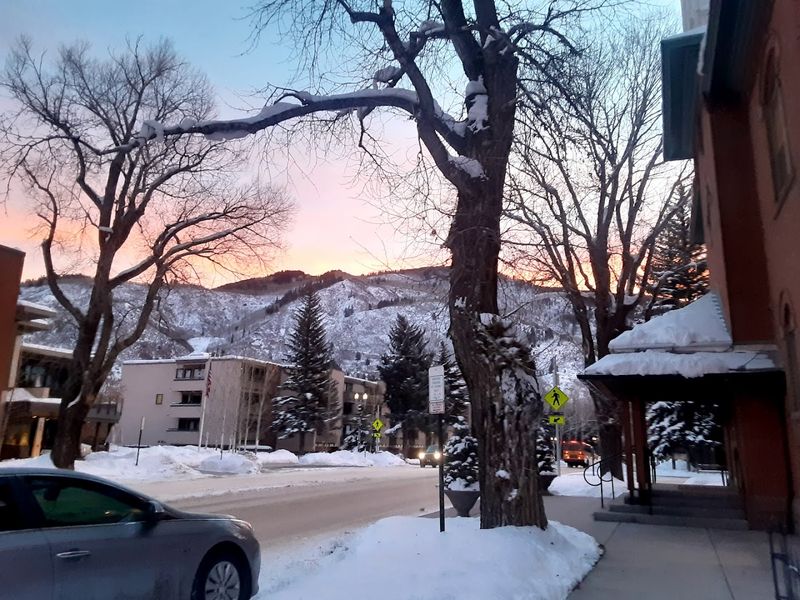
Budgeting for an Aspen trip requires a different mental framework than planning most other ski vacations, because the baseline costs here start at a level that would represent the upper end at most other resorts. Budget-conscious travelers do visit Aspen, but they tend to stay in Snowmass or Basalt, which are nearby communities with more accessible accommodation options.
The most affordable lodging options within Aspen itself tend to be smaller bed-and-breakfast style properties or older condominium units, which can occasionally be found for under $400 per night if booked far enough in advance outside of peak holiday periods. Staying even a short drive from the mountain core can cut your lodging costs dramatically while still giving you easy access to the slopes via the free shuttle system.
Eating lunch on the mountain rather than at a sit-down restaurant, packing your own snacks, and skipping the resort spa are the classic moves for stretching an Aspen budget without feeling like you missed the point of coming here.
Aspen’s Outdoor Culture Beyond the Ski Slopes
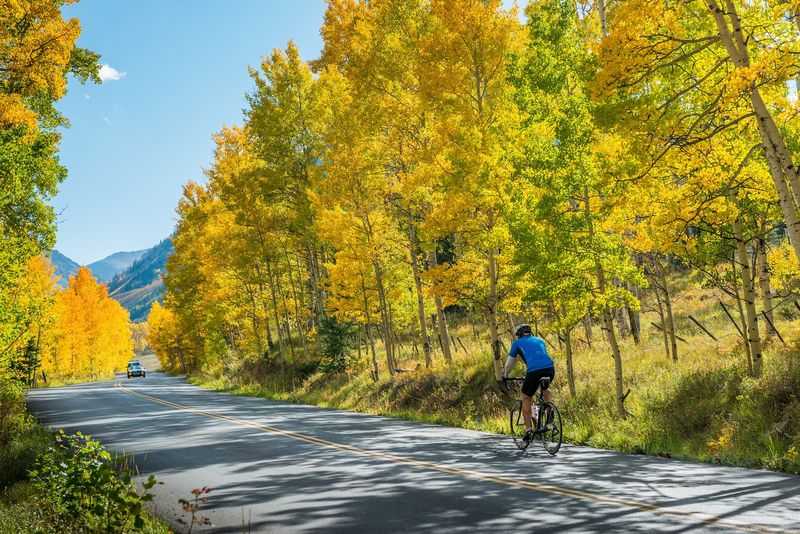
The outdoor culture here runs far deeper than skiing, and year-round residents will tell you that the shoulder seasons are their favorite time to experience what the Roaring Fork Valley actually feels like without the crowds. Cross-country skiing and snowshoeing trails lace the area around town during winter, offering a quieter and considerably cheaper alternative to the downhill experience on the main mountains.
The Rio Grande Trail is a paved path that runs along the Roaring Fork River and connects Aspen to Basalt over about 14 miles, making it a popular route for cyclists, joggers, and walkers who want scenery without altitude challenges. Rock climbing, paddleboarding on the Roaring Fork River, and horseback riding through ranch country round out the warm-weather activity list in ways that feel genuinely local rather than touristy.
The town’s relationship with the outdoors is not performative, and that authentic connection to the natural environment is one of the things that separates Aspen from resort towns that feel entirely manufactured.
Why People Keep Coming Back Despite the Cost
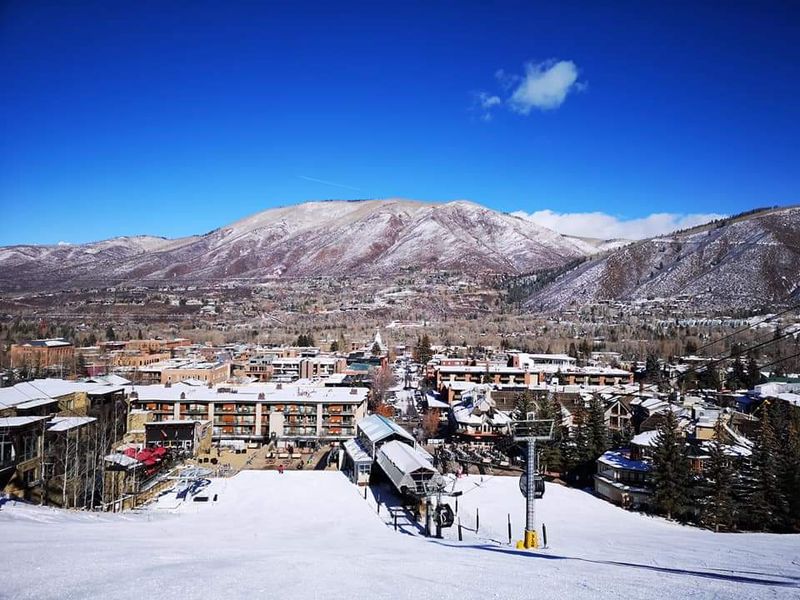
After everything I experienced in Aspen, the question that lingered was a simple one: is it actually worth it? The honest answer is that it depends entirely on what you are looking for from a mountain destination, and whether the combination of world-class skiing, genuine cultural depth, and a physical setting of extraordinary beauty aligns with what you value most in travel.
The mountain conditions here are maintained at a standard that is hard to find elsewhere, and the variety of terrain across four ski areas means that even a week-long visit rarely exhausts what the slopes have to offer. The food, the history, the architecture, and the surrounding wilderness create a destination that rewards curiosity beyond the ski runs.
Aspen is unapologetically expensive, unapologetically ambitious, and unapologetically itself, and that clarity of identity is ultimately what keeps drawing people back season after season, regardless of what a lift ticket costs this year.
Share this story