In Schuylkill County, Pennsylvania, one wildlife center has spent decades rescuing injured and orphaned native animals that most people never even realize need help. Since 1991, the nonprofit has cared for everything from hummingbirds and baby raccoons to hawks, owls, and bald eagles, operating every single day of the year without government funding.
The center takes in thousands of animals annually, relying entirely on donations and a staff committed to giving wildlife a second chance. Some patients stay only a few days before returning to the wild, while others require months of rehabilitation and specialized care.
What makes the place unforgettable is the dedication behind it. The work happens quietly, often out of public view, but the impact reaches across Pennsylvania through every animal successfully released back where it belongs.
The Heart of the Mission: A Center Built on Second Chances
Founded in 1991 by Peggy Sue Hentz, Red Creek Wildlife Center at 300 Moonhill Dr, Schuylkill Haven, PA 17972 was built on a simple but powerful belief: every animal deserves a second chance, no matter how small or how common.
Hentz started the center with a clear mission to reverse the effects of human interference on wildlife. That philosophy has guided every decision the organization has made over the past three decades.
The center accepts all species of Pennsylvania native wildlife, with the notable exceptions of bears and adult deer. From hummingbirds to eagles, from chipmunks to fox kits, the doors are open to creatures in need.
What makes this mission especially meaningful is that the center operates entirely on donations. No government funding, no fees for drop-offs, just the generosity of a community that believes wildlife matters.
That commitment to accessibility is what keeps people coming back, not just with animals, but with their hearts wide open.
Over 4,000 Animals a Year: The Scale of the Work
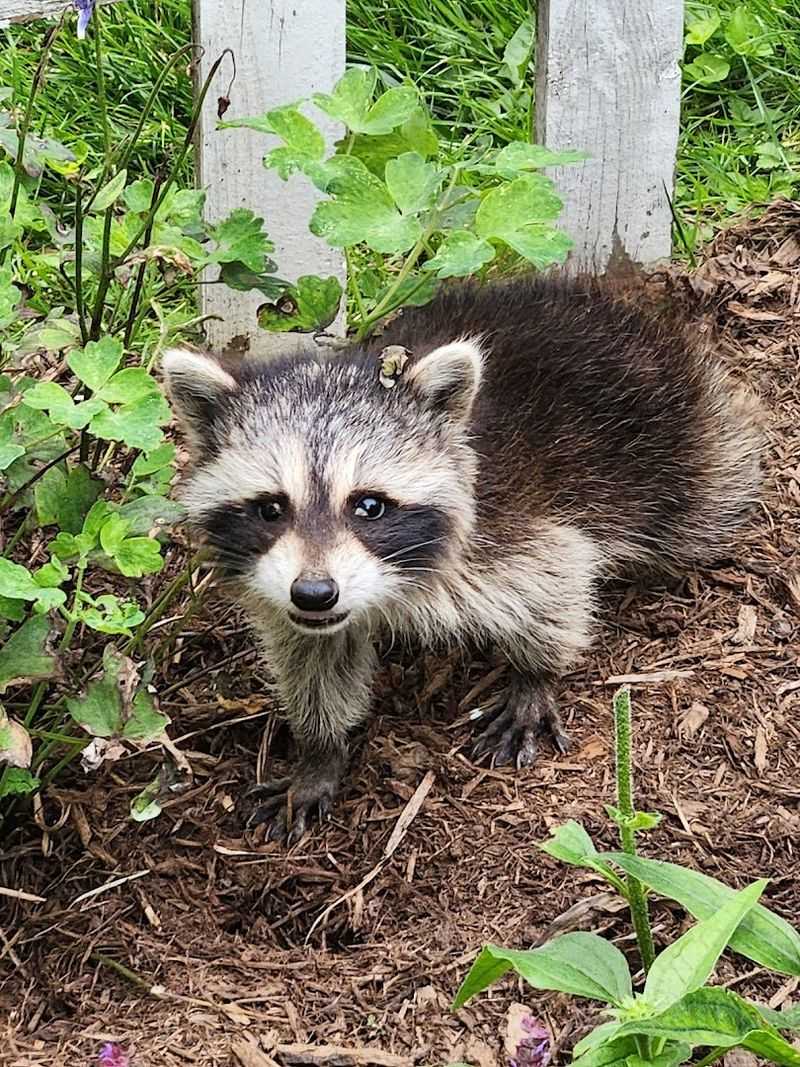
The numbers alone are enough to stop you in your tracks. Red Creek Wildlife Center takes in over 4,000 wild animal patients every single year, and in 2024 specifically, that number reached 3,963 individual animals admitted for care and rehabilitation.
Think about what that actually means in practice. Staff and volunteers are handling intake, medical assessment, feeding schedules, housing arrangements, and release planning for thousands of creatures simultaneously, all while keeping the doors open 365 days a year.
The range of animals is genuinely staggering. One week might bring in a batch of orphaned eastern cottontail rabbits and a great horned owl with a fractured wing.
The next could include a snapping turtle hit by a car and six baby starlings found in a demolished building.
Each animal gets individualized attention and a care plan tailored to its species and condition. The sheer volume of work happening behind those walls on any given day is both humbling and deeply inspiring.
The Botstiber Clinic: Where Healing Actually Happens
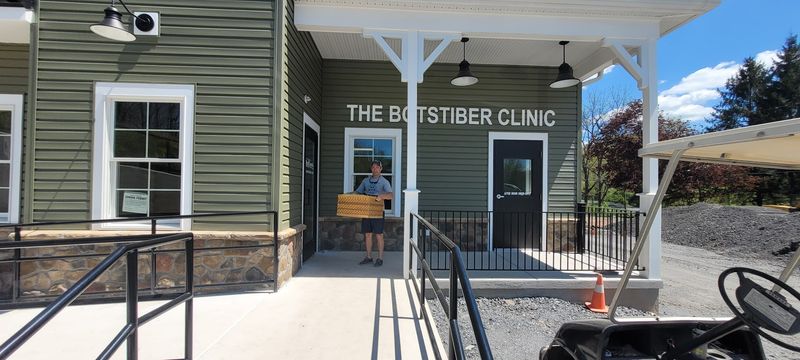
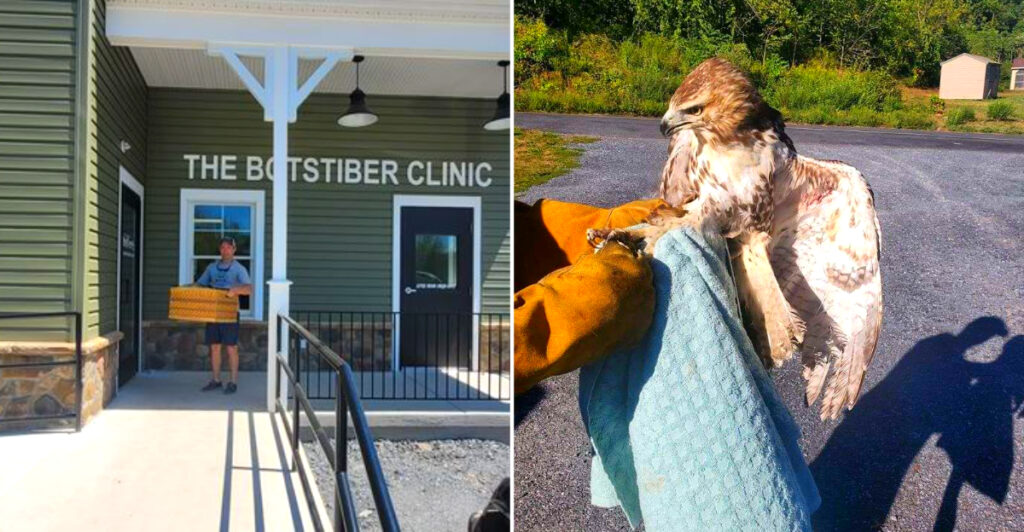
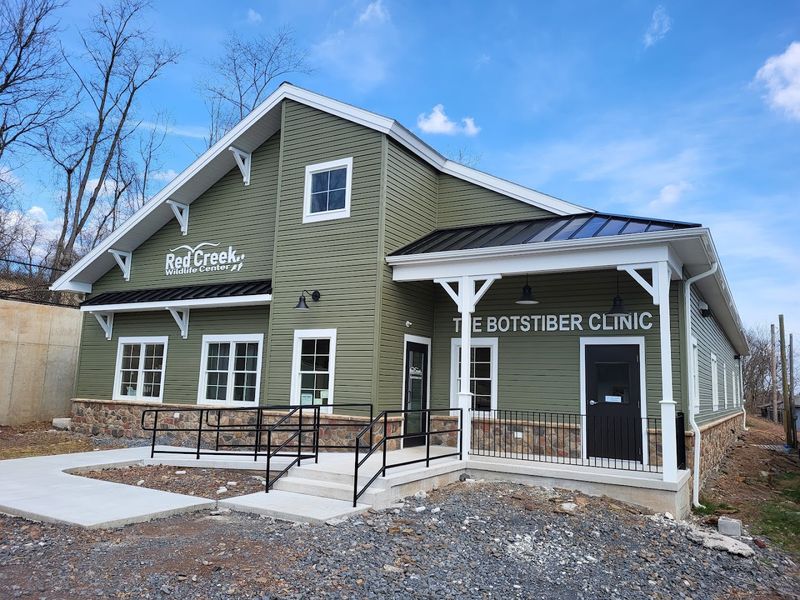
Behind the welcoming front desk at Red Creek lies the nerve center of the entire operation, a state-of-the-art facility known as the Botstiber Clinic. This is where the real medical work gets done, and it is genuinely impressive for a donation-funded nonprofit.
The clinic includes a fully equipped admission lobby, an intensive care unit, a dedicated treatment area, and an X-ray and diagnostics laboratory. That last feature is particularly significant, because accurate diagnosis is the foundation of effective wildlife rehabilitation.
Before a fire in December 2023 destroyed the original clinic building, the center had already established itself as one of the most professionally equipped wildlife rehabilitation facilities in the region. The team reopened for admissions just two months after that devastating event, which says everything about their dedication.
Rebuilding efforts are ongoing, and the community has rallied around the center in remarkable ways. The Botstiber Clinic represents not just a physical space, but a symbol of what committed people can build when they refuse to give up on the animals that need them.
Raptors and Rabies Vector Species: The Center’s Specialties
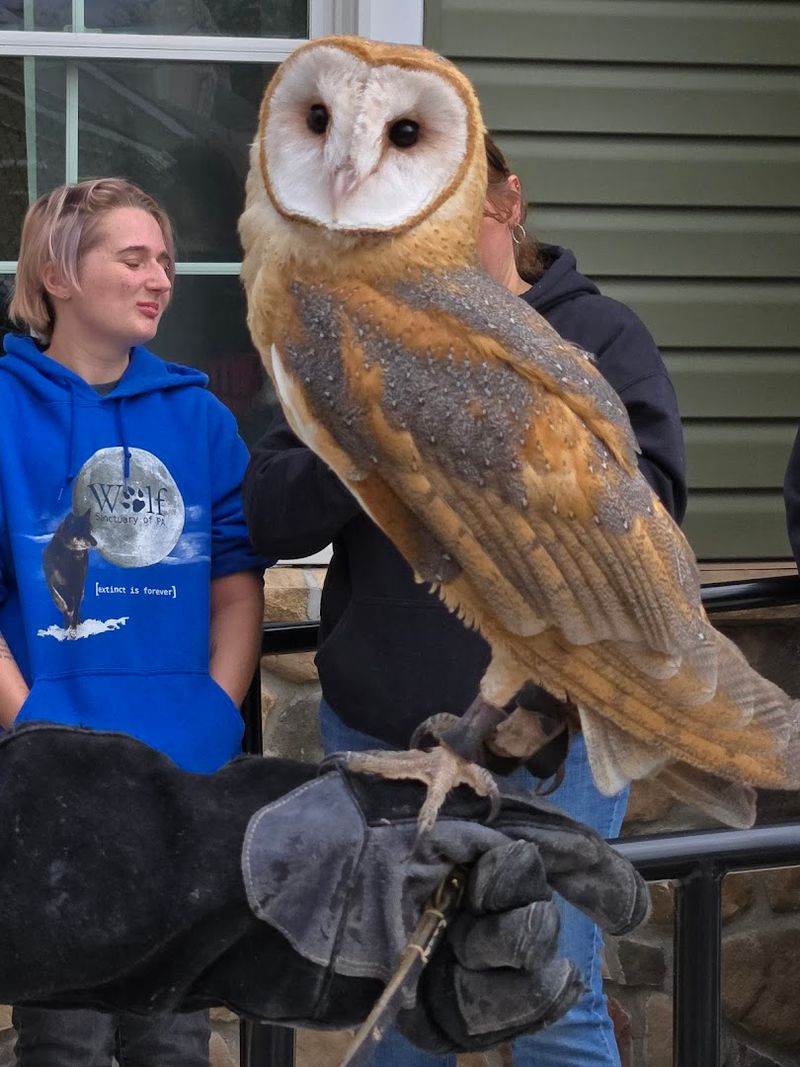
Red Creek Wildlife Center has developed a particular reputation for two categories of animals that most facilities are not equipped to handle: raptors and what are called rabies vector species. Both require specialized training, specific equipment, and nerves of steel.
Raptors include birds like hawks, owls, falcons, and eagles. These are powerful animals with sharp talons and strong instincts, and caring for them safely while keeping them wild enough to be released is a genuine skill.
The staff at Red Creek has honed that skill over decades.
Rabies vector species include animals like raccoons, foxes, skunks, and bats, creatures that carry a higher risk of disease transmission and require strict protocols during handling and care. Most local shelters simply cannot take them in.
The fact that Red Creek handles both categories is a huge service to the surrounding communities. Families who find a disoriented raccoon or a grounded owl have a safe, legal, and expert option available to them, and that peace of mind is worth more than most people realize.
What Happens When You Show Up With an Injured Animal
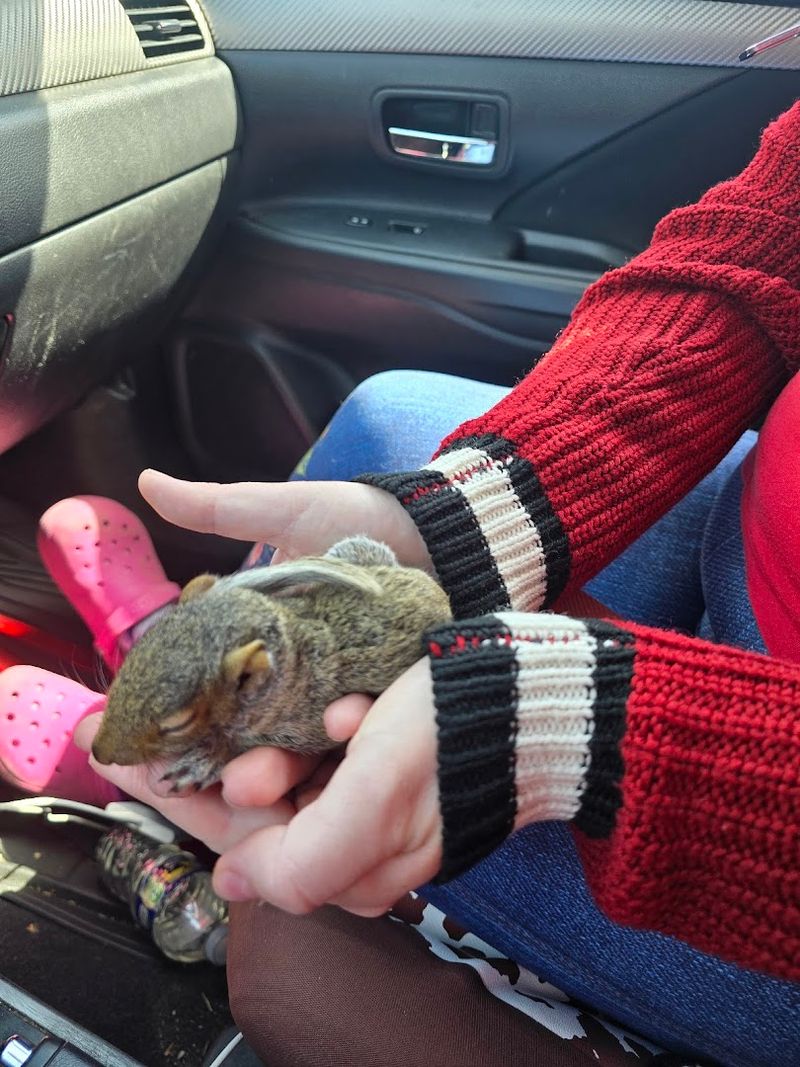
Many people who have visited Red Creek for the first time arrived nervous, unsure of what to expect, and worried they might be turned away. The experience is consistently the opposite of that.
The staff greets visitors immediately, asks thoughtful questions, and takes the animal back for assessment without unnecessary delays.
The intake process is straightforward. You provide basic information about where and how you found the animal, and the team takes it from there.
No lengthy paperwork, no judgment about how the animal ended up in your hands.
Donations are optional but genuinely appreciated, since the center runs entirely on community support. Many first-time visitors end up making Red Creek their regular charitable cause simply because they are so moved by the professionalism and warmth they encounter.
One thing worth knowing before you go: the center does not have staff available to come to you. If you call ahead, though, the team will walk you through exactly how to safely contain and transport the animal yourself, which makes the whole process much less stressful for everyone involved, including the animal.
Education Programs That Reach Tens of Thousands of Students
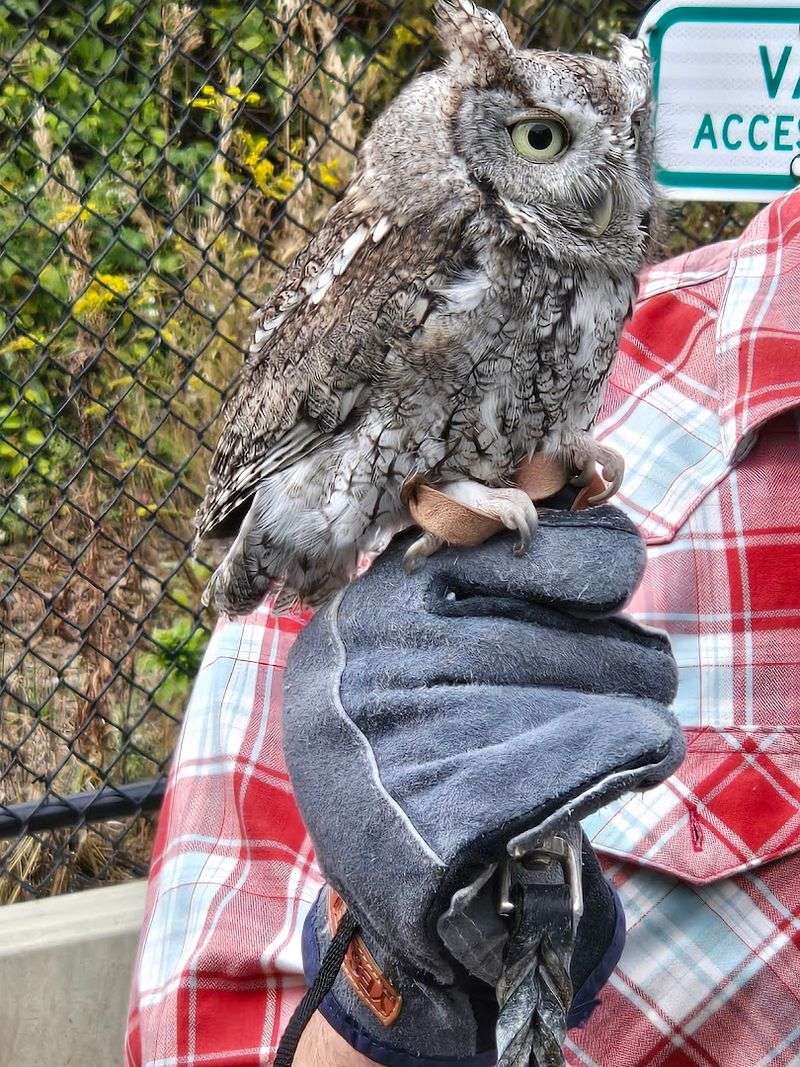
Rescue and rehabilitation are only part of what Red Creek Wildlife Center does. The education side of the operation is just as impressive, and it reaches an audience that most wildlife organizations can only dream of connecting with: children.
The center conducts live raptor programs and wildlife presentations at schools, libraries, and community organizations throughout the region. These are not PowerPoint slideshows.
They are up-close encounters with real animals, the kind that leave kids genuinely changed in how they see the natural world.
In 2024 alone, Red Creek conducted over 69 public wildlife programs. When you consider the number of students sitting in those auditoriums and classrooms, the ripple effect on conservation awareness across southeastern Pennsylvania becomes significant.
Founder Peggy Sue Hentz is also an author, having written books on wildlife care with a particular focus on eastern cottontail rabbits. Her work extends the center’s educational reach well beyond the borders of Schuylkill County, putting practical wildlife knowledge into the hands of readers across the country.
Training the Next Generation of Wildlife Rehabilitators
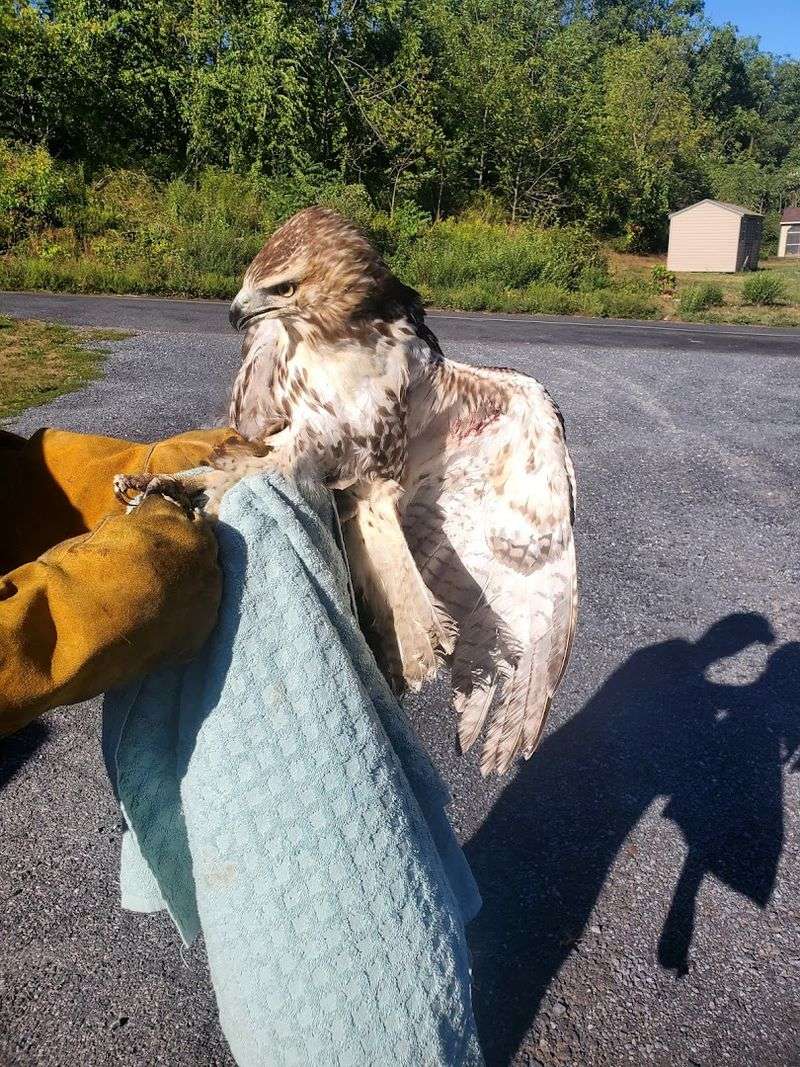
Red Creek Wildlife Center does not just care for animals and educate children. It also trains the people who will go on to do this work themselves, and the scope of that training program is remarkable.
In 2024, the center taught 276 wildlife rehabilitation training classes. That figure includes in-person sessions, seminars, and online courses designed to help participants earn their Pennsylvania wildlife rehabilitation licenses and handle animals correctly and legally.
The training covers everything from species identification and safe capture techniques to medical assessment, feeding protocols, and proper housing for different types of wildlife. It is practical, hands-on education built on decades of real-world experience.
What makes this program especially valuable is its reach. The courses are available not just to people in Schuylkill County but to participants across Pennsylvania and even nationally through online formats.
Every person who completes this training becomes a resource for their own community, multiplying the center’s impact far beyond anything a single facility could achieve on its own.
The Community Connection: How Locals Have Embraced the Center
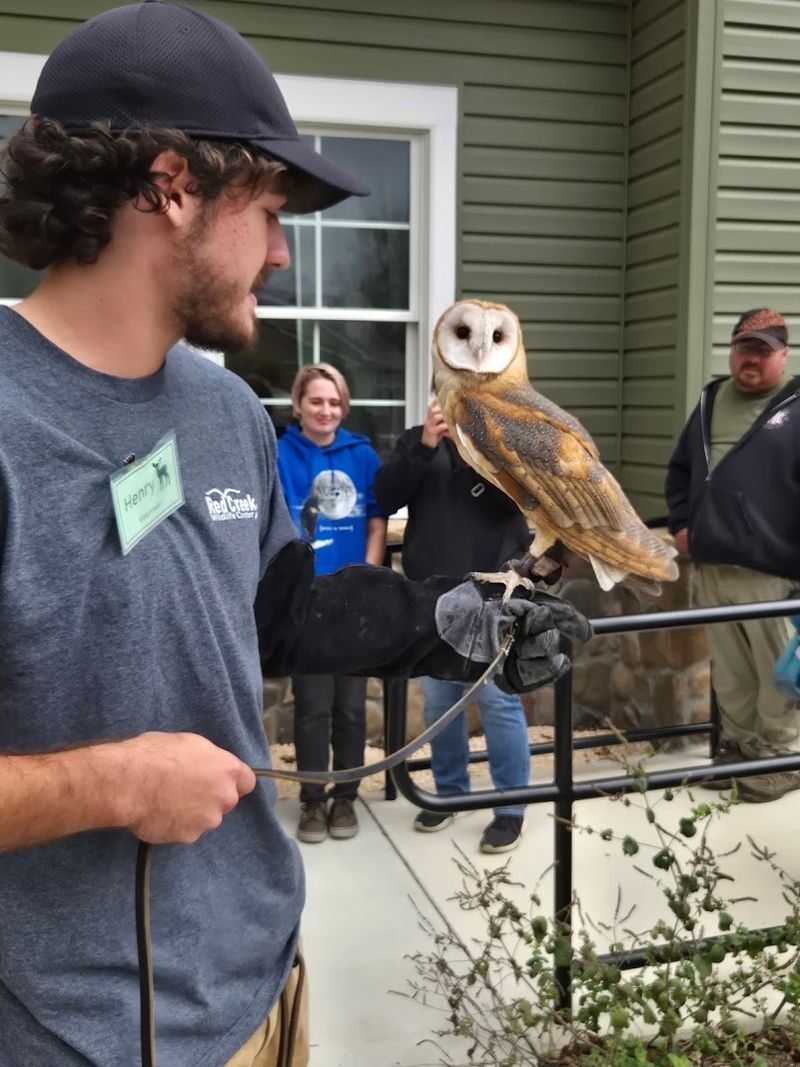
Red Creek Wildlife Center holds an annual open house that draws families, wildlife enthusiasts, and curious newcomers from across the region. The event gives the public a rare look inside the facility, with staff explaining animal care processes, live animals on display, and a festive atmosphere that makes conservation feel genuinely exciting.
People arrive with folding chairs and kids in tow, and they leave with a completely different understanding of what goes on inside that building. Friendly volunteers answer questions with patience and obvious passion, turning what could be a simple tour into something much more memorable.
The center’s social media presence has also helped build a loyal following, with regular updates on animals being treated and released back into the wild. Supporters who drop off a bird on a Tuesday can sometimes follow its progress through photos posted online weeks later.
That kind of transparency creates trust, and trust turns one-time visitors into long-term donors. The relationship between Red Creek and its surrounding community is one of the center’s most valuable and carefully tended resources.
What Happens After the Healing: The Release Back to the Wild
Every animal that arrives at Red Creek Wildlife Center arrives with one goal attached to its care plan: getting back to where it belongs. Release into the wild is the ultimate measure of success for a wildlife rehabilitation facility, and the team treats it as the finish line worth crossing for every patient they admit.
The process leading up to release is carefully managed. Animals are housed in species-appropriate enclosures that allow them to maintain their natural behaviors and physical conditioning.
Socialization with humans is deliberately minimized so that wild instincts remain intact.
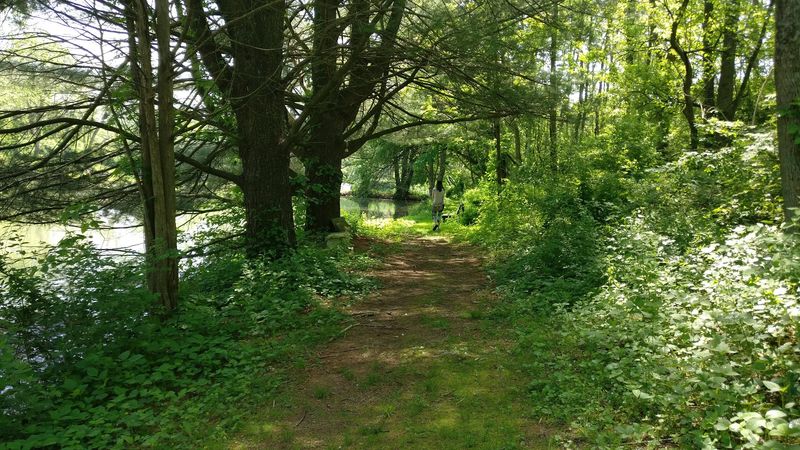
When an animal is deemed ready, the release happens in a suitable natural habitat, ideally close to where the creature was originally found. Watching a rehabilitated hawk catch a thermal and disappear into the treeline is, by all accounts, the kind of moment that makes every difficult shift worthwhile.
Not every animal makes it to release, and the team handles those outcomes with honesty and compassion. But the success stories are plentiful, and they are the reason people keep bringing injured animals to 300 Moonhill Drive.
Funding the Future: Why Donations Matter So Much
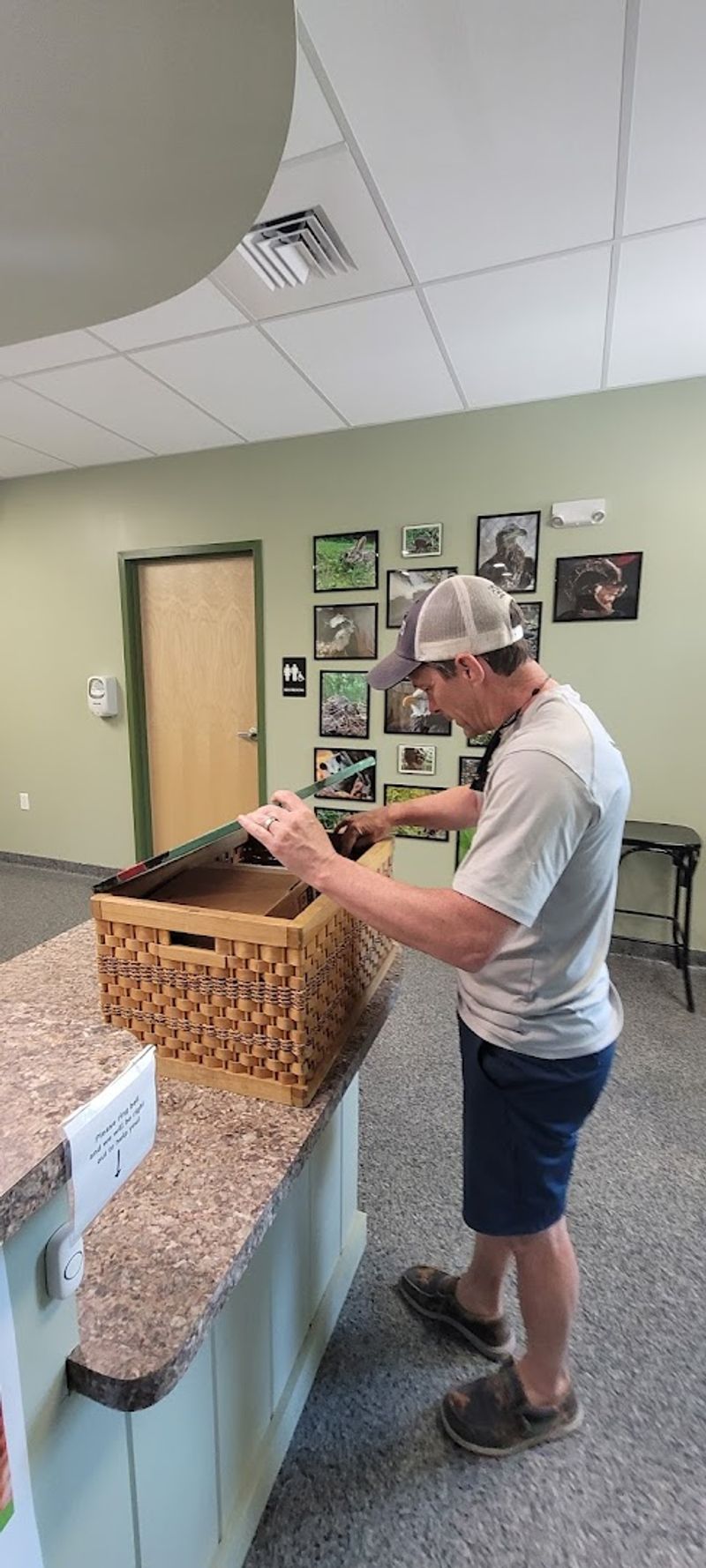
Here is a fact that puts the entire operation in sharp perspective: Red Creek Wildlife Center receives zero government funding and charges nothing for accepting injured wildlife. Every bandage, every feeding syringe, every X-ray, and every enclosure is paid for through donations from people who care.
That financial model requires constant community engagement. The center relies on individual donors, fundraising events, and the generosity of people who simply want to help and have found a trustworthy place to direct that impulse.
When visitors drop off an animal and feel moved to leave a donation, that contribution goes directly into the care of the very creature they just handed over. There is a directness to the giving that feels rare and meaningful in an era of complicated charitable structures.
The center’s transparency about its funding needs has earned it enormous goodwill. People who might never have considered wildlife rehabilitation as a cause often find themselves writing their first check after a single visit, because what they see there makes the need undeniably real.
Planning a Visit or a Drop-Off: What You Need to Know
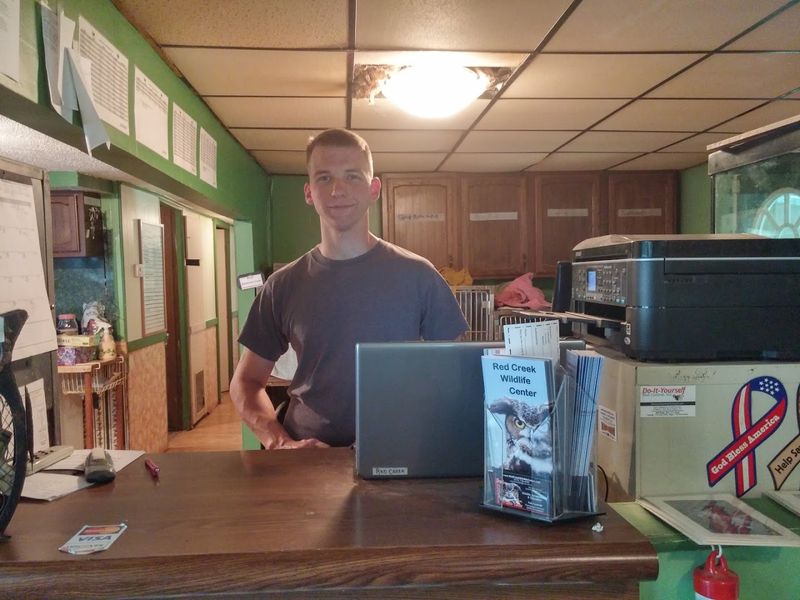
Red Creek Wildlife Center is open Monday through Sunday, from 9 AM to 7 PM. The address is 300 Moonhill Dr, Schuylkill Haven, PA 17972, and the center can be reached by phone at 570-739-4393.
The website at redcreekwildlifecenter.com has additional resources including guidance on what to do if you find injured wildlife.
If you are bringing in an animal, call ahead when possible. The staff can coach you on safe containment and transport, which protects both you and the animal during the journey.
Do not attempt to feed or treat the animal before arriving, as well-meaning interventions can sometimes cause more harm than good.
The center earns a 4.9-star rating from over 260 reviews, which reflects a consistently excellent experience for visitors across many different circumstances. People drive hours to bring animals here when no closer facility can help.
Whether you are stopping by as a first-time visitor with a bird you found in your yard or a longtime supporter attending an open house, Red Creek Wildlife Center has a way of leaving a lasting impression that goes well beyond anything you might have expected.
Share this story