 Unearth The Voyage
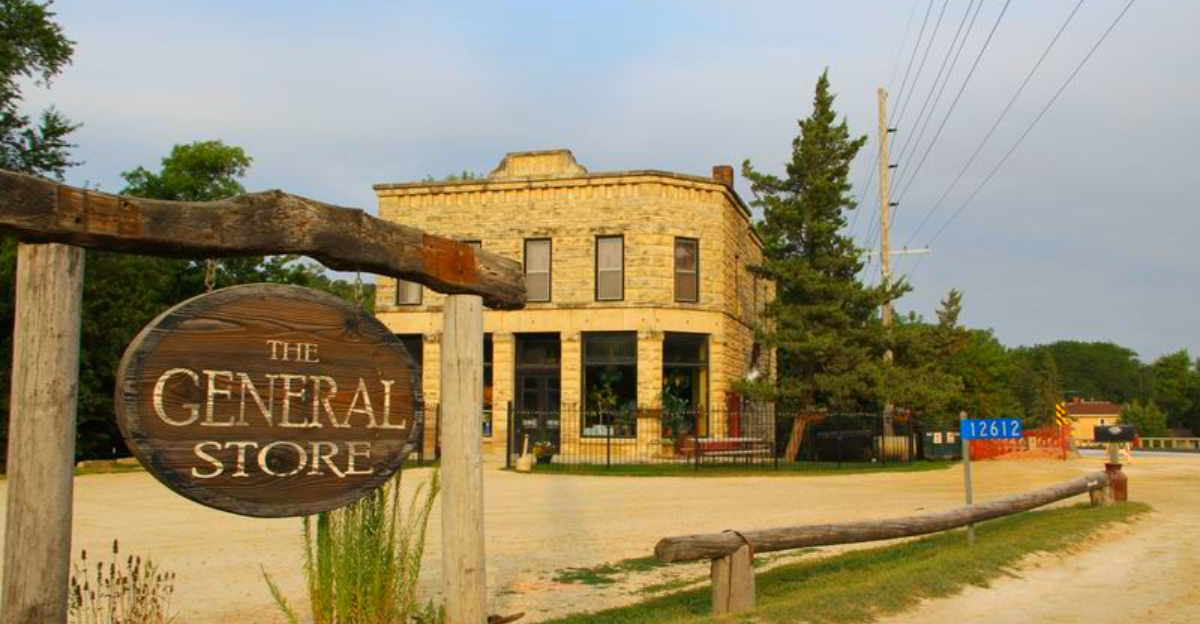
Most travelers cruise past eastern Iowa without realizing a dramatic world lies underfoot. In Stone City, the bedrock is not just scenery – it is the story of every building, trail, and quarry wall you see. Walk the streets and you are literally stepping on ancient seafloor that still shapes water, soil, and sinkholes today. Come curious, leave amazed by how geology turns a tiny town into a living classroom.
1. Built From Its Own Bedrock
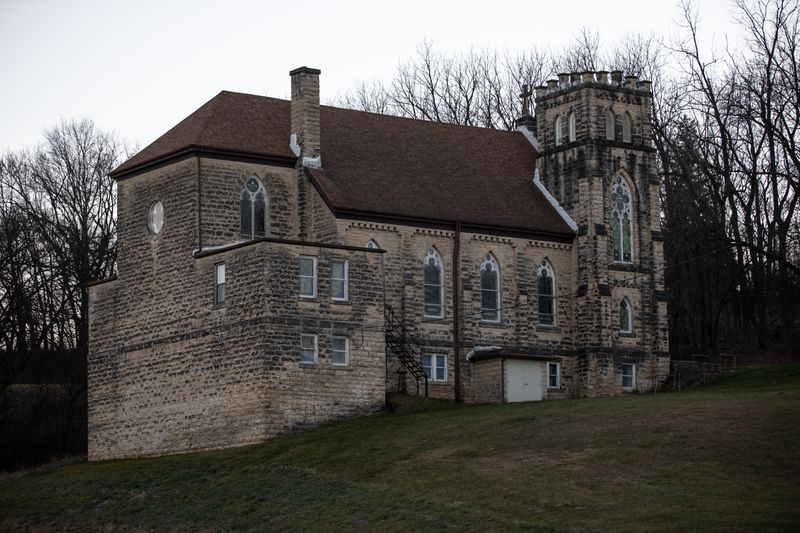
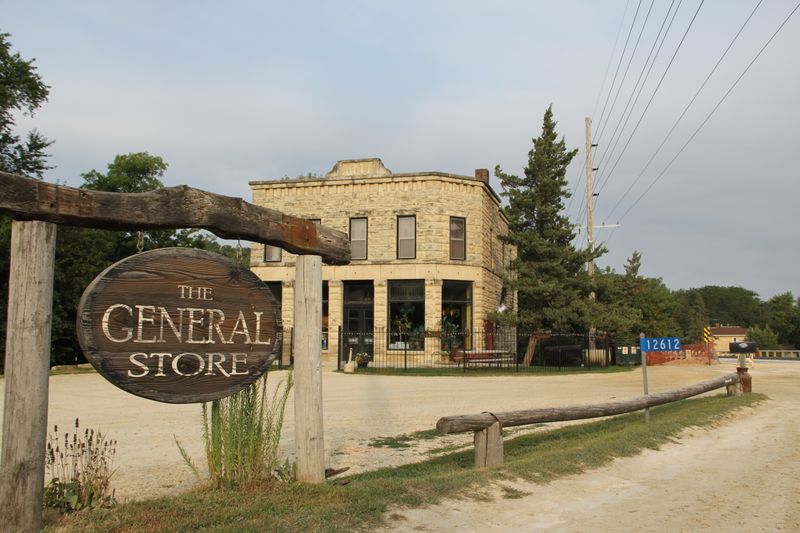
Stone City grew when quarry workers realized the local Anamosa Limestone cut clean, durable blocks. Homes, inns, and storefronts rose from stone harvested just up the hill, giving the town a unified color and texture you can spot from afar. You feel the place before you learn its history, because the buildings match the cliffs.
As you walk, notice chisel marks, block joints, and lime mortar that weather differently than brick. The material stores warmth and glows at sunset, turning walls honey colored. You are seeing architecture and geology fused into one story.
2. Stone That Built Distant Cities
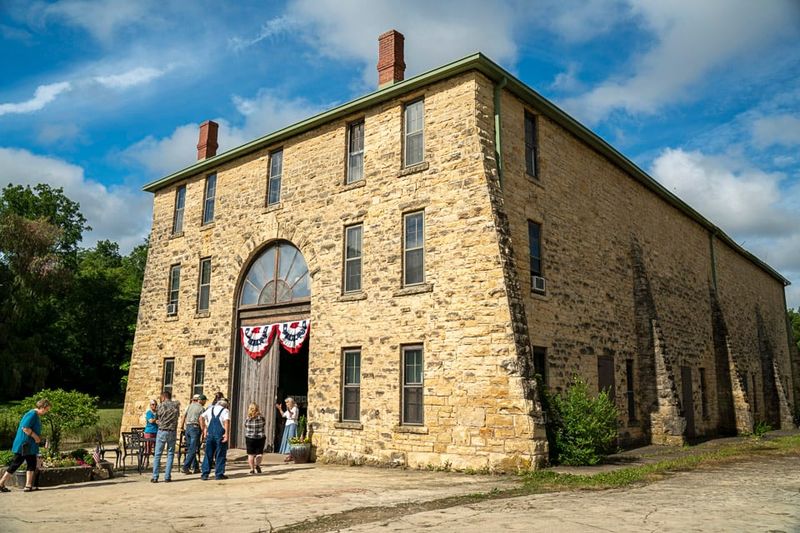
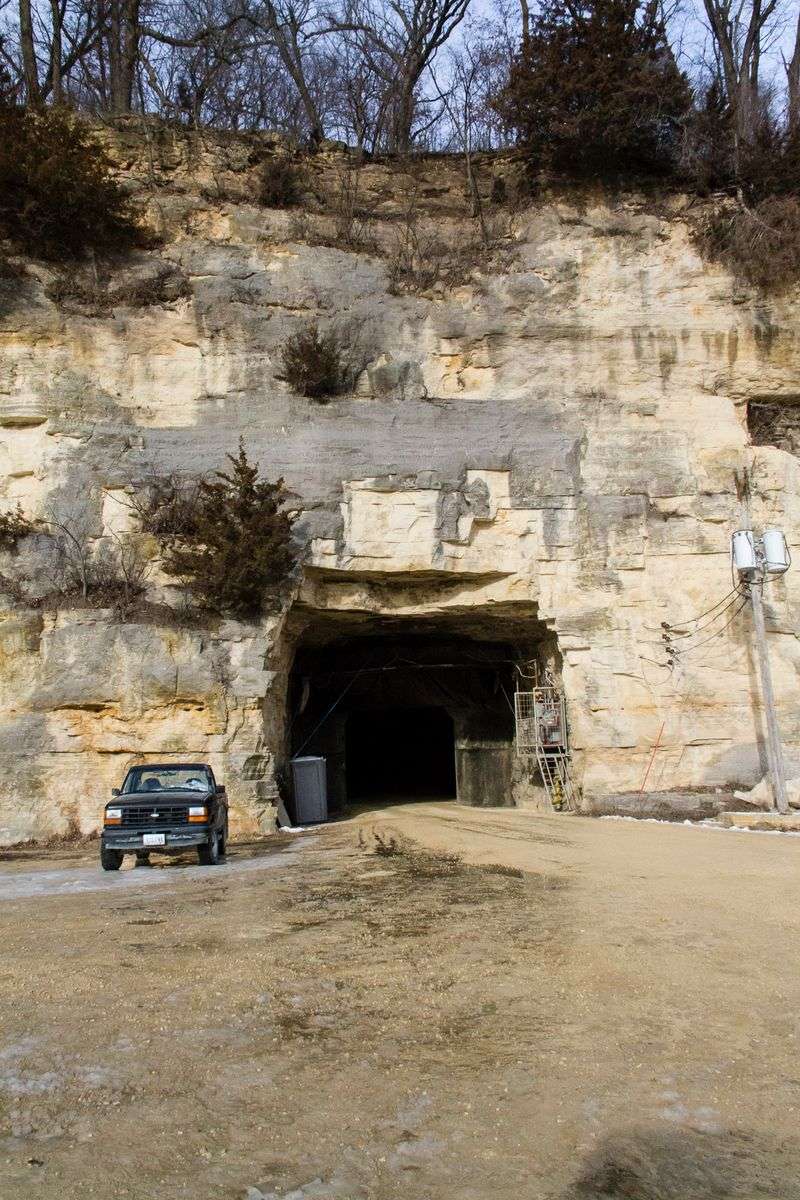
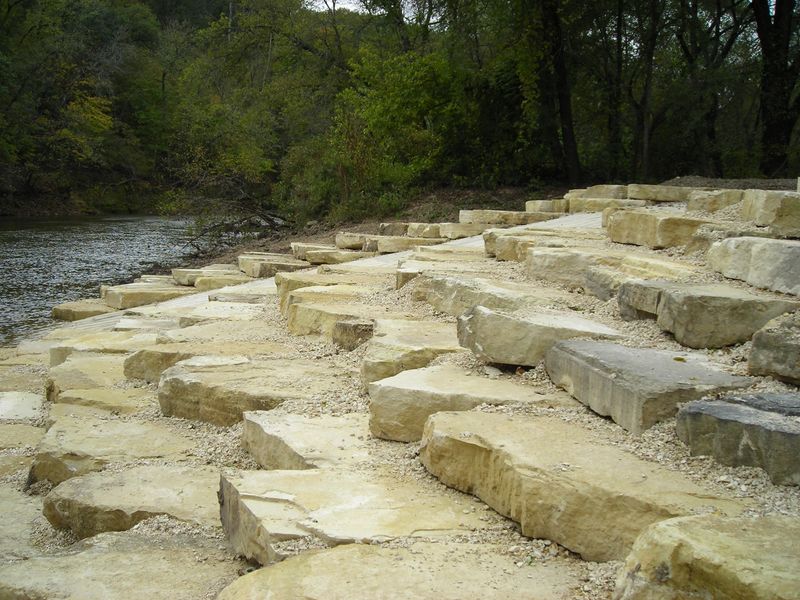
Quarries around Stone City supplied high quality limestone for projects across the Midwest. Blocks traveled by wagon and rail to churches, civic halls, and early skyscraper foundations. If you look closely at old ledgers and photos, you can trace the stone beyond Iowa.
Today, scattered cut blocks and weathered foundations are quiet reminders of that reach. You can stand by a quarry face and imagine crews loading carts day after day. The scale sinks in when you see how much rock left this small valley.
3. Karst Beneath Your Boots
Limestone dissolves in slightly acidic rain and soil water, carving channels and cavities underground. That process creates karst terrain, a landscape where sinkholes, ephemeral streams, and caves are expected. In Stone City, it is not theoretical – it is daily context.
Watch how water vanishes after storms, how soils thin over ridges, and how springs appear at slope breaks. You are seeing chemistry translated into landscape. The rock sets the rules, and everything above it adapts.
4. Living With Sinkholes
Sinkholes here usually start as subtle sags in fields or yards. Heavy rain can accelerate collapse when an underground void grows too large to support soil. Locals keep an eye on low spots and manage drainage to reduce sudden failures.
As a visitor, you may spot fenced depressions or fresh soil rings after storms. Treat them like active features, not curiosities. You are looking at the landscape adapting in real time to the bedrock beneath.
5. Hidden Water Paths
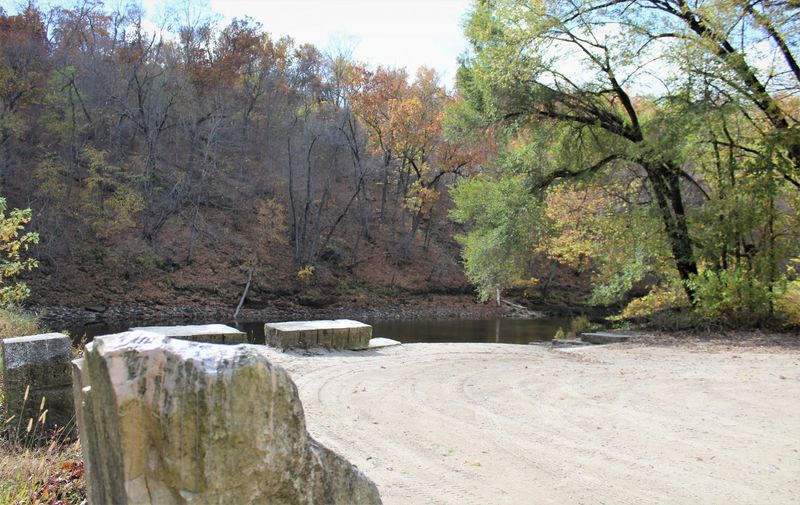
In karst, water does not always linger on the surface. It slips into joints and bedding planes, then reappears as springs along creek banks or valley bottoms. Stone City showcases this water shuffle after every rain.
Follow damp lines downslope and you might find a trickle that vanishes into a swallow hole. Keep going and a cold spring emerges clear as glass. You can trace a storm’s path with your eyes, guided by limestone’s plumbing.
6. Exploring Historic Quarries
Several former quarry sites are visible from public roads and trails, where towering faces reveal bedding and tool scars. The geometry is stunning, with squared corners cut by hand and machine. Light at sunset makes the stone glow like a kiln.
Bring a camera and a respectful distance. Rock walls are unstable, and private property boundaries matter. Let the textures, fossils, and stacked blocks tell the story from a safe, legal viewpoint.
7. Caves In The Region’s Belt
While Stone City is not a show cave destination, it sits within a broader karst belt shaped by the same dissolution. Small crawl spaces, overhangs, and spring grottos occur in nearby preserves and valleys. They help you visualize what the subsurface looks like under town.
If you explore, go with local guidance and respect closures that protect bats and fragile formations. Even brief peeks reveal the limestone’s void network. You are connecting surface clues to underground architecture.
8. Stone Architecture Worth The Trip
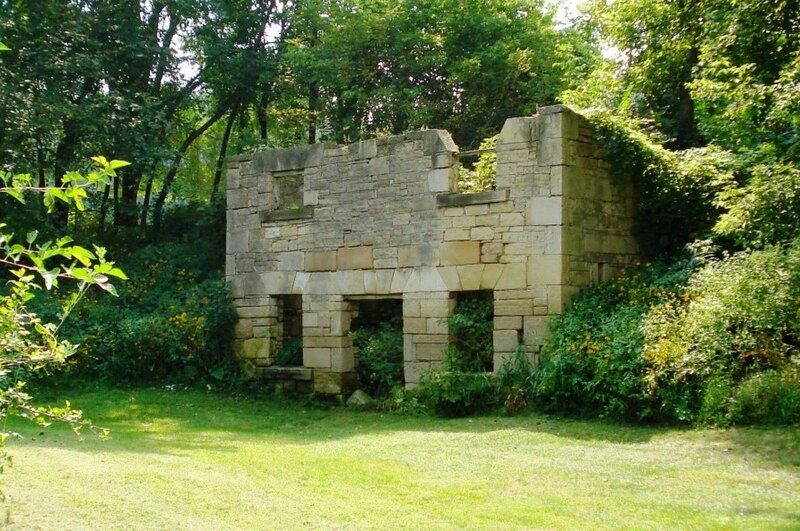
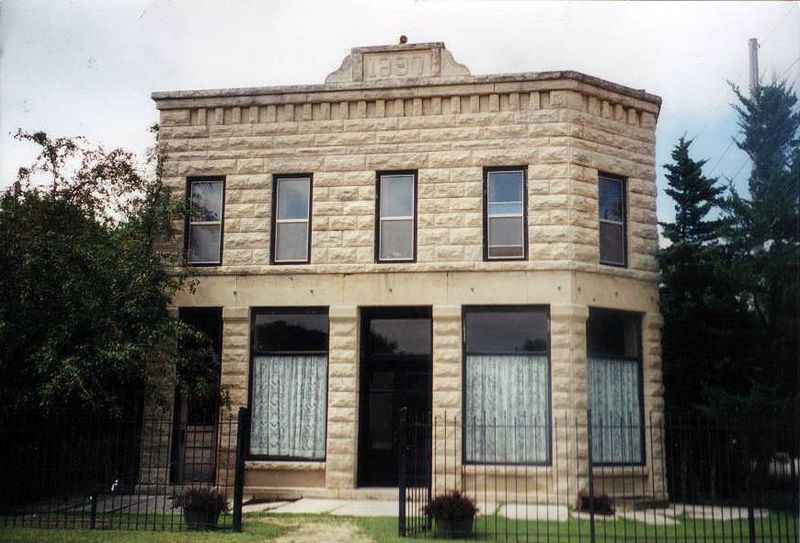
From thick lintels to carved sills, the craftsmanship in Stone City’s buildings rewards slow looking. Limestone holds crisp edges yet weathers gracefully, giving facades a soft patina. Every wall reads like a ledger of quarry skill.
Walk a block and the rhythm of blocks and mortar becomes almost musical. The palette stays warm and cohesive across structures old and restored. You feel anchored by the very rock that built the town.
9. Art And The Quarry Light
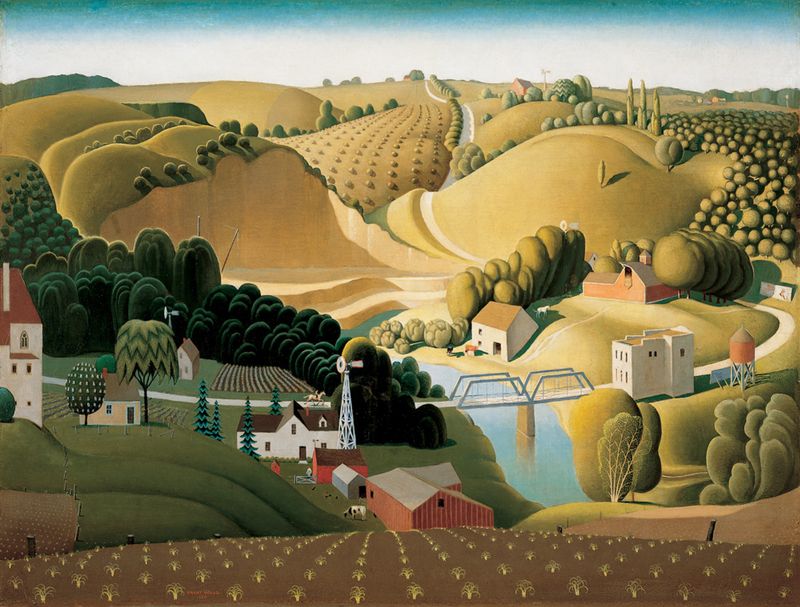
Artists have long chased the way light plays on these pale cliffs and pasture curves. The 1930s Stone City Art Colony gathered painters who saw beauty in quarry walls and rural patterns. That legacy still hums through local studios and seasonal events.
As you wander, notice how limestone bounces golden light onto trees and porches. It makes ordinary scenes look composed. You might feel inspired to sketch before you leave.
10. Understand The Midwest’s Hidden Geology
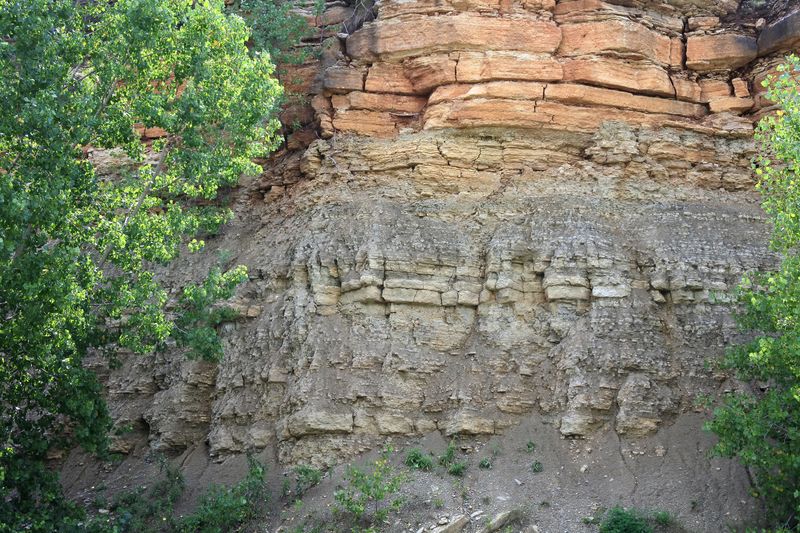
Stone City busts the flat Midwest stereotype by putting deep time on display. Each roadcut reveals ancient marine layers, while each building turns that past into present utility. Trails, springs, and sinkholes tie it all together.
Spend a day reading rock like a guidebook. You will leave with a sharper eye for how bedrock guides water, farms, and towns. The landscape becomes legible, and that makes travel richer.



