Some islands are so cut off from the rest of the world that their animals evolved in completely different directions from anything found on the mainland. The result is a planet dotted with wildlife hotspots so bizarre and spectacular that they almost feel like they belong in a fantasy novel. A giant lizard that can weigh 300 pounds. A parrot that forgot how to fly.
A penguin living practically on the equator. These are not made-up creatures. They are real, they are extraordinary, and they all call specific islands home. What happens when animals are left alone on an island for millions of years?
You get some of the most unusual, fascinating, and downright jaw-dropping species on the planet. This list covers 14 islands where nature clearly had a lot of fun experimenting, and where curious travelers can witness the results firsthand. Buckle up, because the animal kingdom is about to get very interesting.
1. Madagascar, Antananarivo, Analamanga, Madagascar
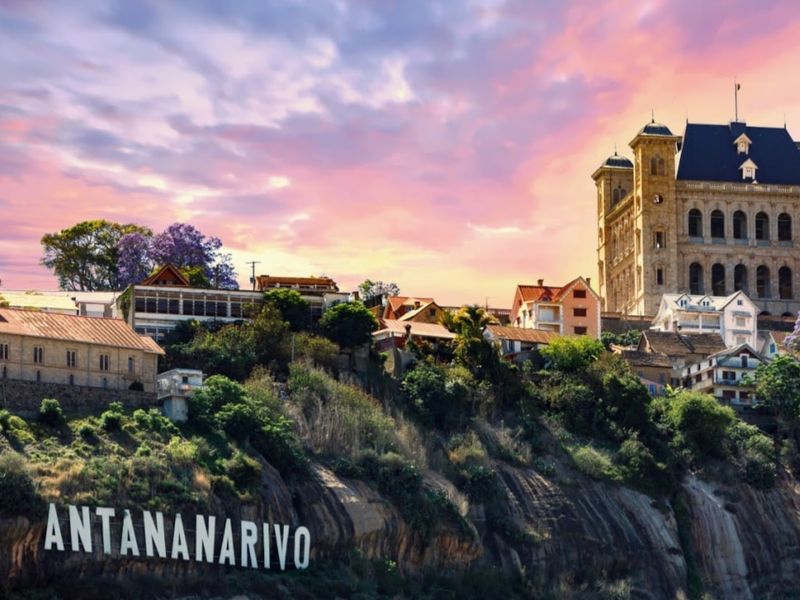
About 88 million years ago, Madagascar broke away from the Indian subcontinent and drifted into glorious isolation. That long separation produced a wildlife lineup so different from the rest of the world that scientists sometimes call it the eighth continent of biodiversity.
Every single species of lemur on Earth, over 100 kinds, lives exclusively in Madagascar. The island also hosts 40 percent of the world’s chameleon species, along with the Fossa, a cat-like predator related to the mongoose, and the Aye-aye, a wide-eyed primate with an incredibly long middle finger used to extract insects from tree bark.
Exploring Madagascar means moving through rainforests, dry forests, and spiny deserts, each packed with creatures that look like they were designed by committee. Researchers still discover new species here every year, which says everything about how much this island continues to surprise the world.
2. Komodo Island, Labuan Bajo, East Nusa Tenggara, Indonesia

Imagine a lizard the size of a compact car, armed with venom, powerful claws, and a jaw strong enough to take down a water buffalo. That is the Komodo dragon, and Komodo Island is where you go to see one in the wild.
Komodo dragons can grow over 10 feet long and weigh up to 300 pounds, making them the largest lizards on Earth by a considerable margin. They have roamed these islands for millions of years and currently number around 1,700 on Komodo Island alone, protected within Komodo National Park.
Beyond the dragons, the island offers striking golden savannas, rare pink beaches, and surrounding waters filled with manta rays and colorful reef fish. Guided treks through the park bring visitors face to face with these ancient reptiles in a landscape that feels genuinely prehistoric, which is exactly the appeal.
3. Socotra, Hadibu, Socotra Governorate, Yemen
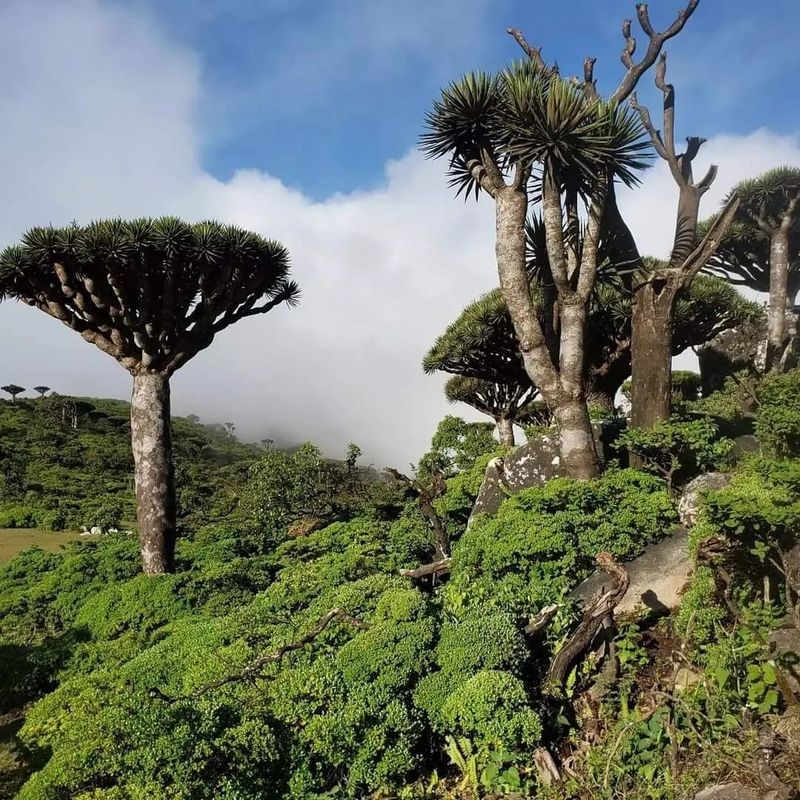
Nicknamed the Galapagos of the Indian Ocean, Socotra is one of the most otherworldly places on the planet, and its wildlife is just as extraordinary as its famous umbrella-shaped Dragon Blood trees.
The island harbors several bird species found nowhere else, including the Socotra Sunbird, Socotra Starling, Socotra Sparrow, and the Socotra Golden-winged Grosbeak. Around a third of all plant species on the island are endemic, creating an ecosystem so unique that UNESCO declared Socotra a World Heritage Site.
Socotra has been isolated from mainland Arabia for around six million years, giving its wildlife plenty of time to develop in very unusual directions. The island sits in the Arabian Sea off the coast of Yemen and remains relatively difficult to reach, which has helped preserve its extraordinary natural character. For serious wildlife travelers, that remote quality is a major part of the draw.
4. Hawaii, Honolulu, Oahu, USA

The Hawaiian Islands hold the unfortunate record of being the bird extinction capital of the world, but what survives here is still extraordinary. Hawaii is the most geographically isolated island group on Earth, sitting roughly 2,400 miles from the nearest continent, which gave its wildlife a very long head start on going its own way.
The I’iwi, a brilliant scarlet honeycreeper with a curved bill perfectly shaped for feeding on native flowers, is one of Hawaii’s most iconic birds. The Nene, Hawaii’s state bird and a relative of the Canada goose, is found nowhere else. The Hawaiian Monk Seal and the Hawaiian Hoary Bat are the only two native land mammals.
The islands also support remarkable invertebrates, including the Happy Face Spider, named for the cheerful pattern on its abdomen. Conservation programs across the islands work hard to protect these surviving species from invasive predators and habitat loss.
5. Christmas Island, Flying Fish Cove, Christmas Island, Australia
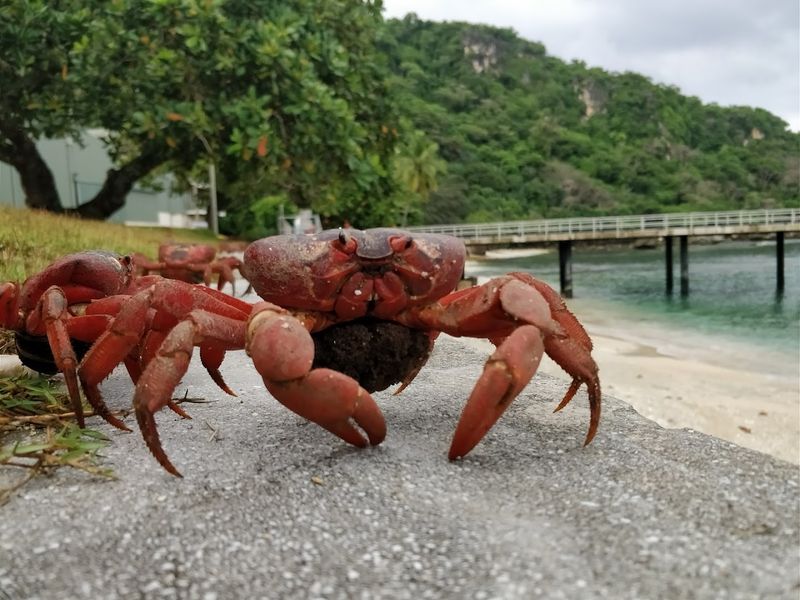
Once a year, Christmas Island turns red. Around 50 million red crabs begin their annual migration from the forest to the coastline, crossing roads, climbing walls, and carpeting every surface in a moving sea of crimson shells.
This migration is considered one of the greatest wildlife spectacles on Earth, and the Australian government closes roads and builds special crab bridges to help the animals complete their journey safely. The red crab is found only on Christmas Island and its neighbor, Cocos Island, making it a genuinely irreplaceable species.
Beyond the crabs, the island supports the rare Abbott’s Booby, the Christmas Island Frigatebird, and the Christmas Island Hawk-Owl, all endemic to the area. The island sits in the Indian Ocean, closer to Indonesia than to Australia, and its tropical forests and pristine coral reefs add even more reason to visit beyond the famous annual crab show.
6. Aldabra Atoll, Seychelles
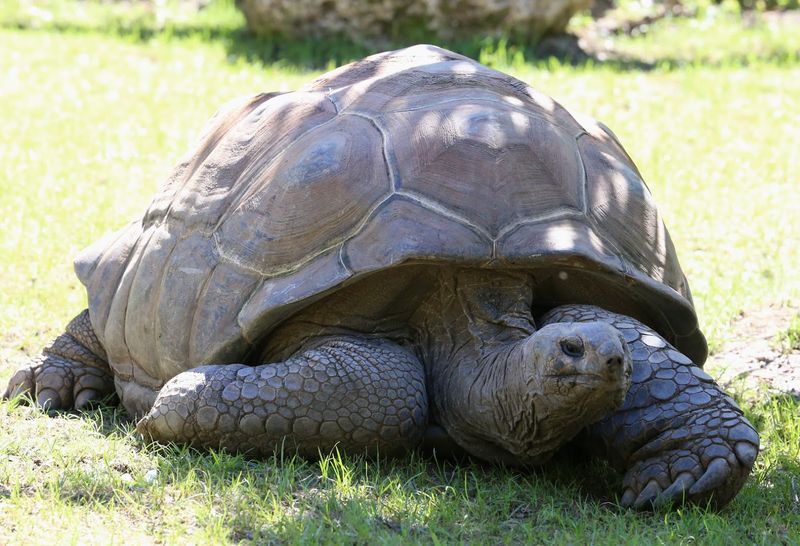
Aldabra Atoll is one of the most remote and least visited places on Earth, which is precisely why its wildlife remains so spectacularly intact. The atoll, part of the Seychelles archipelago, is home to the Aldabra Giant Tortoise, one of the two remaining giant tortoise populations in the world.
Around 100,000 Aldabra giant tortoises live on the atoll, making it the largest giant tortoise population on the planet. These ancient creatures can live well over 100 years and roam the coral limestone landscape in groups that look like something from a wildlife documentary filmed in another era.
The atoll also supports a flightless rail bird, the Aldabra White-throated Rail, which is the last surviving flightless bird in the Indian Ocean region. UNESCO designated Aldabra a World Heritage Site in 1982. Access is strictly controlled, and most visitors arrive by yacht or research vessel, which keeps the ecosystem beautifully protected.
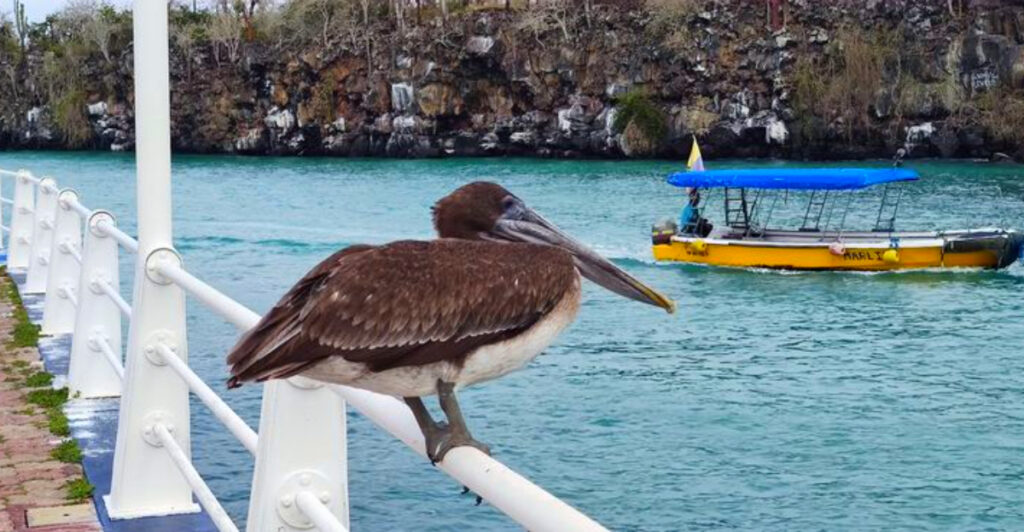
7. Galápagos Islands, Puerto Ayora, Santa Cruz, Ecuador
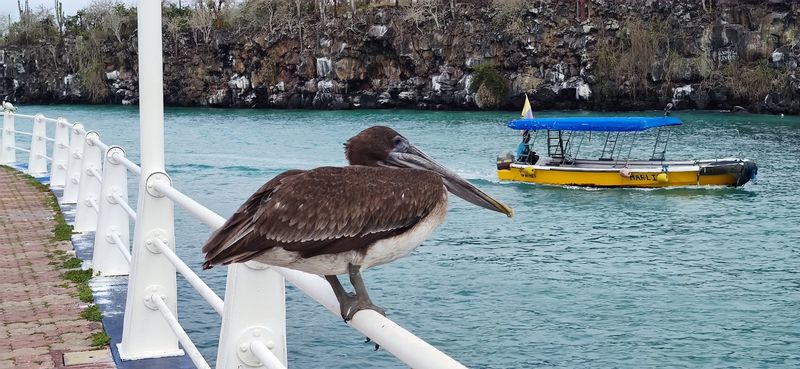
Charles Darwin sailed to these volcanic islands in 1835 and left with a completely new understanding of life on Earth. The Galápagos Islands host an almost unbelievable collection of animals that exist nowhere else, including marine iguanas, giant tortoises, blue-footed boobies, Galápagos penguins, and flightless cormorants.
Marine iguanas are especially remarkable because they are the only lizards on Earth that swim in the ocean and feed on algae. Giant tortoises can live well over 100 years and weigh more than 500 pounds, making them true living legends.
Visitors to the islands often describe the wildlife as remarkably unafraid of humans, allowing incredibly close encounters. The volcanic landscapes, white sand beaches, and crystal-clear bays surrounding the islands make every excursion feel like a once-in-a-lifetime adventure that no wildlife documentary can fully capture.
8. Cuba, Havana, La Habana, Cuba
Cuba holds a record that sounds almost impossible: it is home to the smallest bird on Earth. The Bee Hummingbird measures just over two inches long and weighs less than a dime, yet it is a fully functional, fast-flying, nectar-drinking hummingbird that manages to look absolutely magnificent despite its tiny frame.
Cuba also hosts the Cuban Solenodon, a venomous mammal that looks like an overgrown shrew and has survived largely unchanged since the age of the dinosaurs. The Cuban Crocodile, one of the most intelligent and agile crocodile species in the world, is found only in Cuba’s Zapata Swamp and Lanier Swamp.
As part of the Caribbean Biodiversity Hotspot, Cuba’s mix of tropical forests, wetlands, and coastal habitats supports an impressive range of endemic species. Birdwatchers especially prize Cuba for its 28 endemic bird species, which include the Cuban Trogon, the national bird, with its striking red, white, and blue plumage.
9. Borneo, Kota Kinabalu, Sabah, Malaysia
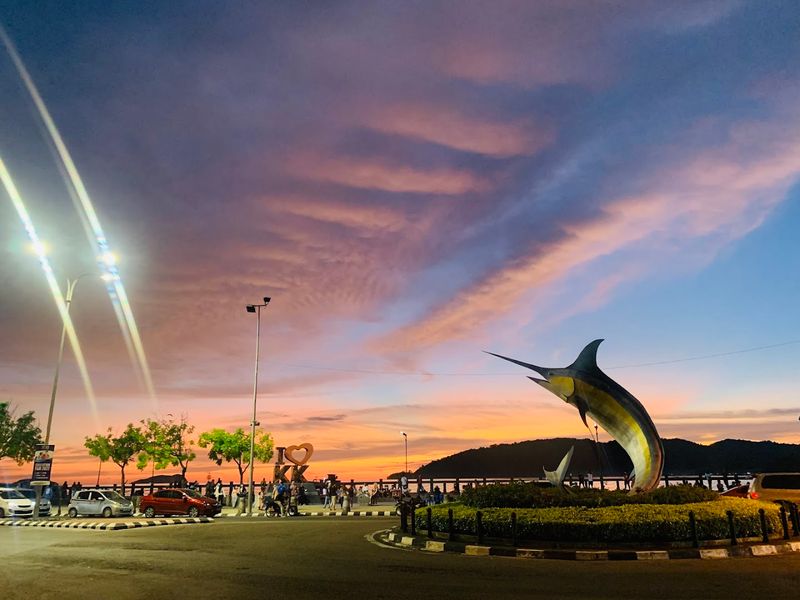
Borneo’s rainforests are among the oldest on Earth, and they shelter a cast of wildlife characters that reads like a greatest hits list of the animal kingdom. The Bornean Orangutan, a critically endangered great ape, shares the forest with Pygmy Elephants, which are the smallest elephants in Asia and arguably the most endearing.
The Proboscis Monkey, found only in Borneo, sports an impressively large nose that makes it one of the most recognizable primates in the world. The Clouded Leopard, a medium-sized wild cat with beautifully patterned fur, also calls Borneo home and is rarely spotted in the wild.
Borneo is shared by three countries: Malaysia, Indonesia, and Brunei. Its ancient forest ecosystems face ongoing pressure from deforestation, making wildlife tourism an increasingly important part of conservation funding. River safaris, canopy walkways, and wildlife rehabilitation centers offer visitors meaningful ways to connect with the island’s remarkable biodiversity.
10. Sumatra, Medan, North Sumatra, Indonesia

Sumatra is one of the only places on Earth where tigers, rhinoceroses, elephants, and orangutans all share the same island. That alone makes it one of the most extraordinary wildlife destinations on the planet, though the critical status of each of these species also makes it one of the most urgent conservation stories.
The Sumatran Tiger is the smallest surviving tiger subspecies and one of the most endangered big cats in the world, with fewer than 400 remaining in the wild. The Sumatran Rhinoceros is even rarer, with only around 34 to 47 individuals estimated to survive. The Sumatran Orangutan lives exclusively in the forests of northern Sumatra and is critically endangered.
Despite these pressures, Sumatra’s national parks, including Gunung Leuser and Kerinci Seblat, remain vital refuges. Responsible wildlife tourism in these protected areas supports ongoing conservation work for species that simply cannot afford to disappear.
11. Isla Escudo de Veraguas, Bocas del Toro, Panama
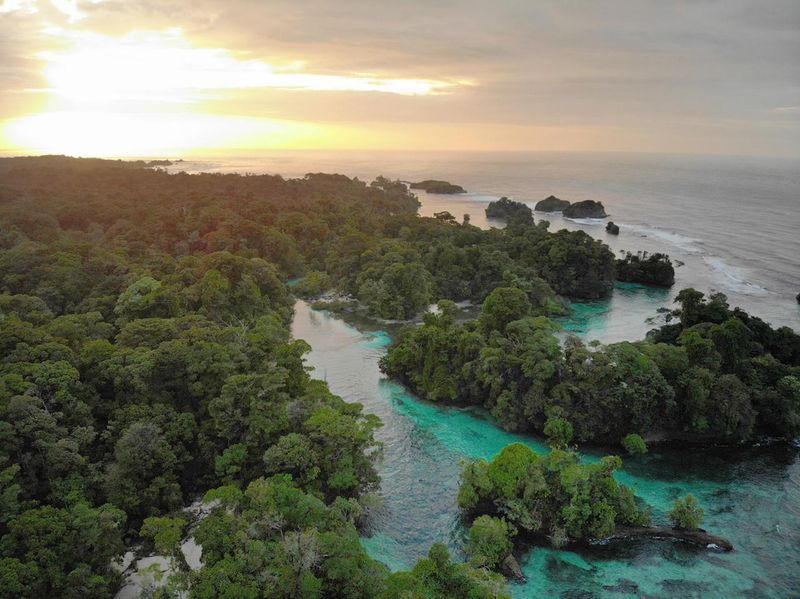
Only about 500 acres in size, Isla Escudo de Veraguas punches far above its weight when it comes to wildlife significance. This tiny island off the Caribbean coast of Panama is the only place in the entire world where the Pygmy Three-toed Sloth lives.
Also called the monk sloth or dwarf sloth, this animal is significantly smaller than its mainland relatives and spends nearly its entire life hanging in red mangrove trees along the island’s coast. Scientists believe it evolved its smaller size over thousands of years of island isolation, a process called insular dwarfism.
The population of Pygmy Three-toed Sloths is extremely small, estimated at just a few hundred individuals, and the species is classified as critically endangered. The island has no permanent human population, which helps protect the habitat. Research visits are limited, making this one of the most exclusive wildlife destinations on the list.
12. New Zealand, Wellington, North Island, New Zealand

New Zealand’s wildlife story is one of the most fascinating on Earth, largely because the islands had no land mammals for millions of years. Birds filled every ecological role instead, and many of them stopped flying altogether because there was simply no reason to bother.
The Kiwi, New Zealand’s national symbol, is a flightless, nocturnal bird about the size of a chicken that lays the largest egg relative to body size of any bird species. The Kakapo is the world’s only flightless, nocturnal parrot, and with fewer than 250 individuals remaining, it is also one of the most endangered birds alive. The Kea is the world’s only alpine parrot, known for its intelligence and its habit of dismantling cars and backpacks left unattended.
The Tuatara, an ancient reptile with a third eye on top of its head, rounds out a wildlife lineup unlike anything found anywhere else on the planet.
13. Mauritius, Port Louis, Port Louis District, Mauritius

Mauritius is forever linked to the Dodo, the famously extinct flightless bird that became a global symbol of human-caused extinction after disappearing in the late 1600s. But Mauritius is not just about a bird that no longer exists. The island still has living endemic species worth celebrating and protecting.
The Mauritius Kestrel was once the rarest bird on Earth, with only four known individuals remaining in 1974. Thanks to one of the most successful bird recovery programs in history, the population now numbers in the hundreds. The Pink Pigeon, another endemic species, also came back from the edge through dedicated conservation breeding programs.
The island’s tropical forests, though much reduced from their original extent, continue to support unique geckos, skinks, and plant species found nowhere else. Mauritius demonstrates both the damage humans can cause and the remarkable recoveries that become possible when conservation efforts are taken seriously and sustained over time.
14. New Caledonia, Noumea, South Province, New Caledonia
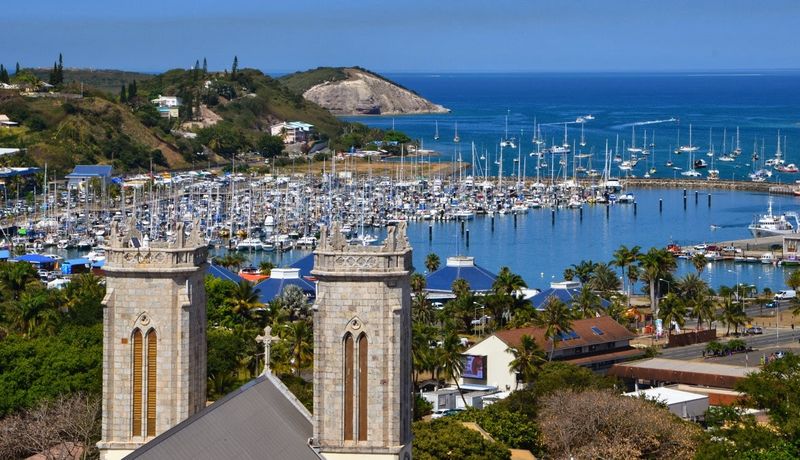
New Caledonia sits in the South Pacific and contains one of the most concentrated collections of unique species found anywhere in the world. Its most famous animal is the Kagu, a silver-grey flightless bird with brilliant red legs and a spectacular feathered crest that fans out when the bird feels threatened.
The Kagu is the only member of its entire family and has no close relatives anywhere on Earth. It is also the national symbol of New Caledonia, appearing on coins, stamps, and official emblems. New Caledonia is also home to the Leach’s Giant Gecko, known scientifically as Rhacodactylus leachianus, which is the largest gecko species in the world and can grow up to 14 inches long.
The island’s coral reefs are among the most extensive in the world and support a dazzling variety of marine species. New Caledonia’s combination of terrestrial and marine biodiversity makes it a genuinely compelling destination for any wildlife enthusiast looking beyond the usual hotspots.
Share this story