 Unearth The Voyage
Perugia is a magical city in central Italy where ancient cobblestone streets meet world-class chocolate. This hilltop town has preserved its medieval character for centuries, with Gothic palaces, ornate fountains, and winding alleyways that transport visitors straight back to the Middle Ages. But Perugia offers more than just history – it’s also the birthplace of famous Perugina chocolate, making it a perfect destination for anyone who loves exploring the past while indulging their sweet tooth.
1. Wander the Medieval Streets
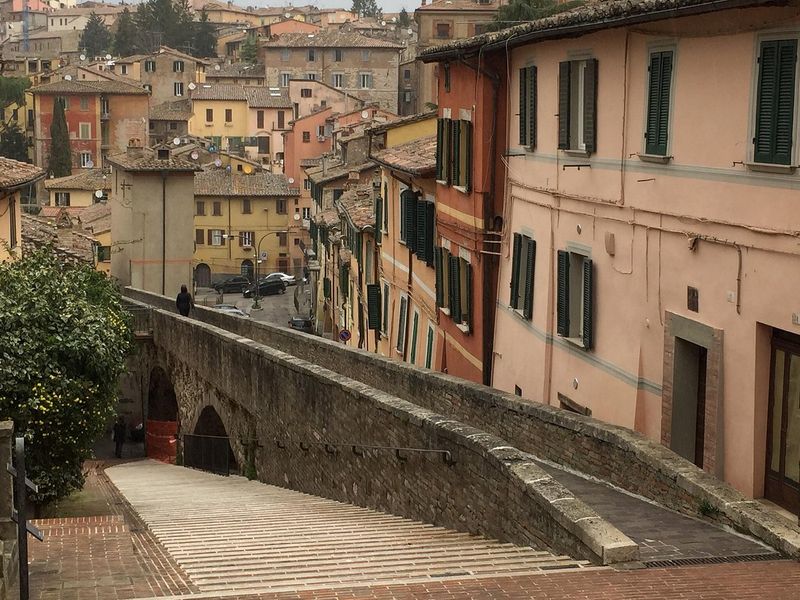
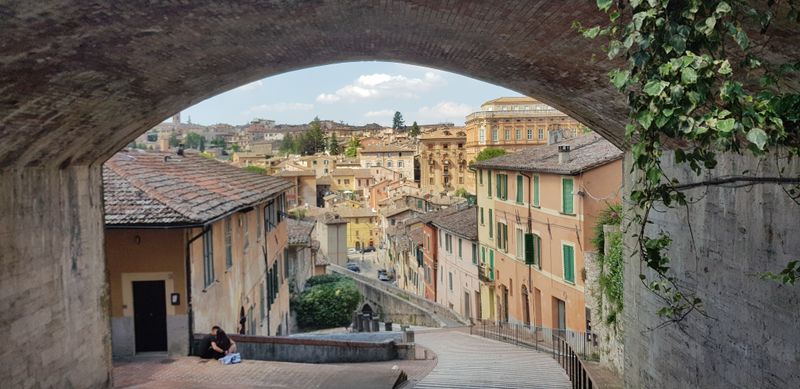
Stepping into Perugia’s historic center feels like entering a time machine. The narrow lanes twist and turn unexpectedly, climbing steep staircases and passing under ancient archways that have stood for hundreds of years. Locals still live in these centuries-old buildings, hanging laundry from windows and chatting with neighbors just as their ancestors did.
Walking these streets requires comfortable shoes and a sense of adventure. You’ll discover hidden courtyards, tiny piazzas, and views that suddenly open up between buildings. Many streets are too narrow for cars, so you can wander freely without traffic.
The worn stone underfoot has been polished smooth by countless footsteps over the centuries. Every corner reveals architectural details like carved doorways, iron lanterns, and weathered frescoes. Getting lost here is part of the fun, as each wrong turn might lead to an unexpected treasure.
2. Taste World-Famous Baci Chocolates
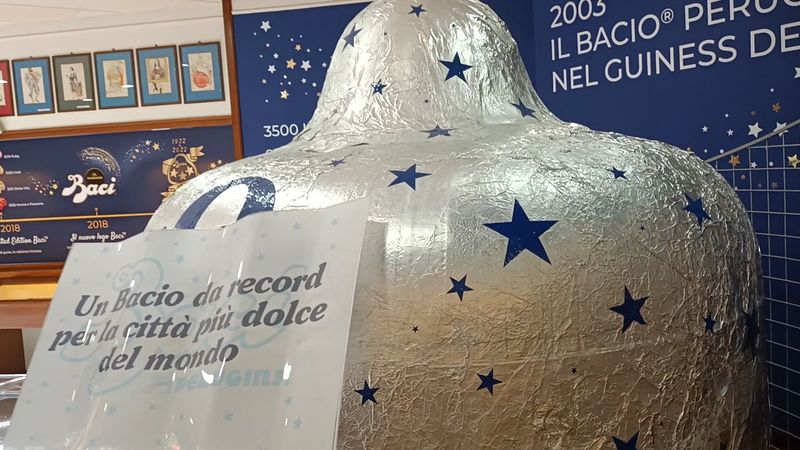
Baci means kisses in Italian, and these chocolate treats are Perugia’s most famous export. Each piece features smooth milk chocolate wrapped around a whole hazelnut, topped with more chopped hazelnuts for extra crunch. Inside every wrapper, you’ll find a little love note printed in four languages, making them popular gifts for sweethearts worldwide.
The Perugina company created Baci in 1922, and they’ve been made in Perugia ever since. You can buy them in almost any shop throughout the historic center, from fancy chocolate boutiques to neighborhood grocery stores. Fresh Baci taste noticeably better than ones that have traveled overseas.
Many visitors enjoy trying different varieties beyond the classic milk chocolate version. Dark chocolate Baci appeal to those who prefer less sweetness, while white chocolate versions offer something completely different. Sampling several types makes for a delicious afternoon activity.
3. Visit the Perugina Chocolate Factory and Museum
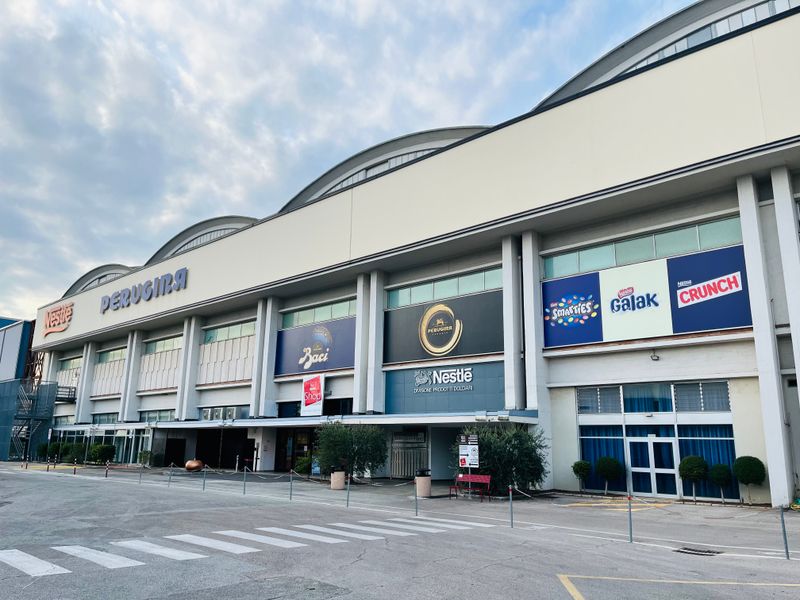
Just a short bus ride from downtown Perugia, the Casa del Cioccolato offers chocolate lovers a behind-the-scenes experience. The museum traces chocolate’s journey from ancient Aztec drink to modern confection, with interactive displays that engage all your senses. You’ll learn how cacao beans are processed and what makes Perugina’s recipes special.
Guided tours take visitors through parts of the actual production facility where Baci are made. Watching chocolate being tempered, molded, and wrapped by enormous machines is mesmerizing. The whole building smells wonderfully of cocoa and hazelnuts.
The best part comes at the end when everyone gets to sample various chocolates. The gift shop stocks products you can’t find elsewhere, including limited editions and bulk packages at factory prices. Booking tours in advance is recommended, especially during busy seasons when chocolate fans flock here from around the world.
4. Attend EuroChocolate Festival
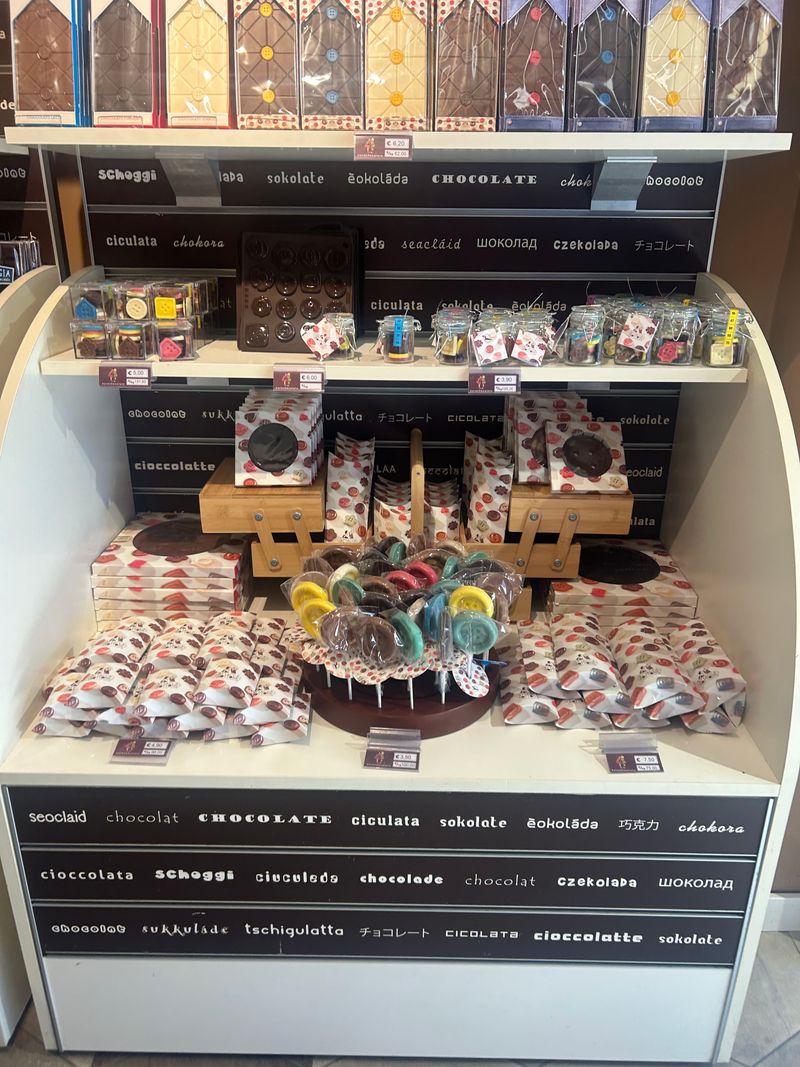
Every October, Perugia transforms into chocolate paradise during EuroChocolate. This massive festival takes over the entire historic center for more than a week, attracting over a million visitors annually. Streets fill with stalls offering tastings, demonstrations, and chocolate creations from local and international chocolatiers.
Giant chocolate sculptures appear throughout the city, some weighing hundreds of pounds. Artists carve intricate designs from solid chocolate blocks, creating everything from famous landmarks to fantasy creatures. Watching these sculptures take shape is entertainment in itself.
Workshops teach visitors how to make their own chocolates, while competitions challenge professional chocolatiers to create innovative confections. Kids especially love the chocolate painting stations and treasure hunts. Evening concerts and entertainment keep the festival lively after dark. Even if you’re not normally a chocolate fanatic, the festive atmosphere and creative displays make this event unforgettable.
5. Explore the Palazzo dei Priori
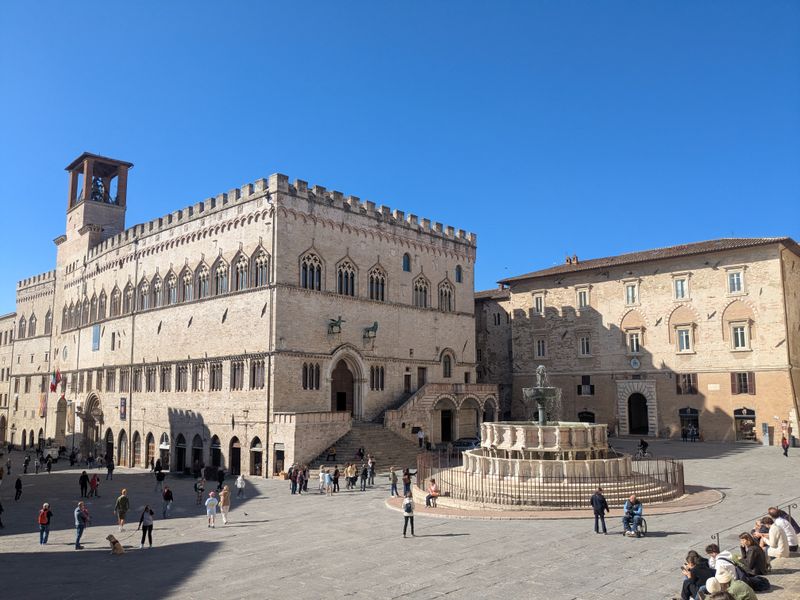
Dominating Piazza IV Novembre, the Palazzo dei Priori ranks among Italy’s finest examples of Gothic civic architecture. Construction began in 1293, and the building served as the seat of Perugia’s medieval government. Its imposing stone facade features elegant arched windows, decorative carvings, and the griffin symbol that represents the city.
Inside, the National Gallery of Umbria displays centuries of regional art. You’ll see works by famous Italian masters including Perugino, who was born nearby and whose paintings capture the soft beauty of Umbrian landscapes. The ornate rooms themselves are works of art, with frescoed ceilings and period furnishings.
The palace’s grand staircase leads to the Sala dei Notari, a magnificent hall decorated with colorful frescoes showing biblical scenes and coats of arms. Standing in these rooms where medieval officials once made important decisions gives you a tangible connection to Perugia’s powerful past as an independent city-state.
6. Marvel at Fontana Maggiore
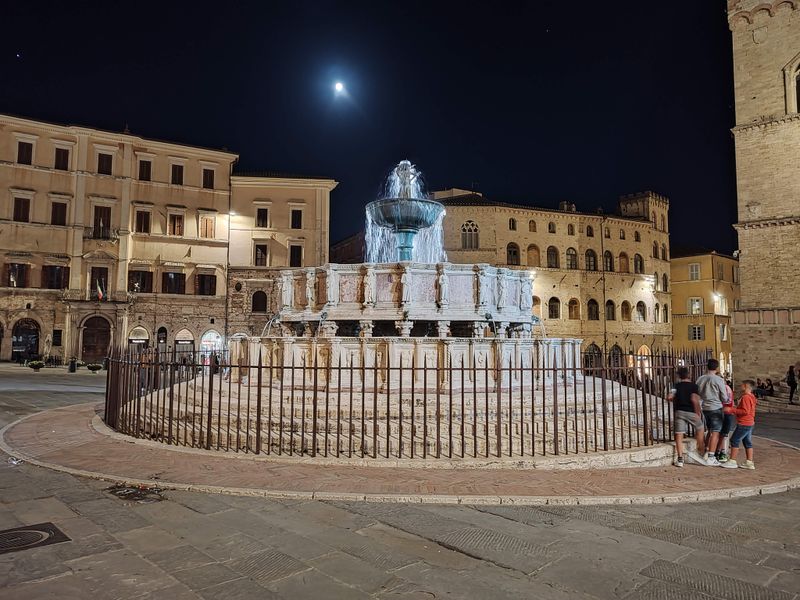
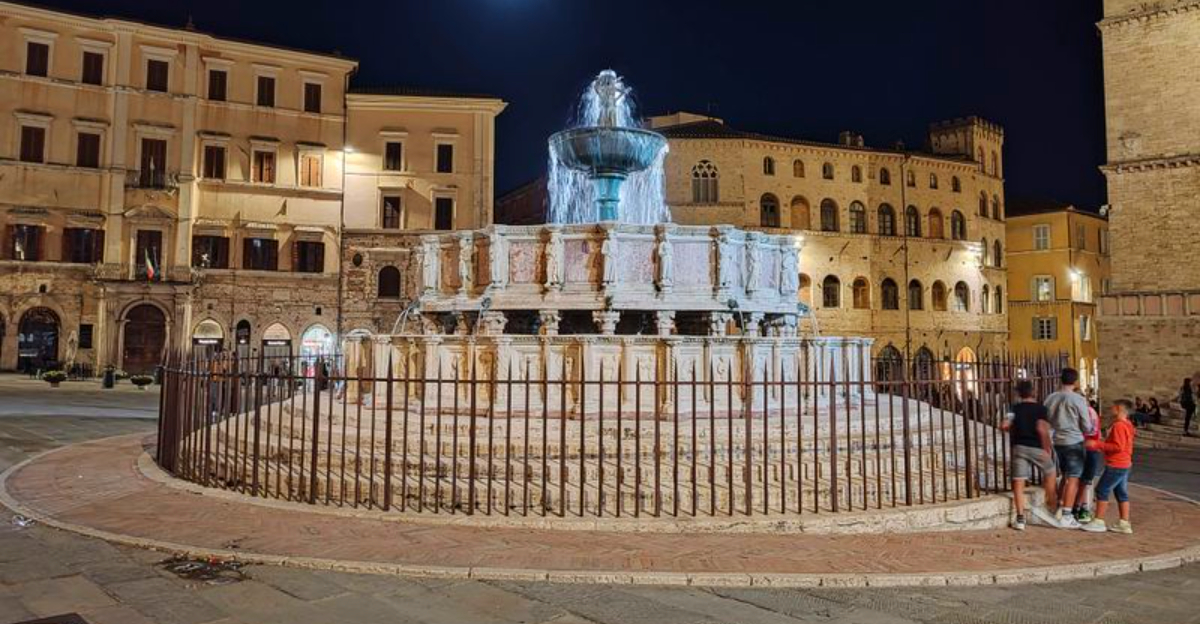
Right in the heart of Piazza IV Novembre stands one of Italy’s most beautiful medieval fountains. Fontana Maggiore was completed in 1278 to celebrate the arrival of a new aqueduct bringing water to the hilltop city. Two tiers of pink and white marble basins rise from the plaza, covered with intricate carvings.
The sculptures tell stories through fifty relief panels showing everything from months of the year to biblical scenes. Look closely and you’ll spot representations of Roman legends, agricultural activities, and signs of the zodiac. Each carving demonstrates the incredible skill of medieval craftsmen.
The fountain served practical purposes for centuries, providing drinking water for residents and their animals. Today it’s purely decorative but remains Perugia’s most photographed landmark. Sitting on the steps surrounding the fountain while watching city life unfold offers a perfect moment to rest tired feet and soak in the medieval atmosphere.
7. Descend into the Etruscan Well
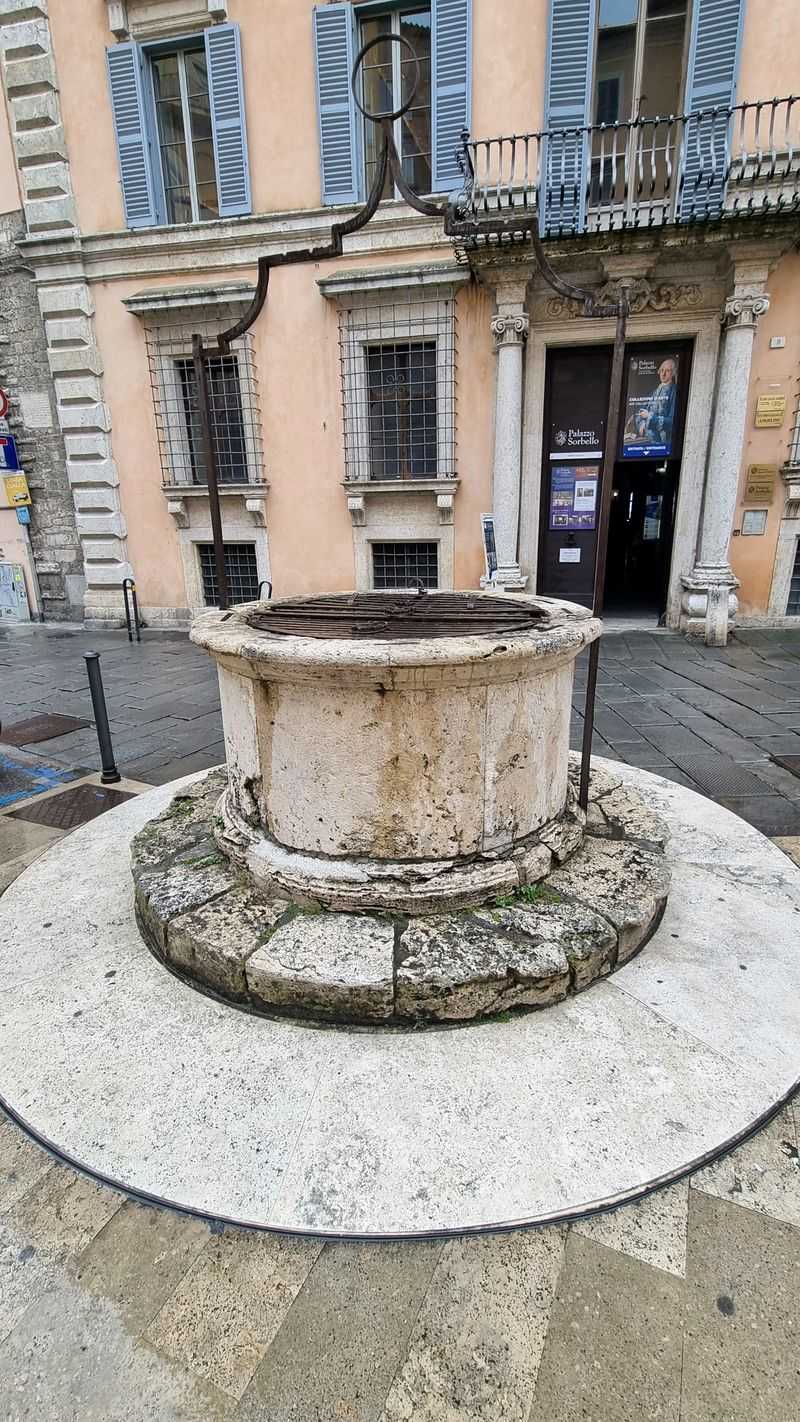
Hidden beneath a modern building lies one of Perugia’s most impressive ancient structures. The Etruscan Well plunges over 100 feet into the earth, carved from solid rock sometime between the 4th and 3rd centuries BC. The Etruscans, who lived in this region before the Romans, engineered this massive water reservoir to supply their hilltop settlement.
Descending the stairs into the cool, dim chamber feels like entering another world. The well shaft is so deep you can barely see the water at the bottom. Stone blocks and travertine slabs line the walls, fitted together with remarkable precision considering the tools available over 2,000 years ago.
A bridge crosses the well, allowing you to peer straight down into the depths. Information panels explain Etruscan engineering techniques and how this well remained in use through Roman and medieval times. It’s a humbling reminder that Perugia’s history stretches back far beyond the Middle Ages.
8. See the Basilica of San Pietro
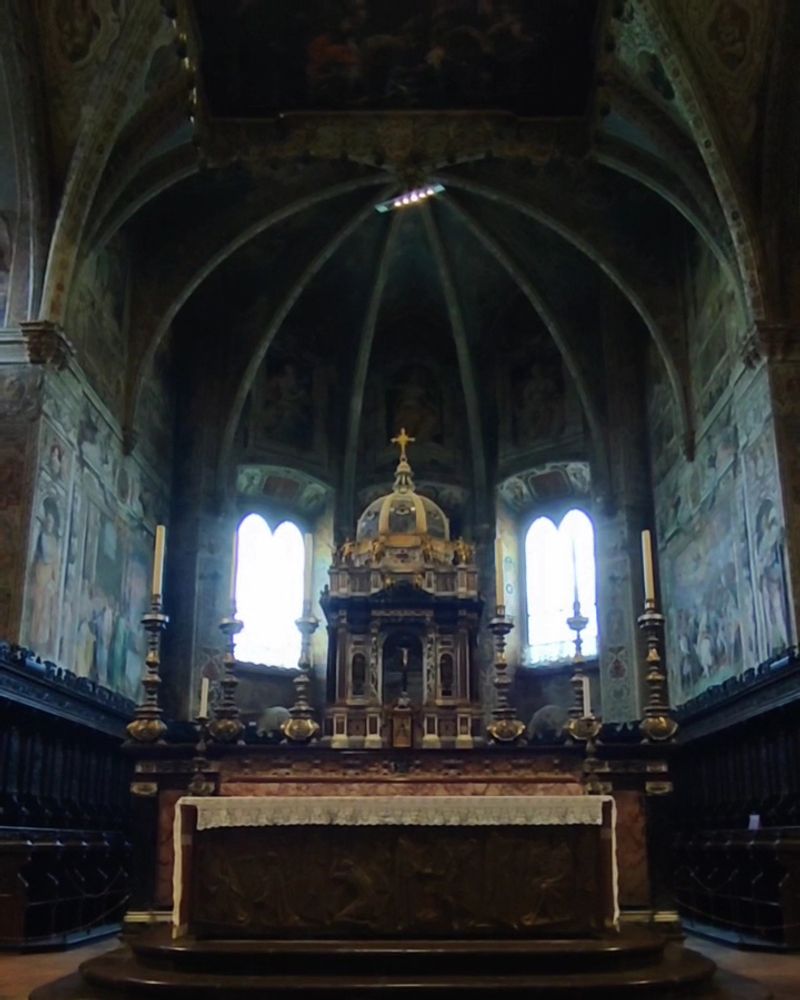
Founded around 996, the Basilica of San Pietro represents one of Perugia’s oldest and most significant religious buildings. Its slender bell tower rises above the southern part of the historic center, visible from many viewpoints around the city. The church complex includes a monastery that once housed Benedictine monks.
Stepping inside reveals an interior rich with artistic treasures accumulated over a thousand years. Wooden choir stalls feature intricate inlay work, while paintings by Renaissance masters adorn the walls. The ceiling showcases elaborate frescoes that draw your eye upward.
What makes San Pietro special is how it feels less touristy than some other churches. You might have entire chapels to yourself, allowing quiet contemplation of the art and architecture. The adjoining monastery courtyard offers a peaceful garden space where monks once grew herbs and vegetables. This basilica provides a contemplative counterpoint to Perugia’s busier attractions.
9. Visit Rocca Paolina’s Underground Passages
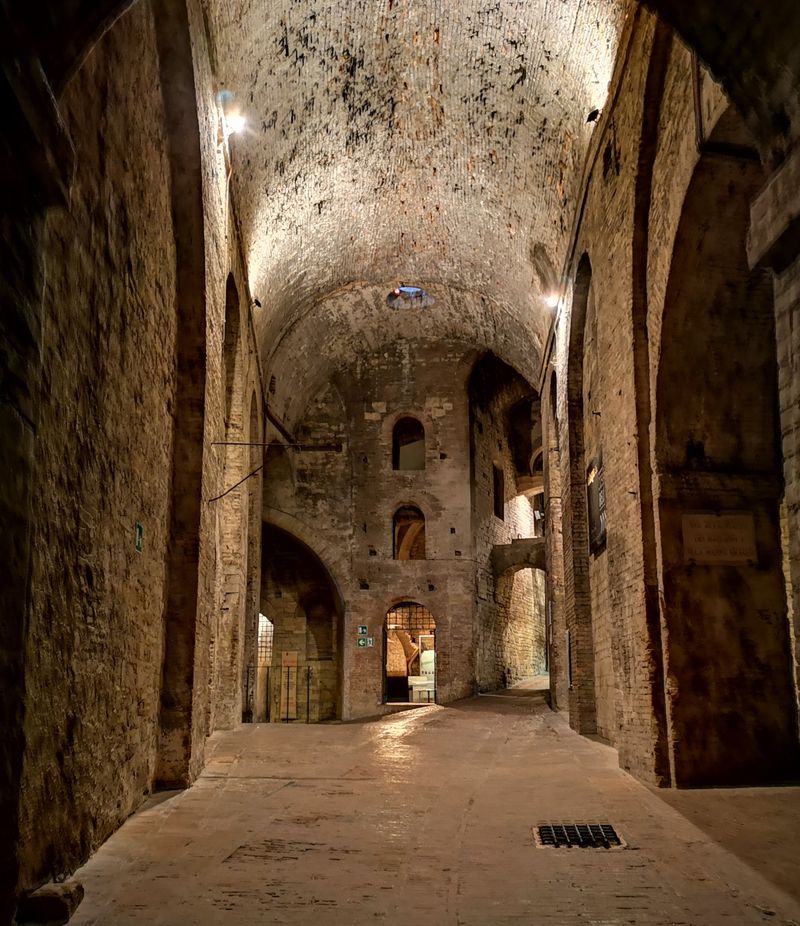
In 1540, Pope Paul III ordered construction of a massive fortress to control rebellious Perugia. Rather than clearing the land, builders incorporated an entire medieval neighborhood into the fortress foundations, creating a buried city beneath the new structure. Walking through these underground passages today feels like exploring a secret world.
Vaulted corridors stretch through multiple levels, following the paths of streets that once bustled with medieval life. You can still see doorways, windows, and even frescoed walls from homes and shops that were sealed away nearly 500 years ago. Modern lighting and escalators make the passages easily accessible.
The fortress itself was mostly demolished after Italian unification, but these underground sections survived. Today they’re used for art exhibitions and cultural events, giving new life to spaces frozen in time. Emerging from the dim passages back into sunlight creates a striking contrast that emphasizes Perugia’s layered history.
10. Stroll Corso Vannucci
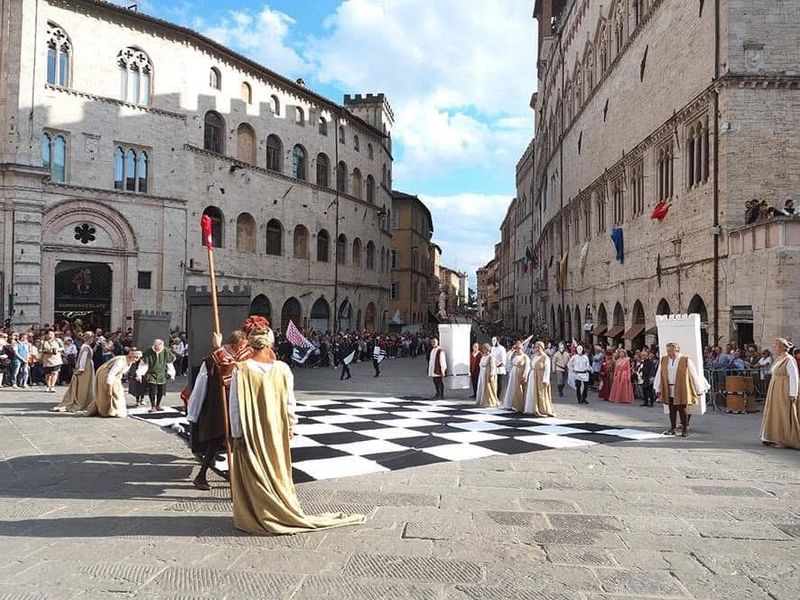
Named after Pietro Vannucci, the Renaissance painter known as Perugino, this elegant street forms the social heart of the city. Running through the historic center from Piazza Italia to Piazza IV Novembre, Corso Vannucci comes alive especially during the evening passeggiata when locals stroll and socialize. Historic palaces line both sides, their ground floors now housing cafes, boutiques, and chocolate shops.
This is where you’ll find both visitors and residents mingling at outdoor tables, sipping espresso or enjoying aperitivo. Window shopping here means admiring everything from high fashion to artisan chocolates. Street performers often entertain the crowds, adding to the lively atmosphere.
The corso’s wide pedestrian walkway makes it perfect for leisurely strolling without dodging traffic. Benches offer spots to rest while people-watching. As evening approaches, the street takes on a golden glow, and you’ll understand why locals consider their daily walk here an essential ritual.
11. Discover Palaces and Views at Every Corner
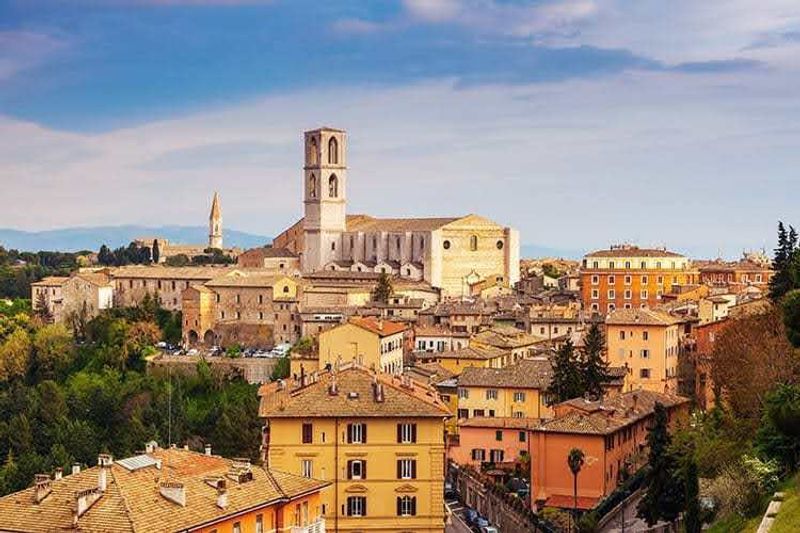
Perugia’s hilltop position creates countless opportunities for breathtaking views. Turn a corner in the historic center and suddenly you’re gazing across valleys toward distant mountains. The Umbrian landscape rolls away in every direction, covered with olive groves, vineyards, and cypress trees that look like they belong in a Renaissance painting.
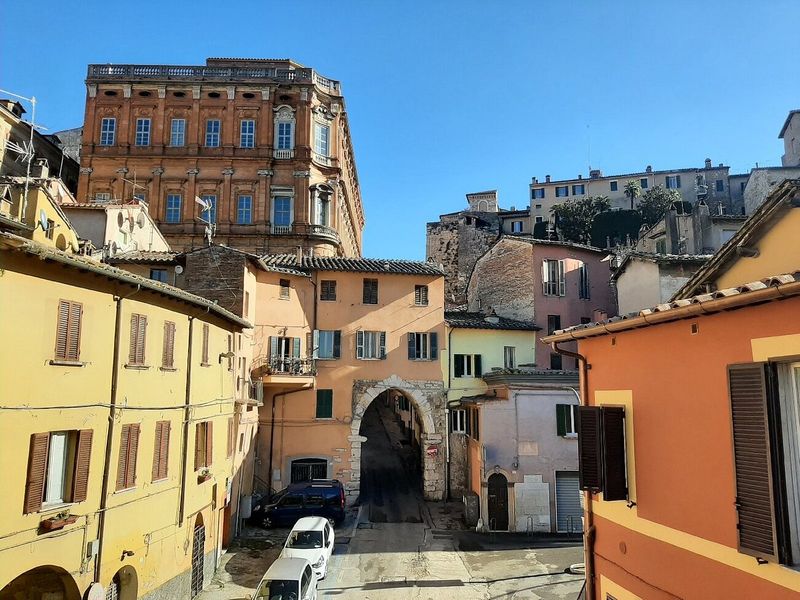
Many noble families built palaces here during the Middle Ages and Renaissance, competing to create the most impressive residences. These buildings feature architectural details worth studying: carved stone doorways, graceful loggias, and courtyards with ancient wells. Some now house museums or government offices, while others remain private homes.
The best views often come unexpectedly. A small terrace beside a church, a gap between buildings, or a rooftop cafe can suddenly reveal spectacular panoramas. Sunset transforms the landscape into shades of gold and purple. Bringing a camera is essential, though no photo quite captures the magic of seeing these views in person.
12. Join the Umbria Jazz Festival
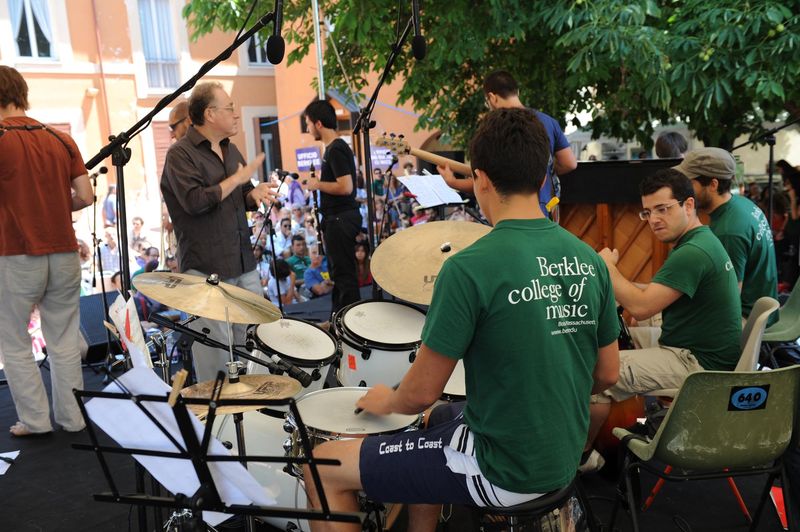
Each July, world-class jazz transforms Perugia into a music lover’s paradise. The Umbria Jazz Festival has attracted legendary performers since 1973, from Miles Davis and Dizzy Gillespie to contemporary stars. Concerts take place throughout the historic center, with stages set up in piazzas surrounded by medieval architecture.
Many performances are free, making excellent music accessible to everyone. You might stumble upon a street performance by talented musicians or catch a big-name act in one of the main venues. The festival atmosphere is relaxed and inclusive, with jazz fans of all ages mingling in the warm summer evenings.
Restaurants and bars stay open late during festival weeks, and the entire city buzzes with energy. Even if jazz isn’t your usual preference, experiencing live music in such beautiful historic settings creates magical moments. The combination of centuries-old stones, starlit skies, and brilliant musicianship makes this festival truly special.
13. Enjoy Local Umbrian Cuisine
While chocolate gets much attention, Perugia’s savory food deserves equal praise. Umbrian cuisine emphasizes simple, high-quality ingredients that let natural flavors shine. Black truffles from nearby forests appear in pasta dishes, omelets, and even shaved over pizza. Their earthy, intense aroma fills restaurants throughout the region.
Porchetta, slow-roasted pork seasoned with herbs and garlic, is sold from food trucks and markets. The crispy skin and tender meat make perfect sandwich fillings. Local pasta specialties include thick, hand-rolled strozzapreti and delicate ciriole served with hearty sauces.
Umbrian wines, though less famous than Tuscan varieties, pair beautifully with regional dishes. Sagrantino di Montefalco offers bold red flavors, while Orvieto provides crisp white refreshment. Family-run trattorias serve generous portions at reasonable prices, often featuring recipes passed down through generations. Eating well in Perugia is easy and affordable, making it a true paradise for food lovers.
14. Browse Artisan Shops and Markets
Beyond the chocolate shops, Perugia’s historic center hides numerous workshops where artisans practice traditional crafts. Leather workers create beautiful bags, belts, and wallets using techniques handed down through generations. The smell of leather and the sound of tools tapping create an authentic workshop atmosphere.
Ceramic studios display hand-painted pottery featuring classic Umbrian designs in rich blues, greens, and yellows. These aren’t mass-produced souvenirs but genuine artisan work, each piece unique. Watching potters shape clay on spinning wheels or painters add delicate details helps you appreciate the skill involved.
Weekly markets bring farmers and craftspeople together, offering everything from fresh produce to handwoven textiles. The covered market near Piazza Matteotti operates year-round, selling local cheeses, cured meats, and seasonal vegetables. Shopping here connects you with local life in ways tourist shops cannot, and you’ll find unique items impossible to replicate elsewhere.
15. Experience the Nighttime Ambiance
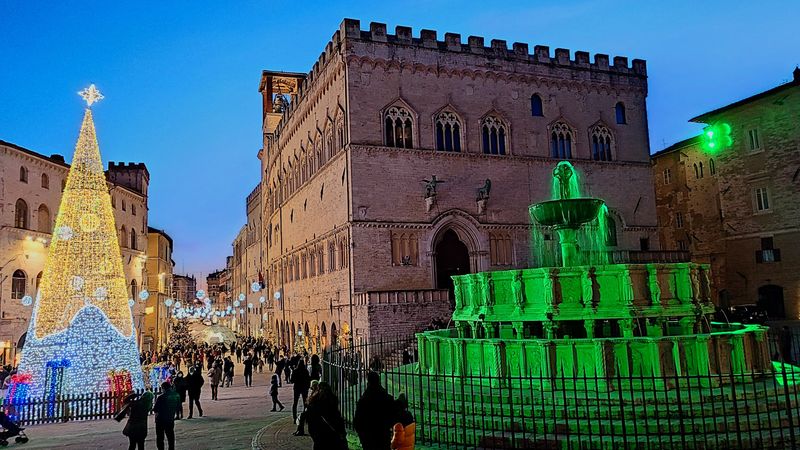
As darkness falls, Perugia reveals a different kind of magic. Warm golden lights illuminate medieval facades, creating dramatic shadows that emphasize ancient stonework. The major monuments receive special lighting that makes them glow against the night sky. Walking the same streets you explored during daylight offers completely new perspectives.
Aperitivo time brings locals out to socialize before dinner. Bars serve drinks accompanied by complimentary snacks, from simple chips and olives to elaborate buffets. This Italian tradition of pre-dinner gathering creates a relaxed, friendly atmosphere where conversations flow easily.
The piazzas fill with students from the local university, families, and visitors, all enjoying the pleasant evening air. Street musicians might serenade diners, while couples stroll hand-in-hand through the lamplight. The combination of ancient architecture, delicious food and drink, and warm social energy creates evenings you’ll remember long after returning home. Perugia truly comes alive after dark.



