 Unearth The Voyage
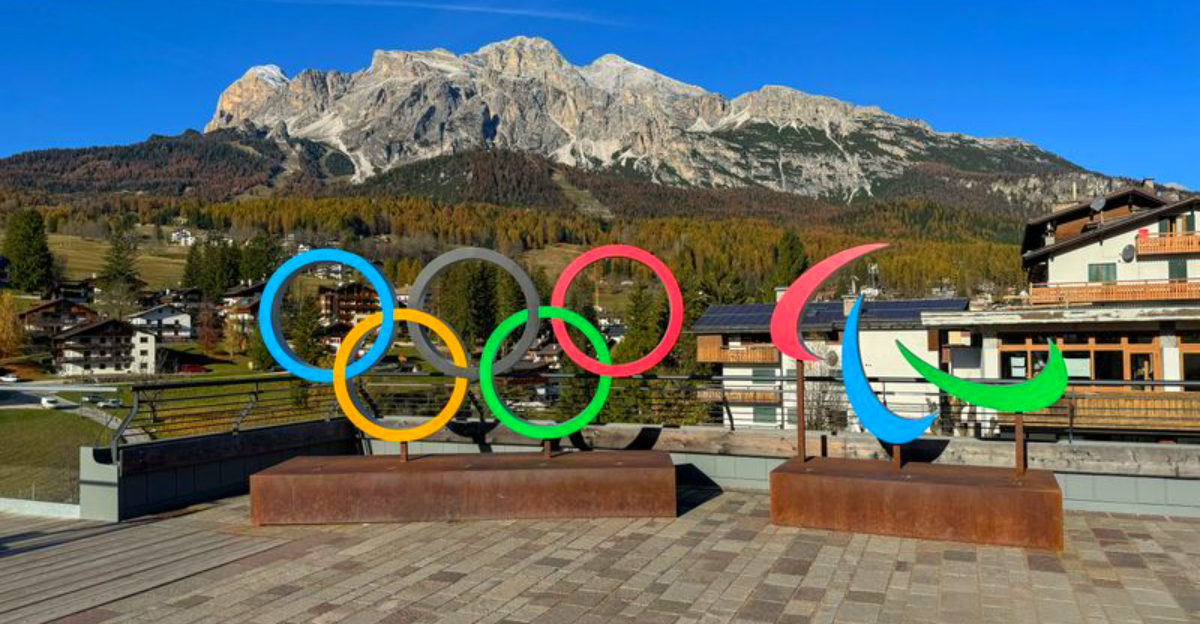
Ready to chase medals and mountains in one trip? Milano – Cortina 2026 turns the Winter Olympics into a moving adventure across northern Italy, from sleek city streets to snowy valleys.
You will sip espresso one morning and crunch across fresh snow the next. Pack curiosity and a flexible plan, because this route rewards travelers who love variety.
It’s Not One Host City – It’s a Whole Route Across Northern Italy
The first surprise hits fast: this Olympics is a route, not a dot on a map. Events stretch from Milan’s buzzing boulevards to Cortina’s icy skyline of limestone peaks.
You get motion built in, a trip that unfolds like chapters instead of a single crowded page.
A clerk at a Milan tabacchi slid my tickets over and said, Trains beat traffic, trust me. He was right.
With venues scattered across Lombardy, Veneto, and Trentino Alto Adige, the best strategy is to think like a traveler first, spectator second.
Expect contrasts at every stop. City arenas hum with espresso energy and late dinners, while mountain towns trade neon for crackling fireplaces and crisp air.
The beauty is choice: stack urban days with galleries and aperitivo, or pivot to valleys where cowbells and ski edges write the soundtrack. You will not see everything, and that is fine.
Pick a path that feels like you.
Milan Brings the Big-City Vibe (And the Opening Ceremony)
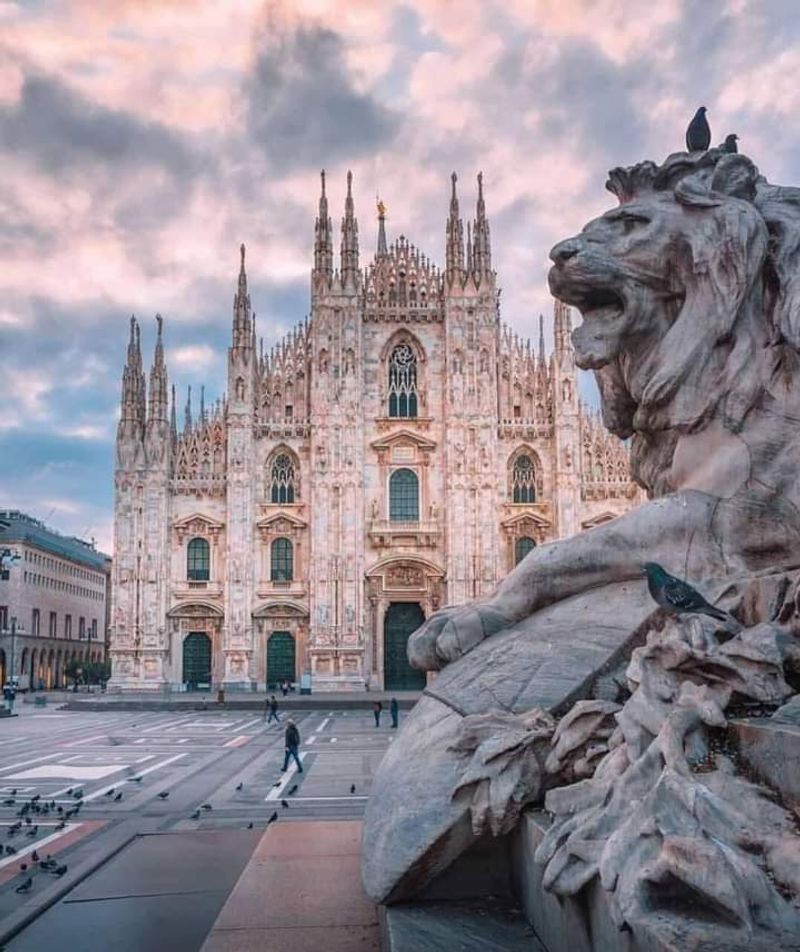
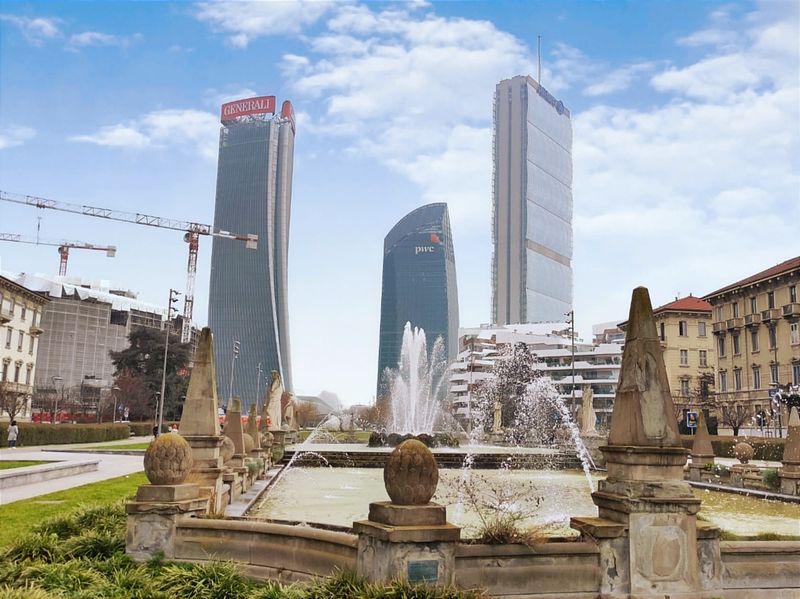
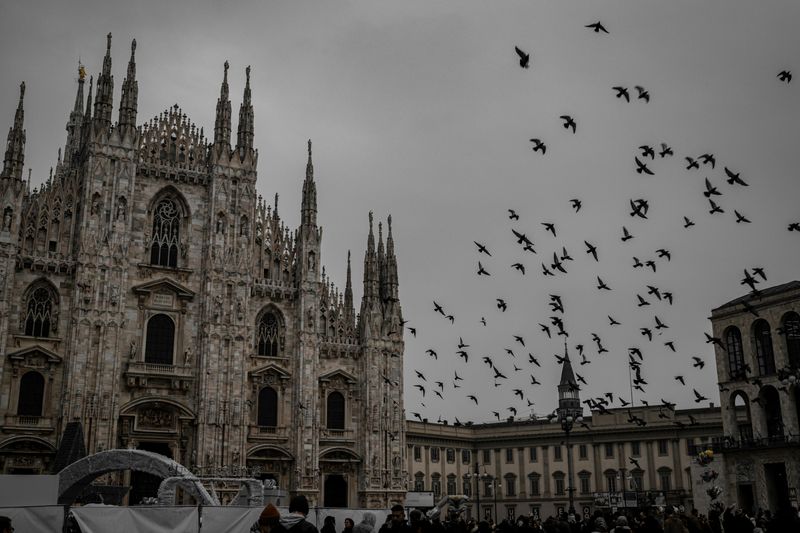
Neon glints off tram tracks, and Milan wastes no time showing off. Fashion windows shimmer, the Duomo glows, and aperitivo spills onto sidewalks even in winter chill.
For 2026, the city is the anchor, the gateway, and likely your most practical base.
Here is the move: stay near a metro line, book early, and time your museum slots between event sessions. You can bounce from Brera galleries to La Scala to stadium entrances without losing a day.
When the Opening Ceremony lights up, the city feels electric and gloriously impatient.
Between events, refill with risotto alla milanese, then squeeze in a cathedral rooftop walk if skies cooperate. Nightlife runs late, but mornings reward early risers with quiet piazzas and strong coffee.
Day trips are simple, stations efficient, and signage clear. You will feel the Games everywhere, yet Milan still feels like Milan, not a pop-up stage.
That blend is the real charm.
Cortina d’Ampezzo Is One of Italy’s Most Famous Mountain Resorts
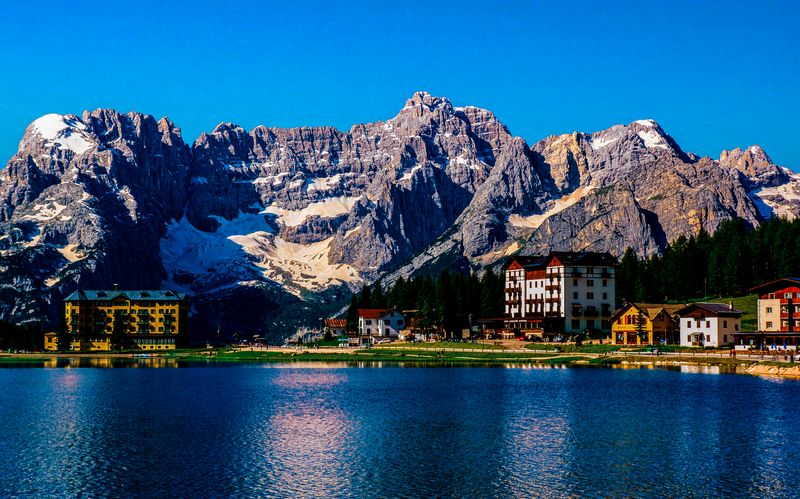
Snow crunches like sugar under boots, and Cortina answers with postcard bravado. Peaks loom like theater backdrops, and the town glows with chalet lights and soft chatter.
It is glamorous without trying, and the slopes sidle right up to the streets.
Start your morning with strudel and a view that feels suspiciously high-definition. The ski lifts hum, boutiques tempt, and mountain guides swap snow intel over tiny cups of rocket-fuel coffee.
Even non-skiers win here: scenic walks, cable cars, and slow lunches that stretch delightfully long.
I paused once by a quiet side lane and watched alpenglow paint the rock faces pink. Nothing else moved.
In that stillness, you understand why Cortina is more than a venue list. It is a mood.
For fans, it is easy to pair events with gentle exploration. For everyone else, it is a destination in its own right, where breathing feels like a hobby and time politely steps aside.
The Dolomites Are the Real Star of the Trip
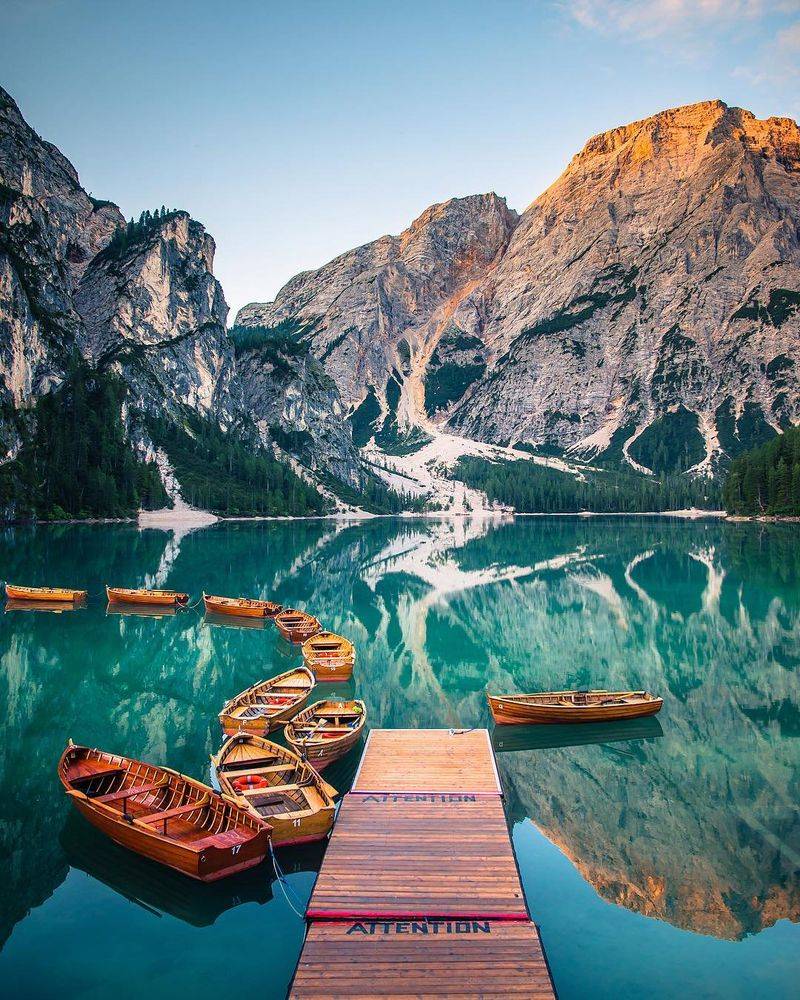
Pink rock ignites at dawn, and the Dolomites promptly steal your attention. These mountains are shameless scene stealers, with serrated horizons and valleys that feel purpose built for winter wandering.
Every viewpoint begs for a pause you did not plan.
Pick your flavor: skiing, snowshoeing, sledding, or spa days with steaming pools facing the skyline. Trails are well signed, lifts efficient, and mountain huts serve hot plates that erase all regret.
Photographers thrive here, but honestly, anyone holding a phone wins.
For balance, anchor one or two event days, then let the rest flex with weather and whim. The reward is movement without stress, a rhythm that matches the terrain.
When the light goes gold and cliffs glow, it is impossible not to slow down. The Games provide the excuse, but the Dolomites deliver the memory.
Bring layers, curiosity, and a willingness to linger.
Some Events Will Be in the Mountains – Some Will Be in the City
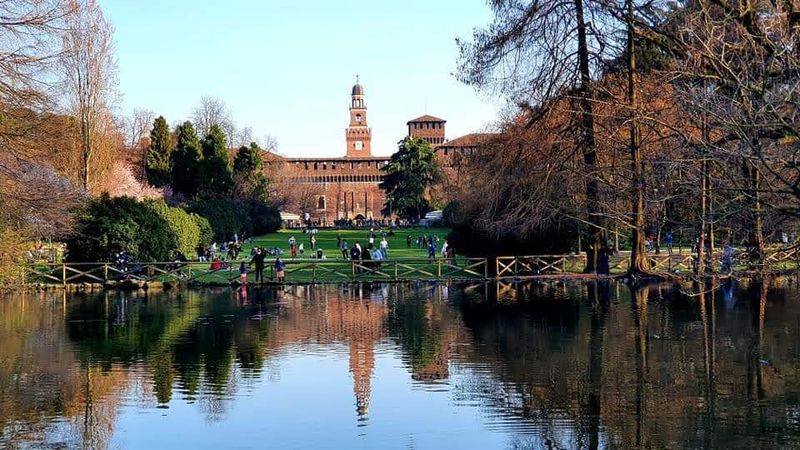
Two worlds, one ticket: that is the Milano – Cortina contrast in a nutshell. One day you are clapping inside a sleek arena beside espresso bars, the next you are stomping warmth into your boots in a snow-wrapped valley.
Variety is not a bonus, it is the design.
Plan with intention. Slot indoor sports on days with dicey forecasts and save mountain sessions for clearer windows.
Keep an eye on transport time, because transfers can eat afternoons if you wing it. Morning trains help, as does staying flexible on meals and museum slots.
The thrill is the switch. Your camera roll will jump from street art to ice tracks to peaks turning lavender at dusk.
That quick-march of moods gives the trip its kick. You will remember the cheers, sure, but also the tailwind on a sunlit platform and the hot chocolate that saved your fingers.
This is rare Olympic pacing, and it works beautifully.
You’ll Be Traveling Through Lombardy, Veneto, and Trentino-Alto Adige
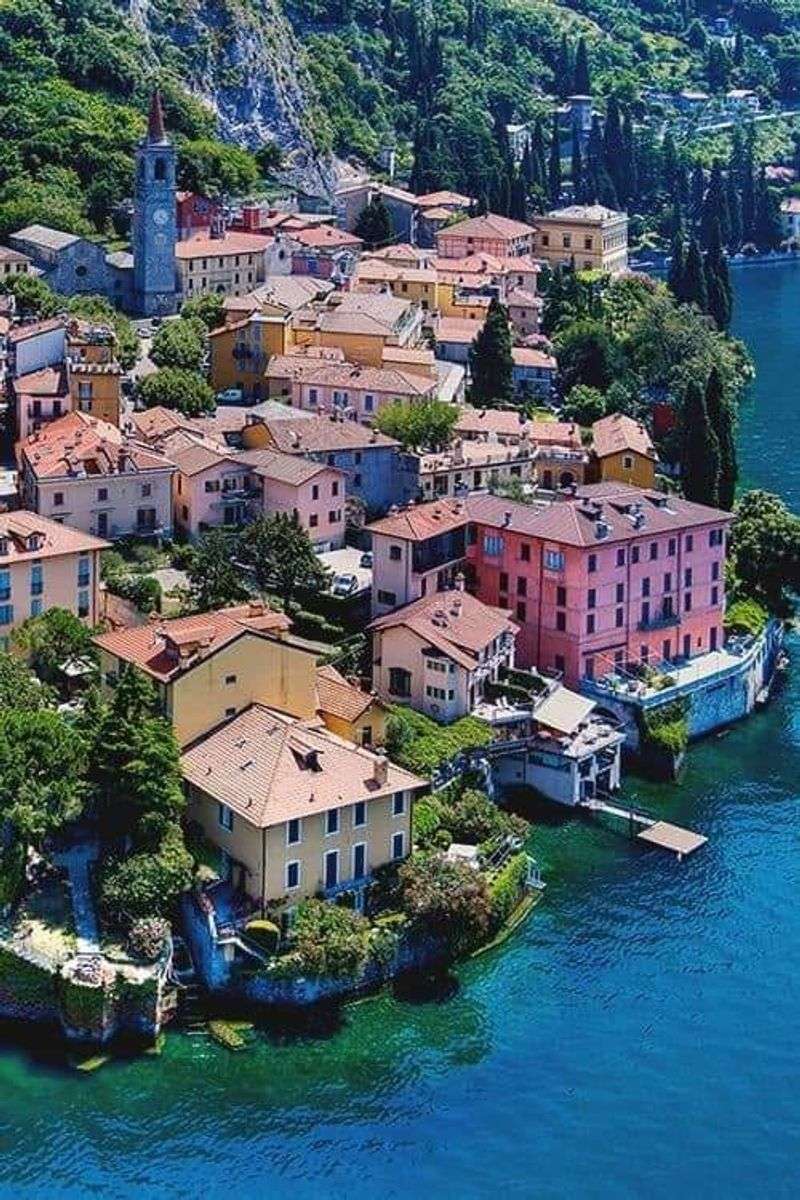
A bilingual sign flashes by, and the shift is instant. Lombardy speaks in glass towers and gallery queues, Veneto leans into mountain charm, and Trentino Alto Adige nods to Alpine heritage with hearty plates and tidy villages.
Three regions, three personalities, one itinerary.
Food tells the story. Milan pushes risotto and aperitivo; Veneto warms you with polenta and stews; Trentino Alto Adige brings speck, canederli, and strudel.
Even coffee breaks feel regional, from sleek counters to wood-paneled cafes humming with locals.
Moving between them is half the fun. Trains are reliable, buses fill gaps, and drivers handle snow with calm efficiency.
You will notice differences in language, architecture, and mealtime habits. Let those details guide your stops.
Stand on a quiet platform, look at the mountains or the skyline, and decide what flavor you want next. This is not just Italy; it is a sampler of Italies stitched together by rails and valleys.
Lake Como Is Right There (Yes, That Lake Como)
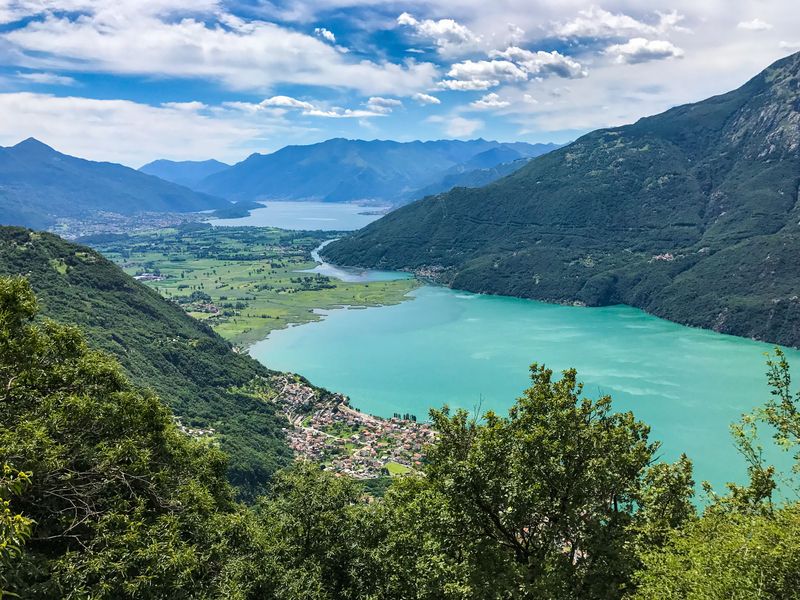
A ferry horn rolls across still water, and Como answers with calm. Winter strips the lake of summer crowds, leaving villas, cypress lines, and quiet promenades for those who like space to think.
From Milan, the ride is quick and the mood shift dramatic.
Spend a rest day here when schedules get tight. Wander Bellagio’s stepped lanes, sip something warm on a terrace, then catch a mid-lake ferry just because it feels right.
Views keep changing, hill by hill, curve by curve. The scenery looks expensive, but the peace is free.
I once misjudged the chill and bought a wool hat from a tiny dock shop. Best souvenir of the trip.
Como plays well between high-energy event days, offering motion without effort. If skies lift, light turns silver and the mountains reflect like a mirror.
If fog hangs low, it is moody and cinematic. Either way, you win.
Verona and Venice Are Possible Side Trips
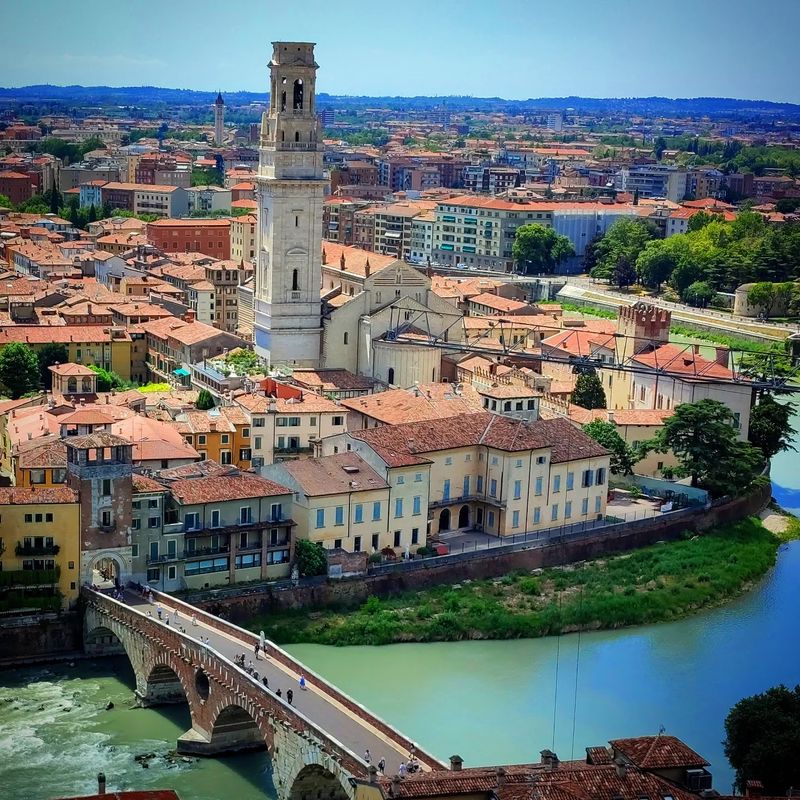
A Roman arena on one hand, a floating city on the other. Northern Italy spoils you with options, and both Verona and Venice slip neatly into an Olympics schedule.
Trains make the temptation practical, and winter thins the crowds just enough.
Verona is compact, romantic, and built for wandering. Stone bridges, tidy piazzas, and that ancient amphitheater bring instant atmosphere.
Venice, meanwhile, is itself a spectacle, water shifting colors under palazzi and bells chiming through fog.
Time it right. Slot Verona for a half day between sessions, or give Venice a full day so you can get gloriously lost.
Leave early, return late, let the calendar stretch. You will trade some rest, but the payoff is big: two icons layered onto your Olympic story without stealing the show.
Keep tickets digital, shoes waterproof, and expectations flexible. The rest takes care of itself.
Italian Food Will Be Half the Experience
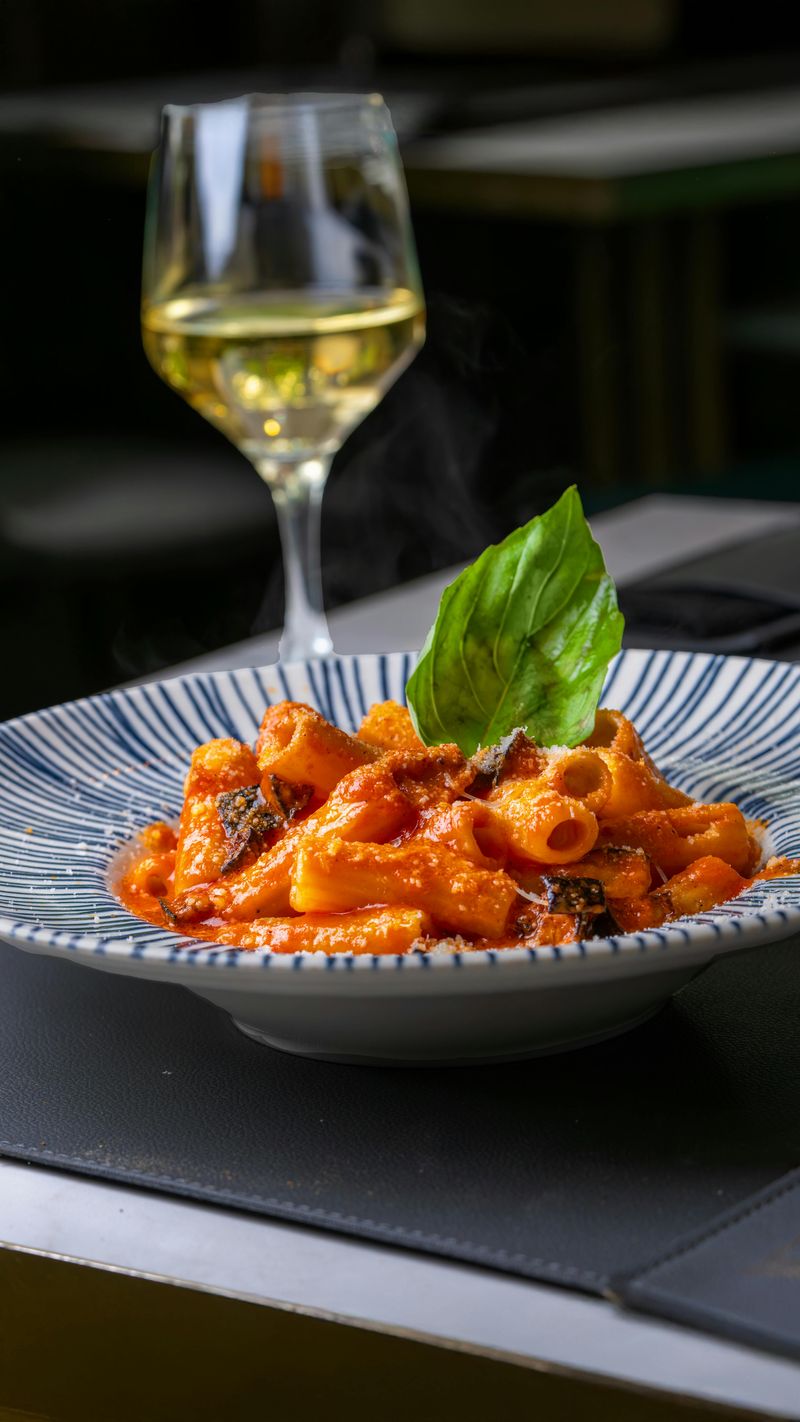
Steam curls from a bowl and the crowd noise fades. Food fuels this trip as much as schedules do.
In Milan, risotto alla milanese lands buttery and golden, cotoletta crackles, and aperitivo rituals teach you to linger before dinner.
Head north and plates get heartier. Polenta anchors everything, speck sneaks into sandwiches, and alpine kitchens pour hot chocolate so thick it feels like dessert and blanket in one.
Menus are seasonal, portions honest, and service brisk but kind.
Eat when you can, not when you planned. Between trains and events, duck into counters for a quick bite, then treat yourself to a long meal when the day relaxes.
I keep a tiny list of places I loved, but half the fun is trusting a chalkboard menu. Your best souvenir might be a recipe scribbled on a receipt and a promise to remake it at home.
Public Transportation Will Matter More Than You Think
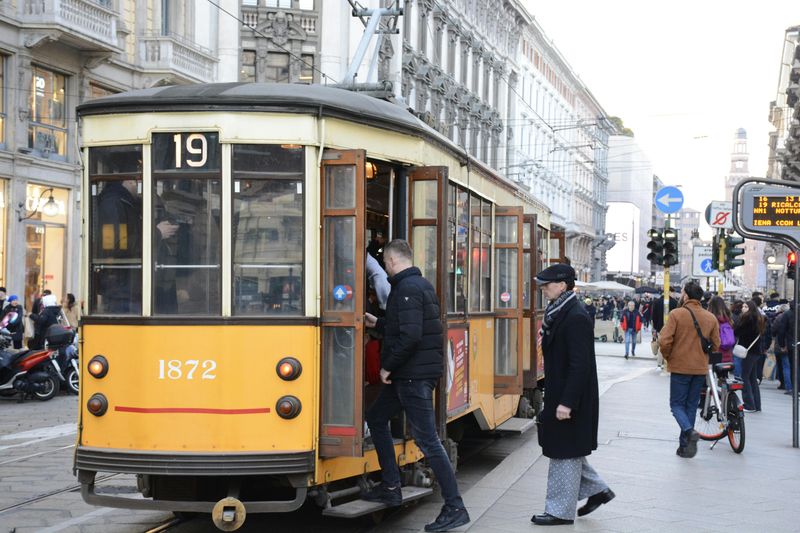
A departure board flips letters and your plan clicks into place. Trains and buses are the backbone of this Olympics, more vital than usual because venues span regions.
Treat your route like an itinerary within the itinerary.
Buy tickets ahead for peak windows, but keep some wiggle room. Use regional passes where they make sense and map transfer times carefully.
Apps help, yet platform awareness helps more. Standing in the right spot can save minutes that matter when snow or crowds slow exits.
Think hubs. Milan for long jumps, Verona or Bolzano for pivots, Belluno for mountain approaches.
If you rent a car, respect winter conditions and parking limits. I learned to carry snacks and gloves in the daypack, because the only time you truly wait is when you skipped both.
Move smart, and the network becomes part of the fun instead of a hurdle.
Winter Weather Will Shape Everything
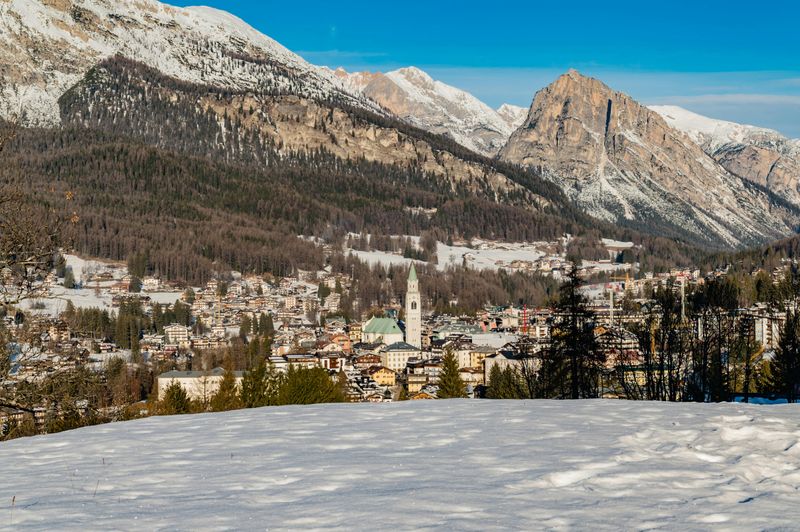
Fog drapes the city, then a few hours later snow squeaks underfoot in the mountains. February in northern Italy keeps you guessing.
Pack like you respect mood swings, because you will meet them all.
Milan can be damp, breezy, and occasionally icy before sunrise. The mountains can be brilliant or blustery, sometimes both in a day.
Layers, waterproof shoes, a warm hat, and gloves you can operate a phone with are nonnegotiable. Add micro spikes if you plan winter walks.
Weather also edits schedules. Save flexible activities for questionable days and lock key events when forecasts behave.
I once hid from sleet in a tiny bar and discovered the best cioccolata calda of the trip. Not a loss.
Build buffers, check conditions, and treat weather like a teammate with strong opinions. Do that, and you will stay comfortable and nimble.
This Olympics Has a Slow Travel Feel (If You Do It Right)
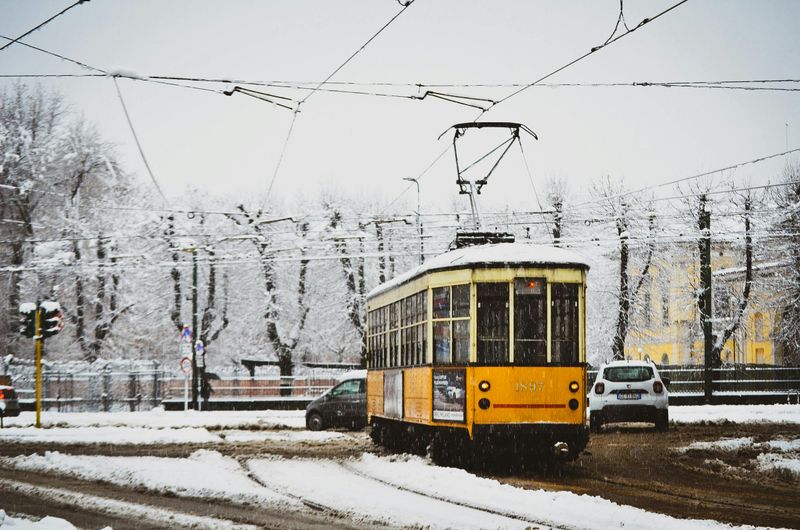
A quiet cafe table can be the best seat of the Games. Stretch the trip instead of sprinting, and Milano – Cortina turns into a satisfying loop of events, walks, and simple pleasures.
The trick is choosing less so you experience more.
Pick one or two dream sessions and build days around them. Let mornings start slow, move when trains are empty, and wander neighborhoods without a checklist.
Snack often, talk to bartenders, and follow local tips that feel right in the moment.
I kept a tiny notebook and a loose plan. The notes are small, but the memories feel big: a view no brochure promised, a conversation in mixed languages, a sunset that decided the day’s ending.
Call it slow travel or just good travel. Either way, this Olympics rewards unhurried curiosity.
Leave space, and the route will fill it beautifully.
Where To Base Yourself: One Hub Or Two
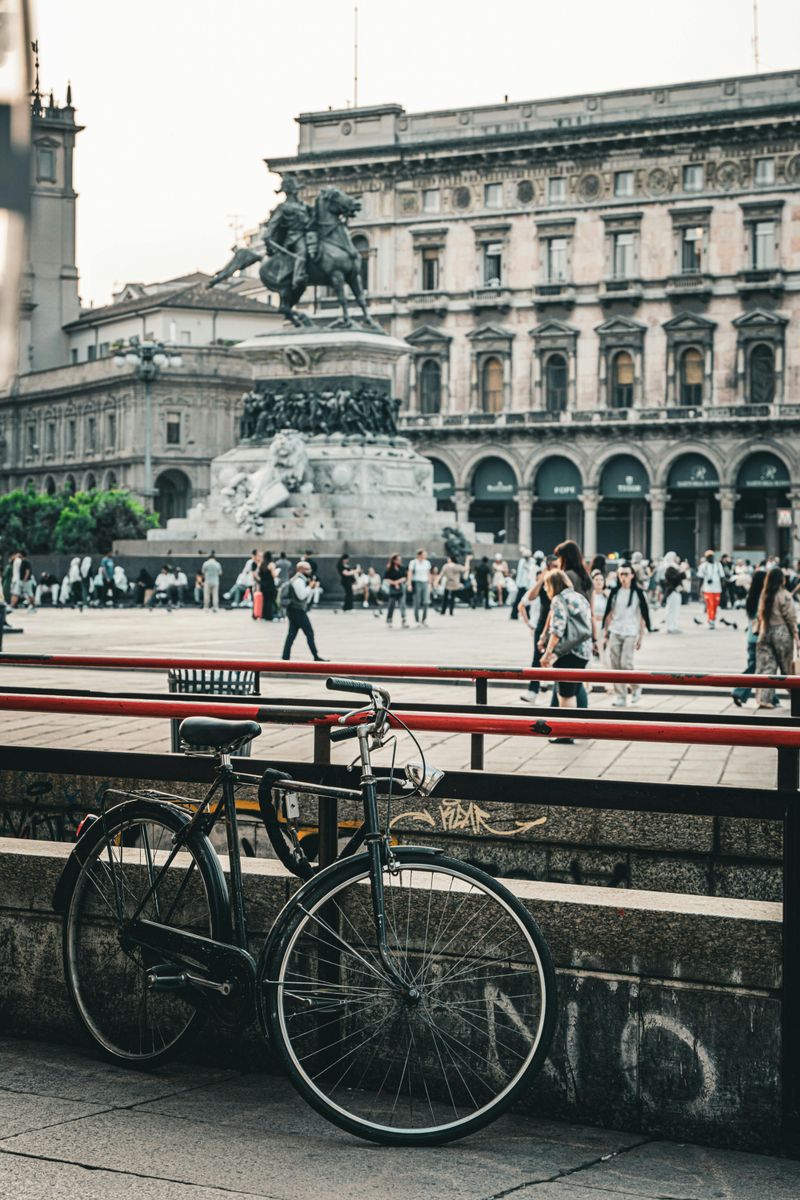
A small decision shapes the whole trip: one base or two. Milan as a single hub keeps logistics simple, with fast trains fanning outward.
A split stay adds flavor, pairing city energy with mountain calm so you wake to a different view midway through.
If you choose one hub, stay near a station and accept a few longer rides. Your reward is luggage that barely moves and a familiar cafe corner.
If you choose two, pack light and time the transfer as a scenic day with a leisurely lunch between legs.
Families often prefer one hub, while photographers and skiers love the split. I did a two-base setup and liked the mental reset it gave.
Either way, book early, skim cancellation policies, and match your plan to your must-see events. The right base is the one that lets you breathe, not chase.
Tickets, Timing, and Crowd Savvy
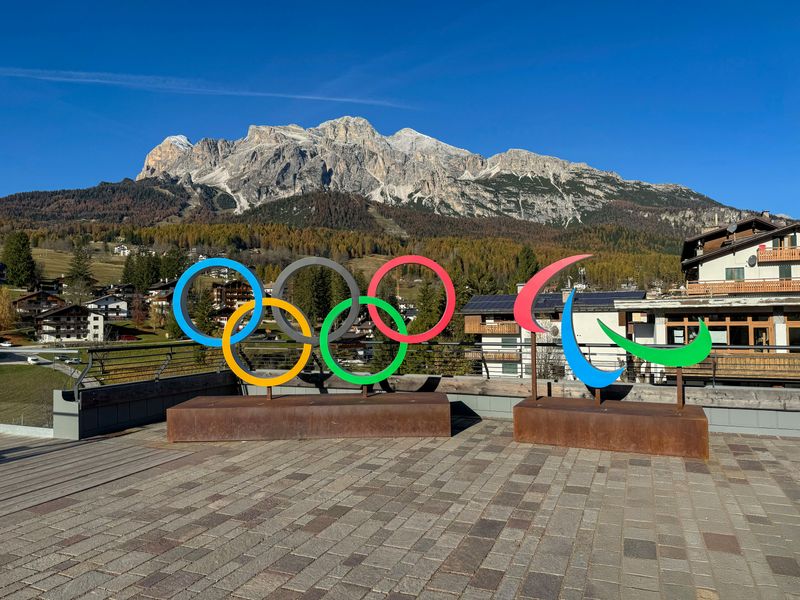
A turnstile click can set the tone. Buy official tickets early, keep them digital, and pair each with a clear arrival window.
Aim to be through security sooner than you think, especially on mountain days when shuttles and weather add variables.
Between sessions, avoid the rush by shifting meals ten minutes earlier or later than the crowd. Hydrate, pocket a snack, and mark bathrooms you actually liked.
The best seat is not always central; sometimes a corner gives cleaner sightlines and faster exits.
I learned to screenshot schedules because platforms and signals change when reception drops. It saved me twice.
Be polite with staff and you will get the best micro tips of the day. Crowds swell and fade like tides, but you can surf them with small adjustments.
That extra margin equals more calm and better memories.
Budgeting Without Killing the Fun
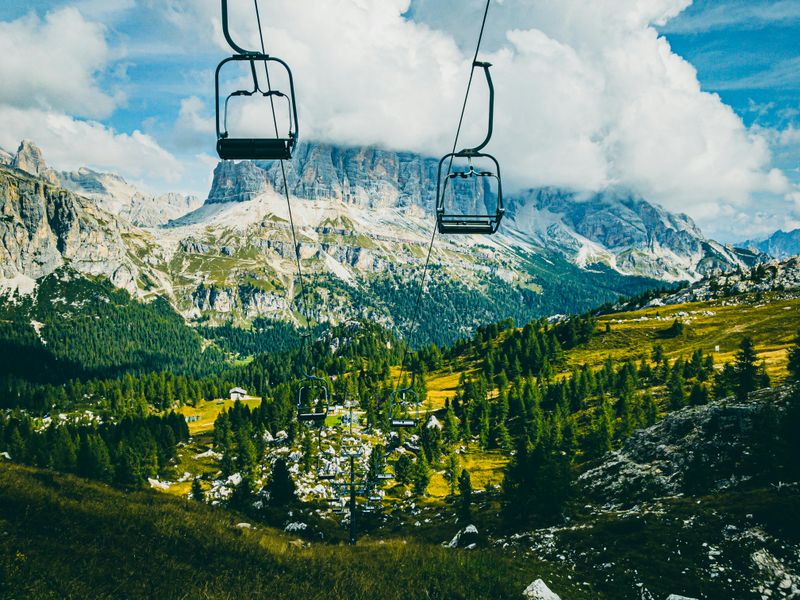
Sticker shock hides in plain sight during big events, but you can outsmart it. Book lodging early, target transit passes, and anchor your days with one splurge and several low-cost wins.
Street-side espresso, bakery lunches, and market snacks keep energy high without drama.
Free or cheap moments add sparkle. Cathedral facades at sunrise, window shopping in design districts, and mountain viewpoints that cost only a bus ride deliver big returns.
For dinners, seek trattorias two blocks off the main drag and trust the daily special.
I keep a running note of tiny costs that creep: luggage lockers, seat reservations, and that irresistible pastry habit. Awareness beats austerity.
Set a range, protect your must-dos, and treat everything else as flexible. The result feels rich without being reckless, and you still have room for that unplanned hot chocolate that becomes the story.
Packing Smart For City And Snow
A well-packed bag feels like a superpower on this route. Think layers you can swap, waterproof boots that still look city-ready, and a jacket that handles drizzle and chairlifts.
Add a warm hat, touchscreen gloves, and a scarf that doubles as pillow on trains.
Tech matters too. Portable battery, offline maps, screenshots of tickets, and a small first-aid kit earn their space.
Micro spikes help for icy walks, while a slim tote covers museum days when a backpack feels bulky. Keep toiletries simple and quick to clear at security.
My best upgrade was merino socks, which turned long days into regular days. Pack light, wash small items at night, and leave room for a treat or two on the way back.
Versatility beats volume here. If everything mixes and matches, you move easier, stay warmer, and spend more energy on the actual fun.
Making The Most Of Non-Event Days
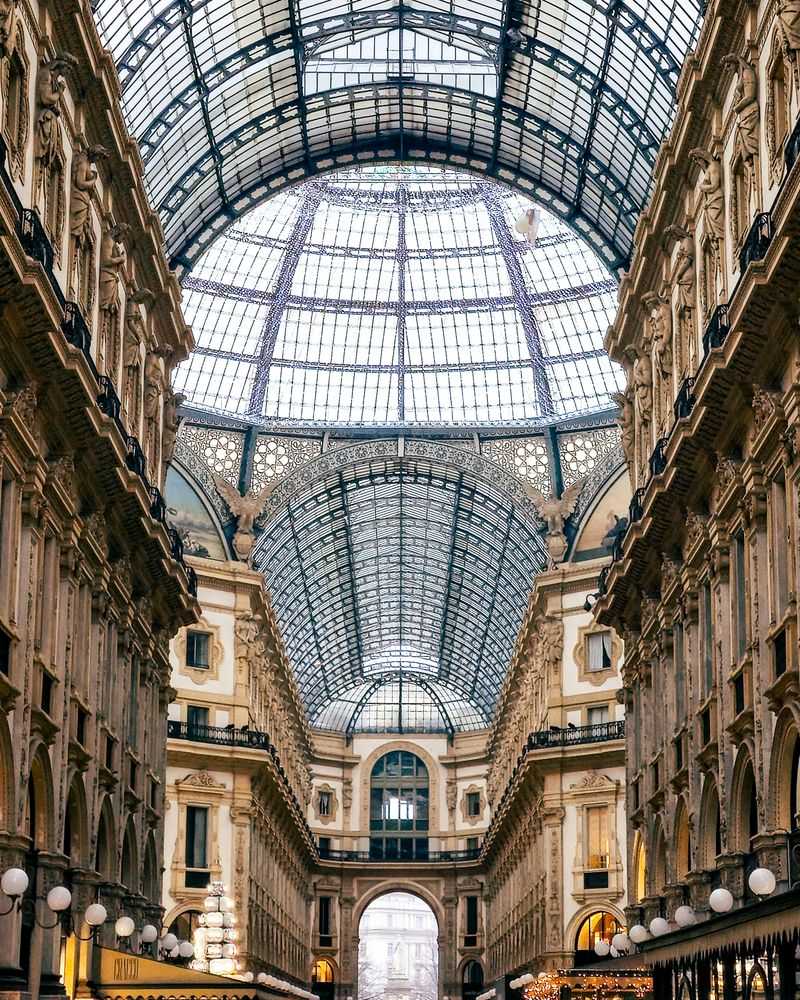
A slow morning stroll can reset your whole schedule. Use non-event days to drift through neighborhoods, taste-test bakeries, and browse design shops you bookmarked months ago.
Later, point yourself at a trailhead or spa and let the mountains soften everything.
Mix structure with whim. Reserve one anchor activity, then leave space for discoveries: a courtyard museum with no line, a local market, or a sun patch on a quiet bench.
Photography lovers should chase golden hour in whichever setting they wake up in.
I once skipped an optional session and found a tiny workshop where a luthier tuned violins in patient loops. That hour was worth any medal ceremony.
Your trip deserves those side notes. Non-event days keep the pace human, the budget balanced, and the stories textured.
When the next big cheer comes, you will be ready to enjoy it fully.



